

罗马或许是拥有众多标志性景点的“永恒之城”——斗兽场、梵蒂冈、特雷维喷泉——但只要走出常规旅游路线,你就会发现一种更地道的魔力。穿梭于人潮之外,你会邂逅宁静的花园、别具一格的新艺术风格街道、无需排队即可参观的古迹,以及“甜蜜生活”(la dolce vita)原汁原味地绽放的街区。 本指南将带你踏上一段探索罗马隐藏瑰宝的旅程——那些鲜为人知、却深受当地人喜爱、令背包客们引以为豪的发现。从圣彼得大教堂的秘密“钥匙孔”视角,到远离任何博物馆游览路线的街头艺术天堂,我们将带你发掘罗马那些展现这座城市灵魂的独特角落。
您个人“愿望清单”上的每一处隐秘宝地,都附有如何找到它、在那里可以做什么,甚至附近哪里能吃上一顿的贴心建议——同时确保一切都经济实惠(其中许多都是免费的,或者只需几欧元)。 无论你是想体验当地风情的独自旅行者,还是预算有限却热衷冒险的一群朋友,这些罗马秘境都将用难忘的体验丰富你的旅程。带上你的好奇心(和一双舒适的步行鞋),准备好去探索罗马最棒的冷门宝藏吧!
阿文丁山——日落美景与神秘的钥匙孔
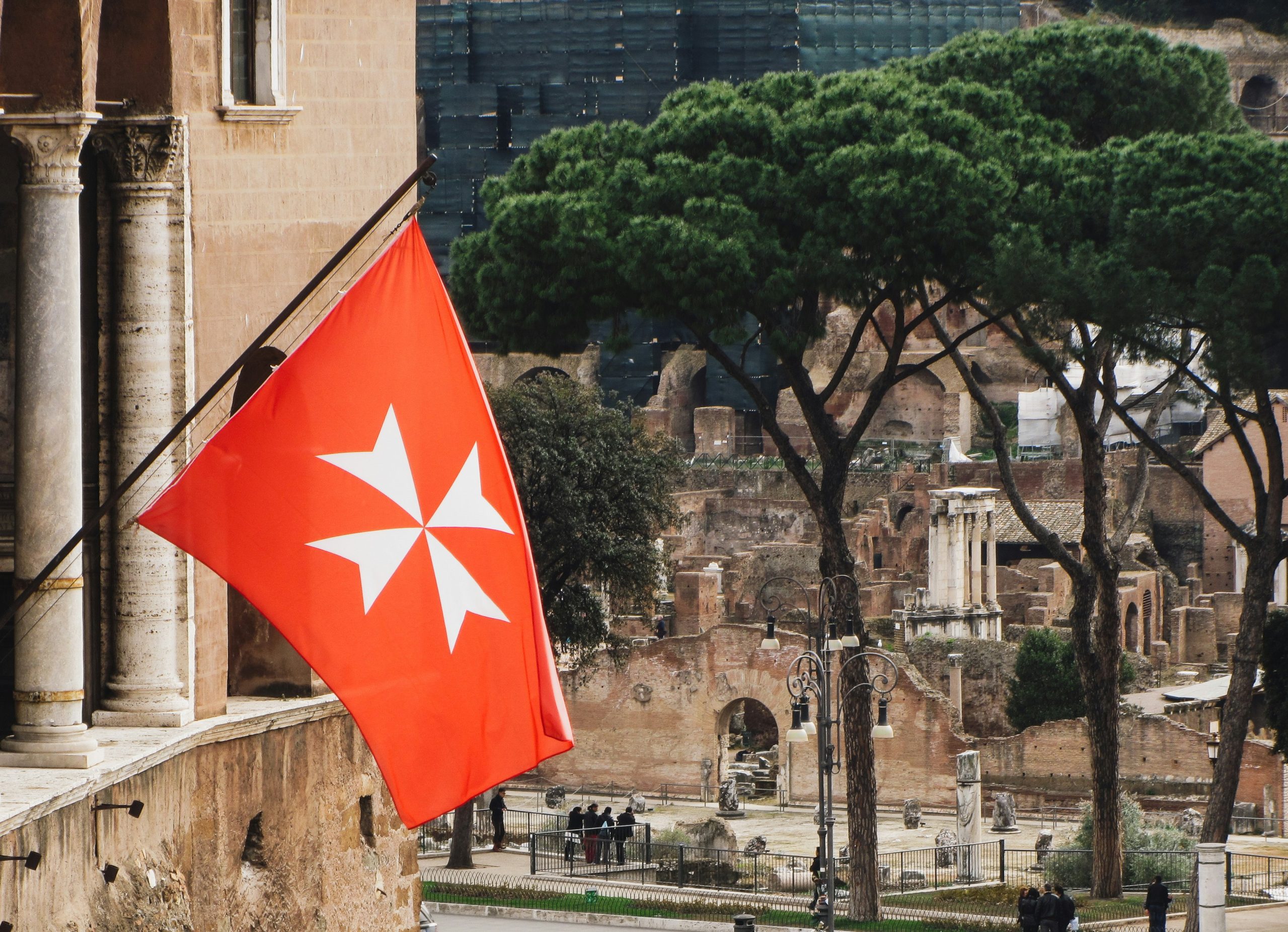
在宁静的阿文丁山,远离城市的喧嚣,你会发现罗马两个最迷人的秘密比邻而居。吉尔达诺·德利·阿兰奇(橙园)是一座位于悬崖顶的小公园,园内遍布芬芳的橘树和一座古堡的历史遗迹。 日落时分来到这里,你可以欣赏到一幅全景画卷:视野从罗马的圆顶和屋顶一直延伸至圣彼得大教堂——这里是当地人寻求宁静浪漫景致时的最爱之地。 仅几步之遥便是“马耳他骑士团钥匙孔”——一扇没有标识的绿色门上开着一个微小的钥匙孔,恰好将远处的圣彼得大教堂圆顶框入其中。透过钥匙孔窥视,仿佛发现了一张真实的明信片;这是一个妙趣横生的惊喜,却常被大多数游客完全忽略。 再往前走几步,便可参观古老的圣萨比娜大教堂及其宁静的庭院,这更增添了阿文丁山的宁静魅力。这片山顶区域散发着宁静而独有的氛围(这里设有几座大使馆和一座修道院),让你仿佛发现了一个只有内行人才知道的罗马。
如何前往
-
地铁:乘坐B线至Circo Massimo站。从那里沿Via di Santa Sabina上坡步行10分钟即可到达花园入口。
-
乘坐公交车:81路或160路公交车可在阿文丁山脚下附近下车(Parco Savello或Santa Prisca站),步行片刻即可到达橘园。
-
步行:如果您正在游览历史中心,可以从斗兽场区域出发,穿过大竞技场(Circus Maximus),漫步至阿文丁山。虽然需要稍微爬一段坡,但沿途风景非常优美。
当地小贴士
在阿文丁山,时机至关重要。橘园的日落美得如梦似幻——您将看到圣彼得大教堂圆顶上笼罩的金色光芒,甚至可能听到远处传来的教堂钟声。橘园免费开放,直至傍晚(约日落时分)。 山顶上没有咖啡馆,建议自备零食或意式冰淇淋。若想稍后享用美食,不妨漫步至特斯塔乔(Testaccio,邻近街区)——那里是罗马人常去的用餐之地。特斯塔乔市场(上午至下午早些时候开放)提供各种街头小吃,例如特拉皮齐诺(trapizzino,馅料丰富的披萨口袋),以及吉奥利蒂(Giolitti)的经典意式冰淇淋。 傍晚时分,特斯塔乔区的意式小餐馆(如紧邻特斯塔乔山古陶器山而建的“弗拉维奥·阿尔·维拉韦沃代托”餐厅)以当地价格供应地道的罗马菜肴——这正是您结束阿文丁山探险之旅后最完美的犒赏。
科佩德区——罗马新艺术风格的童话角落
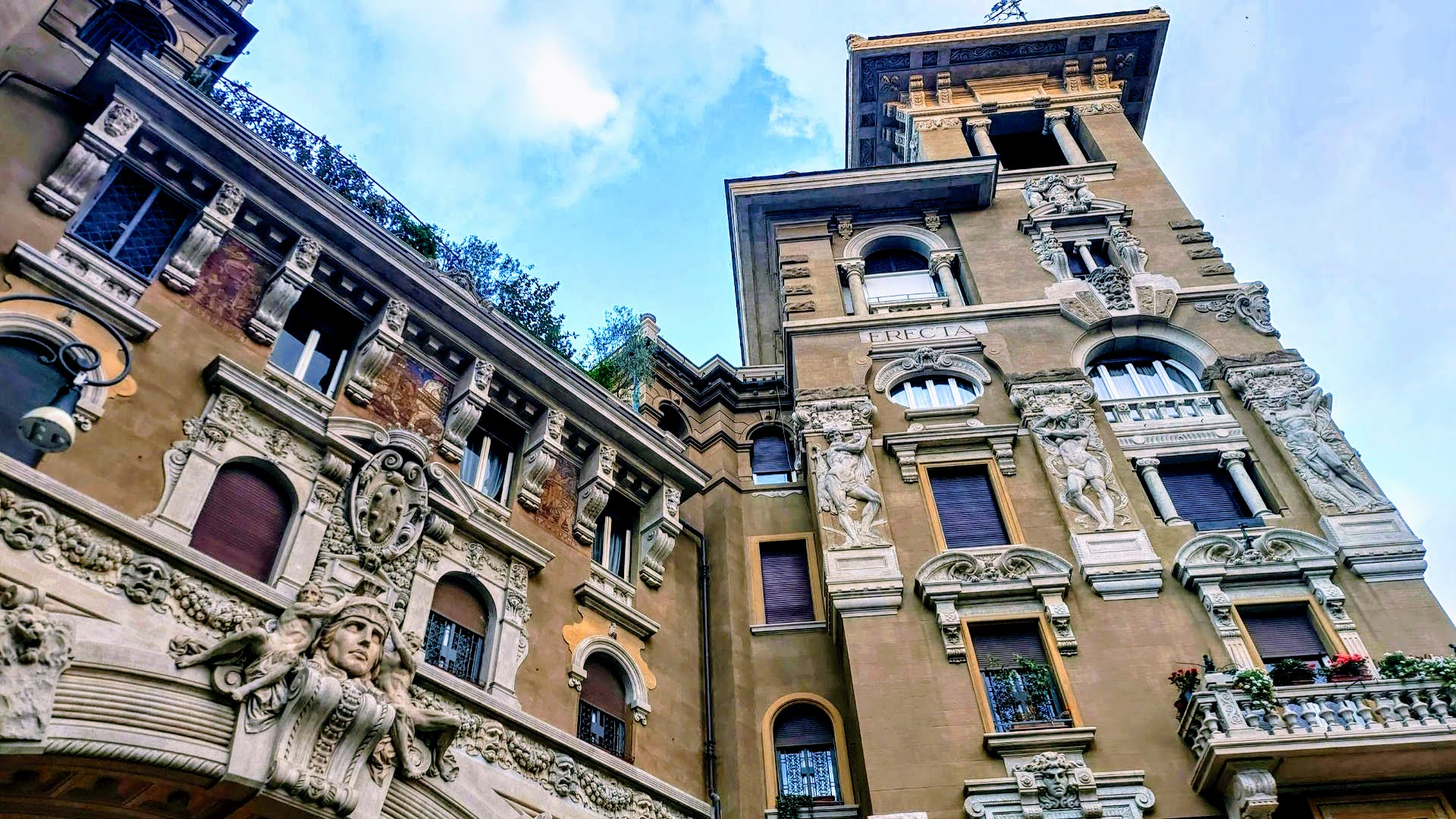
科佩德街区隐匿于罗马的里雅斯特社区住宅区中,置身其中仿佛踏入了一部奇幻电影的拍摄现场——事实上,这里正是罗马最鲜为人知的建筑秘境之一。 这个由建筑师吉诺·科佩德(Gino Coppedè)于1910至1920年代设计的迷你街区,巧妙融合了新艺术运动、巴洛克和中世纪哥特式风格的奇思妙想。 穿过多拉街(Via Dora)上那座装饰华丽的拱门,映入眼帘的便是悬挂在两栋建筑之间的巨型锻铁吊灯。再往前走,奇特的建筑环绕着小广场:不妨寻找“青蛙喷泉”(Fontana delle Rane)——据传说,披头士乐队曾在附近举办演唱会后,在此即兴戏水! 科佩德区的每栋建筑都充满奇思妙想的细节——马赛克外墙、壁画、拱门以及神话雕塑。一栋别墅宛如童话城堡,另一栋则拥有花卉图案的外墙和奇思妙想的阳台。 这里的街道宁静,属于住宅区,因此你很可能几乎独享整条街,可以尽情欣赏这些超现实的建筑。摄影爱好者会特别喜欢这个街区如梦似幻、色彩斑斓的氛围——这里是Instagram上的宝藏,却被大多数罗马游客完全忽视了。
如何前往
-
乘坐有轨电车:搭乘3路或19路有轨电车至布宜诺斯艾利斯广场(又名玛格丽塔王后广场)。科佩德区的拱门入口距离该广场仅2分钟步行路程,位于多拉街(Via Dora)与塔利亚门托街(Via Tagliamento)交汇处。
-
地铁/公交:最近的地铁站是波利克利尼科站(B线),步行约15分钟即可到达。多条公交线路(如63路或83路)也会在布宜诺斯艾利斯广场或塔利亚门托街停靠。
-
步行/骑行:从博尔盖塞别墅或威尼托街一带出发,向北步行20至30分钟即可抵达这个宜人的住宅区。骑自行车也是不错的选择,因为该地区的车流量比罗马市中心要少。
当地小贴士
这里没有门票,也没有官方导览——漫步才是重点,所以请放慢脚步,细细探索每一座装饰华丽的建筑(布伦塔街和奥洛纳街上的一些建筑外立面尤其上镜)。如果您想几乎独享这片宁静,工作日的这里格外安静。 请记住这里是住宅区:请保持尊重并控制噪音,尤其是在清晨或深夜。若想在附近提提神,不妨前往玛格丽塔女王大道(Viale Regina Margherita)上的安德烈奥蒂糕点店(Pasticceria Andreotti)享用一杯咖啡和一份糕点(这是科佩德附近一家深受当地人喜爱的甜品店)。 若您在午餐时间来访,不妨前往几条街外的基亚纳街(Via Chiana)上的的里雅斯特市场(Mercato Trieste,带顶棚的市场),品尝当地的奶酪和帕尔马火腿——这正是罗马日常生活的真实写照,与您别具一格的科佩德之旅相得益彰。
阿皮亚古道——通往遗址与地下墓穴的古道
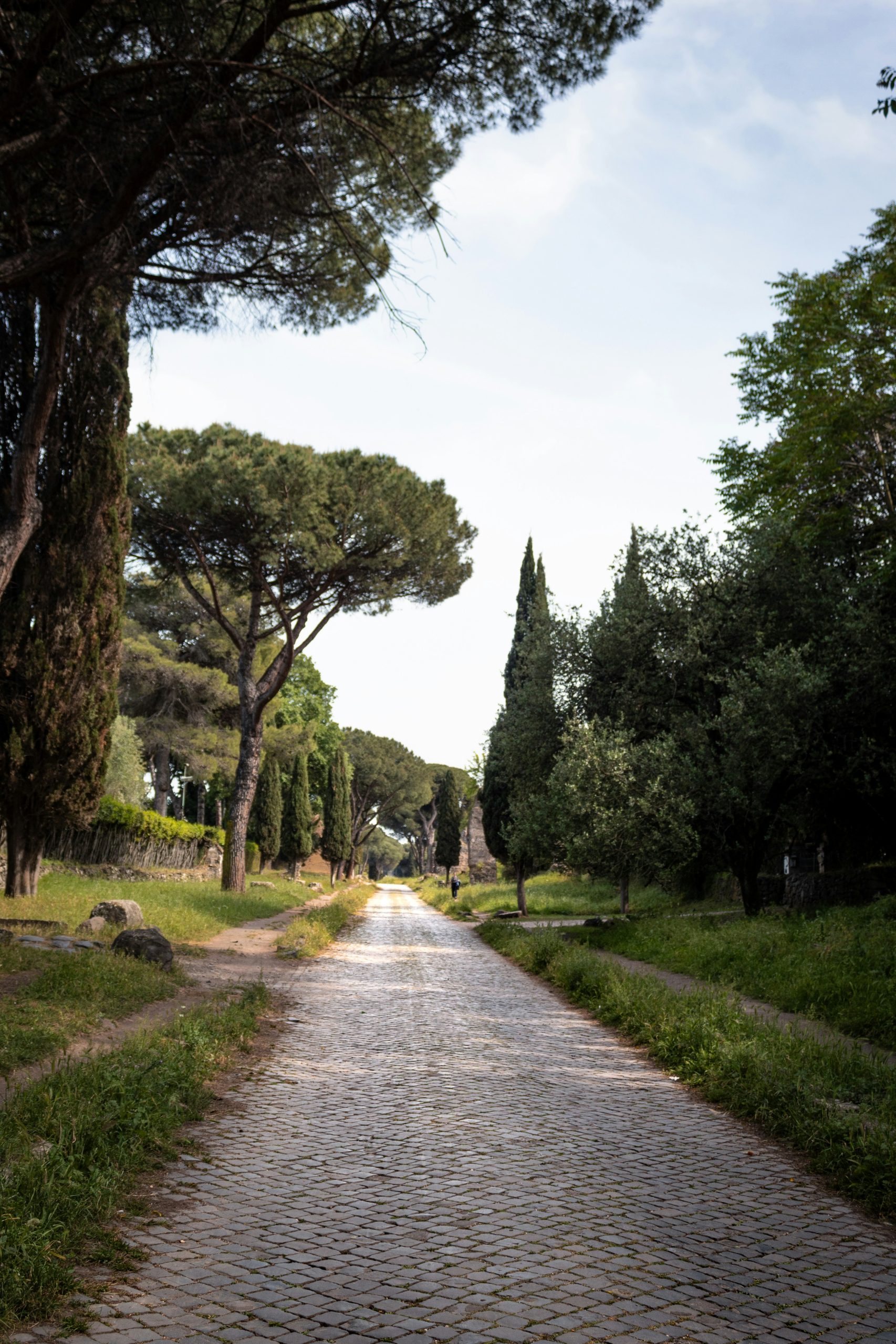
徒步或骑行阿皮亚古道(Via Appia Antica),仿佛穿越回2000年前,而这里距离市中心仅几英里之遥。 这条古罗马道路曾将首都与布林迪西及更远的地方相连,其起始路段如今已成为一座地区公园的一部分,沿途散布着露天遗址、墓葬和地下墓穴。巨型伞松沿着这条曾经有战车驰骋的鹅卵石路两旁耸立——在某些原始石块上,你甚至能清晰地看到车轮碾出的沟槽。 从阿皮亚古道游客中心出发(如需可租用自行车),途经卡拉卡拉浴场遗址、气势恢宏的圣塞巴斯蒂亚诺门,随后踏上这条两侧矗立着残破陵墓和农田的古道。 主要景点包括圣卡利斯托地下墓穴和圣塞巴斯蒂亚诺地下墓穴,早期基督徒曾在地下开凿出这些墓穴(导游将带您穿过装饰着壁画、既诡异又迷人的地下墓室)。 再往前走便是马克森提乌斯竞技场(一座古体育场的遗址)以及高耸的塞西莉亚·梅泰拉陵墓——这是一座建于公元前1世纪、形似城堡的陵墓。 尽管这里历史底蕴深厚,但阿皮亚古道的游客却相对较少——你可能会与几位骑行者、一群漫步的羊群,以及一两位考古学家共享这条小径。这是一次令人神清气爽的古迹与自然之旅,让你得以一窥罗马城内城郊的田园风光。
如何前往
-
乘坐公交车:从罗马市中心乘坐118路公交车(例如从斗兽场或马西莫竞技场区域出发),在“Appia Antica/Domine Quo Vadis”站下车。 该站靠近公园入口;从那里步行片刻即可到达游客中心(地址:Via Appia Antica 58/60)。若想继续沿阿皮亚古道前行,118路公交车会沿途停靠,在地下墓穴及其他景点附近设有站点。
-
地铁+公交:乘坐地铁A线至科利·阿尔巴尼(Colli Albani)或特拉韦尔蒂诺拱门(Arco di Travertino)站,然后换乘660路公交车,该线路开往阿皮亚古道上的圣卡利斯托地下墓穴。
-
骑行:不妨在阿皮亚古道游客中心或阿皮亚古道42号的租车店租一辆自行车。骑行是游览更广范围、抵达最远端遗址的最佳方式之一(只是要做好应对古旧鹅卵石路面颠簸的准备!)。 租车时会提供头盔和自行车锁。
附近用餐推荐
探索阿皮亚古道会让人胃口大开——但请记住,这里是受保护的公园区域,园内餐饮选择非常有限。明智的做法是自带野餐。出发前,您可以在罗马的熟食店或超市购买帕尼尼三明治、水果和饮用水。 游客中心/自行车租赁点附近有一家小咖啡馆(Appia Antica Caffè),在花园般的环境中提供三明治、沙拉和饮料——这是步行前往地下墓穴前后方便的午餐歇脚处。 若继续沿阿皮亚古道前行,沿途大多是乡村环境,因此请携带足够的水。游览结束后若想享用一顿丰盛的餐点,可返回阿皮奥(Appio)街区或加尔巴泰拉(Garbatella)/奥斯蒂恩塞(Ostiense)地区:那里有数不胜数的当地小餐馆和披萨店。 例如,位于阿皮亚古道(Via Appia Antica)公园入口附近的“Hostaria Antica Roma”餐厅,实际上就坐落在一处古墓遗址内,供应传统美食——虽然价格稍高,但在阿皮亚古道上却能带来独一无二的用餐体验。
非天主教公墓与切斯提乌斯金字塔——宁静、诗意与金字塔
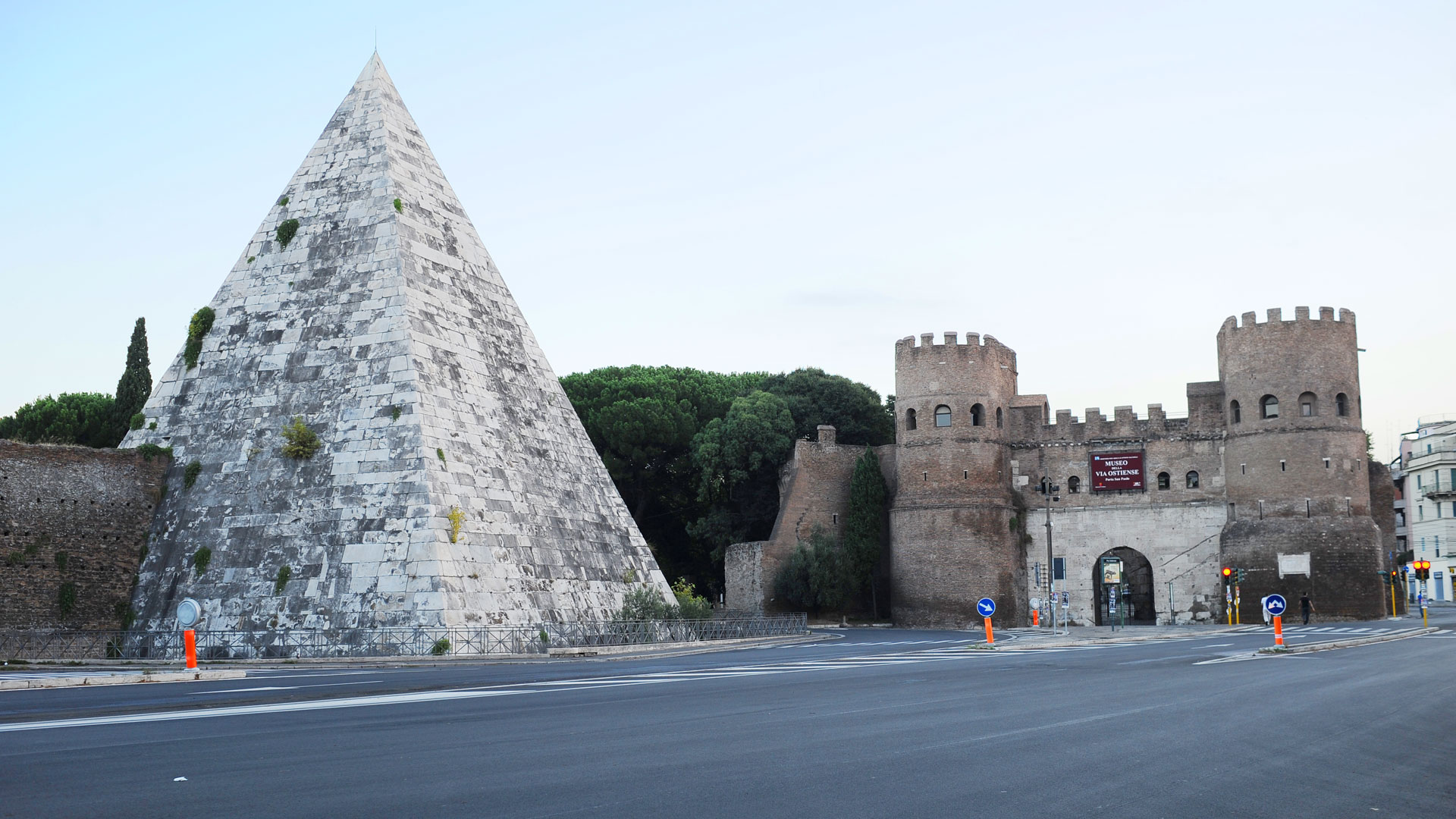
在热闹的泰斯塔乔/奥斯蒂恩塞区,高墙之后隐藏着一片宁静的绿洲:罗马非天主教公墓(Cimitero Acattolico),通常被称为新教公墓。 这座绿意盎然的花园式墓地,是浪漫主义诗人约翰·济慈和珀西·比希·雪莱等艺术家、作家及侨民的安息之地。漫步在柏树荫蔽的砾石小径上,你会邂逅用多种语言书写的美丽墓碑和墓志铭——这里既带着一丝忧郁,又充满深沉的宁静。 猫儿们在温暖的大理石墓碑上打盹(园内甚至有一个受精心照料的猫群)。 值得寻找的一座引人注目的墓碑是意大利诗人埃梅琳·斯托里的“哭泣天使”,它已成为这座公墓静谧哀思的标志性象征。紧邻其旁,你绝对无法错过切斯提乌斯金字塔——一座拥有近2000年历史的真正埃及风格金字塔。 这座高36米的金字塔约建于公元前12年,原为罗马行政官盖乌斯·切斯提乌斯的陵墓,如今仿佛被随意放置在罗马市中心。它是这座城市最奇特的古代遗迹之一,却鲜有游客能近距离观赏。 金字塔与欧洲诗人们数百年历史的墓地比邻而立,一切都在罗马古城墙的注视之下,让这座城市的这个角落显得如梦似幻,仿佛置身于另一个时代。
如何前往
-
地铁:乘坐B线至Piramide站——该站以金字塔命名,金字塔就位于车站正外。公墓入口就在拐角处(Via Caio Cestio, 6),距离地铁站步行约5分钟。
-
乘坐公交车:多条公交线路在“Piramide/Ostiense”或“Marmorata”站停靠(例如23路、715路、716路)。从那里步行只需几分钟。
-
步行:若您身处特斯塔乔(Testaccio)或特拉斯泰韦雷(Trastevere),可步行前往。从特斯塔乔的中心广场出发,沿马莫拉塔街(Via Marmorata)朝金字塔方向步行约10分钟即可到达。
附近用餐推荐
在沉浸于这宁静的氛围之后,走出大门,你便能重返罗马的日常生活。周边的泰斯塔乔(Testaccio)街区是罗马的美食热点之一。 若想快速填饱肚子,不妨去乔瓦尼·布兰卡街(Via Giovanni Branca)上的“Trapizzino”店——这家店以三角形皮塔饼状面包口袋闻名,里面塞满了罗马特色美食,如帕尔马风味茄子或炖牛尾(价格实惠、美味可口,还能手拿食用)。 若您正值中午时分到访,位于加尔瓦尼街(Via Galvani)的泰斯塔乔市场(Mercato Testaccio)是美食爱好者的必去之地——数十个摊位出售从切片披萨到新鲜意面、手工意式冰淇淋等各式美食(不妨在市场内的卡萨·曼科(Casa Manco)尝尝“苏普利”——一种炸饭团)。 若想坐下来享用正餐,特斯塔乔区有经典的意式小餐馆,例如“费利切·阿·特斯塔乔”(Felice a Testaccio,其卡乔佩佩面令人惊艳)或“弗拉维奥·阿尔·维拉韦沃代托”(Flavio al Velavevodetto),在那里用餐时,你几乎是背靠着一堆古陶罐碎片就餐。 入夜后,皮拉米德(Piramide)和奥斯蒂恩塞(Ostiense)附近的区域因时尚酒吧和精酿啤酒馆而热闹非凡,因此这里也是夜幕降临后流连忘返、为这一天隐藏的发现干杯的绝佳去处。
加尔巴泰拉——大都市中的村落风情
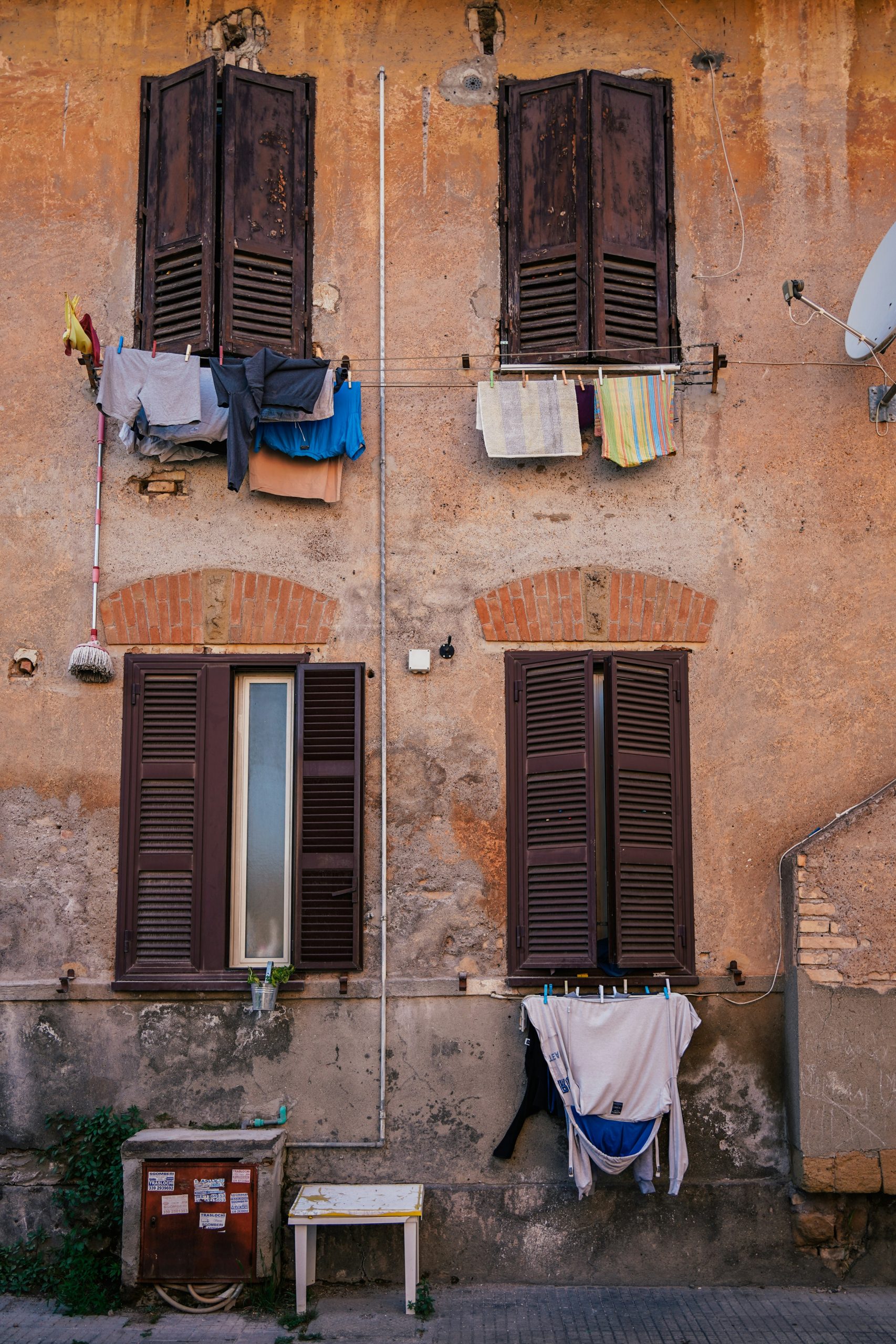
加尔巴泰拉(Garbatella)拥有藤蔓缠绕的小屋、公共庭院和奇思妙想的建筑,仿佛是一座藏身于罗马都市丛林中的童话小镇。 加尔巴泰拉始建于20世纪20年代,最初是一个名为“花园城市”的公共住房项目,后来逐渐演变为一个迷人的工人阶级社区,深受当地人喜爱(也是许多意大利电影和电视剧的取景地)。 漫步在宁静蜿蜒的街道上,你会发现每个街区(或称“lotto”)都拥有独特的设计——从巴洛克风格的立面到质朴的农庄主题——所有建筑都围绕着郁郁葱葱的中央花园而建,邻里们在此闲聊,晾晒的衣物在阳光下摇曳。 千万别错过通往这些隐秘庭院的楼梯和拱门;它们就像向所有人敞开的秘密花园。加尔巴泰拉的心脏地带是布林广场(Piazza Brin),这里是最初的社区核心,有一座古色古香的喷泉;附近还有帕拉迪姆剧院(Palladium Theatre),这是建于1930年代的一座装饰艺术风格的瑰宝。 据说该社区的名字源于一位和蔼可亲的旅店老板(garbata ostella),也可能是源自当地的葡萄酒“garba”。无论哪种说法,这里都保留着一种复古的、充满社区氛围的韵味。 在探索过程中,您可能会偶然发现街头艺术壁画、停靠在色彩斑斓的墙边的老式威斯帕摩托车,以及正在照料花盆的居民——这正是与旅游胜地截然不同的、地道的罗马生活一隅。加尔巴泰拉邀请您放慢脚步,以社区特有的节奏体验“甜蜜生活”(la dolce vita)。
如何前往
-
地铁:乘坐B线至加尔巴泰拉站。出站后沿卡法罗街(Via Caffaro)或马格纳吉街(Via Magnaghi)步行约5-10分钟,即可进入加尔巴泰拉的历史街区(请寻找布林广场(Piazza Brin)区域以及标有“Lotto 1”字样的醒目拱门)。
-
乘坐公交车:从威尼斯广场(Piazza Venezia)乘坐715路公交车,或从特米尼车站(Termini)乘坐716路公交车,即可抵达加尔巴泰拉边缘的七教堂街(Via delle Sette Chiese)或奥斯蒂恩环路(Circonvallazione Ostiense)。 从那里开始,漫步进入内部街道(加尔巴泰拉街、七教堂街)进行探索。
-
步行/骑行:加尔巴泰拉位于奥斯蒂恩塞火车站正南侧——从切斯提乌斯金字塔区域步行约需20分钟。从市中心骑行前往也是可行的,不过该社区内有些坡道。
附近用餐推荐
加尔巴泰拉以其绝佳的地道餐馆而闻名于罗马人之中——这里是品尝经典罗马美食(cucina romana)的绝佳去处,且没有针对游客的陷阱。 若想享用一顿轻松的午餐,不妨试试“Casetta Rossa”——这是一家藏身于小公园中的社区经营式咖啡馆兼餐厅(顾名思义,就是一间“小红屋”),供应从拉齐奥乡村直送的“从农场到餐桌”美食以及分量十足的意面。 这里因其充满社交氛围的氛围以及松树下的露天座位而备受喜爱——堪称一家真正的隐藏宝藏餐厅。 若您想体验传统的意式小酒馆(trattoria),位于路易吉·奥兰多街(Via Luigi Orlando)的“天使之憩”(Al Ristoro degli Angeli)是当地人的心头好:这家拥有数十年历史的老店,服务亲切周到,意面更是令人惊艳(他们的“奶酪胡椒意面”盛在可食用的帕尔马干酪碗中,菜单上常会推出店主童年时期的私房食谱)。 若想来点快餐或开胃酒,达米亚诺·索利广场上的“福斯基酒吧”(Bar Foschi)自20世纪50年代起便是加尔巴泰拉的标志性场所——在露台上享用一杯午后浓缩咖啡或晚间斯普瑞茨,静观街坊邻里的生活百态。 如果你是葡萄酒爱好者,不妨去塞特基耶塞街(Via delle Sette Chiese)上的“拉梅斯奇塔酒窖”(Enoteca La Mescita)坐坐,在温馨的氛围中品尝意大利天然葡萄酒。总之,在加尔巴泰拉用餐绝不会让你失望——社区的温暖氛围弥漫在每一张餐桌上。
蒙特马蒂尼中心——一座工业风与时尚感兼具的博物馆奇观
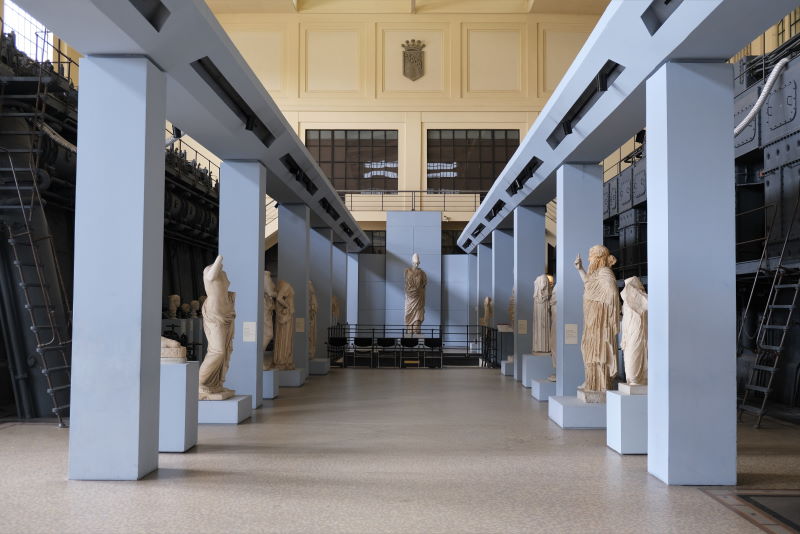
发电厂里的艺术博物馆?只有在罗马才会有。蒙特马蒂尼中央博物馆是这座城市最酷且最不为人知的博物馆之一,以20世纪发电站为背景,展示着古典雕塑。 这座博物馆坐落于经过修复的蒙特马蒂尼热电厂(建于1912年,位于奥斯蒂恩塞区)内,该空间最初是为了容纳卡比托利欧博物馆的溢出展品而改造的——其结果便是古代艺术与工业机械之间形成了令人惊叹的并置。 当您漫步于挑高天花板的涡轮机大厅时,会看到保存完好的罗马神祇与英雄的大理石雕像,它们与巨型柴油发动机、蒸汽涡轮机以及装饰艺术风格的控制面板交相辉映。白色大理石与铁质机械、古韵与现代感的强烈对比,营造出一种别处难觅的独特氛围。 馆内重点展品包括帝国浴场的马赛克、葬礼雕像,甚至还有在罗马发掘出的豪华别墅遗迹——所有展品均按旧机器的名称(如“柱厅”、“机器厅”)划分为不同主题展区。 博物馆通常十分安静,让你有空间近距离欣赏每一件展品,而且欢迎拍照(想象一下Instagram上的照片:阿波罗威严地伫立在生锈的涡轮机旁!)。 对于历史爱好者和艺术爱好者来说,蒙特马蒂尼博物馆为传统的博物馆体验带来了耳目一新的变化——它提醒我们,罗马的遗产不仅存在于广场和神庙中,还可以在最出人意料的场所被发现。
如何前往
-
乘坐地铁:搭乘B线至皮拉米德站(Piramide)或加尔巴泰拉站(Garbatella)。蒙特马蒂尼中央博物馆距离这两个车站均约10分钟步行路程(地址:奥斯蒂恩塞街106号)。 从“金字塔”站出发,沿奥斯蒂恩塞街向远离市中心的方向步行;从“加尔巴泰拉”站出发,请走通往奥斯蒂恩塞方向的人行天桥,然后转入奥斯蒂恩塞街。
-
乘坐公交车:23路和769路公交车在博物馆附近设有站点(Ostiense/Matteucci站)。博物馆还紧邻罗马奥斯蒂恩塞火车站(如果您是从意大利其他地区或从菲乌米奇诺机场乘火车前来,此处十分便利)。
-
骑行/步行:从金字塔/非天主教公墓(Cimitero Acattolico)区域出发,步行或骑行片刻即可轻松抵达蒙特马蒂尼。周边的奥斯蒂恩塞区街道宽阔,并设有部分自行车道。
附近餐饮推荐
在用艺术和历史滋养了心灵之后,是时候填饱肚子了——幸运的是,奥斯蒂恩塞正涌现出蓬勃发展的美食场景。 距离蒙特马蒂尼仅一两个街区之遥便是Eataly Roma(可通过奥斯蒂恩塞车站的天桥抵达),这是一家巨型的意大利美食商场,您既可以浏览各地特色美食,也可以坐下来享用从披萨、意面到意式冰淇淋等各式美食。这里是午餐的理想一站式选择。 若您更偏爱温馨的氛围,位于奥斯蒂恩塞街135号的“奥斯特里亚·迪·比拉·德尔·博尔戈”(Osteria di Birra del Borgo)是一家现代精酿啤酒餐厅,供应精酿啤酒(意大利的精酿啤酒风潮正盛)以及美味佳肴,如精致意式烤面包片和罗马风味肉丸——非常适合悠闲用餐或夜晚小聚。 对于街头美食爱好者来说,不妨寻找“Trapizzino”(没错,奥斯蒂恩塞市场附近还有一家分店)或“Pizza Ostiense”,快速享用一片披萨。 如果你喜欢甜食,位于奥斯蒂恩塞大道54号的“安德烈奥蒂糕点店”(Pasticceria Andreotti)自1931年以来一直以蛋糕和糕点满足着罗马人的味蕾——不妨带上几份卡诺利或提拉米苏外带。 简而言之,蒙特马蒂尼周边的奥斯蒂恩塞街区提供了丰富且物美价廉的美食选择,让您轻松将博物馆之行变成一个充满罗马文化与美食的完整下午。
圣克莱门特大教堂——地下的层层历史
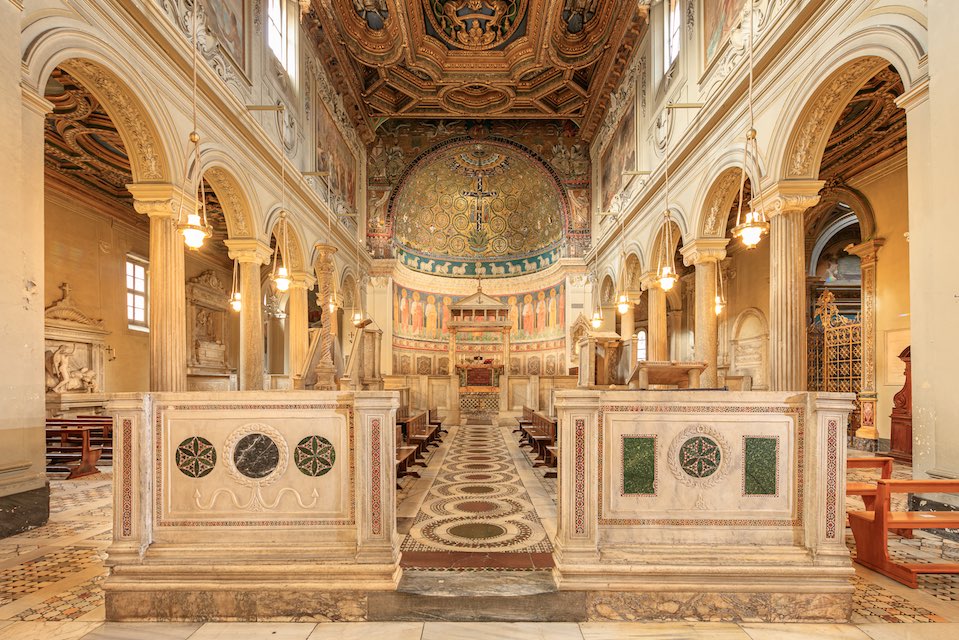
距离斗兽场仅几个街区之遥的圣克莱门特大教堂,从外观上看或许只是另一座古老的教堂——但它的地板之下却隐藏着一个非凡的“时间胶囊”。 圣克莱门特大教堂是一座三层结构的考古奇观:这座12世纪的大教堂建于4世纪教堂之上,而那座4世纪的教堂又建在一座1世纪的罗马别墅和密特拉神庙之上。 参观这里,仿佛在层层剥开罗马历史的层层面纱。不妨从“当下”(其实是中世纪)开始,先欣赏大教堂后殿内华丽的拜占庭马赛克——金光闪烁,描绘着生动的圣经场景——以及墙上的壁画。 随后(支付少量费用)下到地下,进入4世纪的大教堂:你将漫步于光线昏暗的大厅中,这里曾是早期基督徒礼拜的地方;墙上褪色的壁画中,有一幅是已知最早的通俗拉丁文著作之一(还配有一个滑稽的对话气泡,正在训斥一个懒惰的仆人!)。 再往深处走,台阶将你引向古罗马时期的层级——你将漫步于帝国时代豪宅的走廊中,聆听至今仍在流淌的地下溪流湍急的水声,最终伫立在神秘的密特拉神庙内。 这座异教神庙内设有一个祭坛,米特拉教(罗马时代的一种秘密宗教)的信徒曾在此举行仪式。地下的环境凉爽、潮湿,略带几分诡异——简直就像走进了罗马的地下世界。 圣克莱门特教堂提供了一次无与伦比的穿越时空之旅,所有景观尽在一处,且鲜少拥挤,堪称历史爱好者的瑰宝。
如何前往
-
乘坐地铁:搭乘B线至斗兽场站。 从罗马斗兽场出发,步行约8分钟:沿圣若望拉特朗大道(Via di San Giovanni in Laterano,即罗马斗兽场旁两旁餐厅林立的那条街道)向东走,然后在圣若望德科拉托大道(Via di San Giovanni Decollato)右转,该路段随后会变为圣克莱门特大道(Via San Clemente)。大教堂的入口位于圣克莱门特广场(Piazza di San Clemente)。
-
乘坐公交车/有轨电车:该地区公共交通十分便利。3路或8路有轨电车,以及85路或87路公交车,均在斗兽场/奥皮奥山(Colle Oppio)附近设有站点。从那里步行片刻即可到达圣克莱门特大教堂。
-
步行:如果您已经在斗兽场或罗马论坛附近,可以轻松将圣克莱门特大教堂纳入该地区的徒步游览路线——它距离斗兽场出口约600米。
当地小贴士
教堂主体(地面层)免费开放,但地下遗址需购票入场(约10欧元)。为了深入了解古罗马,这绝对物有所值——建议预留约一小时时间游览所有层级。 建议选择上午或傍晚游客较少的时段前往;届时你往往会发现自己独自置身于地底深处,更添一份《夺宝奇兵》般的探险氛围! 地下层温度较低且略显潮湿,因此即使在炎热的日子里,也建议带上一件轻便外套或围巾。结束这场穿越时空的冒险重返地面后,你可能会想找点东西提提神——幸运的是,你正身处蒙蒂区,这是罗马最时尚的街区之一。 若想快速享用点心,只需步行几分钟即可抵达位于Via delloStatuto的Pasticceria Regoli,品尝其著名的马里托佐(馅料为奶油的甜面包),或者前往蒙蒂区的Gelateria Fatamorgana,体验创意十足的意式冰淇淋口味。 若想正经用餐,蒙蒂区也有绝佳选择:卢齐小餐馆(Trattoria Luzzi,紧邻圣克莱门特教堂)供应丰盛实惠的罗马意面和木火烤披萨,深受当地人和预算有限的旅行者喜爱。 在探索完地下的古庙之后,坐在卢齐餐厅的露天座位上享用一份卡博纳拉意面——这才是远离常规旅游路线的完美罗马一日游。
阿克韦多蒂公园——罗马古水道露天游园

水渠公园横跨城市东南边缘的一片开阔绿地,是自然与古代工程技术令人叹为观止的结合。在这里,远离城市的喧嚣,你会看到罗马输水渠的高耸拱门横跨草地,有些几乎完好无损,阿佩宁山脉的群山则作为背景矗立在身后。 这座公园虽属于古老的阿皮亚古道区域,但值得单独提及——园内保存着至少七座曾为罗马供水的水道遗迹。其中最具摄影魅力的当属克劳迪亚水道,其双层砖拱在田野间勾勒出戏剧性的剪影(在黄金时段尤为壮观)。 当地人常来此慢跑、骑车,或在引水渠下野餐,赋予公园一种美妙而轻松的氛围。你可能会看到牧羊人放牧,或听到远处网球比赛传来的“啪”啪声(周围有运动场——毕竟这里是意大利)。 与市内的修剪整齐的花园不同,阿夸多蒂公园更显原始粗犷——高高的草丛、野花和未铺砌的小径,都邀请着你漫步其中。 站在这些古老的建筑(有些已有1800多年历史)之下,想象它们曾如何将清水输送到罗马的浴场和喷泉中,这种体验令人惊叹。如果你想暂时远离人群和博物馆,那么在这里,在古迹与蔚蓝天空之间度过一个悠闲的下午,正是完美的解药。
如何前往
-
地铁:乘坐A线至朱利奥·阿格里科拉站(Giulio Agricola)或苏巴乌古斯塔站(Subaugusta)。从这两个车站步行约10分钟即可到达公园入口。从朱利奥·阿格里科拉站出发,沿朱利奥·阿格里科拉大道(Viale Giulio Agricola)前行,然后转入莱莫尼亚街(Via Lemonia),该街道直通公园。
-
乘坐公交车:公交线路虽不如地铁直达,但654路(从Cinecittà地区出发)等线路会在公园附近停靠。若您从Via Appia Antica地区出发,可乘坐118路或218路公交车前往输水道公园附近,不过仍需步行一段距离。
-
骑自行车:对于喜欢冒险的人来说,从市区经由阿皮亚新路(Via Appia Nuova)或图斯科拉纳路(Tuscolana)骑行至公园是可行的。您也可以在阿皮亚古道租一辆自行车,沿着连接公园的小径骑行,到达引水渠。
当地小贴士
阿奎杜克蒂公园(Parco degli Acquedotti)是一座没有围栏的公共公园,全天24小时开放,但最好在白天游览(日出或日落时分尤其适合摄影)。公园内没有设施或咖啡馆,因此若计划久留,请自备饮用水、防晒霜和零食。 公园总体安全,常有当地人光顾,但面积广阔——请沿着可见的小径行走,尤其是独自一人时,并注意遗址附近地面不平。一个绝佳的主意是准备野餐——途中可在朱利奥·阿格里科拉(Giulio Agricola)地铁站附近的烘焙店或市场买些新鲜的切片披萨和水果。 在草地上找个能眺望输水道拱门的好位置,像真正的罗马人一样享受宁静的野餐(古时的罗马人曾就在城墙外的这些田野里野餐过!)。 最后,如果你还想继续探索,这个公园与其他绿地相连——实际上你可以从这里一路步行或骑行到阿皮亚古道。否则,只需尽情享受这份宁静与壮丽的风景,仿佛置身于一幅古典画作之中。
托尔·马兰西亚街头艺术——一座露天城市画廊
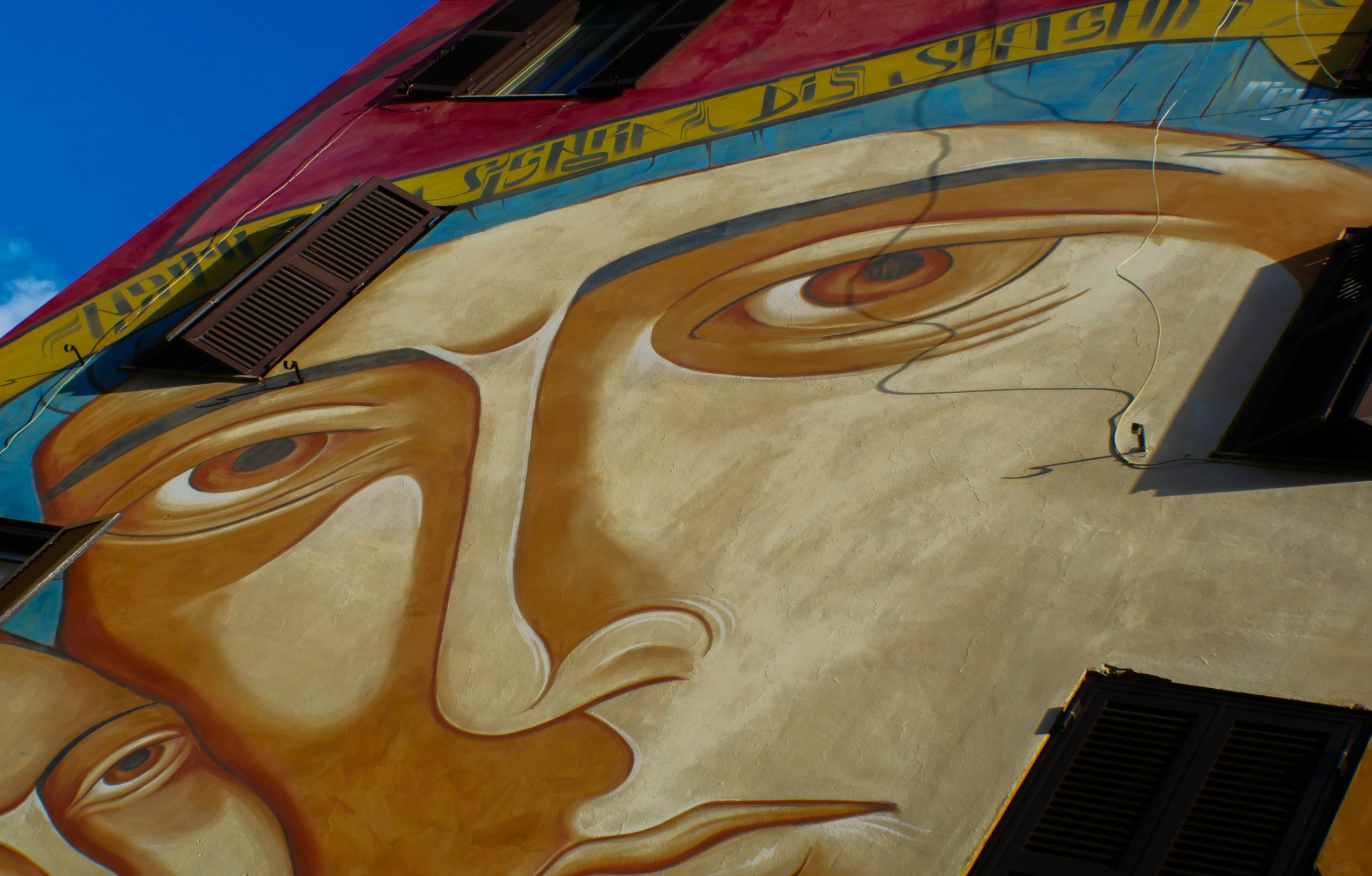
以为罗马只有古罗马壁画和文艺复兴时期的画作?再想想吧——在距离市中心约20分钟车程的托尔·马兰西亚郊区,整个公共住房区已被改造成一座充满活力的街头艺术画廊。 该项目名为“大都市生活”,于2015年邀请国际街头艺术家在11栋公寓楼的外墙上创作大型壁画。其成果为这个大多数游客从未涉足的工人阶级社区带来了一场色彩斑斓的惊喜。 漫步进入托尔·马兰西亚1号楼(位于托尔·马兰西亚街63号)的庭院,你会看到高达10层楼、令人叹为观止的巨幅艺术作品。 其中有著名的《救赎之童》(Il Bambino Redentore)——一个吹着泡泡的巨型孩童,每个泡泡中都蕴含着一段社区历史。另一面外墙上则呈现出一片充满奇思妙想的异域动植物森林,题为《梦》(Dream,由日本艺术家盖亚创作)。 每一幅壁画都讲述着一个故事,或是向社区致敬——从抽象图案到当地居民的肖像应有尽有。当你漫步其中时,很可能会遇到踢足球的孩子、坐在长椅上闲聊的邻居,以及一个为自己的露天博物馆感到自豪的友善社区。 1950年代原有的单调公寓楼与它们崭新的艺术外衣形成鲜明对比——托尔·马兰西亚的街头艺术不仅适合发到Instagram上,更是城市复兴的一个令人心暖的典范。这为您提供了一个机会,可以在超越明信片般风景的原始、真实的环境中,一睹当代罗马文化的风采。
如何前往
-
乘坐公交车:从市中心(例如威尼斯广场或斗兽场附近)乘坐160路或30路公交车,在托尔·马兰西亚街(Via di Tor Marancia)上的托尔·马兰西亚/阿卡迪亚(Tor Marancia/Arcadia)站下车。 布满壁画的建筑就在拐角处,位于托尔马兰西亚街63号(Lotto 1)。从罗马市中心乘坐公交车约需20-30分钟。
-
地铁+公交:或者,乘坐地铁B线至圣保罗大教堂站,然后换乘766路或792路公交车,短途行驶至托尔马兰西亚(在“托尔马兰西亚/阿卡迪亚”站下车)。
-
乘坐出租车/自驾:从历史中心乘坐出租车约需15-20分钟。若自驾前往,该区域设有免费路边停车位。
附近用餐推荐
托尔·马兰西亚是一个住宅区,因此您不会在每个街角都找到时髦的咖啡馆——但这正是当地的魅力所在。如果您想在附近吃点东西,不妨寻找那些由家庭经营的小店。 例如,位于托尔马兰西亚街108号(Via di Tor Marancia 108)的“瓦尔特披萨店”(Pizzeria da Walter)是一家口碑极佳的本地披萨店,您可以在这里品尝经典的罗马薄底披萨,或者外带“苏普利”(supplì)。步行片刻即可到达的“罗塞塔阿姨酒吧”(Bar Zia Rosetta,位于维拉迪卢奇纳街,Via Villa di Lucina),提供三明治和意式浓缩咖啡——这正是地道的罗马酒吧体验。 既然你离加尔巴泰拉(Garbatella) 和奥斯蒂恩塞(Ostiense)地区不远,也可以计划在街头艺术之旅前后去那里用餐。 加尔巴泰拉区有我们之前提到的那些小餐馆(比如“天使之驿”),而如果您想有更多选择,奥斯蒂恩塞区的Eataly或 “博尔戈啤酒酒馆”或许会吸引您。 另一个建议:将行程与参观圣保罗大教堂(一座仅一站地铁之遥的重要景点)结合起来,然后去圣保罗周边那些挤满学生的酒吧享用开胃酒。 无论如何,夏季游览时请务必注意补充水分——在探索壁画时随身携带水,因为庭院里的阴凉处可能比较有限。
奥斯蒂亚古城——一场穿越时空的古罗马港口一日游
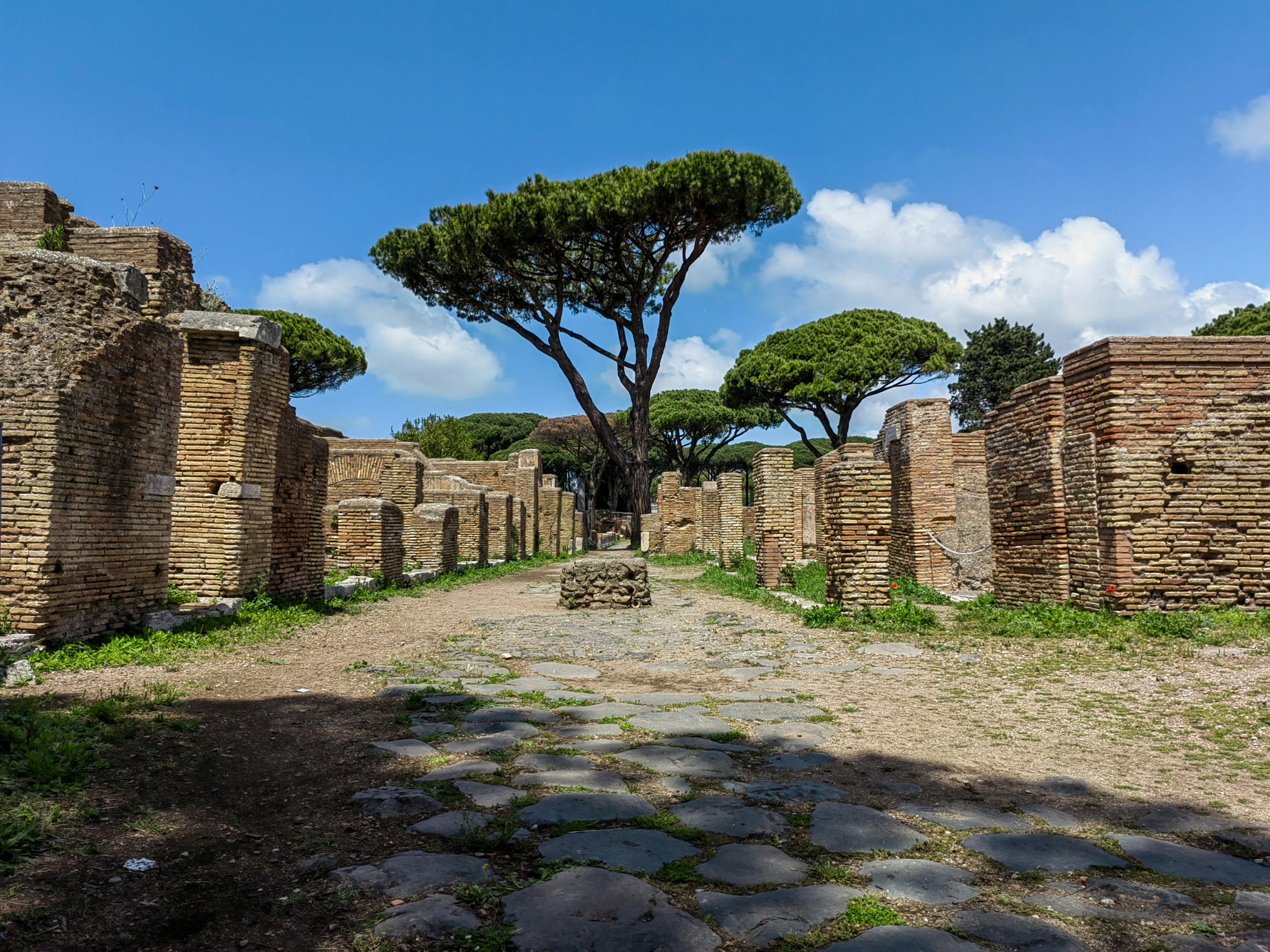
好吧,严格来说这里其实就在罗马城外,但它是一处如此鲜为人知的瑰宝,我们不得不将其纳入行程——特别是如果你还有多出的一天时间的话。奥斯蒂亚古城是一座保存完好的古城,曾是罗马繁华的港口,如今常被称为“游客较少的庞贝古城”。 漫步在这片广阔的考古公园中,你会行走在真正的罗马街道上,两旁是公寓、浴场、神庙、仓库和商铺的遗迹——这仿佛是凝固在时间中的古代日常生活。 你可以走进一家古老的酒馆(配有完整的大理石吧台),坐在居民们曾在此欣赏戏剧的小型圆形剧场里,并欣赏华丽的马赛克地板(例如海王星浴场中那幅著名的海王星与安菲特里忒马赛克)。 与罗马的罗马广场不同,在这里你可以真正自由地漫步:攀上卡皮托利欧神庙的台阶俯瞰整个遗址,或者钻进古老的“因苏拉”(多层公寓楼)的阴影中,想象曾经充斥这些街道的商人和水手们的熙熙攘攘。 遗址四周绿意盎然,往往宁静怡人,游客数量远少于罗马市中心的古迹——你听到的鸟鸣和松林间的风声,可能比导游的讲解声还要多。 这里还有一座精巧的小型博物馆,陈列着该遗址出土的雕像和文物。奥斯蒂亚古城让人体验到一种难得的兴奋感:既能探索宏伟的遗迹,又远离旅游人潮;更妙的是,它靠近海岸——来此一游甚至可以顺道去海滩逛逛。
如何前往
-
乘坐火车: 从圣保罗门站(Porta San Paolo,毗邻地铁B线金字塔站)乘坐罗马-利多(Roma-Lido)郊区列车(地图上通常标注为地铁“利多”线)。车程约30分钟,在奥斯蒂亚古城站下车。 从那里出发,只需步行5分钟穿过人行天桥,沿奥斯蒂亚安提卡车站街(Via della Stazione di Ostia Antica)直行即可到达遗址入口。列车班次频繁(每15-30分钟一班),且普通地铁票(1.50欧元)即可乘坐。
-
自驾:从罗马市中心出发,经Via del Mare或罗马-菲乌米奇诺高速公路(A91)行驶约30-40分钟即可到达——遗址内设有停车场。但通常乘坐公共交通更为便捷,且能避开交通拥堵。
-
跟团游:此外,部分旅行社提供带导游的奥斯蒂亚古城半日游,如果您希望由专家带您深入了解历史,这不失为一种选择。
当地小贴士
建议在此至少安排半天时间——遗址面积广阔(与庞贝古城规模相当),您会希望以悠闲的步调探索。请穿舒适的鞋子,因为你会走在崎岖不平的古道和土路上。考古公园入口附近有一家咖啡馆,出售三明治、饮料和意式冰淇淋——虽然适合快速解决午餐,但价格比镇上稍贵一些。 一个明智的选择是自带野餐(主入口外树下有野餐桌,或者在遗址中找个安静的地方坐下——只是记得把垃圾带走)。 夏季别忘了带防晒霜和帽子;正午时分树荫可能很少。如果你在温暖的月份来访,且游览奥斯蒂亚古城后还有时间,不妨考虑乘坐火车再往前两站,前往罗马附近的滨海小镇利多迪奥斯蒂亚(Lido di Ostia),感受海风拂面,或欣赏地中海上的日落。 在免费的公共海滩上漫步,或在海滨小摊享用一杯冰镇啤酒,是重返古代时光后放松身心的绝佳方式。 奥斯蒂亚古城依然是罗马最鲜为人知的秘密之一——许多游客离开罗马时,甚至不知道自己错过了近在咫尺的一座古港口城市,但现在,它已自豪地登上了你的“人生必去清单”!
罗马最佳青年旅舍,尽享城市风情
罗马的青年旅舍数不胜数,但其中有几家因其独特的氛围、优越的地理位置和完善的设施而脱颖而出——非常适合结识旅伴,并在城市探险之余休养生息:
罗马Hello青年旅舍
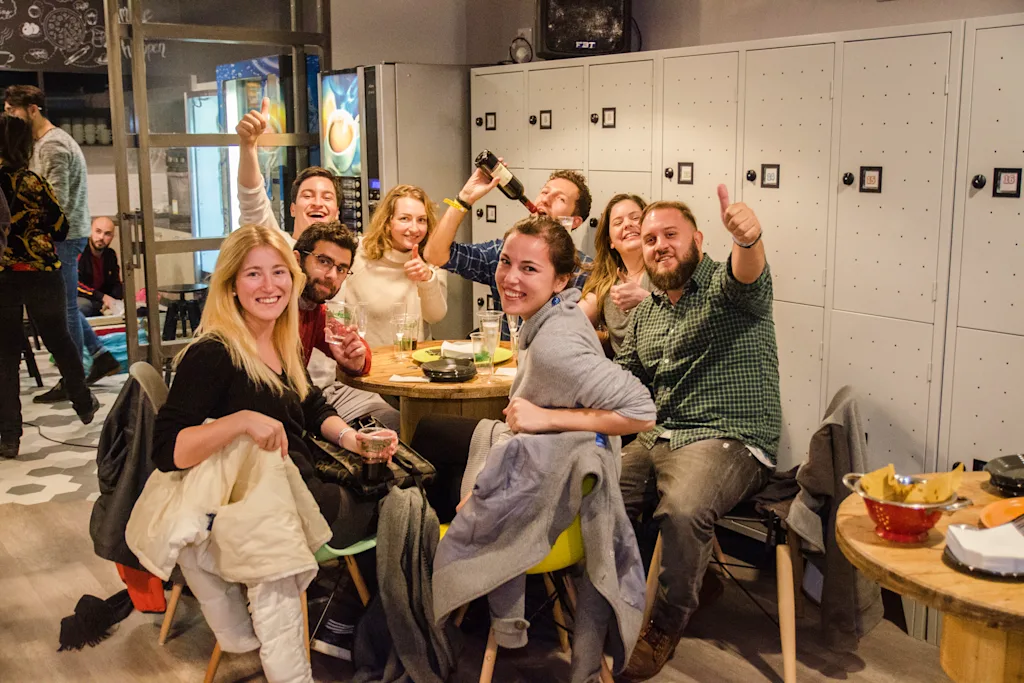
这是一家屡获殊荣的现代青年旅舍,以其包容的社交氛围而闻名。旅舍地处市中心,毗邻共和国广场/巴贝里尼广场(步行10分钟即可到达特雷维喷泉)。客房明亮整洁,配有个人照明灯和电源插座。 旅舍每天都会举办各类活动——比如意面烹饪课、徒步游览和啤酒乒乓之夜——非常适合希望结交朋友的独自旅行者。旅舍拥有宽敞的公共区域、内部酒吧(经常举办现场音乐或卡拉OK活动),甚至还有一个充满艺术气息的庭院,罗马Hello旅舍轻松营造出一种社区般的氛围。 它因友善的工作人员而广受好评,他们总是竭尽全力欢迎每一位客人;无论你是结伴出行还是独自旅行,在这里都会感到宾至如归。
额外亮点:这里安全措施完善(24小时前台服务,全区域门禁卡出入),并设有女性专用宿舍,非常适合各类旅行者。
罗马黄广场青年旅舍
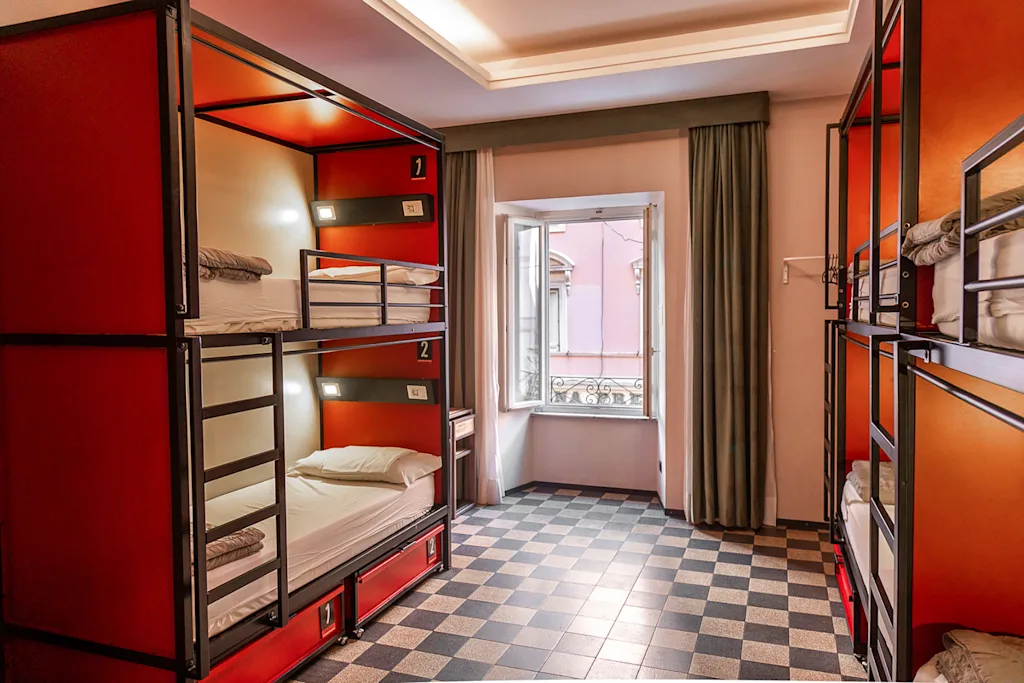
“Yellow”是罗马传奇的派对青年旅舍,“YellowSquare”则是其进化版——它不仅是一家青年旅舍,更是一个完整的生活方式中心。旅舍位于特米尼火车站附近,交通极其便利。 白天,你可以在屋顶露台放松身心,或参加瑜伽课程;到了晚上,地下室的Yellow Bar/Club便热闹起来,DJ打碟、现场乐队表演和主题派对吸引着来自各地的旅行者和当地居民。 旅舍内设有餐厅,满足你深夜的饥饿感,甚至还有纹身店和美发沙龙(没错,真的有!)。 宿舍和单人间分布在几栋楼里——如果你喜欢安静,可以要求入住更安静的附属楼,这很棒,因为这意味着派对爱好者和早睡者都能和谐共处。 YellowSquare 以其社交活动(啤酒乒乓球锦标赛、烹饪课、城市观光)和开朗的氛围而闻名——作为独自旅行者,你几乎不可能在这里不结识新朋友。 这里氛围相当热闹,因此结伴而来的朋友和外向的背包客往往特别喜欢这里。卫生和安全依然是首要考虑因素,工作人员年轻、风趣,而且对当地情况了如指掌。
Ostello Bello Roma Colosseo
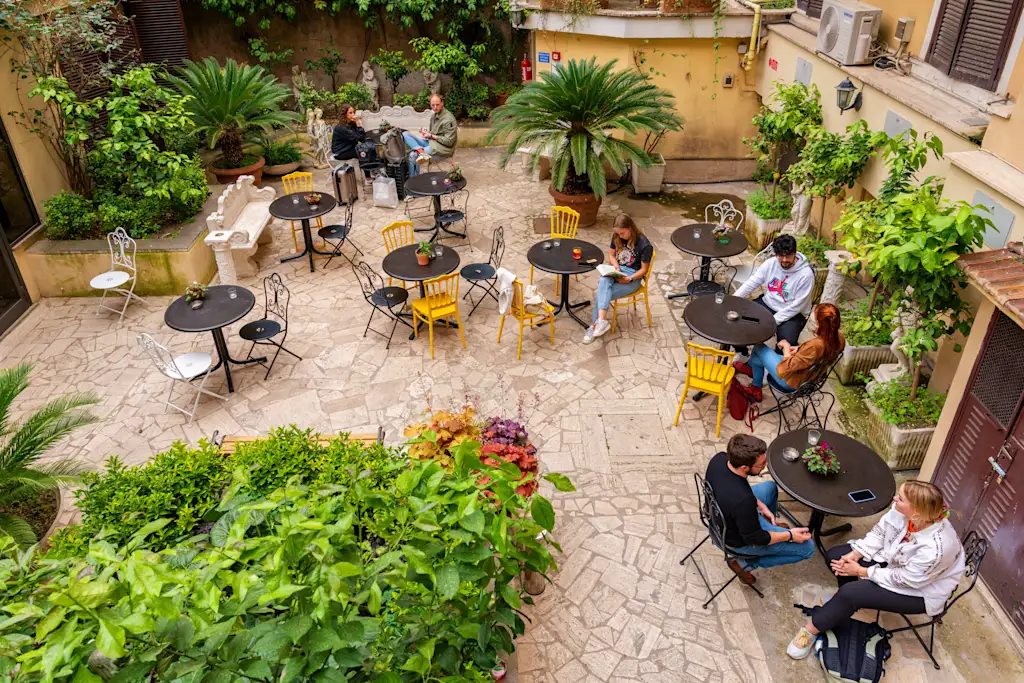
预订 Ostello Bello Roma Colosseo
这家位于罗马斗兽场附近的青年旅舍由来自米兰的著名Ostello Bello连锁品牌(曾多次荣获“最佳青年旅舍”奖项)运营,其口碑确实名不虚传。这里提供温馨、社交氛围浓厚的环境,并融入了意大利式的热情好客。 内部装饰色彩缤纷且温馨如家,公共区域专为促进互动而设计:厨房里提供免费的意面、咖啡,有时甚至会举办集体晚餐;此外还有室内外休闲区(露台上设有吊床,还有一座小花园!)。 每天晚上,Ostello Bello 都会组织有趣的活动——可能是卡拉OK之夜、家庭晚餐、酒吧巡游或游戏之夜——因此对于希望结交新朋友的独自旅行者来说,这里再合适不过了。 地理位置极佳:步行片刻即可抵达科洛塞地铁站和蒙蒂街区的咖啡馆。尽管氛围活跃,这里并非狂欢派对型青年旅舍;静音时段得到严格遵守,宿舍舒适,配有结实的双层床、隐私帘和储物柜。 旅客们常常对工作人员赞不绝口——他们超级友好、通晓多国语言,并将客人视为家人一般。无论你是独自背包旅行还是与小团体同行,在奥斯特洛·贝洛,你都能轻松结识新朋友,分享旅行见闻。
特拉斯提弗雷青年旅舍(博尔戈·里帕)
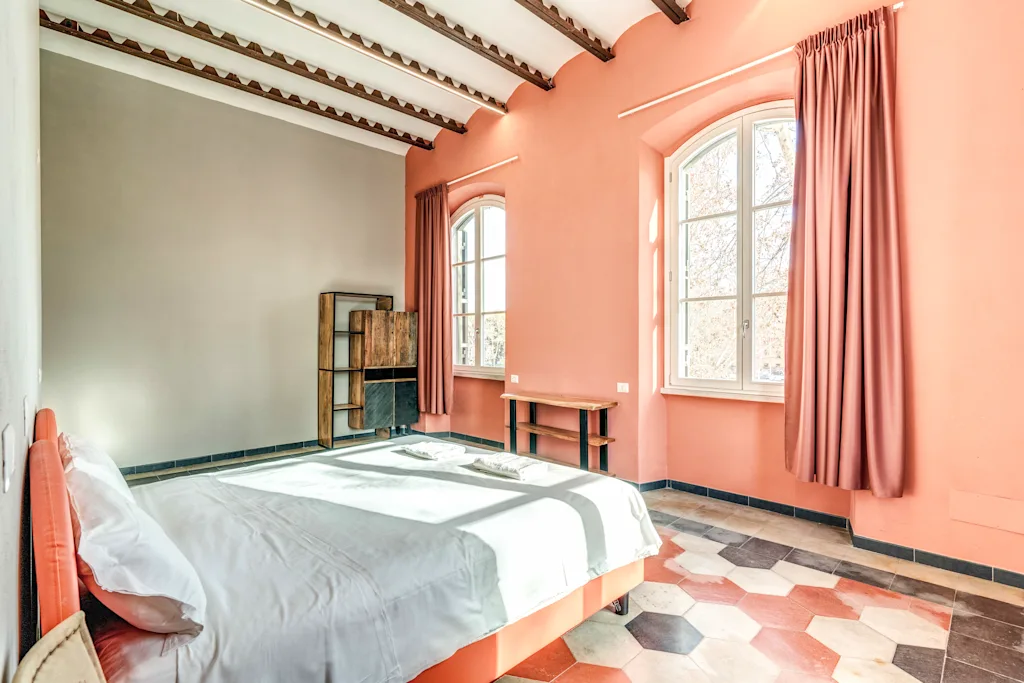
如果您希望入住一个更具罗马风情、夜生活丰富且充满魅力的社区,博尔戈·里帕青年旅舍(Hostel Borgo Ripa)将是一个绝佳选择。这家旅舍隐匿于特拉斯提弗列区(以蜿蜒的小巷和广场风光而闻名),近期已将部分设施升级为“博尔戈·里帕”,其中包括一个美丽的花园空间。 其独特之处在于拥有一个露天游泳池(季节性开放)——这在罗马实属难得,非常适合在夏日观光后消暑。这里氛围轻松且充满社区感:想象一下,您正慵懒地躺在吊床上,或在绿树成荫的庭院里打乒乓球。 旅舍设有酒吧和公共休息室,便于结识新朋友。房型从多人宿舍到部分单人间不等;虽然不是超现代风格,但干净且宽敞。得益于其布局设计,无论是独自旅行者还是团体游客都能感到舒适——团体游客喜欢在泳池边放松,独自旅行者则欣赏旅舍不时举办的社交晚宴或意面之夜。 工作人员可以组织前往市中心的徒步游览(步行至主要景点约需20-30分钟,或者你可以搭乘有轨电车)。 到了晚上,只需短暂步行即可抵达特拉斯提弗列区数不胜数的餐馆和酒吧,而青年旅舍本身却位于一处安静的角落,确保您能睡个好觉。这里完美平衡了社交氛围与低调宁静,还带有一丝当地社区的独特魅力。
罗马Generator青年旅舍
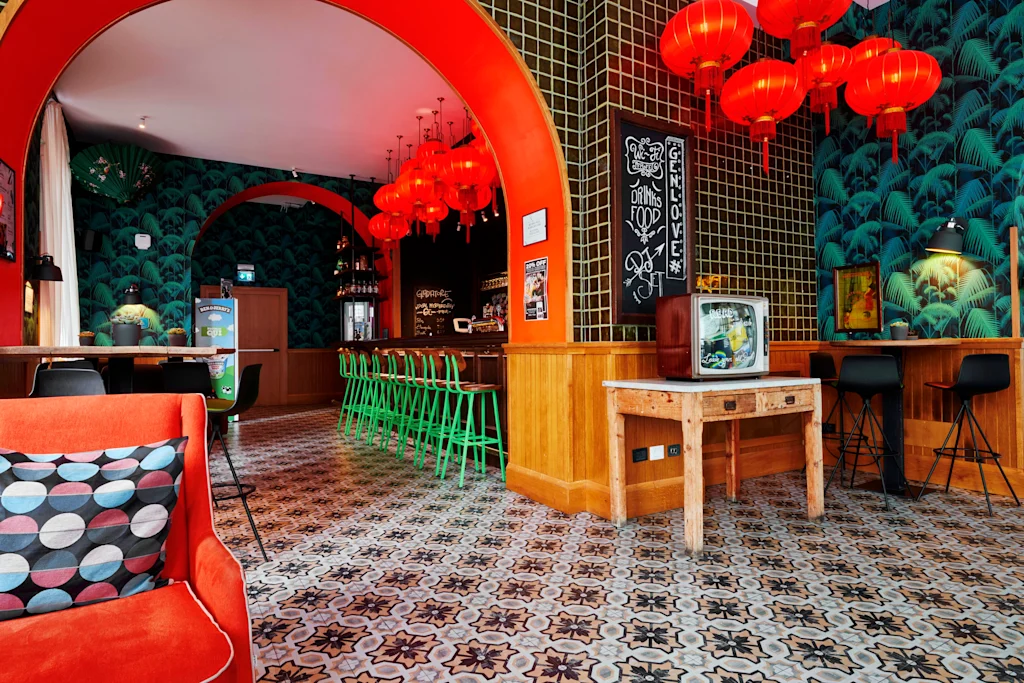
对于那些希望在青年旅舍住宿中兼顾格调与舒适的旅客,罗马Generator旅舍在埃斯奎利诺区提供精品“时尚青年旅舍”体验。 旅舍坐落于一栋19世纪的建筑内,内部装潢时尚且注重设计——想象一下大理石楼梯与复古工业风装饰融合意大利风情的场景。这是一家规模较大的青年旅舍与酒店的混合体,因此可以轻松接待团体(除了宿舍外,他们还提供私人房间,甚至还有酒店式的双人间)。 这里的氛围略显轻松且充满国际气息——非常适合数字游民,或是希望享受宁静住宿但仍不失社交机会的朋友。旅舍内设有一家时尚的咖啡厅/休息室,以及一家酒吧,那里会不定期举办现场音乐表演或文化讲座等活动。 地理位置上,这里距离特米尼火车站仅几步之遥,离罗马斗兽场也不远,而且正对面就是热闹的埃斯奎利诺市场(食品市场),是个值得探索的有趣地方。 这里的安保和卫生条件都是一流的。虽然Generator可能不像小型青年旅舍那样天生充满社交氛围,但其舒适度和设施足以弥补这一点——你可以随时参加他们免费的城市观光游,结识其他住客。 无论是偏爱宁静环境的独自旅行者,还是希望在享受酒店式服务(电梯、24小时前台、酒店内餐厅)的同时体验青年旅舍友好氛围的小团体,都会发现罗马Generator是他们罗马之行的绝佳下榻之地。
准备好亲自探索罗马的隐藏瑰宝了吗?
到目前为止,你已经看到,罗马除了那些人迹罕至的旅游线路之外,还有多少值得探索的地方。 在这十处冷门目的地中,罗马层层叠叠的历史与充满活力的当地生活真正熠熠生辉——从诗人墓园旁的金字塔到教堂下的壁画,从郊区的街头艺术泼墨到横跨田园风光的输水渠。 这些地方往往会成为旅程的亮点,正是因为你“发现”了大多数游客未曾留意的事物。最棒的是什么?体验这些瑰宝并不需要大笔预算——它们的魅力在于简单、好奇和探索的乐趣,这正是年轻探险者和背包客所向往的。
在2026年及以后,旅行的意义不仅在于目的地,更在于旅途本身。遵循本指南,你将获得当地的独到见解,让你的罗马之旅真正独一无二。但请记住,这份清单只是个开始——罗马会犒赏那些勇于漫游的人。 不妨将这些隐藏的瑰宝作为你开启个人冒险的跳板。拐进特拉斯提弗列区那条安静的小巷,心血来潮地走进那座不起眼的教堂,在集市上和蔬果摊贩聊上几句——谁知道接下来你会发现什么宝藏呢?
罗马的每个角落都有一段故事,静待好奇的你去发掘。所以,拥抱这场冒险吧,别害怕稍微迷路(当然,口袋里要备好地图应用!)。 你带回家的不仅有著名古迹的照片,还有日落时分秘密花园的亲身经历、与邻里友善的邂逅,以及亲手触摸罗马历史的激动时刻。这些才是真正能让你铭记一生的旅行故事。祝你旅途愉快,探索愉快!尽情去发现旅游手册之外的罗马吧——它一直都在那里等着你。
立即下载 Hostelworld 应用,开始预订吧


FAQ: Hidden Gems in Rome
Where can I get a great view of Rome without the crowds?
Skip the jam-packed overlook at Janiculum Hill (Gianicolo) and try these instead: the Orange Garden (Giardino degli Aranci) offers a stunning panorama of the city in a serene setting – it’s rarely too crowded, especially on weekdays. Another awesome (and free) view is from the top of Vittoriano (Altar of the Fatherland) via the glass elevator, but that’s a bit more known. For quieter spots, venture to Terrazza del Pincio in Villa Borghese park around sunset – it’s less busy than Gianicolo and gives a sweeping view over Piazza del Popolo and the historic center. Also, the Basilica di San Pietro in Montorio (on Gianicolo slope) has a courtyard with a beautiful view and hardly any tourists. And let’s not forget the Bunkers above Trastevere (if you hike a bit further past Gianicolo’s popular spot, you’ll find patches of wall and benches with equally amazing vistas minus the tour groups). All these viewpoints let you soak in Rome’s skyline – domes, pines, and all – in peace.
Are Rome’s hidden gems free or budget-friendly?
Yes – one big appeal of hidden gems is that they’re often light on the wallet. Many of the spots we’ve discussed are completely free to enjoy: parks like the Orange Garden and Parco degli Acquedotti, neighborhoods like Coppedè or Garbatella (just walking around costs nothing), and even the Non-Catholic Cemetery (they appreciate a small donation, but it’s essentially free). If there is an entrance fee, it’s usually modest. For example, exploring San Clemente’s underground layers is around €10, the Centrale Montemartini museum is about €11, and Ostia Antica (as a full-fledged archaeological park) is roughly €12 – significantly cheaper than, say, the Colosseum or Vatican Museums. Catacombs on the Appian Way require a guided tour ticket (about €8). Public transport to reach these places is affordable (a €1.50 bus/metro ticket can get you to most). Also, many of Rome’s museums and sites have free entry on the first Sunday of the month or other special days, so it’s worth checking. Overall, you can fill your itinerary with hidden gems and barely dent your budget, which is great news for backpackers and students.
How do I get to the Appian Way and catacombs from the city center?
Reaching the Appian Way (Via Appia Antica) and its catacombs by public transit is easier than it seems. The most direct option is bus 118, which you can catch near the Colosseum or Circus Maximus; it runs through the Appian Way park. Get off at the Catacombe di San Callisto stop (for the major catacombs and bike rentals) or earlier at “Domine Quo Vadis” chapel which is a landmark near the park’s start. Another route: take Metro Line A to Colli Albani and then hop on bus 660 which goes to the catacombs of San Callisto (this combo is handy on Sundays when 118 might be crowded). If you want to start at the beginning of Appian Way (near Porta San Sebastiano gate), you could also walk from Baths of Caracalla area or take a short taxi ride. Once there, consider renting a bike at the visitor center – it’s the best way to cover a lot of the Appian Way. Do note that buses might only run until early evening out there, so keep an eye on the schedule or be prepared to walk back to a metro stop. And bring water – you’ll be out in the sun along ancient Roman roads with few places to buy supplies!
Is it safe to explore Rome’s hidden spots alone, especially as a female traveler?
Generally, yes – Rome is overall a safe city for solo travelers, including women, and its hidden gems are in fairly safe areas. Petty crime (like pickpocketing) is the main issue in crowded tourist zones, which is less of a concern in offbeat spots (though still stay aware of your belongings). When exploring alone, stick to the basic precautions you’d use anywhere: stay in well-lit areas after dark, know your route (or have GPS handy so you don’t look lost), and avoid very isolated parks at night. Many hidden gems like Garbatella, Aventine Hill, and Coppedè are in residential neighborhoods where you’ll see locals around – these are quite safe day and early evening. If you’re visiting something like the Aqueduct Park or Appian Way solo, it’s best to go in daytime when other joggers/cyclists are present, and perhaps avoid the far reaches of the park when it’s near empty. As a solo female traveler, you might get the occasional unwanted comment (unfortunately common in Rome) but it’s usually harmless – a confident “no, grazie” or ignoring it works. Romans are generally friendly and helpful, so don’t hesitate to duck into a cafe or ask someone (even better, a family or a woman) for directions if you feel unsure. In short, use city-savvy common sense: inform someone of your plans if heading out of the center, keep your phone charged, and trust your instincts. Thousands of solo travelers explore these offbeat places every year and come back with wonderful experiences!
What’s an underrated museum in Rome most tourists miss?
One top pick is Centrale Montemartini, which we featured above – it’s a fantastic blend of ancient Roman sculptures and industrial heritage, and usually very quiet compared to the big museums. Another underrated gem is the Museo delle Mura (Museum of the Walls) at Porta San Sebastiano: it’s free, located inside one of the old city gates on the Appian Way, and you can actually walk along a stretch of the ancient Aurelian Walls for panoramic views – yet hardly anyone goes there! If you’re into creepy-but-cool, the Capuchin Crypt under Santa Maria della Concezione Church (Via Veneto) is unforgettable: it’s a series of chapels decorated entirely with the bones of Capuchin monks. Admission to the crypt and accompanying museum is around €8. It’s macabre but historically interesting – and definitely off the standard tourist path. For art lovers, consider Galleria Doria Pamphilj, a gorgeous private palace gallery downtown that somehow stays under the radar; and contemporary art fans should check out MACRO (Museum of Contemporary Art) in a converted brewery. Rome has dozens of museums beyond the Vatican and Capitoline – if you have a specific interest (say, coins, musical instruments, or the Liberation War), there’s likely a small museum for it. They may be “underrated” simply because not many know about them, but that can make your visit all the more special.
Is there really a pyramid in Rome?
Yes! Rome actually has a pyramid – the Pyramid of Cestius – and it might blow your mind when you see it unexpectedly poking out near a busy traffic circle. This pyramid was built around 12 BC as the tomb for a Roman aristocrat, Gaius Cestius, who was fascinated by Egypt (Egyptomania hit Rome after Egypt became part of the empire). It’s about 36 meters high (roughly 120 feet) and made of white marble, incredibly well-preserved because it was later incorporated into the city’s defensive walls. You can view it easily from the street (right next to Piramide metro and train station). It’s even possible to tour the inside of the pyramid, but only on select days with advance reservation through the archaeological authorities – inside are small burial chambers (often these special tours sell out, so plan ahead if keen). The pyramid is adjacent to the Non-Catholic Cemetery we discussed, making that whole area a doubly interesting detour. Fun fact: this pyramid is one of the reasons why Rome’s metro Line B had to curve oddly – they built the line around the pyramid to avoid disturbing it! So yes, snap that selfie with Rome’s ancient pyramid – your friends back home might be surprised to learn of its existence.
What is the keyhole view in Rome and where do I find it?
The “keyhole view” refers to a famously perfect view of St. Peter’s Basilica that you can see through the keyhole of a gate on Aventine Hill. It’s located at the Priorato dei Cavalieri di Malta (Priory of the Knights of Malta) on Piazza dei Cavalieri di Malta. When you peek through the small keyhole of the big green door, you’ll see a long hedged pathway perfectly aligned with the dome of St. Peter’s in the distance – it’s like a secret framed picture. To get there, go to Aventine Hill (as described in our Aventine section above) and find the quiet piazza with an ornate white wall and that unmarked green door; usually you might spot a couple of people taking turns at the keyhole. It’s completely free and accessible at any time of day (though if you go at night, you’ll see the dome beautifully illuminated). The view is a fun little optical trick and remains one of those word-of-mouth gems in Rome. Remember, you don’t need to knock or enter – the property belongs to the Knights of Malta and isn’t open to the public – but they’re kind enough to not block the view. Just peer in and enjoy this little wow moment. It’s a great stop to combine with visiting the Orange Garden, which is just steps away, as both showcase different angles of Rome’s beauty.
What hidden gem in Rome is great for foodies?
If you’re a foodie looking for an authentic (and affordable) adventure, Testaccio is Rome’s hidden gem neighborhood of gastronomy. It’s a bit off the tourist radar despite being quite central. The Testaccio Market (Mercato di Testaccio) is fantastic late morning through lunch: you can graze on freshly made pasta, gourmet panini, and local cheeses from various stalls (don’t miss the Trapizzino stall or Mordi e Vai for braised beef sandwiches). Also, Testaccio is the birthplace of many “cucina romana” dishes – the neighborhood butchers historically got the off-cuts, leading to specialty dishes like coda alla vaccinara (oxtail stew) and trippa (tripe) which you can try at places like Checchino dal 1887 (for the adventurous eater). For a street food snack, hunt down a supplì – many pizzerias in Testaccio sell these fried rice balls; Supplizio (though in the center) also has excellent ones if you’re around Campo de’ Fiori. Another foodie gem is Trionfale Market up near the Vatican – massive local market with amazing fresh produce and deli products where you can assemble a picnic. On the sweet side, seek out gelato in non-touristy areas: for example, Gelateria dei Gracchi (multiple locations, one in Prati) or Fatamorgana (Monti/Trieste areas) for creative, all-natural flavors that locals rave about. Essentially, venture into markets and family-run trattorias in residential districts – that’s where Rome’s hidden culinary gems lie. Buon appetito!
Which offbeat neighborhood in Rome should I explore for local vibes?
We’ve talked about Garbatella and Testaccio already (both excellent choices for local vibes), but another great one is Pigneto. Located just outside the Porta Maggiore, Pigneto is a hip, artsy neighborhood that’s been compared to Brooklyn or Berlin’s indie quarters – it’s where young Romans hang out. By day, Pigneto is pretty chill: you can find street art murals, vintage shops, and cozy cafes (try a specialty coffee at Necci dal 1924, a historic cafe where director Pasolini used to go). By night, especially on weekends, the main street Via del Pigneto turns into a lively pedestrian zone with craft cocktail bars, craft beer pubs, and casual eateries spilling onto the sidewalks – think food truck-style stalls selling arancini or fusion bites, alongside Roman trattorias. It’s a great area to mingle with locals, catch live music or just enjoy a less touristy nightlife scene. Another neighborhood worth exploring is Monti (actually in the center, between the Colosseum and Termini) – it’s gotten more popular now but still has a bohemian flair with its independent boutiques, vintage market (weekends at Piazza dei Mercanti), and hidden wine bars on Via Panisperna and Via Urbana. Monti is like a little village in the heart of Rome. Lastly, for a truly untouristy stroll, head to Centocelle or San Lorenzo – more gritty, studenty areas with street art and cheap eats. Each of these quarters shows a different facet of Roman life beyond the postcards, and they’re all welcoming if you come with curiosity and respect.
Are there quiet parks or green spaces in Rome away from tourists?
Absolutely. One of the largest is Villa Doria Pamphilj, a huge park on the west side of the city. It’s a beautiful expanse of gardens, woods, and trails surrounding a 17th-century villa (now a government building). You’ll find locals jogging, picnicking, and doing tai chi, but almost no tourists. It’s perfect for a tranquil walk or a run; there’s even a lovely little lake with swans. Another peaceful green space is Villa Ada in the north of Rome – more wild and wooded, with a small lake and often some live music or festivals in summer, but otherwise very low-key. Villa Torlonia (in the Nomentana area) is smaller but charming, featuring the quirky “House of the Owls” (Casina delle Civette) and often near-empty lawns – plus it has historical significance as Mussolini’s former residence, though now just a nice park/museum. If you’re near the city center, the Orto Botanico (Botanical Gardens in Trastevere) is a hidden oasis – there’s a small entry fee, which keeps it quiet; you can wander among exotic plants, a Japanese garden, and even a bamboo forest. We’ve already covered Parco degli Acquedotti and the Appian Way, which are fantastic for a more rustic nature fix. And here’s a tiny gem: the Rose Garden (Roseto Comunale) on Aventine Hill, open in spring and early summer – it’s small, fragrant, and overlooks the Circus Maximus with hardly a soul around on weekdays. So yes, when you need a break from piazzas and museums, Rome offers plenty of green retreats where you can hear birds chirp and forget you’re in a capital city.
What’s a cool day trip from Rome for hidden gems?
Aside from Ostia Antica, which we covered, there are several underrated day trips. One fantastic option is the Villa Gregoriana in Tivoli – many people go to Tivoli for Villa d’Este’s fountains (which is great but popular), while Villa Gregoriana is a lesser-known park featuring waterfalls, Roman ruins, and lush trails in a gorge – a very romantic, nature-filled excursion. Tivoli is just an hour by train or bus from Rome. Another gem is the medieval hilltown of Calcata, about 50 km north of Rome. Calcata was practically abandoned mid-20th century and then revived by artists; it’s perched on a cliff and looks straight out of a fantasy novel. Now it’s full of galleries, quirky cafes, and a very bohemian vibe (plus views for days). For archaeology buffs, Cerveteri and Tarquinia offer incredible Etruscan tombs and painted sarcophagi – truly ancient wonders often with few visitors. Nature lovers could head to Lago di Nemi (a small volcanic lake in the Alban Hills, known for wild strawberries and a sunken Roman ships museum) or Lago di Bracciano (a bigger lake with a castle in Bracciano town and a peaceful atmosphere). If you’re up for a journey, the Giardino dei Tarocchi (Tarot Garden) in Capalbio, Tuscany, is a visually stunning sculpture garden by artist Niki de Saint Phalle – like a Gaudí-meets-Tarot fantasyland, about 1.5-2 hours from Rome. Each of these trips will show you something unexpected and enriching – proving that even beyond Rome, Lazio (and nearby regions) are packed with hidden treasures for the curious traveler.
What are the five best hostels in Rome for solo travelers and groups?
Rome has plenty of hostels, but a handful really stand out for their vibe, location, and amenities – perfect for meeting fellow travelers and resting up between your city adventures:
The RomeHello Hostel: A award-winning modern hostel known for its inclusive social atmosphere. It’s centrally located near Repubblica/Barberini (you can walk to Trevi Fountain in 10 minutes). Rooms are bright, clean, and come with personal lights and outlets. The hostel runs daily activities – think pasta cooking classes, walking tours, and beer pong nights – great for solo travelers looking to make friends. With a spacious common area, an in-house bar (often hosting live music or karaoke), and even an art-filled courtyard, The RomeHello effortlessly creates a community vibe. It’s top-rated for its friendly staff who go above and beyond to welcome everyone; whether you’re a group or on your own, you’ll feel at home here. Bonus: It’s very secure (24-hour reception and keycard access everywhere) and has female-only dorm options, making it ideal for all types of travelers.
YellowSquare Rome: The Yellow is Rome’s legendary party hostel, and YellowSquare is its evolved form – more than just a hostel, it’s a whole lifestyle hub. Located near Termini station, it’s super convenient for transportation. By day, you can chill on the rooftop terrace or join a yoga class; by night, the basement Yellow Bar/Club turns up with DJ sets, live bands, and theme parties that attract travelers and locals alike. They have an on-site diner for your late-night munchies and even a tattoo parlor and hair salon (yes, really!). Dorms and private rooms are spread across a couple of buildings – if you prefer quiet, you can request a room in the calmer annex, which is great because it means both party lovers and early sleepers can coexist happily. YellowSquare is known for its social events (beer pong tournaments, cooking lessons, city tours) and its outgoing vibe – as a solo traveler, you’ll find it almost impossible not to meet people here. It’s a bit on the lively side, so groups of friends and outgoing backpackers tend to love it. Cleanliness and safety are still high priority, and the staff are young, fun, and full of local tips.
Ostello Bello Roma Colosseo: Brought to you by the famous Ostello Bello chain from Milan (which has won multiple “best hostel” awards), this hostel near the Colosseum truly lives up to the hype. It offers a warm, social environment with a touch of Italian hospitality. The decor is colorful and homely, with communal spaces designed for interaction: a kitchen where free pasta, coffee, and sometimes even community dinners are provided, plus indoor and outdoor hangout areas (they have a terrace with hammocks and a little garden!). Every evening, Ostello Bello organizes fun events – could be karaoke night, a family dinner, a pub crawl, or a game night – so it’s perfect for solo travelers wanting a built-in friend group. The location is fantastic: a short walk from Colosseo Metro and Monti neighborhood’s cafes. Despite the social vibe, it’s not a wild party hostel; quiet hours are respected and dorms are comfy with solid bunks, privacy curtains, and lockers. Travelers often rave about the staff – they are super friendly, multilingual, and treat guests like extended family. Whether you’re backpacking alone or with a small group, you’ll find it easy to connect with others and trade travel stories at Ostello Bello.
Hostel Trastevere (Borgo Ripa): If you’d like to stay in a more authentic Roman neighborhood with nightlife and charm, Hostel Trastevere is a great choice. Tucked in Trastevere (famous for its winding lanes and piazza scene), this hostel recently upgraded part of its facilities to “Borgo Ripa,” including a beautiful garden space. It’s unique for having an outdoor swimming pool (open seasonally) – a rare treat for Rome, and perfect for cooling off after a summer day of sightseeing. The atmosphere is relaxed and communal: picture yourself lounging in a hammock or playing ping-pong in a leafy courtyard. They have a bar and common room where it’s easy to mingle. Rooms range from dorms to some privates; they’re not ultra-modern but are clean and spacious. Because of its layout, both solo travelers and groups feel comfortable – groups love chilling by the pool, solos appreciate the social dinners or pasta nights the hostel sometimes hosts. Staff can organize walking tours into the city center (it’s about 20-30 minutes on foot to major attractions, or you can hop on a tram). In the evenings, you’re just a short stroll from Trastevere’s myriad eateries and bars, yet the hostel itself is in a quiet spot allowing a good night’s sleep. It’s a wonderful balance of social and low-key, with a touch of that neighborhood magic.
Generator Rome: For those who like a bit of style and comfort with their hostel stay, Generator Rome offers a boutique “poshtel” experience in the Esquilino district. Housed in a 19th-century building, the interior is chic and design-focused – think marble staircases and retro-industrial décor fused with Italian flair. It’s a larger hostel/hotel hybrid, so it can accommodate groups easily (they have private rooms and even hotel-style twins in addition to dorms). The vibe is a bit more laid-back and cosmopolitan – great for digital nomads or friends who want a quieter stay but still the option to socialize. There’s a cool café/lounge in-house and a bar where they host events like live music or cultural talks occasionally. Location-wise, it’s a short walk from Termini station and not far from the Colosseum, plus it’s right across from the vibrant Mercato dell’Esquilino (food market) which is a fun place to explore. Security and cleanliness are top-notch here. While Generator might not be as inherently social as a small hostel, its comfort and facilities make up for it – you can always join their free city tours to meet fellow guests. Solo travelers who prefer a calmer environment or small groups who want hotel-like services (elevator, 24hr reception, on-site restaurant) with hostel friendliness will find Generator Rome an excellent base for their Roman holiday.
Each of these hostels brings something unique to the table, but all share a commitment to being budget-friendly, safe, and welcoming for travelers young and old. Whether you want all-night party vibes or a chill homey feel, Rome’s hostel scene has got you covered. And wherever you stay, you’ll have a friendly place to swap stories about your favorite newly discovered Roman hidden gem – perhaps over a beer on a hostel terrace, new friends at your side, and the Roman sunset overhead. Enjoy your stay in the Eternal City!

 Get the App.
Comments