
Hidden Gems in Rome: Your Bucket List
Rome may be the Eternal City of blockbuster sights – the Colosseum, Vatican, Trevi Fountain – but venture off the tourist trail and you’ll discover a more authentic magic. Wandering beyond the crowds leads you to peaceful gardens, quirky art nouveau streets, ancient ruins with no lines, and neighborhoods where la dolce vita thrives unfiltered. This guide takes you on a journey through hidden gems in Rome – those lesser-known spots that locals love and backpackers brag about finding. From a secret keyhole view of St. Peter’s to a street art haven far from any museum tour, we’ll uncover unique corners of Rome that reveal the city’s soul.
Each hidden gem on your personal bucket list comes with tips on how to find it, what to do there, and even where to grab a bite nearby – all while keeping things budget-friendly (many of these are free or just a few euros). Whether you’re a solo traveler seeking local vibes or a group of friends chasing adventure on a budget, these Roman secrets will enrich your trip with unforgettable experiences. Pack your curiosity (and comfy walking shoes), and get ready to discover Rome’s best offbeat treasures!
Aventine Hill – Sunset Views and a Secret Keyhole
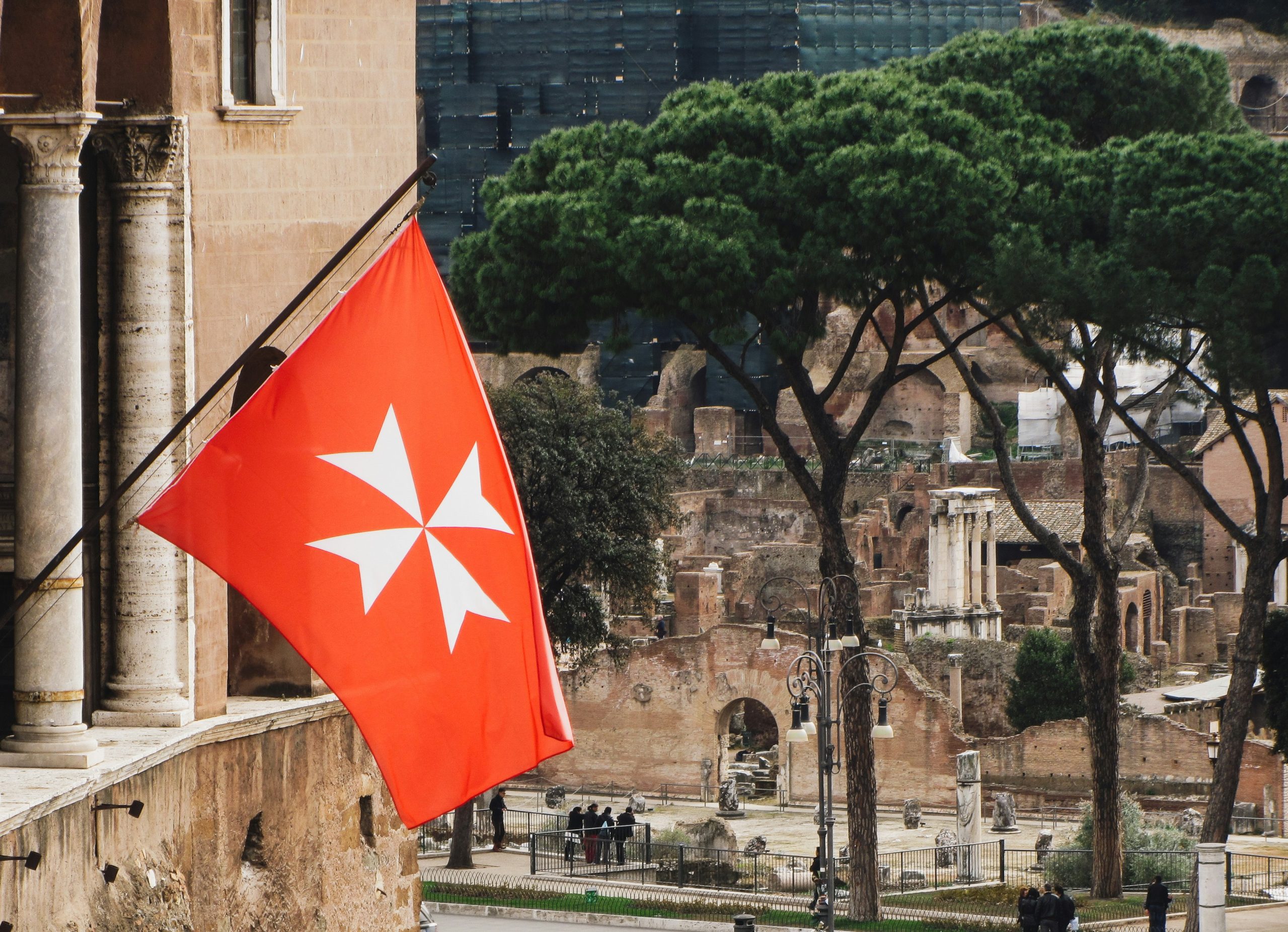
On the tranquil Aventine Hill, a world away from the city’s bustle, you’ll find two of Rome’s most enchanting secrets side by side. The Giardino degli Aranci (Orange Garden) is a small clifftop park filled with fragrant orange trees and historic ruins of a fort. Come here at sunset for a panoramic view that stretches across Rome’s domes and rooftops to St. Peter’s Basilica – it’s a favorite spot for locals seeking a quiet romantic vista. Just steps away lies the Knights of Malta Keyhole, an unmarked green door with a tiny keyhole that perfectly frames the dome of St. Peter’s in the distance. Peeking through feels like discovering a real-life postcard; it’s a delightfully quirky surprise that most visitors miss entirely. A few steps further, you can visit the ancient Basilica of Santa Sabina and its peaceful courtyard, adding to the Aventine’s serene charm. This hilltop area exudes a calm, exclusive atmosphere (some embassies and a monastery are here), making you feel like you’ve uncovered a Rome only insiders know.
How to Get There
-
By Metro: Take Line B to Circo Massimo station. From there, it’s a 10-minute uphill walk along Via di Santa Sabina to the garden entrance.
-
By Bus: Lines 81 or 160 will drop you near the base of the Aventine (stop Parco Savello or Santa Prisca), a short walk from the Orange Garden.
-
On Foot: If you’re exploring the historic center, you can stroll from the Colosseum area across Circus Maximus to reach the Aventine Hill. It’s a bit of a hike uphill but very scenic.
Local Tip
Timing is everything on the Aventine. Sunset is magical in the Orange Garden – you’ll catch golden light over St. Peter’s dome and maybe even hear distant church bells. The garden is free and open until evening (around sunset). There are no cafés up here, so consider bringing a snack or gelato. For a bite afterward, wander down into Testaccio (the neighboring district) where Romans dine out. The Testaccio market (mornings till early afternoon) offers street food like trapizzino (stuffed pizza pockets) and classic gelato at Giolitti. In the evening, trattorias in Testaccio (like Flavio al Velavevodetto, built against Monte Testaccio’s ancient pottery hill) serve authentic Roman dishes at local prices – the perfect reward after your Aventine adventure.
Quartiere Coppedè – A Fairy-Tale Corner of Art Nouveau Rome
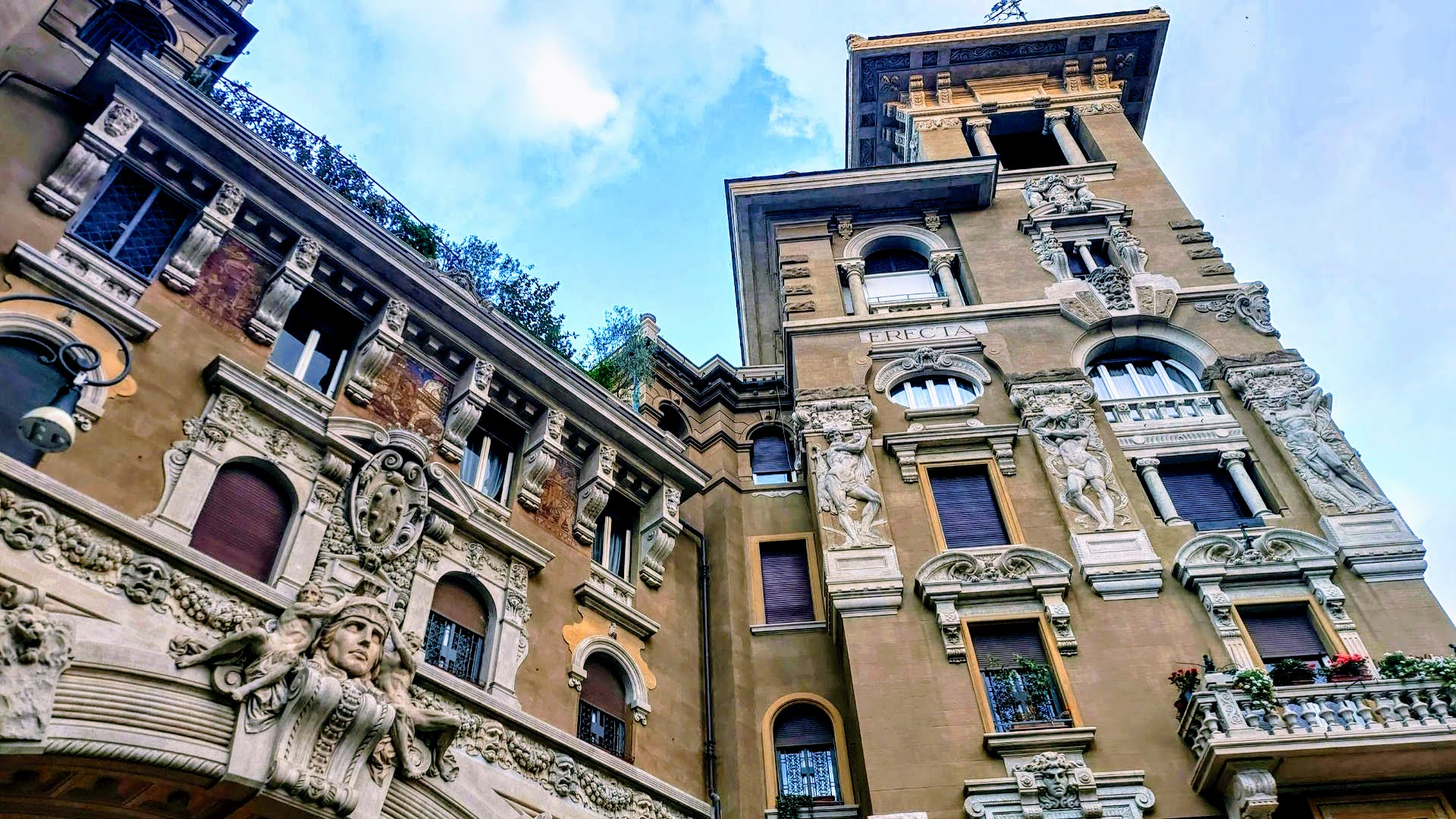
Tucked in a residential part of Rome’s Trieste neighborhood, Quartiere Coppedè feels like stepping into a fantasy film set – in fact, it’s one of Rome’s best-kept architectural secrets. Designed by architect Gino Coppedè in the 1910s–1920s, this tiny district is a whimsical mix of Art Nouveau, Baroque, and medieval Gothic influences. Enter through an ornate arch on Via Dora and you’re greeted by an oversized wrought-iron chandelier hanging between two buildings. Beyond, eccentric buildings line the little piazza: look for the Frog Fountain (Fontana delle Rane) where legend says The Beatles once took an impromptu dip after a nearby concert! Every building in Coppedè sports imaginative details – mosaic façades, frescoes, archways, and mythological sculptures. One villa looks like a fairy-tale castle, another has a facade of floral patterns and whimsical balconies. The quiet streets here are residential, so you’ll likely have them nearly to yourself, free to gawk at the surreal architecture. Photographers will especially love how dreamlike and colorful this quarter is – it’s Instagram gold that most Rome travelers completely overlook.
How to Get There
-
By Tram: Take tram #3 or #19 to Piazza Buenos Aires (also known as Piazza Regina Margherita). The archway entrance to Quartiere Coppedè is just a 2-minute walk from the piazza, at Via Dora and Via Tagliamento.
-
By Metro/Bus: The closest Metro station is Policlinico (Line B), about a 15-minute walk away. Several buses (like 63 or 83) also stop at Piazza Buenos Aires or via Tagliamento.
-
By Foot/Bike: From Villa Borghese or Via Veneto area, it’s a pleasant 20–30 minute walk north into the residential neighborhood. Biking is another good option, as the area has less traffic than central Rome.
Local Tip
There’s no ticket or official tour here – wandering is the point, so take your time exploring each ornate building (Via Brenta and Via Olona have some of the most photogenic facades). Weekdays are extra quiet if you want the place almost entirely to yourself. Remember this is a residential area: be respectful and keep noise low, especially early or late. For a pick-me-up nearby, head to Pasticceria Andreotti on Viale Regina Margherita for a coffee and a pastry (it’s a local sweet spot just outside Coppedè). If you’re visiting around lunchtime, you might venture a few blocks to the Mercato Trieste (covered market) on Via Chiana to sample some local cheese and prosciutto – an authentic slice of everyday Rome that pairs perfectly with your offbeat Coppedè excursion.
Via Appia Antica – Ancient Highway to Ruins and Catacombs
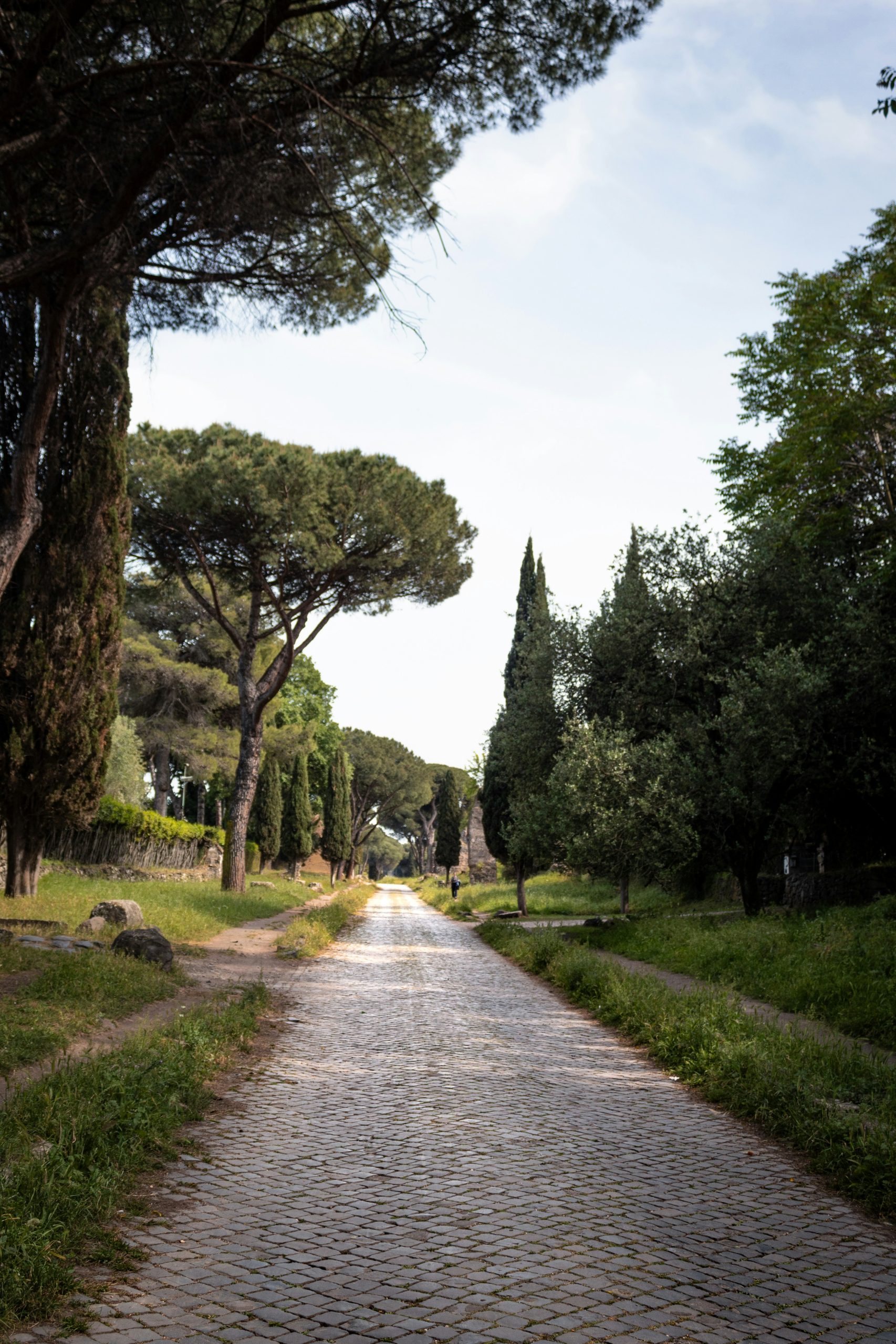
Walking or biking the Appian Way (Via Appia Antica) is like traveling 2,000 years back in time, yet it’s just a few miles from the city center. This ancient Roman road once connected the capital to Brindisi and beyond, and its first stretches are now part of a regional park dotted with ruins, tombs, and catacombs under open sky. Giant umbrella pines line the cobbled route where chariots once rode – you can literally see the grooves worn by wheels in some original stones. Start at the Appia Antica Visitor Center (rent a bike if you wish) and pass by the Baths of Caracalla ruins, the impressive Porta San Sebastiano gate, and onto the old road flanked by crumbling mausoleums and farm fields. Major stops include the Catacombs of San Callisto and San Sebastiano, where early Christians tunneled underground cemeteries (guided tours take you through eerie, fascinating crypts decorated with frescoes). Further along stands the Circus of Maxentius (ruins of an ancient stadium) and the towering Mausoleum of Cecilia Metella, a castle-like tomb from the 1st century BC. Despite the wealth of history here, the Appian Way sees relatively few tourists – you might share the path with a few cyclists, a wandering sheep herd, and an archaeologist or two. It’s a refreshing escape into antiquity and nature, offering a glimpse of Rome’s countryside within the city limits.
How to Get There
-
By Bus: From central Rome, catch bus 118 (e.g. from the Colosseo or Circo Massimo area) and get off at Appia Antica/Domine Quo Vadis stop. This is near the start of the park; the Visitor Center (at Via Appia Antica 58/60) is a short walk from there. Bus 118 continues along the Appian Way with stops near the catacombs and other sites if you want to ride further.
-
By Metro + Bus: Take Metro Line A to Colli Albani or Arco di Travertino and then switch to bus 660, which goes to the Catacombs of San Callisto on Appian Way.
-
By Bike: Consider renting a bicycle at the Appia Antica Visitor Center or one of the rental shops at Via Appia Antica 42. Biking is one of the best ways to cover more ground and reach the farthest ruins (just be ready for some bumpy ancient cobblestones!). Helmets and bike locks are provided with rentals.
Where to Eat Nearby
Exploring the Appian Way can build up an appetite – but keep in mind this is a protected park area with very limited dining options inside. The smart move is to pack a picnic. You can pick up panini, fruit, and water at a deli or supermarket in Rome before heading out. There’s a small café (Appia Antica Caffè) near the visitor center/bike rental that offers sandwiches, salads, and drinks in a garden setting – a handy lunch stop before or after walking to the catacombs. If you continue further down the Appian Way, you’ll largely be in rural surrounds, so bring enough water. For a hearty meal after your excursion, head back toward the Appio neighborhood or Garbatella/Ostiense area: there you’ll find local trattorias and pizzerias aplenty. For example, Hostaria Antica Roma (on Via Appia Antica near the start of the park) is actually set in a tomb site and serves traditional meals – a bit of a splurge, but a one-of-a-kind dining experience on the Appian Way.
Cimitero Acattolico & Pyramid of Cestius – Peace, Poetry, and a Pyramid
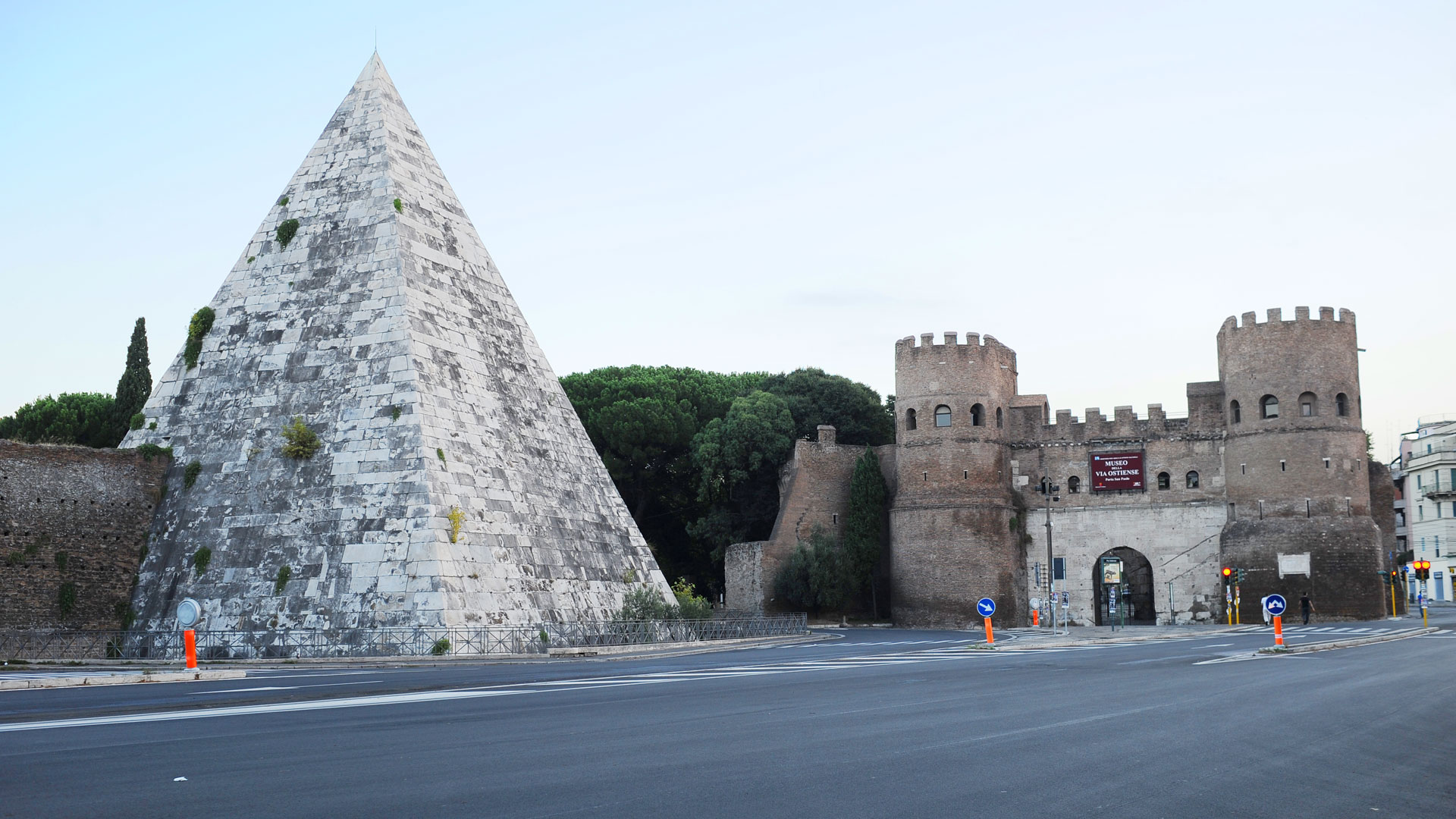
In the lively Testaccio/Ostiense district, an oasis of tranquility lies behind high walls: the Non-Catholic Cemetery of Rome (Cimitero Acattolico), often called the Protestant Cemetery. This lush garden cemetery is the final resting place of Romantic poets John Keats and Percy Bysshe Shelley, among other artists, writers, and expatriates. Strolling its gravel paths shaded by cypress trees, you’ll encounter beautiful tombstones and epitaphs in many languages – it’s melancholy yet profoundly peaceful. Cats nap on warm marble graves (there’s even a well-cared-for cat colony on site). One striking tomb to seek out is the weeping angel of the Italian poet Emelyn Story, which has become an iconic image of the cemetery’s quiet sorrow. Just adjacent, you literally can’t miss the Pyramid of Cestius – an actual Egyptian-style pyramid nearly 2,000 years old. This 36-meter-high pyramid was the tomb of a Roman magistrate (Gaius Cestius) around 12 BC, now seemingly plopped in the middle of Rome. It’s one of the city’s quirkiest ancient monuments and one that many visitors never see up close. The juxtaposition of a pyramid next to centuries-old graves of European poets, all under the gaze of Rome’s old city walls, makes this corner of the city feel enchantingly out-of-time.
How to Get There
-
By Metro: Take Line B to Piramide station – named after the pyramid, which is right outside the station. The cemetery entrance is around the corner (Via Caio Cestio, 6), about a 5-minute walk from the metro.
-
By Bus: Numerous buses stop at Piramide/Ostiense or Marmorata (e.g. lines 23, 715, 716). From there, it’s a couple of minutes on foot.
-
On Foot: If you’re in Testaccio or Trastevere, you can walk to the site. From Testaccio’s central piazza it’s about 10 minutes along Via Marmorata toward the pyramid.
Where to Eat Nearby
After soaking up the contemplative atmosphere, you can step back into everyday Rome just outside the gates. The surrounding Testaccio neighborhood is one of Rome’s culinary hotspots. For a quick bite, pop into Trapizzino on Via Giovanni Branca – it’s famous for its triangular pita-like bread pockets stuffed with Roman favorites like eggplant parm or braised oxtail (cheap, delicious, and handheld). If you’re visiting around midday, the Testaccio Market (Mercato Testaccio) on Via Galvani is a must for foodies – dozens of stalls sell everything from pizza al taglio to fresh pasta and artisanal gelato (try a supplì – fried rice ball – at Casa Manco inside the market). For a sit-down meal, Testaccio offers classic trattorias such as Felice a Testaccio (for mind-blowing cacio e pepe) or Flavio al Velavevodetto, where you dine literally against a mound of ancient amphora shards. In the evening, the area near Piramide and Ostiense comes alive with trendy bars and craft beer pubs, so it’s also a great place to linger after dark and toast to your day of hidden discoveries.
Garbatella – Village Atmosphere in the Big City
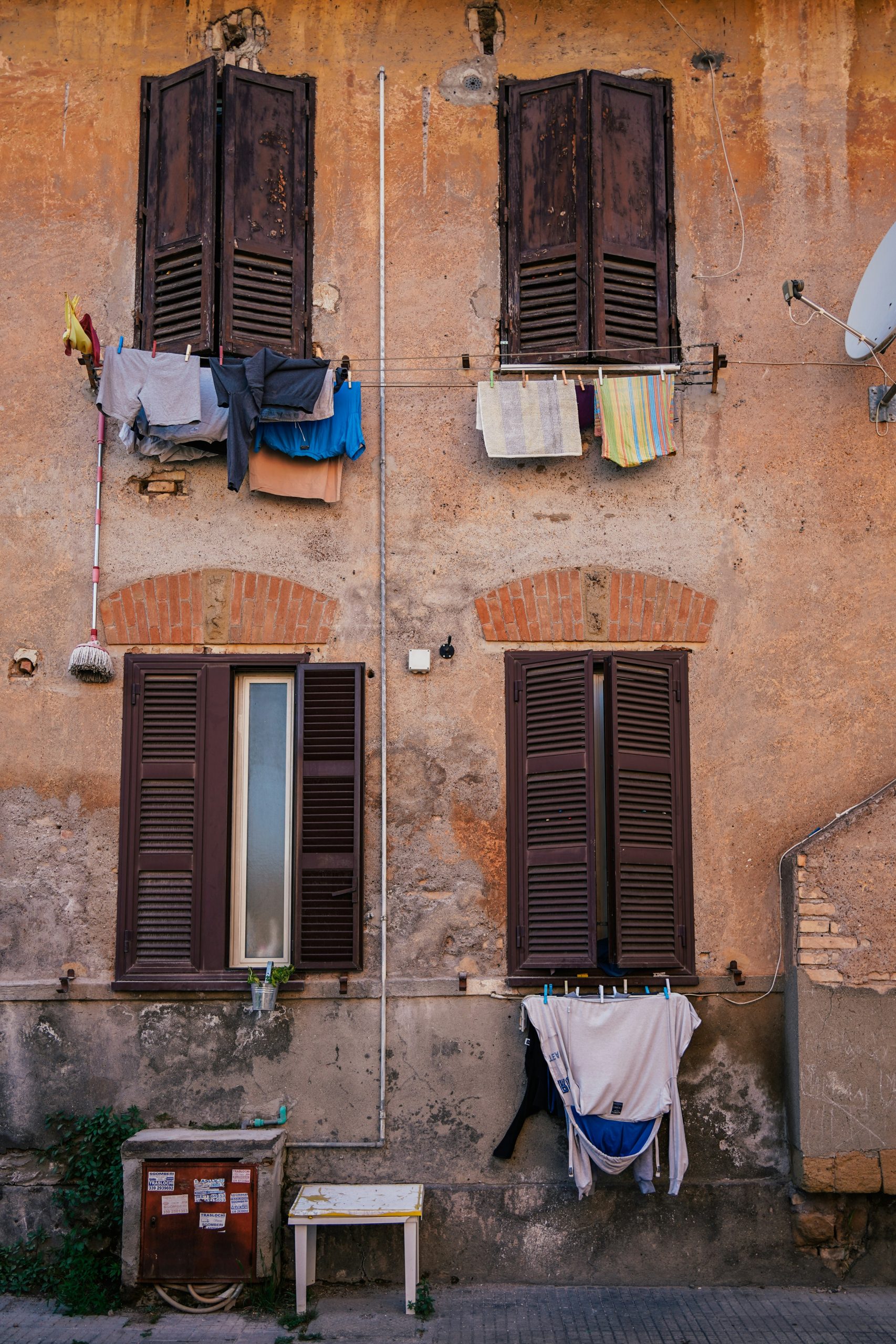
With its ivy-draped cottages, communal courtyards, and whimsical architecture, Garbatella feels like a little storybook town tucked within Rome’s urban sprawl. Founded in the 1920s as a “garden city” public housing project, Garbatella evolved into a charming working-class neighborhood beloved by locals (and the setting for many Italian films and TV shows). Wander the quiet, winding streets and you’ll notice each block, or lotto, has a unique design – from Baroque-style facades to rustic farm motifs – all built around lush central gardens where neighbors chat and laundry hangs in the sun. Don’t miss the stairways and archways that lead into these hidden courtyards; they’re like secret gardens open to all. At the heart of Garbatella is Piazza Brin, the original nucleus with a quaint fountain, and nearby the Palladium Theatre, an Art Deco gem from the 1930s. The neighborhood’s name is said to come from a kindly innkeeper (a garbata ostella) or perhaps from the local wine garba. Either way, it has retained an old-fashioned, communal feel. As you explore, you might stumble upon street art murals, vintage Vespas parked by colorful walls, and residents tending to flowerpots – a slice of authentic Roman life that’s worlds apart from the tourist hubs. Garbatella invites you to slow down and experience la dolce vita at a neighborhood pace.
How to Get There
-
By Metro: Take Line B to Garbatella station. Exit and walk about 5-10 minutes along Via Caffaro or Via Magnaghi into the historic part of Garbatella (look for the Piazza Brin area and the distinctive arch marking Lotto 1).
-
By Bus: Buses such as the 715 from Piazza Venezia or the 716 from Termini will get you to Via delle Sette Chiese or Circonvallazione Ostiense on the edge of Garbatella. From there, stroll into the interior streets (Via di Garbatella, Via delle Sette Chiese) to explore.
-
On Foot/Bike: Garbatella is just south of the Ostiense train station – it’s about a 20-minute walk from the Pyramid of Cestius area. Biking from the center is feasible too, though there are some hills in the neighborhood.
Where to Eat Nearby
Garbatella is known among Romans for its fantastic genuine eateries – this is a great place to dig into classic cucina romana without tourist traps. For a casual lunch, try Casetta Rossa, a community-run cafe and restaurant tucked in a small park (literally a little red house) that serves up farm-to-table dishes and hearty pastas with ingredients sourced from Lazio’s countryside. It’s beloved for its social vibe and outdoor seating under the pines – a true hidden gem eatery. If you’re looking for a traditional trattoria experience, Al Ristoro degli Angeli on Via Luigi Orlando is a local favorite: decades-old, friendly service, and incredible pastas (their cacio e pepe comes in an edible Parmigiano bowl, and the menu often features childhood recipes from the owner). For a quick snack or aperitivo, Bar Foschi on Piazza Damiano Sauli has been a Garbatella institution since the 1950s – grab an afternoon espresso or evening spritz on their patio and watch neighborhood life go by. And if you’re a wine lover, pop into Enoteca La Mescita on Via delle Sette Chiese to sample natural Italian wines in a cozy setting. Essentially, you can’t go wrong eating in Garbatella – the warmth of the community spills onto every table.
Centrale Montemartini – An Industrial-Chic Museum Marvel
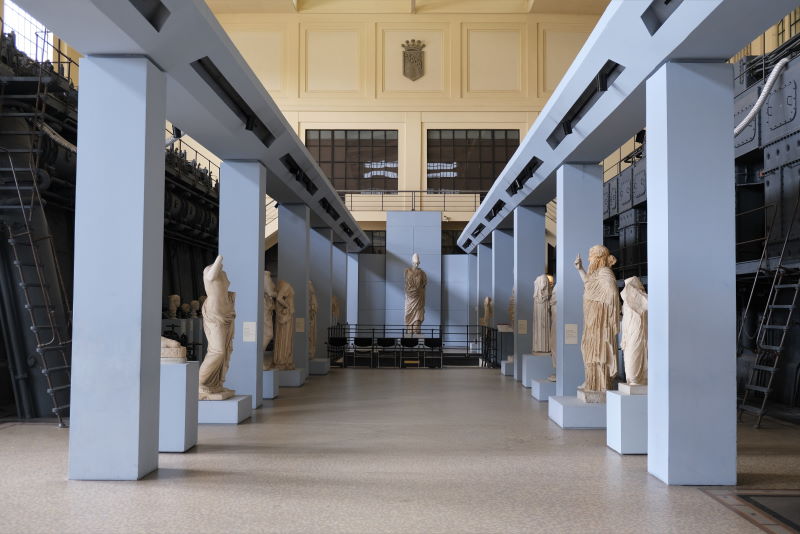
An art museum in a power plant? Only in Rome. Centrale Montemartini is one of the city’s coolest and most under-the-radar museums, showcasing classical sculptures against the backdrop of a 20th-century electrical power station. Housed in the restored Montemartini Thermoelectric Plant (built in 1912 in the Ostiense district), this space was repurposed to host overflow from the Capitoline Museums – and the result is a striking juxtaposition of ancient art and industrial machinery. As you wander the high-ceilinged turbine hall, you’ll see pristine marble statues of Roman gods and heroes dramatically set among giant diesel engines, steam turbines, and Art Deco control panels. The contrast of white marble and iron machinery, of antiquity and modernity, creates an atmosphere you won’t find anywhere else. Key pieces include mosaics from imperial baths, funerary statues, and even remnants of luxurious villas excavated in Rome – all presented in thematic sections named after the old machines (Sala Colonne, Sala Macchine). The museum is usually quiet, giving you space to appreciate each artifact up close, and photography is welcome (imagine the Instagram shots: Apollo standing regally beside a rusted turbine!). For history buffs and art lovers, Montemartini offers a refreshing twist on the typical museum experience – it’s a reminder that Rome’s heritage isn’t just in forums and temples, but can also be discovered in the most unexpected settings.
How to Get There
-
By Metro: Take Line B to Piramide or Garbatella station. Centrale Montemartini is about a 10-minute walk from either (address: Via Ostiense 106). From Piramide, walk down Via Ostiense heading away from the city center; from Garbatella, use the pedestrian overpass toward Ostiense and turn onto Via Ostiense.
-
By Bus: Bus lines 23 and 769 have stops near the museum (stop Ostiense/Matteucci). The museum is also very close to the Roma Ostiense train station (useful if coming from other parts of Italy or from Fiumicino Airport via train).
-
By Bike/Foot: From the Pyramid/Cimitero Acattolico area it’s a pleasant short walk or cycle to Montemartini. The surrounding Ostiense district has wide streets and some bike lanes.
Where to Eat Nearby
After feeding your brain with art and history, it’s time to feed your stomach – and luckily, Ostiense is a burgeoning food scene. Just a block or two from Montemartini is Eataly Roma (reachable via a skybridge from Ostiense Station), a giant Italian food emporium where you can browse regional goodies or sit down for anything from pizza to pasta to gelato. It’s an easy all-in-one option for lunch. If you prefer something cozier, Osteria di Birra del Borgo on Via Ostiense 135 is a modern brewpub offering craft beers (Italy has a great craft beer movement) and tasty dishes like gourmet bruschette and Roman-style meatballs – perfect for a laid-back meal or evening hangout. For street food lovers, look out for Trapizzino (yes, another branch is nearby at Mercato Ostiense) or Pizza Ostiense for a quick slice. And if you have a sweet tooth, Pasticceria Andreotti (further up on Via Ostiense 54) has been satisfying Romans since 1931 with its cakes and pastries – grab a couple of cannoli or a tiramisu to-go. In short, the Ostiense neighborhood around Montemartini offers plenty of affordable and delicious options, making it easy to turn your museum visit into a full afternoon of Roman culture and cuisine.
Basilica di San Clemente – Layered History Underground
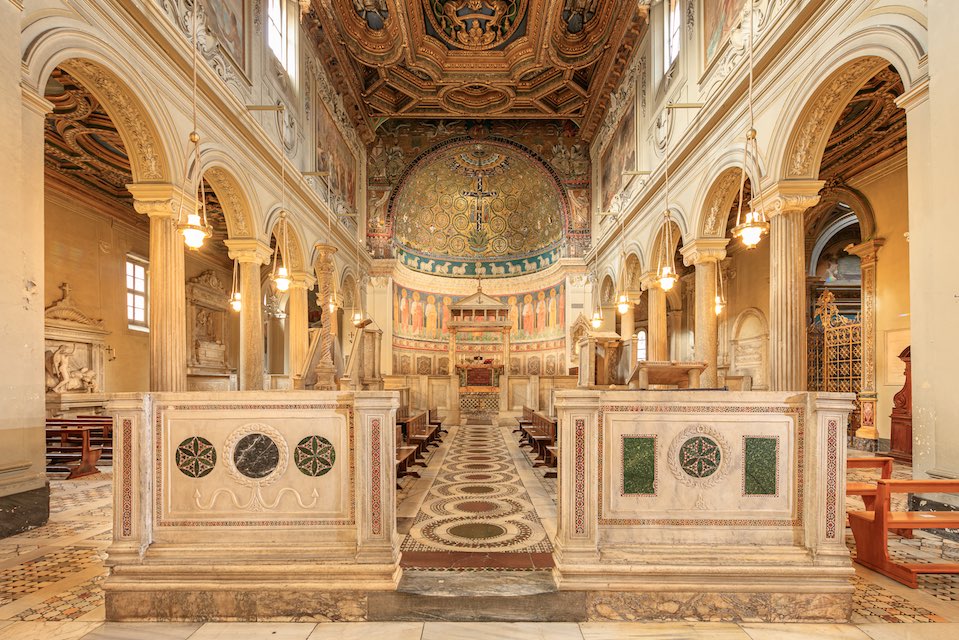
A few blocks from the Colosseum sits Basilica di San Clemente, which from the outside might seem like just another old church – but it hides an extraordinary time-capsule beneath its floor. San Clemente is a three-tiered archaeological wonder: a 12th-century basilica built atop a 4th-century church, which in turn was built over a 1st-century Roman villa and Mithraic temple. Visiting here is like peeling back the layers of Rome’s history. Start in the present (well, medieval) by admiring the basilica’s gorgeous Byzantine mosaics in the apse – glimmering gold and vivid biblical scenes – and its frescoed walls. Then descend underground (for a small fee) into the 4th-century basilica: you’ll walk amidst dimly lit halls where early Christians once worshipped; faded frescoes on the walls include one of the first-known writings in vulgar Latin (complete with a comical speech bubble scolding a lazy servant!). Deeper still, steps lead to the ancient Roman level – you’ll wander a corridor of an imperial era mansion, hear water rushing in a subterranean stream that still flows, and finally stand in the mysterious Temple of Mithras. This pagan cult temple features an altar where followers of Mithraism (a secret religion in Roman times) performed rituals. The climate below is cool, damp, and a bit eerie – truly like walking into the underworld of Rome. San Clemente offers an unparalleled journey through time, all in one site, and it’s rarely crowded, making it a gem for history enthusiasts.
How to Get There
-
By Metro: Take Line B to Colosseo station. From the Colosseum, it’s about an 8-minute walk: head east up Via di San Giovanni in Laterano (the street by the Colosseum lined with restaurants), then turn right on Via di San Giovanni Decollato which becomes Via San Clemente. The basilica entrance is at Piazza di San Clemente.
-
By Bus/Tram: The area is well-served by public transport. Tram 3 or 8, and buses like 85 or 87, have stops near the Colosseum/Colle Oppio. From there, it’s a short walk to San Clemente.
-
On Foot: If you’re already around the Colosseum or Roman Forum, you can easily include San Clemente on your walking tour of the area – it’s roughly 600 meters from the Colosseum’s exit.
Local Tip
The church itself (ground level) is free to enter, but the underground excavations have an entrance fee (around €10). It’s absolutely worth it for the insights into ancient Rome – allow about an hour to explore all the levels. Try to visit in the morning or late afternoon when tour groups are minimal; often you might find yourself alone in the depths, heightening the Indiana Jones vibe! The lower levels are cool and a bit damp, so bring a light jacket or scarf even on hot days. After resurfacing from this time-traveling adventure, you might want a pick-me-up – luckily, you’re in the Monti area, one of Rome’s trendiest neighborhoods. For a quick treat, walk a few minutes to Pasticceria Regoli (on Via dello Statuto) for their famous maritozzo (cream-filled sweet bun) or to Gelateria Fatamorgana in Monti for inventive gelato flavors. If you’re ready for a meal, Monti has fantastic choices: Trattoria Luzzi (very close to San Clemente) offers hearty, affordable Roman pasta and wood-fired pizza beloved by locals and budget travelers alike. Enjoying a carbonara at Luzzi’s outdoor table after exploring ancient temples underground – now that’s a perfect Rome day off the beaten path.
Parco degli Acquedotti – Rome’s Ancient Aqueducts Al Fresco

Stretching across an open green expanse on the city’s southeastern edge, the Parco degli Acquedotti is a breathtaking marriage of nature and ancient engineering. Here, away from the urban chaos, you’ll find towering arches of Roman aqueducts marching across meadows, some nearly intact, against a backdrop of the Apennine hills. This park is part of the old Appian Way region but deserves its own shout-out – it contains the remains of at least seven aqueducts that once supplied Rome with water. The most photogenic is the Aqua Claudia, with its double-tiered brick arches cutting a dramatic silhouette across the fields (especially stunning at golden hour). Locals come here to jog, bike, or picnic under the aqueducts, giving the park a wonderfully relaxed vibe. You might see shepherds grazing sheep or hear the distant thwack of a tennis game (there are sports fields around – this is Italy, after all). Unlike the manicured gardens in the city, Parco degli Acquedotti is more wild and rustic – think tall grasses, wildflowers, and unpaved paths that invite you to wander. It’s incredible to stand beneath these ancient structures (some over 1,800 years old) and ponder how they carried fresh water into Rome’s baths and fountains. If you need a break from crowds and museums, a lazy afternoon here among ancient ruins and open sky is the perfect antidote.
How to Get There
-
By Metro: Take Line A to Giulio Agricola or Subaugusta station. The park’s entrances are about a 10-minute walk from either station. From Giulio Agricola, walk down Viale Giulio Agricola, then turn onto Via Lemonia which leads directly to the park.
-
By Bus: Buses are less direct, but lines like 654 (from Cinecittà area) stop near the park. If you’re coming from Via Appia Antica area, you could take bus 118 or 218 toward the aqueduct park vicinity, though a bit of walking will still be needed.
-
By Bike: For the adventurous, cycling from the city via Via Appia Nuova or Tuscolana to the park is doable. You can also rent a bike at the Appian Way and ride through connecting park trails to reach the aqueducts.
Local Tip
Parco degli Acquedotti is an unfenced public park, open 24/7, but it’s best visited in daylight (sunrise or sunset are especially gorgeous for photography). There are no facilities or cafés inside the park, so bring water, sunscreen, and snacks if you plan to linger. The park is generally safe and frequented by locals, but it’s vast – stick to the visible paths, especially if alone, and be mindful of uneven ground near ruins. A great idea is to pack a picnic – pick up some fresh pizza al taglio and fruit from a bakery or market around the Giulio Agricola metro stop on your way. Find a nice spot in the grass with a view of the aqueduct arches and enjoy a peaceful picnic like a true Roman (who once would have picnicked outside the city walls in these very fields!). Lastly, if you’re up for more exploring, this park connects to other green areas – you can actually walk or bike all the way to the Appian Way from here. Otherwise, simply relish the tranquility and epic landscape that feels like a scene straight out of a classical painting.
Tor Marancia Street Art – An Open-Air Urban Gallery

Think Rome is all about ancient frescoes and Renaissance paintings? Think again – in the suburb of Tor Marancia, about 20 minutes from the city center, an entire public housing block has been transformed into a vibrant street art gallery. The project, called “Big City Life”, invited international street artists in 2015 to paint large-scale murals on the sides of 11 apartment buildings. The result is a colorful surprise in a working-class neighborhood that most tourists never find. Wander into the courtyard of Lotto 1 of Tor Marancia (on Via di Tor Marancia 63) and you’ll be greeted by enormous, breathtaking artworks up to 10 stories high. There’s the famous piece “Il Bambino Redentore” – a giant child blowing bubbles, each containing a piece of neighborhood history. Another façade shows a whimsical forest of exotic animals and plants, titled “Dream” (by Japanese artist Gaia). Each mural tells a story or tribute to the community – from abstract patterns to portraits of local residents. As you stroll among them, you’ll likely encounter kids playing soccer, neighbors chatting on benches, and a friendly community proud of their outdoor museum. The contrast between the drab original 1950s apartment blocks and their new artistic skins is striking – Tor Marancia’s street art is not just Instagrammable but also a heartwarming example of urban regeneration. It’s a chance to see contemporary Roman culture in a raw, authentic setting, beyond the postcard views.
How to Get There
-
By Bus: Take bus 160 or 30 from the city center (e.g. from Piazza Venezia or near the Colosseum) to the stop Tor Marancia/Arcadia on Via di Tor Marancia. The mural-covered buildings are right around the corner on Via di Tor Marancia 63 (Lotto 1). The bus ride is about 20-30 minutes from central Rome.
-
By Metro + Bus: Alternatively, take Metro Line B to San Paolo Basilica, then hop on bus 766 or 792 for a short ride to Tor Marancia (get off at Tor Marancia/Arcadia).
-
By Taxi/Car: A taxi from the historic center would take 15-20 minutes. There’s free street parking in the area if you’re driving.
Where to Eat Nearby
Tor Marancia is a residential neighborhood, so you won’t find trendy cafes on every corner – but that’s part of the local charm. If you want to grab a bite in the vicinity, look for small family-run spots. For instance, Pizzeria da Walter on Via di Tor Marancia 108 is a well-reviewed local pizzeria where you can get classic Roman thin-crust pizza or takeaway supplì. A short walk away, Bar Zia Rosetta (Via Villa di Lucina) offers sandwiches and espresso – a simple Roman bar experience. Since you’re not far from the Garbatella and Ostiense areas, you could also plan to eat there either before or after your street art detour. Garbatella has those trattorias we mentioned earlier (like Ristoro degli Angeli), and Ostiense’s Eataly or Osteria di Birra del Borgo could call your name if you’re craving more options. Another idea: combine your trip with a visit to the Basilica of St. Paul Outside the Walls (a major sight just one metro stop away) and hit the student-filled bars around San Paolo for aperitivo. Regardless, make sure to stay hydrated during summer visits – carry water as you explore the murals, since shade can be limited in the courtyard.
Ostia Antica – A Time-Travel Day Trip to Ancient Rome’s Port
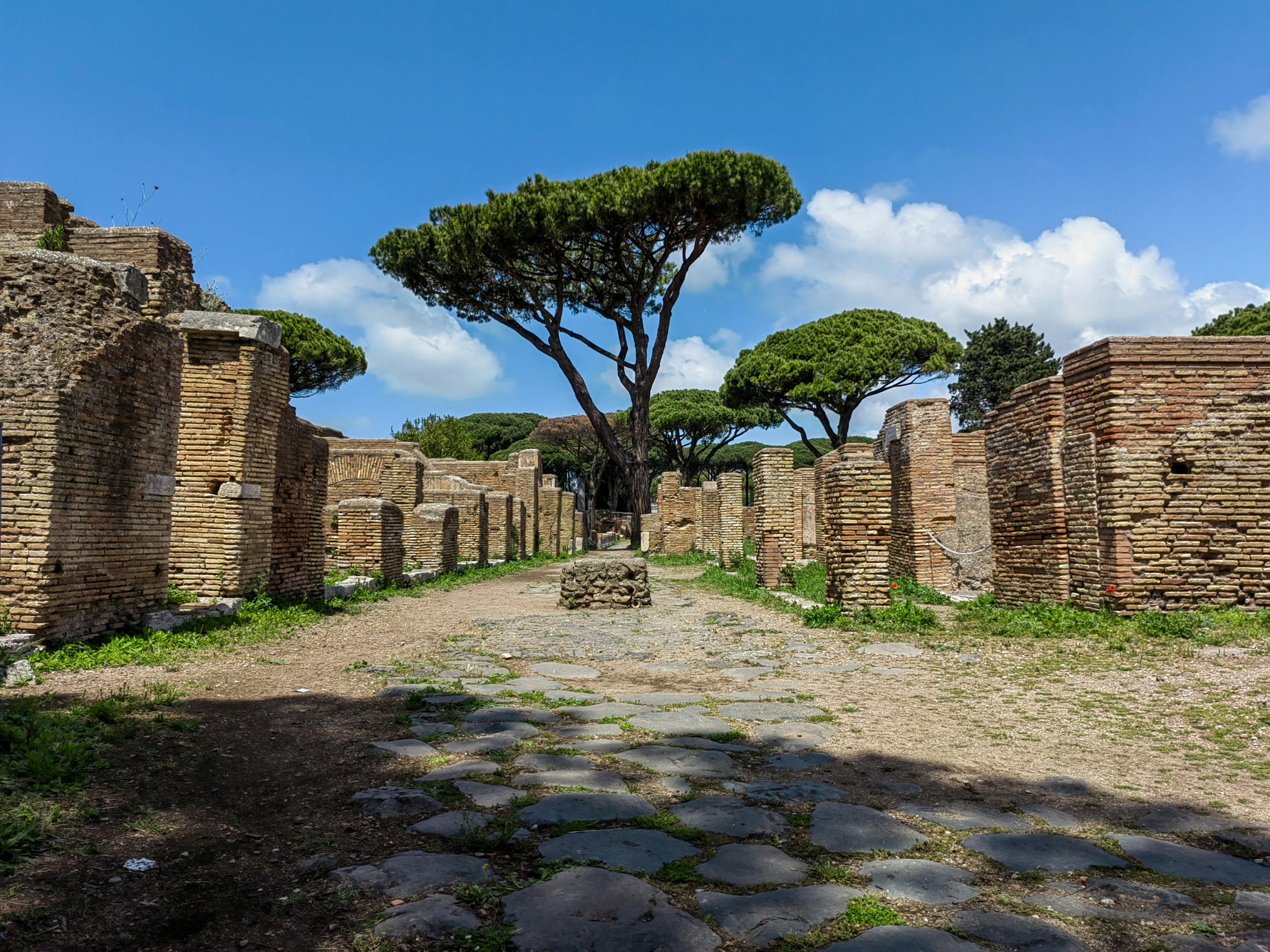
Okay, this one’s technically just outside Rome, but it’s such a hidden gem that we have to include it – especially if you have an extra day. Ostia Antica is an amazingly preserved ancient city that once served as Rome’s bustling port, and today it’s often dubbed a “less-crowded Pompeii.” Wander through this expansive archaeological park and you’ll stroll actual Roman streets flanked by ruins of apartments, bathhouses, temples, warehouses, and shops – it’s ancient daily life frozen in time. You can step into an old tavern (complete with a marble bar counter), sit in the small amphitheater where residents enjoyed plays, and admire gorgeous mosaic floors (like the famous mosaic of Neptune and Amphitrite in the Baths of Neptune). Unlike the Forum in Rome, here you can really roam freely: climb the steps of the Capitolium temple for a view over the site, or duck into the shadows of old insulae (multi-story apartment blocks) imagining the hustle and bustle of merchants and sailors that once filled these streets. The site is surrounded by greenery and often blissfully quiet, with far fewer visitors than central Rome ruins – you might hear birds chirping and the wind in the pines more than tour guides. There’s also a nice small museum displaying statues and finds from the site. Ostia Antica offers that rare thrill of discovering something monumental yet off the tourist radar, and as a bonus, it’s near the coast – a trip here can even include a follow-up visit to the beach.
How to Get There
-
By Train: Take the Roma-Lido suburban train line (often labeled as Metro Line “Lido” on maps) from Porta San Paolo station (which is adjacent to Metro Line B Piramide station). Ride approximately 30 minutes and get off at Ostia Antica station. From there, it’s a short 5-minute walk across the pedestrian bridge and straight down Via della Stazione di Ostia Antica to the site entrance. Trains run frequently (every 15-30 minutes) and the ride is covered by a standard metro ticket (€1.50).
-
By Car: It’s about a 30-40 minute drive from central Rome via Via del Mare or Autostrada Roma-Fiumicino (A91) – there’s parking available at the site. But public transport is usually easier and avoids traffic.
-
By Tour: Alternatively, some tour companies offer half-day trips to Ostia Antica with a guide, if you prefer an expert to walk you through the history.
Local Tip
Plan on spending at least half a day here – the site is large (similar in size to Pompeii) and you’ll want to explore at a leisurely pace. Wear comfortable shoes, as you’ll be walking on uneven ancient roads and dirt paths. There is a café inside the archaeological park near the entrance that sells sandwiches, drinks, and gelato – handy for a quick lunch but a bit pricier than in town. A pro move is to pack a picnic (there are picnic tables under trees just outside the main gate, or find a quiet spot among the ruins to sit – just remember to carry out any trash). Don’t forget sunscreen and a hat in summer; shade can be scarce at midday. If you’re visiting in the warmer months and have time after exploring Ostia Antica, consider taking the train just two stops further to Lido di Ostia, Rome’s nearby beach town, to catch a sea breeze or a sunset over the Mediterranean. A stroll on the free public beach or a cold beer at a beachfront chiosco is a great way to relax after stepping back into ancient times. Ostia Antica remains one of Rome’s best-kept secrets – many travelers leave the city without ever knowing they missed an ancient port city under their noses, but now it’s proudly on your bucket list!
Best Hostels in Rome to Enjoy the City
Rome has plenty of hostels, but a handful really stand out for their vibe, location, and amenities – perfect for meeting fellow travelers and resting up between your city adventures:
The RomeHello Hostel

A award-winning modern hostel known for its inclusive social atmosphere. It’s centrally located near Repubblica/Barberini (you can walk to Trevi Fountain in 10 minutes). Rooms are bright, clean, and come with personal lights and outlets. The hostel runs daily activities – think pasta cooking classes, walking tours, and beer pong nights – great for solo travelers looking to make friends. With a spacious common area, an in-house bar (often hosting live music or karaoke), and even an art-filled courtyard, The RomeHello effortlessly creates a community vibe. It’s top-rated for its friendly staff who go above and beyond to welcome everyone; whether you’re a group or on your own, you’ll feel at home here.
Bonus: It’s very secure (24-hour reception and keycard access everywhere) and has female-only dorm options, making it ideal for all types of travelers.
YellowSquare Rome
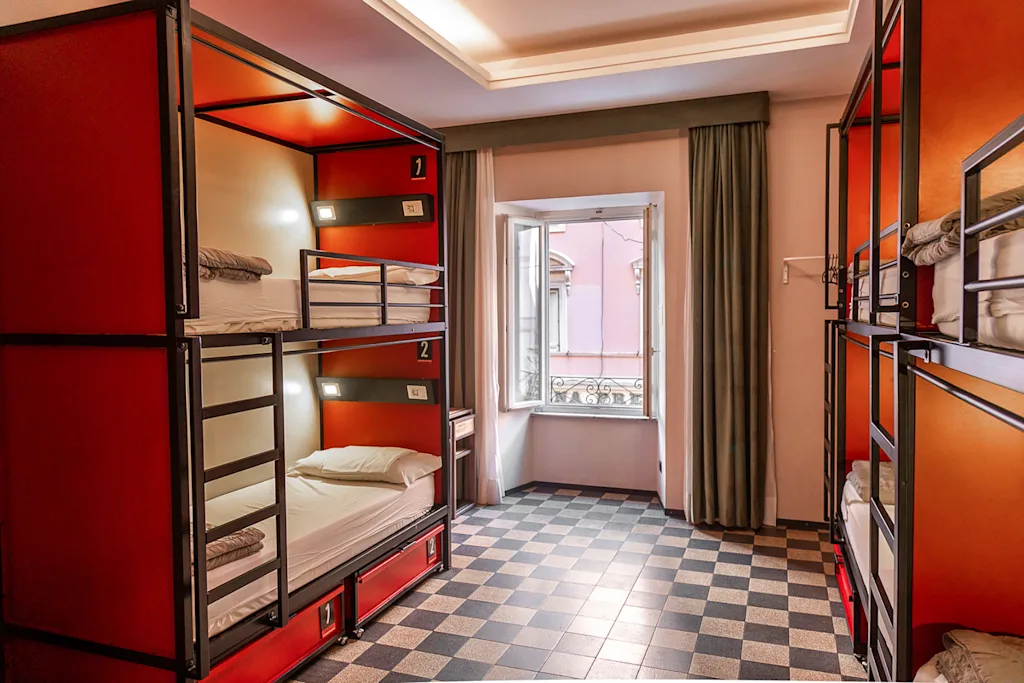
The Yellow is Rome’s legendary party hostel, and YellowSquare is its evolved form – more than just a hostel, it’s a whole lifestyle hub. Located near Termini station, it’s super convenient for transportation. By day, you can chill on the rooftop terrace or join a yoga class; by night, the basement Yellow Bar/Club turns up with DJ sets, live bands, and theme parties that attract travelers and locals alike. They have an on-site diner for your late-night munchies and even a tattoo parlor and hair salon (yes, really!). Dorms and private rooms are spread across a couple of buildings – if you prefer quiet, you can request a room in the calmer annex, which is great because it means both party lovers and early sleepers can coexist happily. YellowSquare is known for its social events (beer pong tournaments, cooking lessons, city tours) and its outgoing vibe – as a solo traveler, you’ll find it almost impossible not to meet people here. It’s a bit on the lively side, so groups of friends and outgoing backpackers tend to love it. Cleanliness and safety are still high priority, and the staff are young, fun, and full of local tips.
Ostello Bello Roma Colosseo
Book Ostello Bello Roma Colosseo
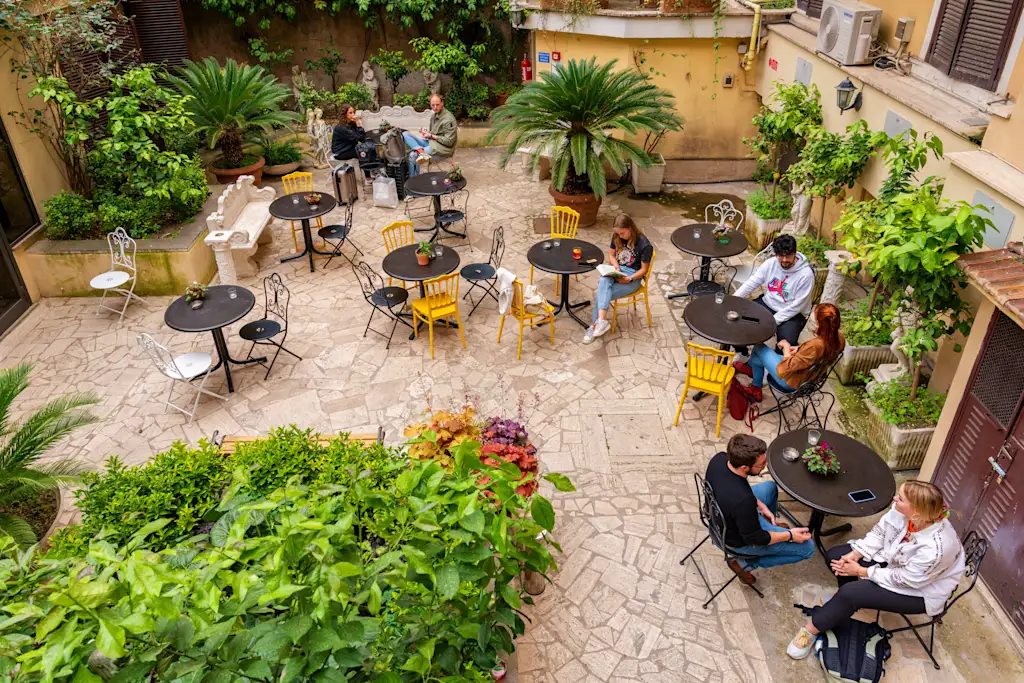
Brought to you by the famous Ostello Bello chain from Milan (which has won multiple “best hostel” awards), this hostel near the Colosseum truly lives up to the hype. It offers a warm, social environment with a touch of Italian hospitality. The decor is colorful and homely, with communal spaces designed for interaction: a kitchen where free pasta, coffee, and sometimes even community dinners are provided, plus indoor and outdoor hangout areas (they have a terrace with hammocks and a little garden!). Every evening, Ostello Bello organizes fun events – could be karaoke night, a family dinner, a pub crawl, or a game night – so it’s perfect for solo travelers wanting a built-in friend group. The location is fantastic: a short walk from Colosseo Metro and Monti neighborhood’s cafes. Despite the social vibe, it’s not a wild party hostel; quiet hours are respected and dorms are comfy with solid bunks, privacy curtains, and lockers. Travelers often rave about the staff – they are super friendly, multilingual, and treat guests like extended family. Whether you’re backpacking alone or with a small group, you’ll find it easy to connect with others and trade travel stories at Ostello Bello.
Hostel Trastevere (Borgo Ripa)
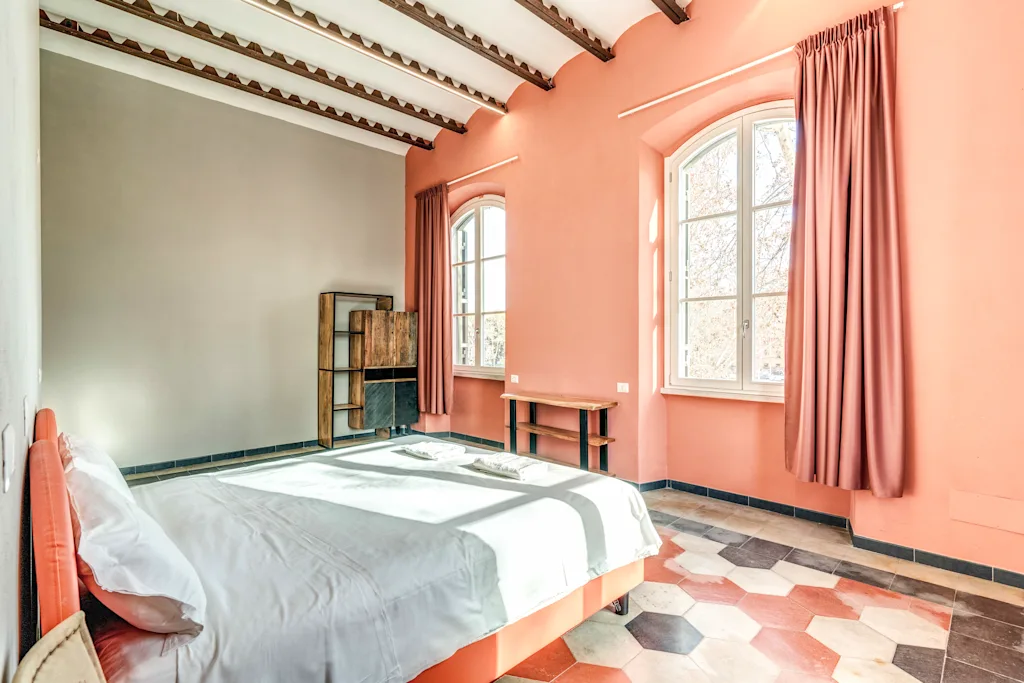
If you’d like to stay in a more authentic Roman neighborhood with nightlife and charm, Hostel Borgo Ripa is a great choice. Tucked in Trastevere (famous for its winding lanes and piazza scene), this hostel recently upgraded part of its facilities to “Borgo Ripa,” including a beautiful garden space. It’s unique for having an outdoor swimming pool (open seasonally) – a rare treat for Rome, and perfect for cooling off after a summer day of sightseeing. The atmosphere is relaxed and communal: picture yourself lounging in a hammock or playing ping-pong in a leafy courtyard. They have a bar and common room where it’s easy to mingle. Rooms range from dorms to some privates; they’re not ultra-modern but are clean and spacious. Because of its layout, both solo travelers and groups feel comfortable – groups love chilling by the pool, solos appreciate the social dinners or pasta nights the hostel sometimes hosts. Staff can organize walking tours into the city center (it’s about 20-30 minutes on foot to major attractions, or you can hop on a tram). In the evenings, you’re just a short stroll from Trastevere’s myriad eateries and bars, yet the hostel itself is in a quiet spot allowing a good night’s sleep. It’s a wonderful balance of social and low-key, with a touch of that neighborhood magic.
Generator Rome
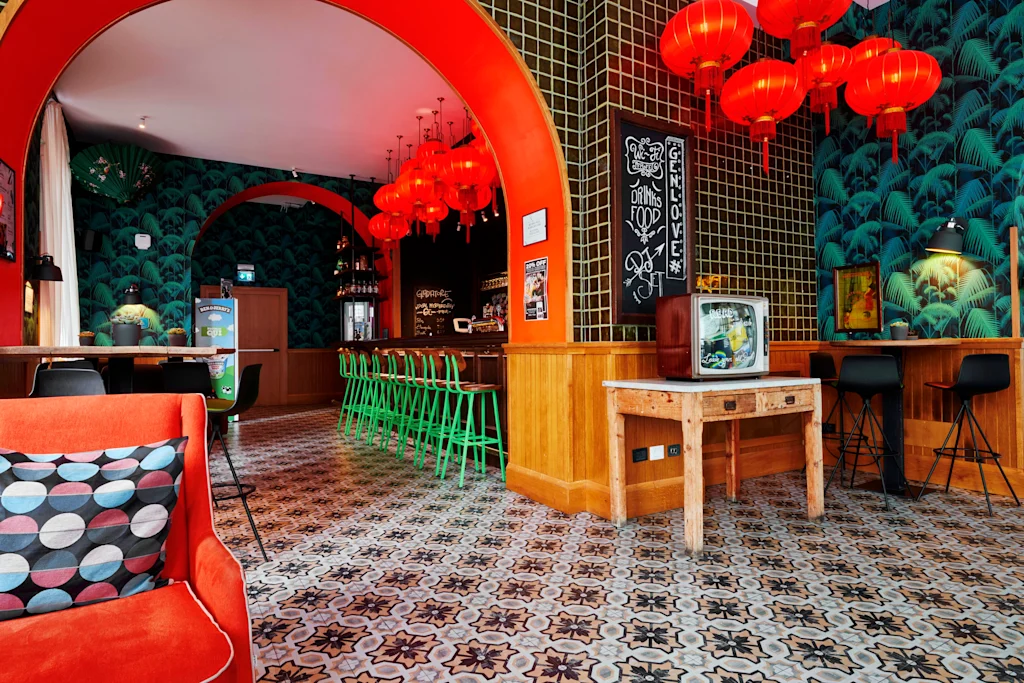
For those who like a bit of style and comfort with their hostel stay, Generator Rome offers a boutique “poshtel” experience in the Esquilino district. Housed in a 19th-century building, the interior is chic and design-focused – think marble staircases and retro-industrial décor fused with Italian flair. It’s a larger hostel/hotel hybrid, so it can accommodate groups easily (they have private rooms and even hotel-style twins in addition to dorms). The vibe is a bit more laid-back and cosmopolitan – great for digital nomads or friends who want a quieter stay but still the option to socialize. There’s a cool café/lounge in-house and a bar where they host events like live music or cultural talks occasionally. Location-wise, it’s a short walk from Termini station and not far from the Colosseum, plus it’s right across from the vibrant Mercato dell’Esquilino (food market) which is a fun place to explore. Security and cleanliness are top-notch here. While Generator might not be as inherently social as a small hostel, its comfort and facilities make up for it – you can always join their free city tours to meet fellow guests. Solo travelers who prefer a calmer environment or small groups who want hotel-like services (elevator, 24hr reception, on-site restaurant) with hostel friendliness will find Generator Rome an excellent base for their Roman holiday.
Ready to Discover Rome’s Hidden Gems for Yourself?
By now you’ve seen how much more Rome has to offer beyond the well-trodden tourist circuit. In these ten offbeat destinations, Rome’s layered history and vibrant local life truly shine – from a pyramid by a poets’ graveyard to frescoes under a church, from street art splashes in suburbia to aqueducts reigning over pastoral fields. These places often end up being the highlight of a trip, precisely because you “found” something most visitors didn’t. The best part? Experiencing these gems doesn’t require a big budget – they thrive on simplicity, curiosity, and the joy of discovery, which is exactly what young explorers and backpackers crave.
In 2026 and beyond, travel is as much about the journey as the destination. By following this guide, you’ve tapped into local insights that will make your Roman holiday truly unique. But remember, this list is just a start – Rome rewards those who wander. Feel free to use these hidden gems as a springboard for your own adventures. Turn down that quiet alley in Trastevere, step into that unassuming church on a whim, chat with that produce vendor at the market – who knows what treasure you’ll uncover next?
Every corner of Rome has a story waiting for the curious. So embrace the adventure and don’t be afraid to get a little lost (with a map app in your back pocket, of course!). You’ll return home not just with photos of famous monuments, but with personal tales of secret gardens at sunset, friendly neighborhood encounters, and the thrill of touching Rome’s history with your own hands. Those are the travel stories that truly stay with you. Buon viaggio e buona esplorazione! Enjoy meeting the Rome that lies beyond the brochure – it’s been there waiting for you all along.
Download the Hostelworld app to start booking now


FAQ: Hidden Gems in Rome
Where can I get a great view of Rome without the crowds?
Skip the jam-packed overlook at Janiculum Hill (Gianicolo) and try these instead: the Orange Garden (Giardino degli Aranci) offers a stunning panorama of the city in a serene setting – it’s rarely too crowded, especially on weekdays. Another awesome (and free) view is from the top of Vittoriano (Altar of the Fatherland) via the glass elevator, but that’s a bit more known. For quieter spots, venture to Terrazza del Pincio in Villa Borghese park around sunset – it’s less busy than Gianicolo and gives a sweeping view over Piazza del Popolo and the historic center. Also, the Basilica di San Pietro in Montorio (on Gianicolo slope) has a courtyard with a beautiful view and hardly any tourists. And let’s not forget the Bunkers above Trastevere (if you hike a bit further past Gianicolo’s popular spot, you’ll find patches of wall and benches with equally amazing vistas minus the tour groups). All these viewpoints let you soak in Rome’s skyline – domes, pines, and all – in peace.
Are Rome’s hidden gems free or budget-friendly?
Yes – one big appeal of hidden gems is that they’re often light on the wallet. Many of the spots we’ve discussed are completely free to enjoy: parks like the Orange Garden and Parco degli Acquedotti, neighborhoods like Coppedè or Garbatella (just walking around costs nothing), and even the Non-Catholic Cemetery (they appreciate a small donation, but it’s essentially free). If there is an entrance fee, it’s usually modest. For example, exploring San Clemente’s underground layers is around €10, the Centrale Montemartini museum is about €11, and Ostia Antica (as a full-fledged archaeological park) is roughly €12 – significantly cheaper than, say, the Colosseum or Vatican Museums. Catacombs on the Appian Way require a guided tour ticket (about €8). Public transport to reach these places is affordable (a €1.50 bus/metro ticket can get you to most). Also, many of Rome’s museums and sites have free entry on the first Sunday of the month or other special days, so it’s worth checking. Overall, you can fill your itinerary with hidden gems and barely dent your budget, which is great news for backpackers and students.
How do I get to the Appian Way and catacombs from the city center?
Reaching the Appian Way (Via Appia Antica) and its catacombs by public transit is easier than it seems. The most direct option is bus 118, which you can catch near the Colosseum or Circus Maximus; it runs through the Appian Way park. Get off at the Catacombe di San Callisto stop (for the major catacombs and bike rentals) or earlier at “Domine Quo Vadis” chapel which is a landmark near the park’s start. Another route: take Metro Line A to Colli Albani and then hop on bus 660 which goes to the catacombs of San Callisto (this combo is handy on Sundays when 118 might be crowded). If you want to start at the beginning of Appian Way (near Porta San Sebastiano gate), you could also walk from Baths of Caracalla area or take a short taxi ride. Once there, consider renting a bike at the visitor center – it’s the best way to cover a lot of the Appian Way. Do note that buses might only run until early evening out there, so keep an eye on the schedule or be prepared to walk back to a metro stop. And bring water – you’ll be out in the sun along ancient Roman roads with few places to buy supplies!
Is it safe to explore Rome’s hidden spots alone, especially as a female traveler?
Generally, yes – Rome is overall a safe city for solo travelers, including women, and its hidden gems are in fairly safe areas. Petty crime (like pickpocketing) is the main issue in crowded tourist zones, which is less of a concern in offbeat spots (though still stay aware of your belongings). When exploring alone, stick to the basic precautions you’d use anywhere: stay in well-lit areas after dark, know your route (or have GPS handy so you don’t look lost), and avoid very isolated parks at night. Many hidden gems like Garbatella, Aventine Hill, and Coppedè are in residential neighborhoods where you’ll see locals around – these are quite safe day and early evening. If you’re visiting something like the Aqueduct Park or Appian Way solo, it’s best to go in daytime when other joggers/cyclists are present, and perhaps avoid the far reaches of the park when it’s near empty. As a solo female traveler, you might get the occasional unwanted comment (unfortunately common in Rome) but it’s usually harmless – a confident “no, grazie” or ignoring it works. Romans are generally friendly and helpful, so don’t hesitate to duck into a cafe or ask someone (even better, a family or a woman) for directions if you feel unsure. In short, use city-savvy common sense: inform someone of your plans if heading out of the center, keep your phone charged, and trust your instincts. Thousands of solo travelers explore these offbeat places every year and come back with wonderful experiences!
What’s an underrated museum in Rome most tourists miss?
One top pick is Centrale Montemartini, which we featured above – it’s a fantastic blend of ancient Roman sculptures and industrial heritage, and usually very quiet compared to the big museums. Another underrated gem is the Museo delle Mura (Museum of the Walls) at Porta San Sebastiano: it’s free, located inside one of the old city gates on the Appian Way, and you can actually walk along a stretch of the ancient Aurelian Walls for panoramic views – yet hardly anyone goes there! If you’re into creepy-but-cool, the Capuchin Crypt under Santa Maria della Concezione Church (Via Veneto) is unforgettable: it’s a series of chapels decorated entirely with the bones of Capuchin monks. Admission to the crypt and accompanying museum is around €8. It’s macabre but historically interesting – and definitely off the standard tourist path. For art lovers, consider Galleria Doria Pamphilj, a gorgeous private palace gallery downtown that somehow stays under the radar; and contemporary art fans should check out MACRO (Museum of Contemporary Art) in a converted brewery. Rome has dozens of museums beyond the Vatican and Capitoline – if you have a specific interest (say, coins, musical instruments, or the Liberation War), there’s likely a small museum for it. They may be “underrated” simply because not many know about them, but that can make your visit all the more special.
Is there really a pyramid in Rome?
Yes! Rome actually has a pyramid – the Pyramid of Cestius – and it might blow your mind when you see it unexpectedly poking out near a busy traffic circle. This pyramid was built around 12 BC as the tomb for a Roman aristocrat, Gaius Cestius, who was fascinated by Egypt (Egyptomania hit Rome after Egypt became part of the empire). It’s about 36 meters high (roughly 120 feet) and made of white marble, incredibly well-preserved because it was later incorporated into the city’s defensive walls. You can view it easily from the street (right next to Piramide metro and train station). It’s even possible to tour the inside of the pyramid, but only on select days with advance reservation through the archaeological authorities – inside are small burial chambers (often these special tours sell out, so plan ahead if keen). The pyramid is adjacent to the Non-Catholic Cemetery we discussed, making that whole area a doubly interesting detour. Fun fact: this pyramid is one of the reasons why Rome’s metro Line B had to curve oddly – they built the line around the pyramid to avoid disturbing it! So yes, snap that selfie with Rome’s ancient pyramid – your friends back home might be surprised to learn of its existence.
What is the keyhole view in Rome and where do I find it?
The “keyhole view” refers to a famously perfect view of St. Peter’s Basilica that you can see through the keyhole of a gate on Aventine Hill. It’s located at the Priorato dei Cavalieri di Malta (Priory of the Knights of Malta) on Piazza dei Cavalieri di Malta. When you peek through the small keyhole of the big green door, you’ll see a long hedged pathway perfectly aligned with the dome of St. Peter’s in the distance – it’s like a secret framed picture. To get there, go to Aventine Hill (as described in our Aventine section above) and find the quiet piazza with an ornate white wall and that unmarked green door; usually you might spot a couple of people taking turns at the keyhole. It’s completely free and accessible at any time of day (though if you go at night, you’ll see the dome beautifully illuminated). The view is a fun little optical trick and remains one of those word-of-mouth gems in Rome. Remember, you don’t need to knock or enter – the property belongs to the Knights of Malta and isn’t open to the public – but they’re kind enough to not block the view. Just peer in and enjoy this little wow moment. It’s a great stop to combine with visiting the Orange Garden, which is just steps away, as both showcase different angles of Rome’s beauty.
What hidden gem in Rome is great for foodies?
If you’re a foodie looking for an authentic (and affordable) adventure, Testaccio is Rome’s hidden gem neighborhood of gastronomy. It’s a bit off the tourist radar despite being quite central. The Testaccio Market (Mercato di Testaccio) is fantastic late morning through lunch: you can graze on freshly made pasta, gourmet panini, and local cheeses from various stalls (don’t miss the Trapizzino stall or Mordi e Vai for braised beef sandwiches). Also, Testaccio is the birthplace of many “cucina romana” dishes – the neighborhood butchers historically got the off-cuts, leading to specialty dishes like coda alla vaccinara (oxtail stew) and trippa (tripe) which you can try at places like Checchino dal 1887 (for the adventurous eater). For a street food snack, hunt down a supplì – many pizzerias in Testaccio sell these fried rice balls; Supplizio (though in the center) also has excellent ones if you’re around Campo de’ Fiori. Another foodie gem is Trionfale Market up near the Vatican – massive local market with amazing fresh produce and deli products where you can assemble a picnic. On the sweet side, seek out gelato in non-touristy areas: for example, Gelateria dei Gracchi (multiple locations, one in Prati) or Fatamorgana (Monti/Trieste areas) for creative, all-natural flavors that locals rave about. Essentially, venture into markets and family-run trattorias in residential districts – that’s where Rome’s hidden culinary gems lie. Buon appetito!
Which offbeat neighborhood in Rome should I explore for local vibes?
We’ve talked about Garbatella and Testaccio already (both excellent choices for local vibes), but another great one is Pigneto. Located just outside the Porta Maggiore, Pigneto is a hip, artsy neighborhood that’s been compared to Brooklyn or Berlin’s indie quarters – it’s where young Romans hang out. By day, Pigneto is pretty chill: you can find street art murals, vintage shops, and cozy cafes (try a specialty coffee at Necci dal 1924, a historic cafe where director Pasolini used to go). By night, especially on weekends, the main street Via del Pigneto turns into a lively pedestrian zone with craft cocktail bars, craft beer pubs, and casual eateries spilling onto the sidewalks – think food truck-style stalls selling arancini or fusion bites, alongside Roman trattorias. It’s a great area to mingle with locals, catch live music or just enjoy a less touristy nightlife scene. Another neighborhood worth exploring is Monti (actually in the center, between the Colosseum and Termini) – it’s gotten more popular now but still has a bohemian flair with its independent boutiques, vintage market (weekends at Piazza dei Mercanti), and hidden wine bars on Via Panisperna and Via Urbana. Monti is like a little village in the heart of Rome. Lastly, for a truly untouristy stroll, head to Centocelle or San Lorenzo – more gritty, studenty areas with street art and cheap eats. Each of these quarters shows a different facet of Roman life beyond the postcards, and they’re all welcoming if you come with curiosity and respect.
Are there quiet parks or green spaces in Rome away from tourists?
Absolutely. One of the largest is Villa Doria Pamphilj, a huge park on the west side of the city. It’s a beautiful expanse of gardens, woods, and trails surrounding a 17th-century villa (now a government building). You’ll find locals jogging, picnicking, and doing tai chi, but almost no tourists. It’s perfect for a tranquil walk or a run; there’s even a lovely little lake with swans. Another peaceful green space is Villa Ada in the north of Rome – more wild and wooded, with a small lake and often some live music or festivals in summer, but otherwise very low-key. Villa Torlonia (in the Nomentana area) is smaller but charming, featuring the quirky “House of the Owls” (Casina delle Civette) and often near-empty lawns – plus it has historical significance as Mussolini’s former residence, though now just a nice park/museum. If you’re near the city center, the Orto Botanico (Botanical Gardens in Trastevere) is a hidden oasis – there’s a small entry fee, which keeps it quiet; you can wander among exotic plants, a Japanese garden, and even a bamboo forest. We’ve already covered Parco degli Acquedotti and the Appian Way, which are fantastic for a more rustic nature fix. And here’s a tiny gem: the Rose Garden (Roseto Comunale) on Aventine Hill, open in spring and early summer – it’s small, fragrant, and overlooks the Circus Maximus with hardly a soul around on weekdays. So yes, when you need a break from piazzas and museums, Rome offers plenty of green retreats where you can hear birds chirp and forget you’re in a capital city.
What’s a cool day trip from Rome for hidden gems?
Aside from Ostia Antica, which we covered, there are several underrated day trips. One fantastic option is the Villa Gregoriana in Tivoli – many people go to Tivoli for Villa d’Este’s fountains (which is great but popular), while Villa Gregoriana is a lesser-known park featuring waterfalls, Roman ruins, and lush trails in a gorge – a very romantic, nature-filled excursion. Tivoli is just an hour by train or bus from Rome. Another gem is the medieval hilltown of Calcata, about 50 km north of Rome. Calcata was practically abandoned mid-20th century and then revived by artists; it’s perched on a cliff and looks straight out of a fantasy novel. Now it’s full of galleries, quirky cafes, and a very bohemian vibe (plus views for days). For archaeology buffs, Cerveteri and Tarquinia offer incredible Etruscan tombs and painted sarcophagi – truly ancient wonders often with few visitors. Nature lovers could head to Lago di Nemi (a small volcanic lake in the Alban Hills, known for wild strawberries and a sunken Roman ships museum) or Lago di Bracciano (a bigger lake with a castle in Bracciano town and a peaceful atmosphere). If you’re up for a journey, the Giardino dei Tarocchi (Tarot Garden) in Capalbio, Tuscany, is a visually stunning sculpture garden by artist Niki de Saint Phalle – like a Gaudí-meets-Tarot fantasyland, about 1.5-2 hours from Rome. Each of these trips will show you something unexpected and enriching – proving that even beyond Rome, Lazio (and nearby regions) are packed with hidden treasures for the curious traveler.
What are the five best hostels in Rome for solo travelers and groups?
Rome has plenty of hostels, but a handful really stand out for their vibe, location, and amenities – perfect for meeting fellow travelers and resting up between your city adventures:
The RomeHello Hostel: A award-winning modern hostel known for its inclusive social atmosphere. It’s centrally located near Repubblica/Barberini (you can walk to Trevi Fountain in 10 minutes). Rooms are bright, clean, and come with personal lights and outlets. The hostel runs daily activities – think pasta cooking classes, walking tours, and beer pong nights – great for solo travelers looking to make friends. With a spacious common area, an in-house bar (often hosting live music or karaoke), and even an art-filled courtyard, The RomeHello effortlessly creates a community vibe. It’s top-rated for its friendly staff who go above and beyond to welcome everyone; whether you’re a group or on your own, you’ll feel at home here. Bonus: It’s very secure (24-hour reception and keycard access everywhere) and has female-only dorm options, making it ideal for all types of travelers.
YellowSquare Rome: The Yellow is Rome’s legendary party hostel, and YellowSquare is its evolved form – more than just a hostel, it’s a whole lifestyle hub. Located near Termini station, it’s super convenient for transportation. By day, you can chill on the rooftop terrace or join a yoga class; by night, the basement Yellow Bar/Club turns up with DJ sets, live bands, and theme parties that attract travelers and locals alike. They have an on-site diner for your late-night munchies and even a tattoo parlor and hair salon (yes, really!). Dorms and private rooms are spread across a couple of buildings – if you prefer quiet, you can request a room in the calmer annex, which is great because it means both party lovers and early sleepers can coexist happily. YellowSquare is known for its social events (beer pong tournaments, cooking lessons, city tours) and its outgoing vibe – as a solo traveler, you’ll find it almost impossible not to meet people here. It’s a bit on the lively side, so groups of friends and outgoing backpackers tend to love it. Cleanliness and safety are still high priority, and the staff are young, fun, and full of local tips.
Ostello Bello Roma Colosseo: Brought to you by the famous Ostello Bello chain from Milan (which has won multiple “best hostel” awards), this hostel near the Colosseum truly lives up to the hype. It offers a warm, social environment with a touch of Italian hospitality. The decor is colorful and homely, with communal spaces designed for interaction: a kitchen where free pasta, coffee, and sometimes even community dinners are provided, plus indoor and outdoor hangout areas (they have a terrace with hammocks and a little garden!). Every evening, Ostello Bello organizes fun events – could be karaoke night, a family dinner, a pub crawl, or a game night – so it’s perfect for solo travelers wanting a built-in friend group. The location is fantastic: a short walk from Colosseo Metro and Monti neighborhood’s cafes. Despite the social vibe, it’s not a wild party hostel; quiet hours are respected and dorms are comfy with solid bunks, privacy curtains, and lockers. Travelers often rave about the staff – they are super friendly, multilingual, and treat guests like extended family. Whether you’re backpacking alone or with a small group, you’ll find it easy to connect with others and trade travel stories at Ostello Bello.
Hostel Trastevere (Borgo Ripa): If you’d like to stay in a more authentic Roman neighborhood with nightlife and charm, Hostel Trastevere is a great choice. Tucked in Trastevere (famous for its winding lanes and piazza scene), this hostel recently upgraded part of its facilities to “Borgo Ripa,” including a beautiful garden space. It’s unique for having an outdoor swimming pool (open seasonally) – a rare treat for Rome, and perfect for cooling off after a summer day of sightseeing. The atmosphere is relaxed and communal: picture yourself lounging in a hammock or playing ping-pong in a leafy courtyard. They have a bar and common room where it’s easy to mingle. Rooms range from dorms to some privates; they’re not ultra-modern but are clean and spacious. Because of its layout, both solo travelers and groups feel comfortable – groups love chilling by the pool, solos appreciate the social dinners or pasta nights the hostel sometimes hosts. Staff can organize walking tours into the city center (it’s about 20-30 minutes on foot to major attractions, or you can hop on a tram). In the evenings, you’re just a short stroll from Trastevere’s myriad eateries and bars, yet the hostel itself is in a quiet spot allowing a good night’s sleep. It’s a wonderful balance of social and low-key, with a touch of that neighborhood magic.
Generator Rome: For those who like a bit of style and comfort with their hostel stay, Generator Rome offers a boutique “poshtel” experience in the Esquilino district. Housed in a 19th-century building, the interior is chic and design-focused – think marble staircases and retro-industrial décor fused with Italian flair. It’s a larger hostel/hotel hybrid, so it can accommodate groups easily (they have private rooms and even hotel-style twins in addition to dorms). The vibe is a bit more laid-back and cosmopolitan – great for digital nomads or friends who want a quieter stay but still the option to socialize. There’s a cool café/lounge in-house and a bar where they host events like live music or cultural talks occasionally. Location-wise, it’s a short walk from Termini station and not far from the Colosseum, plus it’s right across from the vibrant Mercato dell’Esquilino (food market) which is a fun place to explore. Security and cleanliness are top-notch here. While Generator might not be as inherently social as a small hostel, its comfort and facilities make up for it – you can always join their free city tours to meet fellow guests. Solo travelers who prefer a calmer environment or small groups who want hotel-like services (elevator, 24hr reception, on-site restaurant) with hostel friendliness will find Generator Rome an excellent base for their Roman holiday.
Each of these hostels brings something unique to the table, but all share a commitment to being budget-friendly, safe, and welcoming for travelers young and old. Whether you want all-night party vibes or a chill homey feel, Rome’s hostel scene has got you covered. And wherever you stay, you’ll have a friendly place to swap stories about your favorite newly discovered Roman hidden gem – perhaps over a beer on a hostel terrace, new friends at your side, and the Roman sunset overhead. Enjoy your stay in the Eternal City!


 Get the App.