
Hostel Packing List: What to Bring (and What to Skip)
A smart hostel packing list sets the tone for your entire trip. Pack too much and you will drag your bag up hostel staircases, through train stations and across cobblestones. Pack too little and you will spend money replacing things you wish you had brought in the first place. The sweet spot is a well‑curated setup that keeps you comfortable, flexible and ready for whatever travel throws at you.
Hostels make travel easier, cheaper and infinitely more social, but they also come with their own rhythm. Shared rooms, communal kitchens and lively common areas mean you want gear that is practical, compact and multi‑purpose. This guide breaks down exactly what to bring, what to skip and how to make packing feel effortless. It mixes tips from long‑term travellers, hostel workers and backpackers who have learned what matters most.
Whether you are planning a city hop, a surf escape or a months‑long backpacking journey, this guide has you covered.
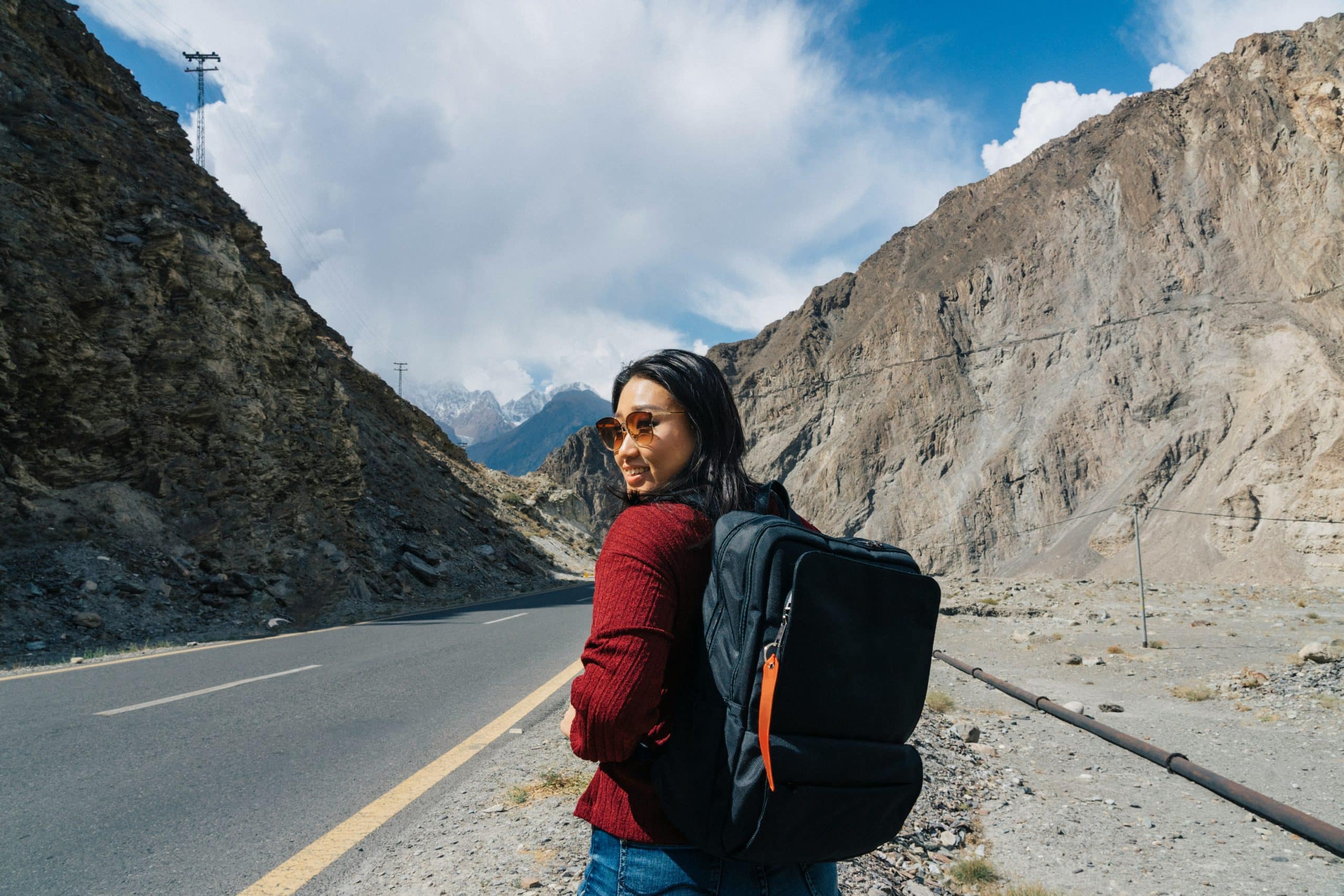
1. The Backpack That Holds Your Trip Together 🎒
Your bag is the foundation of your entire hostel experience. Go for something in the 40 to 50 litre range, since it fits as carry‑on with many airlines and keeps you from overpacking. Huge trekking packs might look adventurous, but they often become exhausting to manage on buses, ferries and hostel staircases.
Helpful features to look for:
- A front‑loading design, which opens like a suitcase
- A comfortable hip belt
- Water‑resistant fabric or a rain cover
- Internal compression straps
Quick tip: If you will be staying in dorms often, choose a bag that stands upright without collapsing. It makes unpacking on a bunk so much easier.
If you prefer extra organisation, a small foldable tote or packable day bag can be a lifesaver during grocery runs or hostel outings. Just avoid bringing multiple bulky bags that slow you down.
🎒 Insights from Hostelworld Travellers
The chats are full of spontaneous invitations — beach clubs, walking tours, bar crawls, jungle treks. Because these plans happen instantly, travellers constantly mention how glad they are to have a small daypack ready to grab and go. Those without one often end up juggling water bottles and chargers in their hands on the way out.

2. Clothing That Works Everywhere 👕
You do not need much, but you do need the right mix. Think layers, not volume. Hostels often have laundry facilities, so aim for 7 to 10 days of wear at most.
Suggested core items:
- 3 to 4 T‑shirts or tops
- 1 warm layer, like a fleece or light jumper
- 1 pair of jeans or trousers
- 1 pair of lightweight trousers or shorts
- 7 pairs of underwear
- A swimsuit for beach, spa or surprise hostel pool nights
- Something comfortable for sleep
A small table can help you visualise what works:
| Activity | Clothing to Pack | Why it Helps |
|---|---|---|
| Walking tours | Breathable tops, comfy shoes | You will clock thousands of steps |
| Nights out | One nicer outfit | Keeps you confident and photo ready |
| Long travel days | Stretchy layers | Comfort becomes everything |
Focus on quick‑dry fabrics and pieces you can mix and match. Bulky jumpers and heavy boots are rarely worth the space unless the destination demands them.
👟 Real Traveller Insight
If you scroll through the Hostelworld app chats, you’ll notice how many people organise last‑minute hikes, sunrise viewpoints and nature days. Those spontaneous plans mean good walking shoes and quick‑dry layers end up being far more useful than most travellers expect. Several people even ask other guests whether they “really need thermals” or “should pack a raincoat,” which is a good reminder that weather can shift quickly, no matter the season.
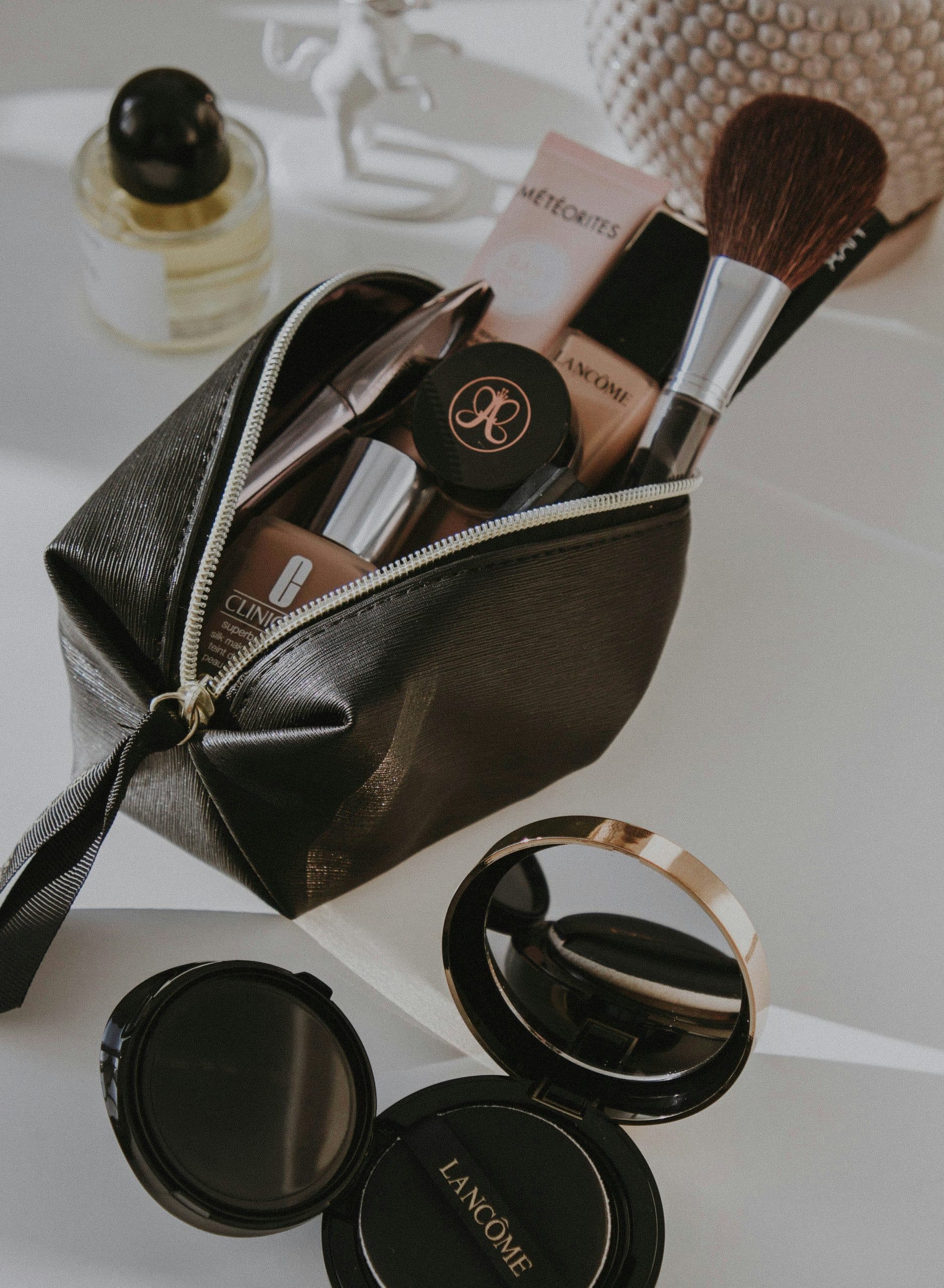
3. Toiletries That Make Hostel Life Easier 🧼
Toiletries can add weight quickly, so keep them small and hostel friendly. You will rarely need full‑size bottles and most destinations have shops nearby if you run out.
Consider packing:
- Travel‑size shampoo and body wash
- A small bar soap or shampoo bar
- Toothbrush and toothpaste
- Facial cleanser
- A razor
- Minimal makeup or grooming items
- Deodorant
- A microfiber towel
Why a microfiber towel?
It dries fast, packs tiny and is one of the most useful items you can bring. Many hostels charge for towel rental, so bringing your own saves money.
A small zip pouch or hanging toiletry bag also keeps everything tidy in shared bathrooms. And if you are heading somewhere humid, a breathable pouch prevents damp items from smelling musty.
🧼 Hostelworld Community Tip
Toiletry bags go missing more often than you’d think. In the Hostelworld chats, travellers often message things like “Has anyone seen makeup remover?” or “Did someone pick up a black toiletry bag by mistake?” A small hanging organiser and a couple of zip bags can save you from repurchasing essentials while on the road.

4. Essential Sleep Gear for Shared Dorms 😴
Good sleep in a hostel is priceless. With people coming and going at different hours, a few comforts can make your dorm feel calm even when things are lively.
Key sleep items:
- Earplugs, ideally foam or silicone
- A soft eye mask
- A light sleep sheet if you prefer extra separation from hostel bedding
- A hoodie for chilly AC units
Small comforts make a big difference. For example, placing your bag near your pillow can create a little sense of privacy, especially in larger dorms.
If you tend to wake easily, avoid bottom bunks near the door. And keep a small zip pouch with your essentials, so you do not have to switch on a bright light if you need something at night.
5. Organisation Tools That Change Everything 📦
Staying in hostels means packing and repacking often. Organisation is the secret to fast checkouts and stress‑free mornings.
Try mixing these:
- Packing cubes for clothes
- A compression cube for bulkier items
- A small pouch for chargers
- A laundry bag for dirty clothes
Even simple tricks help. Rolling clothes instead of folding saves space. Using bright‑coloured pouches makes it easier to spot things from a crowded backpack.
A small carabiner also comes in handy. You can hang a wet towel from your bunk or clip shoes to the outside of your pack when they need to air out.
If you love neatness, label cubes by category. If you prefer freedom, skip labels and just use a colour pattern that makes sense to you.

6. Electronics Without Overpacking 🔌
Hostels offer shared outlets, changing routines and a mix of travellers working, streaming or planning their next stop. Pack only what you will truly use.
Useful electronics:
- Phone
- Universal travel adapter
- Portable power bank
- Earbuds or headphones
- A compact camera if you enjoy photography
Not always needed:
- Huge laptop setups
- Large extension cords
- Heavy tripods
If you work remotely, choose the smallest practical setup. Many travellers find that a tablet with a keyboard is enough. But if you need a laptop, make sure it fits into a protective sleeve since backpacks can get jostled in hostel storage areas.
One thing worth emphasising is a universal adapter that includes USB ports. It saves space and lets you charge everything at once.
🔌 Advice from Real Hostel Stays
Phone batteries drain fast when you’re coordinating shuttles, ferries and meet‑ups. In the Hostelworld app, the most frequent tech‑related messages are travellers begging for a spare charging cable or asking whether anyone has a power bank. Bringing a backup cable and a reliable portable charger easily avoids those last‑minute scrambles.
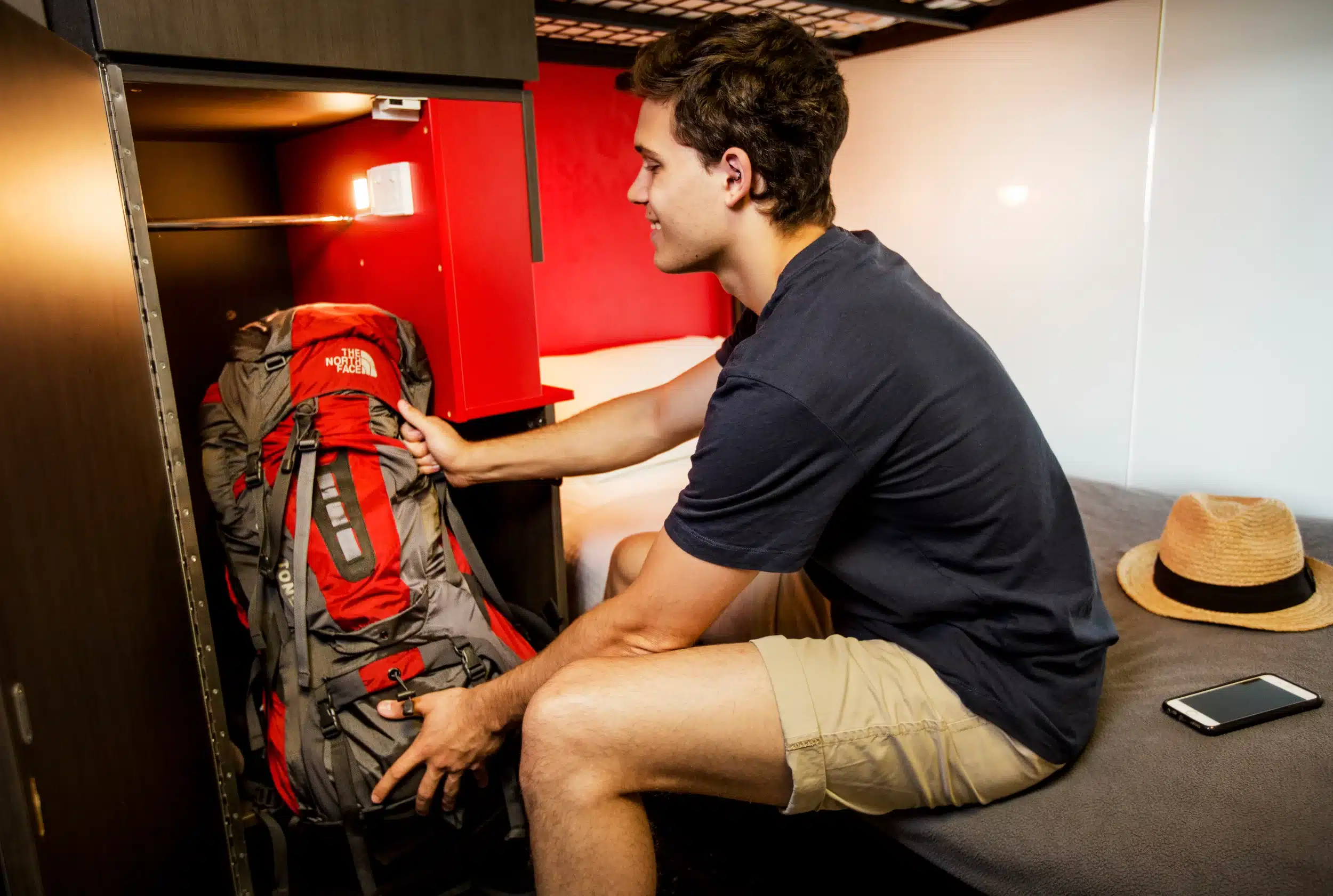
7. Security Items You Will Actually Use 🔐
Hostels are generally safe, but shared spaces mean you want to protect your gear in simple, unobtrusive ways.
Bring:
- A small padlock for hostel lockers
- A cable lock only if you are traveling with large equipment
- A discreet money belt or flat pouch
Hostel lockers vary in size. Some hold full backpacks, others only valuables. It helps to carry a lock that fits standard locker loops, ideally a lightweight one with a combination code.
Quick safety tip: Keep your passport either locked away or on your person when moving between hostels. Many travellers prefer a small zip pouch inside their day bag.
Most importantly, trust your instincts. If a dorm feels too busy or chaotic, chat with reception. They are usually happy to help you move to a quieter room if space allows.
🔐 What the Chats Reveal
Padlocks are some of the most‑requested items in the Hostelworld community chats. Travellers often arrive to find that their hostel locker requires a lock they didn’t bring, or they simply misplace theirs while packing. Carrying two lightweight combination locks (one spare) solves this before it becomes a midnight problem.
8. What to Skip (You Will Not Miss These) 🚫
Every trip has moments when travellers say, “I wish I had not packed this.” Save yourself the trouble by leaving a few common offenders behind.
Things you can skip:
- Full‑size towels
- Expensive jewellery
- More than two pairs of shoes
- Heavy coats in warm climates
- Extra “just in case” outfits
- Large toiletries
- Thick books
A few items are simply impractical in hostels. Hair dryers are rarely necessary because many hostels already have them at reception. Extra shoes take up huge amounts of space and usually end up unused.
Even guidebooks can be swapped for offline maps or lightweight digital versions. Keeping your load small makes travel days faster and way more comfortable.

9. Seasonal and Destination‑Specific Additions 🌦️
Your core hostel packing list stays mostly the same, but a few extras can make certain trips far smoother.
Warm destinations
- Sunscreen
- A light sarong for beach days or dorm privacy
- Sandals
Cold destinations
- Thermals
- A packable jacket
- Warm socks
Rainy regions
- A compact umbrella
- A waterproof pack cover
Adventure‑heavy areas
- Quick‑dry shorts
- Lightweight hiking shoes
- A refillable water bottle
One useful approach is to build your packing list around layers, then adjust only 10 to 15 percent of your gear based on climate. This keeps things simple no matter where you go.
🏝️ Tips Inspired by Real Conversations
One of the most common messages travellers send is, “Is it raining where you are?” Weather catches people off‑guard, especially in tropical destinations. A packable rain jacket and a light jumper solve most of the issues discussed in the chats, from sudden storms to over‑enthusiastic hostel air‑con.
Waterfalls, boat trips and snorkelling pop up constantly in the app chats. Because these activities happen so spontaneously, travellers often end up borrowing or buying things like dry bags, waterproof phone pouches and microfiber towels at the last minute. They’re tiny in your bag and incredibly useful on the road.

10. Small Extras That Make Hostels Better 🌟
These small additions often turn good hostel stays into great ones. They are light, cheap and surprisingly useful.
Consider packing:
- A reusable shopping bag for groceries
- A foldable lockbox pouch for passports and cash
- A tiny sewing kit
- A few spare zip bags
- A pen for customs forms
- A deck of cards for instant friendships
Mini callout:
A reusable water bottle saves money, reduces plastic and helps you stay hydrated during long travel days. Many hostels offer filtered water.
These little items often spark conversations too. Cards, travel games or even a spare charging cable can turn strangers into friends within minutes. That is the magic of hostel travel.
Conclusion 🌏
A thoughtful hostel packing list keeps you light, comfortable and ready to enjoy every part of your journey. The best packing is not about bringing more, it is about bringing the right mix of essentials that work in shared spaces and busy travel days. With a few clever tools, well‑chosen clothes and lightweight extras, you will feel prepared without feeling weighed down.
Hostel travel is all about freedom, spontaneity and community. The less you carry, the easier it becomes to join last‑minute day trips, switch cities on a whim or climb to the top bunk with ease. Pack smart, stay curious and embrace the energy that hostels bring to every adventure. Safe travels and happy packing.
Download the Hostelworld app to start booking now


FAQ: Hostel Packing List & Backpacking Essentials
What size backpack is best for hostel travel?
Most backpackers find that a 40–50 litre backpack hits the sweet spot between spacious and manageable. It’s small enough to carry comfortably on buses and up hostel stairs, but large enough for the essentials. Bigger bags often encourage overpacking, which makes travel days heavier and less fun.
Do I need to bring a towel to hostels?
Yes, unless you want to pay rental fees at many hostels. A microfiber towel is perfect because it dries quickly, packs tiny, and is ideal for beach days or waterfall trips. Regular towels take up valuable space and stay damp for too long, especially in humid destinations.
Are hostels safe for valuables? What should I pack for security?
Most hostels offer lockers, but you’re usually expected to bring your own padlock. A second lock is helpful in case one gets lost or borrowed. Keeping valuables in a small pouch inside your daypack is also smart, especially during nights out or long transit days when travellers tend to misplace things.
What clothing should I pack for staying in hostels?
Pack light, breathable layers you can mix and match. Quick‑dry fabrics help enormously when doing laundry on the road or dealing with unpredictable weather. A light jumper and rain jacket are also surprisingly essential because hostel air‑conditioning can be intense and sudden storms are common in many backpacking areas.
Do I really need earplugs and an eye mask?
Absolutely. Hostels are social spaces with people arriving, packing, or leaving at all hours. Earplugs and an eye mask can transform a noisy dorm into a space where you can actually sleep, especially on nights when the hostel crowd is livelier than expected.
Should I pack toiletries or buy them when I arrive?
Bring travel‑size essentials like toothpaste, deodorant, and a small shampoo, but don’t overpack. You can easily top up in most destinations. A small toiletry bag that hangs on hooks is incredibly handy, since hostel bathrooms are often shared and can get crowded quickly.
What electronics are most useful for hostel travel?
A universal adapter and portable power bank are must-haves. Hostels don’t always have enough outlets, and shared charging points fill up fast. A backup charging cable also saves you from joining the long list of travellers who end up begging for one in the hostel chats.
Do I need a daypack in addition to my main backpack?
Yes. A lightweight daypack is perfect for walking tours, hikes, grocery runs, nights out, or spontaneous adventures organised through the Hostelworld app. Travellers without one often end up juggling water bottles, chargers and snacks in their hands, which gets old very quickly.
How do I pack for unpredictable weather while staying lightweight?
Choose versatile layers and pieces that dry fast. A packable rain jacket and a thin sweater cover almost every situation — from sudden tropical downpours to air‑conditioned buses. Weather questions show up constantly in the hostel chats, which is a good hint that packing for surprises pays off.
Should I bring hiking gear even if I’m not planning a big trek?
Yes, at least a minimal setup. Hostel travellers frequently organise hikes or waterfall trips at the last minute, and you’ll want comfortable walking shoes and clothes that can handle sweat or rain. You don’t need heavy gear, but being prepared for a spontaneous adventure makes your hostel experience richer.
What should I pack for hostel kitchens?
Most hostels have basic kitchen supplies, but a reusable shopping bag, a set of travel cutlery, and a couple of zip bags are incredibly useful. They help with leftovers, market snacks, and picnics in the park. You’ll be surprised how often you reach for them.
Are toiletries and meds easy to find abroad?
Common items like shampoo, deodorant, and basic medicines are available almost everywhere. Still, bring a tiny first‑aid kit with plasters, painkillers, rehydration tablets, and any personal medications. It saves you from hunting for a pharmacy late at night or during a long travel day.
What shoes should I pack for staying in hostels?
Most people get by with two pairs: comfortable walking shoes and something lightweight like sandals or flip‑flops. Sandals make showers more hygienic and are perfect for beach days, while your walking shoes will carry you through tours, city wandering, and surprise hikes.
What do travellers most often forget to pack for hostels?
Based on countless conversations in the Hostelworld app, the most forgotten items are padlocks, power banks, rain jackets, extra charging cables, and microfiber towels. These simple additions make hostel life smoother and keep you from spending extra money replacing things you left behind.


 Get the App.