

Things To Do in Europe
Forty-seven countries, one rail network that reaches nearly all of them, and a bed in most cities for under €30. Start with a country, or start with a month — this is everything we know about travelling Europe.
47
Countries covered
29
Schengen countries, no internal border checks
€35
A day, at the cheap end
33
Countries on one rail pass
The continent
Small distances, big differences
You can have breakfast in Vienna and dinner in Budapest, and the two cities will feel nothing alike. That is the whole appeal of travelling Europe: the countries are close together and stubbornly themselves, so a fortnight here covers more ground culturally than a month almost anywhere else.
It is also the easiest continent to travel badly. Move every second day and you will spend your trip in train stations and your budget on transport. Most people who come back happy did fewer places, more slowly, and travelled overland between them.
Below: every country we cover, what a day actually costs by region, when to go for weather against price, and the guides our writers have put together on the ground.
Read the full Europe backpacking guideEverything is close
Capitals are often four hours apart by train, and 33 countries sit on a single rail pass.
You choose the price
The same three weeks costs €900 in Albania and Poland, or €2,400 in Norway and Switzerland.
You will not be alone
The most established hostel scene anywhere. Turning up solo is the normal way to do it.
Country guides
Start with a country
Every country page carries its cities, what a day costs there, when to go and the hostels we would book ourselves.
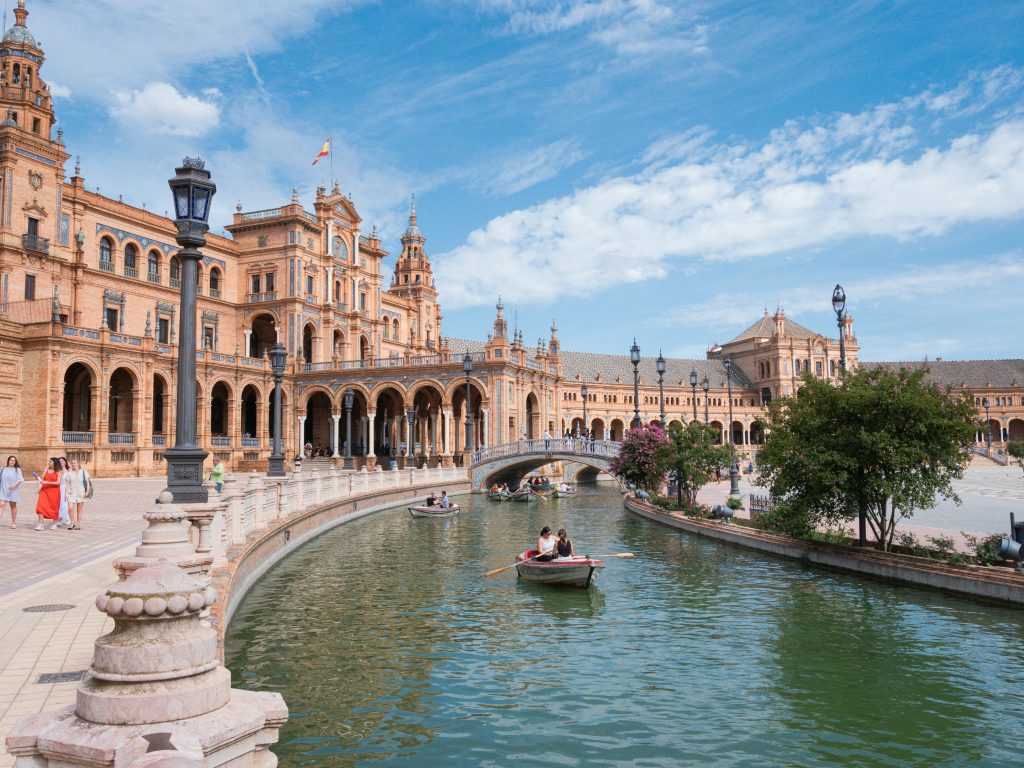
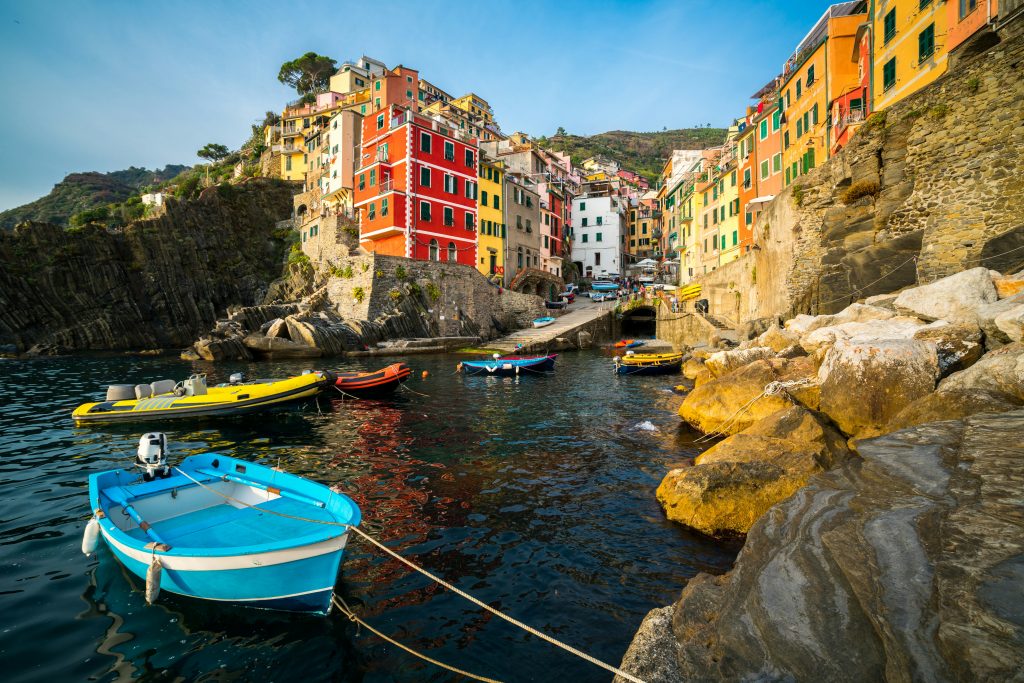
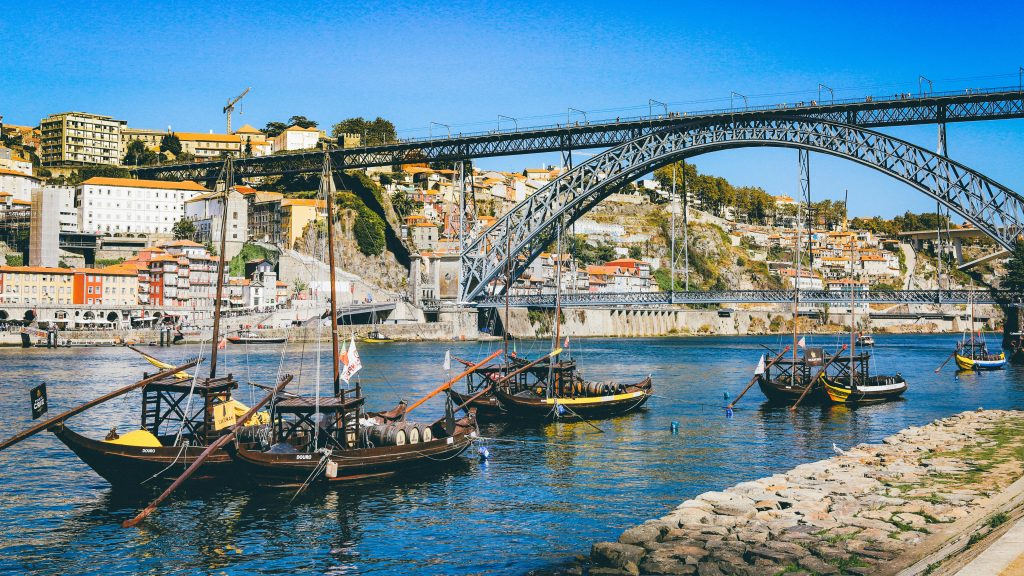
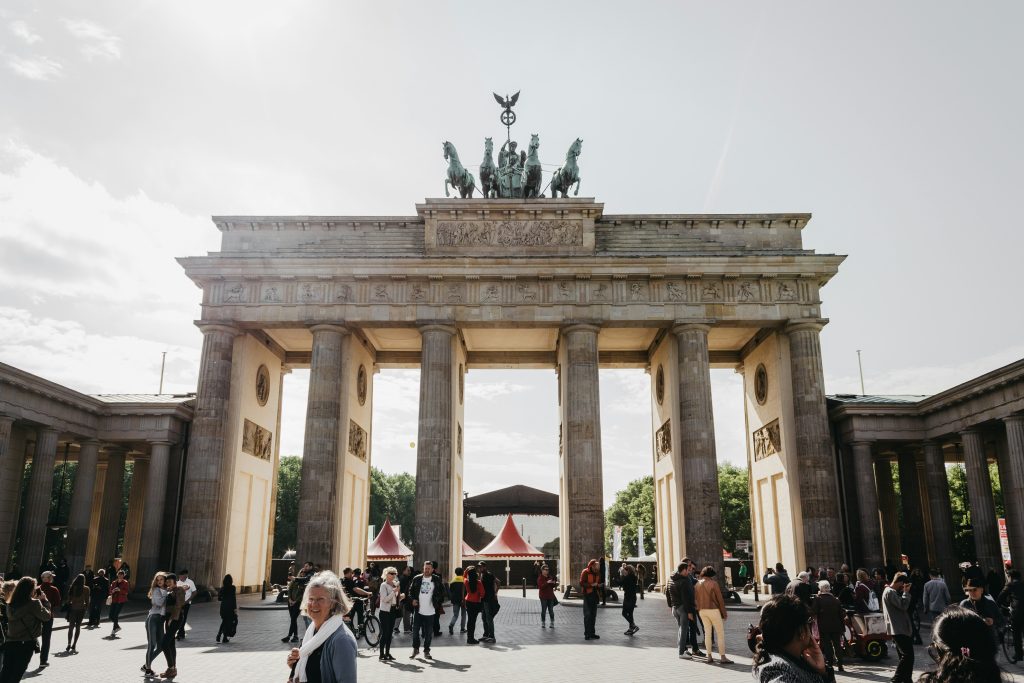
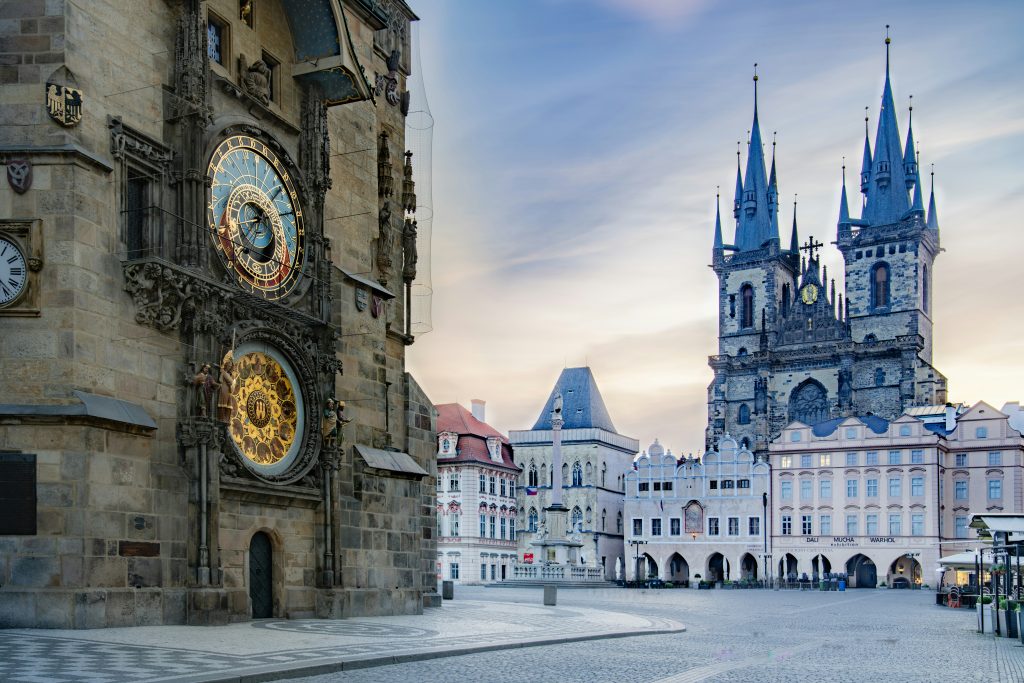
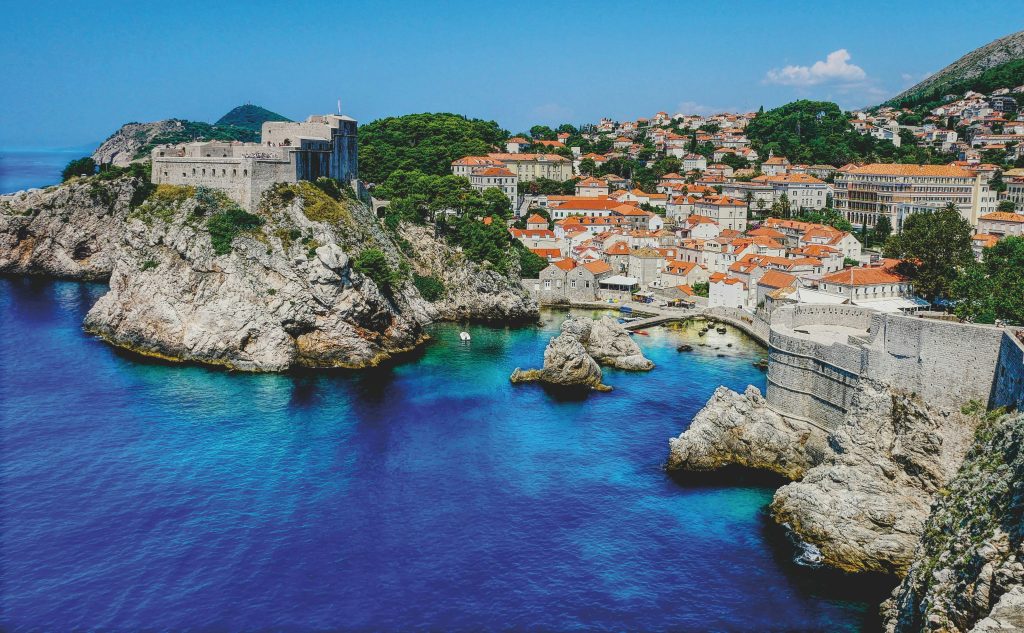
Western Europe
The big hitters, and the priciestSouthern Europe
Coast, heat and late dinnersCentral & Eastern Europe
Where the budget stretches furthestThe Balkans & Caucasus
Cheapest, least crowded, most planningThe Nordics & Iceland
Expensive, and worth it onceOr start with how you travel
Same continent, filtered by tripHostels
Where to stay while you do it
The European hostels travellers rate most highly. Prices and availability are live on each property page.

Onefam Paralelo
Barcelona, Spain
Dorms from €21 a night
See dates and book
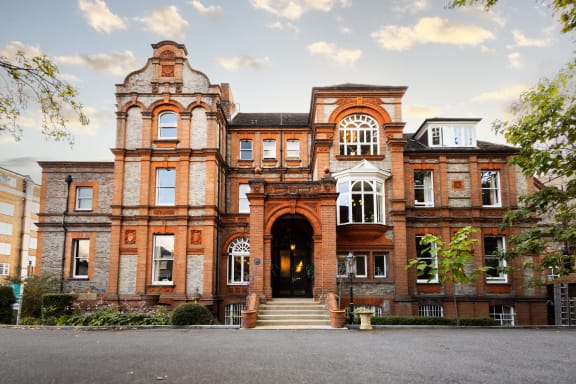
Palmers Lodge - Swiss Cottage
London, England
Dorms from €29 a night
See dates and book
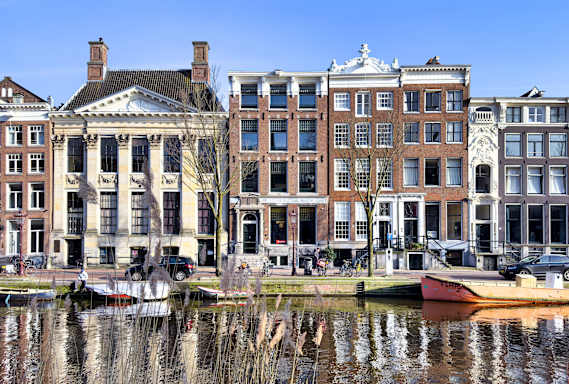
Stayokay Amsterdam Stadsdoelen
Amsterdam, Netherlands
Dorms from €25 a night
See dates and book
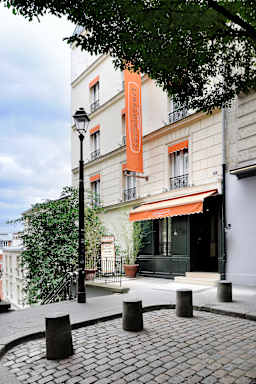
Caulaincourt Montmartre by Hiphophostels
Paris, France
Dorms from €41 a night
See dates and book

Onefam Sants
Barcelona, Spain
Dorms from €19 a night
See dates and book
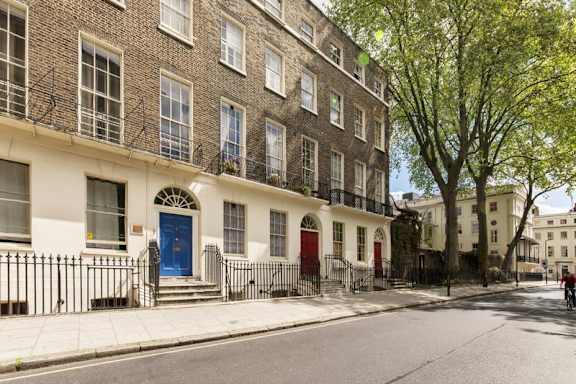
Astor Museum Inn
London, England
Dorms from €18 a night
See dates and book

Flying Pig Downtown
Amsterdam, Netherlands
Dorms from €19 a night
See dates and book

Plug Inn Montmartre by Hiphophostels
Paris, France
Dorms from €38 a night
See dates and book

Onefam Les Corts
Barcelona, Spain
Dorms from €18 a night
See dates and book
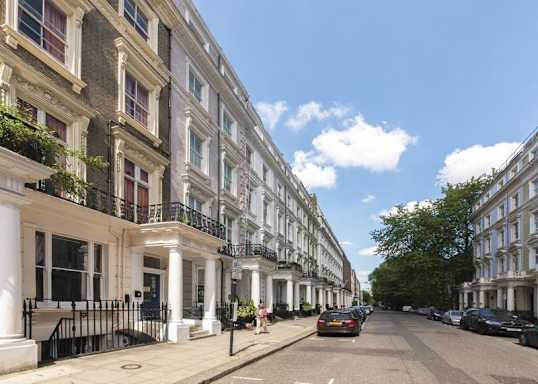
Astor Kensington
London, England
Dorms from €18 a night
See dates and book
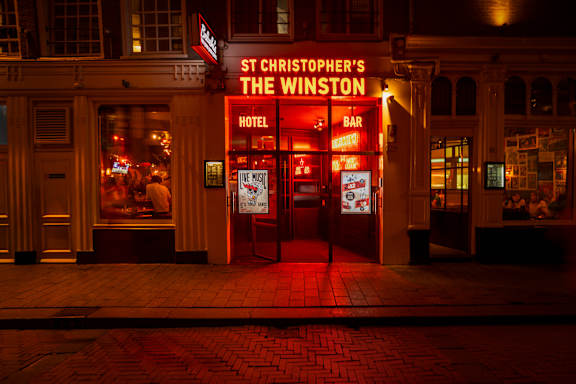
St Christopher's Amsterdam - The Winston
Amsterdam, Netherlands
Dorms from €19 a night
See dates and book

Le Village Montmartre by Hiphophostels
Paris, France
Dorms from €34 a night
See dates and book
When to go
The same trip, half the price
April to May and September to October are the value months almost everywhere: moderate temperatures, quieter sights, and dorm prices well off their August peak.
Spring
March – May
Best value
Mild, quiet and cheap. The sweet spot for cities, and the continent at its blooming best.
- The south warms first
- Easter lifts prices for a week
- Tulip fields, Netherlands
Summer
June – August
Peak
Festival season and beach weather, at the highest prices of the year.
- Book dorms weeks ahead
- Southern cities top 30°C
- Head north for daylight
Autumn
September – November
Best value
Warm sea, harvest season, and prices falling from mid-September.
- Oktoberfest, Munich
- The best hiking months
- Sea still warm in the south
Winter
December – February
Cheapest
Christmas markets, ski season and museums you have almost to yourself.
- Markets from mid-November
- Alps peak at New Year
- January is the cheapest month
Costs
What a day actually costs
Daily budgets below cover a dorm bed, food, local transport and one paid thing to do. They assume you are staying put — every travel day costs roughly double a stationary one, which is why route planning matters more than any single saving.
Head east and the same trip stretches much further. Prague, Kraków, Budapest and Belgrade all run at half Western European prices without feeling like a compromise.
Region
Dorm bed
Per day
The Balkans
Albania, Serbia, North Macedonia
€10–14
€28–38
Central & Eastern
Poland, Czechia, Hungary, Romania
€12–18
€32–45
Southern Europe
Portugal, Spain, Italy, Greece
€18–28
€45–65
Western Europe
France, Germany, Netherlands, Ireland
€25–40
€60–85
The Nordics
Denmark, Sweden, Norway, Finland
€35–50
€85–110
Switzerland & Iceland
Zurich, Geneva, Reykjavík
€40–60
€95–130
Indicative shoulder-season figures for a traveller staying in dorms and eating mostly self-catered or street food. Peak summer runs 30–50% higher in Spain, Italy, Croatia and Greece.
Getting around
Thirty-three countries, one pass
An Interrail or Eurail pass covers 33 countries, and sometimes buses and ferries too. Whether it beats individual tickets comes down to one thing: how often you move. More than once every third day and the pass wins; three or four cities over a month and advance point-to-point fares are cheaper.
Night trains tip the maths further towards a pass — you save a night's accommodation and a day of travelling. Buses undercut everything on price, especially in the east, and flying is almost always the worst value once you add bags and airport transfers.
Ten tips for Interrailing Europe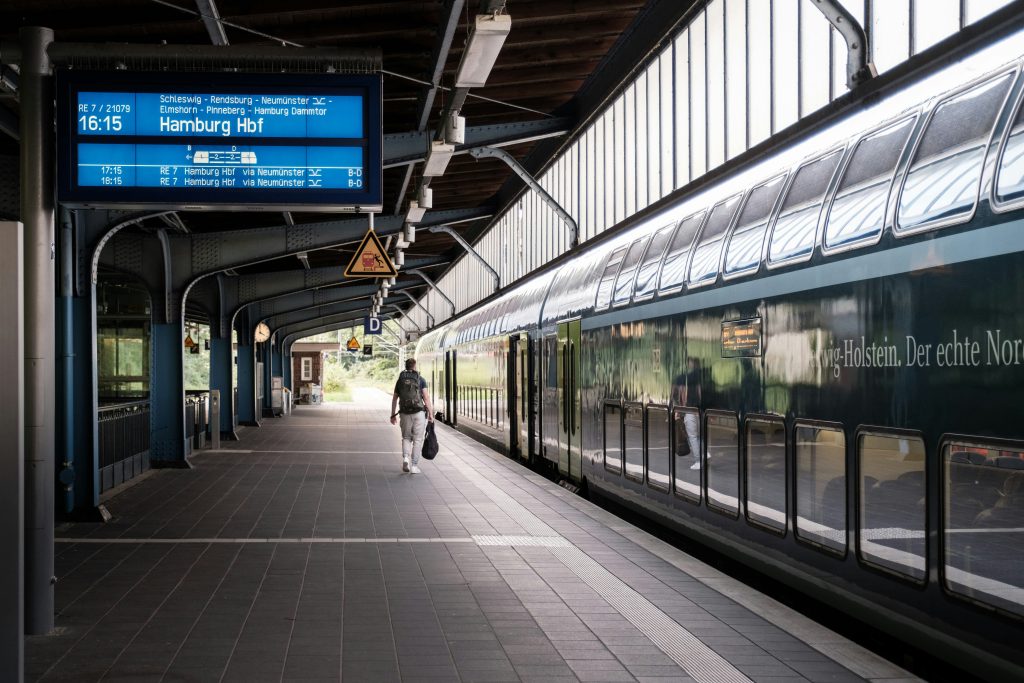
The classic west
London, Paris, Amsterdam, Berlin, Vienna, Rome. The big sights, the big prices — give each city three days.
6 cities · 5 countries
Europe on a shoestring
Kraków, Prague, Budapest, Ljubljana, then down to the Croatian coast. Half the cost of the western run.
5 stops · 5 countries
The Adriatic line
Venice to Ljubljana, Zagreb, Split and Dubrovnik, finishing in Kotor. Trains, then buses and ferries.
6 stops · 4 countries
What's on
Worth building a route around
These are also the dates that will triple your accommodation costs if you turn up without a booking. Both facts are worth planning for.
 Staff pick
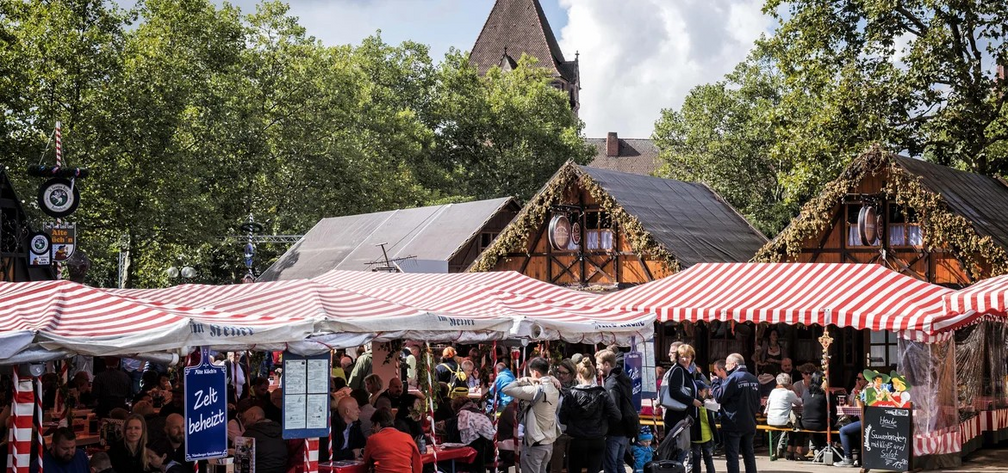
16 Sep – 4 Oct
Nürnberger Altstadtfest
Nuremberg, Germany
The Nürnberger Altstadtfest transforms Nuremberg into a celebration of Franconian culture, with two weeks of music, theatre, and culinary tradition in the heart of…
 Staff pick
19 Sep – 4 Oct
Oktoberfest Munich
Munich, Germany
Experience the world's largest beer festival at Oktoberfest in Munich. With over 6 million attendees each year, this event offers traditional German beer, delicious…
 Staff pick
25 Sep – 11 Oct
Cannstatter Volksfest
Stuttgart, Germany
The Cannstatter Volksfest, held annually in Stuttgart, Germany, is one of the largest and most vibrant folk festivals in Europe. Known as the "Stuttgart…
 Staff pick
26 Sep – 1 Nov
Disney’s Halloween Festival
Coupvray, France
Join Mickey, Minnie, and all your favorite Disney characters at Disney's Halloween Festival, a spooktacular celebration filled with enchanting parades, thrilling shows, and festive…
 Staff pick
26 Sep – 4 Oct
Türkiye Cultural Route Festival
Istanbul, Turkey
The Türkiye Cultural Route Festival transforms Istanbul and other major cities into dynamic hubs of art, music, and heritage, with thousands of events spanning…
 Staff pick
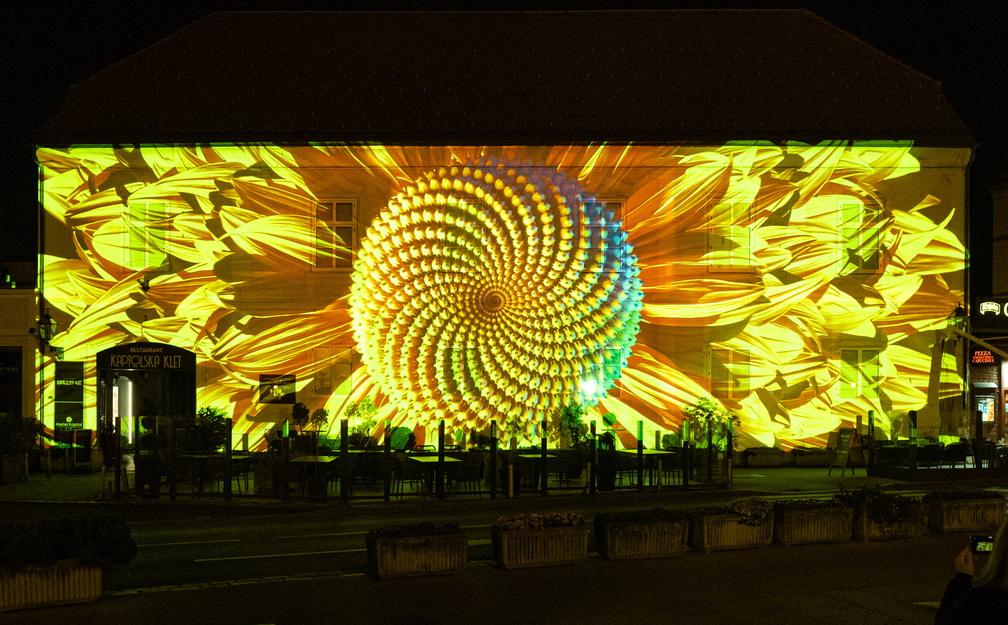
9–18 October
Festival of Lights (Colours of Love)
Berlin, Germany
Experience the magic of the Festival of Lights in Berlin, one of the world's most renowned light art festivals. Each autumn, the city transforms…
 Staff pick
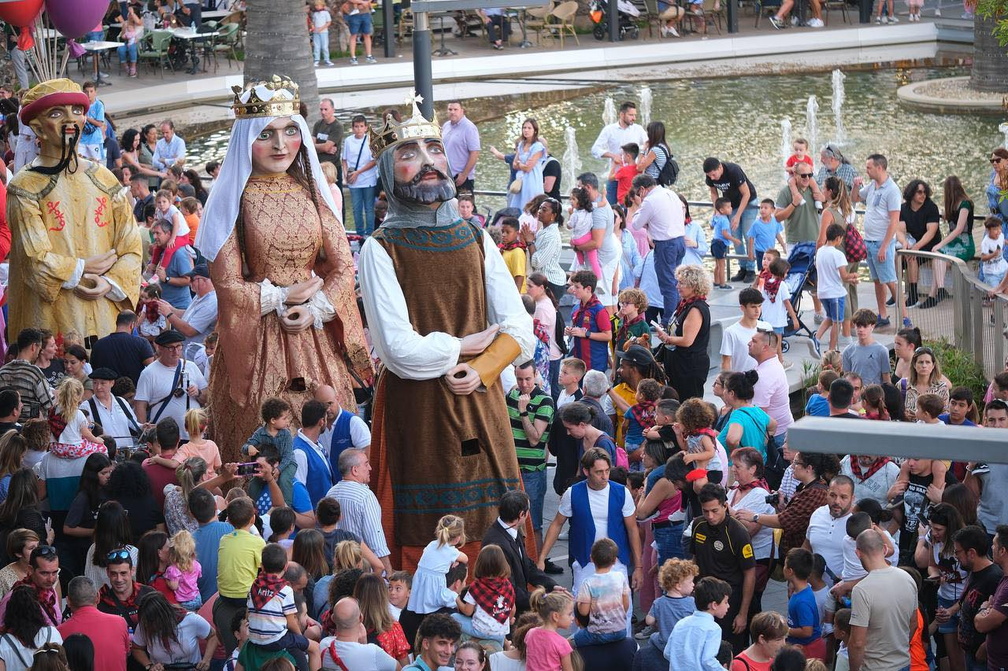
10–18 October
Fiesta de Nuestra Señora del Pilar
Zaragoza, Spain
Celebrate Fiesta de Nuestra Señora del Pilar in Zaragoza, where the city comes alive with vibrant parades, traditional dance, and an awe-inspiring offering of…
 Staff pick
16 Oct – 1 Nov
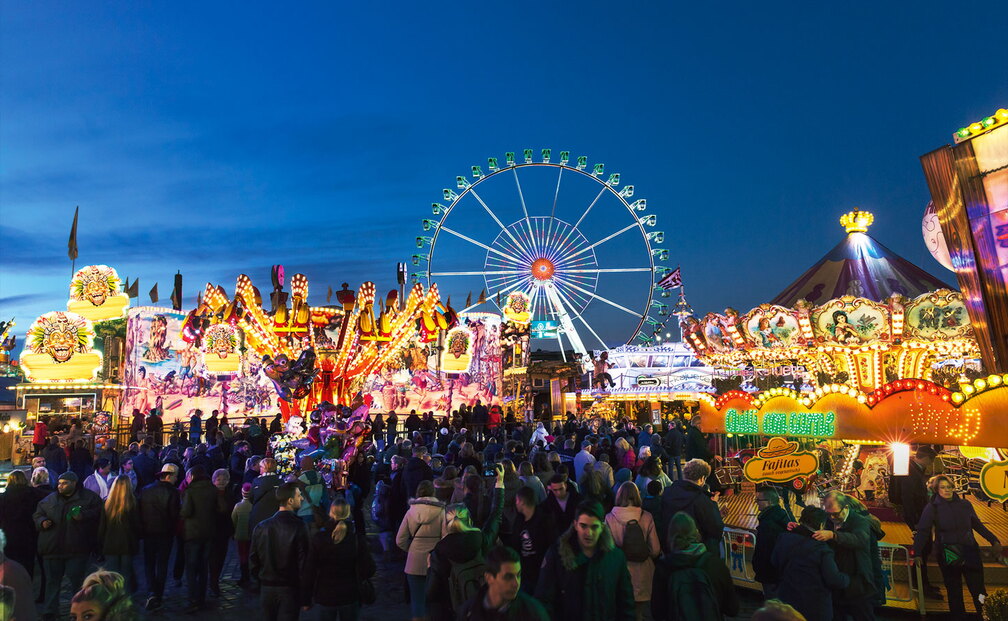
Freimarkt
Bremen, Germany
Freimarkt in Bremen, Germany, is a lively and historic fair that transforms the city into a hub of excitement each autumn. With over 300…
From the blog
Europe guides
Written by our travel writers and the travellers who host them.
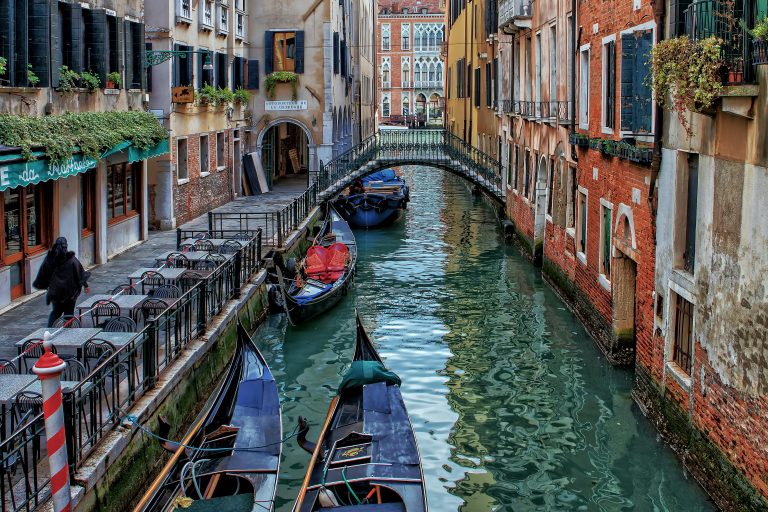
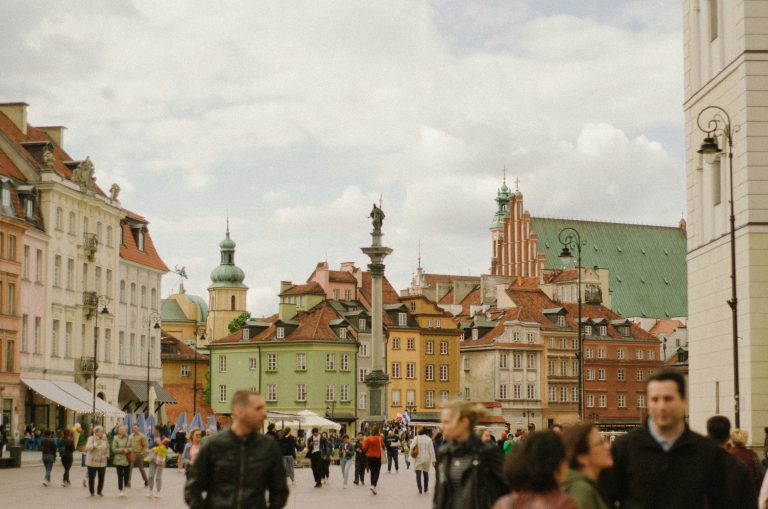
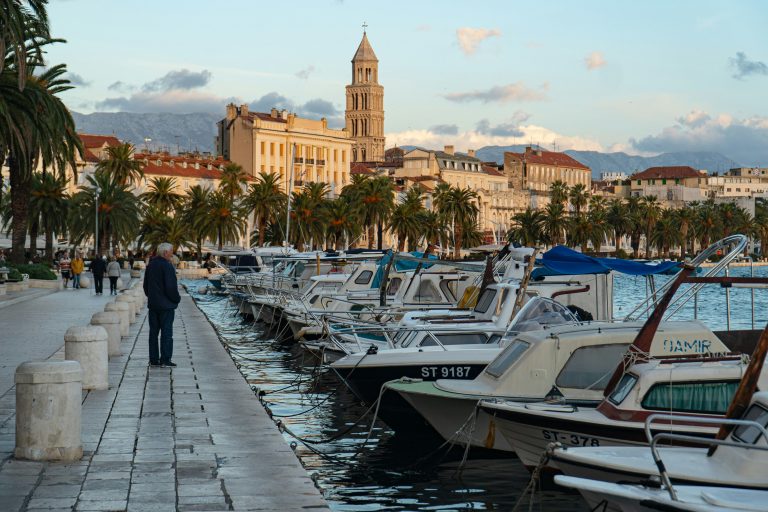
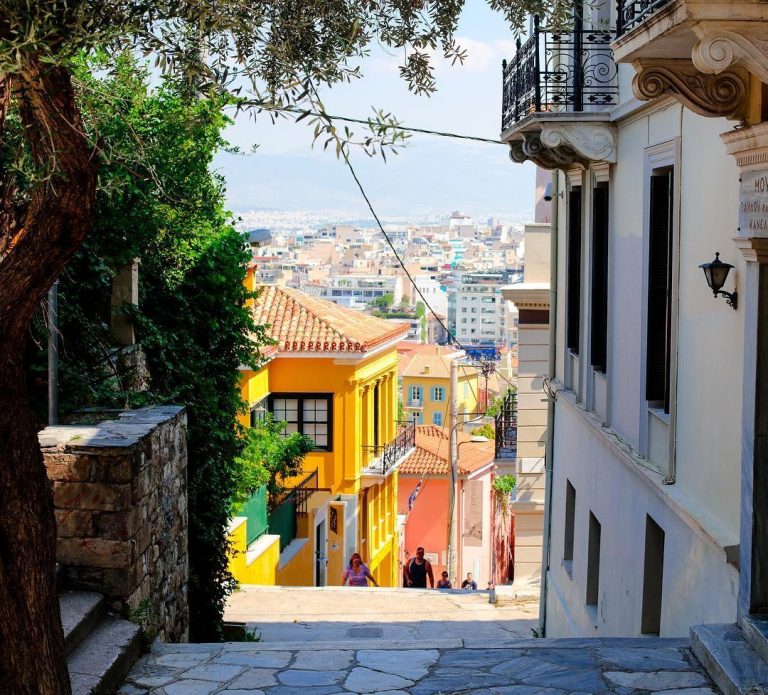
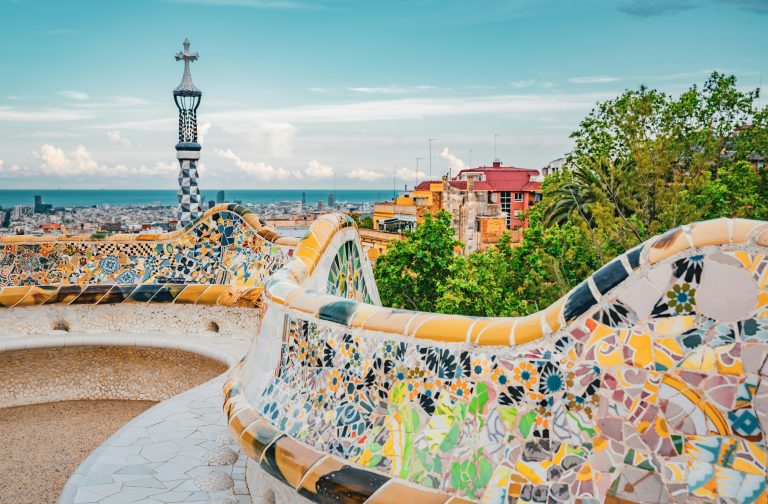
Things to do, city by city
Short itineraries you can follow as written, in the cities most routes pass through.

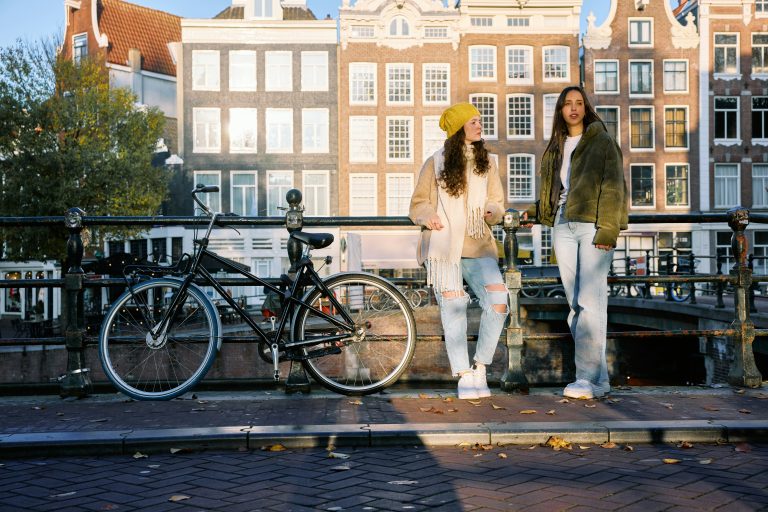
Getting around
Rail passes, night trains and the routes worth taking overland.


Eat and drink
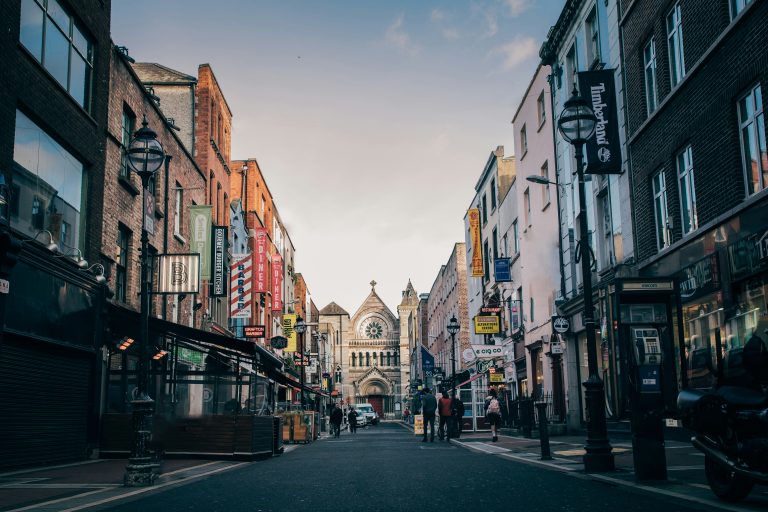
Where the money is best spent, and what each country does better than its neighbours.
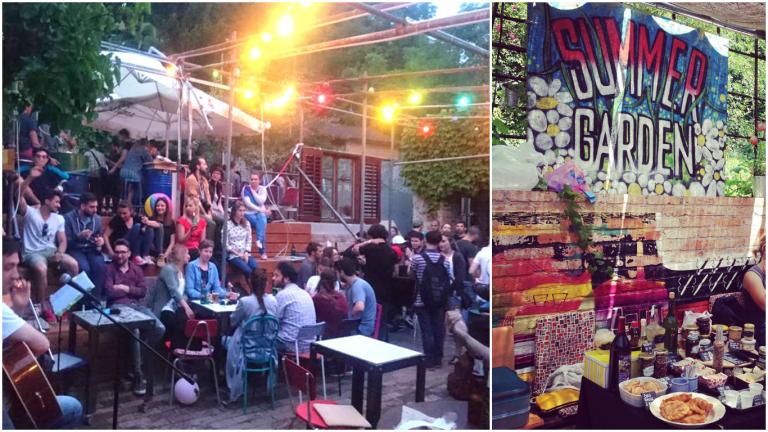
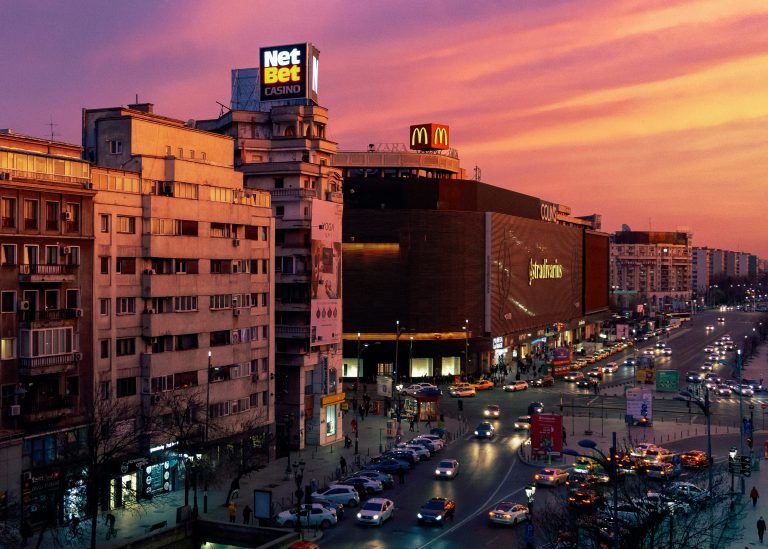
Nightlife and festivals
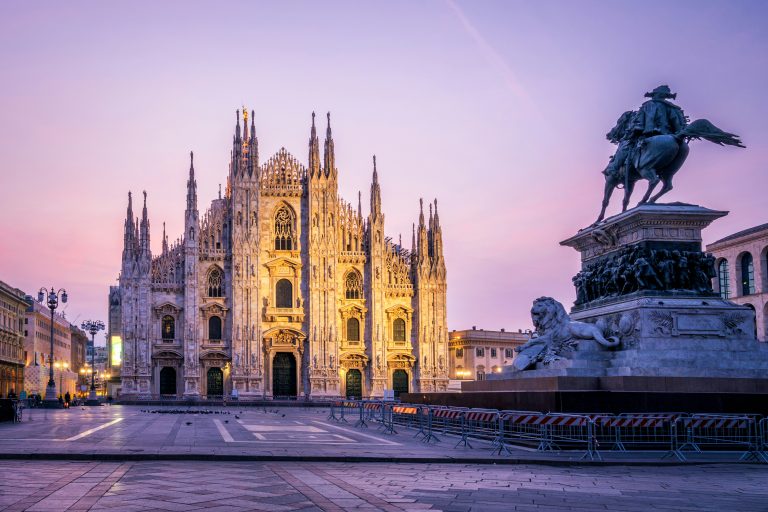
Nights worth staying up for, and the dates worth planning a route around.
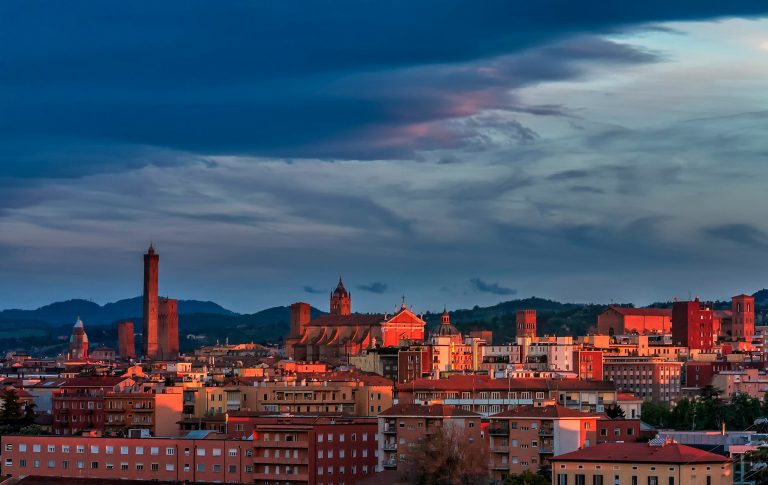


Everything we have written about Europe
Filter by country, city or the kind of trip you are planning.
Europe travel questions
The ones we get asked most.

How much does a trip to Europe cost per day?
Budget €60–85 a day in Western Europe, €45–65 in the south, €32–45 in Central and Eastern Europe and €28–38 in the Balkans, covering a dorm bed, food, local transport and one paid activity. The Nordics run €85–110, and Switzerland and Iceland more. The biggest variable is not the country — it is how often you move, since every travel day costs roughly double a stationary one.
What is the cheapest time of year to visit?
Mid-January to mid-March, once the Christmas markets and ski season are out of the way. Late September to early November is the better compromise: nearly as cheap, far better weather, and the sea in the south is still warm.
Is a rail pass actually worth it?
If you are moving more often than every third day, yes. If you are basing yourself in three or four cities over a month, advance point-to-point tickets will come out cheaper. Night trains tip the maths towards a pass, because you save a night's accommodation as well as a day of travelling.
How many countries should I try to see?
Fewer than you think. Eight countries in three weeks becomes a tour of train stations. Four in a month, or two in a fortnight, leaves enough time to actually see somewhere.
Do I need to book hostels in advance?
In July and August, yes — especially Barcelona, Amsterdam, Lisbon, Split and anywhere hosting a festival. Outside peak season a few days' notice is usually enough, and turning up flexible is part of the appeal.
Which countries are best for a first trip?
Spain, Portugal, Italy and the Czech Republic. Easy transport, plenty of other travellers and forgiving budgets. The Balkans are cheaper and increasingly popular, but the buses and ferries take more planning.
Is Europe safe to travel alone?
Broadly, yes, and it is the most established solo travel region in the world. Petty theft is the realistic risk rather than anything worse: watch your bag on public transport and in busy squares, and keep your phone out of your back pocket.
Do I need to register or apply before travelling to Europe?
If you are not an EU citizen, your fingerprints and photo are now taken at the Schengen border under the Entry/Exit System, which replaced passport stamps in April 2026; there is nothing to do in advance. ETIAS, an online travel authorisation for visa-free visitors such as Americans, Canadians and Australians, is due to start in the last quarter of 2026. The UK and Ireland have their own rules: most visitors to the UK need an ETA.
Say yes to hostels, meet the world
Compare hostels across 40 European countries — live prices, real reviews and free cancellation on most bookings. Then meet the people already there in the app.


 Get the App.