
Things To Do in South America
The continent people save a year for. Long overland routes, altitude that will humble you, and a month that costs less than a fortnight in Europe once you are there.
18
Countries
€30
A day on the Andes route
3,600m
La Paz, the highest capital
2–3
Months for the classic route
The continent
Big distances, small budgets
South America rewards time more than any other continent. The distances are enormous — Bogotá to Buenos Aires is further than London to Cairo — and the good bits are the overland legs between the cities, so a fortnight buys you one country rather than a tour of five.
The classic route runs down the Andes: Colombia, Ecuador, Peru, Bolivia, then a choice between Chile's desert or Argentina's wine country, finishing in Patagonia. It takes two to three months, costs less per day than almost anywhere in Europe, and is so well travelled that you will keep meeting the same people.
Altitude is the thing nobody plans for. La Paz sits at 3,600m, Cusco at 3,400m, and arriving straight from the coast will flatten you for two days. Build the route so you climb gradually, and give yourself a soft day when you land high.
Read the full South America best backpacking destinations guideThe bus is the transport
Overnight coaches with seats that fully recline cover 800km for €25. Distances are huge and the buses are good.
Altitude and ice
The Andes run the length of it. Trekking in Peru, salt flats in Bolivia, glaciers in Patagonia.
A month for the price of a week
Outside Chile and Patagonia, €25 to €35 a day covers everything comfortably.
Country guides
Start with a country
Every country page carries its cities, what a day costs there, when to go and the hostels we would book ourselves.
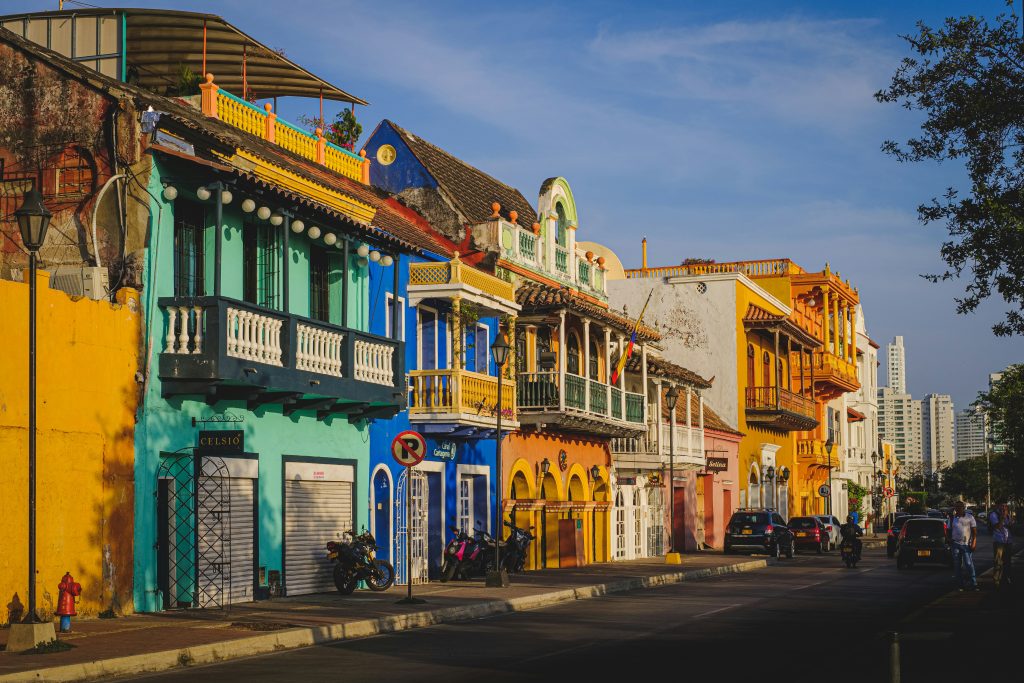
Colombia
Medellín · Bogotá · Cartagena · Santa Marta
19 guides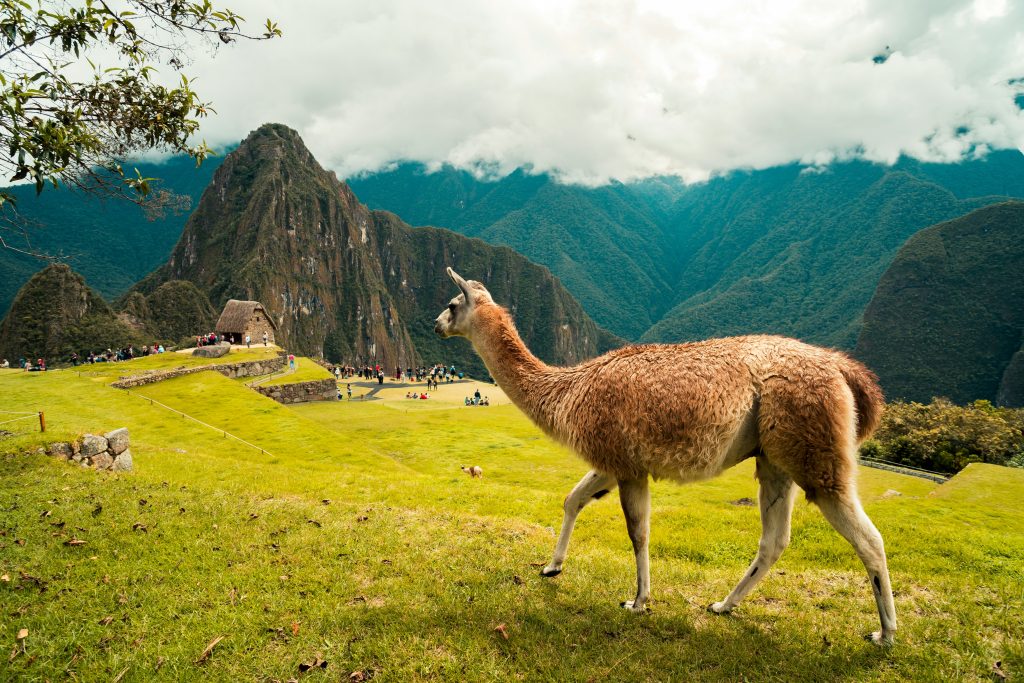
Peru
Cusco · Lima · Huacachina · Arequipa
9 guides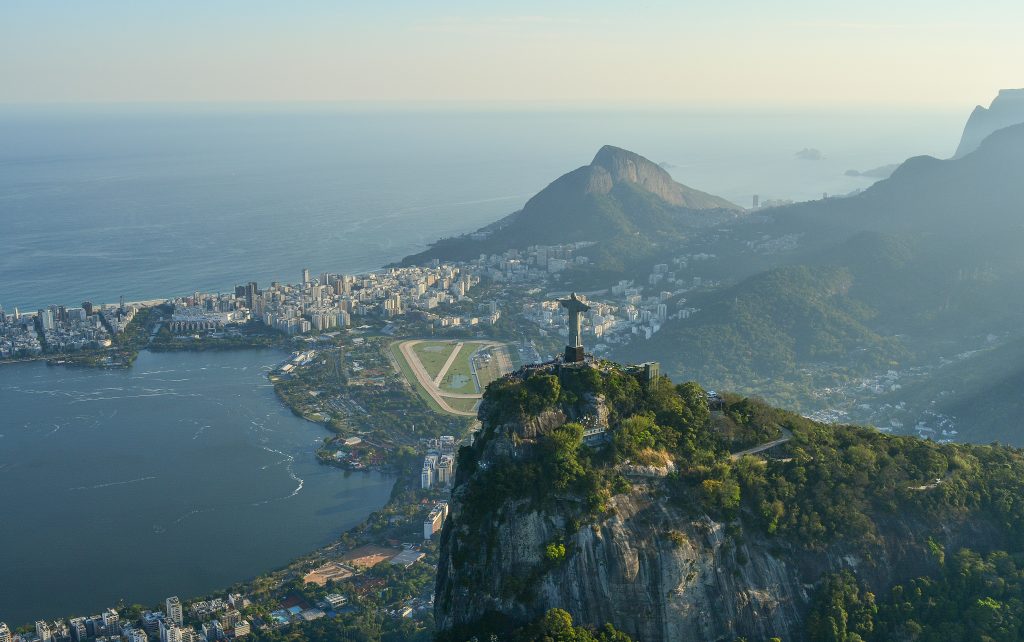
Brazil
Rio de Janeiro · São Paulo · Ilha Grande · Florianópolis
18 guides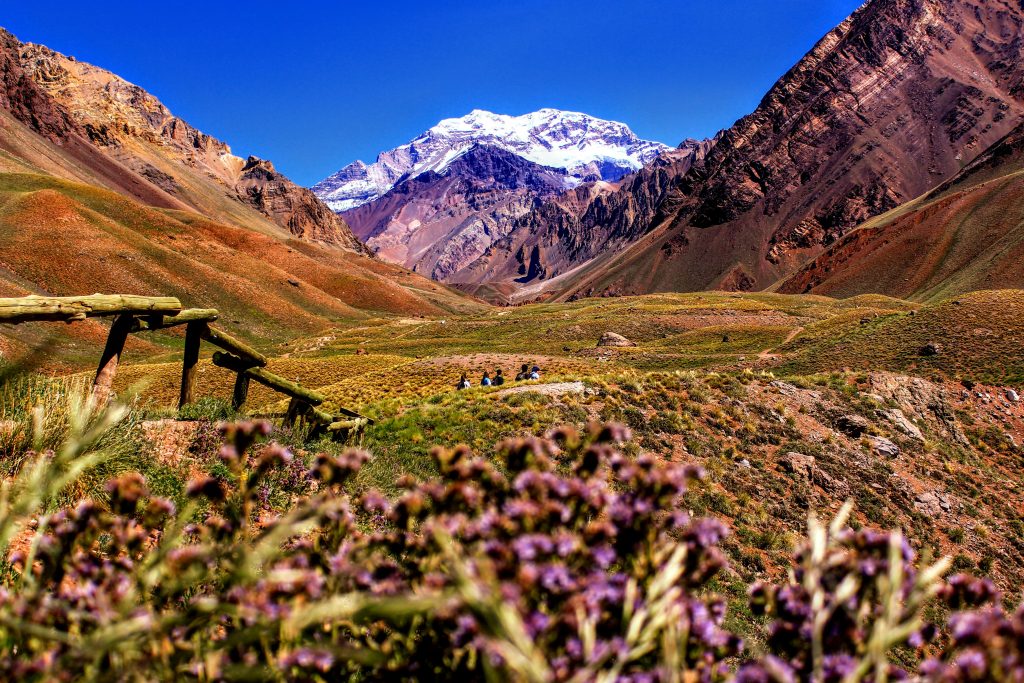
Argentina
Buenos Aires · Mendoza · El Chaltén · El Calafate
7 guides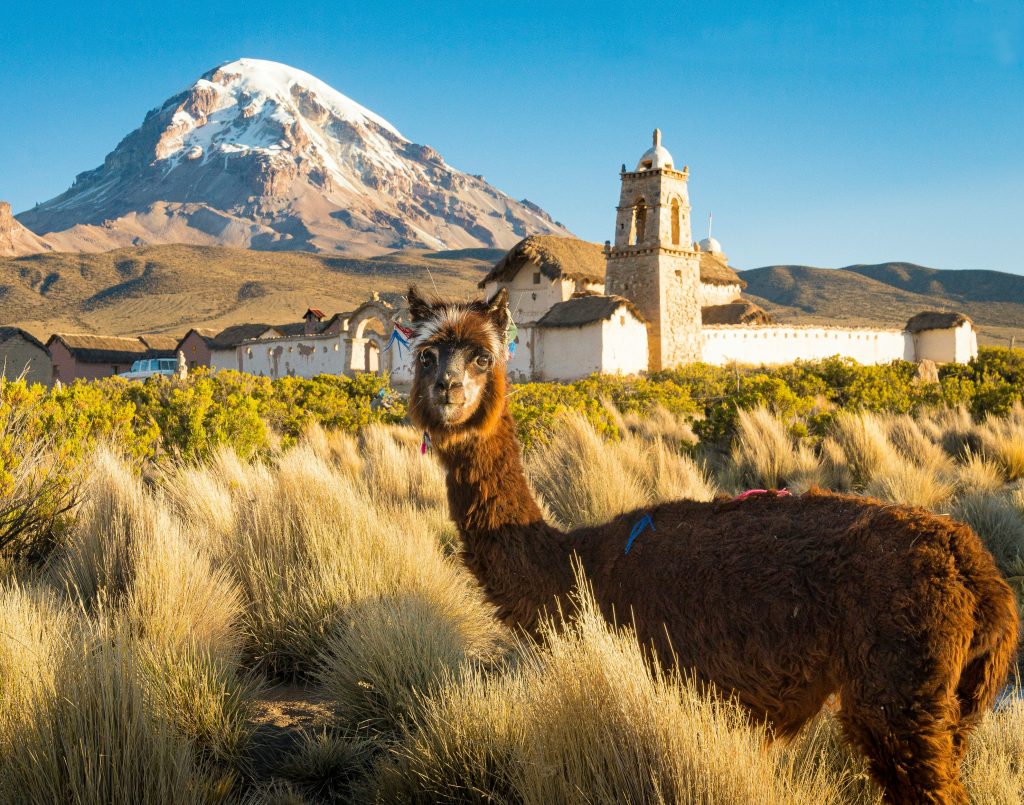
Bolivia
La Paz · Sucre · Uyuni · Copacabana
1 guide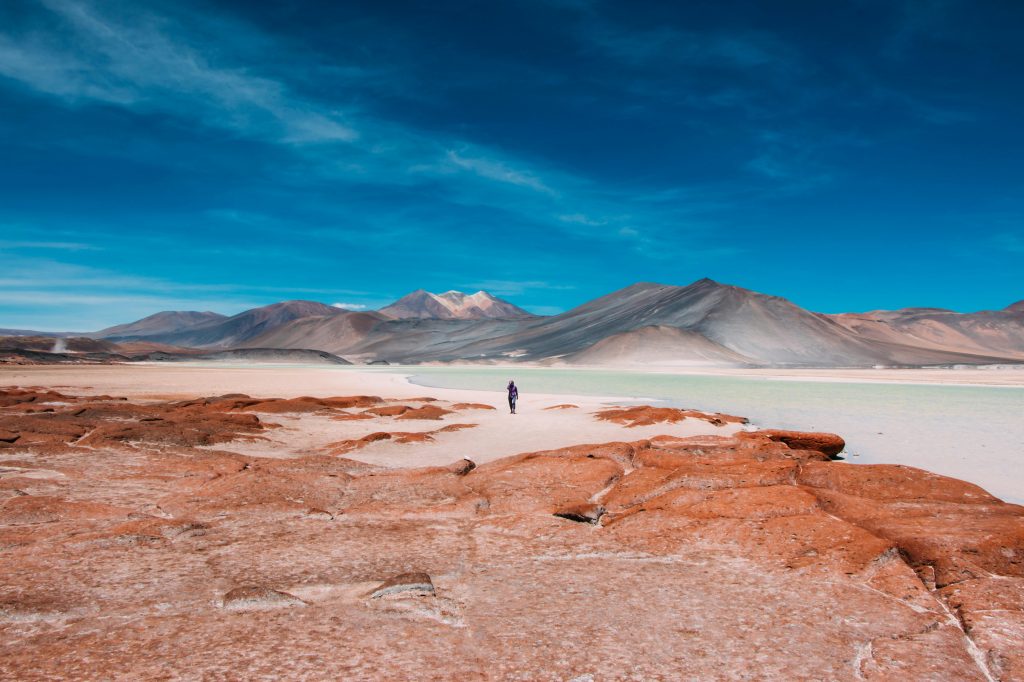
Chile
Santiago · Valparaíso · San Pedro de Atacama · Puerto Natales
3 guidesThe northern Andes
Where most routes startThe central Andes
Altitude, ruins and salt flatsThe Southern Cone
Wine, steak and PatagoniaBrazil
A country the size of a continentThe Guianas
Barely travelled, entirely differentOr start with how you travel
Same continent, filtered by tripHostels
Where to stay while you do it
The South American hostels travellers rate most highly. Prices and availability are live on each property page.
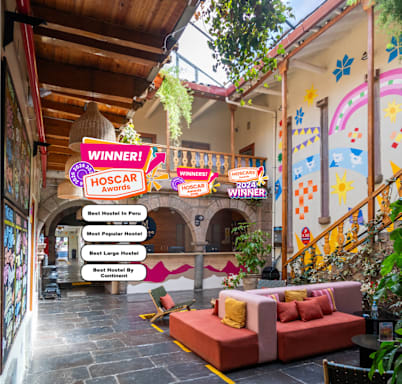
Viajero Cusco Hostel
Cusco, Peru
Dorms from $15 a night
See dates and book
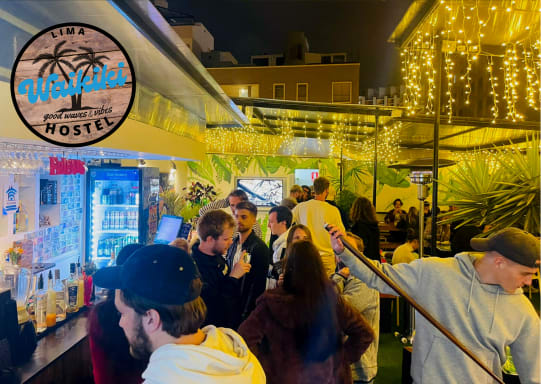
Waikiki Hostel
Lima, Peru
Dorms from $11 a night
See dates and book

Books Hostel
Rio de Janeiro, Brazil
Dorms from $24 a night
See dates and book
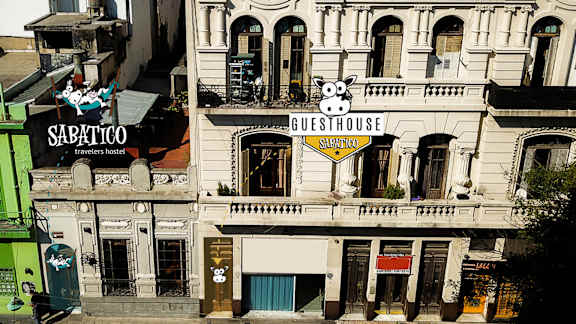
Sabatico Travelers Hostel & Guesthouse
Buenos Aires, Argentina
Dorms from $16 a night
See dates and book

Black Sheep Hostel Medellin
Medellin, Colombia
Dorms from $10 a night
See dates and book

Hospedaje Turistico Recoleta
Cusco, Peru
Dorms from $11 a night
See dates and book

Pariwana Hostel Lima
Lima, Peru
Dorms from $11 a night
See dates and book
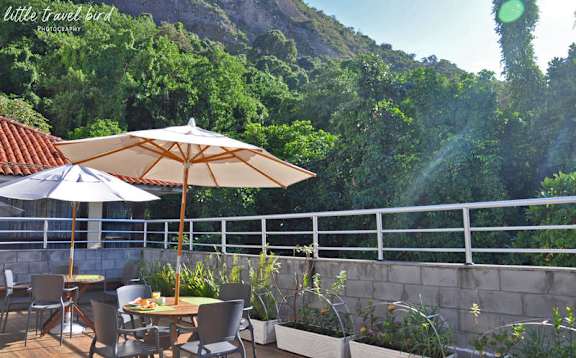
CabanaCopa Hostel
Rio de Janeiro, Brazil
Dorms from $25 a night
See dates and book
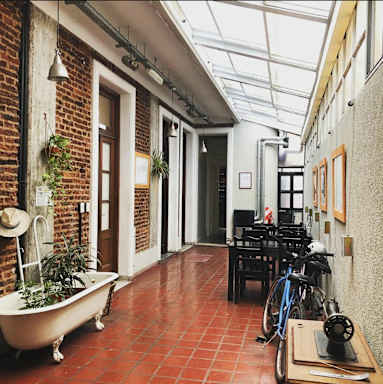
Rayuela Hostel Boutique
Buenos Aires, Argentina
Dorms from $14 a night
See dates and book

Casa Kiwi Hostel Medellin
Medellin, Colombia
Dorms from $21 a night
See dates and book

Pariwana Hostel Cusco
Cusco, Peru
Dorms from $14 a night
See dates and book

1900 Backpackers Hostel
Lima, Peru
Dorms from $10 a night
See dates and book
When to go
The seasons are upside down
South of the equator the seasons invert: January is high summer in Patagonia and Rio, July is winter. The Andes work on dry and wet instead, and the dry season from May to September is when the trekking is good and the salt flats are crossable.
December – February
Southern summer
Peak in the south
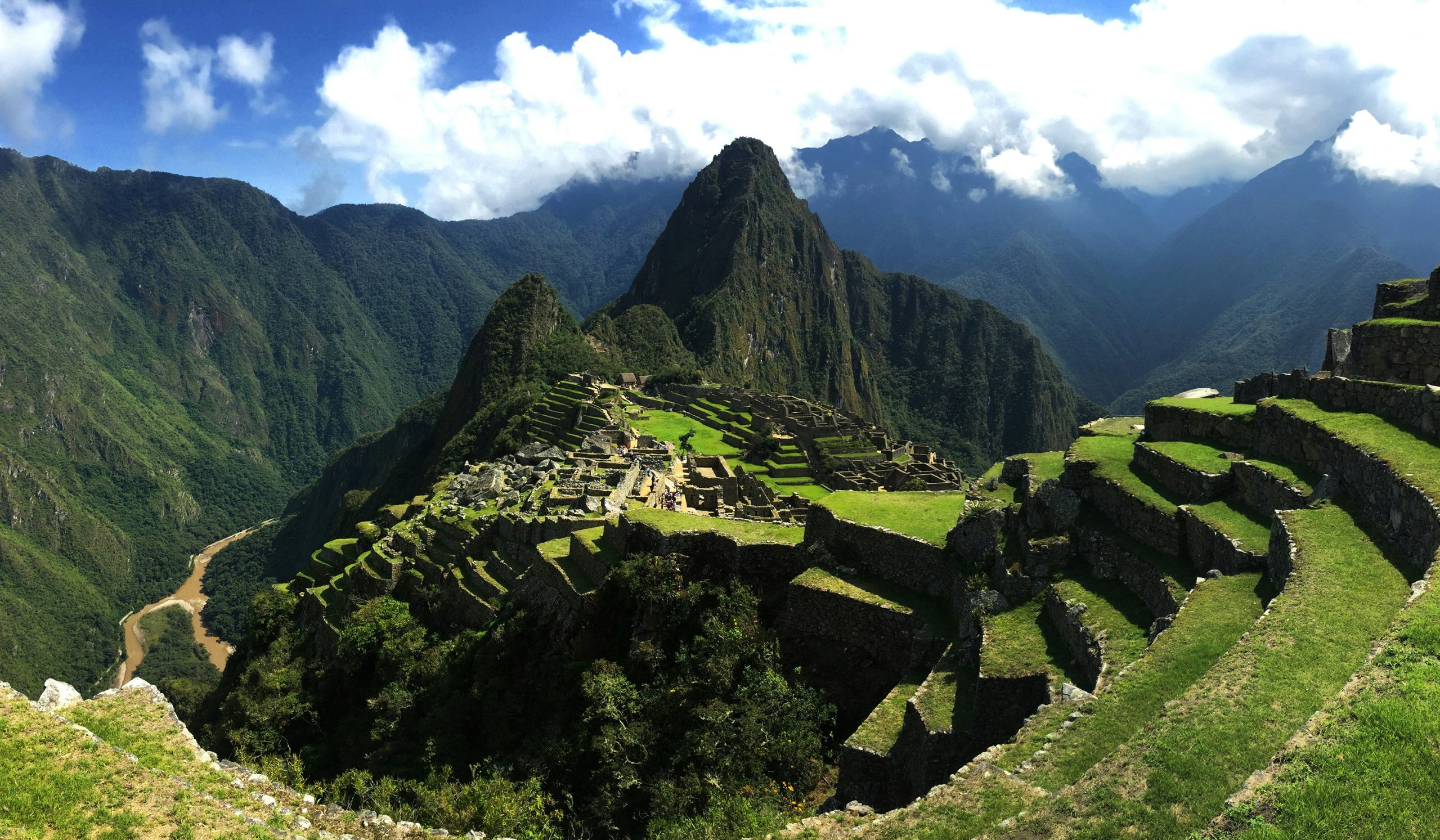
Patagonia's only reliable window and Rio at its hottest. Also the wet season in the Andes, so Machu Picchu is green, misty and slippery.
- Book Patagonia months ahead
- Carnival falls in February
- Inca Trail closed in February
March – May
Autumn in the south
Best value
Crowds gone, prices down, weather still good in Argentina and Brazil. The Andes are drying out and the countryside is at its greenest.
- Best month for Buenos Aires
- Trekking season opens in Peru
- Wine harvest in Mendoza
June – August
Andean dry season
Best for trekking
Clear skies over the Andes, cold nights, and the busiest months on the gringo trail. Salt flats are dry and drivable, Patagonia is shut.
- Book Machu Picchu permits early
- Nights below zero at altitude
- Rio is mild and quiet
September – November
Spring in the south
Quiet
The shoulder that nobody books. Patagonia reopening, the Andes still dry, Brazilian beaches warming up and empty.
- Patagonia reopens in October
- Fewest crowds at Machu Picchu
- Rain returns to Bolivia in November
Costs
What a day actually costs
Daily budgets cover a dorm bed, food, local transport and one paid activity. Long-distance buses are the big variable — a two-day journey down Argentina costs more than three days of everything else.
Bolivia, Peru and Ecuador are the cheapest places on the continent and among the cheapest anywhere. Chile, Uruguay and Patagonia cost European money. Brazil sits in the middle and swings hard with the exchange rate.
Region
Dorm bed
Per day
Bolivia
La Paz, Sucre, Uyuni
€6–10
€20–28
Peru & Ecuador
Cusco, Lima, Quito, Baños
€8–13
€25–35
Colombia
Medellín, Bogotá, Cartagena
€9–15
€28–40
Argentina
Buenos Aires, Mendoza, Salta
€10–18
€30–45
Brazil
Rio, São Paulo, the northeast
€12–20
€35–50
Chile & Patagonia
Santiago, Torres del Paine, El Chaltén
€18–30
€50–75
Indicative dry-season figures for a traveller in dorms eating set lunches. Patagonia in season and the Galápagos run far above their country averages.
Getting around
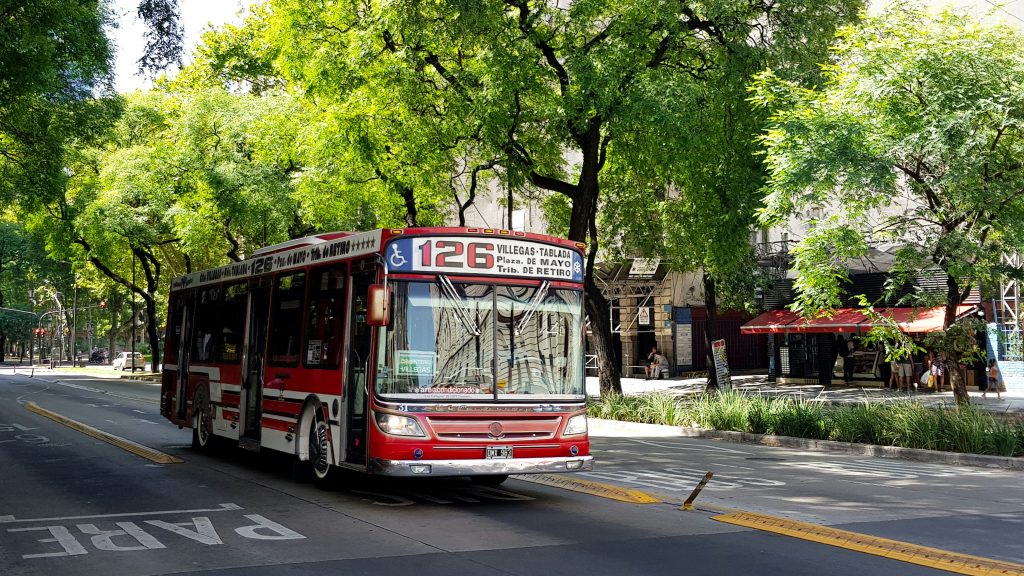
Overnight buses, and the occasional flight
There is almost no passenger rail. The bus network does everything instead, and at the top end — cama and semi-cama seats in Argentina, Peru and Chile — it is more comfortable than a European train. A twelve-hour overnight leg costs €20 to €35 and saves a night's accommodation.
Fly the legs that would take three days: Lima to Cusco, Santiago to Patagonia, anywhere in Brazil. LATAM, Gol and JetSmart run fares that make a two-day bus ride hard to justify. Book domestic flights locally where you can, since prices are often lower in the local currency.
The gringo trail
Cartagena, Medellín, Quito, Baños, Lima, Huacachina, Cusco, La Paz, Uyuni. Downhill through the Andes, all by bus, and the most sociable route on the continent.
9 stops · 4 countries
Patagonia end to end
Santiago, Puerto Natales, Torres del Paine, El Calafate, El Chaltén, Bariloche. Glaciers, granite towers and the best trekking in the Americas.
6 stops · 2 countries
Brazil's coast
Rio de Janeiro, Ilha Grande, Paraty, Florianópolis, then north to Salvador and Jericoacoara. Beaches, islands and no altitude at all.
6 stops · 1 country
What's on
Worth building a route around
These are also the dates that fill every bed in the city. Both facts are worth planning around.
 Staff pick
31 October
Día de la Canción Criolla (Day of the Creole Song)
Santiago de Surco, Peru
Día de la Canción Criolla in Lima’s Barranco district transforms the area into a lively celebration of Peru’s rich musical heritage. The historic Bridge…
 Staff pick
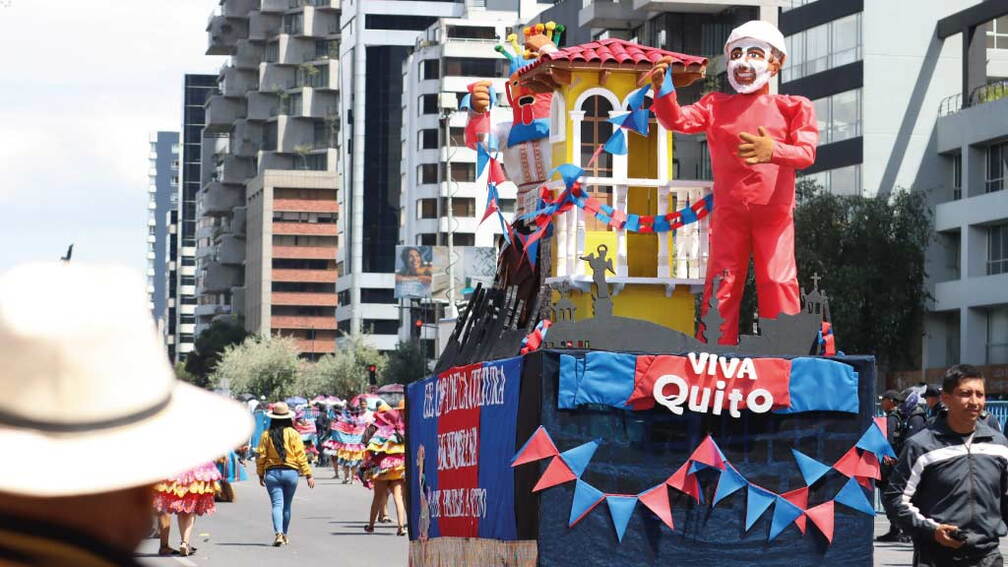
6 December
Fiestas de Quito
Quito, Ecuador
Fiestas de Quito is a lively, citywide celebration in Quito, Ecuador, honoring the city's founding in 1534 with a blend of tradition and modern…
 Staff pick
25–30 December
La Feria de Cali
Cali, Colombia
Feria de Cali in Cali, Colombia, is a world-renowned celebration of salsa music and dance that transforms the city into a lively street party…
 Staff pick
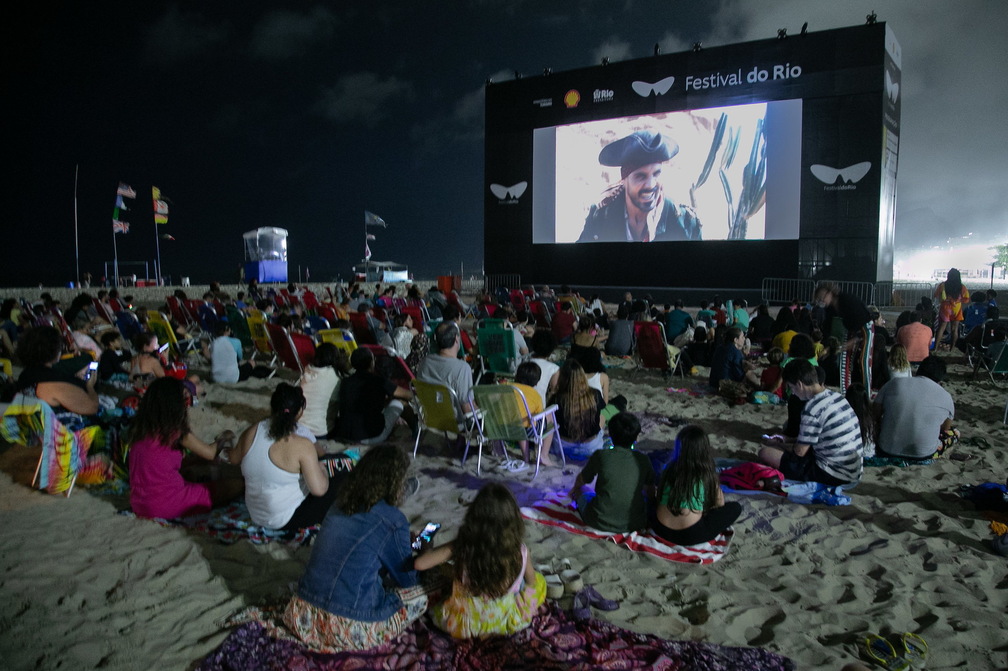
1–11 October
Festival do Rio: Rio de Janeiro International Film Festival
Rio de Janeiro, Brazil
The Rio de Janeiro International Film Festival is a cinematic extravaganza that attracts film enthusiasts from around the world. With a diverse selection of…
 Staff pick
5–12 October
Bariloche a la Carta
San Carlos de Bariloche, Argentina
Bariloche a la Carta is Patagonia’s leading gastronomy festival, drawing around 200,000 visitors each year to Bariloche, Argentina, for a week-long celebration of regional…
 Staff pick
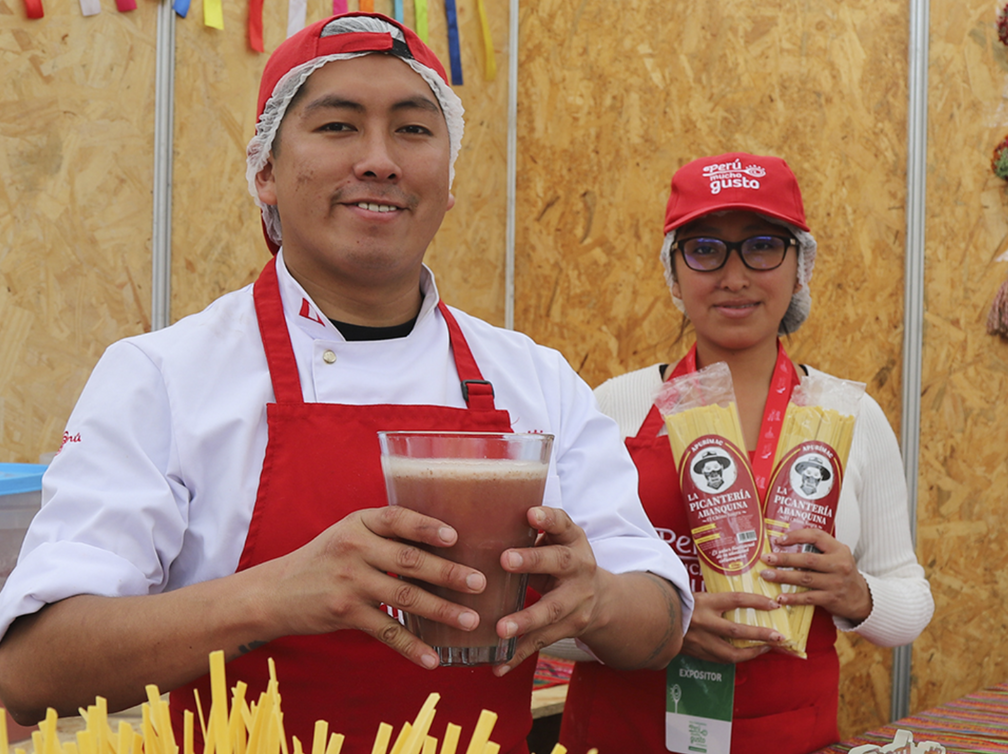
30 Oct – 1 Nov
Perú Mucho Gusto
Lima, Peru
Perú Mucho Gusto Lima is a celebrated gastronomic fair that brings together the flavors and culinary traditions of all 25 regions of Peru in…
 Staff pick
5 November
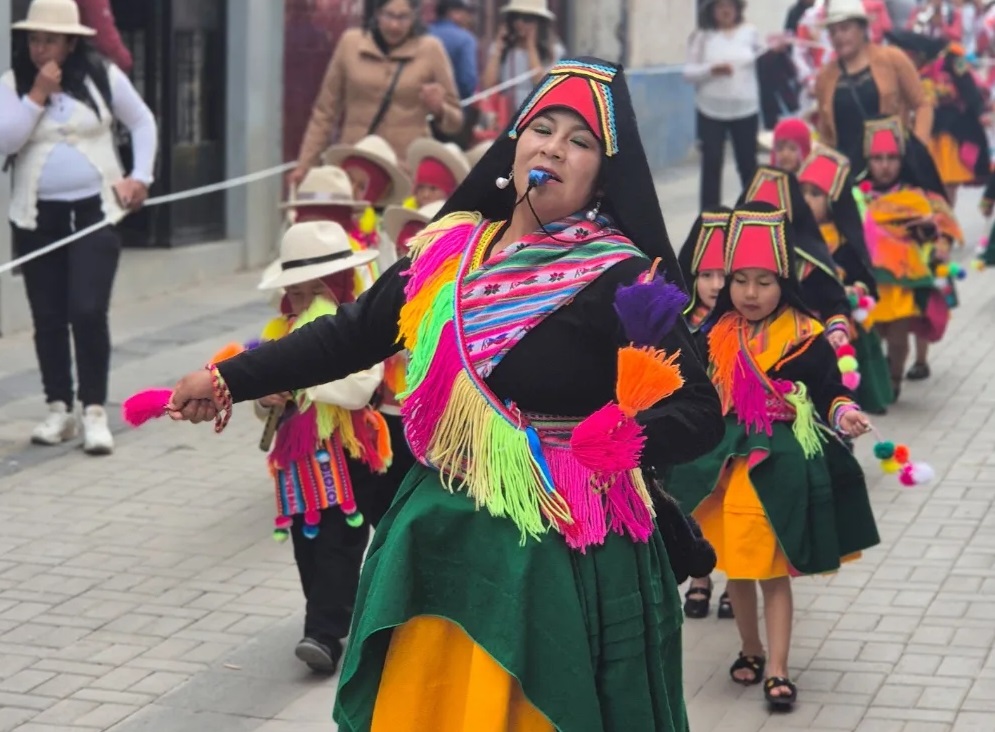
Puno Week
Puno, Peru
Puno Week in Puno, Peru, is a lively celebration honoring both the city’s Spanish founding and the legendary origins of the Inca Empire. The…
 Staff pick
6–8 November
Formula 1 Brazilian Grand Prix
Sao Paulo, Brazil
The F1® Brazilian Grand Prix at São Paulo’s Autódromo José Carlos Pace, often called Interlagos, is a thrilling race known for its dramatic overtakes…
From the blog
South America guides
Written by our travel writers and the travellers who host them.
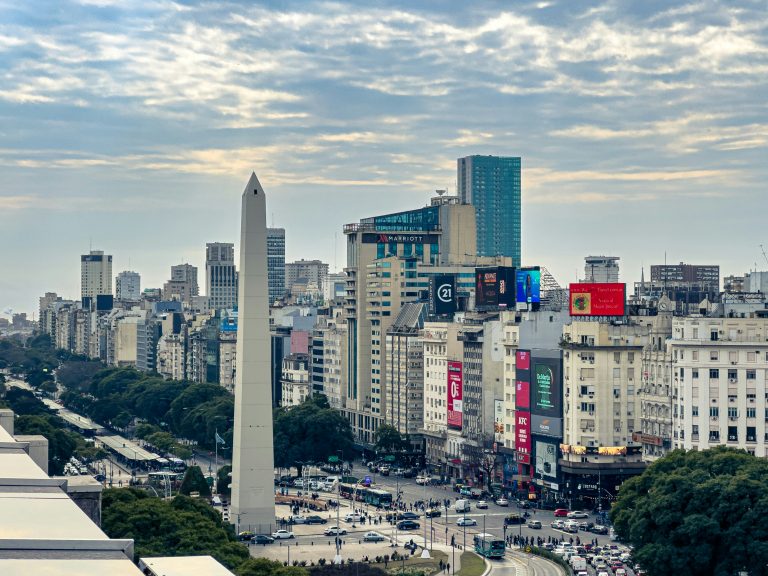
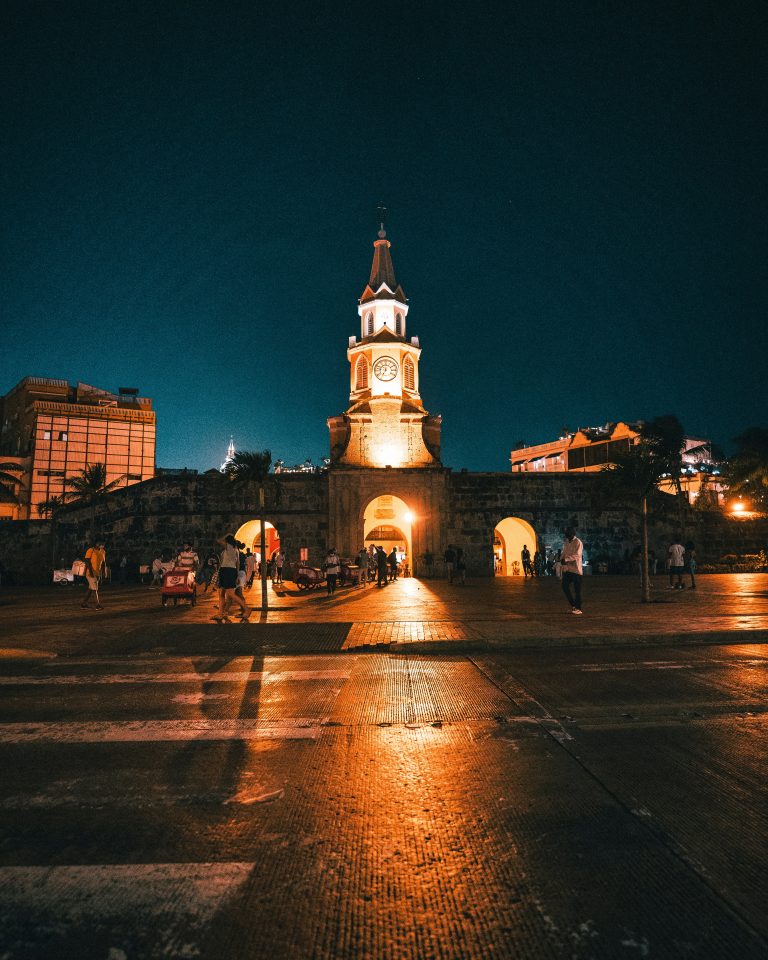
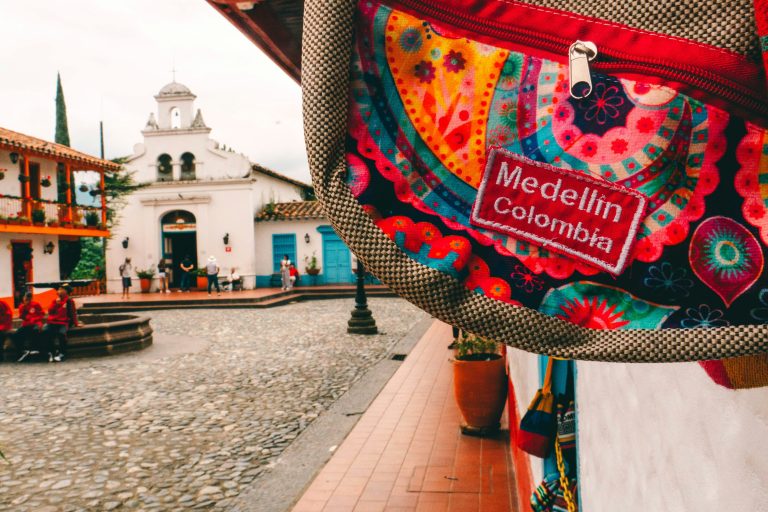
Things to do, city by city
Short itineraries you can follow as written, in the cities most routes pass through.
Getting around
Night buses, domestic flights and the border crossings worth knowing about.
Eating your way down the Andes
Set lunches, street food and the markets that feed whole cities.
Doing it cheaply
What things cost, where the money goes and how to stretch three months.


Everything we have written about South America
Filter by country, city or the kind of trip you are planning.
South America travel questions
The ones we get asked most.

How much does three months in South America cost?
Around €2,700 to €3,600 on the Andes route including buses, dorms, food and the big-ticket items like Machu Picchu and the salt flats. Add €800 if Patagonia is in the plan, because it costs roughly double everywhere else.
How long do I need for South America?
Two months minimum for the classic Colombia-to-Bolivia route, three if you want Patagonia or Brazil as well. The distances are the reason: a single bus leg can take twenty hours, and rushing it means seeing bus stations rather than countries.
Is South America safe for backpackers?
The gringo trail is travelled by thousands of people every day and most trips pass without incident. Petty theft is the real risk rather than anything worse — phones on tables, bags on floors, and walking alone at night in the big cities. Take registered taxis or apps, keep valuables out of sight, and take local advice about neighbourhoods seriously.
How do I handle the altitude?
Climb gradually rather than flying straight to La Paz or Cusco from sea level, take the first day slowly, drink more water than feels necessary, and skip alcohol for 48 hours. Coca tea helps mildly. If headaches get severe or breathing becomes difficult, descend — altitude sickness is not something to push through.
When should I go to Patagonia?
December to February is the only reliable window, and even then the wind is a factor. October, November and March work if you accept colder days and some closures. Outside that, most trails and many towns simply shut.
Do I need to book Machu Picchu in advance?
Yes. Entry tickets are capped daily and sell out in high season, and the Inca Trail needs permits booked months ahead — it also closes for maintenance every February. The alternative treks, Salkantay and Lares, are cheaper and need less notice.
What is the gringo trail?
The well-worn overland route down the Andes through Colombia, Ecuador, Peru and Bolivia. Hostels, buses and tour operators along it are used to backpackers, which makes it easy to travel alone without ever being alone.
Also trending this week




Say yes to hostels, meet the world
Compare hostels across South America — live prices, real reviews and free cancellation on most bookings. Then meet the people already there in the app.


 Get the App.