

Losing your passport while travelling is one of those situations that sounds catastrophic in advance and turns out to be manageable in practice. It’s stressful, it takes time, and it usually costs money. But it’s not the end of the trip, and it’s not the end of the world. Thousands of travellers lose their passports every year and find their way home. The process is well-established, the embassies know how to handle it, and the steps are clearer than the panic of the moment tends to suggest.
This guide walks through exactly what to do, in order, if you lose your passport abroad. It covers the immediate steps, how to get an emergency travel document, what to tell police and embassies, how to handle visa complications, and what to put in place before your next trip so that if this happens again, it’s even more straightforward to resolve.
The most important thing to know before anything else: do not cancel travel plans or book a flight home until you have spoken to your embassy. Emergency travel documents can be issued faster than most people expect, and the situation is almost always resolvable without abandoning the trip entirely.

🔍 Step One: Search Thoroughly Before Assuming It’s Gone
Before going into crisis mode, take ten minutes to search properly. Passports turn up in places people have forgotten they put them.
Search in this order:
- Every pocket of every item of clothing you’ve worn in the last 48 hours
- Every compartment of your bag, including the ones you never use
- The bottom of your daypack under everything else
- The hostel safe or locked storage if you used one
- Between the mattress and the wall
- At the hostel reception desk (someone may have handed it in)
- At the last restaurant, bar, or attraction you visited
- With the taxi or transport service you used most recently
If you used a locker at a bus station, train station, or luggage storage facility, go back and check. If you were at a border crossing recently, contact the border post. If a hotel or hostel held your passport for check-in (common in some countries), confirm it was returned.
Call the last place you remember having it. Reception desks, restaurant hosts, and transport companies hold found documents regularly. A quick call before filing a police report saves significant time if the passport is simply somewhere you left it.
🚔 Step Two: File a Police Report
Once you’re confident the passport is genuinely lost or stolen, file a police report as soon as possible. This is a required step for most embassies before they’ll issue an emergency travel document, and it starts the official clock on your situation.
What to bring to the police station:
- Any form of ID you have (driving licence, student card, a photocopy of the passport data page)
- Your address in the country (the hostel address is fine)
- The approximate time and location where the passport was lost or stolen
- Your nationality and passport number if you have it written down
Ask for a copy of the report with an official stamp. You will need this for the embassy. In some countries, police will only issue a reference number rather than a physical copy. Get the number and write it down immediately.
Language barrier: many police stations in tourist areas have some English-speaking staff. If not, your hostel can often help with translation, or Google Translate can bridge most of the communication.
🏛️ Step Three: Contact Your Embassy or Consulate
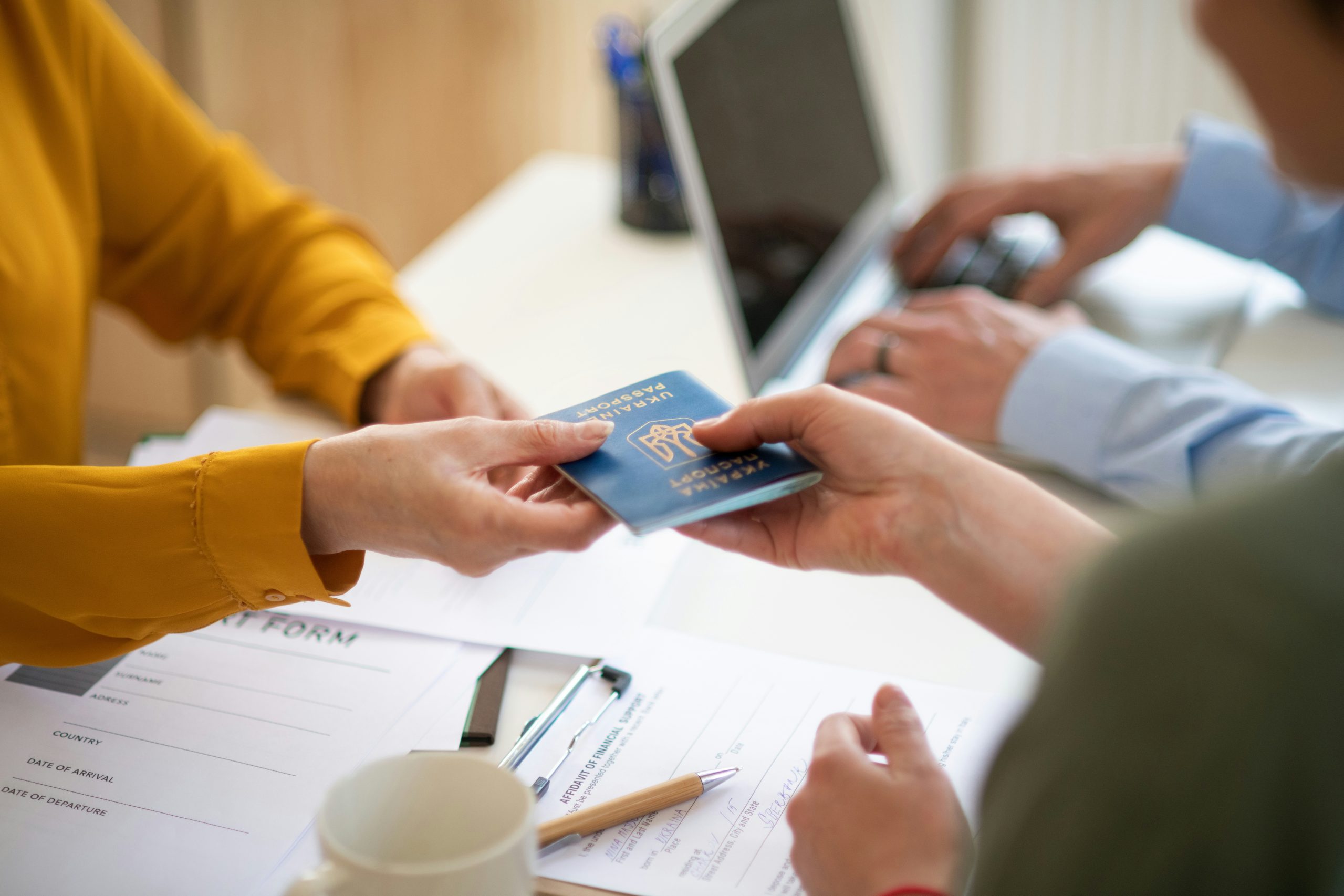
This is the most important step and the one to prioritise above everything else. Your country’s embassy or consulate is the only entity that can issue you a new passport or emergency travel document abroad.
Find your embassy:
- Your government’s official foreign affairs or travel website will have a directory of embassies and consulates by country
- Google “[your country] embassy in [current country]” for the direct contact page
- Save the emergency consular assistance number in your phone before every trip
When you contact the embassy:
- Explain clearly that your passport is lost or stolen
- Ask what documents you need to bring and what the current processing time is for an emergency travel document
- Ask whether an appointment is needed or whether you can walk in
- Confirm the cost, as there will be a fee
Most embassies can issue an emergency travel document within 24-72 hours for straightforward cases, though this varies by country, by location, and by how busy the embassy is. Do not book flights until you have confirmed the document timeline.
📄 What Is an Emergency Travel Document?
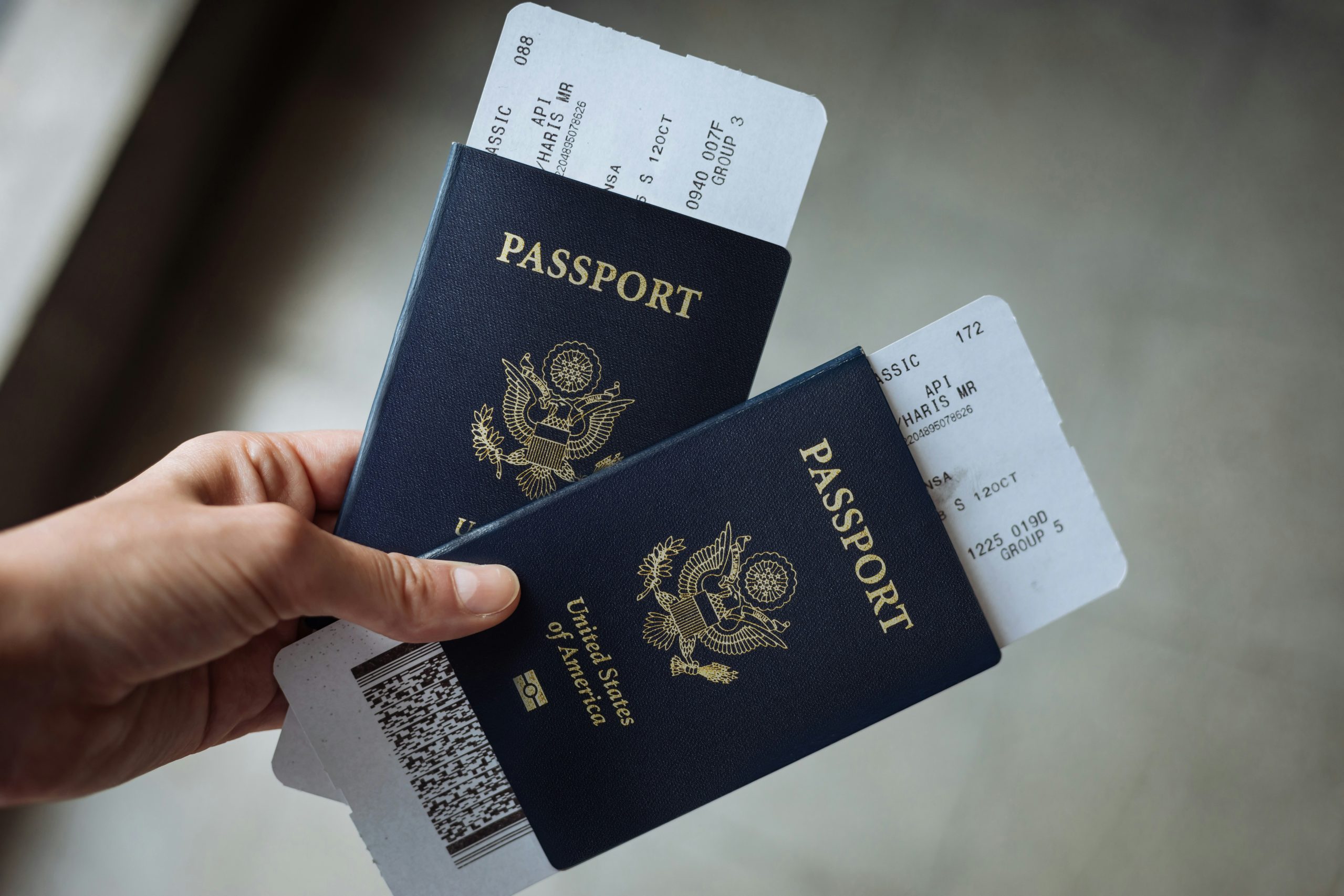
An emergency travel document (ETD) is a temporary passport issued by your embassy or consulate that allows you to travel home, and sometimes onward. It’s not a full replacement passport, but it serves its purpose.
Key things to know:
- Most ETDs are valid for a single journey home or for a limited number of trips
- Some countries issue them valid for only one entry and exit
- An ETD may not allow you to enter third countries along your route home, so check before booking
- You will still need to apply for a full replacement passport once you’re home
The documents typically required for an ETD application:
- Police report (or reference number)
- Proof of citizenship (a photo of your passport data page is ideal, a birth certificate, or a driving licence)
- Passport photos (most cities have photo booths or quick-print shops near embassies)
- Completed application form (the embassy will provide this)
- The applicable fee (varies by country, typically €50-200)
A photo of your passport data page stored in your email or cloud storage is the single most useful thing you can have when this happens. It confirms your identity, your passport number, and your citizenship in one document. If you haven’t done this, do it before your next trip.
🛂 Visa Complications: What to Do
Losing a passport that contains a valid visa creates an additional layer of complexity. The visa was issued to that passport, and technically it no longer exists.
The practical steps for visa complications:
- Contact the embassy or consulate of the country that issued the visa, not just your own embassy
- Explain the situation and ask whether the visa can be re-issued, transferred, or whether proof of the original visa is sufficient to continue travelling
- In many cases, proof that the visa existed (a photo, an email confirmation from when you applied) combined with a police report is enough for border officials to allow continued travel
- Some countries require you to apply for a new visa. Others have emergency visa provisions for exactly this situation.
If you are currently inside a country on a visa and the visa is lost with the passport, you are not automatically in violation. Contact immigration authorities in the host country directly. They deal with this regularly and have procedures for it.
💳 Managing Money and Practical Logistics
While the embassy process unfolds, daily life needs to continue. A few practical things that help.
Money access:
- Contact your bank to confirm your cards still work and to alert them to the situation
- If your cards were also stolen, most banks can issue emergency cash transfers through Western Union or MoneyGram. Your bank’s emergency line handles this.
- Western Union and MoneyGram allow family or friends at home to send money to a local collection point, usually within minutes
Accommodation:
- Your hostel will continue to accept your booking even without a passport as primary ID, particularly if you can show the police report. Explain the situation to reception.
- Some hostels require a form of ID for check-in. A driving licence, a consular letter confirming your identity, or the police report reference number usually works as a substitute.
Phone and SIM:
- If your phone was also lost or stolen, contact your provider to suspend the SIM and arrange a replacement
- Borrow a phone from your hostel or a fellow traveller to make the essential calls before you can replace your own
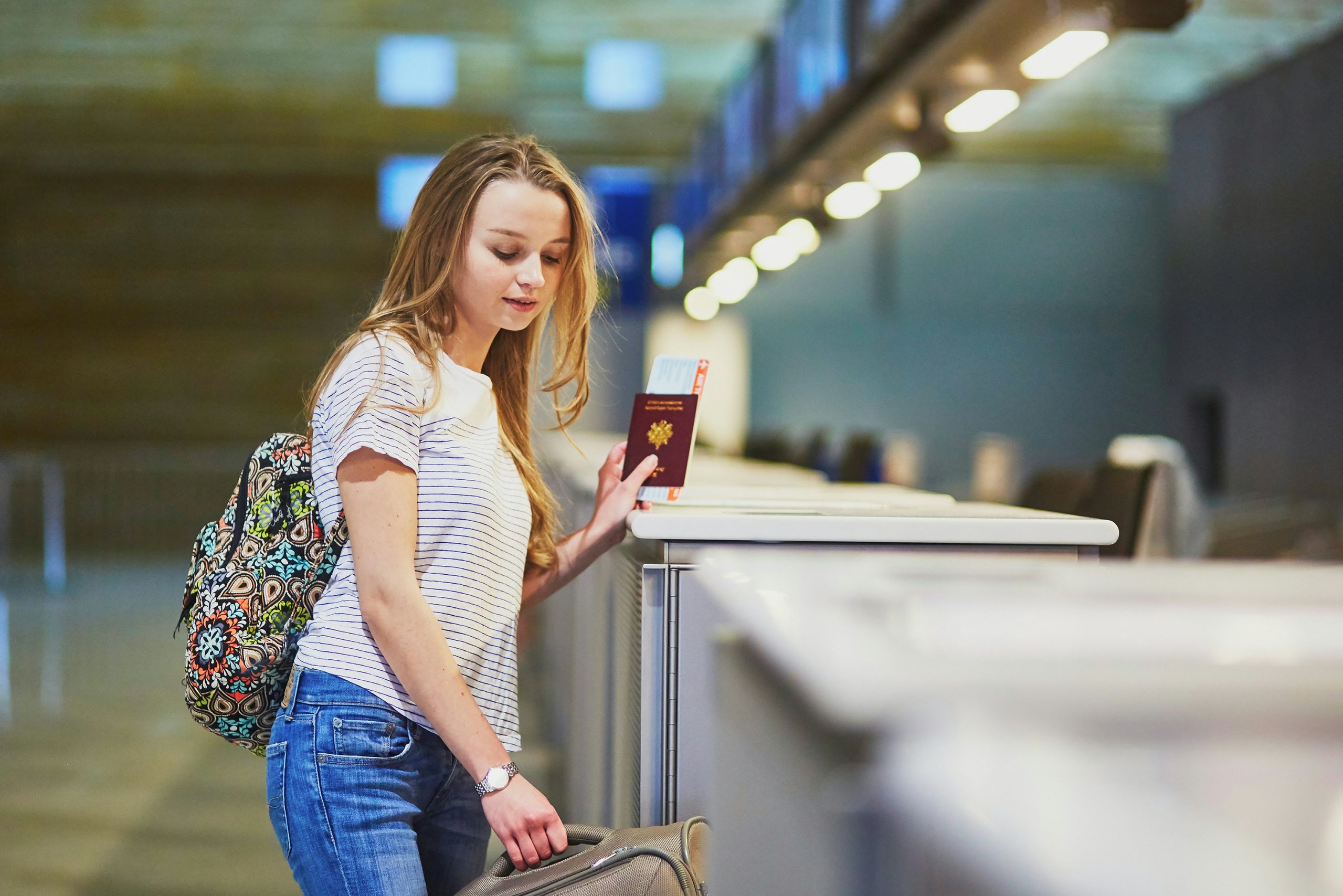
✈️ Getting Home: Booking Flights With an Emergency Document
Once you have your ETD, booking your return journey is mostly straightforward. A few things to check before confirming flights.
Before booking:
- Confirm your airline accepts ETDs. Most major carriers do, but check their specific policy.
- Check whether any transit countries you’re passing through require a visa for ETD holders, some do and some don’t.
- If your original flight was booked and you missed it due to the passport situation, contact the airline. Many have policies for documented emergencies that allow rebooking without fees.
Travel insurance usually covers additional accommodation costs, rebooking fees, and other expenses incurred due to a lost or stolen passport. File the claim as soon as you have the police report, even before the situation is fully resolved. Document every cost.
Keep all receipts. Embassy fees, additional accommodation nights, rebooking costs, emergency cash transfer fees. Everything you spend as a result of the lost passport is potentially claimable. An undocumented expense is an unclaimable one.
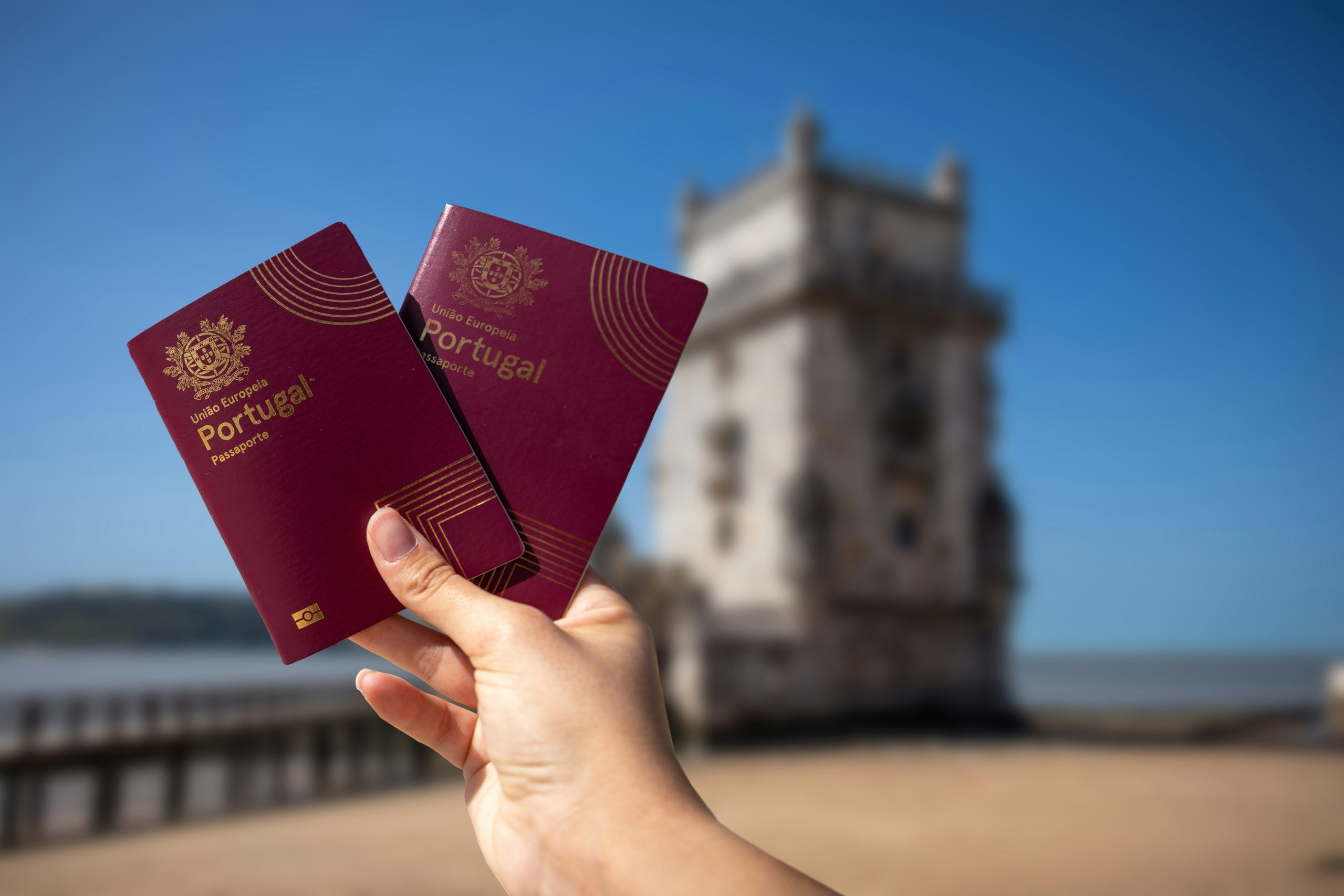
🌍 Country-Specific Notes
The process above covers the universal steps. A few country-specific realities worth knowing.
In countries with limited embassy presence:
Not every country has an embassy from every nation. If your country doesn’t have an embassy in the country you’re in, check whether there’s a consulate, or whether another country’s embassy provides consular services on your behalf. Commonwealth countries often assist each other. EU member states have a mutual protection obligation for EU citizens.
In countries with complex bureaucracy:
Some countries have slower or more document-intensive processes. India, China, Vietnam, and parts of Africa have additional steps or longer timelines. Build more buffer time into your plans if you’re in one of these countries, and consider contacting your embassy by phone before visiting in person to understand the current requirements.
If you’re crossing a border imminently:
Tell your embassy upfront if you have a border crossing or flight in the next 48-72 hours. Many embassies can fast-track emergency documents for travellers with imminent departures. This is a common request and they’re equipped for it.
🛡️ Before You Travel: Prevention and Preparation
The best time to prepare for a lost passport is before the trip, not after it happens.
Do this before every trip:
- Photograph the data page of your passport and store it in your email, Google Drive, or iCloud so it’s accessible from any device anywhere
- Carry a photocopy of the data page separately from the passport itself
- Note your passport number in your phone’s notes app
- Save your country’s embassy emergency line in your contacts
- Save your travel insurance emergency line in your contacts
Where to keep your passport while travelling:
- In a hostel locker or safe when not needed for the day
- In a money belt worn under your clothing for high-risk situations
- Not in the top or easily accessible pocket of your bag in crowded areas
Many experienced travellers carry their passport only when they need it (border crossings, check-in, buying a SIM) and leave it locked in secure storage the rest of the time. In most day-to-day situations, a photo of the data page on your phone is sufficient ID.
✅ Final Thoughts: It’s Stressful, Not Catastrophic
Losing your passport is one of the worst feelings in travel, and it’s okay to let yourself feel that for a moment. Then take a breath and start the process.
Search. Report. Embassy. Document. Home.
Those five steps, done in order, resolve the situation in the vast majority of cases. The embassy has done this before. The police have a form for it. The airlines have procedures for ETD holders. The hostel will hold your room.
The preparation you do before a trip, a photo of your data page, an embassy number saved, travel insurance in place, is what makes the difference between a stressful two-day delay and a genuinely difficult experience. Do it before you need it.
And when you’re home with a new passport in hand, you’ll have the kind of travel story that people actually want to hear.
Download the Hostelworld app to start booking now


❓ FAQs: Losing Your Passport While Travelling
How long does it take to get an emergency travel document?
Most embassies issue emergency travel documents within 24-72 hours for straightforward cases. Some can process same-day for travellers with imminent departures. Contact your embassy by phone first to understand current timelines.
Can I still travel with an emergency travel document?
Yes, to most destinations. An ETD allows you to travel home and sometimes onward. Check that any transit countries accept ETD holders, and confirm your airline's policy before booking. Most major carriers accept them.
What documents do I need for an emergency travel document?
A police report, proof of identity or citizenship (a photo of your passport data page is ideal), passport photos, a completed application form from the embassy, and the applicable fee. Requirements vary slightly by country.
Will travel insurance cover the costs of a lost passport?
Usually yes. Most travel insurance policies cover costs incurred due to a lost or stolen passport, including embassy fees, additional accommodation, and rebooking costs. File the claim as soon as you have the police report and keep all receipts.
What if my visa was in the lost passport?
Contact the embassy of the country that issued the visa. A photo of the visa combined with a police report is often sufficient for border officials. Some countries require a new visa application, others have emergency provisions. Do not try to cross a border without addressing this first.
How can I prevent losing my passport while travelling?
Store it in a hostel locker or safe when not in use. Carry it only when needed. Never keep it in an easily accessible outer pocket. Photograph the data page before every trip and store the photo in your email or cloud storage. Note your passport number in your phone.
What if my country doesn't have an embassy in the country I'm in?
Check for a consulate, or contact a friendly nation's embassy. EU member states provide mutual consular protection for EU citizens. Commonwealth countries often assist each other. Your government's foreign affairs website will have information on which country's embassy covers the destination.

 Get the App.
Comments