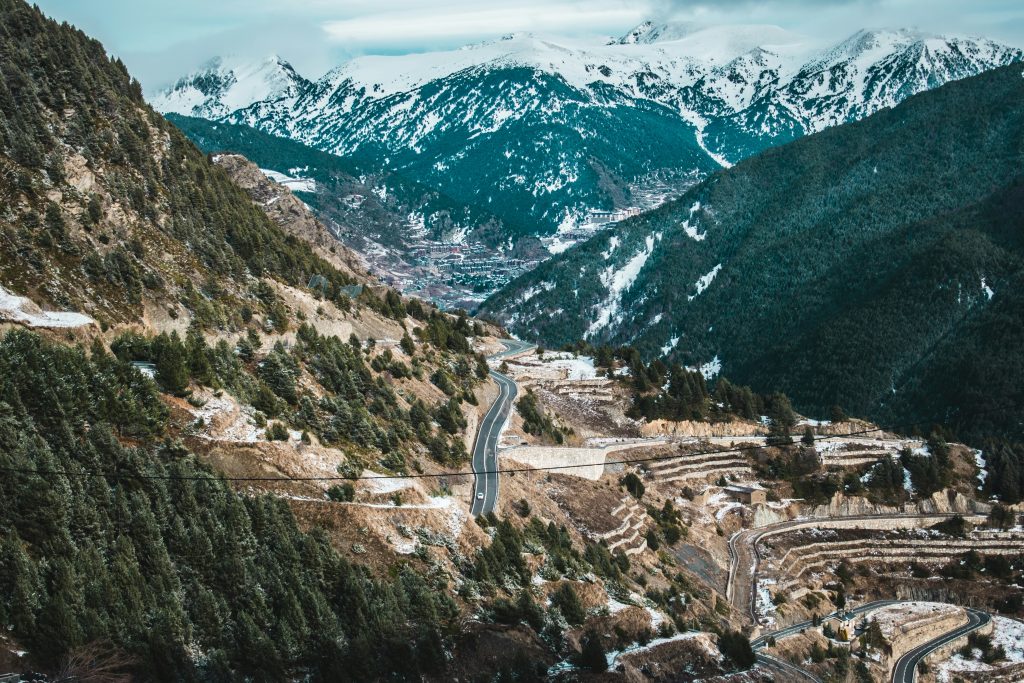
Andorra la Vella
The capital, running into Escaldes-Engordany: duty-free shopping, thermal spa and every bus route.

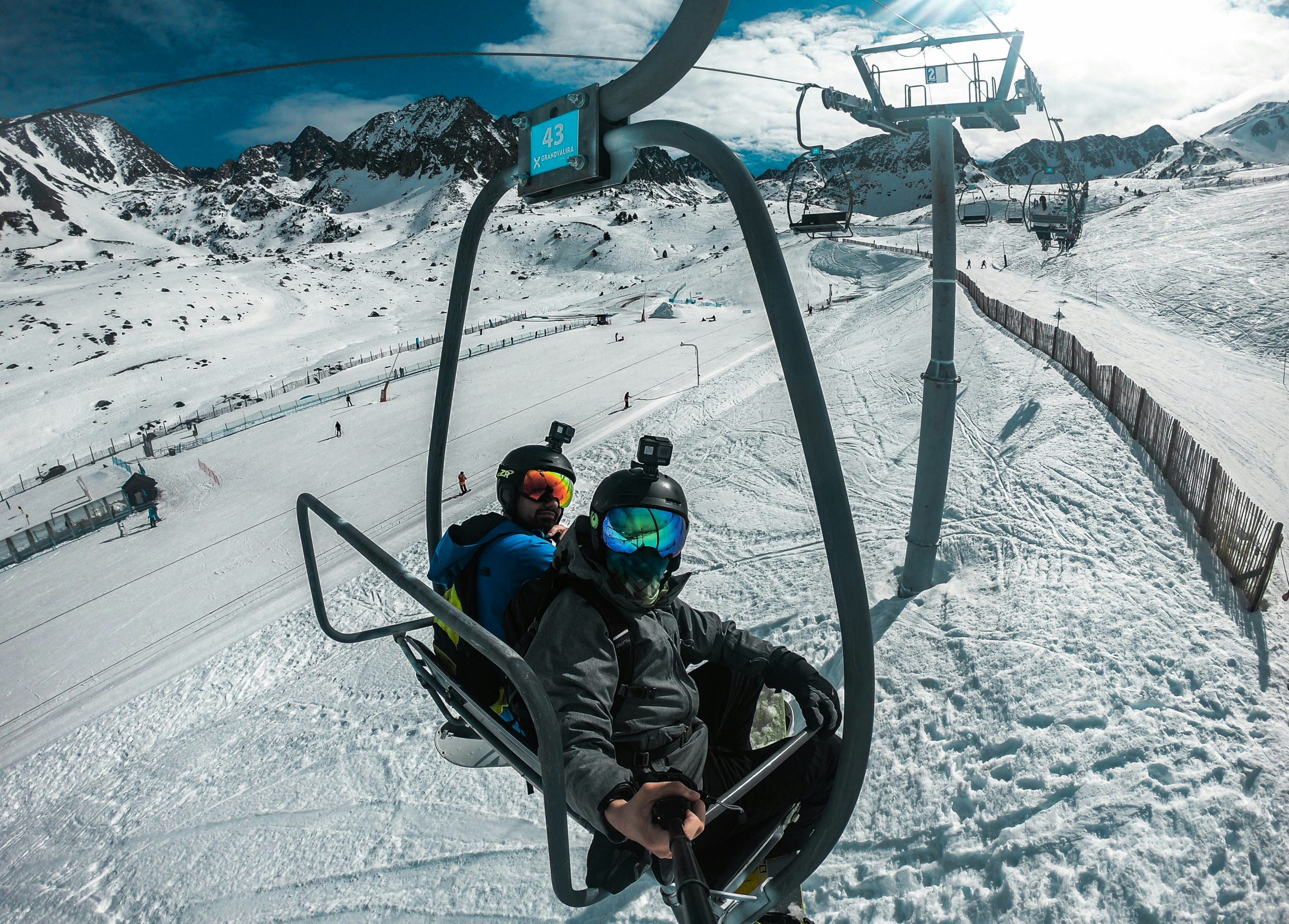
The largest ski area in the Pyrenees, no airport, income tax capped at 10%, and two heads of state who are a French president and a Spanish bishop. Cheaper skiing than the Alps by a distance.
Andorra is 468 square kilometres of mountain wedged between France and Spain, with no airport, no railway and the highest average altitude of any country in Europe. You arrive by bus or car from Barcelona or Toulouse, which takes three hours and is part of the deal.
Skiing is the industry. Grandvalira is the largest ski area in the Pyrenees, and one Andorra pass also covers Pal Arinsal and Ordino-Arcalís — around 300km of pistes in all — at substantially less than the Alps, which is why it fills with British, French and Spanish skiers from December to April.
In summer it changes completely: hiking, mountain biking, and a set of high valleys that are UNESCO-listed and almost empty. The other thing Andorra is known for is shopping — low duties mean Andorra la Vella's main street is a continuous run of electronics and perfume shops, which is either a curiosity or a reason to leave.
One valley, one bus route, and the ski areas at either end of it.
The capital, running into Escaldes-Engordany: duty-free shopping, thermal spa and every bus route.
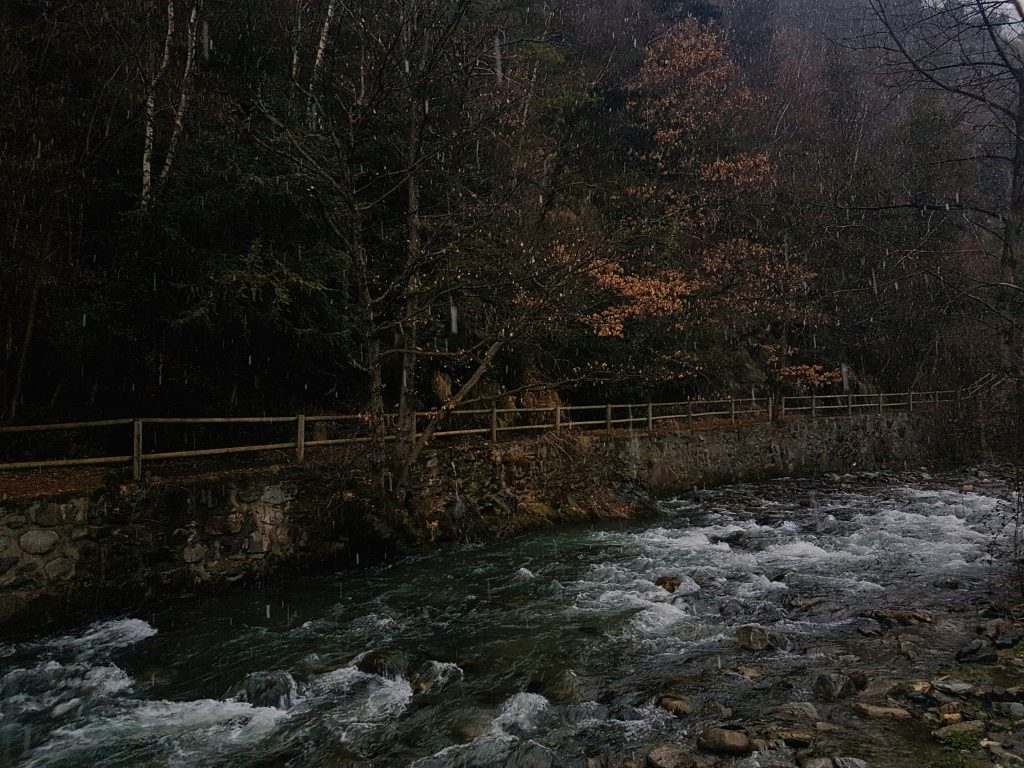
The Vallnord ski base, and the valley for hiking and biking in summer.
La Massana is a good neighbouring town to Arinsal. Nice people . As a tourist, I feel that the Only drawback is the public transport in Andorra is very very expensive
A traveller, on Hostelworld
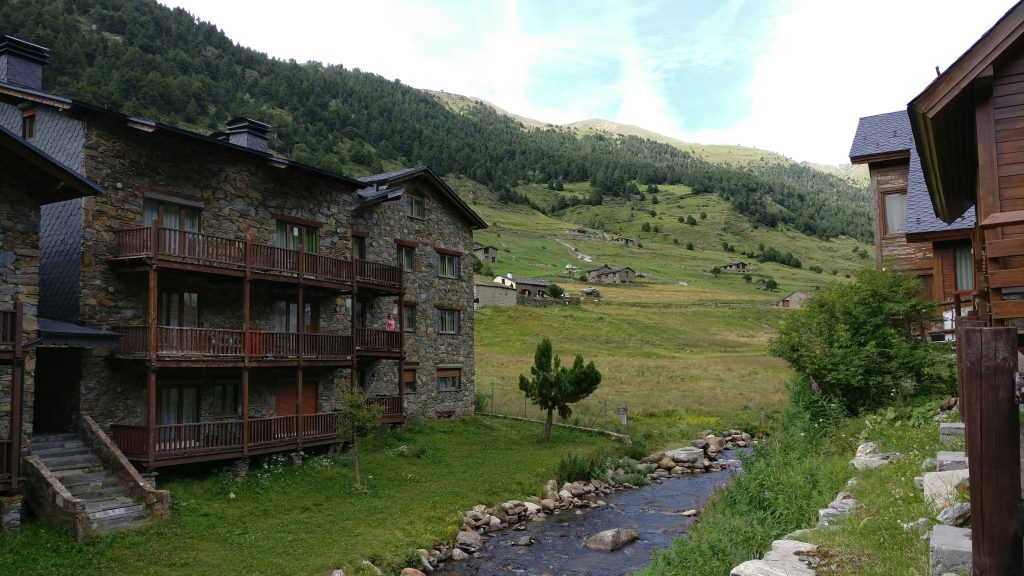
The eastern valley and the Grandvalira lift system, with Soldeu and El Tarter above it.
Andorra is skiing in winter and hiking in summer, and not much else — which is fine.
Pyrenean peaks, a UNESCO valley and a serious bike park.
Cheaper lift passes than the Alps.
Romanesque churches and a very strange constitutional arrangement.
Two days in the capital, mostly for the spa and the shops.
No sea, but thermal water and mountain lakes instead.
Après-ski in season, and quiet the rest of the year.
Skiing is the reason most people come. Grandvalira is the largest area in the Pyrenees with around 215km of pistes, Pal Arinsal adds another 60-odd, and one lift pass covers all three areas, well below the price of the big Alpine resorts, with a season that usually holds from December to early April.
Caldea in Escaldes is the other headline: a large thermal spa complex fed by hot springs, with indoor and outdoor pools and a glass spire visible from most of the valley. A session costs around €40 and is the standard rest-day activity.
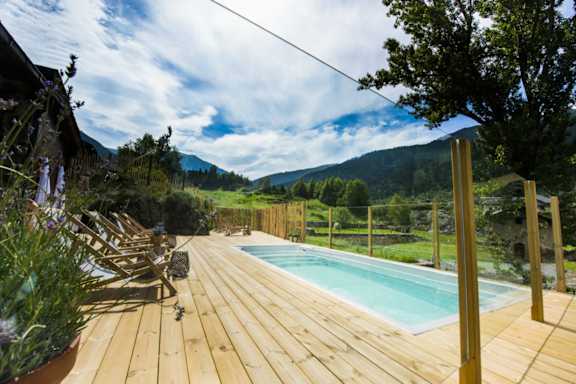
In summer the country empties and the walking is excellent. The Madriu-Perafita-Claror valley is UNESCO-listed, has no road into it, and is the quietest place in the country. The bike park at Vallnord is among the better ones in the Pyrenees.
Andorran food is Catalan mountain cooking: escudella stew, trinxat made from cabbage and potato, grilled meats and charcuterie, and a great deal of it designed for people who have been outside all day.
Prices sit between Spain and France and below the Alps. A menu del dia at lunch runs €14 to €20, and mountain restaurants on the slopes are noticeably cheaper than their Alpine equivalents.
Because of the low duties, wine and spirits are cheap here, which is the other reason the supermarkets are full of French and Spanish day trippers.
In ski season, après-ski runs from four in the afternoon at the base stations — El Tarter and Soldeu have the liveliest — and continues into the evening in the villages. It is cheaper than the Alps and busier than you would expect for a country this size.
Andorra la Vella has bars and a couple of clubs, and a crowd that skews towards seasonal workers in winter.
Outside ski season it is quiet. In summer the evenings are for a drink on a terrace after a day of walking, and the country essentially closes down in May and November between seasons.
There is no airport and no railway. You arrive by bus from Barcelona — about three hours, and the most common route — from Barcelona or Girona airports directly, or from Toulouse on the French side. Book the Barcelona buses ahead in ski season.
Inside the country, a cheap national bus network links every parish along the main valleys, running frequently enough to reach the ski stations without a car. Ski resorts also run their own shuttles from the villages.
A car is useful in summer for the trailheads, and note that winter tyres or chains are required in snow conditions, and the border passes into France can close in bad weather.
Andorra is cheaper than the Alps for the same kind of holiday. Lift passes cost less than the big Austrian resorts and much less than Switzerland, and on-slope food costs noticeably less.
Beds are the thin part: hostel supply is very limited, with a handful of properties across La Massana, Escaldes and the ski villages, so book early in season. Dorms start around €25.
Low duties make alcohol, tobacco, electronics and perfume cheap, which is the basis of the shopping trade — though allowances apply when you cross back into France or Spain, and they are enforced.
Andorra has very low crime and is among the safest places in Europe to travel. Everything that goes wrong here is mountain-related.
In winter that means avalanche risk off-piste, which is published daily, and roads that need chains or winter tyres. The passes into France close in heavy snow with little warning, so check before relying on them.
In summer, the Pyrenees produce fast weather changes, and the high routes reach 2,900 metres. Mountain rescue is efficient and is billed, so check your insurance covers it and covers skiing specifically if you are here in season.
Andorra is not in the EU and not in the Schengen area, though it uses the euro and has no functioning border controls with France or Spain beyond customs checks.
In practice you can only reach Andorra through France or Spain, both Schengen countries, so you need to satisfy Schengen requirements to get there. Because Andorra is not in Schengen, leaving and re-entering does not reset the 90-day clock — the crossing is not stamped, so the days you spend there are generally treated as part of your Schengen stay.
Customs checks on the way out are real. Duty allowances on alcohol, tobacco and electronics are enforced by French and Spanish officers, and queues at the border can be long on Sundays in ski season.
Two seasons and two gaps. Ski season runs December to early April, hiking June to September, and May and November are when much of the country closes.
Average highs for Andorra la Vella at 1,000m. The ski areas sit between 1,700 and 2,600m and are considerably colder, with the season usually running December to early April.
Pick how you travel and how long for. Per night, for one person, excluding lift passes.
A lift pass is the main extra, and hire adds €20–30 a day. Caldea spa is about €40. Summer hiking costs nothing.
A small calendar built around the ski season and a set of village festivals in summer.
Soldeu hosts World Cup races in some seasons, including the finals in 2019 and 2023, and the country fills when it does.
Parades and costume in the middle of ski season.
Books and roses, as across Catalonia.
Each village holds its own summer festival with music and dancing.
A mountain ultramarathon across the high country.
Depends on snow, and the whole economy waits for it.
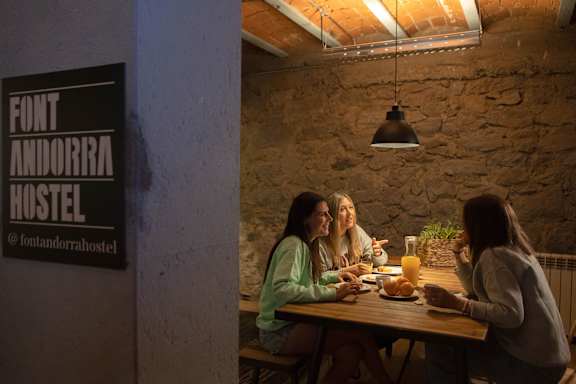
The hostels here, live from Hostelworld. There are only a few, concentrated in La Massana and the ski villages, so book well ahead in season.
The ones we get asked most.

Compare hostels across Andorra — live prices, real reviews and free cancellation on most bookings. Then meet the people already there in the app.

 Get the App.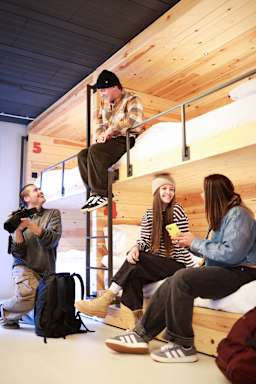
 Get the App.