Jordan
Jordan country guide

Things To Do In Jordan

A rose-red city carved into a canyon, a desert of sandstone towers, and a sea you cannot sink in. Small, safe and far more varied than the one famous site suggests.

€12
Dorm bed, from
-430m
The Dead Sea, the lowest land on earth
€3
A falafel and hummus breakfast
4h
Top to bottom of the country

One famous site, and a country around it

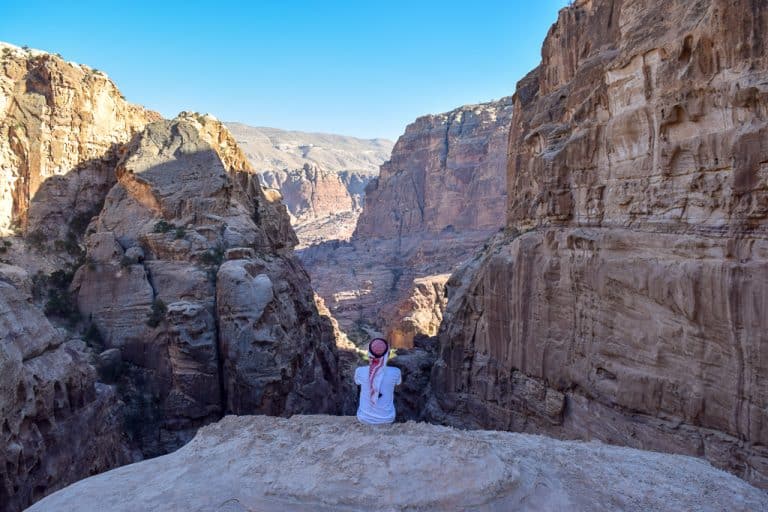
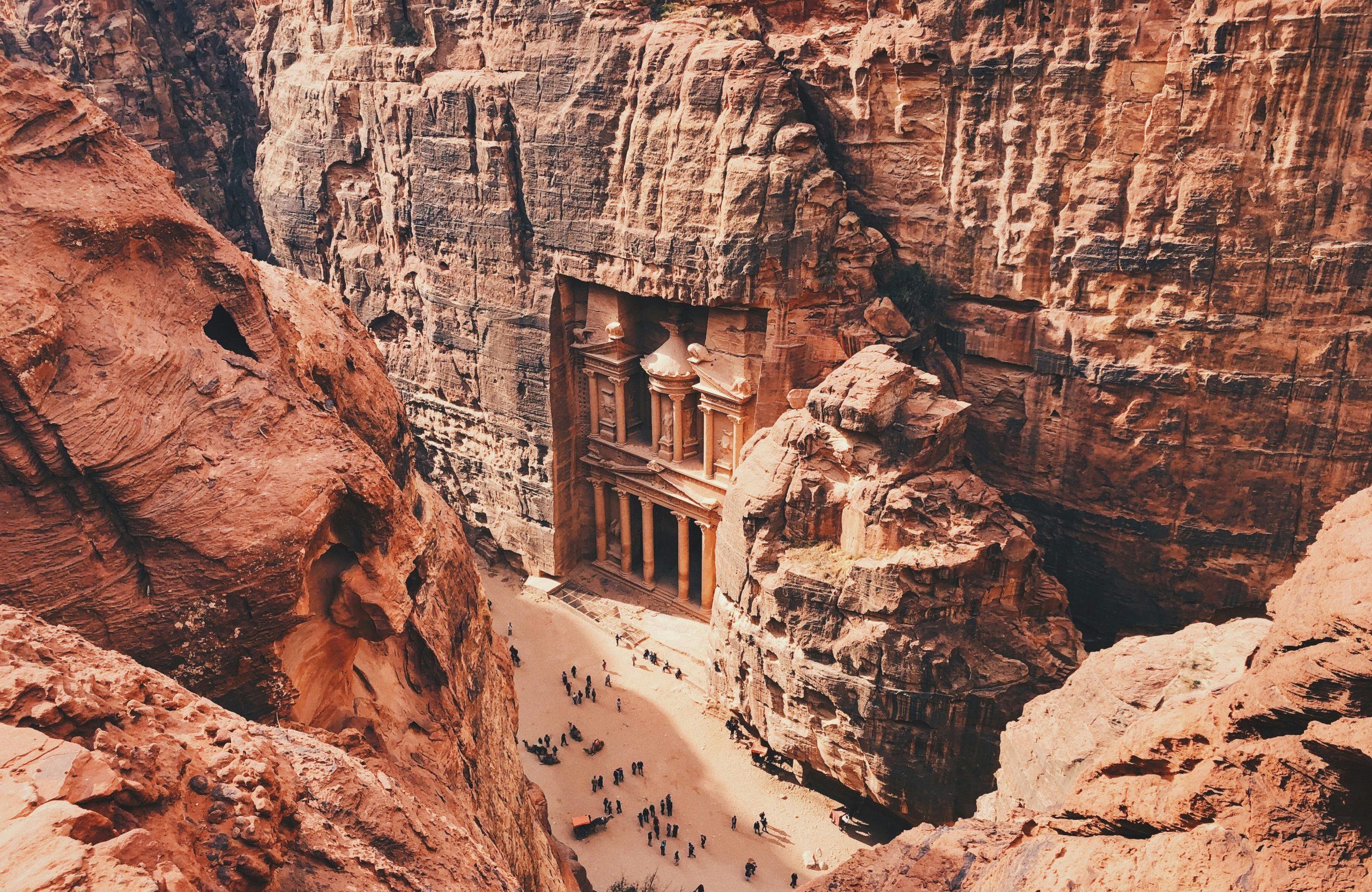
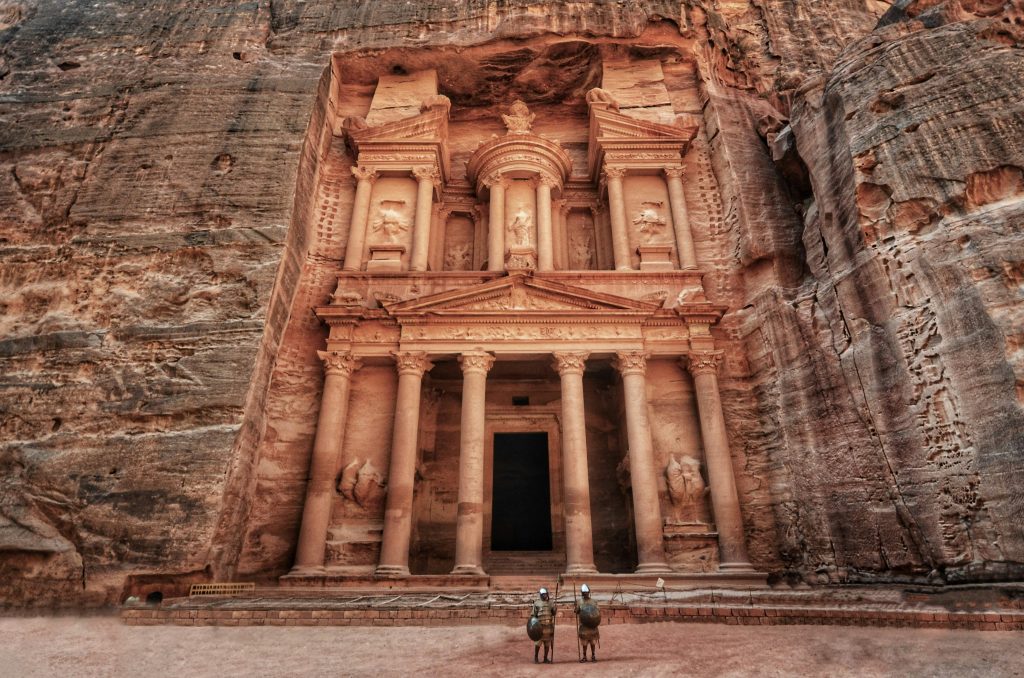
Petra is why most people come and it justifies the trip on its own: a Nabataean city carved into sandstone cliffs, entered through a mile-long crack in the rock, and far larger than the one facade everyone has seen — two full days barely covers it.

Wadi Rum is the other headline, a desert of sandstone towers and red sand where you sleep in a Bedouin camp and the silence at night is total. Between them and the capital, the country packs in Roman ruins at Jerash, the Dead Sea at 430 metres below sea level, Crusader castles and diving in the Red Sea at Aqaba.

The country is small — you can drive its length in four hours — which makes a week enough and ten days comfortable. Amman is a working Middle Eastern capital rather than a sight, and worth a couple of days for the food alone.

Where to go

The country is four hours end to end. JETT buses and shared taxis cover it.

Amman

Amman

20 hostels · dorms from €9

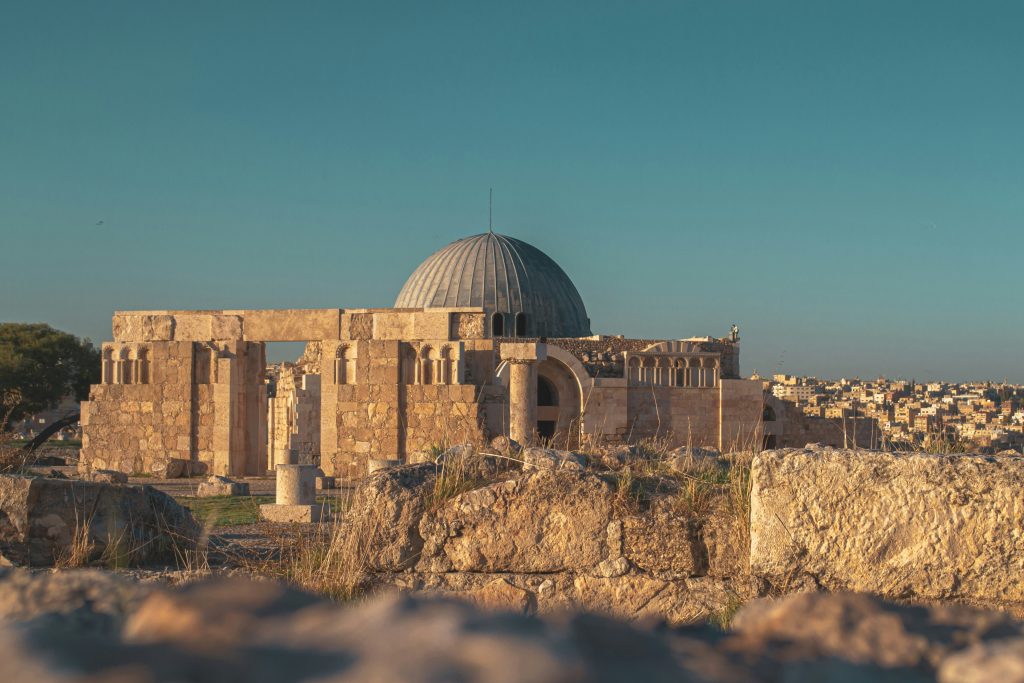
The capital: hills, a Roman theatre, a citadel, and the best food in the country.

I had a great time here. Good food, cheap food, good people, and beautiful sunsets

A traveller, on Hostelworld
The Amman guide
Petra

Petra

10 hostels · dorms from €6

A Nabataean city carved into sandstone, entered through a mile-long siq. Two days minimum.

The Petra guide

What kind of trip is this?

Jordan is history and desert, with a short stretch of Red Sea attached.

Culture in Jordan

Nabataean, Roman, Crusader and Islamic, in one small country.

What to do

  • Walk the siq into Petra at opening
  • The Monastery, 800 steps up
  • Jerash's colonnaded street

Spots to visit

  • Petra
  • Jerash
  • Amman Citadel

Best cities for it

Things to do

Things to do in Jordan

Petra needs two days rather than one. The walk through the siq to the Treasury is the famous arrival, but the site extends for kilometres beyond it — the Monastery is an 800-step climb and, for many people, the better building. Go at opening, both to avoid the heat and because the light in the siq is best early.

Wadi Rum is done from a Bedouin camp: a jeep tour across the desert in the afternoon, dinner cooked in a sand oven, and a night under a sky with no light pollution. One night is enough, two is better.

The Dead Sea floating experience takes about twenty minutes and is worth doing once — bring flip flops, do not shave beforehand, and keep the water away from your eyes. Jerash, Wadi Mujib's canyon and the Dana reserve fill the gaps, and Aqaba has Red Sea diving at a fraction of Egyptian prices.

Food and drink

Eating in Jordan

Jordanian food is Levantine and generous. Mansaf — lamb cooked in fermented dried yoghurt, served over rice and flatbread — is the national dish and is eaten communally, traditionally with the right hand.

The everyday version is better value and just as good: a breakfast of hummus, ful, falafel and fresh bread costs €3 to €5 and will keep you going until evening. Downtown Amman has hummus places that have been arguing about who does it best for decades.

Mezze in the evening — a spread of small plates with bread — runs €10 to €18 a head for a table of them. Kunafa, a cheese and pastry dessert soaked in syrup, is the thing to finish with, and Jordan takes it seriously.

Nightlife

Going out in Jordan

Jordan is a Muslim-majority country and nightlife is modest, concentrated in Amman. Rainbow Street and Jabal Amman have bars, rooftop restaurants and a young crowd, and Aqaba has a few places along the water.

Alcohol is legal and available in licensed restaurants, bars and shops, but taxed heavily — a beer is €5 to €8, which is high relative to €4 meals.

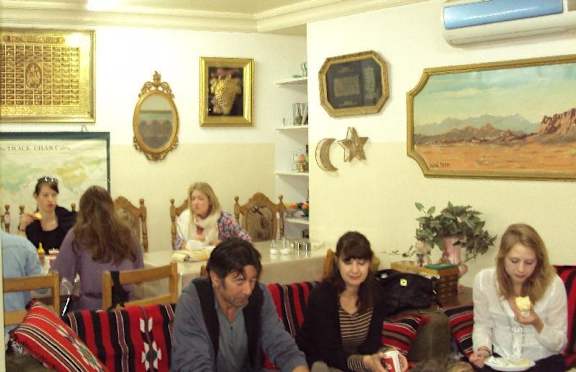
The more common evening is a coffee house, a shisha and a long conversation, which is how the country actually socialises. In Petra and Wadi Rum, the evening is dinner at your camp or hotel, because there is nothing else and that is the point.

Getting around

Getting around Jordan

JETT buses link Amman with Petra, Aqaba and the Dead Sea reliably and cheaply, and should be booked a day or two ahead. Local minibuses cover everything else but run on no fixed schedule, leaving when full.

Hiring a car is the option most travellers take, because the country is small, the roads are good and the sites are spread out. The Desert Highway is fast; the King's Highway is slower, older and far more scenic, passing Kerak castle and Wadi Mujib.

Taxis in Amman are cheap and metered, and Careem works there. For Wadi Rum, your camp arranges the 4x4 transfer from the visitor centre — you cannot drive into the protected area yourself.

Costs

What Jordan costs

Jordan is more expensive than most of its neighbours, largely because the dinar is strong and because the major sites charge accordingly. Dorms start around €12 and street food is cheap, but entry fees are not.

The Jordan Pass is the single most important purchase: bought online before you fly, it covers entry to Petra and around forty other sites and waives the tourist visa fee entirely, provided you stay at least three nights. It saves most visitors a significant amount and is a straightforward decision.

A day comes to €40 to €60 including a share of transport. Wadi Rum camps at €40 to €80 including meals and a jeep tour, and diving at Aqaba, are the other notable costs.

Safety

Staying safe in Jordan

Jordan is a stable, safe country to travel in and has been for decades, with very low crime and a strong culture of hospitality. Solo travellers, including women, generally report positive experiences, with persistent attention from touts and shopkeepers in Petra being the most common complaint.

The region is the question people ask about. Jordan borders Israel, the Palestinian territories, Syria, Iraq and Saudi Arabia, and regional events affect perception more than they affect daily travel here. Government advice restricts areas near the Syrian and Iraqi borders and it changes — check current advice before travelling rather than relying on any article.

The practical risks are heat and terrain: Petra and Wadi Rum in summer pass 40°C with no shade, and canyoning at Wadi Mujib has flash flood risk, which is why it closes in winter.

Entry and documents

Entry and documents

Most nationalities can get a visa on arrival at Amman's airports and most land borders — but the Jordan Pass, bought online before you fly, waives that fee entirely if you stay at least three nights, and it also covers Petra. For almost every visitor it is the right purchase.

Passports need six months' validity.

Land borders with Israel and the Palestinian territories operate on their own rules and fees that differ by crossing, and regional circumstances can close them at short notice. Check the current position before planning a route that depends on one.

When to go

Spring and autumn, comfortably. Summer at Petra and in Wadi Rum passes 40°C with no shade, and winter is cold enough for snow in Amman.

12°
Jan
Cold in Amman, occasional snow. Petra is quiet and chilly
14°
Feb
Still cold, and Wadi Mujib is closed
18°
Mar
Spring. Excellent, and wildflowers in the north
23°
Apr
The best month. Warm, clear and everything open
28°
May
Warm and still comfortable. Wadi Mujib reopens
31°
Jun
Hot. Petra needs an early start
33°
Jul
Very hot at Petra and Wadi Rum. No shade
33°
Aug
Same, and the Dead Sea is punishing at midday
31°
Sep
Cooling. Good from the middle of the month
27°
Oct
The other best month. Warm days, cool nights
20°
Nov
Excellent. Quiet, clear and comfortable
14°
Dec
Cold and quiet. Petra almost to yourself
Bar height is temperature. Colour is how busy it gets: quiet busy peak

Average highs for Amman, which sits at 800m and is colder than people expect — it snows most winters. Petra, Wadi Rum and the Dead Sea are considerably hotter, and desert nights are cold year-round.

What your trip will cost

Pick how you travel and how long for. Per night, for one person, in euro equivalents of dinars.

The Jordan Pass covers Petra and most major sites and waives the visa fee — buy it before flying. A Wadi Rum camp at €40–80 includes dinner and a jeep tour.

—
  • Beds—
  • Food and drink—
  • Getting around—
  • Doing things—
What's on

What is on while you are there

A short calendar, with Ramadan the one that changes how the country runs.

Jordan travel questions

The ones we get asked most.

What is the Jordan Pass and do I need it?
Bought online before you fly, it covers entry to Petra and around forty other sites and waives the tourist visa fee entirely if you stay at least three nights. For almost every visitor it saves a significant amount, and it is the first thing to arrange.
How many days do you need at Petra?
Two. The site extends for kilometres beyond the Treasury, and the Monastery is an 800-step climb that many people find the better building. One day means seeing the famous facade and missing most of the city.
How long do you need in Jordan?
A week covers Amman, Petra, Wadi Rum and the Dead Sea. Ten days lets you add Jerash, Aqaba or a stretch of the Jordan Trail without rushing, and the country is only four hours end to end.
Is Jordan safe?
Yes. It is a stable country with low crime and strong hospitality, and has been a safe destination for decades. Government advice restricts areas near the Syrian and Iraqi borders, and regional circumstances change, so check current advice before travelling.
Is Jordan expensive?
More than its neighbours, because the dinar is strong and site entries are costly. Dorms from €12 and street food at €3 to €5, but a day runs €40 to €60. The Jordan Pass is the main way to control it.
What is Wadi Rum like?
A desert of sandstone towers and red sand where you stay at a Bedouin camp, take a jeep tour in the afternoon and eat dinner cooked in a sand oven. One night minimum, and the silence and the stars are the point.
When is the best time to visit?
April, May, October and November. Summer at Petra and Wadi Rum passes 40°C with no shade, and Amman at 800 metres is cold enough to snow in winter.

Say yes to hostels, meet the world

Compare hostels across Jordan — live prices, real reviews and free cancellation on most bookings. Then meet the people already there in the app.

Get the App. QRGet the App.
Get the App. QR  Get the App.
Scroll to Top