Old town
First-timersAround the cathedral.

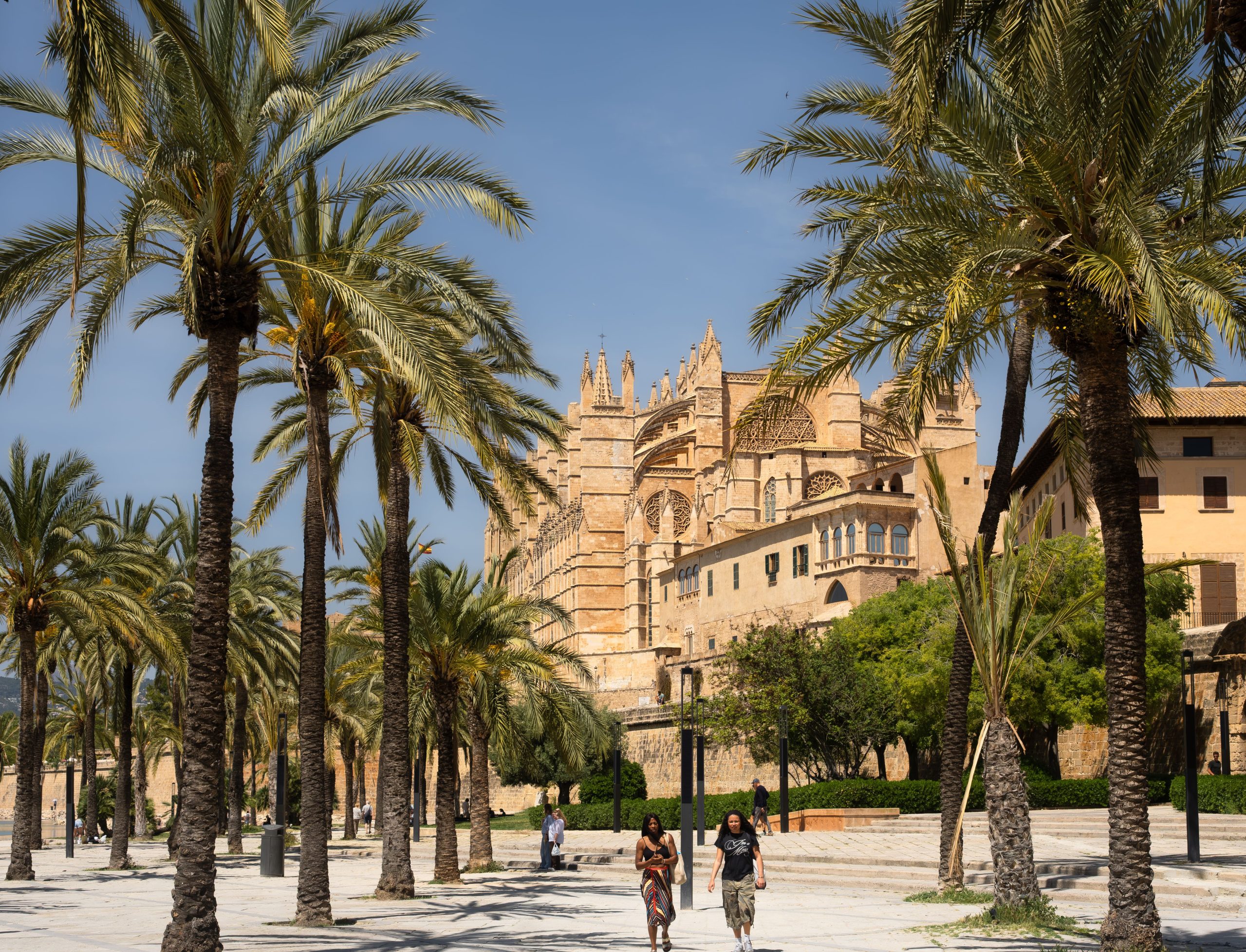
Mallorca's capital: a Gothic cathedral over the water, an old town of palaces and patios, a serious food scene and the Tramuntana mountains inland.
Palma is a real city, not just an airport for the beaches. Its Gothic cathedral, La Seu, rises over the bay, with the Moorish-era Almudaina palace beside it, and the old town behind is a maze of mansions with hidden courtyards.
Beyond the city, the Serra de Tramuntana, a UNESCO World Heritage mountain range, runs along the north-west coast, with stone villages, olive terraces and some of the best walking in the Mediterranean.
Mallorca has become one of the most visited islands in Europe, and residents have protested against overtourism. Two or three days in Palma is right, with the mountains and beaches as day trips.
Stay in the old town or Santa Catalina for food and bars.
Around the cathedral.
The old fishermen's quarter.
Orange labels are neighbourhoods, dots are the 1 top-rated hostels. Map © MapTiler © OpenStreetMap contributors.
La Seu, the cathedral, has a stained-glass rose window and interior work by Gaudí and the artist Miquel Barceló. The Almudaina palace next door is still used by the royal family.
Walk the old town's lanes and patios, and up to Bellver Castle, a unique circular castle on a hill above the city.
Es Baluard, a modern art museum in the old city walls, has a rooftop with a view of the bay. The Santa Catalina market and neighbourhood are the city's food centre.
Take the vintage wooden train from 1912 over the mountains to Sóller, then the tram to the port.
The old town, the seafront and the walls are free. The city beach at Can Pere Antoni is free.
Mallorcan food: ensaïmada, a spiral pastry, sobrassada, a spreadable sausage, and tumbet, a vegetable dish. Pa amb oli, bread with oil and tomato, is the simple classic.
Santa Catalina and the old town have excellent restaurants. A menú del día is €13 to €18.
Palma's nightlife is in Santa Catalina and La Lonja, near the old town, and in the clubs along the Paseo Marítimo.
A drink is €3 to €5.
The old town is walkable. The A1 bus reaches the airport in about twenty minutes.
Buses cover the island, and the Sóller train and tram are the scenic route to the north coast. A car is easiest for the Tramuntana. Ferries run to Barcelona, Valencia, Ibiza and Menorca.
Palma is expensive in summer. Dorms start around €25. A careful day is €50 to €70.
The Balearic sustainable tourism tax is charged per night at your accommodation.
The euro is the currency. Cards work almost everywhere, though small bars still like cash.
Palma is safe, with pickpockets in the old town and on the beaches.
In the Tramuntana, carry water and start early in summer.
Emergency number is 112, with English-speaking operators usually available.
Mountains, villages and coves.
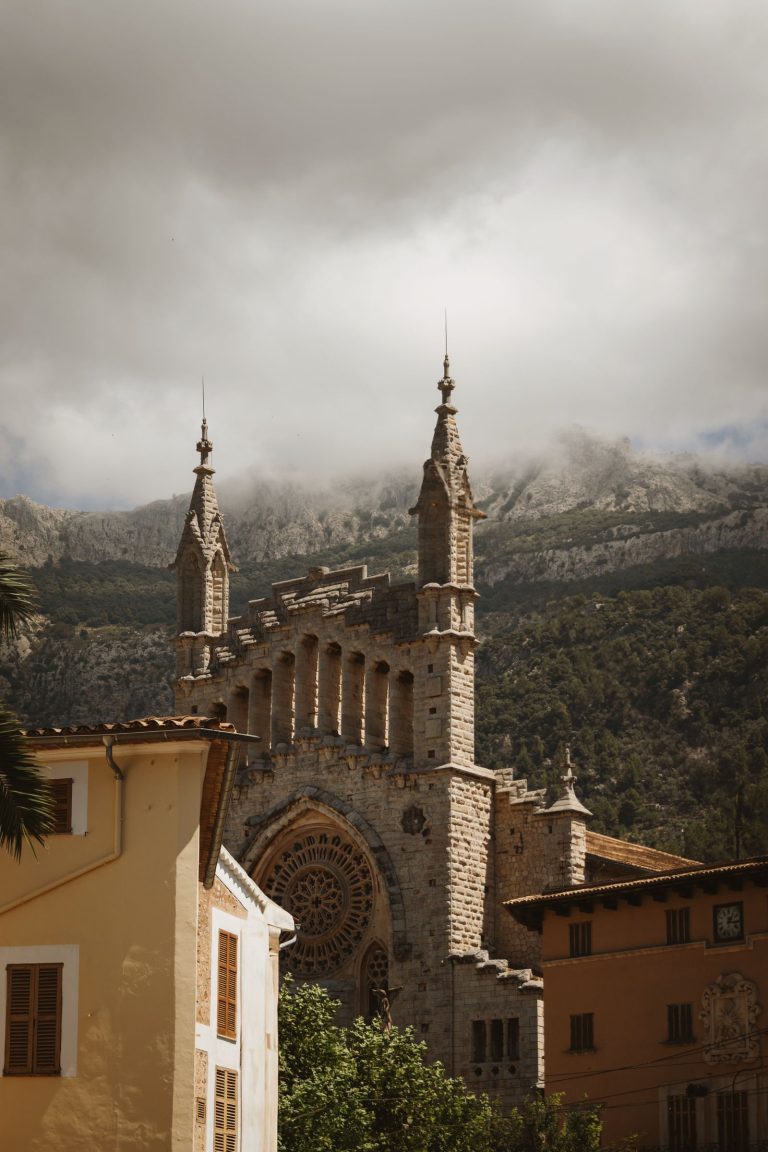
A valley town and port through the mountains.
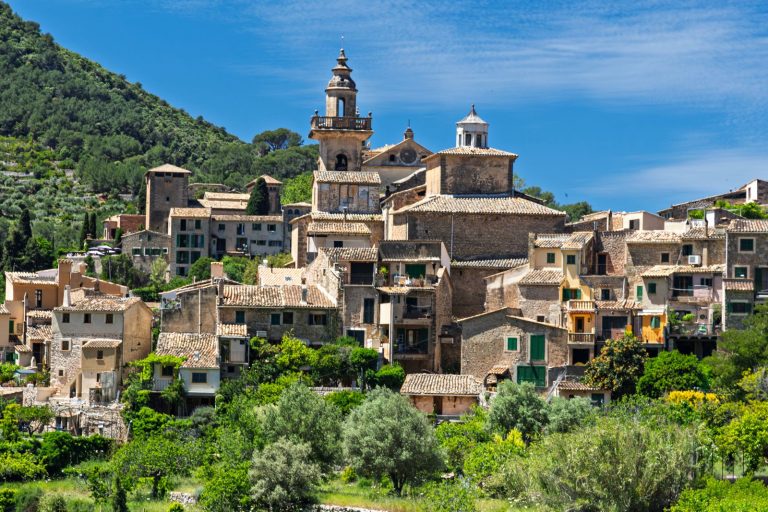
A mountain village where Chopin stayed.
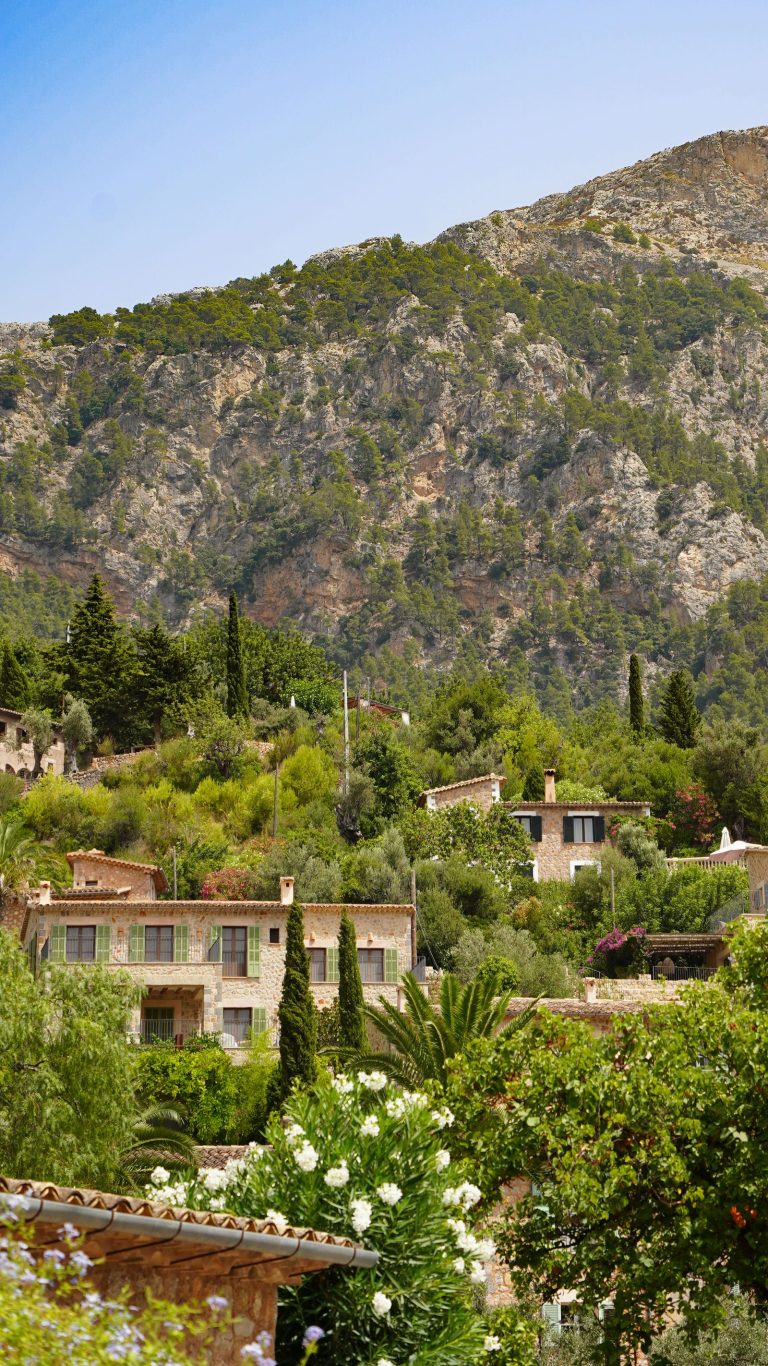
A stone village on the coast.
Sant Joan and Sant Sebastià are the big festivals.
The city's patron saint festival, with bonfires and concerts.
Midsummer on the beaches.
A night when galleries open late.
The top-rated places to stay in Palma right now, live from Hostelworld.
April to June and September to October. July and August are very busy.
Average highs.
Pick how you travel. Per person per night, in euros.
Excludes the tourist tax. Summer prices run higher.
The ones we get asked most.

Compare Palma hostels — live prices, real reviews and free cancellation on most bookings. Then meet the people already there in the app.

 Get the App.
 Get the App.