Centre
First-timersAround Ștefan cel Mare Boulevard and the Cathedral Park.

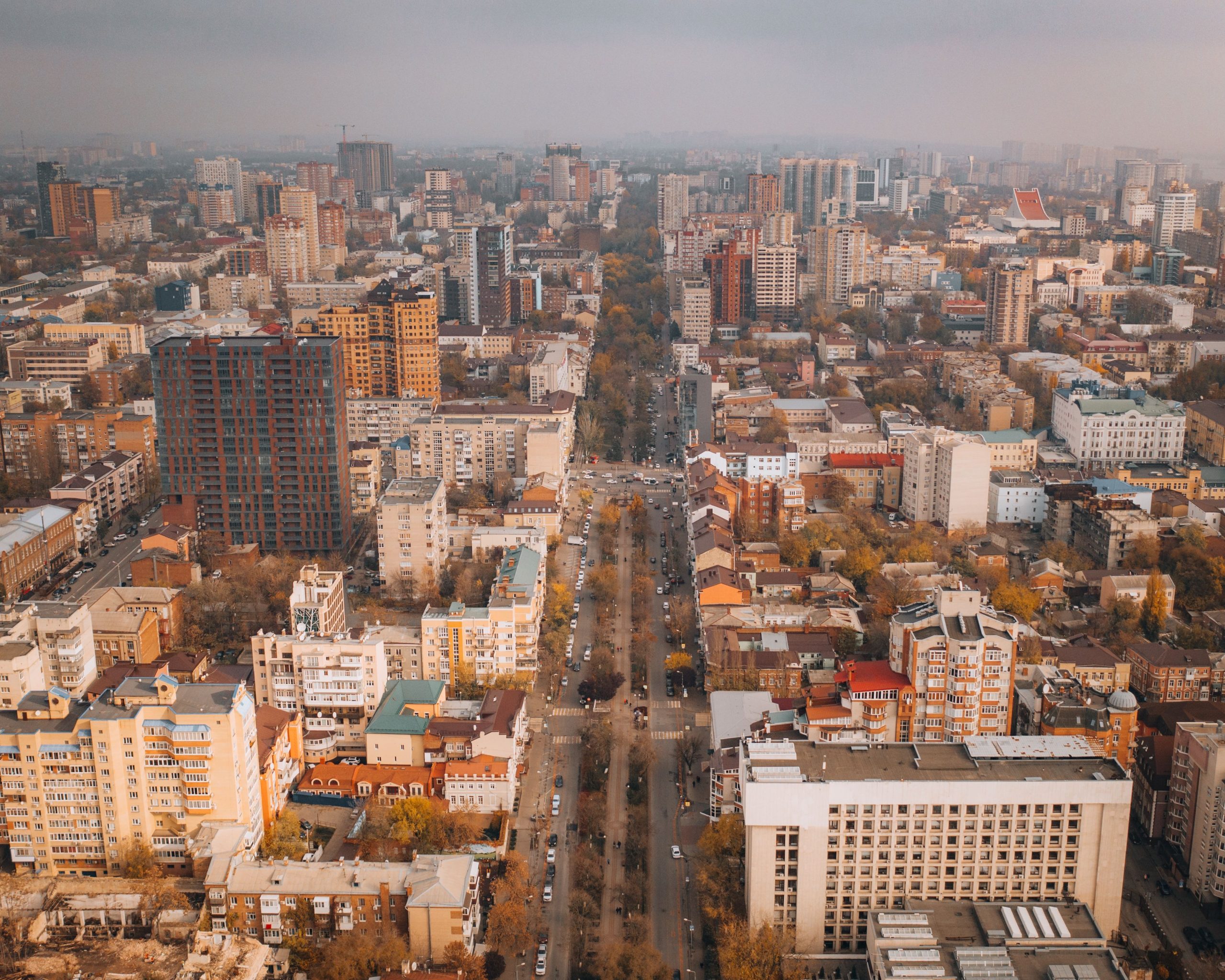
A green, low-rise capital of parks, Soviet blocks and Orthodox churches, with some of the largest wine cellars in the world on its outskirts and the cheapest good wine in Europe.
Chișinău was a small provincial town until the nineteenth century, when the Russian Empire made it the capital of Bessarabia. It was badly damaged in the Second World War and an earthquake, and largely rebuilt by the Soviets, which is why it is a city of wide boulevards, parks and concrete blocks with a handful of older churches and mansions in between.
It is not a pretty city, but it is a likeable one: green, relaxed, cheap and friendly, with a young café and bar scene and very few tourists. Moldova is one of the least visited countries in Europe.
The real reason to come is the wine. Cricova and Mileștii Mici, just outside the city, have underground cellar cities with tens of kilometres of tunnels. Two or three days is right, with a day for Orheiul Vechi.
The centre is compact. Stay near Ștefan cel Mare Boulevard and the Cathedral Park.
Around Ștefan cel Mare Boulevard and the Cathedral Park.
The market district, lively from early morning.
The lake and park on the west side of the centre.
The southern district, on the road to the airport.
Orange labels are neighbourhoods, dots are the 7 top-rated hostels. Map © MapTiler © OpenStreetMap contributors.
Start at the Cathedral Park, with the Nativity Cathedral and the Arc de Triomphe, the Holy Gates, and walk down Ștefan cel Mare Boulevard, the main street, to Ștefan cel Mare Park.
The Central Market is one of the best in the region, busy from early morning with farmers selling produce, cheese and home-made wine. The National Museum of History and the National Museum of Ethnography and Natural History, in a striking Moorish-style building, are both worth an hour.
The wine cellars are the highlight. Cricova, about fifteen kilometres north, has more than a hundred kilometres of underground tunnels with street names, visited by vehicle on a guided tour. Mileștii Mici, about twenty kilometres south, holds what Guinness recognised as the largest wine collection in the world. Book both in advance.
Valea Morilor park and its lake, on the west side, is where the city goes to walk.
The parks are free, and Chișinău has plenty: the Cathedral Park, Ștefan cel Mare Park and the lake at Valea Morilor.
The Central Market is free to walk around and the best show in the city in the morning.
The Memorial of Military Glory, with its eternal flame, and the Soviet architecture of the city, including the brutalist Hotel Cosmos and the Gates of the City towers, are free to see.
Moldovan food is hearty and cheap. Mămăligă, a cornmeal polenta, is served with sour cream and brânză, a salty sheep's cheese. Sarmale are stuffed cabbage or vine leaves, zeamă is a sour chicken soup, and plăcinte, filled pastries, are the snack.
The wine is the point. Moldova has been making wine for thousands of years, and fetească neagră and rară neagră are the local red grapes. A glass in a good wine bar costs a euro or two.
A full restaurant meal is €5 to €10. The Central Market is the cheapest place to buy food.
Chișinău has a lively bar scene for a small capital. Wine bars, cocktail bars and pubs fill the streets around the centre, and prices are the lowest of any European capital.
A glass of wine is a euro or two, a beer less than €2.
In summer, the bars and terraces in the parks are where the city spends its evenings.
The centre is walkable. Trolleybuses and buses cover the city for a few lei a ride, and marshrutkas, shared minibuses, go everywhere.
The airport is about thirteen kilometres south-east of the centre, with buses and minibuses to the city.
The Central Bus Station has marshrutkas to Tiraspol, Orheiul Vechi and towns across the country, and international buses go to Bucharest, Iași and Odesa. For wine tastings, take a tour or a taxi rather than driving.
The regional situation can affect flights and borders; check current advice before you travel.
Moldova is one of the cheapest countries in Europe. Dorms start around €10, a restaurant meal is €5 to €10, and a glass of wine €1.50. A day comes to €25 to €35 without economising.
The costs that add up are the winery tours, which are still cheap by European standards.
The currency is the Moldovan leu. Cards are widely accepted in Chișinău; carry cash for markets and the countryside.
Chișinău is safe for ordinary travel, with low crime and a welcoming population. Take ordinary care at night, and use licensed taxis.
The war in neighbouring Ukraine has at times affected Moldova's airspace and borders. Check your government's current advice before you travel.
Transnistria, the breakaway region to the east, needs separate care: several governments, including the UK, advise against all travel there.
Emergency number is 112.
Wine cellars, cave monasteries and a medieval fortress, all within a few hours.
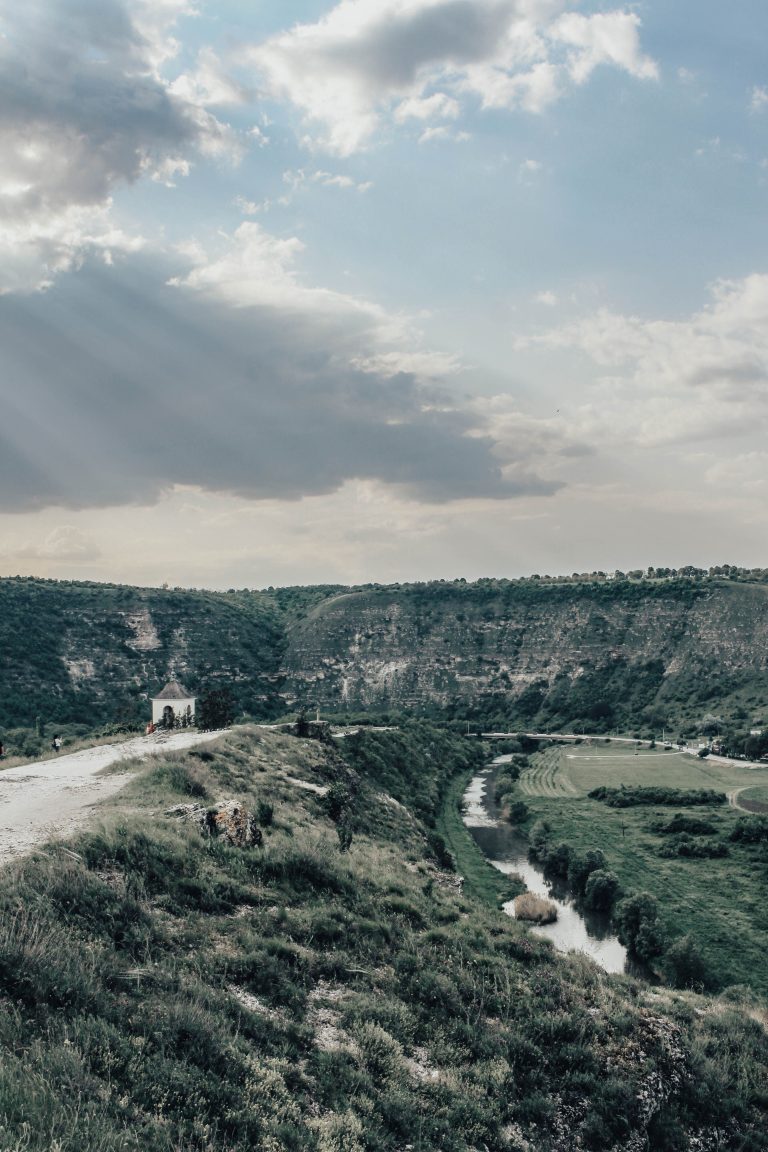
A cave monastery carved into a limestone cliff above a river bend.
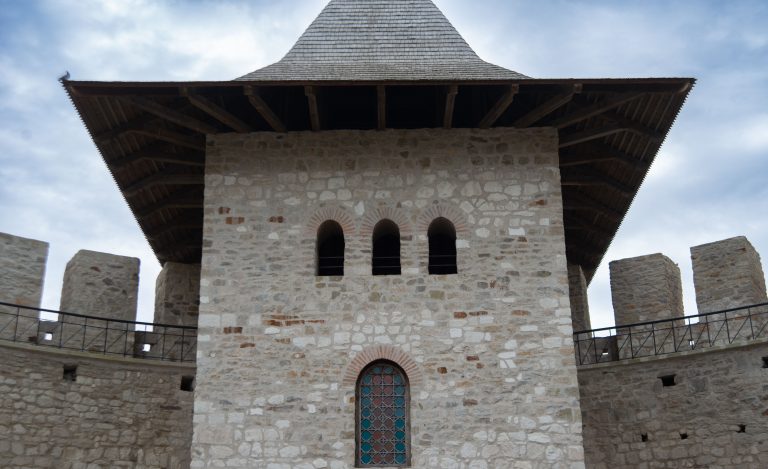
A round medieval fortress on the Dniester.
National Wine Day in October is the best weekend of the Moldovan year.
Red and white tokens worn all month to welcome spring.
Parades and concerts in the centre.
The whole wine industry pours in the main square. The best weekend of the year.
The capital's festival, with concerts and markets.
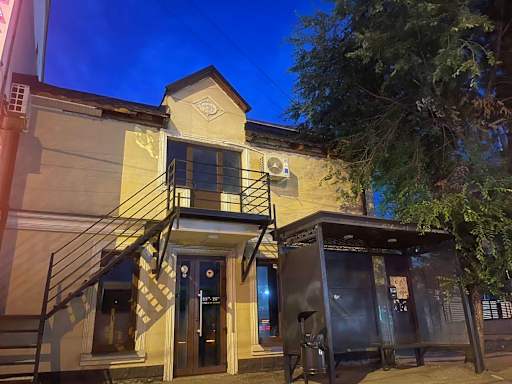
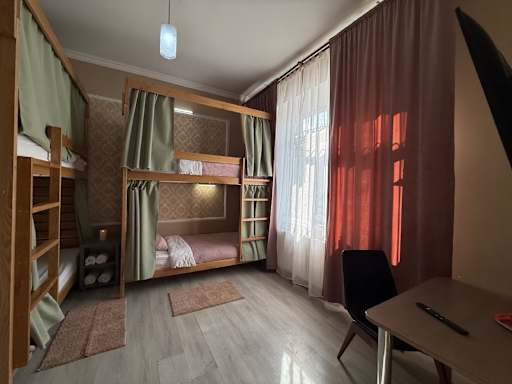
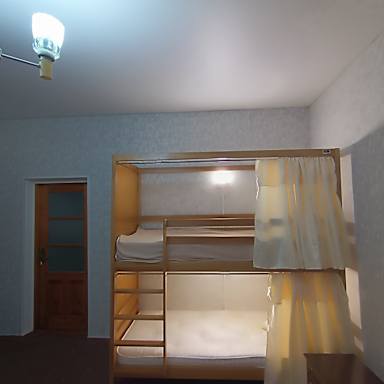
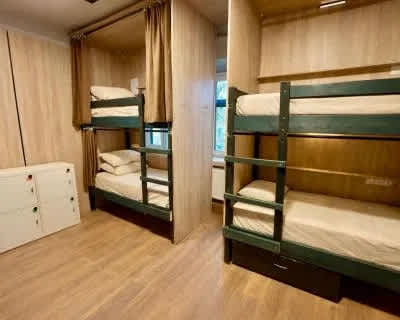
Chișinău has a small number of good-value hostels in the centre. These are the top-rated right now, live from Hostelworld.
May, June, September and October are best. Winters are cold.
Average highs. Moldova has a continental climate: hot summers and cold, sometimes snowy winters.
Pick how you travel. Per person per night, in euros.
Transport assumes city buses and marshrutkas. Winery tours are extra but cheap.
The ones we get asked most.

Compare Chișinău hostels — live prices, real reviews and free cancellation on most bookings. Then meet the people already there in the app.

 Get the App.
 Get the App.