Town centre
First-timersThe nineteenth-century grid: guesthouses, restaurants, the marshrutka stop and the park.

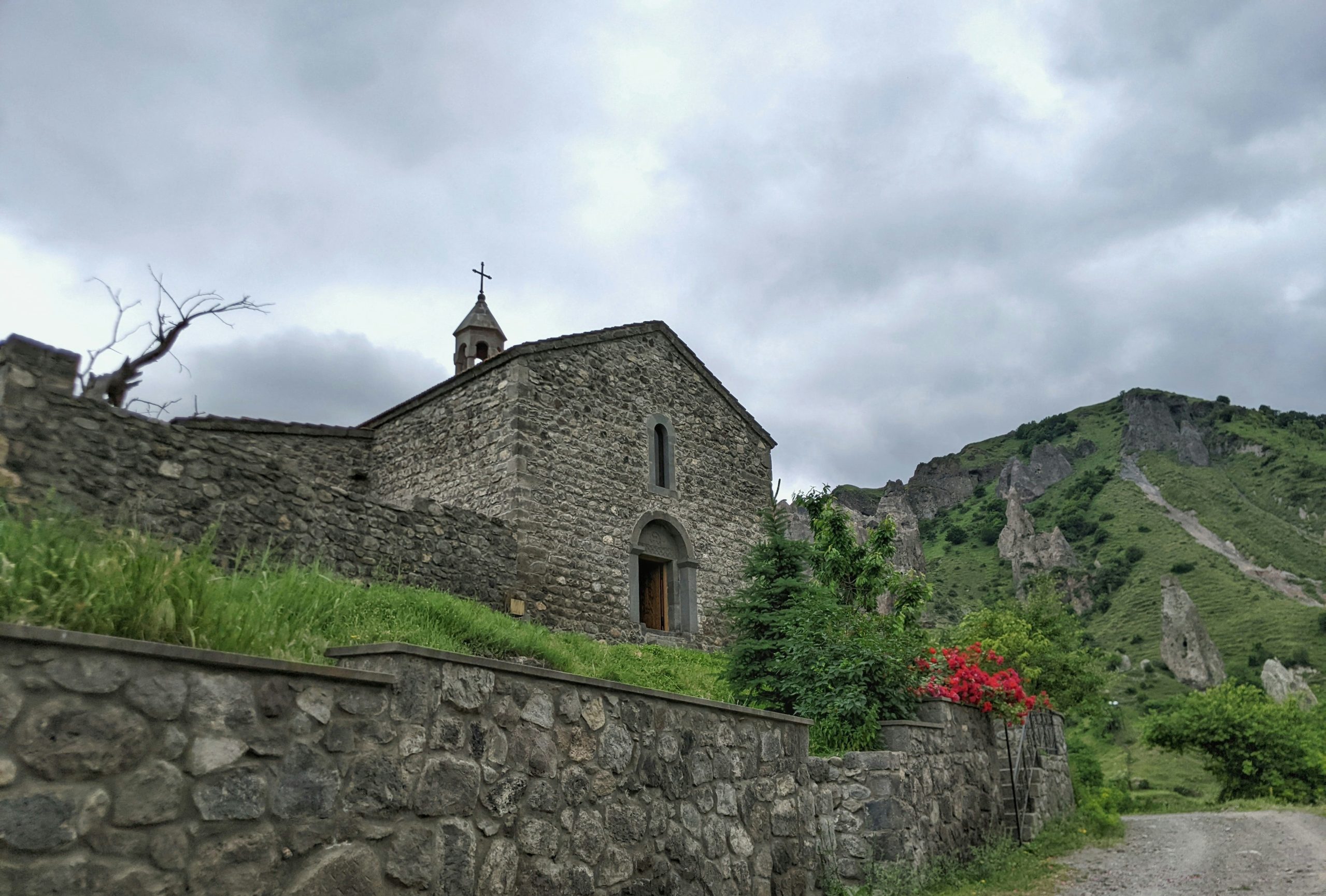
A grid-planned town under rock spires in the far south, and the base for Tatev monastery and the longest cable car in the world.
Goris sits in a valley in Syunik, the long southern province, surrounded by eroded rock spires and cave dwellings that people lived in until the nineteenth century. The town below them was laid out on a Russian imperial grid in the 1870s, which makes it unusually orderly for Armenia.
It is the base for Tatev, a ninth-century monastery on a cliff edge reached by the Wings of Tatev — at 5.7 kilometres, the longest reversible cable car in the world, strung across a gorge.
Goris is also the last town of any size before the Iranian border, and the southern highway through here has carried a great deal of history, most of it recent and difficult.
A night, or two with Khndzoresk and the Vorotan gorge. It is four hours from Yerevan and usually visited on the way south or as an overnight from the capital.
A small grid town. Everything is within ten minutes of the centre.
The nineteenth-century grid: guesthouses, restaurants, the marshrutka stop and the park.
The eastern edge below the spires and cave dwellings, a twenty-minute walk from the centre.
The village at the cable car station, half an hour by road, with a few guesthouses and the gorge below.
Map © MapTiler © OpenStreetMap contributors.
Tatev is the reason to be here. A ninth-century monastery on a promontory above the Vorotan gorge, reached by the Wings of Tatev cable car — 5.7 kilometres across the gorge in twelve minutes, and the longest reversible cable car in the world. It costs about €9 return and the monastery itself is free.
Khndzoresk, twenty minutes east, is an abandoned cave settlement in a canyon, inhabited into the 1950s, with a swinging footbridge across the gorge and hundreds of dwellings cut into the rock.
Old Goris, on the edge of the town, has the same cave houses under eroded stone cones, and you can walk up from the centre in twenty minutes.
The Vorotan gorge and the Devil's Bridge below Tatev have hot springs and travertine formations, reached by a rough road.
Walking up to the rock cones and cave dwellings above Old Goris is free and takes an hour or two.
Tatev monastery itself is free — only the cable car charges, and there is a road up if you have a car or a taxi.
Khndzoresk's swinging bridge and cave village have a small entry in season and are free outside it.
The town's grid, the park and the market cost nothing, and the Vorotan gorge walking is free if you can reach the trailheads.
Guesthouse cooking is the food here. Syunik is a farming province and dinner is usually whatever the household has: cheese, herbs, preserves, bread and a grilled meat, at €5 to €10.
In town, a few restaurants do khorovats and Armenian staples at €4 to €8.
Mulberry vodka is the southern speciality and every guesthouse makes its own, offered after dinner and considerably stronger than described.
The province grows good fruit, and the roadside stalls in summer sell apricots, mulberries and walnuts by the bag.
There is none to speak of, and nobody comes here for it.
A couple of bars and cafés in the centre are open in the evening, a beer is €1.20 to €2, and the town is quiet well before midnight.
The evening here is dinner at a guesthouse table with whatever the family is drinking, which in Syunik means mulberry vodka and a long conversation in three languages.
Yerevan is four hours away.
Marshrutkas from Yerevan take four to five hours and cost about €7, leaving in the morning from the southern bus station. Book or arrive early in summer — there are only a few a day.
The town itself is a small grid and walkable.
Tatev needs a taxi to the Halidzor cable car station, about €10 to €15 return with waiting, or €20 to €30 to drive up to the monastery itself on the road. Sharing with other guesthouse guests is standard.
Khndzoresk is €8 to €12 return by taxi. Marshrutkas continue south to Kapan and eventually the Iranian border, and north-east towards the Azerbaijani frontier — check current advice before travelling those roads.
Cheap, and mostly guesthouses. Beds are €7 to €18, guesthouse dinner €5 to €10, and a beer €1.20 to €2.
A day is €20 to €35.
The cable car at about €9 return and taxis at €8 to €15 are the costs that matter, and both are halved by sharing.
Cash only in practice. There are ATMs in Goris and very few south of here, so take what you need if you are continuing towards Kapan or Iran.
Goris is a quiet, safe town and travellers report no problems in it.
The regional context matters here more than anywhere else in Armenia. Syunik borders Azerbaijan, the situation in the region changed fundamentally in 2023, and sections of the southern highway run close to the frontier. Government advice restricts travel near the border and has changed repeatedly — check your own government's current position before planning routes east or south-east of the main road, and follow local guidance.
The town also received large numbers of people displaced from Nagorno-Karabakh in 2023, which is worth knowing and worth being thoughtful about in conversation.
Otherwise: mountain roads, patchy signal, and a cable car that closes in high wind. Emergency number is 911.
Two of the best sights in Armenia are within half an hour.
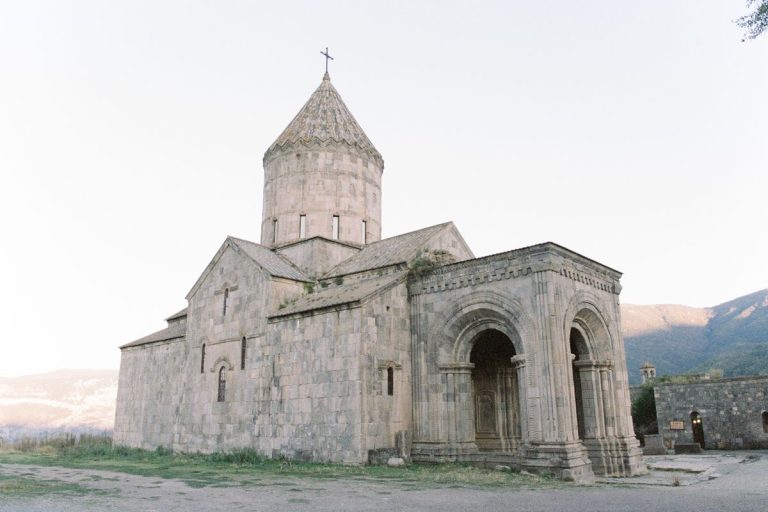
A ninth-century monastery on a cliff above the Vorotan gorge, reached by the longest reversible cable car in the world.
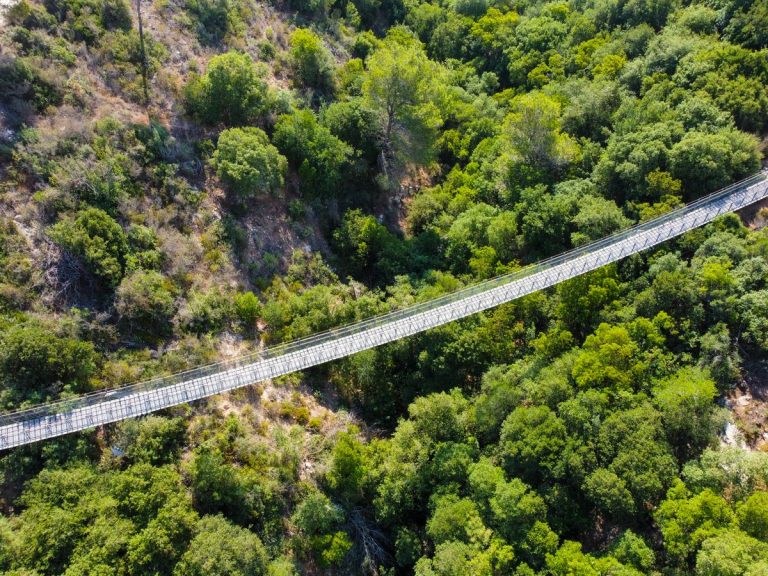
An abandoned cave village in a canyon, inhabited until the 1950s, with a swinging footbridge across the gorge.
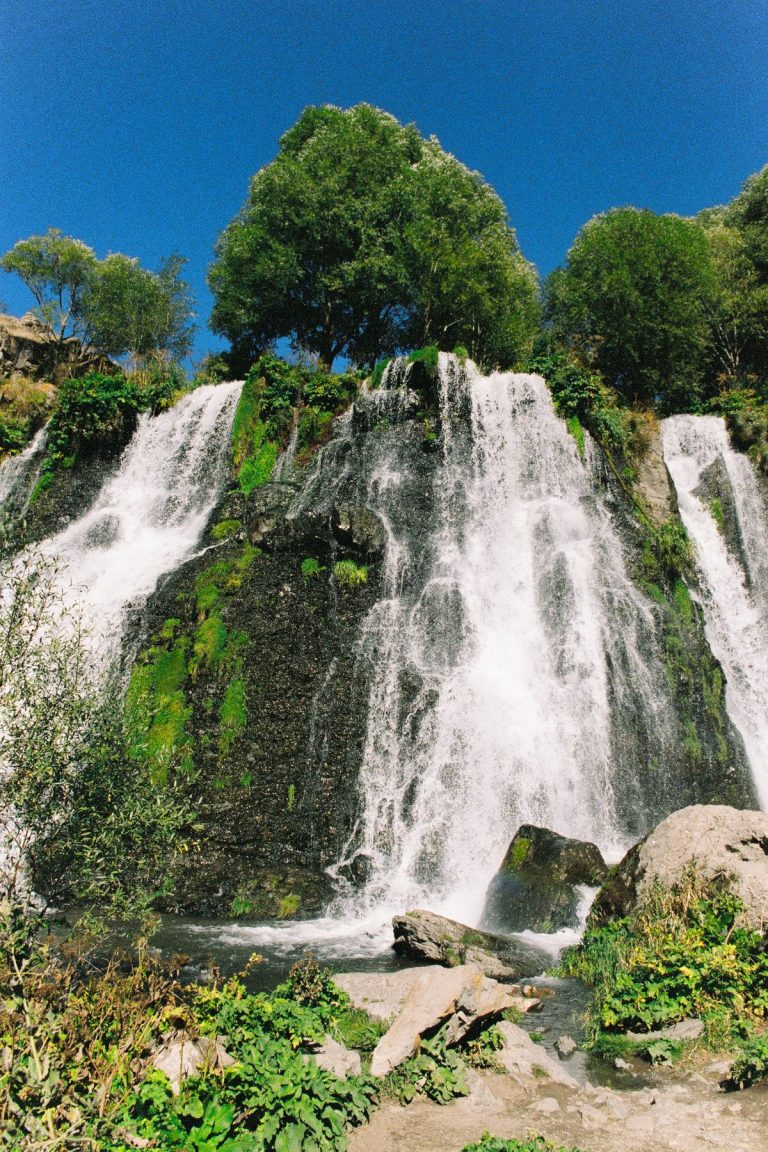
An eighteen-metre waterfall near Sisian, best in spring when the flow is high.
A quiet calendar in a quiet province.
The monastery is working and holds services on saints' days, when the cable car queues are longest.
The national water festival, observed here as everywhere in Armenia.
Fruit and walnut harvest, with roadside stalls at their fullest.
Local concerts and events in the grid town.
When snowmelt brings the falls and the Vorotan to full flow.
May to October. The south is milder than the north but the mountain roads are winter roads.
Average highs. Goris sits at 1,400m in a valley, and Tatev is higher and cooler again. The cable car closes in high wind at any time of year.
Pick how you travel. Per person per night, in euros.
The doing line assumes the cable car and a shared taxi. Both are considerably cheaper split between three or four.
The ones we get asked most.

Compare Goris guesthouses and hostels — live prices, real reviews and free cancellation on most bookings. Then meet the people already there in the app.

 Get the App.
 Get the App.