Hyper-centre
First-timersAround Place Saint-Lambert and the Carré: shops, most bars, the palace and the start of the steps.

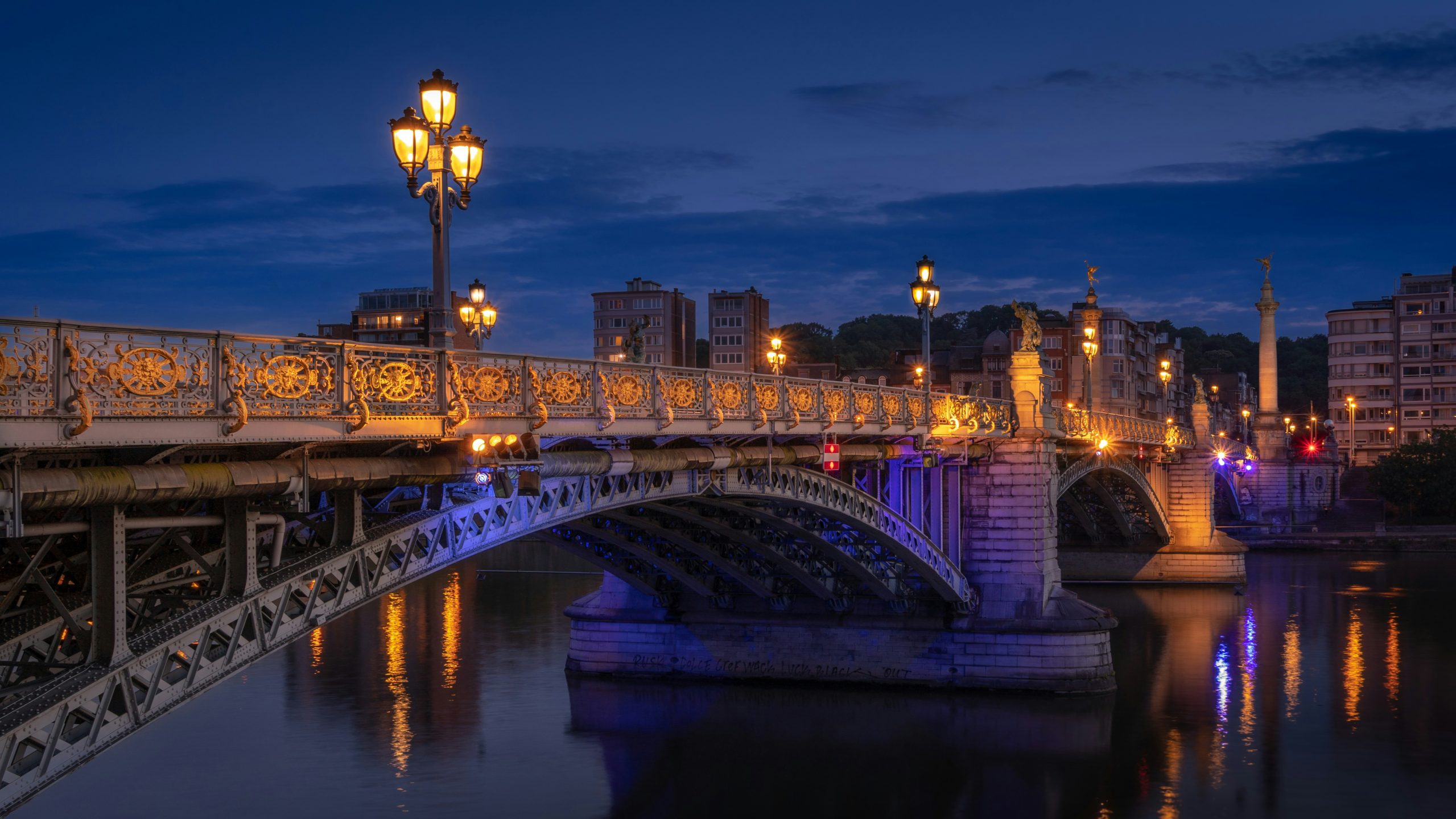
Wallonia's heart: a French-speaking industrial city on the Meuse, with 374 steps up a staircase, a Calatrava station, and the best Sunday market in Belgium.
Liège is French-speaking, industrial, proud and unlike anywhere in Flanders. It made its money on coal and steel, lost both, and has spent thirty years working out what comes next — which shows in a city that is gritty in places and handsome in others.
The Montagne de Bueren is the famous bit: 374 steps straight up the hillside from the old town, built in 1881 so soldiers could reach the citadel without going through the red-light streets.
La Batte, the Sunday market, runs four kilometres along the Meuse and has done since the sixteenth century, which makes it the oldest and largest in the country.
The station, by Santiago Calatrava, is a vault of white steel and glass with no facade at all, and it is worth arriving early for.
A day and a night. Liégeois are direct, funny and pleased anyone came.
The centre sits between the river and the hill, and the station is twenty minutes south.
Around Place Saint-Lambert and the Carré: shops, most bars, the palace and the start of the steps.
The island district across the water, fiercely independent in spirit, with Simenon's birthplace and the August festival.
Around the Calatrava station, twenty minutes south of the centre, with cheaper beds and fast trains.
Orange labels are neighbourhoods, dots are the 3 top-rated hostels. Map © MapTiler © OpenStreetMap contributors.
Climb the Montagne de Bueren — 374 steps in a single straight flight up the hillside, with the city opening up behind you and a view over the Meuse at the top. It is free, it is hard work, and there are gardens and a path down the other side.
Guillemins station is a Calatrava building of white steel and glass with no front wall, so the city simply flows into it. It is free and it is one of the best pieces of modern architecture in Belgium.
La Batte on a Sunday morning runs four kilometres along the river — food, plants, livestock, junk and several hundred stalls — and it has been going since the sixteenth century.
The Grand Curtius, in a red-brick Renaissance mansion, covers archaeology, arms and decorative arts, and the Prince-Bishops' Palace has a courtyard of sixty carved columns, no two the same.
The steps, the station and the market are all free, and they are the three best things here.
The Coteaux de la Citadelle, the hillside above the old town, is a network of stairways, terraces and gardens covering the whole slope, free and open.
The Prince-Bishops' Palace courtyard costs nothing to walk into.
Outremeuse's streets, the Simenon trail and the riverbank paths are free, and several museums are free on the first Sunday of the month.
The Liège waffle is not the Brussels one: denser, made with pearl sugar that caramelises on the iron, eaten in the hand at €1.50 to €3 from a stall.
Boulets à la liégeoise are meatballs in a sweet-sour sauce made with sirop de Liège, a dark apple and pear syrup that turns up across the region. A plate with frites is €14 to €20.
Peket, the juniper spirit, comes in an alarming range of flavours and is what you will be given in Outremeuse.
The Carré is a dense grid of small bars in the centre, and food here is cheaper than Flanders across the board — a full meal for €15 to €22.
Le Carré is the centre of it: a small grid of pedestrian streets packed with bars, mostly student, mostly cheap, and busy from Thursday until very late.
Outremeuse across the water has the older, more characterful cafés and the strongest local identity.
A beer is €2.50 to €4, among the cheapest in Belgium.
The 15 August festival in Outremeuse is the event of the year — several days of peket, brass bands, a puppet tradition and a funeral procession for a fictional character, and the district takes it extremely seriously.
The centre is walkable and the hillside is not — the Coteaux involve a lot of steps, and the bus up to the citadel exists for a reason.
Buses cost about €2.20 a ride. Guillemins station is twenty minutes south of the centre on foot or a few minutes by bus.
Trains reach Brussels in an hour, Maastricht in thirty minutes and Cologne in an hour and a half on the high-speed line, which makes Liège a useful hinge between Belgium, the Netherlands and Germany.
The city is hillier and more spread out than the Flemish cities, and taxis or buses are worth it after a long day.
The cheapest of the Belgian cities in this guide alongside Leuven. Dorms are €18 to €32, a beer €2.50 to €4, and a full meal €15 to €22.
A day is €45 to €70.
The three best things — the steps, the station and the Sunday market — are free. Museums run €7 to €12, which is less than Flanders.
Wallonia generally is cheaper than Flanders for food and beds, and Liège is the clearest example of it.
Liège has a rougher reputation than the Flemish cities, some of it earned and most of it exaggerated. The centre and Outremeuse are fine, including in the evening when the Carré is busy.
The area around Guillemins station and parts of the northern districts are worth more care late at night, and the streets between the old town and the citadel steps include a small red-light area.
Petty theft happens at La Batte in the Sunday crowds.
The 374 steps are steep, uneven and unlit in places — do them in daylight. Emergency number is 112.
Three countries are within ninety minutes, and the Ardennes start south of the city.
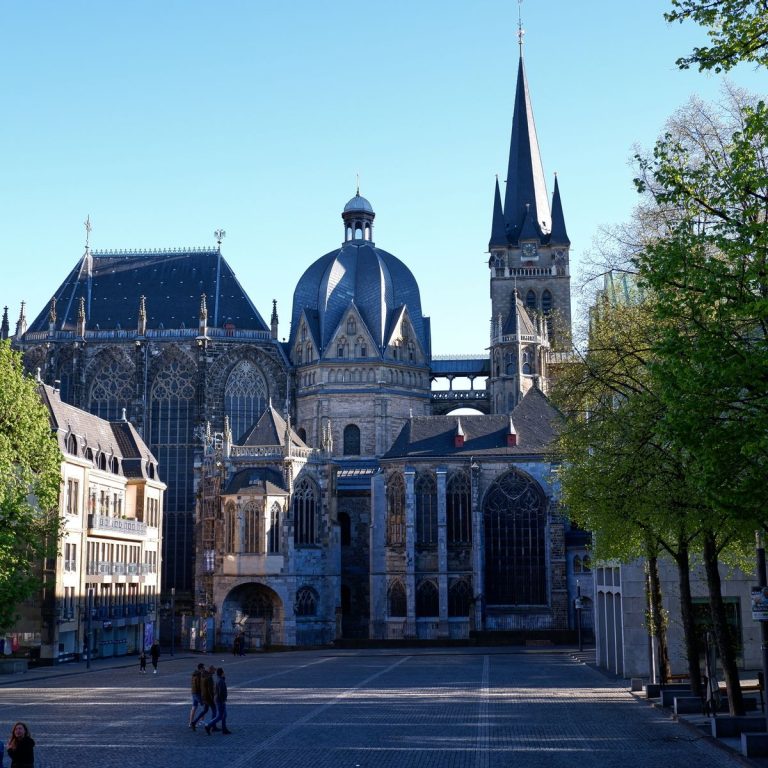
Charlemagne's capital in Germany, with his cathedral and throne, plus thermal baths.
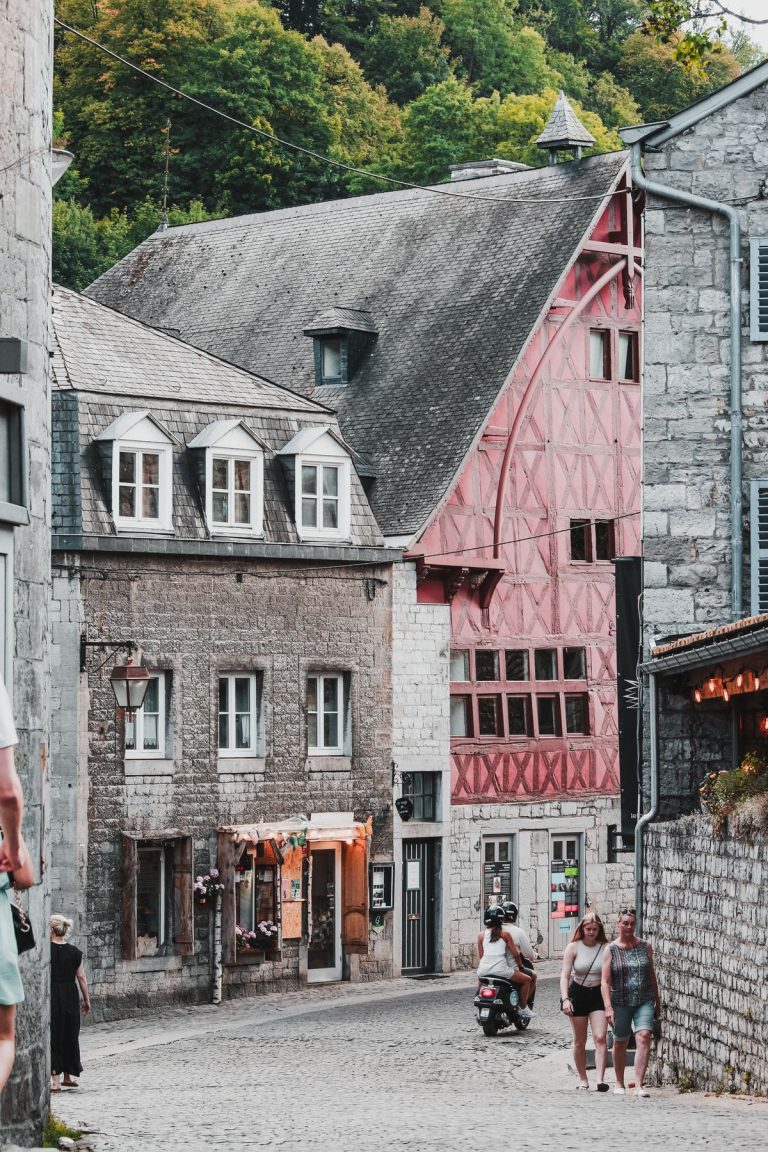
Billed as the smallest city in the world, a stone village in the Ardennes on a river bend.
The fifteenth of August in Outremeuse is unlike anything else in Belgium.
 Staff pick
Véronic DiCaire is a renowned Canadian singer, actress, and impressionist celebrated for her extraordinary vocal talent and ability to mimic the voices of over…
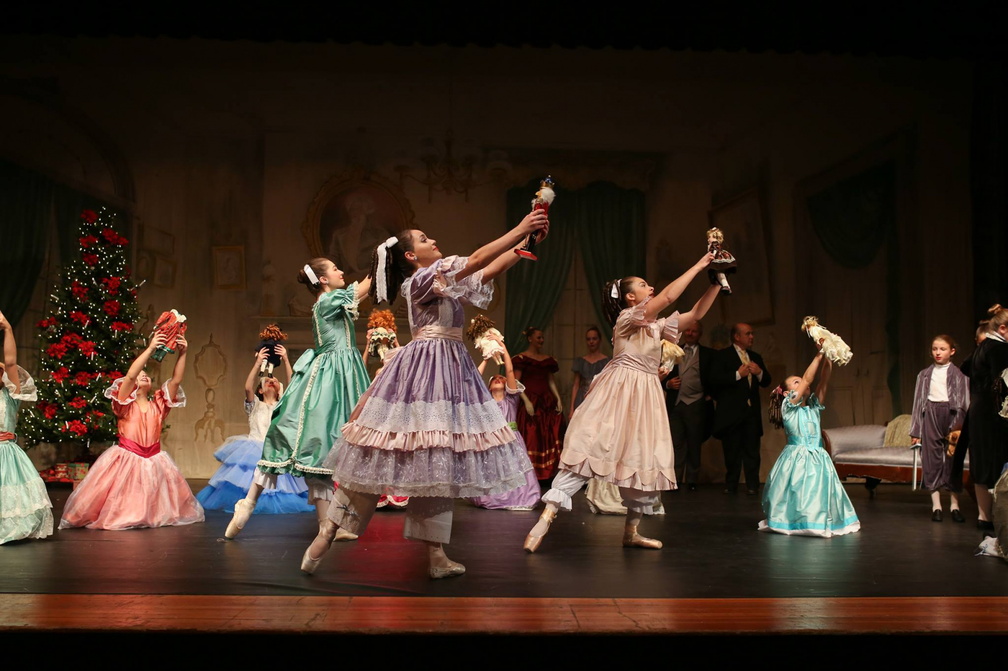
The Nutcracker tells a story of whimsical characters for those who are always young at heart. This perfect ballet for the holiday season comes…
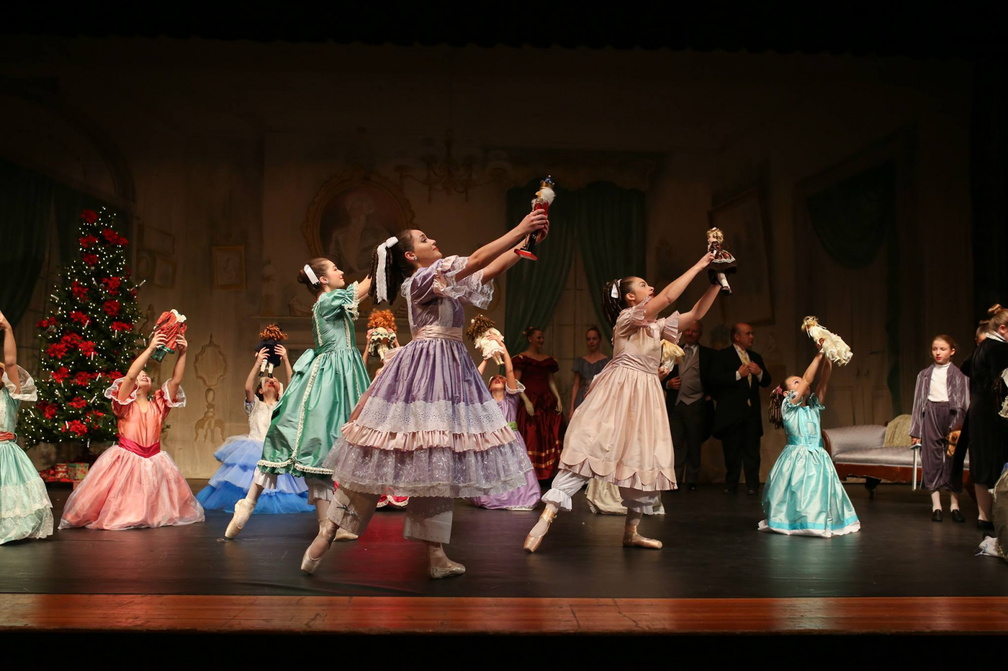
The Nutcracker tells a story of whimsical characters for those who are always young at heart. This perfect ballet for the holiday season comes…
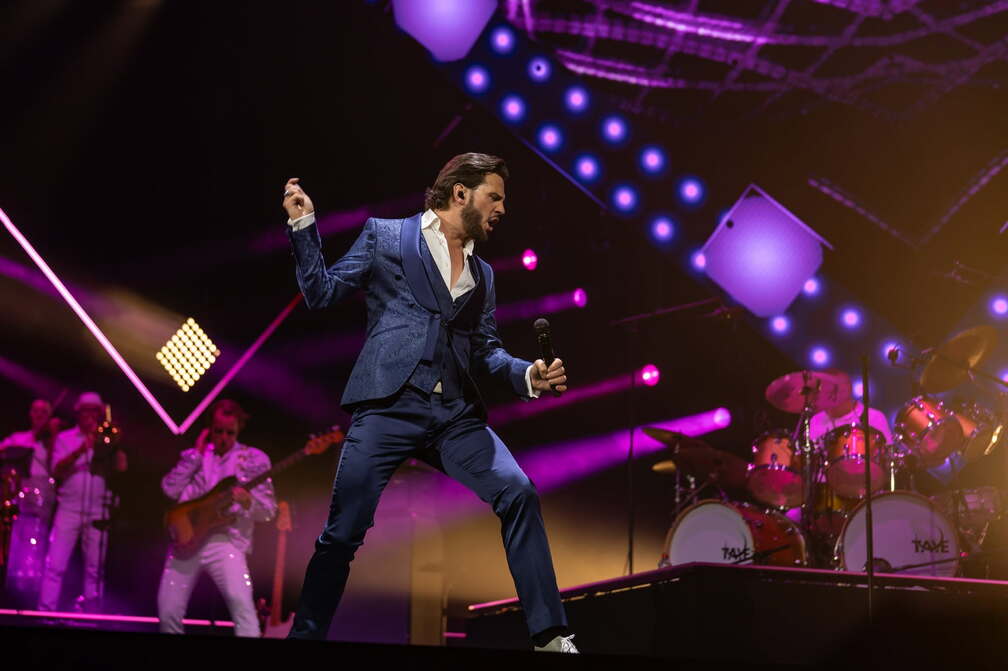
Elvis Presley by Dwight Icenhower and Original Elvis Musicians brings a high-quality tribute concert that captures the spirit and sound of the King. Dwight…
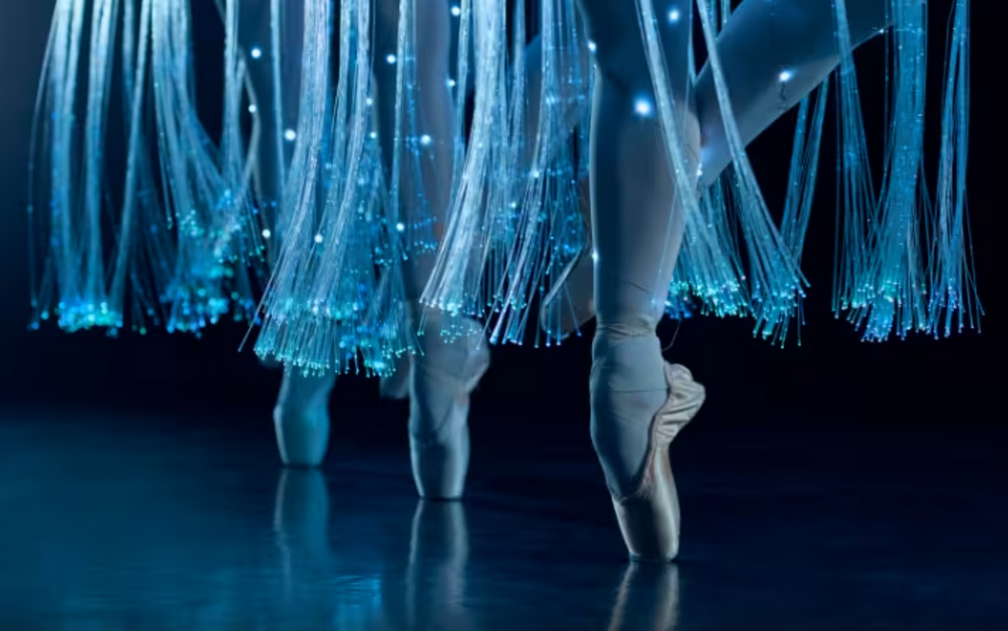
Experience a dazzling fusion of light and classical ballet with Ballet of Lights: La Belle au bois dormant. Local dancers perform in glowing costumes…
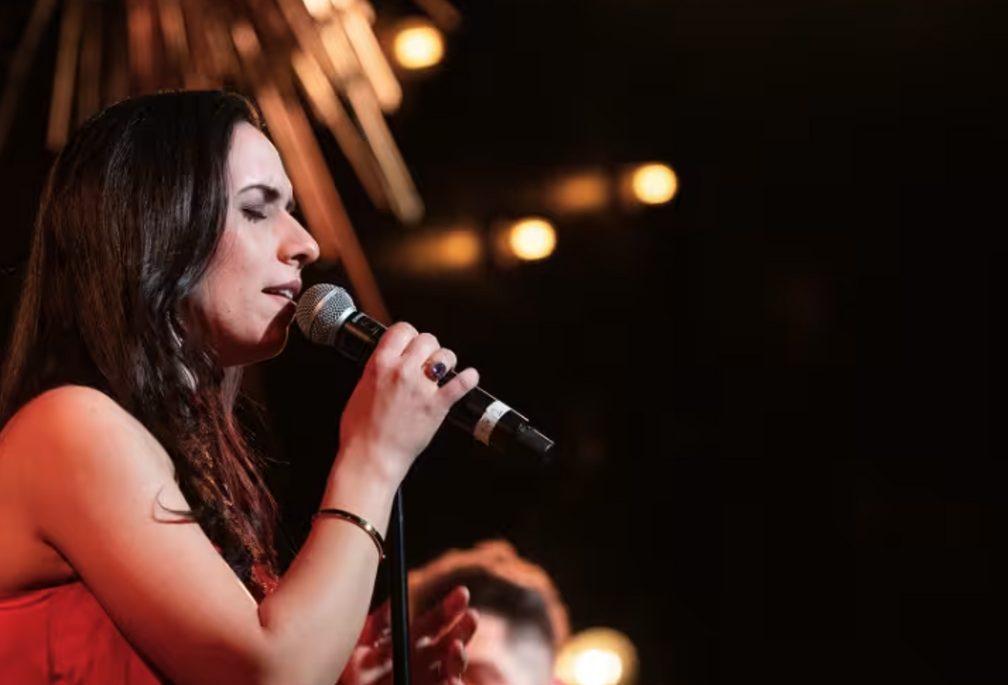
The Jazz Room invites you to experience the roots of jazz through a live performance blending classic tunes and spontaneous improvisations. Set in an…
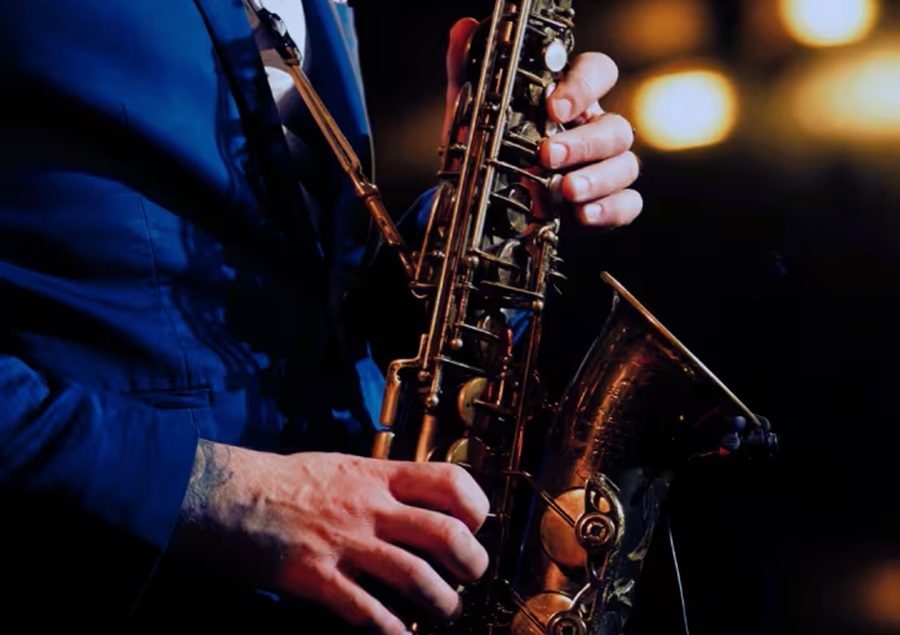
Celebrate the timeless music of Frank Sinatra and Louis Armstrong at The Jazz Room. Experience their iconic songs reimagined by a talented group in…
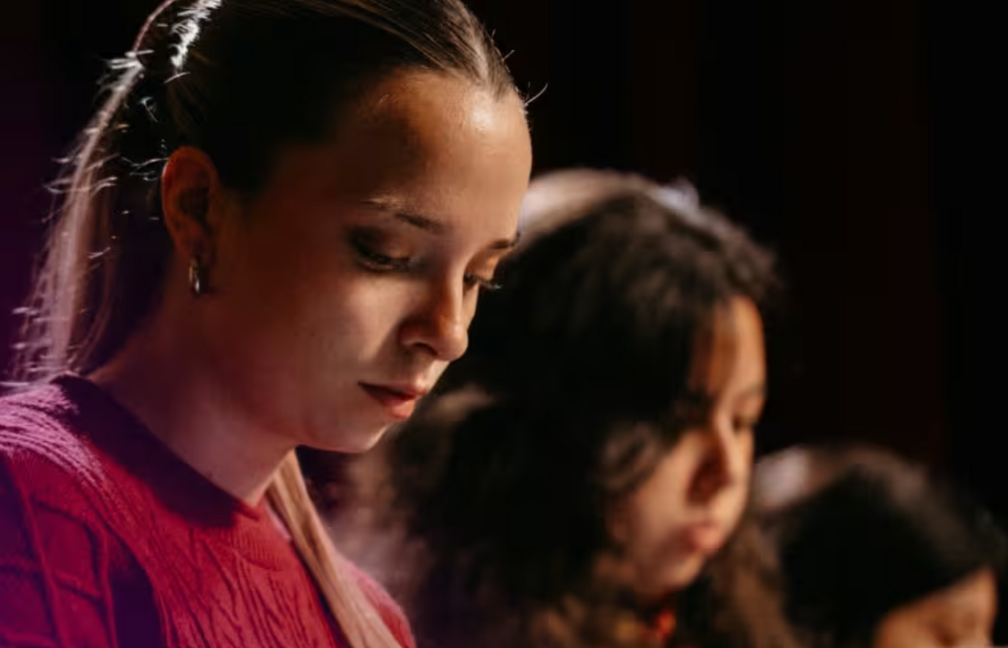
The Jury Experience: Murder at Sea invites you to become a juror in a gripping courtroom drama where your decisions shape the outcome. You'll…
A small scene at Wallonian prices, in the centre and near the station. Live from Hostelworld.
Spring and autumn, and Sunday whatever the month. August has the Outremeuse festival.
Average highs. Liège sits in the Meuse valley and is marginally warmer than the coast, with the same year-round rain as the rest of Belgium.
Pick how you travel. Per person per night, in euros.
Museums here run €7–12, less than Flanders, and the three best sights cost nothing.
The ones we get asked most.

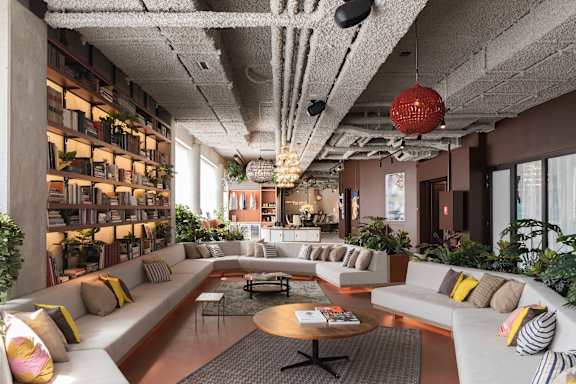
Compare Liège hostels — live prices, real reviews and free cancellation on most bookings. Then meet the people already there in the app.

 Get the App.
 Get the App.