Old town
First-timersBetween the arena and the forum: Roman remains, restaurants, bars and most of the beds.

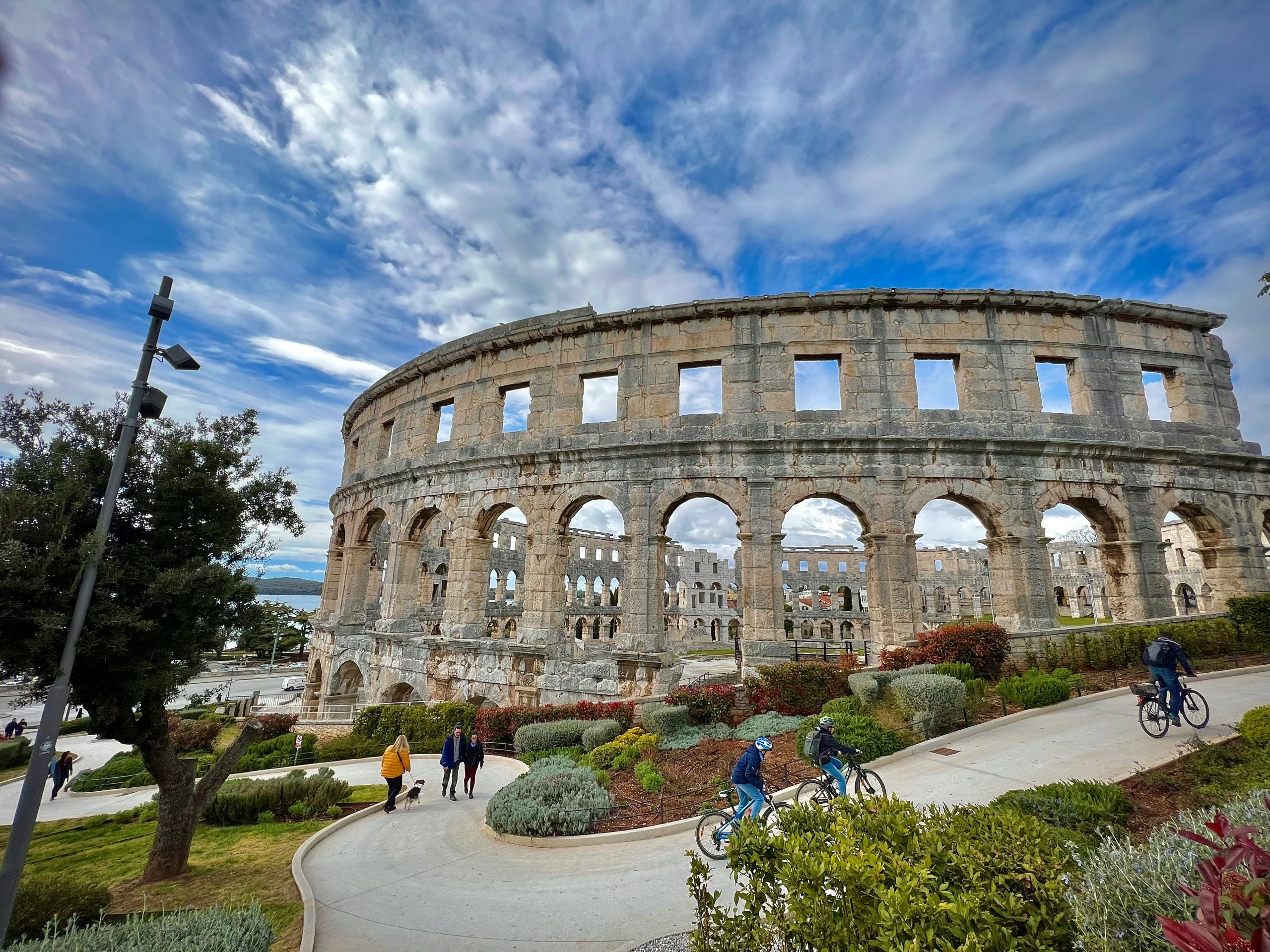
A Roman amphitheatre with its outer wall completely intact, at the tip of Istria, hosting concerts and a film festival where gladiators once worked.
Pula's amphitheatre is the sixth largest surviving Roman arena and the only one with all four side towers and the complete outer wall still standing. It held 23,000 people, it is in the middle of a working port city, and it now hosts concerts and an open-air film festival every summer.
The rest of Pula is less polished than Rovinj up the coast and more interesting for it — a naval town under Austria-Hungary, a shipyard still operating, James Joyce's brief and unhappy teaching post, and a scatter of Roman remains through the centre.
Around it, the Istrian coast has beaches and the Brijuni islands, and the hill towns and truffle forests are inland.
Two days, and it is the cheapest base in Istria.
A compact centre around the arena and forum, with beach suburbs south.
Between the arena and the forum: Roman remains, restaurants, bars and most of the beds.
The peninsulas south of the centre, with rocky swimming, pine woods and a bus in.
The working waterfront and the streets behind it, cheaper and close to the bus station.
Orange labels are neighbourhoods, dots are the 5 top-rated hostels. Map © MapTiler © OpenStreetMap contributors.
The amphitheatre is the reason to come. Built in the first century under Vespasian, it is the only surviving Roman arena with all four side towers and the entire outer wall intact, and the underground passages where animals and gladiators waited now hold an exhibition on Roman oil and wine production. Entry is about €10.
Better still, see a concert in it. The arena hosts major acts through the summer and the Pula Film Festival screens films there every July, which is the best way to experience the building.
The Temple of Augustus on the forum and the Arch of the Sergii are both free and both in the middle of the modern city.
Zerostrasse, a network of tunnels dug under the centre in the First World War to shelter the population, is open and cool in summer.
The amphitheatre from the outside is free and is almost as impressive as from within — you can walk the whole way round it.
The Temple of Augustus, the Arch of the Sergii, the forum and the Roman floor mosaics behind the market are all free and scattered through the centre.
The beaches at Verudela, Stoja and Premantura are free, rocky and clear.
Kamenjak, the nature park at the southern tip of Istria, has a small entry fee for cars but is free on foot or by bike, and it is the best coastline in the region.
The Austro-Hungarian fortresses around the city are free to explore, several of them derelict.
Istrian food at prices below Rovinj: fuži pasta with truffle or game, maneštra bean soup, and grilled fish by weight. A konoba meal is €14 to €24.
Istrian olive oil and Malvazija wine are the regional products, and producers around the peninsula run tastings from €15.
The market hall, an Austro-Hungarian iron and glass building from 1903, has a fish hall below and food stalls above, and it is the cheapest good lunch in the city.
Boškarin, the Istrian ox, appears on menus as a slow-cooked speciality, and a beer is €3 to €4.
Pula has a student population and a genuine alternative scene, which makes it the liveliest place in Istria.
The bars around the old town and the Forum fill in the evening, and the clubs are out towards the coast.
Most remarkable is Fort Punta Christo, an Austro-Hungarian fortress outside the city that hosts several electronic festivals through the summer — Dimensions and Outlook were both based here and the setting is extraordinary.
A beer is €3 to €4 and cocktails €7 to €10, below Rovinj and well below Dalmatia.
Concerts in the arena are the other kind of night out entirely.
The centre is walkable and the arena, forum and market are all within ten minutes of each other.
City buses cost about €2 and reach the beaches at Verudela and Premantura.
The airport is ten minutes from the centre with a shuttle timed to flights.
Buses connect Rovinj in 45 minutes, Rijeka in two and a half hours, Trieste in three and Zagreb in four and a half. There is a rail line but it does not connect usefully to the rest of Croatia.
In summer, catamarans run to Venice in about three and a half hours.
The cheapest base in Istria. Dorms are €18 to €35, a konoba meal €14 to €24, and a beer €3 to €4.
A day is €45 to €75 in season.
The arena is about €10 and most of the other Roman remains are free. Kamenjak is free on foot or by bike.
Concert and festival tickets are the variable — arena shows and the Punta Christo festivals both sell out and are worth booking ahead if they are the reason you are coming.
Pula is a safe, normal working city with low crime.
Swimming is off rocks and concrete rather than sand, and sea urchins are common — water shoes are worth having.
Kamenjak has cliffs, jumping spots and strong currents at the tip of the peninsula, and people are injured there most summers.
The derelict Austro-Hungarian forts around the city are unsecured, dark and unlit, with open drops. People explore them anyway; take a torch and be sensible.
Festival season brings large crowds to remote locations with limited transport — plan how you are getting back. Emergency number is 112.
A national park archipelago, a nature reserve and the hill towns inland.
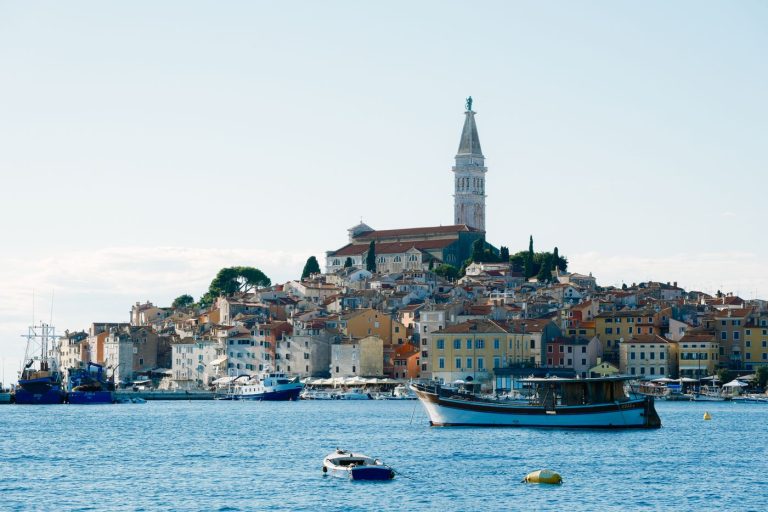
The Venetian-looking town up the coast, prettier and pricier.
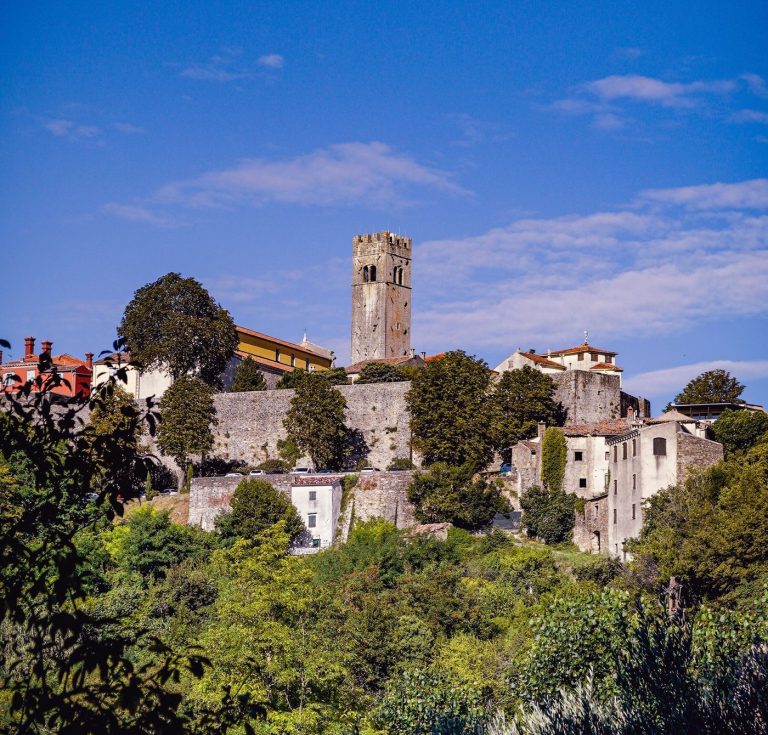
Hill towns above the Mirna valley, with truffle hunting and a film festival in July.
Films screened in a Roman amphitheatre, and festivals in a sea fortress.

Saša Kovačević brings his 20-year career celebration to Pula for the first time with JEDINA: 20 godina zajedničkih emocija. Expect an evening built around…

Norman Beaker has shared stages and studios with blues legends like B.B. King, Buddy Guy, and Chuck Berry, and now he's bringing his band…

Hiroshima, My Love is a poetic play exploring love, memory, and the unspeakable beyond human experience. Set in a hotel room in Hiroshima twelve…
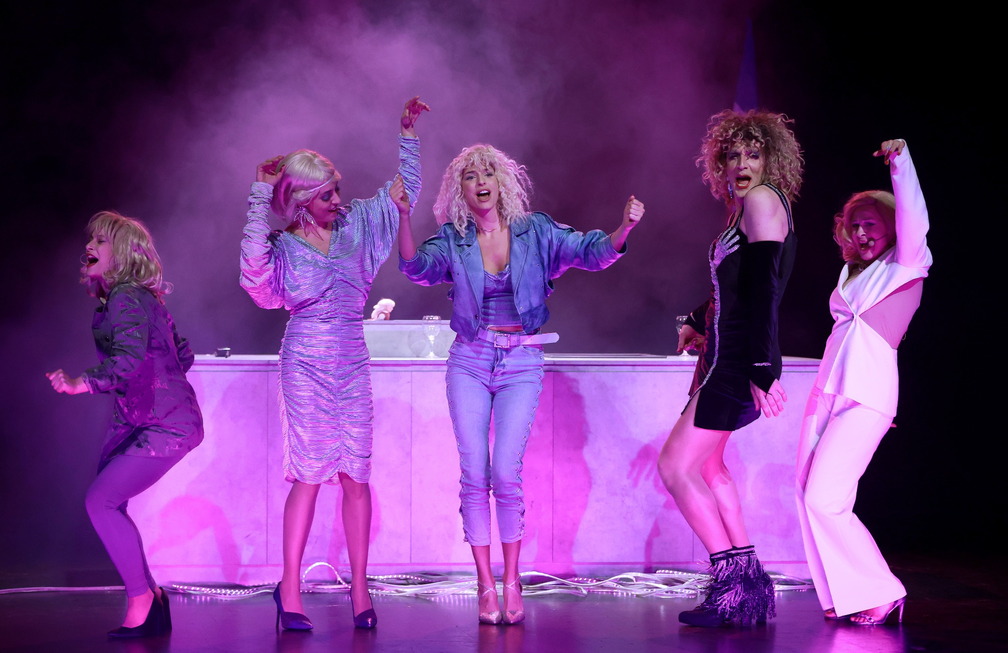
The Lepa Brena Project explores the cultural phenomenon of the iconic Yugoslav singer through a theatrical performance featuring five characters representing different facets of…
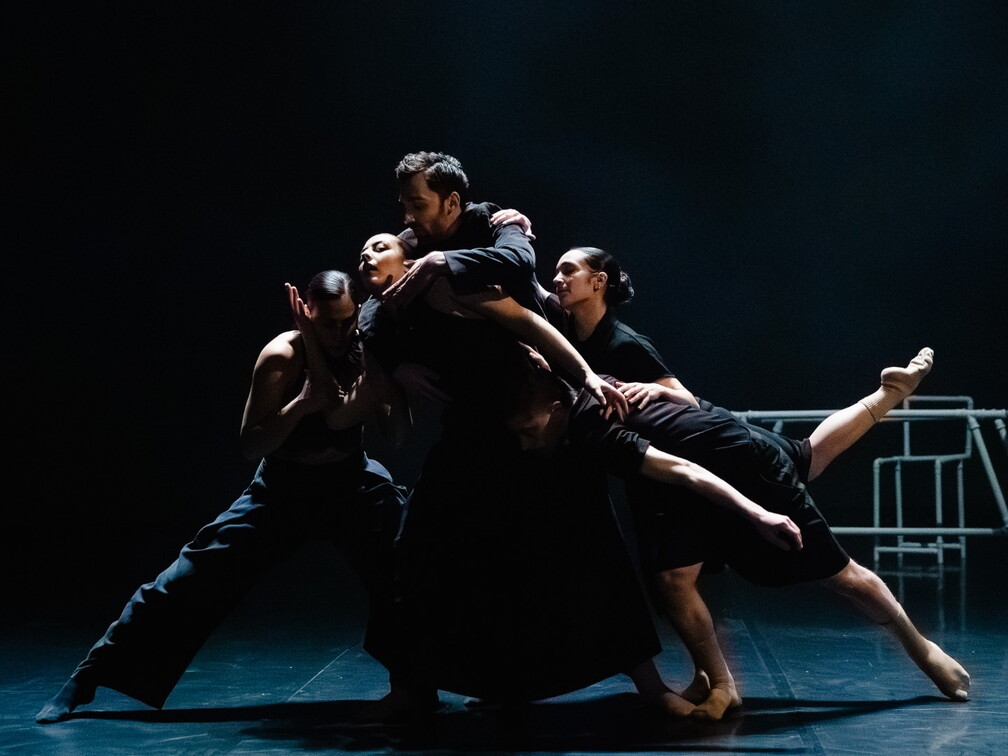
EXIT: Salopette & Next is a two-part contemporary dance program created through collaboration between Yellowbiz Artistic Collective and Cornelia Dance Company. The performances explore…

Marathoners Run the Honorary Lap is a theatrical adaptation of Dušan Kovačević's cult comedy, blending sharp dialogue and memorable characters. The story revolves around…

Experience a concert-film spectacle by the exceptional artist Zvjezdan Ružić, sharing the story of his personal storm through music. The performance blends orchestral film…
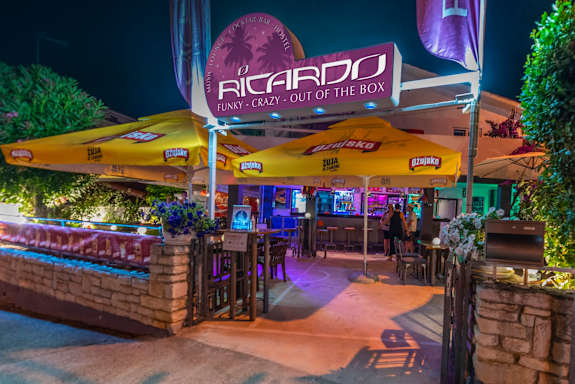
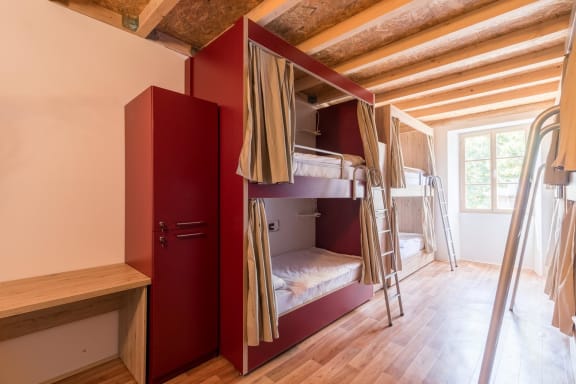
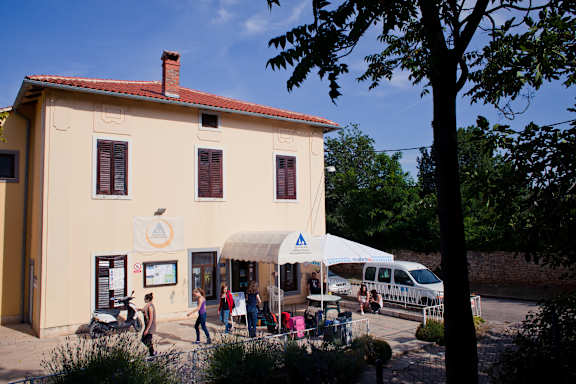
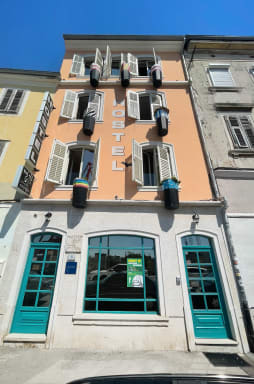
A reasonable scene at the cheapest prices in Istria, in the centre and out towards the beaches. Live from Hostelworld.

May to September, with July and August the festival and concert months.
Average highs. Istria is cooler and greener than Dalmatia, and Pula stays a working city year-round rather than closing down out of season.
Pick how you travel. Per person per night, in euros, in season.
Festival and arena concert tickets sit outside these figures and are worth booking ahead if they are why you are coming.
The ones we get asked most.

Compare Pula hostels — live prices, real reviews and free cancellation on most bookings. Then meet the people already there in the app.

 Get the App.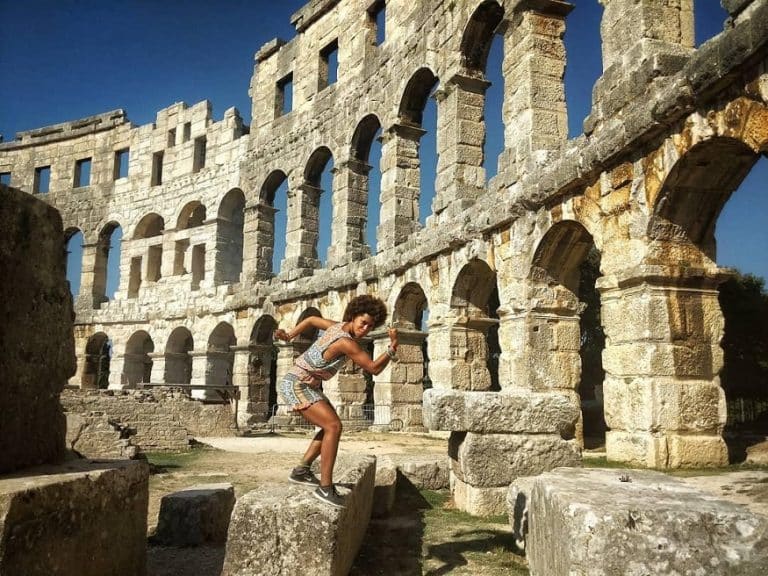
 Get the App.