Presqu'île
First-timersThe peninsula between the rivers: squares, shops, restaurants and most transport.

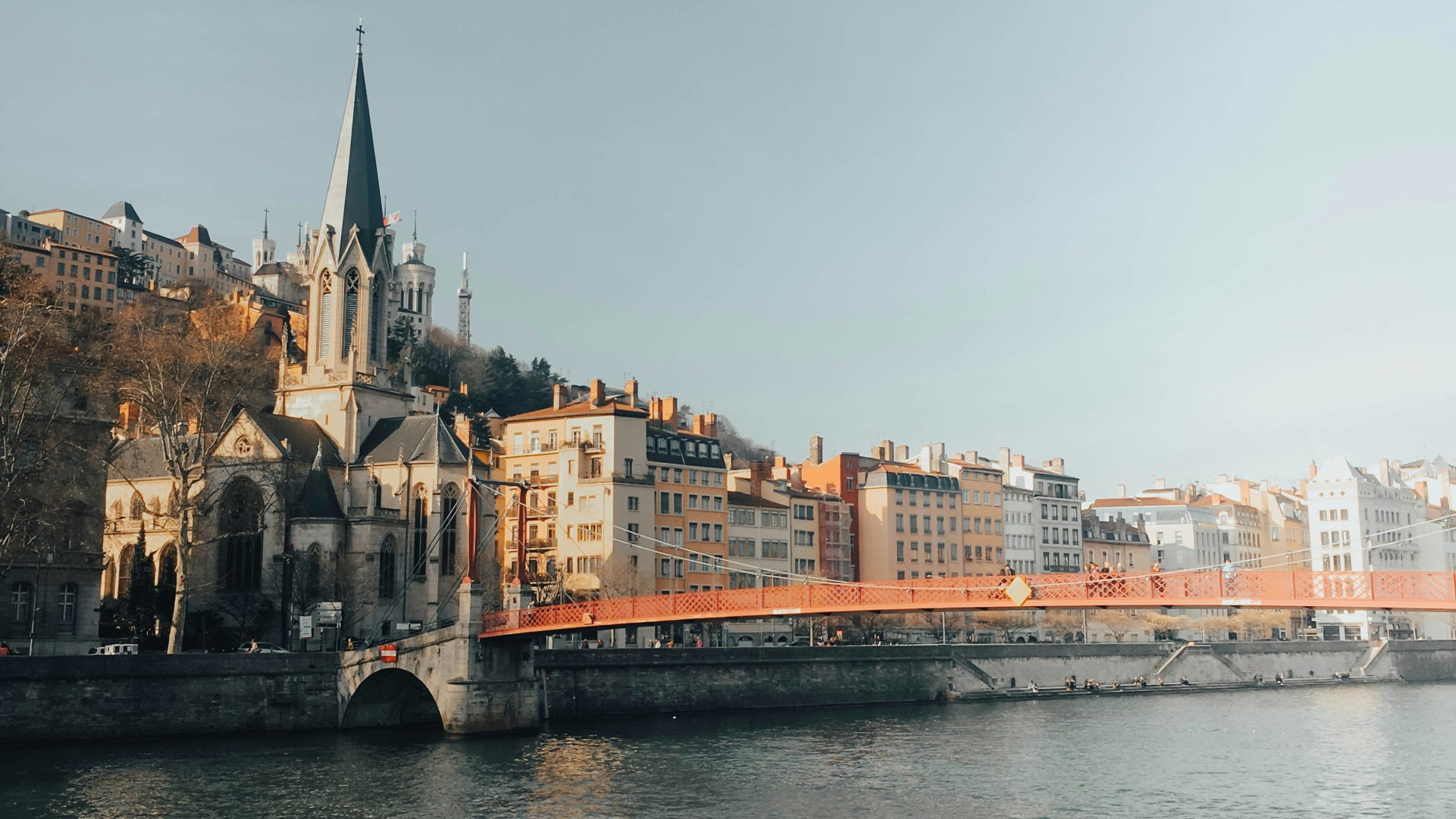
France's food capital, a Roman city on two rivers, and a Renaissance old town threaded with secret passageways — at roughly half the price of Paris.
Lyon sits where the Rhône and the Saône meet, with a Roman hill on one side, a Renaissance quarter on the other and a long peninsula between them.
It was founded in 43 BC as Lugdunum and became the capital of Roman Gaul, and the two amphitheatres on Fourvière hill are still in use for summer concerts.
Vieux Lyon, the Renaissance quarter, is one of the largest in Europe and is laced with traboules — covered passageways cutting through buildings and courtyards, built for silk workers moving cloth in the rain and later used by the Resistance. Many are still open to the public and unmarked.
The food reputation is real and specific. The bouchon is the local institution: small, loud, cheap and serving offal-heavy Lyonnais cooking that is not for everyone but should be tried once.
Two or three days, and everything costs noticeably less than Paris.
Two rivers, a peninsula and two hills, all within half an hour on foot.
The peninsula between the rivers: squares, shops, restaurants and most transport.
Across the Saône under Fourvière: cobbled streets, the traboules and the bouchons aimed at visitors.
The silk workers' hill north: markets, quieter traboules, steep streets and a genuine neighbourhood feel.
East across the Rhône: the main TGV station, cheaper beds and a short tram into the centre.
Orange labels are neighbourhoods, dots are the 12 top-rated hostels. Map © MapTiler © OpenStreetMap contributors.
Walk the traboules. There are said to be more than four hundred, most unmarked, cutting through buildings and courtyards in Vieux Lyon and Croix-Rousse. The best-known, the Tour Rose passage and the long traboule at 54 rue Saint-Jean, are free — but people live in these buildings, so go quietly and during the day.
Take the funicular up Fourvière. At the top sit two Roman theatres, the basilica and the best view over the city and, on a clear day, the Alps. The Gallo-Roman museum is built into the hillside beside the theatres.
Eat in a bouchon. Certified ones carry a plaque; expect quenelles, andouillette, pork in several forms and a jug of Côtes du Rhône, at €22 to €32.
The Musée des Confluences, at the tip of the peninsula where the rivers meet, is a deconstructivist building housing a genuinely odd and good natural history and anthropology collection, about €9.
The Resistance and Deportation museum is sober, important and about €8.
The traboules are free, and finding them without a map is half the pleasure — look for unmarked doors standing open in Vieux Lyon and Croix-Rousse.
The Roman theatres on Fourvière are free to walk into outside performance days, and the basilica above them costs nothing.
Parc de la Tête d'Or is one of the largest urban parks in France, with a free zoo, a botanical garden and a lake.
The Croix-Rousse murals, including the Mur des Canuts — one of the largest painted walls in Europe — are free and scattered across the city.
Both riverbanks have been rebuilt as walking and cycling paths, and the Rhône bank in summer is where Lyon drinks and sits.
The city's claim to be France's food capital is old, loudly made, and broadly accepted.
The bouchon is the institution: small, wood-panelled, noisy, and serving Lyonnais cooking that leans heavily on offal and pork. Quenelles, andouillette, salade lyonnaise, and a pot of Beaujolais. A meal runs €22 to €32 and the certified ones carry a plaque, which matters because the imitations cluster in Vieux Lyon.
Les Halles Paul Bocuse is the covered market — expensive to shop in, good for a counter lunch at €12 to €20.
The lunch formule is the saving here as everywhere in France, at €14 to €20.
Wine is the other advantage: Beaujolais to the north and the northern Rhône to the south, so a decent glass is €4 to €6.
Student-heavy and river-led. The péniches — barges moored along the Rhône — are bars and clubs, and they are where the summer nights are.
The Pentes de la Croix-Rousse, the slopes below the hill, have the best bar concentration and the youngest crowd.
Vieux Lyon is busier with visitors and pricier for what it is.
A beer is €4 to €7 and cocktails €9 to €13, clearly below Paris.
Lyon has a large student population and term time from September to June is when it shows. The metro runs to around midnight, later at weekends.
One ticket at about €2 covers metro, tram, bus and the two funiculars up Fourvière, which is worth knowing before you walk up the hill.
The centre is walkable and the peninsula is about twenty-five minutes end to end.
Part-Dieu is the main TGV station and Perrache the second — check which one your train uses, as they are a tram ride apart and people get this wrong.
Paris is two hours by TGV at €30 to €90 depending on how far ahead you book. Marseille is an hour and forty, Geneva under two hours.
The airport is 30 minutes on the Rhônexpress tram for about €17, which is steep for the distance and the only direct option.
Vélo'v bike hire is cheap and the riverbank paths are flat, though the two hills are not.
Roughly half Paris for beds and noticeably less for everything else. Dorms are €20 to €35, a lunch formule €14 to €20, and a beer €4 to €7.
A day is €45 to €85.
The traboules, the Roman theatres, the parks and the painted walls are free, and the museums are cheap — the Confluences is about €9 and the Resistance museum about €8.
A bouchon dinner at €22 to €32 is the one thing worth spending on, and it is the reason a lot of people come.
TGV fares to Paris and Marseille drop sharply when booked weeks ahead.
Lyon is a safe city and the crime affecting visitors is petty theft.
Pickpocketing happens around Part-Dieu station, on the metro and in the crowded parts of Vieux Lyon.
The area immediately around Part-Dieu and parts of Guillotière are rougher late at night without being dangerous.
The traboules are private property that the city has negotiated public access to. People live there — entering after dark, making noise or blocking courtyards is how access gets withdrawn.
The Rhône and Saône are fast, cold and have steep embankments, and the riverbank bars sit directly beside the water. Emergency number is 112.
Two wine regions, a medieval town and the Alps within reach.
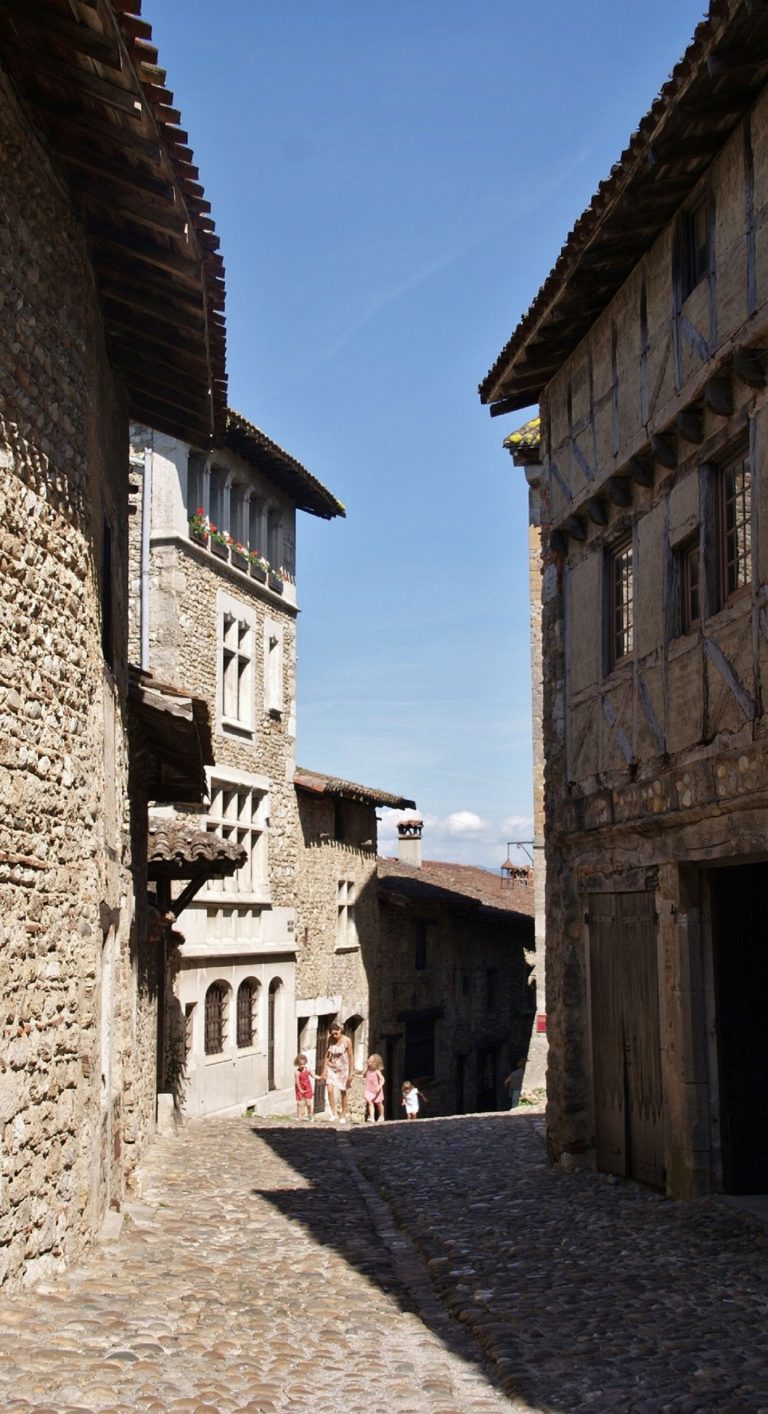
A walled medieval hill village of cobbles and stone houses, almost entirely intact.
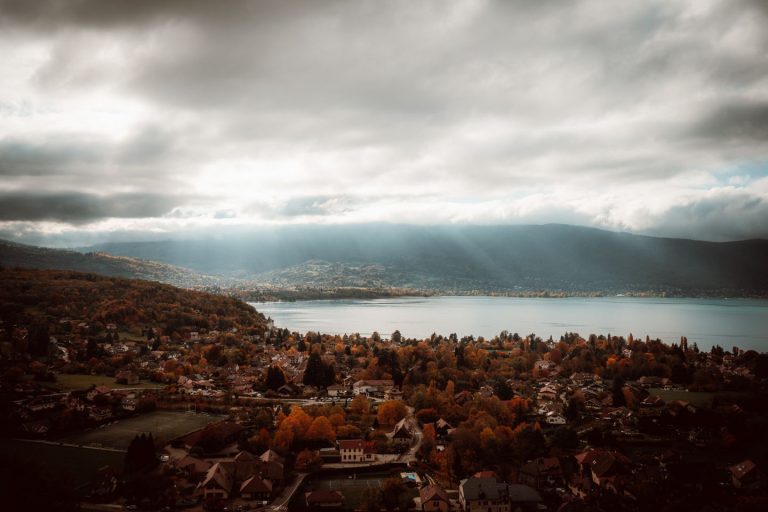
A canal town on an alpine lake with the clearest water in Europe.
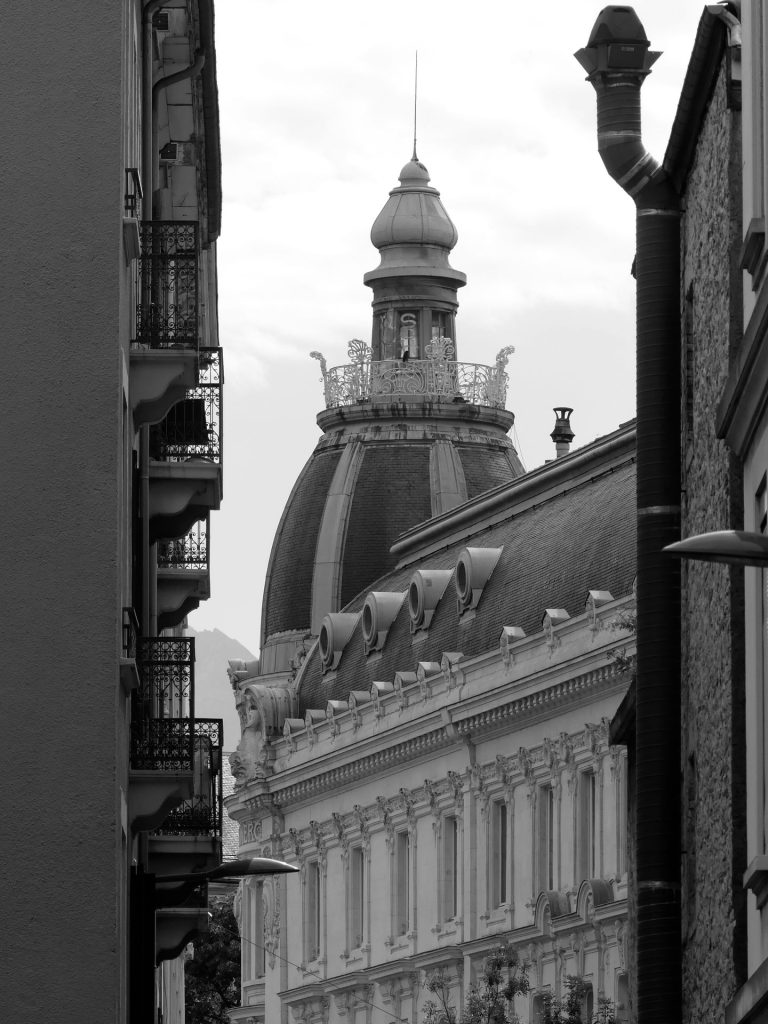
A university city ringed by mountains, with a cable car of glass bubbles up to the Bastille fort.
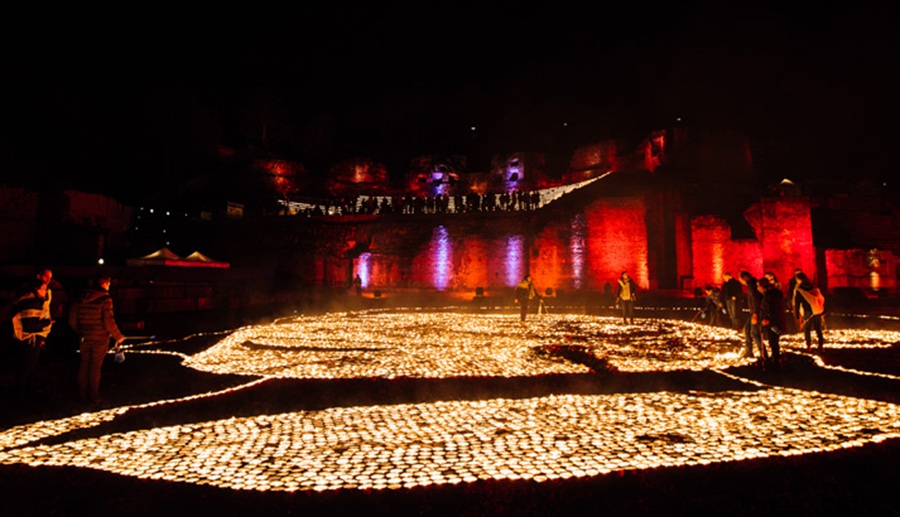
Four nights in December when the whole city is lit by projections.
 Staff pick
Fête des Lumières in Lyon, France, transforms the city into a glowing canvas as artists from around the world illuminate its streets, squares, and…
 Staff pick
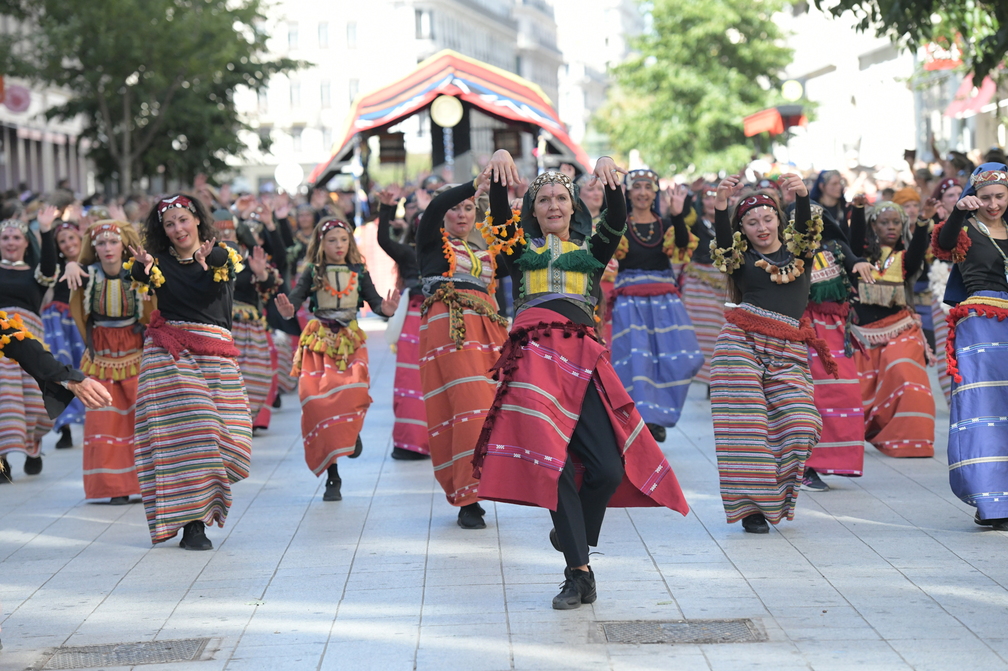
The Biennale de Lyon in France is a major international exhibition dedicated to contemporary art, drawing artists and audiences from around the globe. Spanning…
 Staff pick
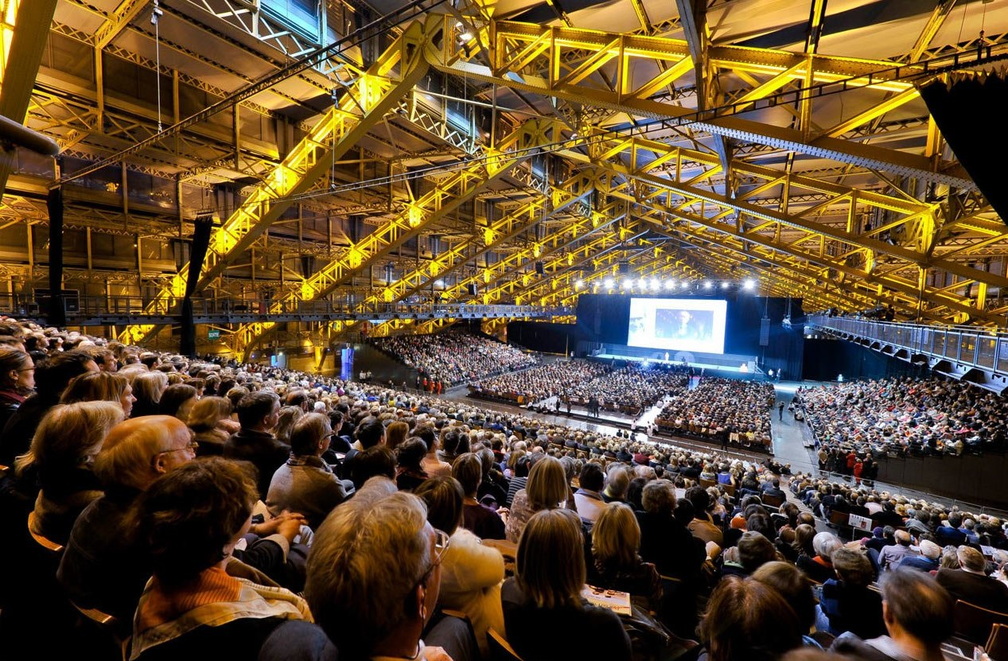
Festival Lumière in Lyon, France, is a renowned celebration of classic cinema, drawing film lovers and industry professionals from around the world. Hosted by…
 Staff pick
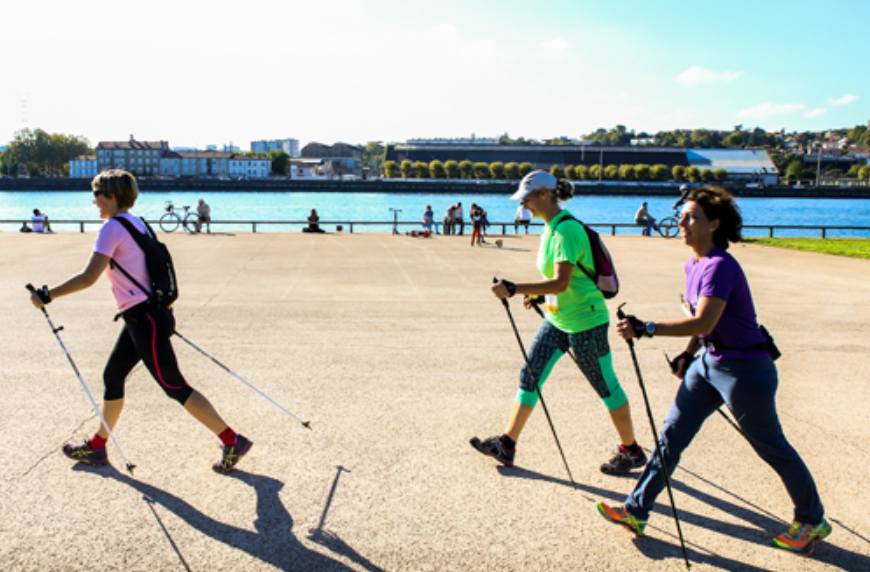
Nordic Walk in Lyon is a unique event celebrating urban walking, offering routes through the city’s most beautiful historical and modern sites. Participants can…
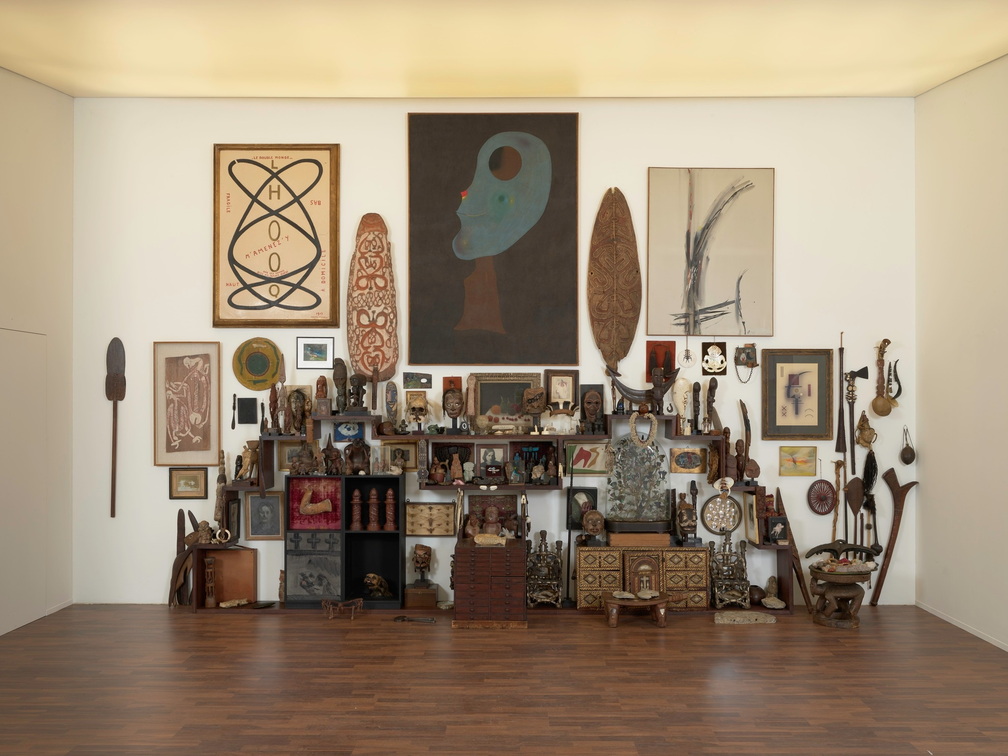
The exhibition explores the practice of collecting among 20th and 21st century artists through the richness of three collections: the Musée des Beaux-Arts de…
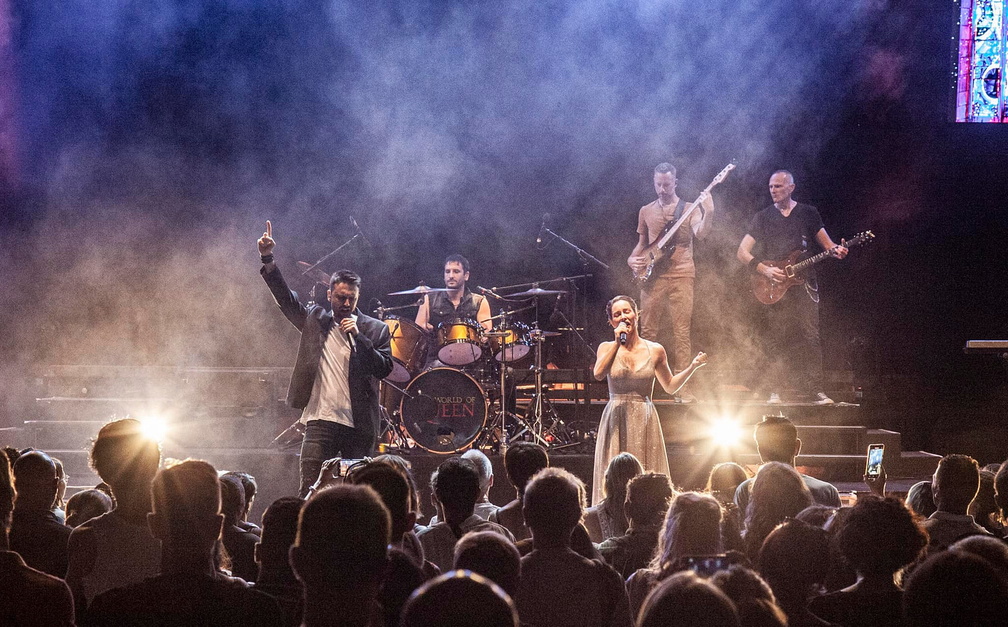
The World of Queen is a tribute concert honoring Freddie Mercury and the legendary band Queen. The show features a brilliant voice, talented musicians,…
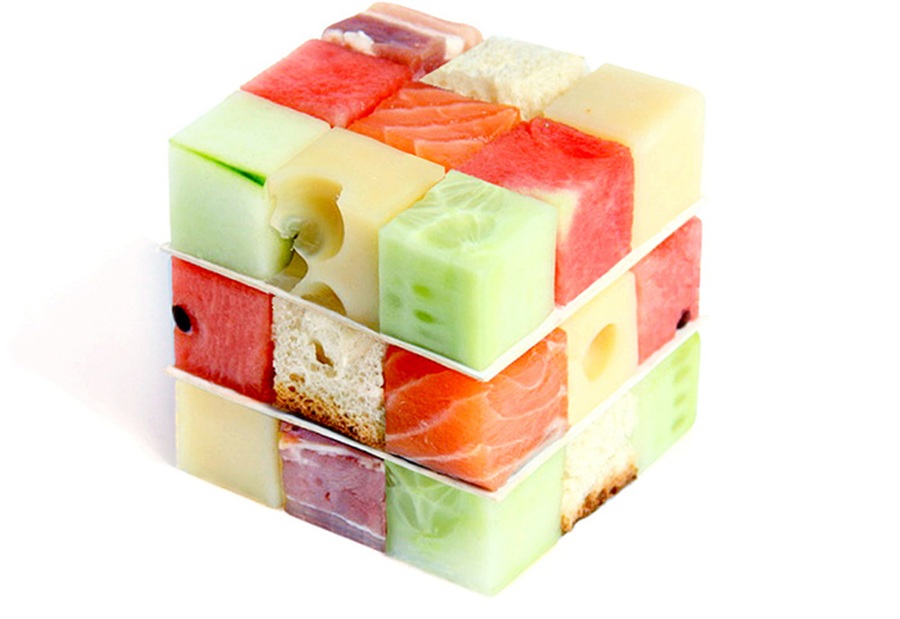
Fête de la science 2026 Ctrl+EAT explores the fascinating connections between science and food through a variety of activities including games, discussions, and scientific…
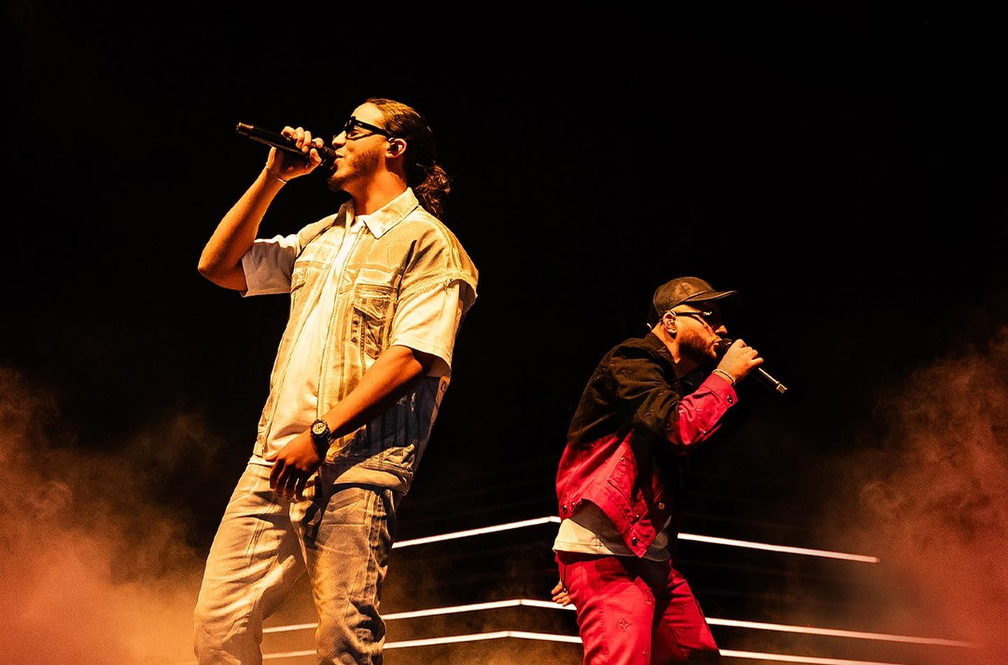
DJADJA & DINAZ is a prominent rap duo that has established a significant presence in the Francophone rap scene since 2014. In 2025, they…
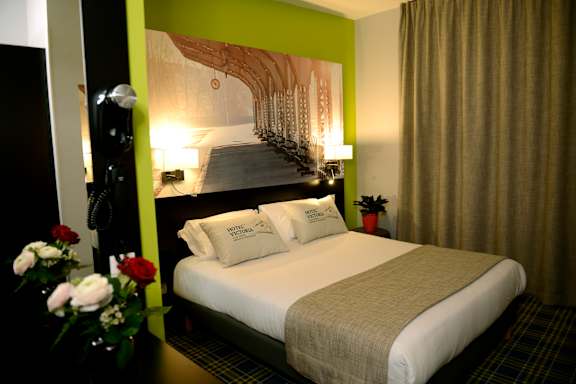
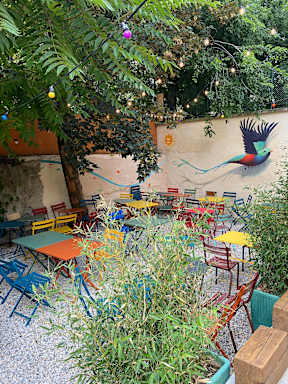
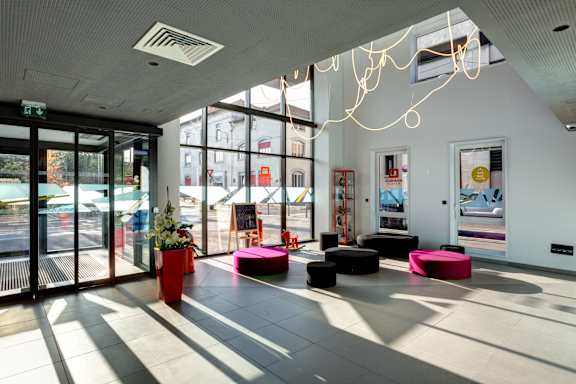
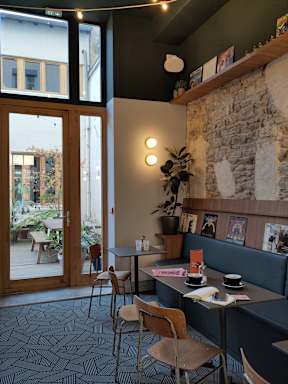
A decent scene on the peninsula and in Vieux Lyon, at well below Paris prices except in December. Live from Hostelworld.
 Sustainable
 Sustainable
May, June and September. December for the Fête des Lumières, which is extraordinary and packed.
Average highs. August is the one to be careful with — a lot of bouchons close for the month, which removes the main reason to be here.
Pick how you travel. Per person per night, in euros.
The food line assumes a lunch formule and one bouchon dinner across a couple of days. The traboules and theatres cost nothing.
The ones we get asked most.
Compare Lyon hostels — live prices, real reviews and free cancellation on most bookings. Then meet the people already there in the app.

 Get the App.
 Get the App.