Centre and Bouffay
First-timersThe medieval quarter and the castle: bars, restaurants, trams and most of the beds.

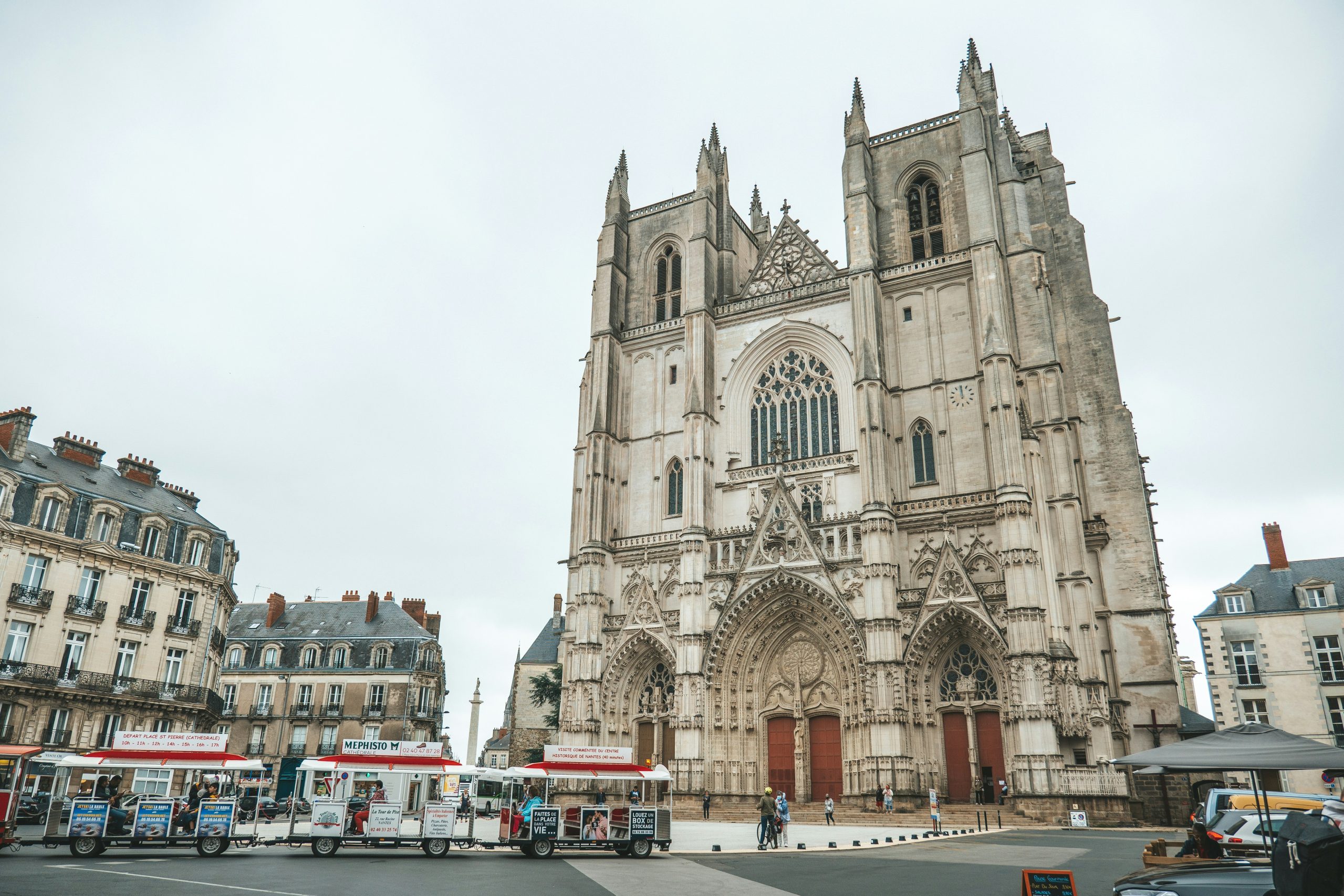
A former shipbuilding city turned deliberately strange: a mechanical elephant walks the island, a green line on the pavement is the tour, and Jules Verne was born here.
Nantes built ships until 1987, and when the yards shut it had an island of empty industrial sheds and a decision to make. It chose art, specifically the large, mechanical and slightly unhinged kind.
Les Machines de l'Île is the result: a twelve-metre mechanical elephant that carries passengers around the former shipyard, a three-storey marine carousel, and a workshop building more of them in public. It is the work of a company that started in street theatre and it is unlike anything else in Europe.
The city also runs Le Voyage à Nantes, a green line painted on the pavement linking artworks and buildings across the centre — follow it and you have done the tour.
Nantes was the historic capital of Brittany, which it will remind you of, and administratively is not in Brittany, which it will also remind you of.
It was France's largest slave trading port, and the memorial on the quay addresses that directly. Two days.
A flat centre with the island and the shipyards just across the water.
The medieval quarter and the castle: bars, restaurants, trams and most of the beds.
The island across the water: the elephant, the shipyard sheds, the carousel and the riverside.
West: the opera house, the Passage Pommeraye and the eighteenth-century shipowners' houses.
North: cheaper beds, student bars and a short tram into the centre.
Orange labels are neighbourhoods, dots are the 3 top-rated hostels. Map © MapTiler © OpenStreetMap contributors.
Les Machines de l'Île is the reason to come. About €10 for the gallery, about €10 more to ride the elephant, which walks a circuit of the former shipyard carrying around fifty people and sprays water at bystanders. The Marine Worlds Carousel is a three-storey carousel of mechanical sea creatures you operate yourself. Book ahead in summer.
The Château des Ducs de Bretagne is free to walk into and about €9 for the museum inside, which covers the city's history including its central role in the Atlantic slave trade.
The Mémorial de l'Abolition de l'Esclavage on the quay is free, underground, and one of the more serious pieces of public memory in France — Nantes was the country's largest slave trading port.
Follow the green line. It is painted on the pavement, runs about twelve kilometres, and links the artworks and buildings worth seeing.
The Passage Pommeraye, an 1843 shopping arcade over three levels connected by a grand staircase, is free and remarkable.
The green line is free and is the best way to see the city — follow it and it takes you past everything worth a look.
The Château des Ducs courtyard and ramparts are free to walk, with only the museum charged.
The Mémorial de l'Abolition de l'Esclavage on the quay is free.
The Île de Nantes outdoor works cost nothing: the shipyard cranes, the Anneaux — eighteen steel rings along the quay that light at night — and the various permanent installations left by past festivals.
Trentemoult, a former fishing village of brightly painted houses across the Loire, is reached by the Navibus river shuttle on a normal transport ticket.
The Jardin des Plantes is free and holds a set of oversized sculptures among the beds.
Atlantic and Breton influences. Galettes — savoury buckwheat crêpes — are the everyday meal at €8 to €14, eaten with cider from a bowl rather than a glass.
Seafood is the other strength: oysters, mussels and the Loire estuary catch, with a plate at €12 to €18.
Beurre blanc, a butter and shallot sauce for fish, was invented in the villages just west of here.
Muscadet is the local wine, a dry white grown around the city, at €3.50 to €5 a glass, and the good ones are far better than the export reputation.
A lunch formule is €13 to €18, and the Talensac market is the best cheap eating in the city.
Bouffay, the medieval quarter, is the dense bar area — narrow streets, cheap rounds and a student crowd every night in term.
The Île de Nantes has the more interesting venues in the old industrial buildings, including the Hangar à Bananes strip of bars along the quay by the lit steel rings.
Nantes has a real music scene for its size, with Stereolux and Trempolino among the venues.
A beer is €4 to €6.50 and cocktails €8 to €12.
Trams run to about half past midnight, later at weekends, and there are around sixty thousand students keeping term time busy.
Trams cost about €1.90 with day tickets, and three lines cover the city. Nantes reopened the first modern tram system in France in 1985, which is why the network is as good as it is.
The Navibus river shuttle to Trentemoult runs on the same ticket, which makes it the cheapest boat trip in France.
The centre is flat and walkable, and the island is a bridge away.
TGV reaches Paris in two hours at €25 to €70, and Bordeaux is about four hours across country.
The airport is 20 minutes by shuttle for about €10, and the city is a common cheap entry point to western France.
Good value. Dorms are €20 to €35, a lunch formule €13 to €18, and a beer €4 to €6.50.
A day is €45 to €80.
The green line, the memorial, the quays and Trentemoult are free, which is most of a day.
Les Machines is the main spend at about €10 for the gallery and about €10 again for the elephant ride, and it is worth both.
Muscadet at €3.50 to €5 a glass is one of the cheapest good wines in France, because you are standing in the vineyards.
Nantes is a safe city and the crime affecting visitors is petty theft.
Pickpocketing happens around the station, on trams and in the Bouffay crowds at night.
Bouffay gets very drunk at weekends in term time, which is the main source of trouble and mostly avoidable.
The Loire is wide, fast and tidal here, with strong currents and quays that run flush to the water beside the Hangar à Bananes bars. It is not a river to be near after drinking.
Nantes has a long tradition of large demonstrations and they occasionally turn confrontational in the centre. They are announced in advance — if one is on, go around it. Emergency number is 112.
The Atlantic, salt marshes and the Loire châteaux.
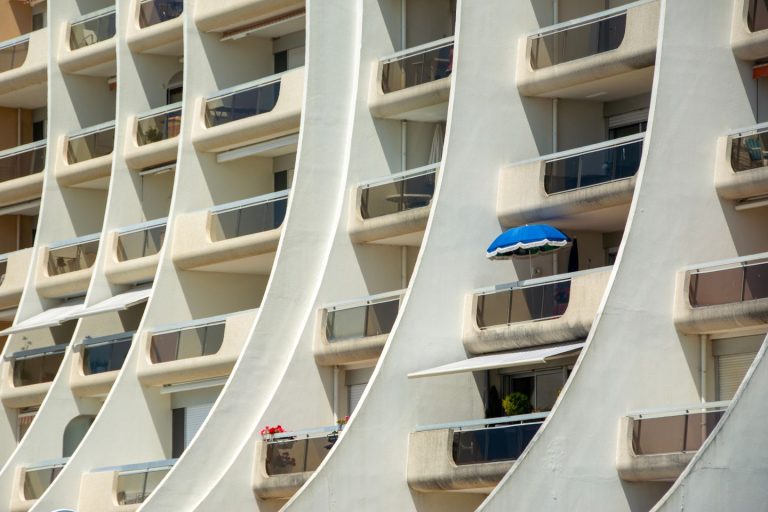
A long Atlantic beach and a belle époque resort, with Guérande's salt marshes and walled town nearby.
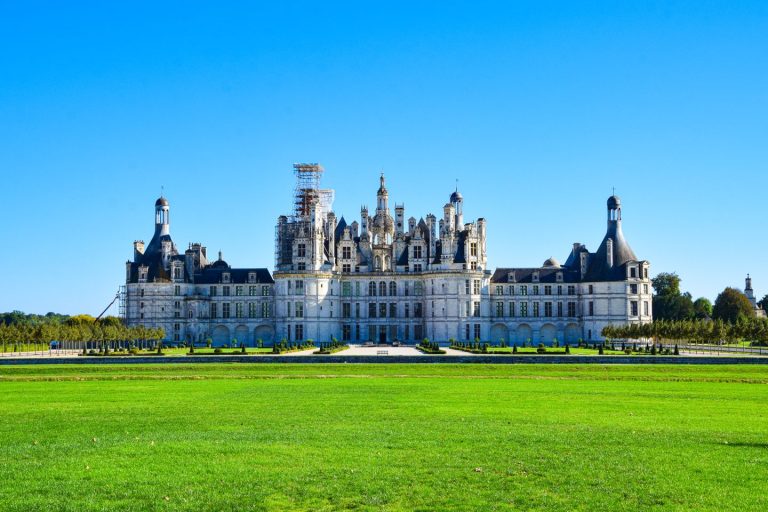
The start of the château country, with Saumur and Chenonceau within reach.
A summer-long art trail, and machines that keep getting stranger.
A summer-long art trail along the green line, with new commissions each year across the city and the estuary.
A free jazz and boat festival along the river north of the centre.
One of Europe's largest metal festivals, forty minutes south of the city, which fills every bed in the region.
A classical music marathon of short cheap concerts over several days.
Free live music across the streets and squares.
A modest scene in and near the centre, at reasonable prices except during Hellfest week. Live from Hostelworld.
May to September. Le Voyage à Nantes runs across the summer and is when the city is at its most itself.
Average highs. Nantes is Atlantic — mild, wet and rarely extreme in either direction, with rain spread through the year rather than concentrated.
Pick how you travel. Per person per night, in euros.
The doing line assumes Les Machines with an elephant ride. The green line, the memorial and the quays cost nothing.
The ones we get asked most.

Compare Nantes hostels — live prices, real reviews and free cancellation on most bookings. Then meet the people already there in the app.

 Get the App.
 Get the App.