Town centre
First-timers and nightlifeThe whitewashed streets above the harbour, with the bars, restaurants and most of the hostels.

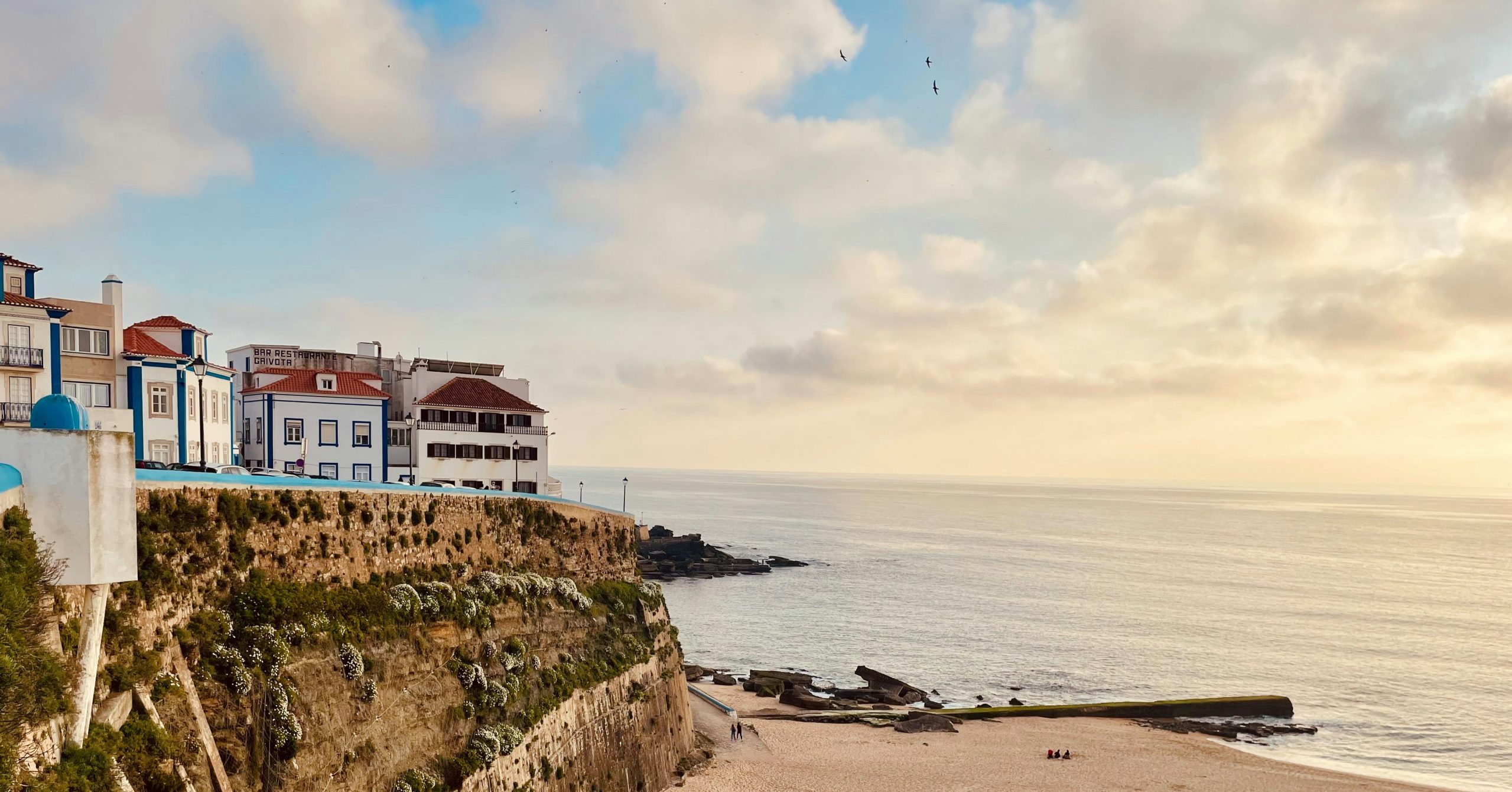
Europe's only World Surfing Reserve, forty minutes from Lisbon. Seven reef breaks along four kilometres, and a whitewashed fishing town on top of the cliff.
Ericeira was a fishing village that became, in 2011, the first World Surfing Reserve in Europe and only the second on earth. The waves are the reason: seven named breaks inside four kilometres, most of them reef, ranging from a beginner beach to Coxos, which is one of the best right-handers in the world and not a place to learn.
The town itself is small, whitewashed and blue-trimmed, on a cliff above the harbour, and it has kept a working fleet alongside the surf schools.
Most people come for a week on a surf camp. Two or three days is enough if you just want the town and a couple of lessons, and it works as a day trip from Lisbon, though the last bus back is earlier than you would like.
The town is ten minutes end to end. The choice is really town or beach.
The whitewashed streets above the harbour, with the bars, restaurants and most of the hostels.
North of town near the competition break, where most of the surf camps and their shuttles are based.
South of town: a river-mouth beach break, the gentlest wave here and a quieter strip of places to stay.
Orange labels are neighbourhoods, dots are the 7 top-rated hostels. Map © MapTiler © OpenStreetMap contributors.
Surf, or learn to. Foz do Lizandro and Praia do Sul are the beginner beaches with sand bottoms and schools running lessons at €30 to €40 for two hours including board and wetsuit. Ribeira d'Ilhas is the competition wave and manageable for improvers on a small day. Coxos, Cave and Reef are for people who already know what they are doing, and locals will make that clear.
Beyond the water, the clifftop walk from the town to Ribeira d'Ilhas takes about forty minutes along the reserve.
The harbour still lands fish every morning, and the market above it sells it by nine.
Mafra, fifteen minutes inland, has a palace-monastery the size of a small town, with a library of 36,000 books and its own colony of bats.
Watching surfers at Ribeira d'Ilhas from the cliff above costs nothing and is the town's main spectator sport, particularly when a contest is on.
Every beach is free, and the clifftop path runs the length of the reserve.
The harbour at dawn, when the boats come in, and the sunset from Praia do Sul are the two fixed points of the day here.
The town's tiled churches and the miradouro above the harbour are free, and the Mafra palace is free on Sunday mornings for EU residents.
This is a fishing town and the seafood is the reason to eat out. Percebes — goose barnacles, prised off these rocks at low tide — are a local speciality and cost €40 to €60 a kilo, which sounds absurd until you understand how they are harvested.
Grilled fish and seafood rice run €12 to €20, and the restaurants around the harbour are honest about what came in that day.
Surf town food fills the rest: açaí bowls, poke, and a lot of brunch, at Lisbon prices rather than village ones.
A prato do dia away from the seafront is still €8 to €11.
Small and seasonal. A handful of bars in the town centre fill with surf camp groups from about ten, and in July and August it is genuinely busy.
Out of season it is two or three places and an early night, which suits a town where people are in the water at seven.
Beer is €2 to €3.50, and most nights end at the same bar because there are not many.
For anything bigger, Lisbon is forty minutes away and the last bus back is around nine, so it is a night out with a taxi or a stay-over attached.
Mafrense buses run from Campo Grande in Lisbon to Ericeira in about seventy minutes for €5, roughly hourly, and that is how most people arrive. There is no train.
In town you walk. The surf breaks north and south are twenty to forty minutes on foot, or a few minutes in a surf camp shuttle, which most camps include.
A hire car is useful for reaching Coxos and the northern breaks at the right tide, and for Mafra and Sintra inland.
Taxis and Bolt work but thin out late at night.
Cheaper than Lisbon for beds, similar for food. Dorms run €18 to €32, and surf camps that bundle bed, board, lessons and food run €350 to €600 a week, which is the way most people do it.
A day is €45 to €65 outside a camp package.
Lessons are €30 to €40, board and wetsuit hire €15 to €25 a day, and the percebes are as expensive as they look. Everything else — the beaches, the cliff path, the watching — costs nothing.
The town is very safe. The ocean is not, and that is the whole safety picture here.
These are reef breaks over rock and urchins, with strong rips between them. Coxos, Cave, Reef and Pedra Branca are expert waves and people are injured on them every season. If you are learning, stay at Foz do Lizandro or Praia do Sul and take a lesson before paddling out anywhere else.
Surf etiquette is enforced here more firmly than in most places, and dropping in at Coxos will be pointed out to you.
Water temperature runs 15 to 19 degrees, so a wetsuit is not optional even in August. Emergency number is 112.
Sintra and Mafra are both short hops inland, and Lisbon is an hour away.
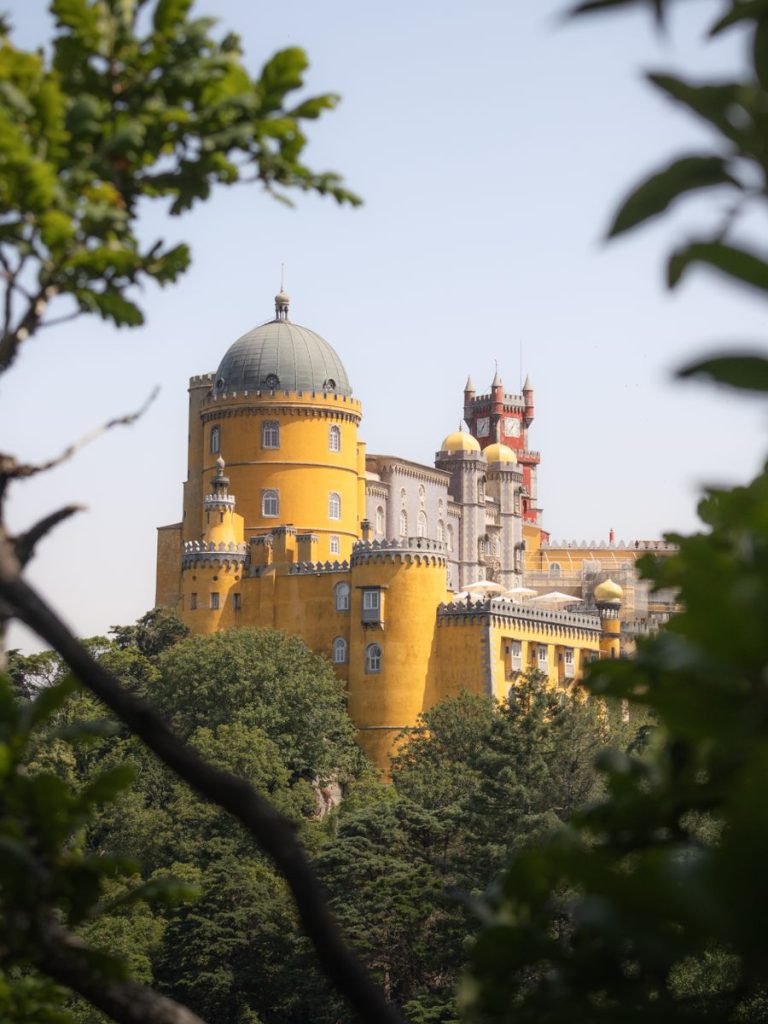
Palaces in wooded hills, including Pena on its crag. Go early and book timed tickets in advance.
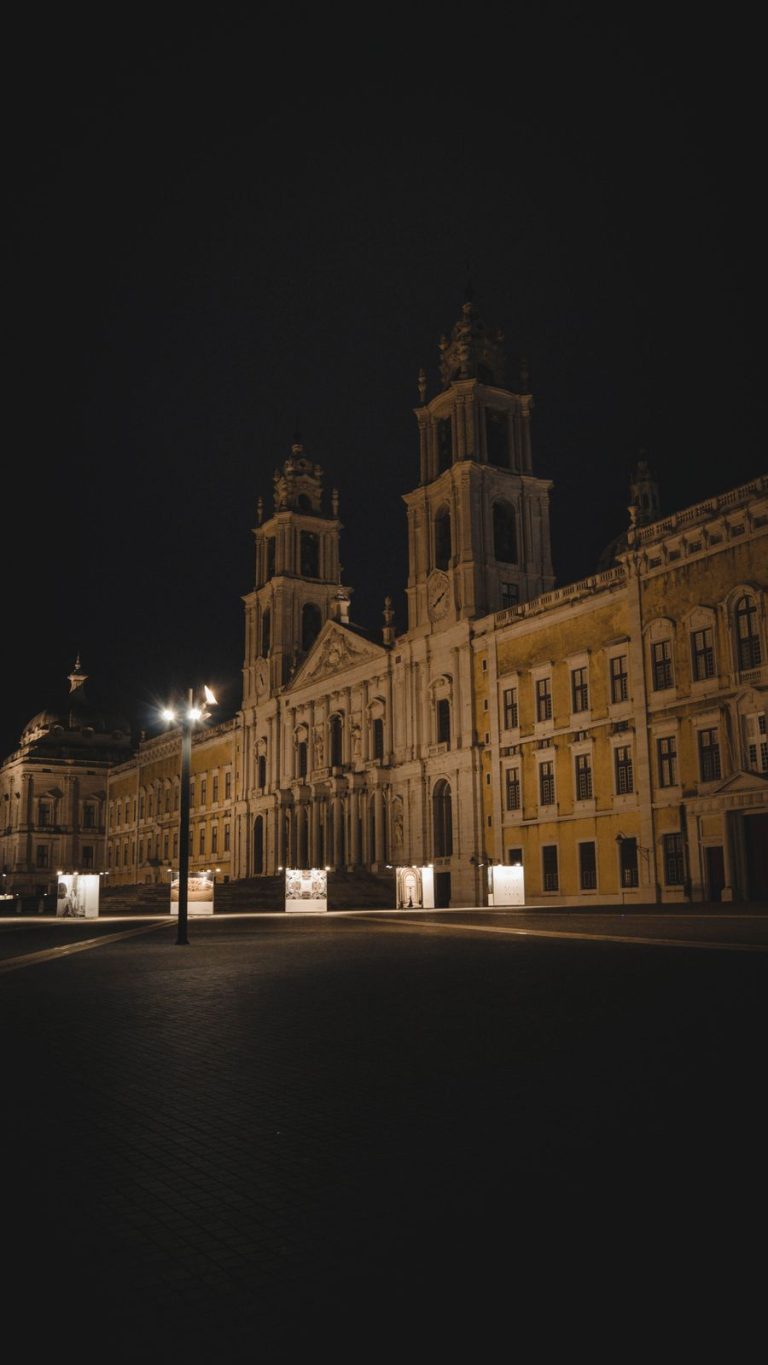
A palace-monastery the size of a village, with a baroque library of 36,000 books and bats that protect them.
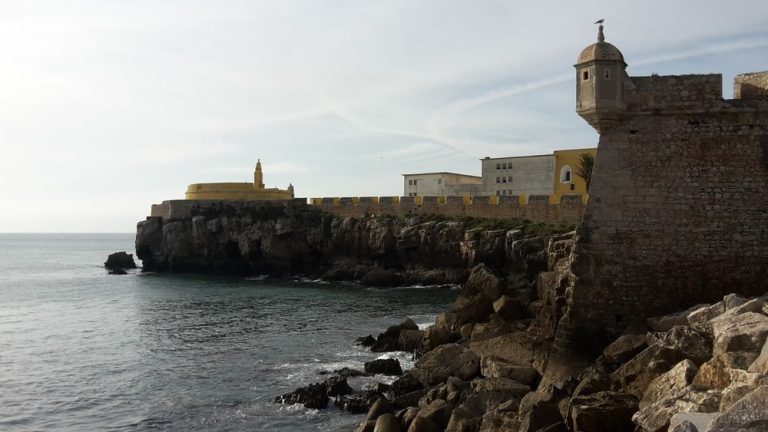
More surf, a walled peninsula, and boats to the Berlengas islands in summer.
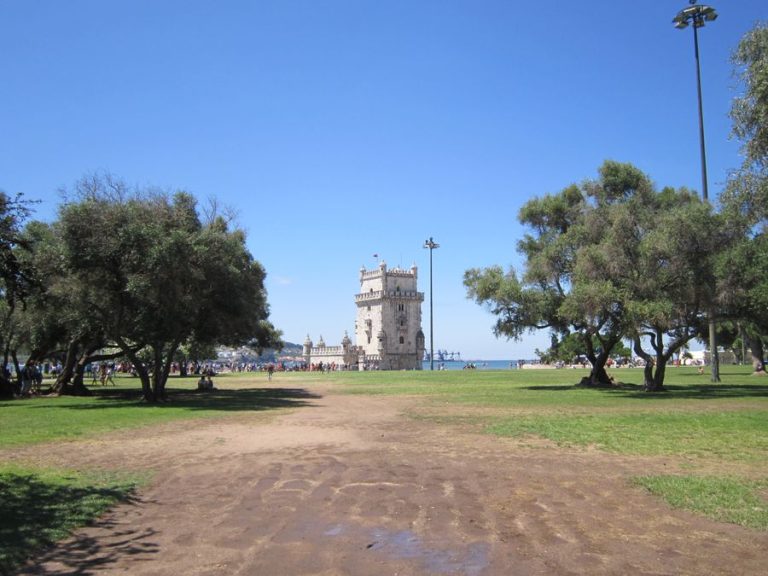
The capital, and the reason a lot of people end up in Ericeira for a week in the first place.
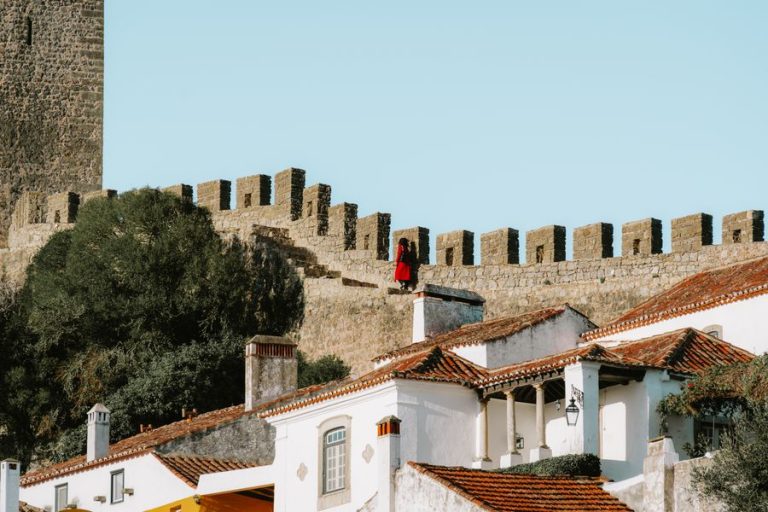
A walled medieval town you can walk the ramparts of, with cherry liqueur served in chocolate cups.
The surf calendar is the calendar.
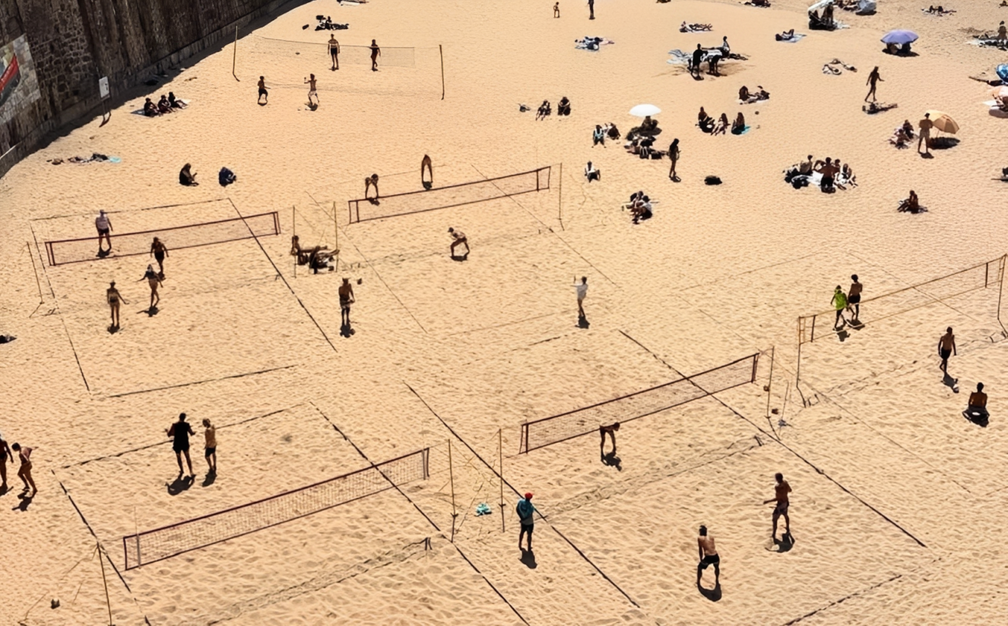
This unique event offers a vibrant mix of music, art, and culture. Attendees can expect an eclectic blend of live performances, interactive art installations,…
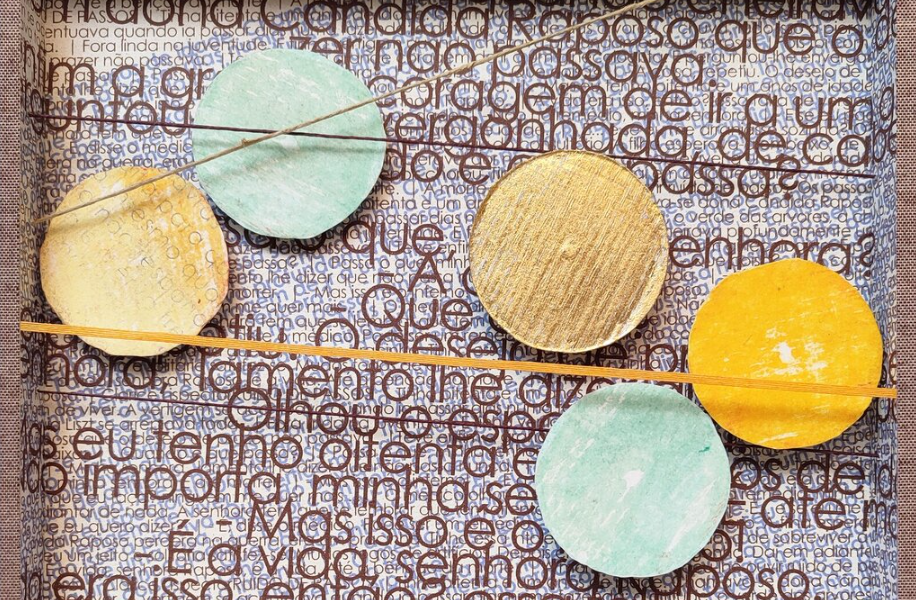
Saskia Moro's exhibition "Brincadeiras" (Playtime) transforms the gallery into a playful, sensory territory where visual arts and literature intertwine. Drawing on literary references from…
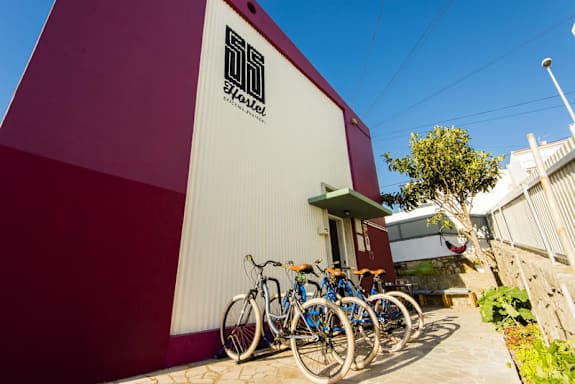
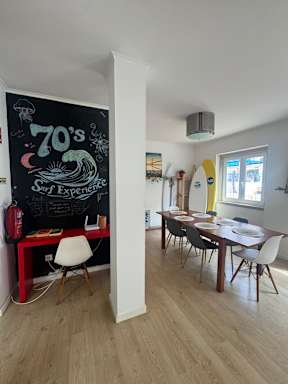
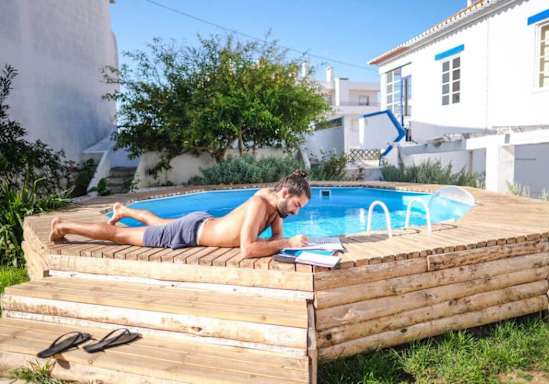
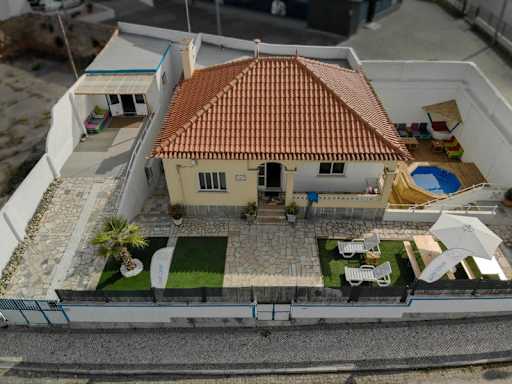
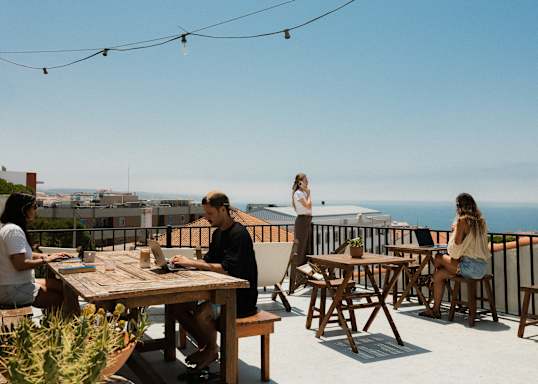
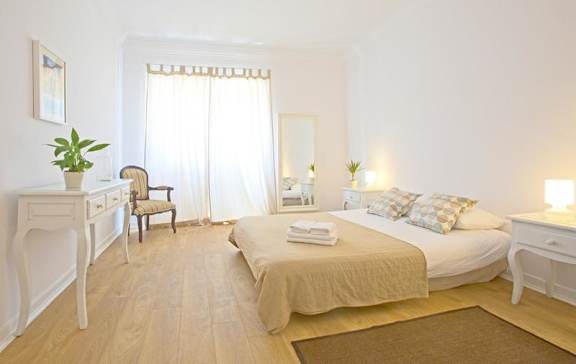
Most beds here are surf camps and surf hostels, and many include board hire and lessons. Live from Hostelworld.
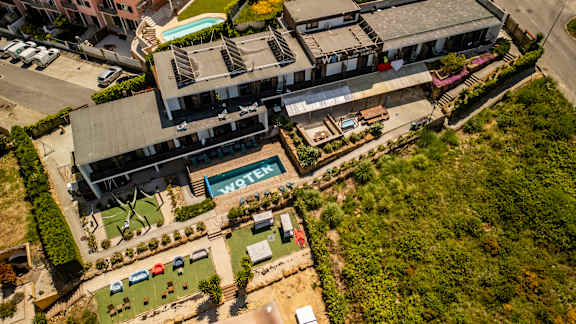 Sustainable
Learners want June to September, when the swell is smaller. Experienced surfers want the opposite.
Average air highs. The water sits between 15 and 19 degrees all year, which is why everyone wears a wetsuit in August.
Pick how you travel. Per person per night, in euros, outside a camp package.
A surf camp week at €350–600 bundles bed, board, lessons and most meals and usually works out cheaper than doing it separately.
The ones we get asked most.

Compare Ericeira hostels and surf camps — live prices, real reviews and free cancellation on most bookings. Then meet the people already there in the app.

 Get the App.
 Get the App.