Wadi Musa
First-timersThe town by the entrance; stay low to walk in at opening.

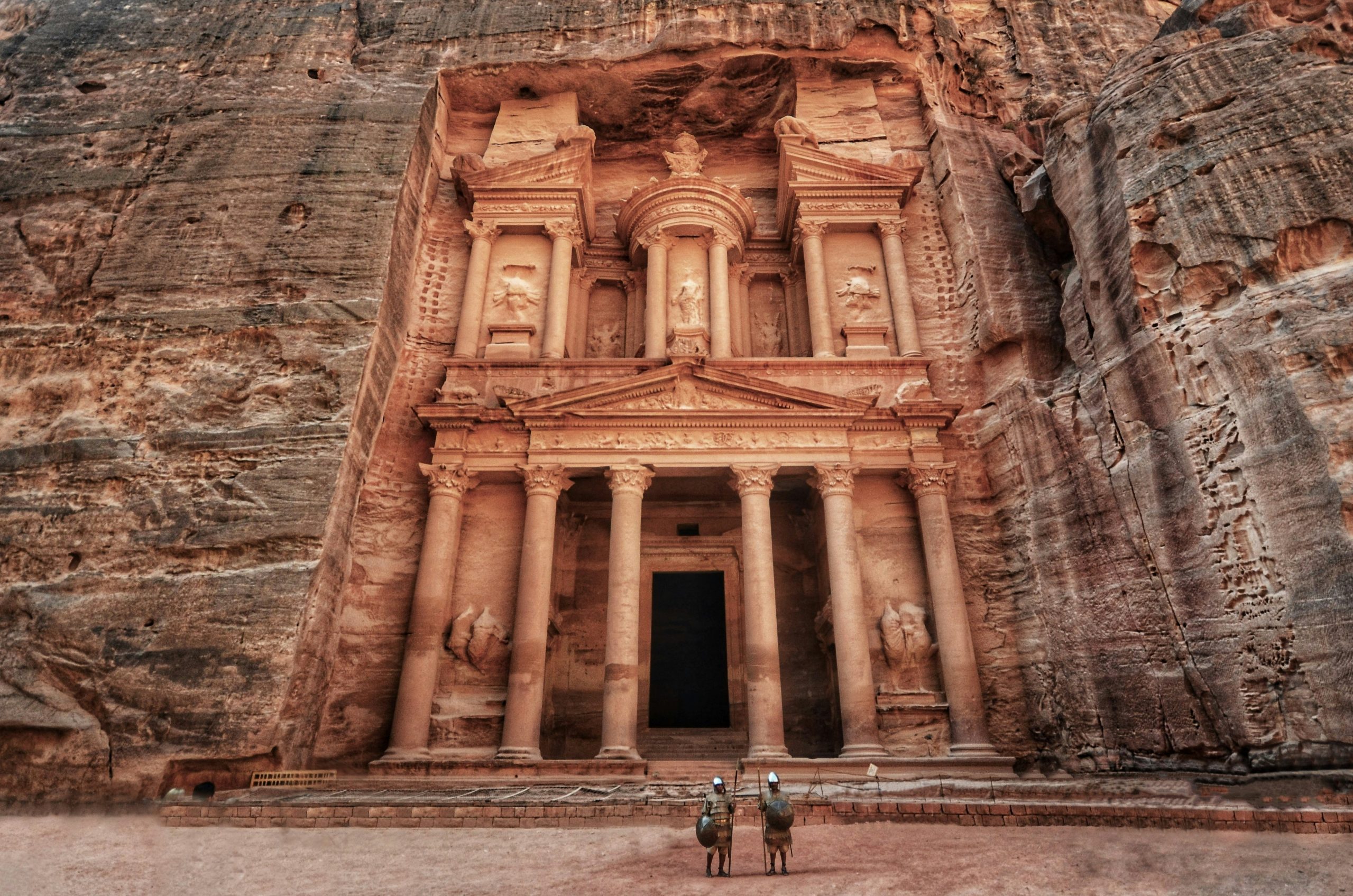
The rose-red Nabataean city carved into sandstone cliffs, entered through a narrow siq, and far bigger than the one facade everyone has seen. Two days is the minimum.
Petra was the capital of the Nabataeans, Arab traders who grew rich on the incense routes two thousand years ago and carved their tombs and temples into the sandstone cliffs. It was forgotten by the West for centuries, and it is now a UNESCO World Heritage Site.
Most people know the Treasury, seen at the end of the siq, a narrow canyon over a kilometre long. But the city stretches for kilometres beyond it, with the Monastery, the Royal Tombs and high places for sacrifice.
The town next to it, Wadi Musa, is where everyone stays. Two days is right.
Wadi Musa, the town at the entrance to Petra, has all the hostels and hotels, spread along a long, hilly main road. Stay near the bottom, close to the visitor centre, to walk in at opening; places higher up are cheaper and often run free shuttles.
The town by the entrance; stay low to walk in at opening.
Orange labels are neighbourhoods, dots are the 4 top-rated hostels. Map data from OpenStreetMap contributors.
Petra, the rock-cut capital of the Nabataeans, built over two thousand years ago, is a UNESCO World Heritage Site and one of the New Seven Wonders of the World.
Enter at opening, when the Siq, a narrow 1.2-kilometre gorge, is quiet, and the morning light falls on the Treasury, Al-Khazneh, as you reach the end. Beyond it, the path passes the Street of Facades, the theatre and the Royal Tombs, carved into the cliff.
Climb the 800 or so rock-cut steps to the Monastery, Ad Deir, larger than the Treasury and often thought finer; go in the afternoon, when the sun is on its face, and continue to the viewpoints beyond. The High Place of Sacrifice trail climbs from near the theatre to an altar with views over the site, and descends past the Lion Fountain and Garden Tomb; with time, walk the trail to the viewpoint above the Treasury.
Petra is huge: two days lets you see it without rushing, and a third lets you walk the back trail from Little Petra to the Monastery with a guide.
Petra by Night, when the Siq and the Treasury are lit by 1,500 candles, runs on Monday, Wednesday and Thursday evenings and has its own ticket.
Little Petra, Siq al-Barid, a few kilometres north, is a smaller site, free to enter. Wadi Rum's desert is about two hours south.
Little Petra, Siq al-Barid, is free, and so is the view from the hills of Wadi Musa over the mountains.
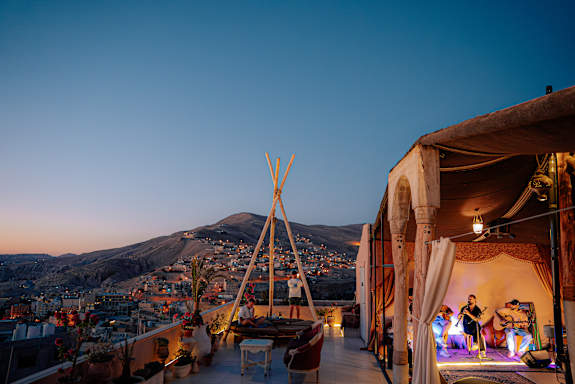
Petra itself is not free: it needs the Jordan Pass or a day ticket. Watching the light change on the cliffs from your guesthouse roof costs nothing.
Wadi Musa has restaurants serving Jordanian food: mansaf, maqluba, grilled chicken and mezze. Inside Petra, a few Bedouin-run cafés and restaurants sell drinks and lunch, but they are expensive; bring water and snacks.
Petra Kitchen, in Wadi Musa, runs evening cooking classes where you make and eat a Jordanian dinner. A meal is €6 to €15.
Wadi Musa is quiet at night. The Cave Bar, a bar in a two-thousand-year-old Nabataean tomb by the entrance, is the famous evening drink; a few hotel bars serve alcohol.
Petra by Night, three evenings a week, is the evening event.
A beer is €6 to €9.
JETT buses reach Amman in about three and a half to four hours, and minibuses run to Wadi Rum, about two hours, and Aqaba.
Inside Petra, walk: the site is several kilometres end to end, with steep climbs. Animal rides raise serious welfare concerns, and the donkeys up the Monastery steps have been the subject of campaigns; if you ride, choose carriage or horse rides in the lower Siq only, or better, walk.
Many travellers drive the King's Highway or Desert Highway from Amman in a hire car.
Petra is expensive by Jordanian standards. Dorms start around €12 and a careful day is €35 to €50, plus entry.
A one-day Petra ticket is JD 50 for visitors staying overnight in Jordan and JD 90 for day-trippers from abroad. The Jordan Pass, bought online before you fly, covers the visa fee if you stay at least three nights, plus entry to Petra and about 40 other sites, including Jerash, the Amman Citadel and Wadi Rum. It comes in three versions, for one, two or three days in Petra, from about JD 70 to JD 80. Petra by Night is about JD 17 extra.
The currency is the Jordanian dinar (JOD), a strong currency, at roughly €1.25 to the dinar; prices here are euro equivalents. Cards work in cities and hotels; carry cash for taxis, small restaurants and Petra's stalls.
Petra is safe.
The heat is intense from June to September; start at opening, carry plenty of water, and rest at midday. The steps to the Monastery and the High Place are steep and uneven; wear proper shoes.
In winter, flash floods can close the Siq after heavy rain.
Touts selling rides and souvenirs are persistent; a polite, firm refusal works.
Emergency number is 911.
Free Little Petra, the red desert and a nature reserve.
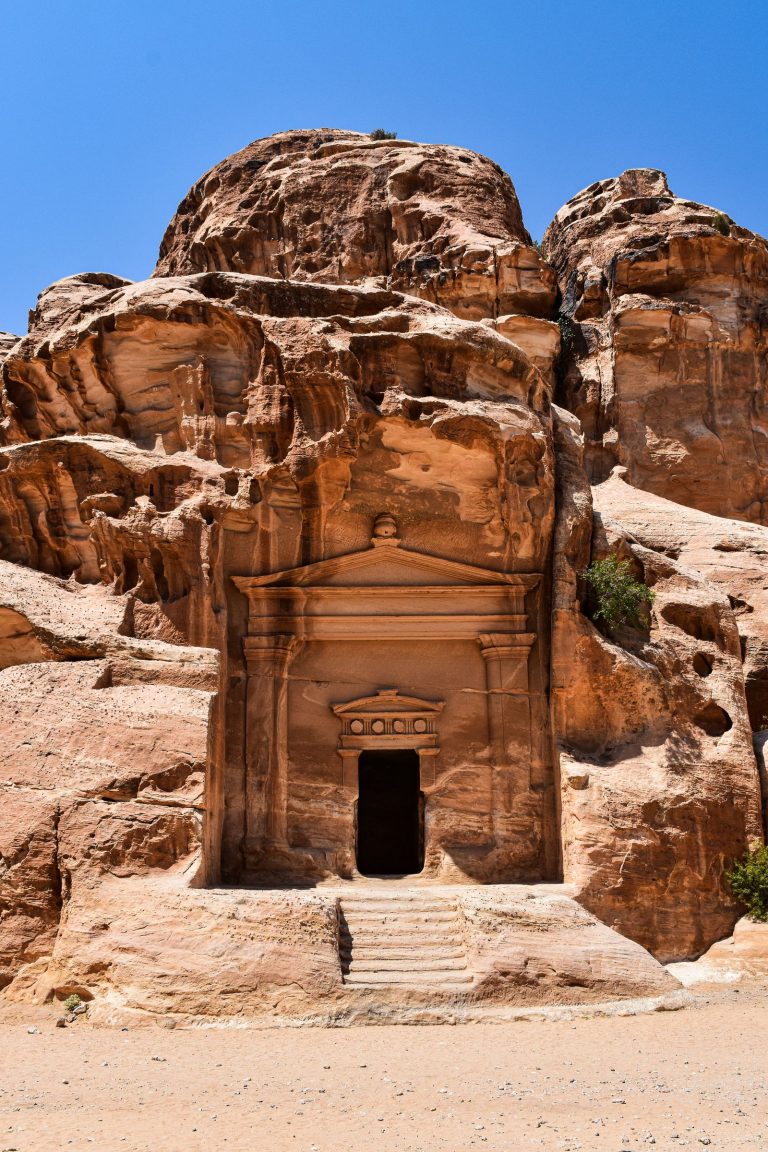
A smaller Nabataean site, free.
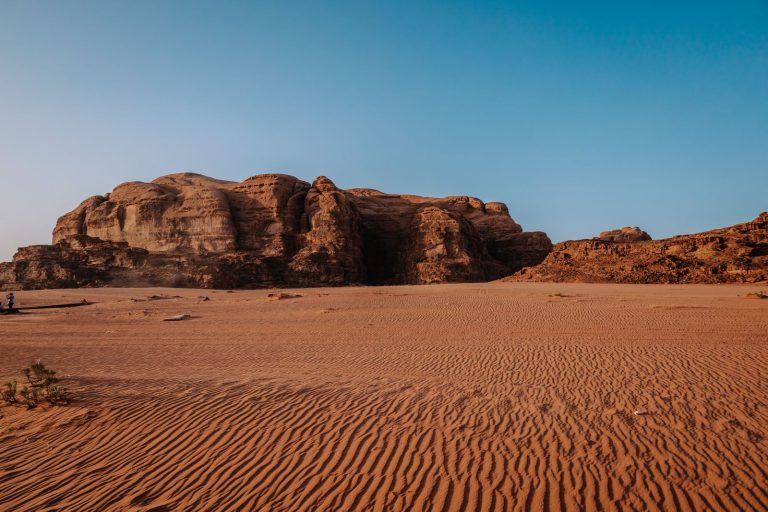
A desert of red sand and sandstone towers, with Bedouin camps.
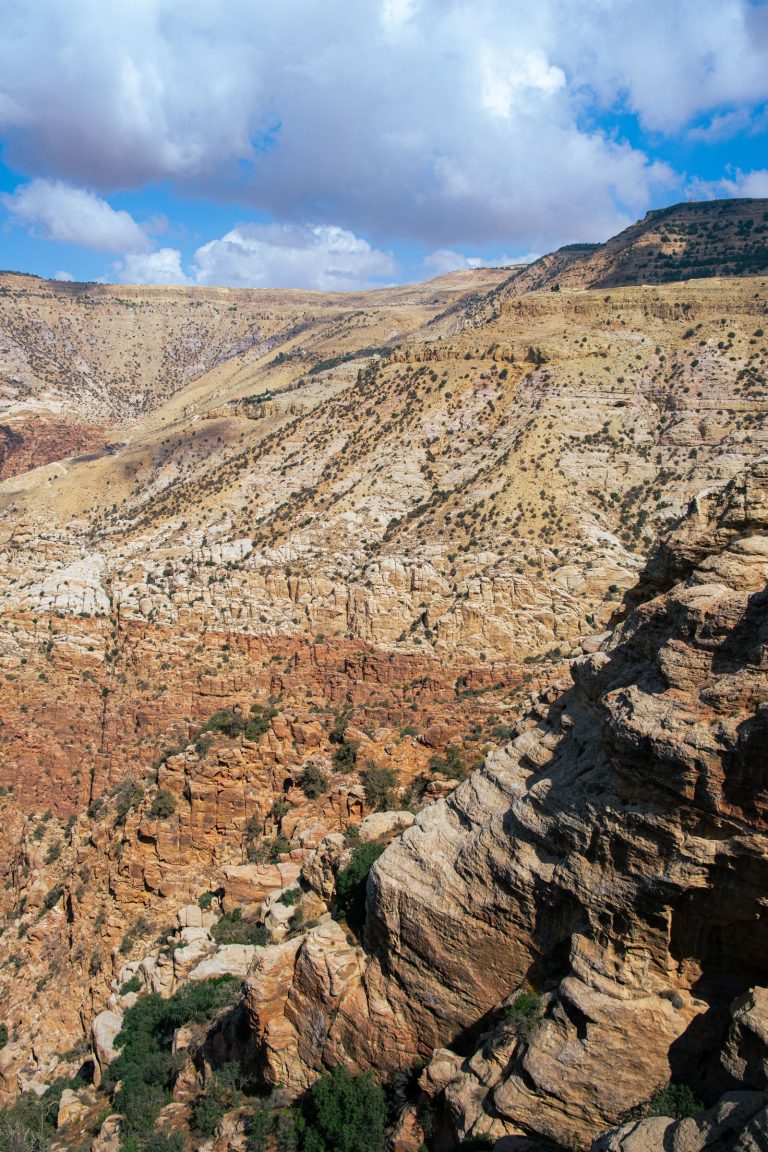
A nature reserve with hiking down to Feynan.
Petra by Night runs several evenings a week.
The siq lit by candles.
The best weather.
The top-rated places to stay in Petra right now, live from Hostelworld.
March to May and September to November. Summers are very hot.
Average highs. Wadi Musa sits at around 1,100 metres.
Pick how you travel. Per person per night, in euros.
Prices are in dinars locally; these are euro equivalents. Excludes the Petra ticket.
The ones we get asked most.

Compare Petra hostels — live prices, real reviews and free cancellation on most bookings. Then meet the people already there in the app.

 Get the App.

 Get the App.