Hakata
TransportThe station and airport subway.

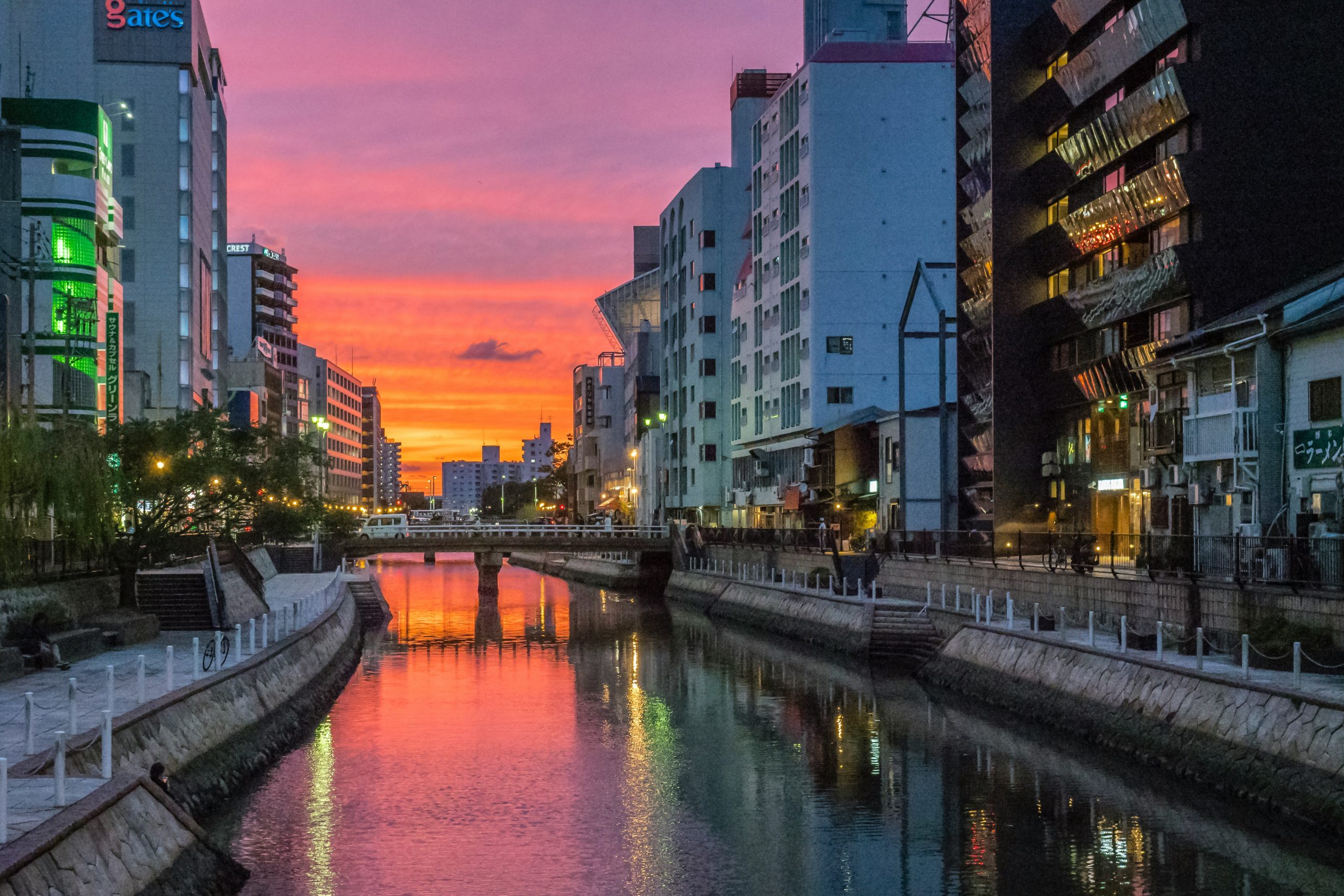
Kyushu's relaxed capital: open-air yatai food stalls along the river, the home of tonkotsu ramen, beaches in the city, and a ferry to South Korea.
Fukuoka is the biggest city on Kyushu, Japan's southern main island, and one of the most liveable in the country: compact, relaxed and close to the sea. It is the home of Hakata ramen, the rich tonkotsu pork-bone broth, and of the yatai, open-air food stalls that set up along the river every evening.
Its airport is five minutes from the centre by subway, and ferries run to Busan in South Korea.
Two or three days is right.
Hakata, around the station, is the transport hub, with the shinkansen and airport subway. Tenjin, the shopping and nightlife centre, has most bars and yatai food stalls. Nakasu, the island between them, is the entertainment district, with yatai along the river.
The station and airport subway.
Shopping, bars and yatai.
The island with riverside stalls.
Orange labels are neighbourhoods, dots are the 5 top-rated hostels. Map data from OpenStreetMap contributors.
Fukuoka is relaxed, compact and famous for its food, with the airport just five minutes from the centre.
The yatai, open-air food stalls that set up in the evening along the river in Nakasu and in Tenjin, are the city's signature. Squeeze onto a bench for ramen, yakitori, oden and a beer, and chat with your neighbours; they are a Fukuoka institution, with around a hundred still operating.
Kushida Shrine, in Hakata, displays one of the huge floats used in the Hakata Gion Yamakasa festival. Ohori Park, a large lake park, sits beside the ruins of Fukuoka Castle, with views from its walls. Canal City is a shopping complex with a fountain show.
Momochi seaside park has a beach and the Fukuoka Tower, and ferries cross in ten minutes to Nokonoshima island, covered in seasonal flowers.
Dazaifu, half an hour away, has Dazaifu Tenmangu, a shrine to the god of learning, with a street of umegae mochi sweets. Yanagawa, an hour away, is known for punting boats along its canals. Nagasaki is about an hour and a half by train.
Ohori Park, the castle ruins and Momochi beach are free, and so are Kushida Shrine and Dazaifu Tenmangu's grounds.
Wandering the yatai, the riverside in Nakasu and Canal City's fountain shows costs nothing.
Fukuoka is the home of Hakata tonkotsu ramen: thin noodles in a creamy pork-bone broth. Order 'kaedama' for an extra serving of noodles in the same broth. Ichiran, the chain with private booths, began here.
Motsunabe, offal hot pot, and mentaiko, spicy cod roe, are local specialities, and gyoza here are bite-sized. The yatai serve all of these. A bowl of ramen is €6 to €9.
Fukuoka has a friendly nightlife: yatai in the evening, then bars and izakaya in Tenjin and Daimyo, and Nakasu's entertainment district. Yatai are a great place to meet locals.
A beer is €4 to €6.
Fukuoka Airport is just two subway stops, about five minutes, from Hakata Station, one of the most convenient airports in the world.
The subway and buses cover the city; use an IC card. Hakata Station has shinkansen to Hiroshima in about an hour and Osaka in about two and a half, and trains to Nagasaki in about an hour and a half.
Ferries cross to Busan in South Korea; check current operators and schedules.
Fukuoka is cheaper than Tokyo. Dorms start around €18 and a careful day is €40 to €55.
A ramen is €6 to €9, a yatai evening €15 to €25 with drinks. Dazaifu's train is a few euros.
Since July 2026, the international tourist tax added to flights out of Japan is ¥3,000.
The currency is the yen (JPY); prices here are euro equivalents. Cards and IC cards work widely in cities, but carry cash: small restaurants, temples and rural places are often cash-only. Convenience store ATMs (7-Eleven, Lawson, FamilyMart) take foreign cards.
Fukuoka is very safe.
In Nakasu, ignore touts offering bars and clubs. Yatai have no fixed prices on some dishes; ask before ordering if unsure.
Emergency: 110 police, 119 ambulance and fire.
A shrine to learning, canals, the harbour city and Korea.
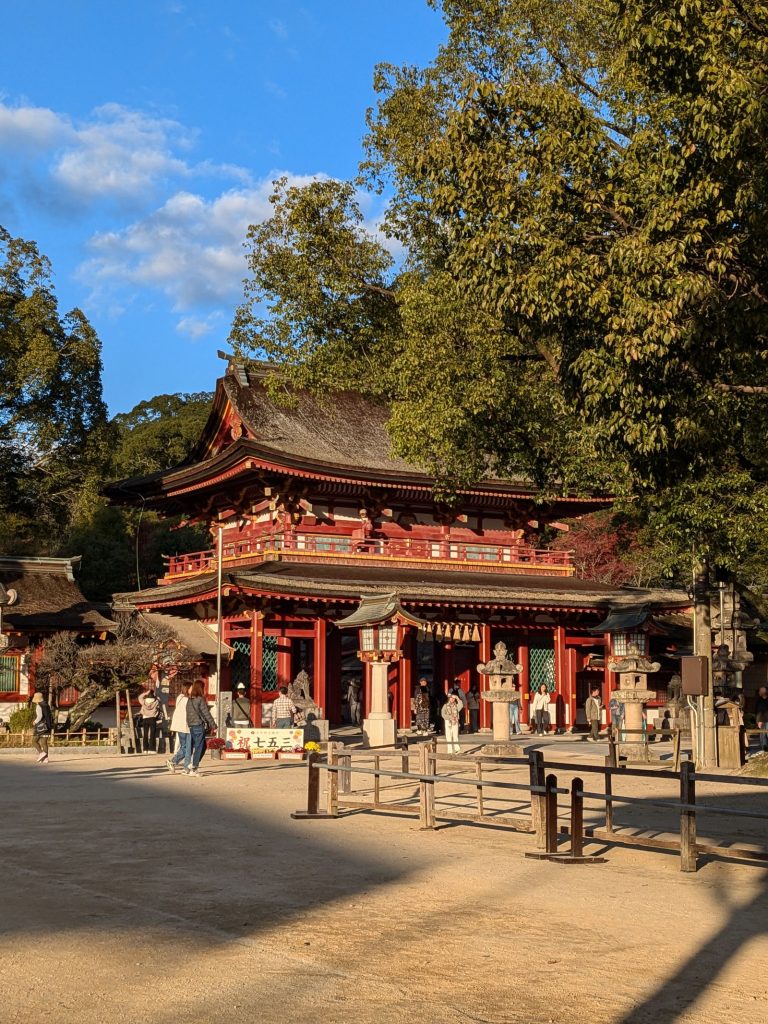
A shrine to the god of learning.
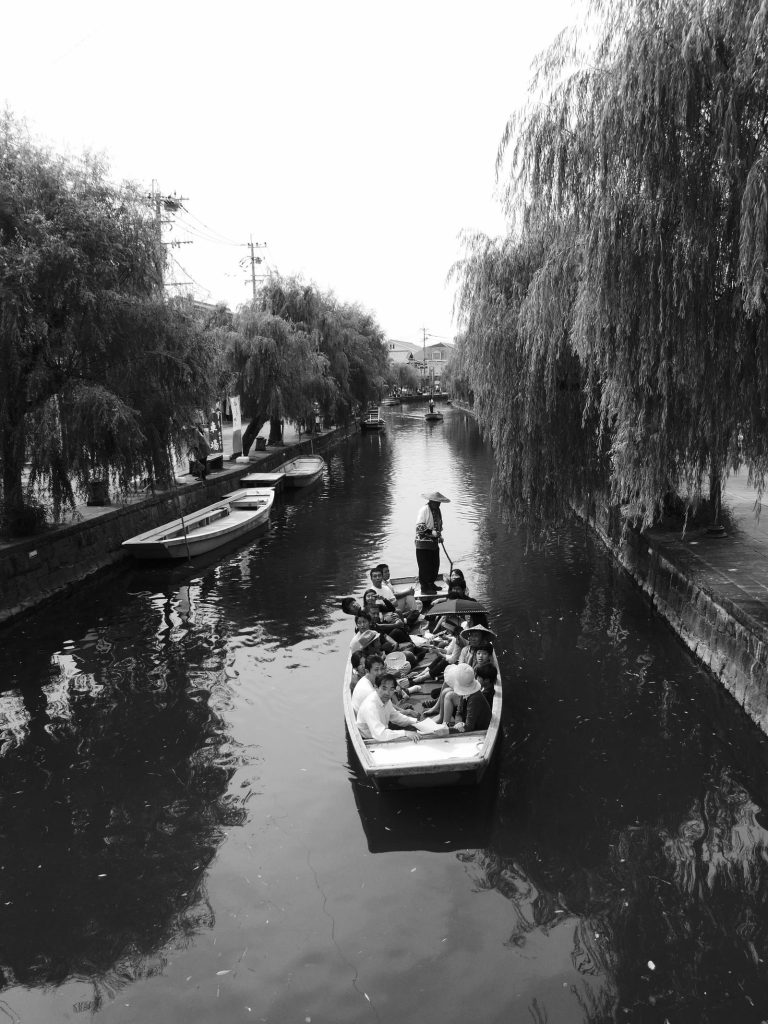
Canal boat rides.
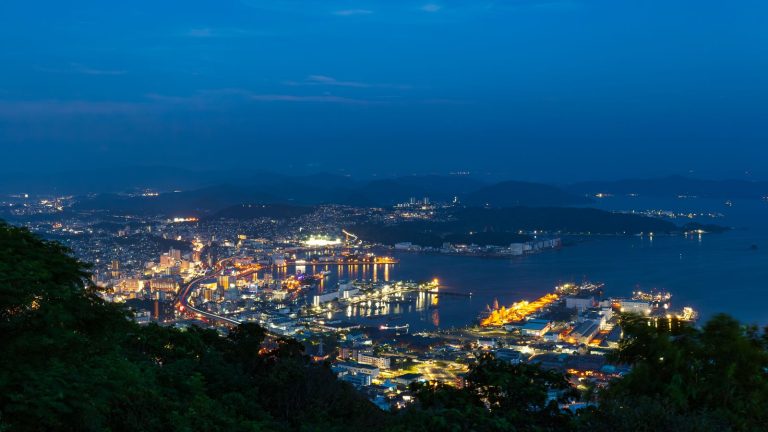
The harbour city.
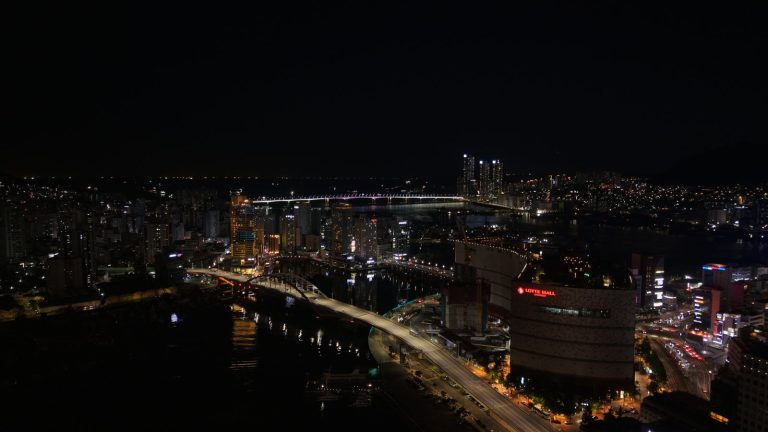
South Korea.
Hakata Gion Yamakasa, with its float races, fills July.
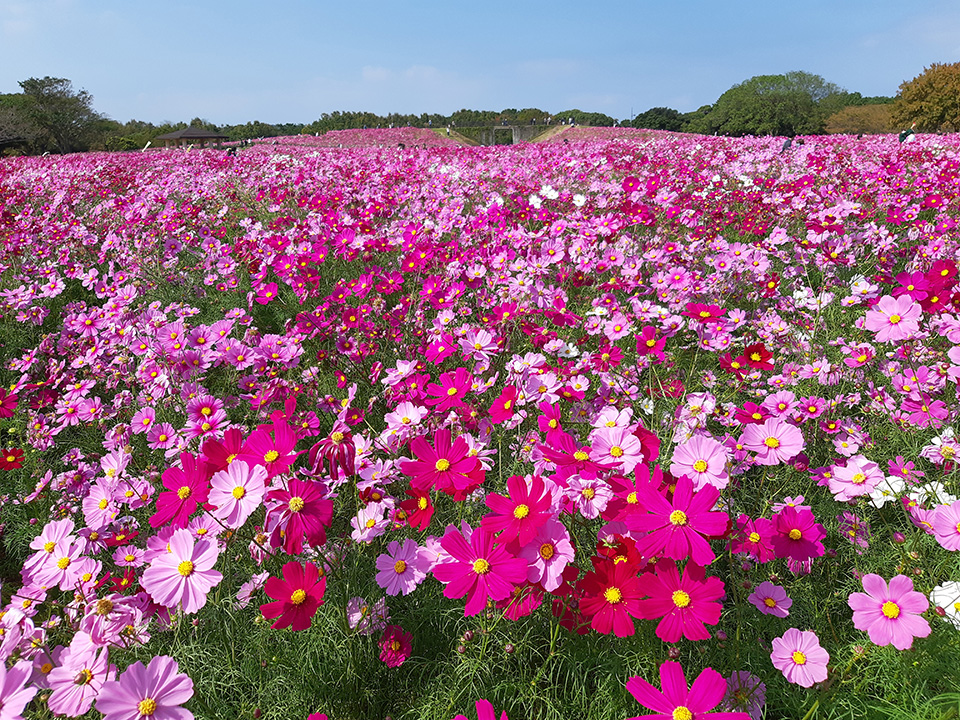
The Flower Calendar highlights the seasonal blooms you can enjoy at Uminonakamichi Seaside Park from September through November. You'll find vast fields of cosmos,…
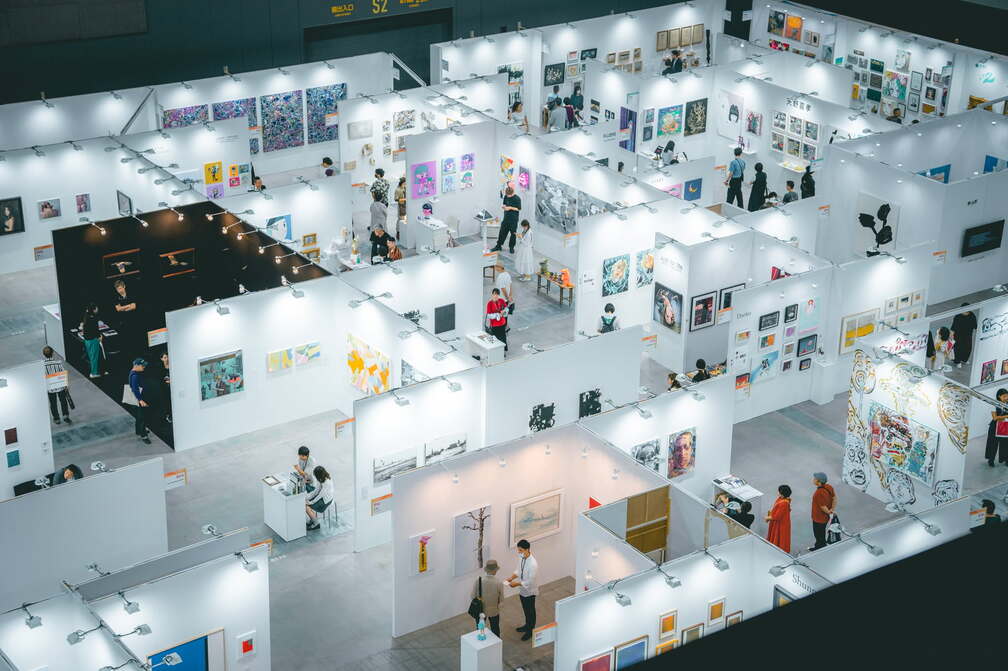
Art Fair Asia Fukuoka 2026 brings together a diverse range of contemporary artworks in a vibrant setting. You can explore exhibitions from various artists…

1999 Exhibition: Memories of a Day That Never Existed is an immersive horror exhibition that originally opened at Roppongi Museum in Tokyo. This immersive…

The popular boy group Stray Kids is on their world tour, and a special collaboration campaign with LaLaport and Lazona is underway. This event…
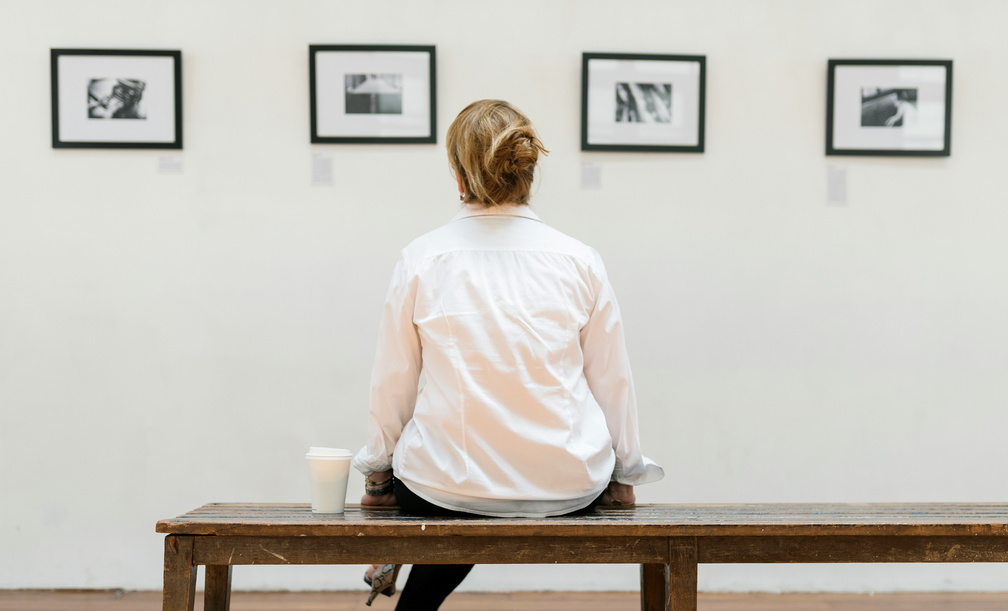
The Karun Thakar Collection traces the rich history of Indian chintz, a vibrant and intricate cotton textile dyeing technique that originated thousands of years…

PARCO PRODUCE 2026 American Dream is a theatrical production running from October 22 to October 25, 2026. The play is written and directed by…
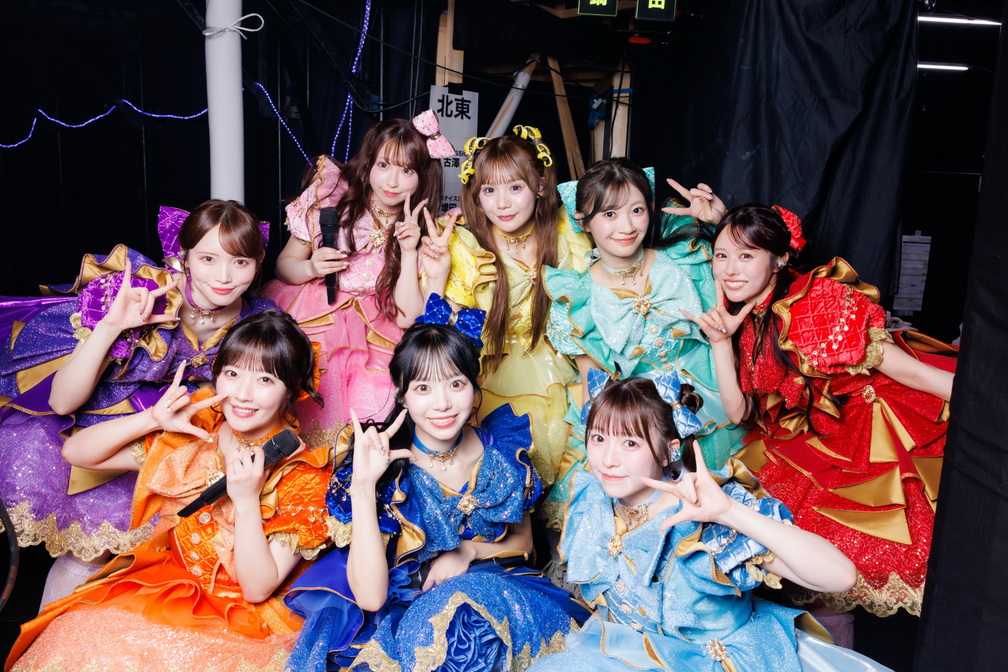
Cutie Street is an eight-member Japanese girl group that rose to fame through a viral TikTok challenge and is known for blending Harajuku's kitsch…

The Ryad Retrospective Exhibition celebrates the last impressionist of the 20th century with vivid works. Marking 30 years since the artist's passing, this is…
The top-rated places to stay in Fukuoka right now, live from Hostelworld.
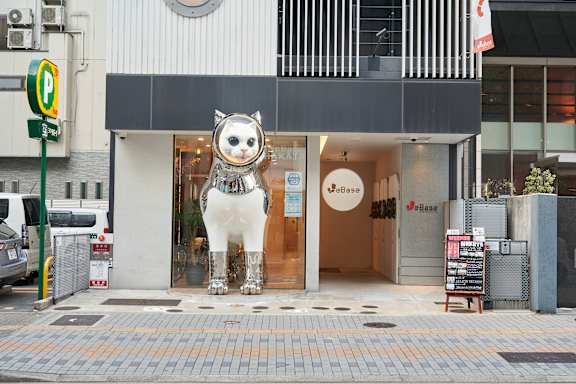
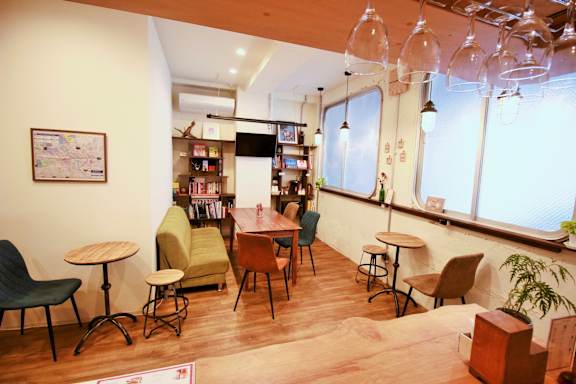
 Sustainable
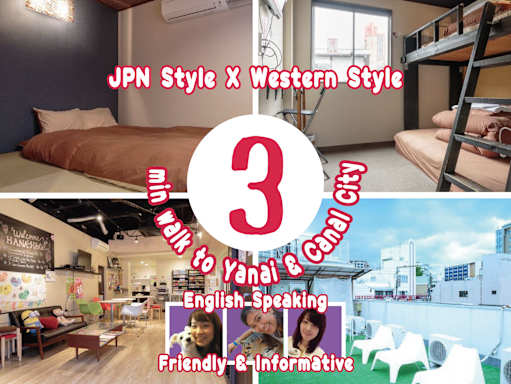
Spring and autumn are best.
Average highs.
Pick how you travel. Per person per night, in euros.
Prices are in yen locally; these are euro equivalents.
The ones we get asked most.

Compare Fukuoka hostels — live prices, real reviews and free cancellation on most bookings. Then meet the people already there in the app.

 Get the App.
 Get the App.