Kokusai-dori
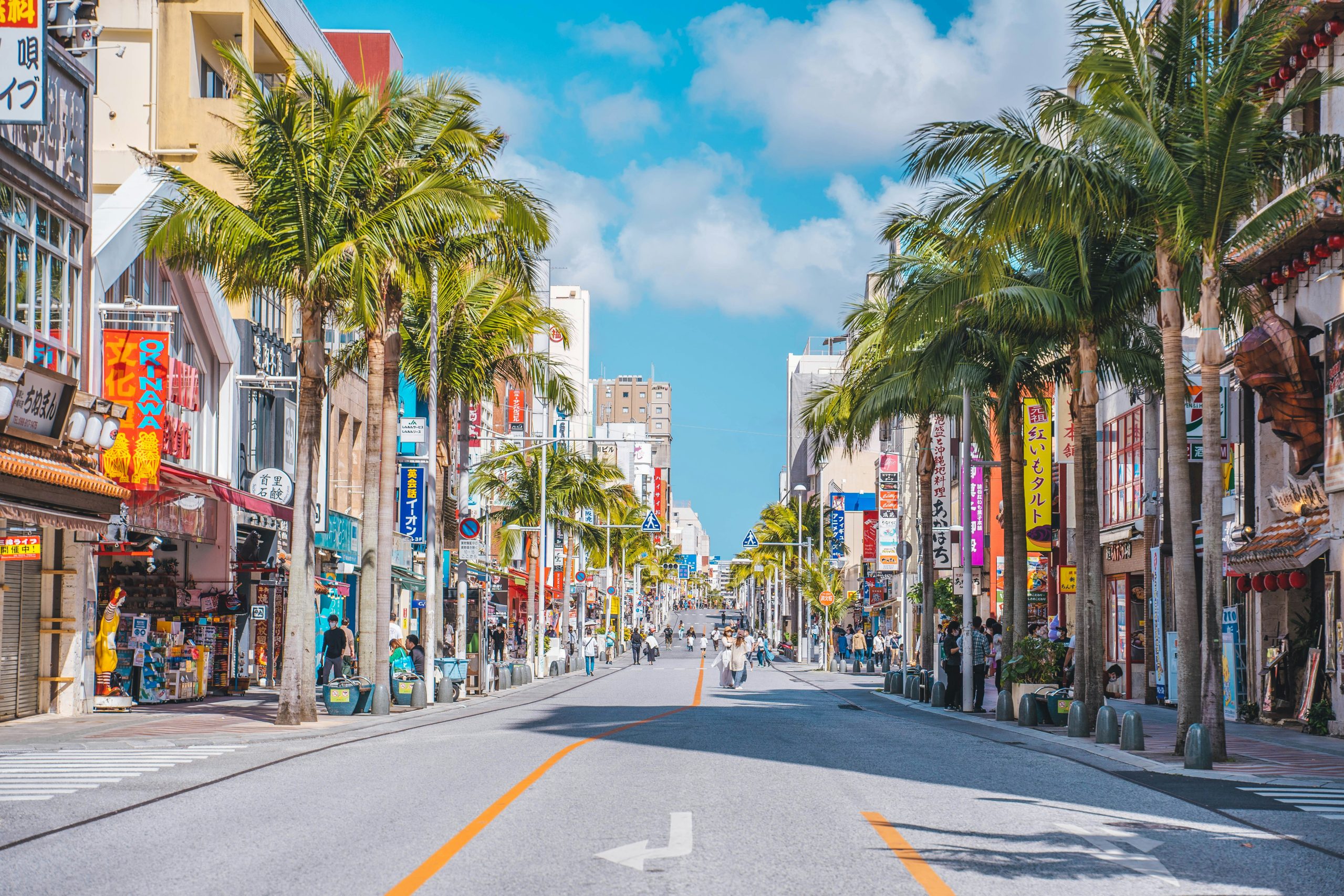
First-timersThe main street, with hostels and the monorail.

Okinawa's subtropical capital: the royal castle of the Ryukyu kings, a market street of Okinawan food, and ferries to coral islands with turtles and white beaches.
Naha was the capital of the Ryukyu Kingdom, an independent island nation that traded across East Asia before Japan annexed it in 1879. Its culture, food, music and language are distinct from mainland Japan.
Okinawa saw some of the fiercest fighting of the Second World War, remembered at the Peace Memorial Park in the south.
Naha is subtropical, with warm winters, and the gateway to the Kerama Islands' coral reefs. Three days is right.
Kokusai-dori, the main street, has most of the hostels, shops and restaurants, and the Yui Rail monorail. The streets around Makishi Public Market and Tsuboya, just off it, are quieter and more local.
The main street, with hostels and the monorail.
Quieter streets by the market and pottery district.
Map data from OpenStreetMap contributors.
Naha is the capital of Okinawa, once the independent Ryukyu Kingdom, annexed by Japan in 1879, with its own culture, food and language, and a subtropical climate.
Shurijo, the castle of the Ryukyu kings, was destroyed by fire in 2019 and is being rebuilt; you can visit the grounds and watch the reconstruction, with the main hall due to be completed in 2026. The Tamaudun royal mausoleum and the Shikinaen royal garden are nearby.
Kokusai-dori, the main street, is lined with shops and restaurants. Makishi Public Market sells tropical fish, sea grapes and pork; buy fish downstairs and have it cooked upstairs. Tsuboya, the pottery district, has kilns and shops selling yachimun, Okinawan pottery.
Naminoue beach and its cliff-top shrine are in the city. The Kerama Islands, 35 to 70 minutes by ferry, have some of the clearest water in Japan for snorkelling with turtles.
The Okinawa Churaumi Aquarium, about two hours north, has whale sharks in one of the world's largest tanks. The Peace Memorial Park, in the south, remembers the Battle of Okinawa in 1945, which killed a quarter of the island's people.
Kokusai-dori, the market streets and Tsuboya's pottery lane are free to wander, and Naminoue beach is free.
The Shurijo grounds outside the paid areas are free, and so is the Peace Memorial Park.
Okinawan food is different from the rest of Japan. Goya champuru is a stir-fry of bitter melon, tofu, pork and egg. Okinawa soba is a thick wheat noodle soup with pork belly. Taco rice, taco fillings on rice, comes from the American bases.
Try rafute, braised pork belly, sea grapes, umibudo, and Blue Seal ice cream. Awamori, a local distilled spirit, and Orion beer are the drinks. A meal is €6 to €15.
Naha's nightlife is relaxed: izakaya with live sanshin, Okinawan three-stringed music, along Kokusai-dori, and small bars around the markets.
A beer is €4 to €6; Orion is the local brew.
Naha Airport is about 15 minutes from Kokusai-dori by the Yui Rail monorail.
The monorail covers the city; buses reach the rest of the island slowly, so many travellers rent a car for the north. Ferries leave Tomari port for the Kerama Islands.
Naha is mid-priced. Dorms start around €15 and a careful day is €35 to €50.
The Churaumi Aquarium is about €15, Shurijo's paid areas a few euros, and a ferry to the Kerama Islands €20 to €40 return. Car hire is from about €30 a day.
Since July 2026, the international tourist tax added to flights out of Japan is ¥3,000.
The currency is the yen (JPY); prices here are euro equivalents. Cards and IC cards work widely in cities, but carry cash: small restaurants, temples and rural places are often cash-only. Convenience store ATMs (7-Eleven, Lawson, FamilyMart) take foreign cards.
Naha is very safe.
Typhoons hit roughly from July to October and can cancel flights and ferries. The sun is strong; use reef-safe sunscreen. Swim at lifeguarded beaches, as currents can be strong, and watch for jellyfish in summer.
Emergency: 110 police, 119 ambulance and fire.
Coral islands, whale sharks and the battle memorial.
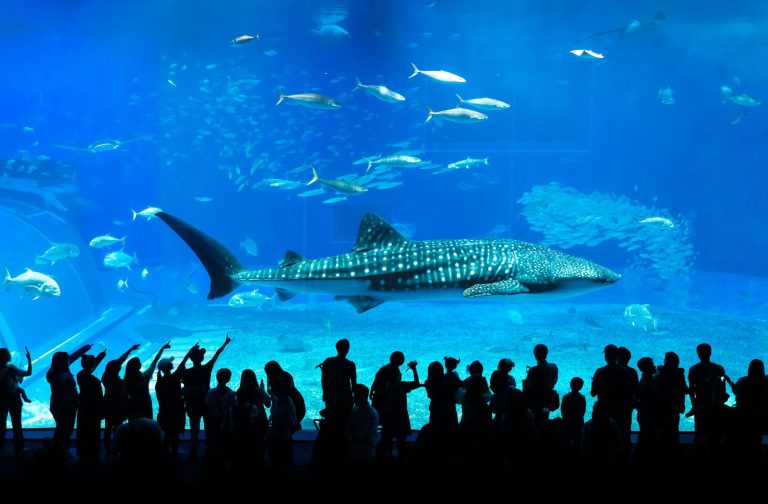
Whale sharks in a giant tank.
Okinawa's Eisa dances fill the streets in summer.
 Staff pick
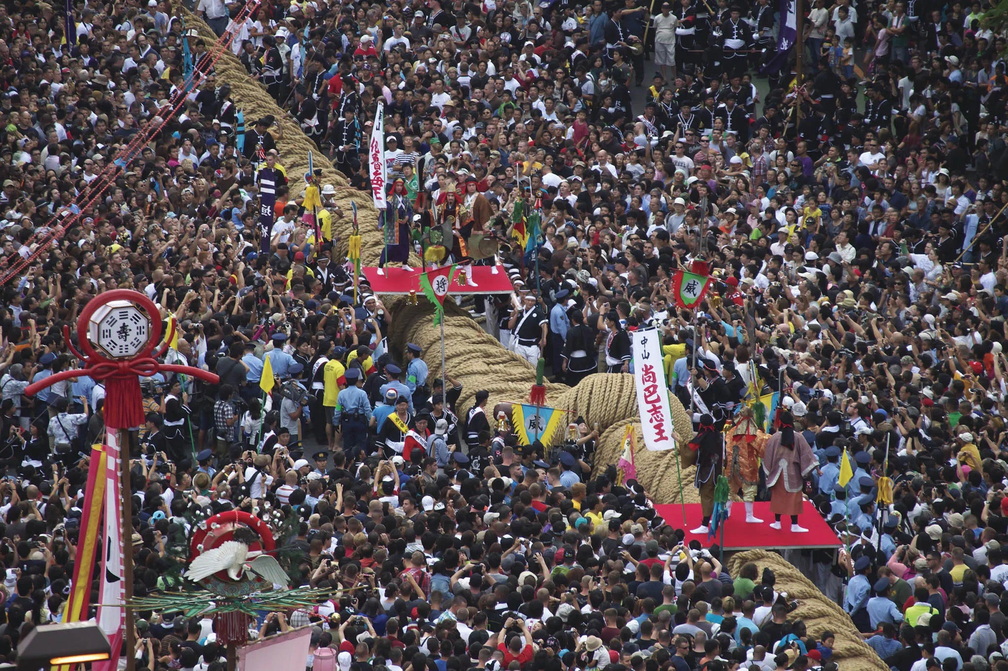
The Naha Great Tug-of-War Festival in Naha City, Okinawa, is a centuries-old celebration that brings together thousands of participants and spectators for a massive…
 Staff pick
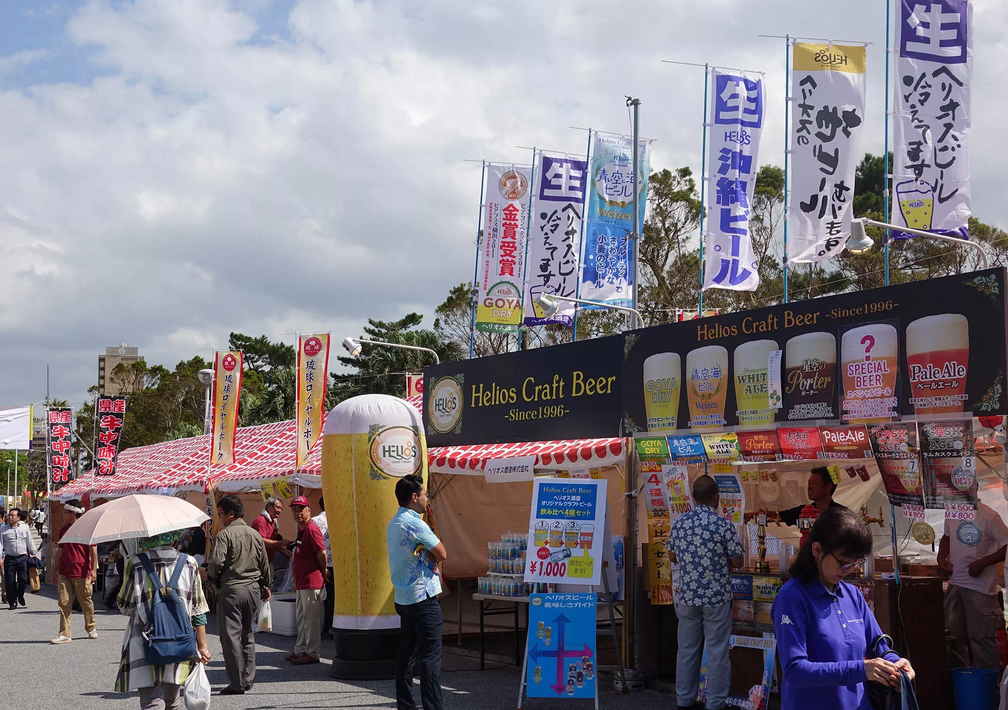
The Okinawa Industrial Festival in Naha, Japan, is a major showcase of the region’s diverse industries, bringing together local businesses, artisans, and food producers…

Gushikawa Fall Fest is a community fall festival held at The Church of Jesus Christ of Latter-day Saints Kadena Military Branch. You can enjoy…
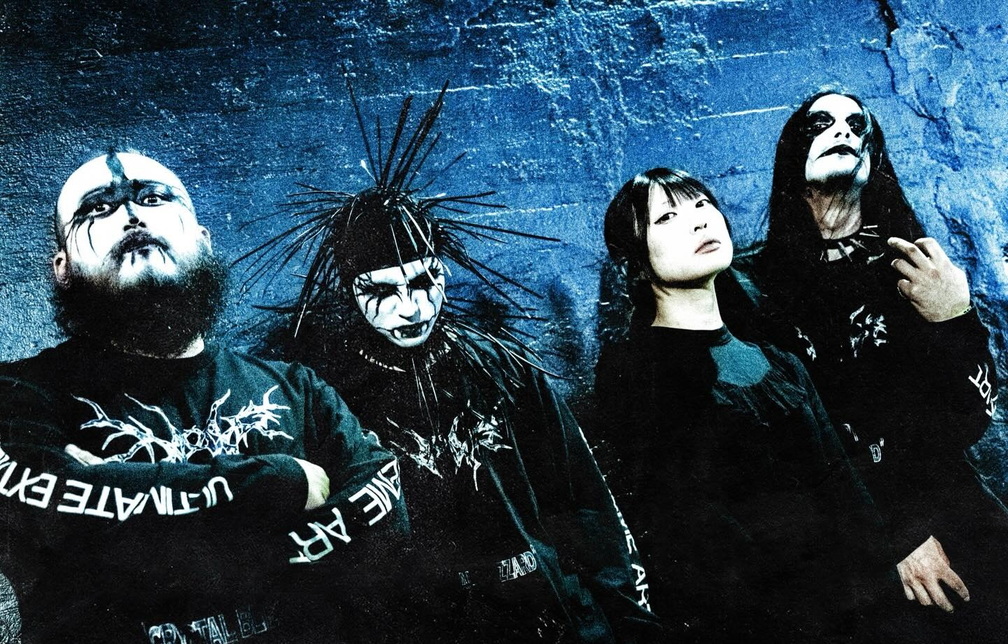
Extreme Sound Fest is an immersive music and art experience that brings together bold and intense performances. You will encounter the Ultimate Extreme Supreme…
March to June and October to November. Summer is hot with typhoons.
Average highs. Warm all year.
Pick how you travel. Per person per night, in euros.
Prices are in yen locally; these are euro equivalents.
The ones we get asked most.

Compare Naha hostels — live prices, real reviews and free cancellation on most bookings. Then meet the people already there in the app.

 Get the App.
 Get the App.