

Your phone takes good photos. Nobody is arguing with that. But there are moments that a phone simply cannot handle: a candlelit street in Marrakech at dusk, a wildlife encounter in the Serengeti that happens thirty metres away and won’t wait, the wide sweep of a Croatian bay that no crop sensor on any smartphone captures with the depth it deserves.
A dedicated camera changes what’s possible. The gap between a phone and even a modest travel camera has narrowed, but it hasn’t closed. Sensor size, optical zoom, low-light performance, manual control, and the ability to capture the image you actually saw rather than the image a processing algorithm decided you probably wanted: these are things a dedicated travel camera does that no phone fully replicates.
This guide covers the best travel cameras in 2026 across every category: best compact, best mirrorless, best action camera, best for vlogging, best small camera, and best budget. Each pick includes a buy link so you can go straight to the product.
The right camera is the one that suits how you actually travel and shoot. Not the most expensive one. Not the one with the most features. The one you’ll actually carry.

📷 What Makes a Great Travel Camera?
Before getting to the picks, a few principles that should shape your decision.
Size and weight matter more than specs. The best travel camera is the one you take with you. A full-frame mirrorless system produces stunning images in a camera bag you leave at the hostel while you explore. A compact that fits in your jacket pocket comes everywhere.
Consider what you’ll actually shoot. Architecture, street scenes, and landscapes need different things from wildlife, action, and video. Most travel involves a mix, which is why versatile focal lengths and good autofocus matter more than peak performance in any single area.
Battery life is a real constraint. Mirrorless cameras drain batteries significantly faster than older DSLRs. For a long day’s shooting without a power bank or spare battery, this matters.
Weather sealing is underrated. Travel involves rain, dust, sand, and humidity. A weather-sealed body handles all of these without anxiety.
The practical rule: if you’re a backpacker with limited bag space, a compact or action camera wins every time. If you’re a photographer who travels rather than a traveller who photographs, a mirrorless system is worth the weight.
Price: around $1,599
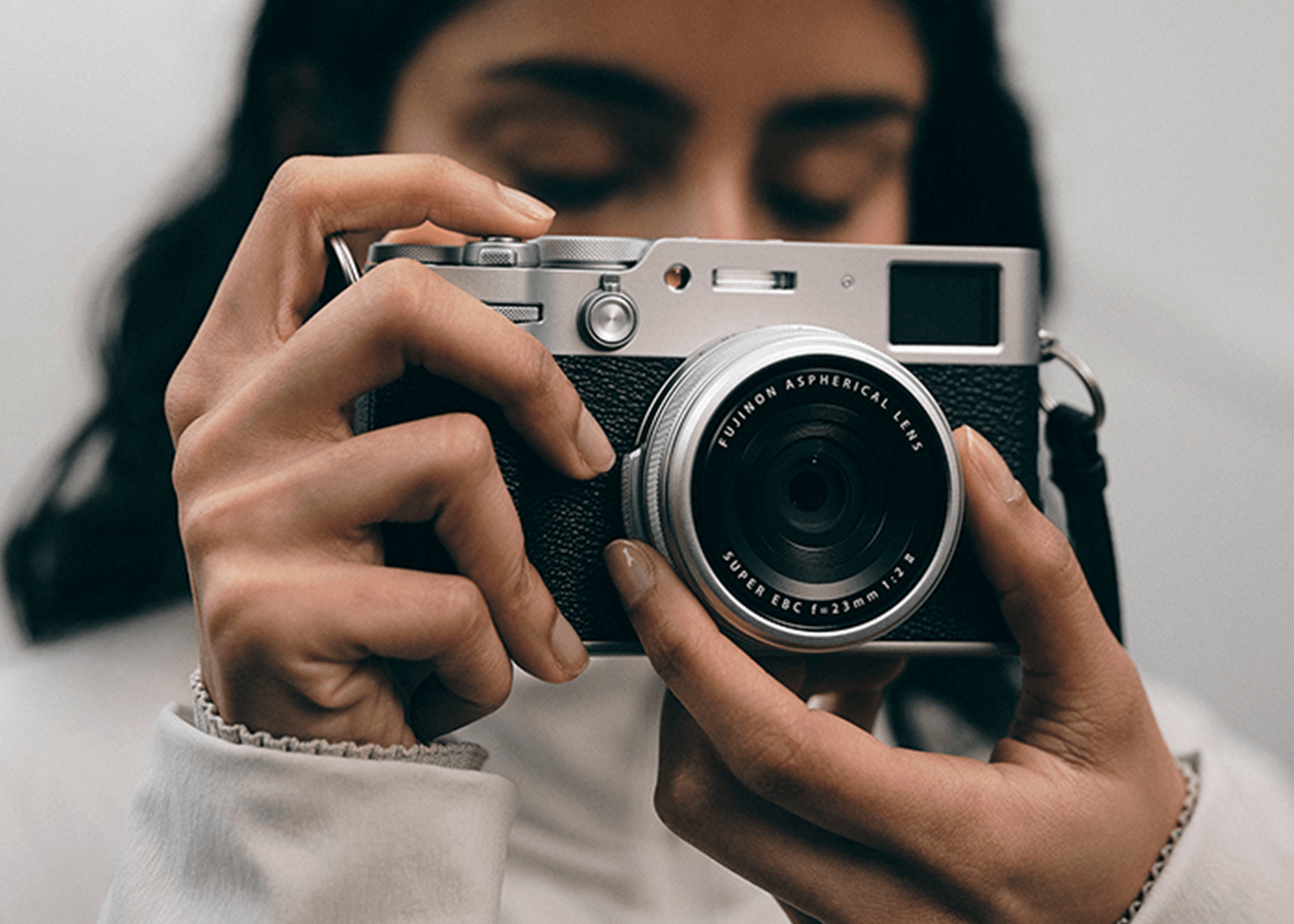
🏆 Best Compact Camera for Travel: Fujifilm X100VI
The Fujifilm X100VI is the most talked-about travel compact of the last two years, and the hype is justified. It combines a 40.2MP APS-C sensor (the same size sensor found in many high-end mirrorless cameras) with a fixed 23mm f/2 lens (35mm equivalent) in a body that fits in a large jacket pocket.
What makes it exceptional for travel:
- 20 film simulation modes that produce extraordinary JPEG straight out of camera, no editing required
- Up to 6 stops of in-body image stabilization
- A 4-stop internal ND filter for shooting in bright daylight at wide apertures
- Hybrid optical/electronic viewfinder
- 6.2K/30p video capability
- Machine washable? No. But weather-resistant with the optional adapter ring.
The limitation: it’s expensive ($1,599), supply has been tight since launch, and the fixed 35mm equivalent lens means no zoom. If you want one camera to do everything on a trip and you can afford it, this is it.
Price: around $1,499
📦 Best Small Camera for Travel: Ricoh GR IV
If true pocketability is the priority, the Ricoh GR IV wins. It’s the camera that genuinely disappears into your jeans pocket and comes out for shots that wouldn’t happen with a larger camera. At 28mm equivalent and 25.7MP on an APS-C sensor, it’s a street photographer’s dream.
The GR IV improves on its predecessor with better autofocus, modernised image processing, and a built-in 53GB of internal storage as backup. The fixed 28mm lens is wide and immersive, excellent for architecture and environmental portraits, occasionally tight for other subjects.
What the GR IV is:
- The most pocketable APS-C camera on the market
- A discreet, fast street camera with exceptional sharpness
- The second camera choice for photographers who already have a main system
What it isn’t:
- A video camera (tops out at 1080/60p)
- A do-everything travel camera
The GR IV is best suited to experienced photographers who know what 28mm means and want it everywhere, always. For first-time camera buyers or people who want flexibility, the X100VI or a mirrorless system is a better fit.
Price: around $349-399
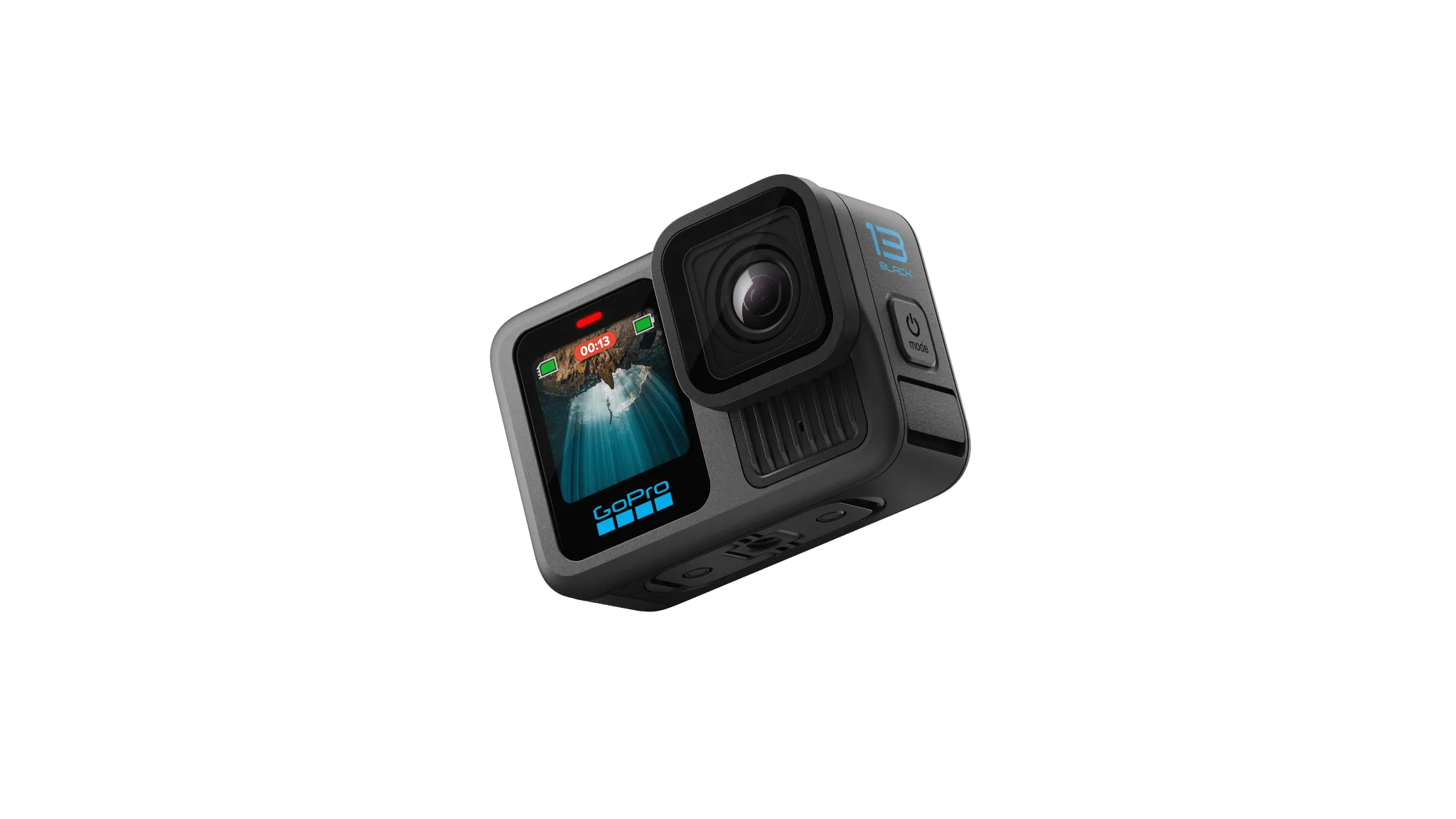
🎬 Best Action Camera for Travel Vlogging: GoPro Hero 13 Black
For backpackers, adventure travellers, and anyone who wants footage of experiences rather than compositions, the GoPro Hero 13 Black is the action camera to beat in 2026.
5.3K video at 60fps. 27MP photos. HyperSmooth 6.0 stabilisation that produces smooth footage even when you’re on a motorbike in rural Vietnam or kayaking in Croatia. Waterproof to 10 metres without a case. The Hero 13 also introduced the HB-series modular lenses (ultra-wide, anamorphic, macro) that attach and are automatically detected, adjusting settings accordingly.
Why it suits backpackers particularly well:
- Mounts to helmets, bikes, bags, and waterproof housings
- Small enough to take anywhere, including underwater
- Auto-upload via the GoPro app when connected to WiFi
- 13x slow-motion capability for dramatic action shots
- Battery life has improved from previous models (up to 90 minutes at 4K/30fps)
The Hero 13 Black doesn’t replace a proper camera for still photography. Image quality in low light is limited by the small sensor. But for capturing movement, adventure, and the type of content that tells the story of a trip in motion, nothing in its price range comes close.
Price: around $899 body only
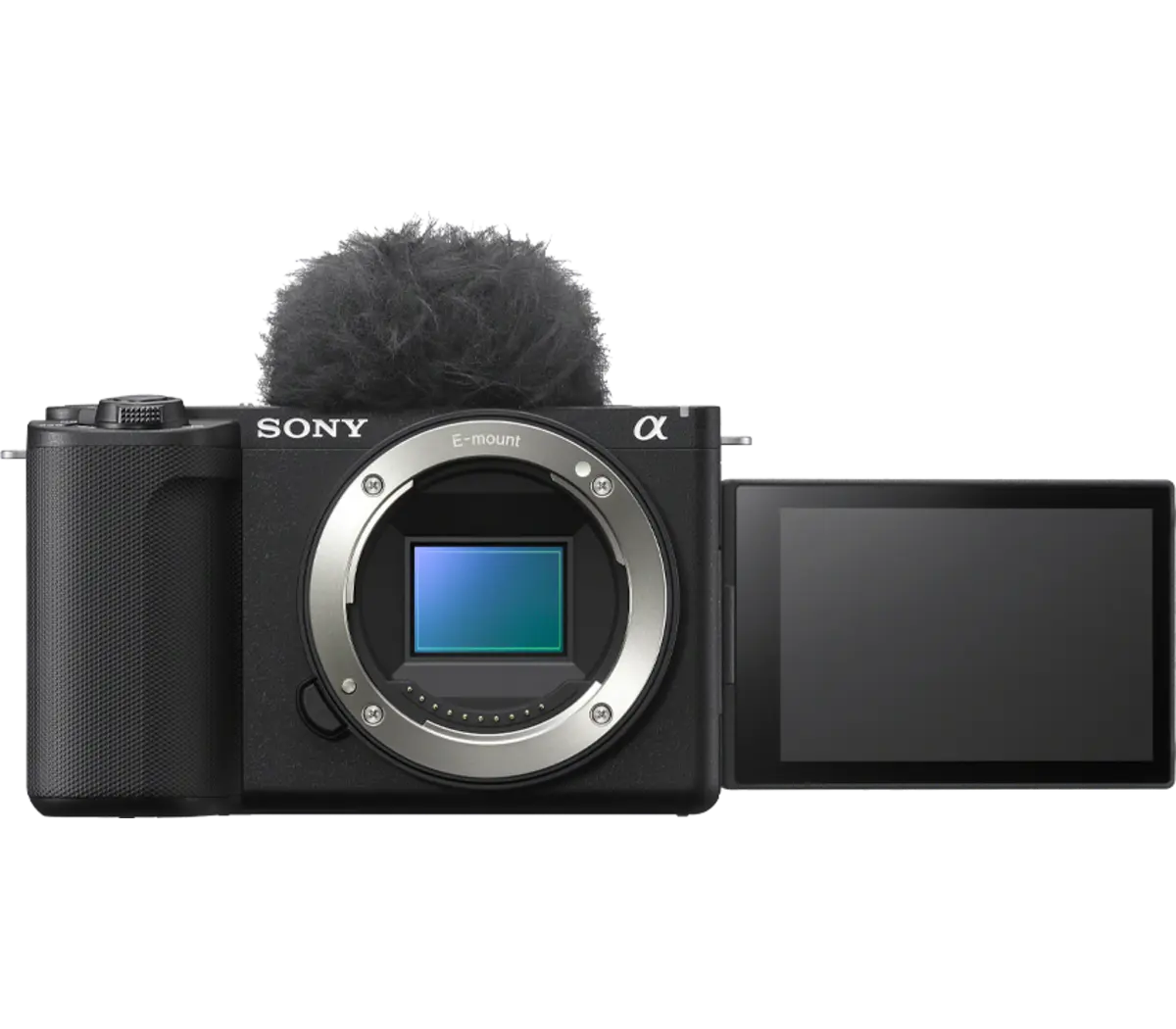
🎥 Best Camera for Travel Videos: Sony ZV-E10 II
The Sony ZV-E10 II is the travel camera built specifically around video and content creation. It uses the same 26MP APS-C sensor found in the Sony FX30 and a6700, shoots 4K/60p with a minimal 1.1x crop, and is designed for vloggers and video-first travellers who want interchangeable lenses alongside proper video performance.
The flip-out screen is essential for vlogging to camera. The real-time eye-tracking autofocus keeps you sharp while you move. The compact APS-C body accepts Sony’s entire E-mount lens ecosystem.
Why it works for travel:
- Interchangeable lenses mean flexibility from wide-angle to telephoto
- 4K/60p video is excellent quality for social media and YouTube
- Compact enough to use handheld without a gimbal for most situations
- Background defocus mode for easy cinematic bokeh without manual settings
- Audio input for external microphones
The best pairing: the ZV-E10 II with Sony’s 15mm f/1.4 compact prime gives you a pocketable, beautiful, video-focused travel setup at a very reasonable total price.
Price: around $1,699 body only
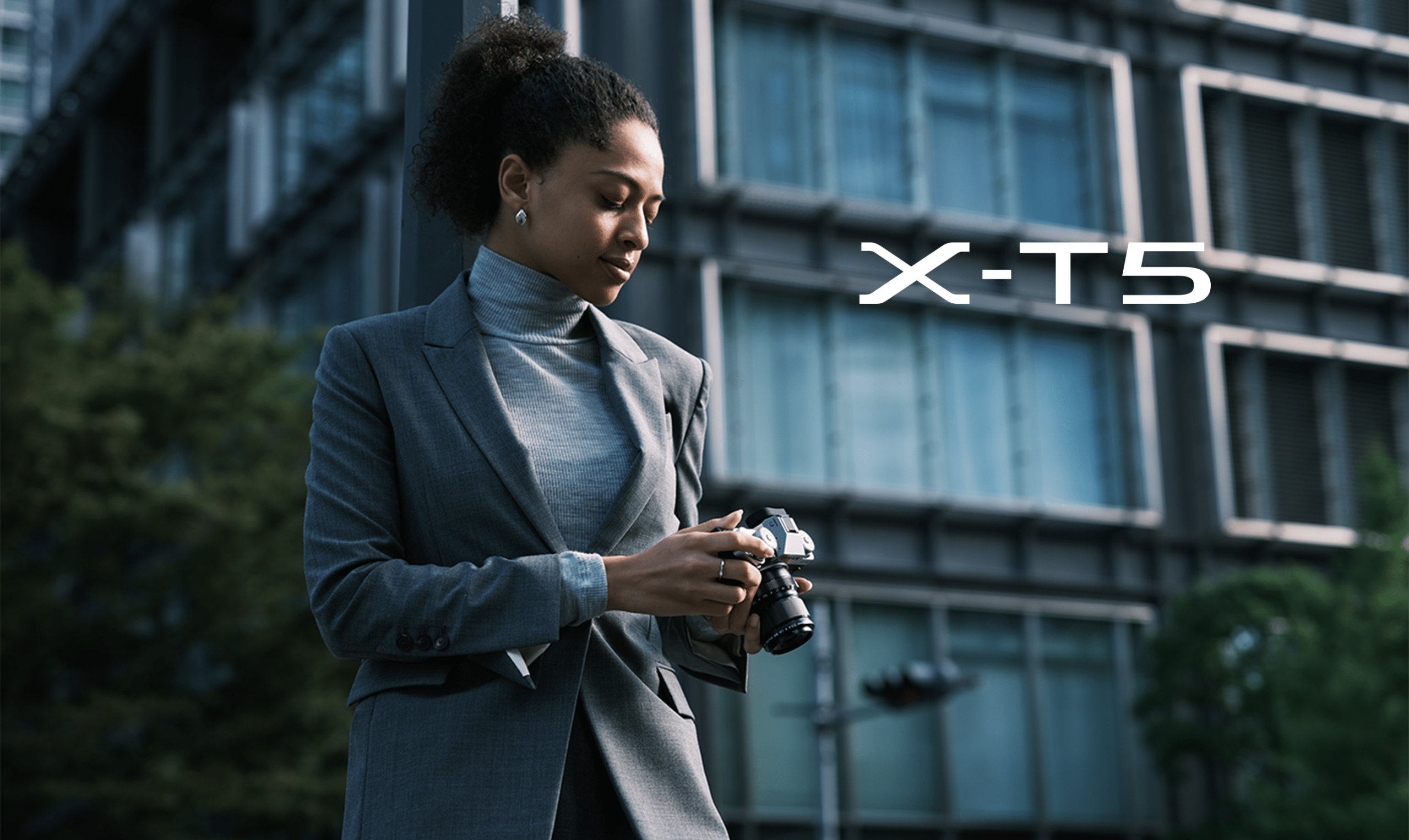
🌟 Best Mirrorless Camera for Travel: Fujifilm X-T5
For photographers who want a serious interchangeable-lens system in a genuinely travel-friendly body, the Fujifilm X-T5 is the 2026 consensus pick.
It pairs a 40MP APS-C sensor with Fujifilm’s exceptional physical dial interface (separate dials for shutter speed, ISO, and exposure compensation), a compact body that pairs well with Fujifilm’s f/2 prime lens lineup, and the film simulation system that makes Fujifilm JPEGs some of the most beautiful straight-out-of-camera images available.
The X-T5 strikes the best balance of size, flexibility, image quality, and enjoyment. With Fujifilm’s compact Fujicron lenses, it’s really not much bigger than the X100VI but gives all the handling benefits of physical dials plus an aperture ring on most lenses.
What makes it a travel camera specifically:
- Compact body weighs 557g body-only
- Dual card slots for peace of mind
- Full-day battery with the NP-W235 battery
- APS-C sensor delivers full-frame quality in most conditions
- A vast range of compact, excellent Fujifilm lenses
Price: around $748-799
💰 Best Budget Travel Camera: Sony ZV-1 II
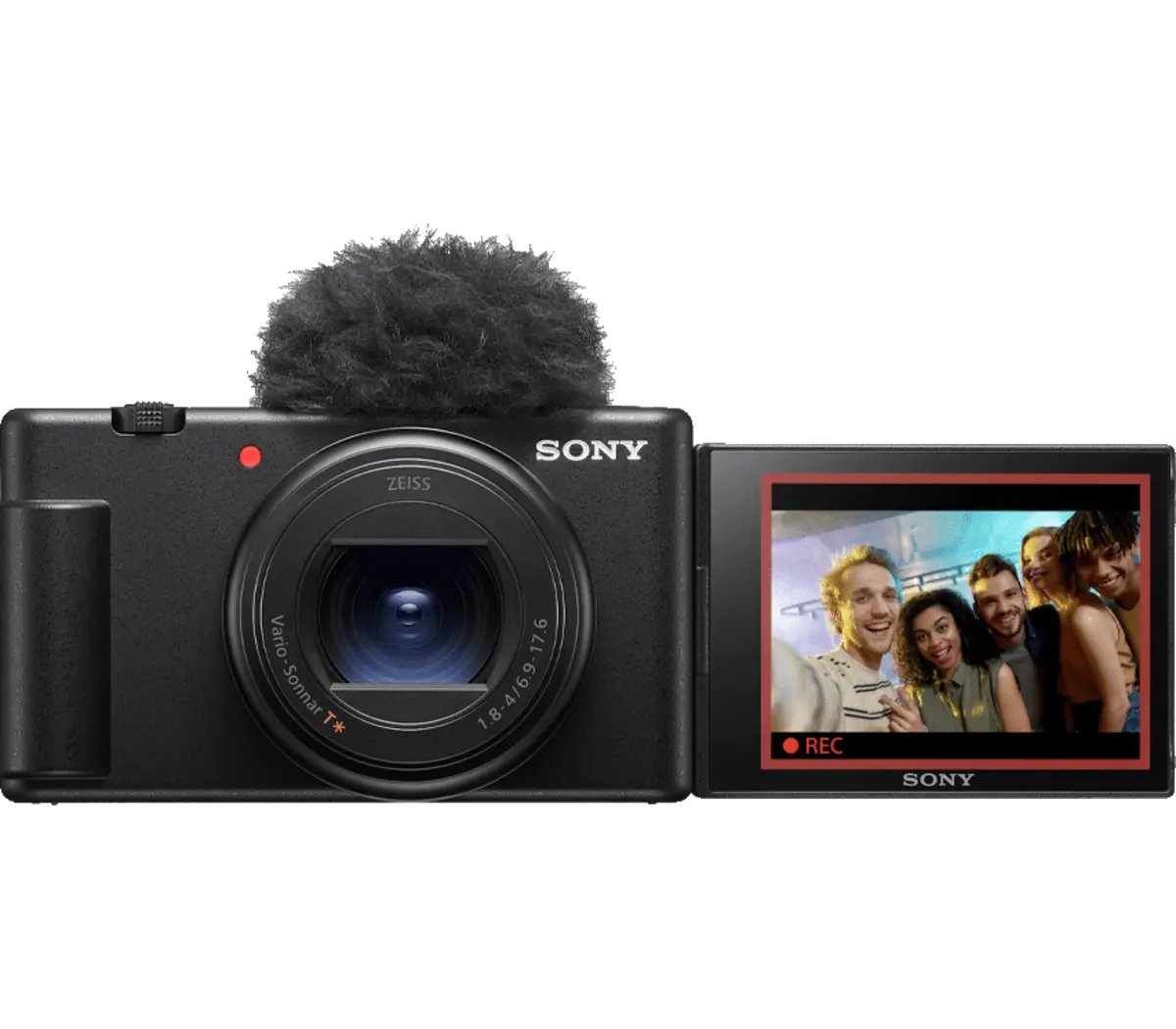
For travellers who want a meaningful upgrade over their phone without spending over $800, the Sony ZV-1 II is the clearest recommendation in 2026.
It has a 1-inch sensor (significantly larger than any phone), a 18-50mm equivalent zoom lens, 4K video, and a vari-angle screen for selfie and vlogging use. The autofocus is fast and reliable, and the overall package is genuinely pocketable in a way that mirrorless systems are not.
What you get:
- Real optical zoom range (18-50mm covers most travel situations)
- 4K/30p video
- Background defocus mode for portrait-style shots
- Built-in ND filter
What you trade off versus more expensive options:
- The 1-inch sensor is smaller than APS-C, showing in low-light situations
- No interchangeable lenses
- The zoom range doesn’t extend to telephoto for wildlife or distant subjects
For a casual travel photographer who wants noticeably better results than their phone and doesn’t want to learn a complex system, the ZV-1 II sits at the best value point in the market.
Price: around $1,299 body only
🔍 Best Digital Camera for Travel Photography: Sony a6700
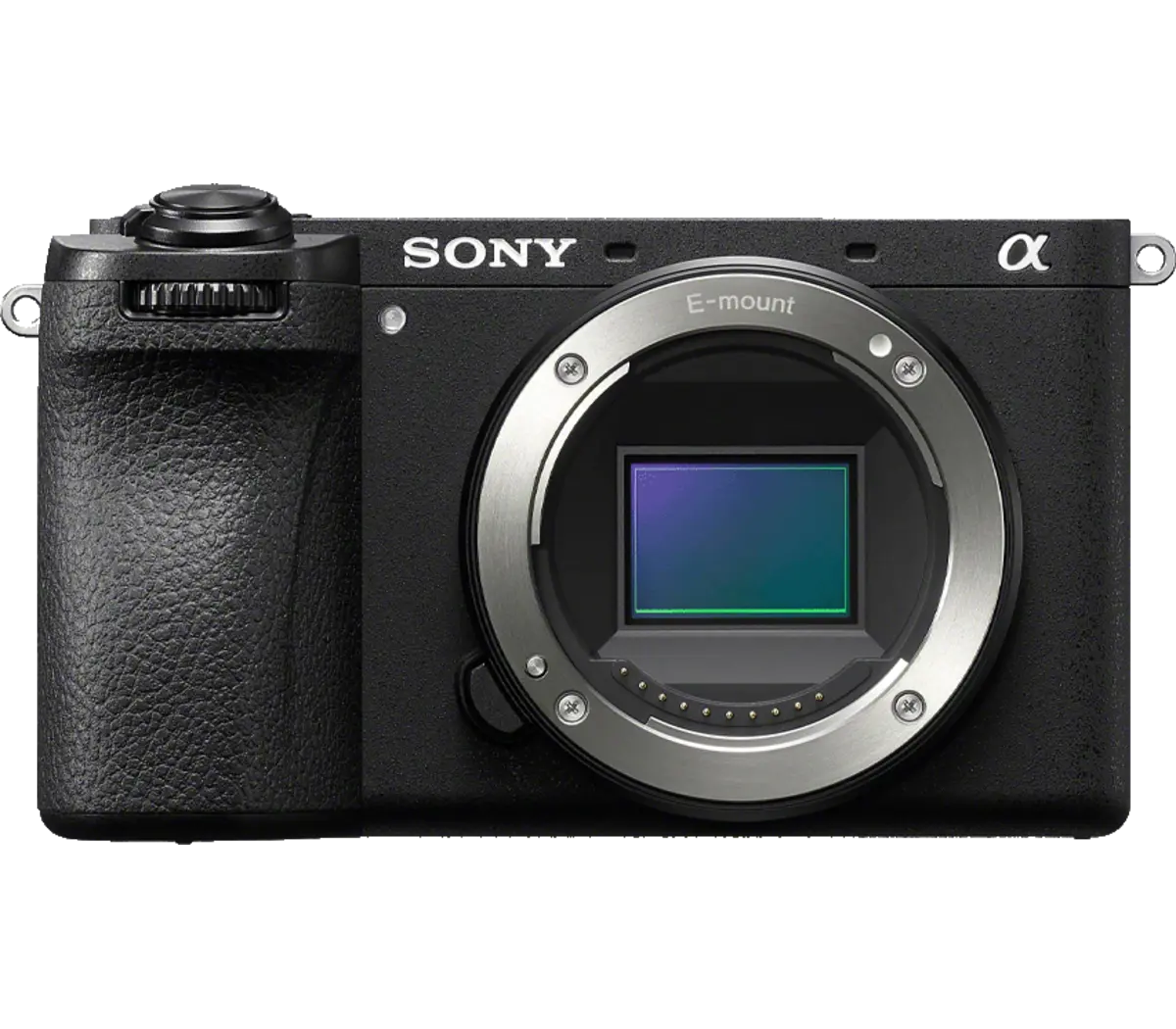
For travellers who want the best possible balance of image quality, autofocus performance, size, and versatility in an interchangeable-lens system, the Sony a6700 is the strongest all-round option.
The Sony a6700 is a favourite for minimalist travel or lightweight backpacking trips. It uses a 26MP APS-C sensor with Sony’s best-in-class subject tracking autofocus, shoots 4K/120p video, has 5-axis IBIS, and fits in a compact body that accepts Sony’s entire E-mount lens ecosystem.
The autofocus is the differentiator. Sony’s real-time tracking identifies and locks onto subjects faster and more reliably than any competitor at this price point, which matters enormously for travel photography where you’re often shooting moving people, wildlife, or action without time to set up manually.
The recommended travel setup:
- Sony a6700 body
- Sony 16-55mm f/2.8 G lens for a versatile all-day lens
- Sony 70-350mm f/4.5-6.3 G if wildlife or sport is on the itinerary
📊 Travel Camera Comparison: Which One Is Right for You?
| Camera | Best for | Size | Price |
|---|---|---|---|
| Fujifilm X100VI | Best overall compact, photography | Jacket pocket (just) | $1,599 |
| Ricoh GR IV | Truly pocketable, street photography | Jeans pocket | $1,499 |
| GoPro Hero 13 Black | Action, adventure, waterproof | Tiny | $349-399 |
| Sony ZV-E10 II | Video, vlogging, interchangeable lens | Compact mirrorless | $899 |
| Fujifilm X-T5 | Best mirrorless for travel photography | Compact mirrorless | $1,699 |
| Sony ZV-1 II | Budget, casual travel photography | Pocketable | $749 |
| Sony a6700 | Best all-round digital camera | Compact mirrorless | $1,299 |

🎒 Which Camera Suits Your Travel Style?
Backpacker on a budget, moving fast: The GoPro Hero 13 Black covers adventure, action, and video without breaking the bank. Pair it with your phone for still photography. Total cost under $400.
Traveller who wants one camera to do everything: Fujifilm X100VI. Compact enough to carry everywhere, capable enough to handle anything.
Content creator or vlogger: Sony ZV-E10 II. Video quality, flip screen, interchangeable lenses, and Sony’s autofocus. Built for exactly this use case.
Photographer who wants the best possible image quality in a travel-viable size: Fujifilm X-T5 or Sony a6700 with a compact prime lens. Both are as small as serious photography gets.
First-time camera buyer upgrading from a phone: Sony ZV-1 II. A genuine step up in quality without the complexity or cost of a mirrorless system.
✅ Final Thoughts: The Camera You’ll Actually Use
The best travel camera is not the one with the highest resolution or the most features. It’s the one you take out of your bag when the moment happens. For most backpackers and travellers, that means something compact, light, and genuinely portable.
The Fujifilm X100VI is the standard by which every other compact travel camera is measured in 2026. The GoPro Hero 13 Black is the action camera the rest are measured against. And if the budget allows for a mirrorless system, the Sony a6700 offers more autofocus performance and versatility than anything else at its size and price.
Buy once. Buy the right one. Carry it everywhere.
Download the Hostelworld app to start booking now


❓ FAQs: Best Travel Camera
What is the best compact camera for travel?
The Fujifilm X100VI for image quality and features. The Ricoh GR IV for true pocketability. Both use APS-C sensors and are far ahead of any phone for travel photography.
Which action camera is best for travel vlogging?
The GoPro Hero 13 Black. 5.3K video, HyperSmooth stabilisation, waterproof to 10 metres, and modular lens compatibility. The best action camera for travel by a significant margin in 2026.
What is the best small camera for travel?
The Ricoh GR IV is the smallest APS-C camera available and fits in a jeans pocket. The Sony ZV-1 II is a slightly larger but more versatile 1-inch sensor compact at half the price.
What is the best mirrorless camera for travel?
The Fujifilm X-T5 offers the best balance of image quality, compact size, and shooting experience for travel photography. The Sony a6700 is the best choice if autofocus performance and video quality are the top priorities.
Which camera is best for travel videos?
The Sony ZV-E10 II is built specifically for video and vlogging: flip screen, 4K/60p, Sony autofocus, and interchangeable lenses in a compact body.
What is the best digital camera for travel under $800?
The Sony ZV-1 II. A 1-inch sensor, 4K video, built-in zoom, and vari-angle screen for $749. The clearest upgrade path from phone photography without entering the mirrorless system cost.

 Get the App.
Comments