

欧洲不仅仅只有巴黎、罗马和巴塞罗那。若能走出常规的旅游路线,你会发现这里藏着无数被低估的城市、如童话般的小村庄以及原始的自然风光,正等待着你去探索。这些欧洲的“隐藏瑰宝”既拥有经典旅游胜地所具备的历史、文化和冒险体验,却人潮更少,价格也往往更为实惠。 通过探寻欧洲这些冷门目的地,你不仅能享受独特的体验,还能通过减轻过度旅游热门景点的压力,实现更可持续的旅行。 从未受大众旅游影响的中世纪小镇,到只有当地人才知道的自然奇观,以下是欧洲十大鲜为人知的秘境。收拾好背包,打开Hostelworld应用,准备好去发现欧洲不为人知的一面——一次一次地,开启一场原汁原味的冒险!
1 比利时根特——远离人潮的中世纪魅力
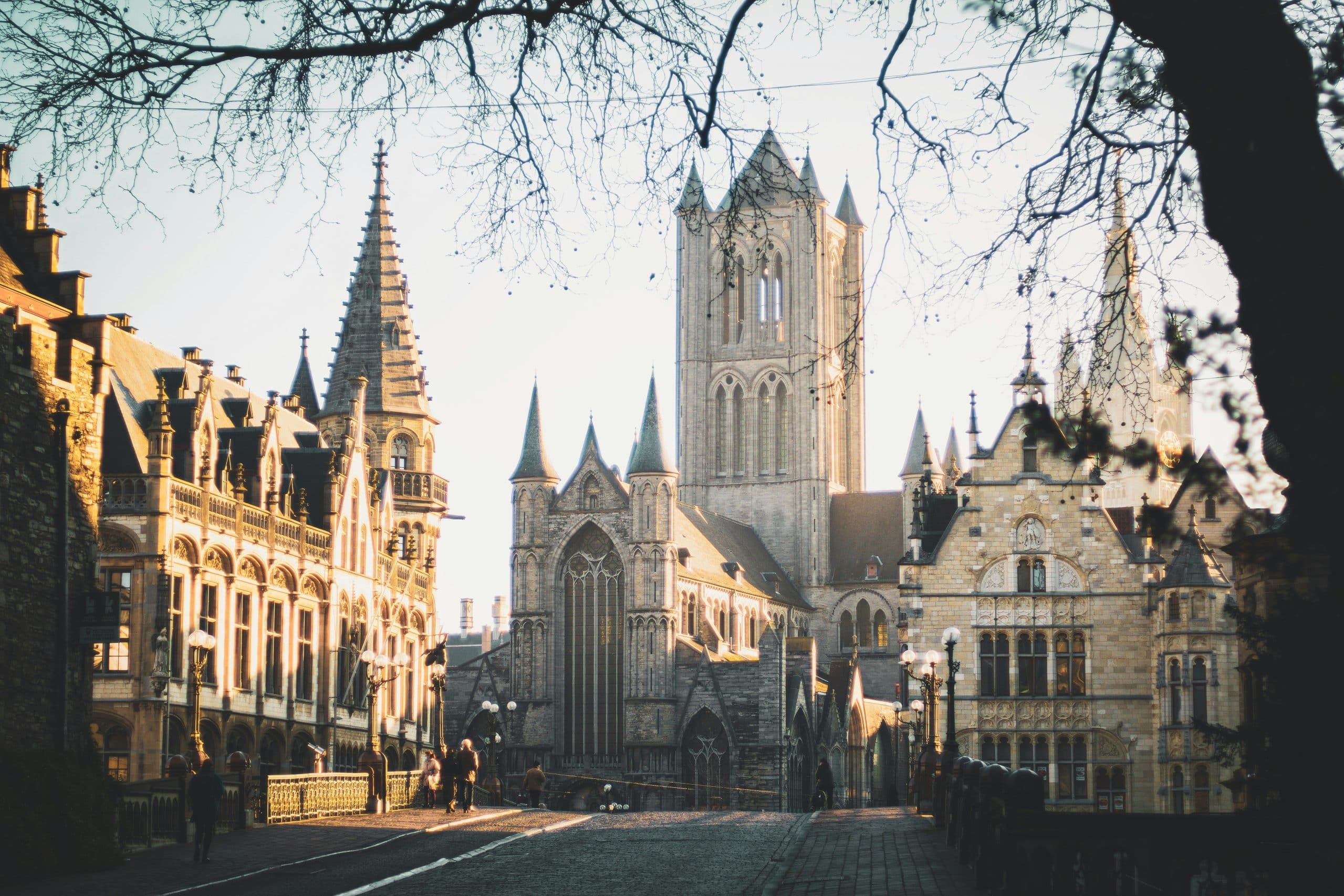
为何前往
根特常被其著名的邻居布鲁塞尔和布鲁日所掩盖,是“比利时的一颗‘隐藏瑰宝’,常被旅行者忽视”。这座运河纵横的大学城将中世纪的魅力与充满活力的现代气息完美融合。 想象一下:优雅的山墙建筑倒映在莱伊河中,骑行者飞驰过鹅卵石桥,当地人在阳光明媚的广场上畅饮啤酒。 中世纪时期,根特曾是欧洲最富庶的城市之一,这使其拥有了格拉文斯泰恩城堡等建筑奇观,以及三座高耸入云的教堂(圣尼古拉斯教堂、圣巴沃大教堂和钟楼),它们共同构成了这座城市的天际线。 与游客如织的布鲁日不同,根特给人一种真实而充满生活气息的感觉,你可以在“涂鸦巷”或充满活力的“大屠夫大厅”中漫步,而无需在自拍杆的挤压中穿行。
主要看点
千万不要错过《根特祭坛画》(《朝拜神秘羔羊》),这幅由范·艾克兄弟创作的世界闻名的15世纪杰作,目前陈列在圣巴沃大教堂内。登上钟楼,可将根特林立的尖顶与屋顶尽收眼底。 黄昏时分漫步于格拉斯莱(Graslei)和科伦莱(Korenlei)码头,欣赏灯光映照下的中世纪行会会馆;傍晚乘坐运河游船,从浪漫的角度领略这座城市的美丽风光。 白天,探索拥有地牢和城墙的中世纪格拉文斯滕城堡,随后从街边小摊买上一锥库伯顿(当地的浆果果冻糖果)。 根特年轻的人口结构确保了众多时尚咖啡馆、精酿啤酒厂和音乐场所隐匿于历史建筑之间,这座城市兼具“旧世界的优雅与大学城的活力”。
青年旅舍推荐——Uppelink青年旅舍
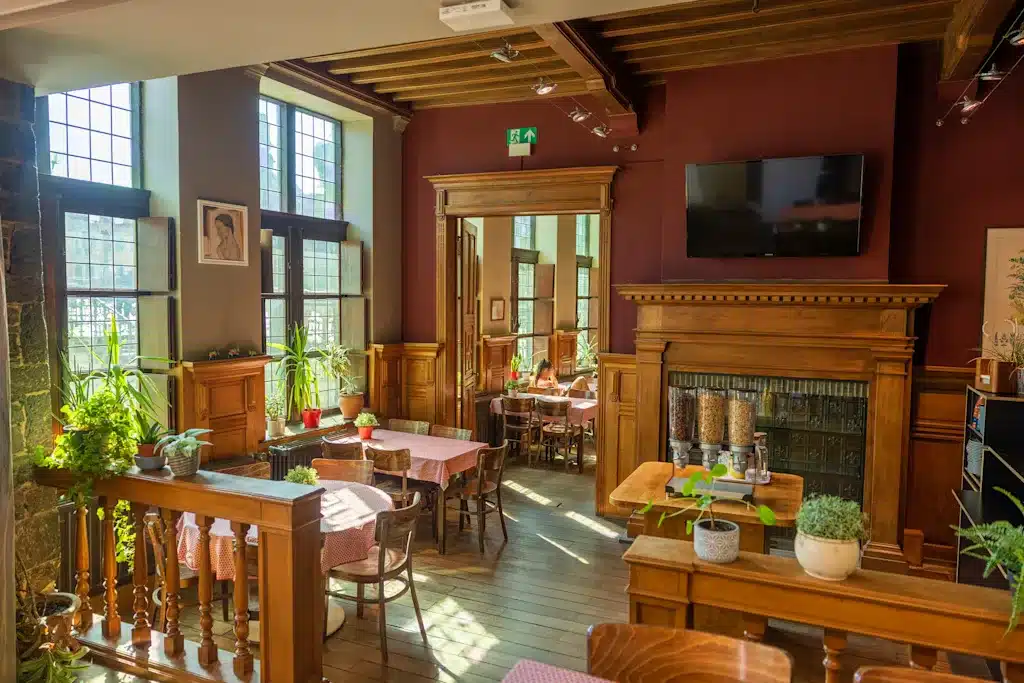
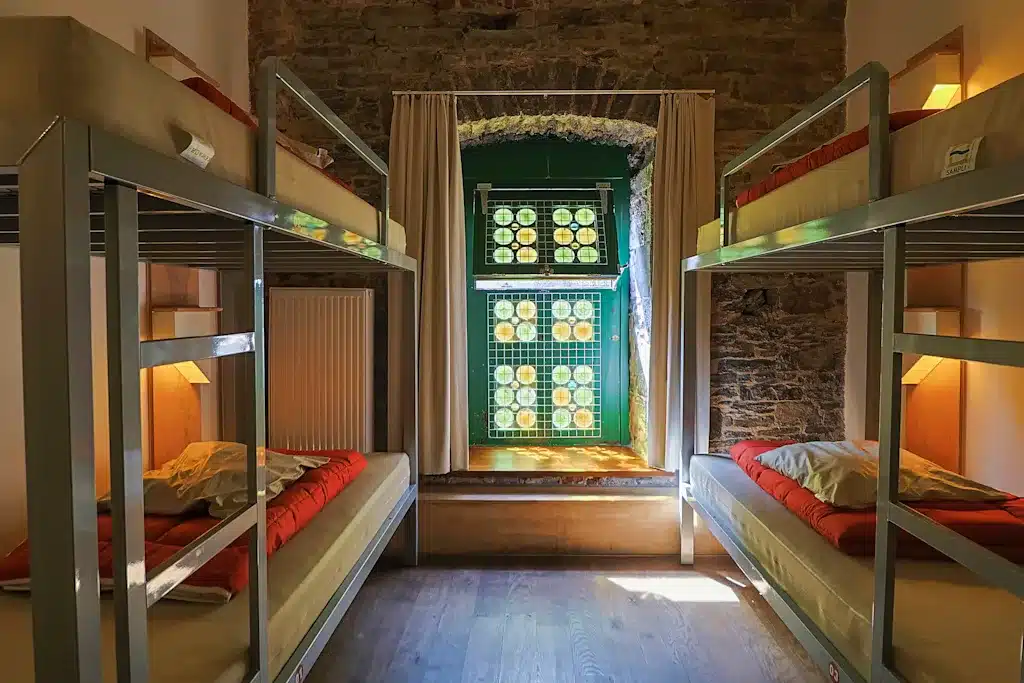
入住Uppelink青年旅舍,置身于热闹的市中心。这家广受好评的家庭经营式旅舍坐落于根特老港旁的一栋历史建筑内。宾客们特别喜爱这里既温馨又可饱览河景的全景公共休息室,以及充满社交氛围的环境——旅舍甚至提供免费的徒步导览和皮划艇租赁服务,让您能划着皮划艇穿梭于根特的运河之间。 乌佩林克青年旅舍拥有干净整洁的宿舍和友好的工作人员,毗邻圣米迦勒桥(可欣赏根特三座塔楼的明信片般美景),其地理位置无可比拟,是探索这座城市隐秘角落的绝佳下榻之选。
2 意大利马泰拉——重获新生的古老洞穴城市

为何前往
马泰拉坐落于意大利南部的岩石峡谷中,是欧洲独一无二的胜地。其“萨西”(Sassi)区由迷宫般的石窟、民居和教堂构成,这些建筑皆凿刻于悬崖之中,常被称为“地下城”。马泰拉的洞穴居所已有数千年的居住历史,是世界上最古老的人类聚居地之一。长期以来,马泰拉曾被世人遗忘并陷入贫困(20世纪50年代,它甚至被恶名昭著地称为“意大利的耻辱”),但它的故事却是一段戏剧性的重生历程。 如今,马泰拉已被列入联合国教科文组织世界遗产名录,并于2019年获评“欧洲文化之都”。漫步马泰拉,仿佛穿越时空:你会探索迷宫般的巷道、凿于岩石的阶梯,以及装饰着古代壁画的岩窟教堂。 难怪电影制作人常将马泰拉作为古代耶路撒冷的取景地——这里的气氛既充满深厚的历史感,又仿佛置身于另一个世界。
主要看点
早起观赏日出,看晨光将马泰拉的石质景观染成金黄色。 参观卡萨·格罗塔博物馆(Casa Grotta),了解家庭如何在这类单间洞穴住宅中生活。马泰拉的萨西区(Sassi di Matera)本身就是主要景点,在萨索·巴里萨诺(Sasso Barisano)和萨索·卡韦奥索(Sasso Caveoso)蜿蜒的小径中漫步,探访圣玛丽亚·德·伊德里斯(Santa Maria de Idris)等岩窟教堂。 马泰拉的瑰宝是“原罪墓穴”,因其悬崖洞室中令人惊叹的8世纪壁画,常被称为“洞穴艺术的西斯廷教堂”。 入夜后,马泰拉的洞穴在柔和的光芒中熠熠生辉,从穆尔贾·蒂莫内观景台隔着峡谷眺望,这般景象令人难忘。 很难相信,这座美得令人心驰神往的石城,直到近年才为旅行者所知。《史密森尼杂志》曾这样评价:马泰拉“曾是‘意大利的耻辱’……如今却是一颗重获新生的‘隐藏瑰宝’”。
青年旅舍推荐——The Rock Hostel
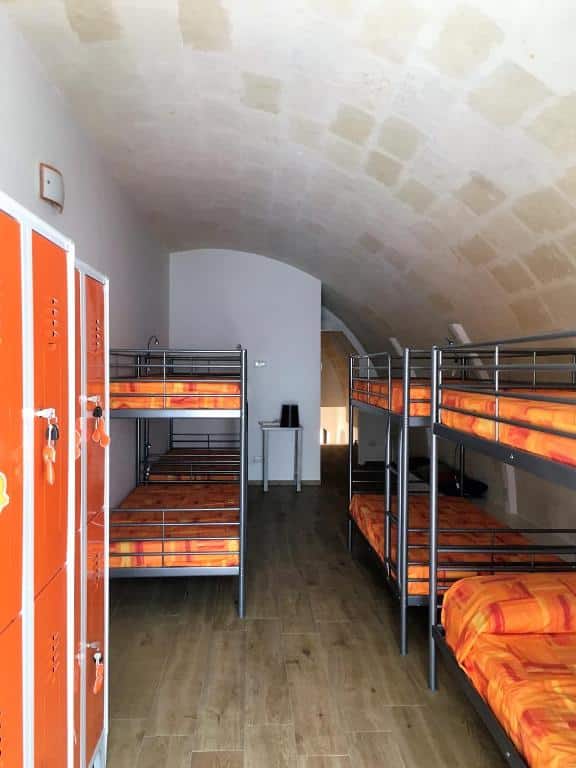
入住“岩石青年旅舍”,沉浸于马泰拉的洞穴文化之中。这家温馨的背包客旅舍位于老城区一栋经过修复的19世纪“拉米奥内”(石砌农舍)内。 客房由当地石灰岩砌成,因此您简直是在马泰拉的历史中入眠。宾客们盛赞这处质朴石墙内既充满友善氛围,又兼具现代舒适设施(隔音宿舍、共用厨房)。 走出旅舍,步行仅需2分钟即可抵达萨西(Sassi)岩洞区和马泰拉热闹的广场。如果您曾梦想过像时间旅行者一样在岩洞中醒来——但又能享受热水淋浴和Wi-Fi——这里就是实现梦想的绝佳之地!
3 科托尔,黑山——峡湾般海湾上的中世纪奇观
为何前往
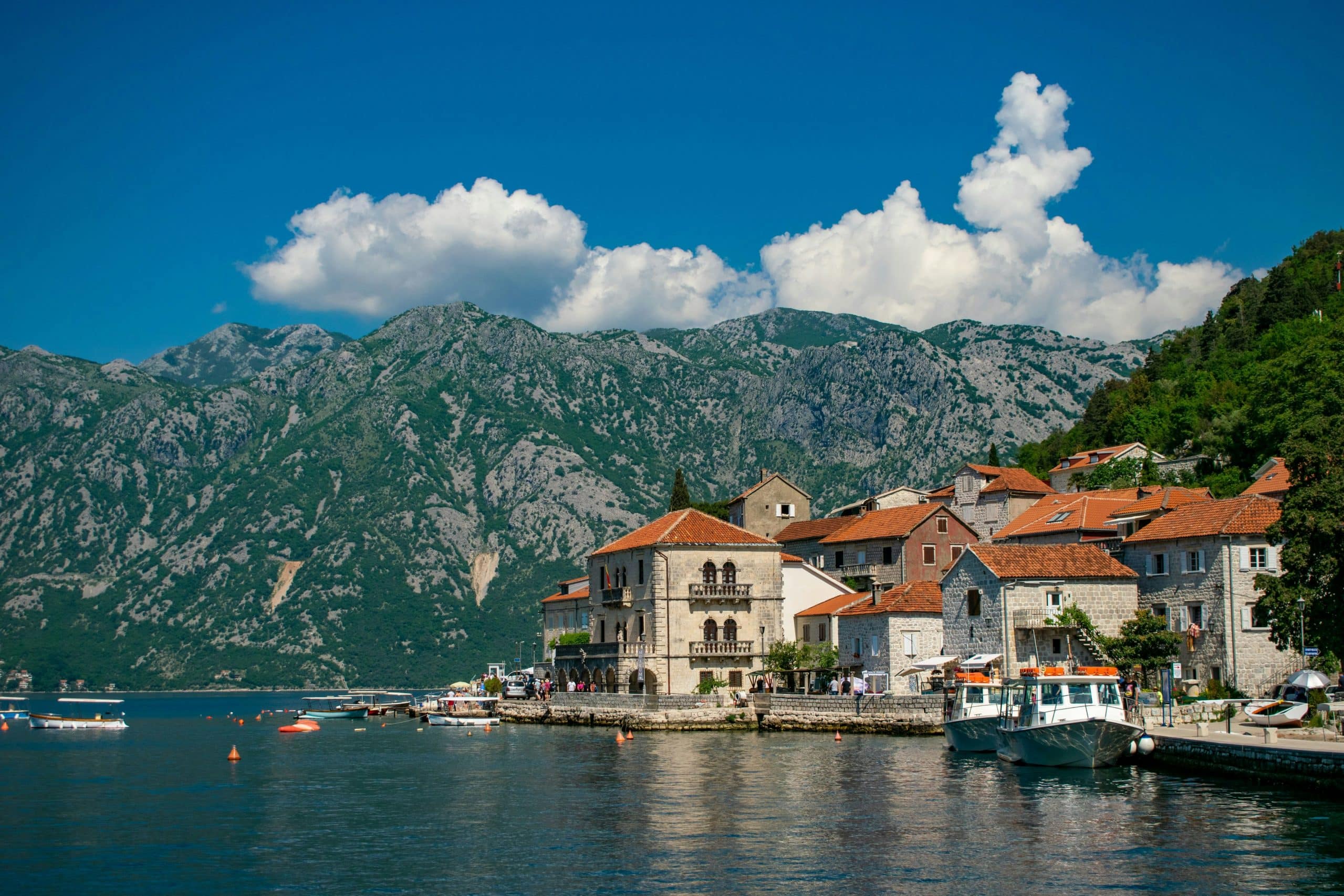
科托尔隐匿于亚得里亚海的一隅,坐落在一片常被比作“迷你峡湾”的璀璨海湾尽头。四周环绕着直插深蓝海水的陡峭山峰,科托尔的绝美风光定会令您叹为观止。 这座小镇本身就是一颗中世纪的瑰宝——作为联合国教科文组织世界遗产,它拥有鹅卵石小巷、石砌教堂,以及坐落在坚固的威尼斯时期城墙后、遍布咖啡馆的广场。 在科托尔,时间仿佛放慢了脚步。你可以在古老广场钟楼下啜饮咖啡,看着猫咪(这座城市的非官方吉祥物)在阳光下慵懒地晒太阳,或是聆听教堂钟声的悠扬回响在悬崖间萦绕。尽管拥有如童话般的美景,科托尔依然是一个相对宁静的避世之所,只有当游轮短暂停靠时才会略显喧嚣。 在清晨或傍晚时分,迷宫般的古城几乎只属于你一人——只有你、当地人,以及数百年积淀的历史。
主要看点
沿着古老城墙的1,350级台阶徒步登上圣约翰城堡,科托尔湾那“奇迹之湾”的壮丽全景定会令你惊叹不已。 站在城堡顶端,远眺下方红瓦铺就的老城区、波光粼粼的海湾以及远处雾气缭绕的山峦——这般美景将令你终生难忘(无论日出还是日落,这里的景色都如梦似幻)。 回到镇上,漫步在无车的小巷中,探索圣特里丰大教堂(建于1166年的罗马式长方形教堂)、海事博物馆(展现科托尔的航海传统)等瑰宝,以及“猫博物馆”这类别具一格的景点。 乘船前往近海那些如明信片般完美的岛屿——尤其是“岩石圣母岛”,这座岛上教堂的起源充满传奇色彩。 科托尔也是探索周边隐秘瑰宝的绝佳据点:宁静的巴洛克风格小镇佩拉斯特及其岛上修道院,或是卢斯蒂卡半岛上原始的海滩和蓝洞。科托尔将壮丽的自然风光与中世纪的魅力融为一体,让人感觉“仿佛时间静止,邀请你沉浸于它的奇观之中”。
青年旅舍推荐——科托尔老城青年旅舍
入住老城青年旅舍,您将置身于科托尔拥有数百年历史的古城墙内。旅舍坐落于老城中心的一座13世纪的古宫殿内。宿舍房内石墙与木梁交相辉映,尽显历史韵味。 这家青年旅舍以其活跃的社交氛围而闻名——他们组织团体晚餐、海湾游船以及前往要塞的导览徒步活动,让您轻松结识同行的旅伴,共同开启冒险之旅。 老城青年旅舍拥有温馨的公共休息室和乐于助人的工作人员,让您在享受现代舒适设施的同时,体验中世纪小镇的生活(旅舍甚至设有一个小型游泳池,供您在巴尔干炎热的夏日里消暑!)。走出旅舍大门,只需几秒钟即可抵达科托尔最棒的咖啡馆、酒吧和风景如画的广场。
4 保加利亚普罗夫迪夫——七山古城
为何前往
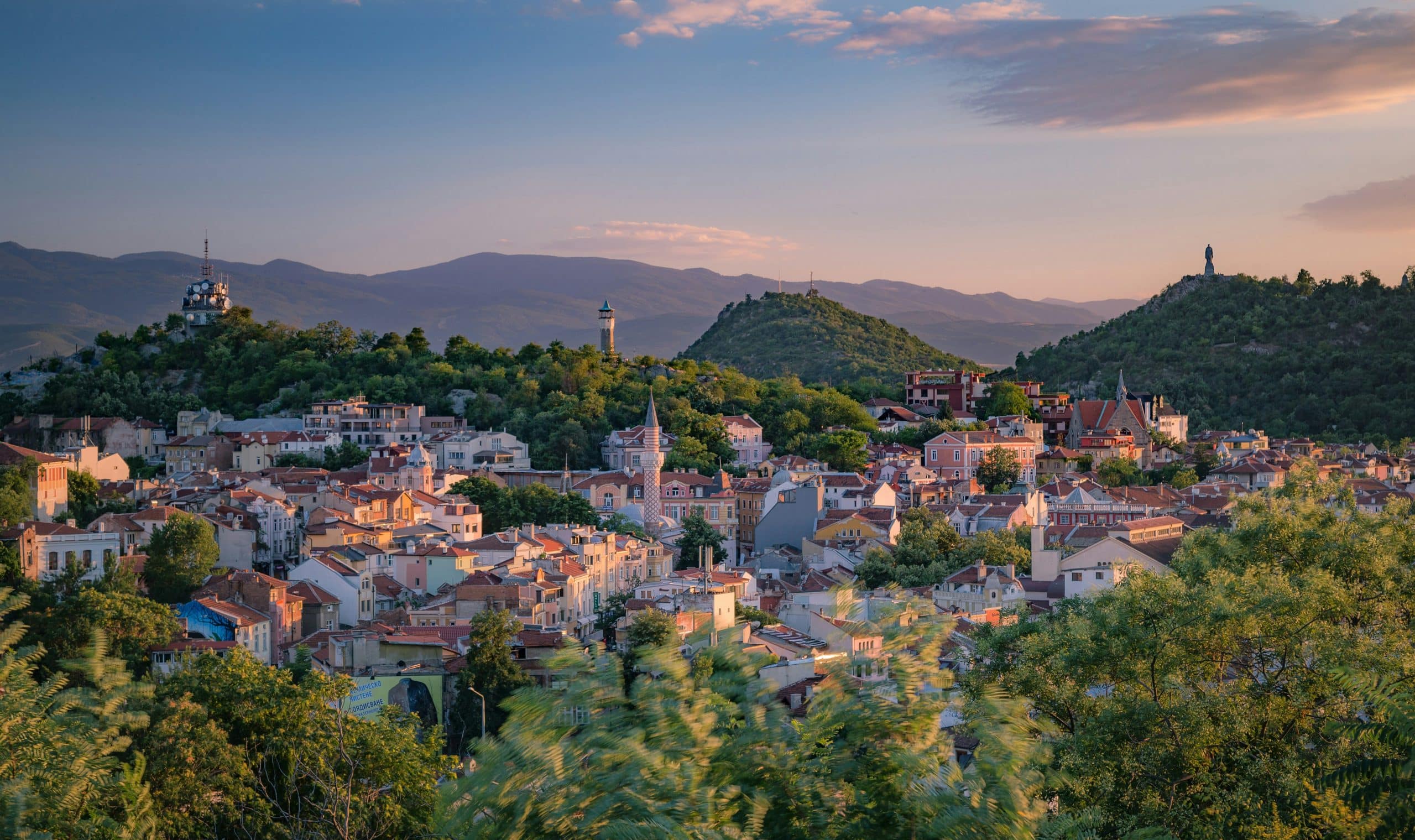
你知道吗?欧洲历史最悠久且一直有人居住的城市之一就位于保加利亚。欢迎来到普罗夫迪夫——这座拥有8000年历史的城市,其鹅卵石街道上层层叠叠地承载着悠久的历史。 虽然常被往返于索非亚和海岸线之间的游客所忽略,但普罗夫迪夫却是“欧洲最令人兴奋的隐秘瑰宝”,这里几乎不见游客的身影。在这里,你可以在一个下午内,先站在公元2世纪的罗马圆形剧场中,随后漫步至时尚的艺术街区品尝精酿啤酒。 普罗夫迪夫的老城区是一座鲜活的历史博物馆,从古老的色雷斯要塞遗址到色彩斑斓的保加利亚复兴时期豪宅(其中许多如今已成为画廊或民宿),应有尽有。 然而,普罗夫迪夫绝非尘封的古迹:作为保加利亚第二大城市,这里洋溢着青春活力,尤其是在被称为“陷阱”(The Trap)的创意卡帕纳(Kapana)区,那里街头艺术、独立咖啡馆和夜生活比比皆是。 作为2019年“欧洲文化之都”,普罗夫迪夫已自信地登上了国际舞台,但依然给人一种仿佛刚刚被你发现的迷人秘密般的感觉。
主要看点
普罗夫迪夫的明星景点当属古罗马剧场,它气势恢宏地坐落于城市上方的山坡上。这座保存完好的古剧场至今仍举办音乐会和歌剧演出,试想一下,在2000年前罗马人曾坐过的座位上聆听音乐,该是何等奇妙的体验! 若想一窥普罗夫迪夫丰富多彩的历史,不妨漫步老城区的鹅卵石小巷:参观坐落于豪华商人宅邸内的民族志博物馆,以及隐藏在购物街下方的古罗马竞技场遗迹。 千万别错过小小的希萨尔·卡皮亚城门,穿过这座石拱门,您仿佛穿越了层层历史(下方是罗马时期的地基,上方则是中世纪和19世纪的拱门)。现代艺术爱好者会喜欢这里的众多画廊,而卡帕纳区的波西米亚风情则深受所有人喜爱。 入夜后,错综复杂的酒吧和餐馆区在现场音乐和当地精酿啤酒的映衬下焕发活力。最后,在“黄金时刻”徒步登上普罗夫迪夫七座山丘之一的内贝特·特佩山。 在古老的城堡遗址间,您将饱览城市瓦片屋顶与远方罗多彼山脉的全景风光。正如某旅游指南所言,当游客蜂拥至布拉格和布达佩斯时,“普罗夫迪夫依然是欧洲最鲜为人知的秘密”,而前来探访的游客定将收获满满。
青年旅舍推荐——老普罗夫迪夫青年旅舍
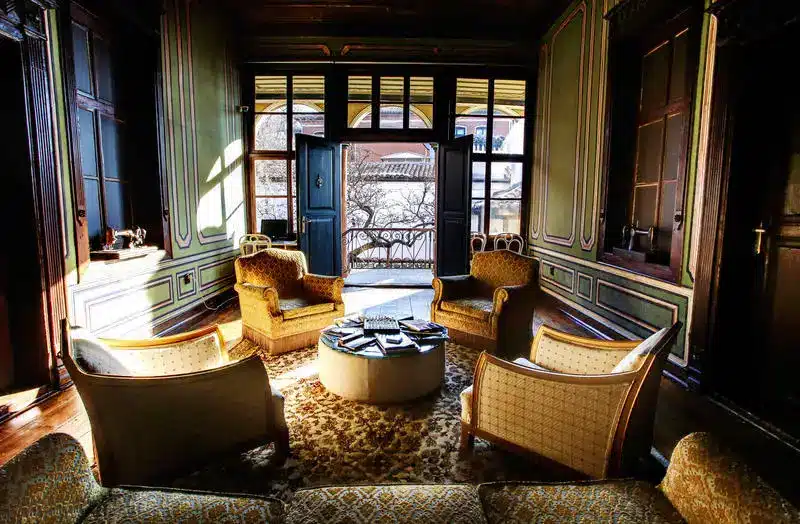
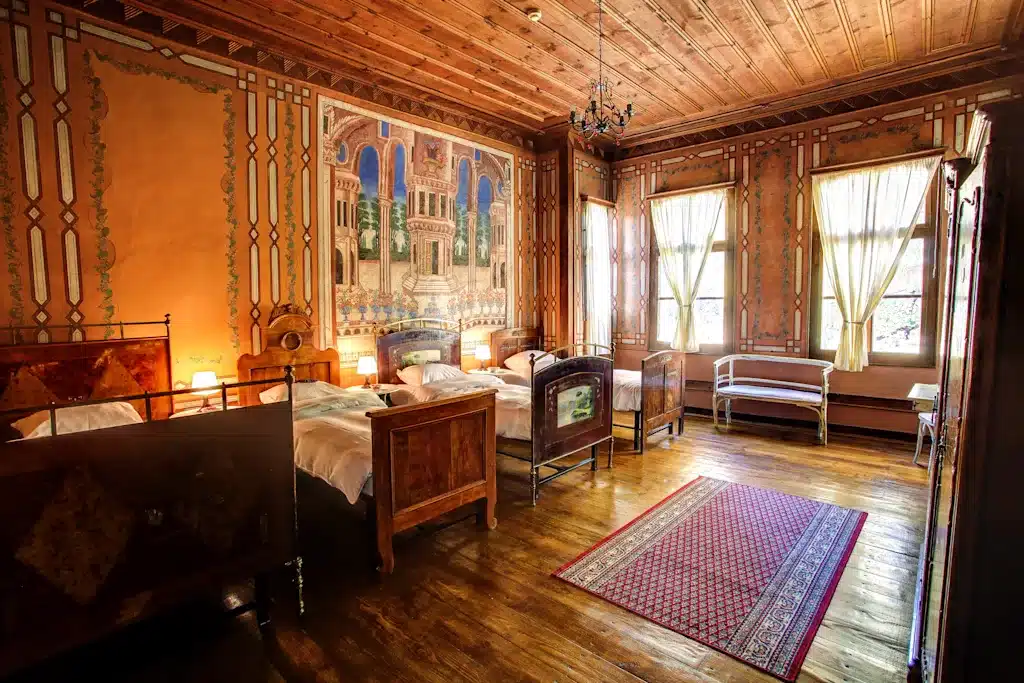
入住“老普罗夫迪夫青年旅舍”,仿佛穿越回过去。这家广受好评的精品青年旅舍坐落于老城区一栋装饰华丽的19世纪宅邸内。从踏入旅舍的那一刻起,您便会被古董家具、复古装饰,甚至展出的原始罗马墙体残片所包围。 客房拥有彩绘高天花板和实木地板,令人仿佛置身于往昔时代,但背包客们却一致称赞其现代化的舒适设施:一尘不染的公共区域、信号强劲的Wi-Fi,以及可供放松身心的迷人花园。热情好客的店主将客人视如家人,不仅提供免费早餐,还会分享当地的独家旅游建议。 入住这里,感觉就像睡在博物馆里(这是最美好的体验),而且步行片刻即可抵达普罗夫迪夫的罗马剧场和所有老城区景点。
5 圣米格尔岛,亚速尔群岛(葡萄牙)——“欧洲的夏威夷”
为何前往
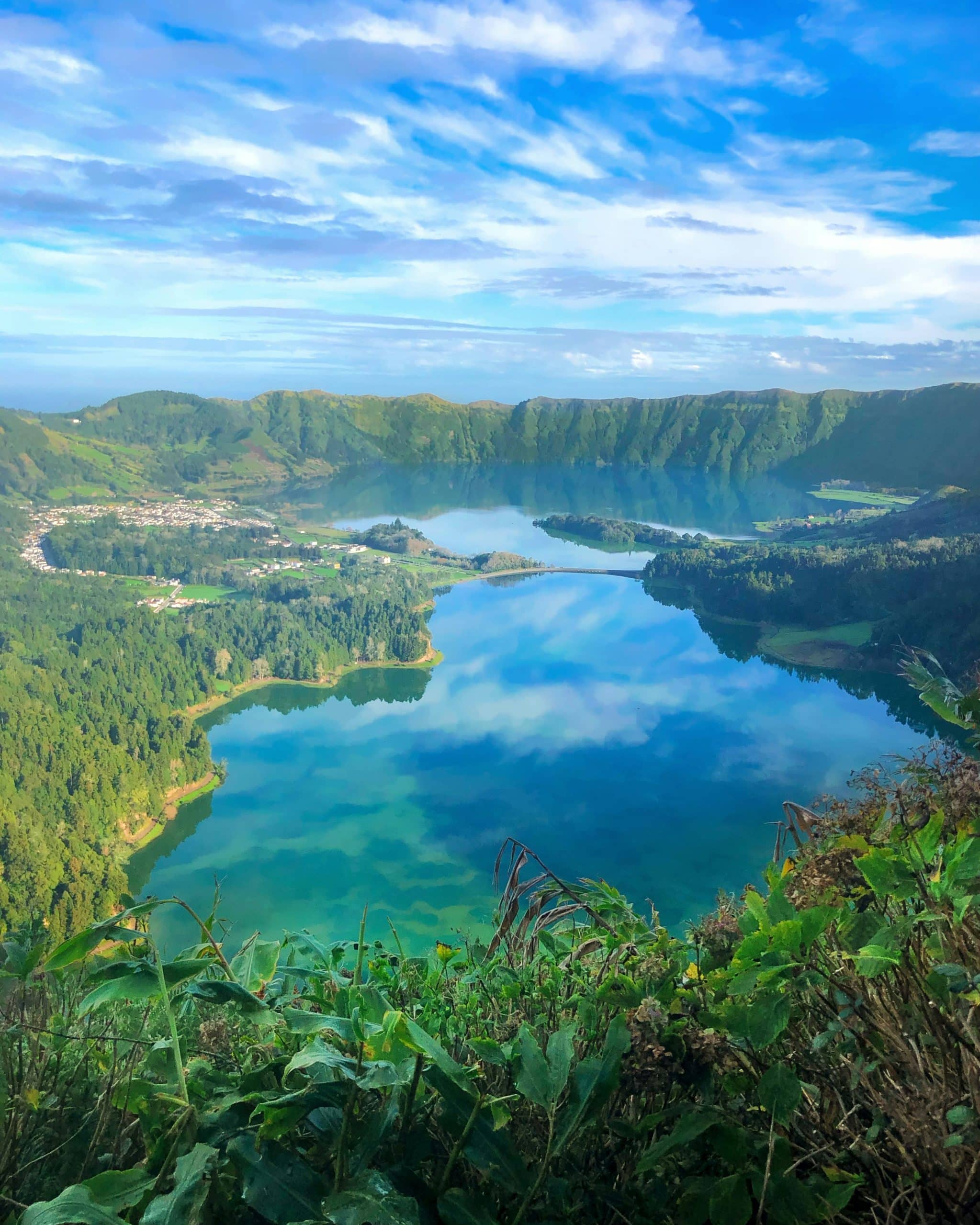
壮观的火山火山口中湖水湛蓝,郁郁葱葱的丛林里蒸腾着热气,翡翠般的绿色沿海悬崖直落大西洋——欢迎来到亚速尔群岛,这个偏远的葡萄牙群岛常被誉为“欧洲的夏威夷”。亚速尔群岛的九座岛屿位于葡萄牙本土以东约1,400公里处,是一片原始自然的天堂,奇迹般地一直未被大众旅游所关注。 其中最大的圣米格尔岛(São Miguel)集中展现了亚速尔群岛无与伦比的奇观:从塞特西达德斯(Sete Cidades)的双湖(一个蓝色,一个绿色,位于巨大的火山口内),到富纳斯谷(Furnas Valley)翻腾的喷气孔和间歇泉——当地人就在那里利用火山泥烹煮炖菜。 户外探险活动丰富多彩:徒步前往瀑布、观鲸(亚速尔群岛是全球观鲸和海豚的最佳地点之一)、冲浪,或者只是在星空下泡泡天然温泉。 不仅如此,群岛的文化魅力与自然风光相得益彰:古色古香的白色村庄、历史悠久的教堂,以及出产独特亚速尔葡萄酒的葡萄园。 亚速尔群岛确实是“一个拥有火山、泻湖、瀑布和原始自然风光的狂野大西洋天堂”,对于那些既追求冒险又向往宁静的人来说,这里是一颗隐藏的瑰宝。
主要亮点
在圣米格尔岛,不妨从塞特西达德斯湖(Lagoa das Sete Cidades)开始行程,从“国王观景台”(Vista do Rei)俯瞰那两座标志性的双湖,湖水在翡翠绿与蓝宝石蓝的色调中流光溢彩,这绝对是一幅令人叹为观止的景象。您可以在火山口周围的步道上徒步,甚至可以在宁静的湖面上划皮划艇。在富纳斯(Furnas),您可以惊叹于咕嘟咕嘟冒泡的火山口,并品尝“科齐多”(cozido)——这道丰盛的炖菜是在地下火山热能中慢炖数小时制成的。随后,您可以在波萨达多娜贝贾(Poça da Dona Beija)或特拉诺斯特拉花园(Terra Nostra Garden)的温泉中放松肌肉,在植物园的环绕下,浸泡在富含铁质的温泉中。 千万不要错过“地狱之口”(Miradouro da Boca do Inferno)观景台,那里可将多座湖泊与大海的壮丽全景尽收眼底,令人叹为观止。 在海岸线上,塞特西达德斯(Sete Cidades)和莫斯特伊罗斯(Mosteiros)拥有黑沙滩和天然游泳池。如果您热爱茶,不妨造访戈雷亚纳茶园(Gorreana Tea Plantation)——这座始建于1883年的欧洲最古老茶园,至今仍在圣米格尔岛郁郁葱葱的山坡上生产香气馥郁的绿茶和红茶。 在整个亚速尔群岛的探险旅程中,您很可能会感叹这里是“欧洲最不为人知的秘密”。事实上,《弗罗默旅游指南》(Frommer’s)曾将亚速尔群岛描述为“欧洲最别具一格的旅行体验之一”,而您很快就会明白其中的缘由。
青年旅舍推荐——Out of the Blue Hostel
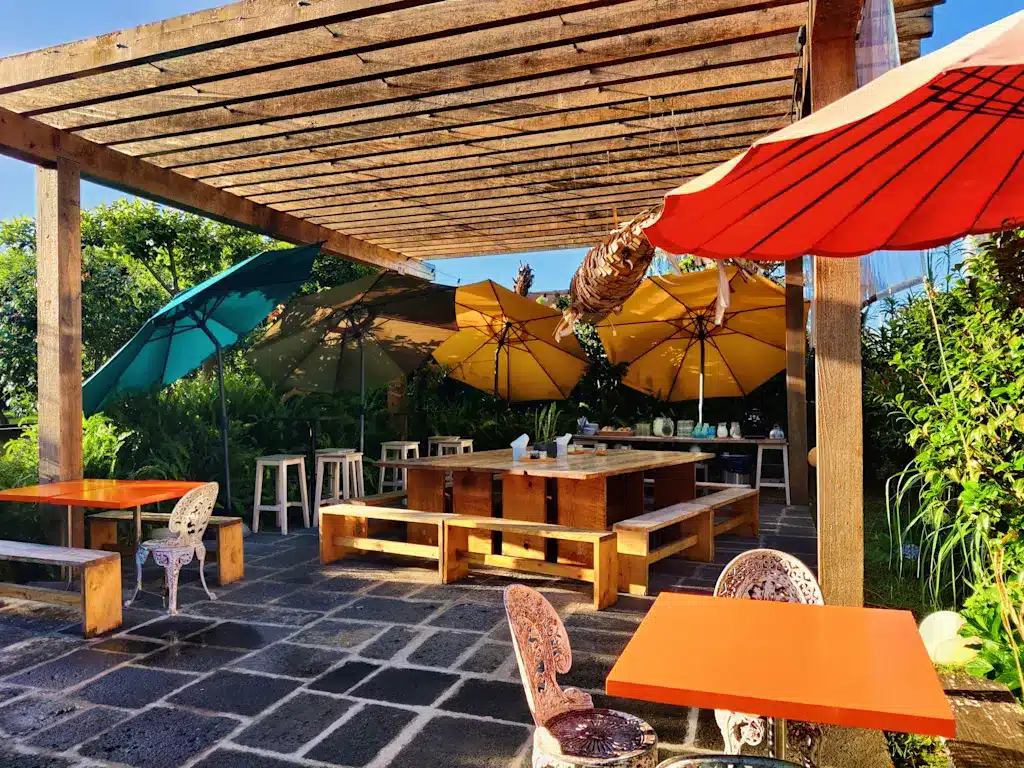
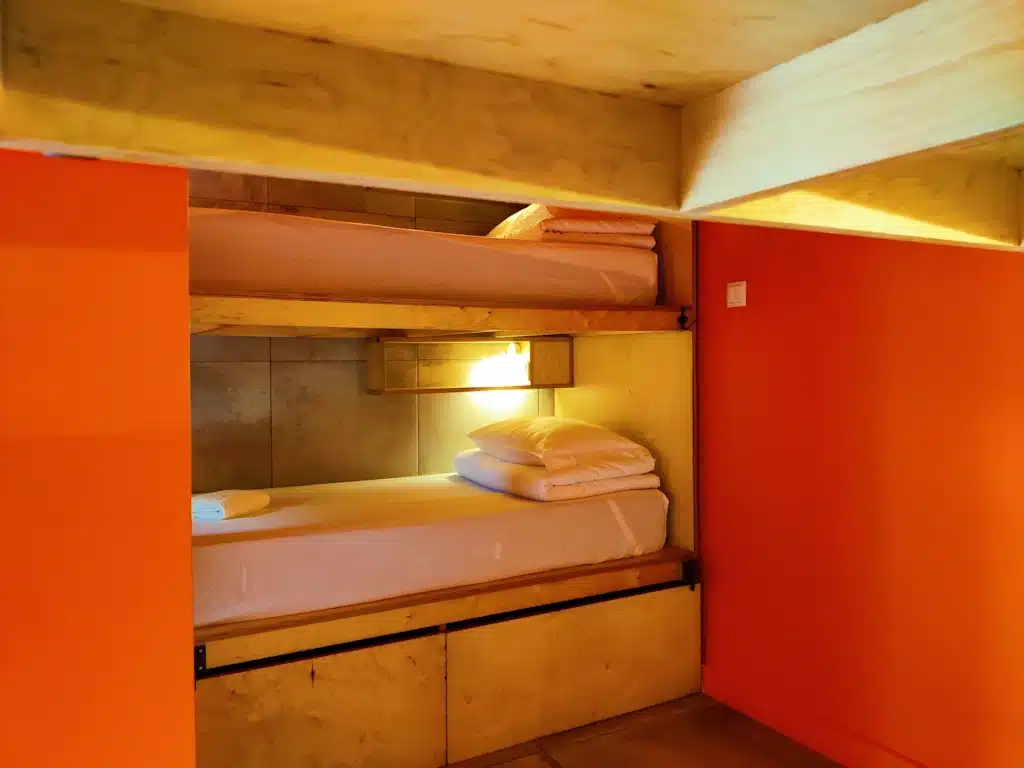
入住“Out of the Blue”青年旅舍,将亚速尔群岛的主要城镇蓬塔德尔加达作为您的旅行据点。正如其名,这家时尚的青年旅舍宛如一处隐秘的绿洲,坐落于一栋传统庄园宅邸内,拥有热带花园庭院,庭院中不仅设有吊床,还配有一个小型游泳池。 “Out of the Blue”的每间客房都设计独特(部分房间设有趣味主题和当地艺术品),并包含美味的自制早餐,为您探索岛屿之旅补充能量。友好的工作人员会组织泻湖游览和酒吧之夜等团体活动,让您轻松结识志同道合的旅伴,一起徒步火山或追寻瀑布的踪迹。 旅舍地处市中心,您可以轻松搭乘公共巴士或参加旅游团,前往圣米格尔岛不容错过的自然景点,随后回到“家”中,手持一杯亚速尔群岛菠萝利口酒,在香蕉树下悠闲放松。
6 波斯尼亚和黑塞哥维那莫斯塔尔——东西方交汇之地
为何前往
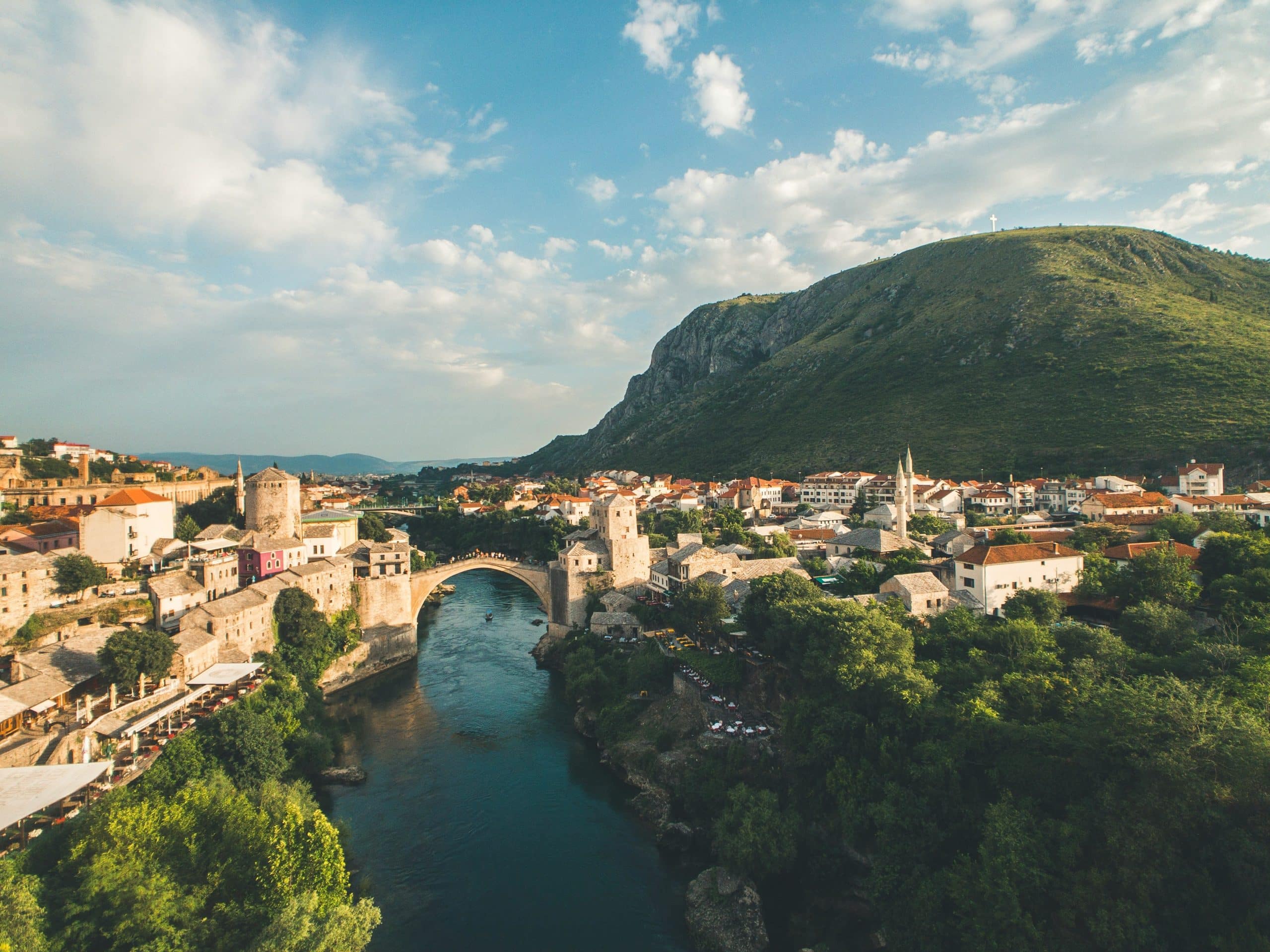
如果你正在寻找一座文化瑰宝,莫斯塔尔绝对不容错过。这座位于波斯尼亚和黑塞哥维那的小城曾是帝国、宗教和文化的交汇点,这一点在城中随处可见。 莫斯塔尔老城横跨翡翠般的内雷特瓦河,由“斯塔里莫斯特”(老桥)连接,这座优雅的单拱桥最初建于1566年。 这座桥及其周围的奥斯曼风格城区被联合国教科文组织列为世界遗产,被誉为“多元文化城市聚落的杰出范例”,将奥斯曼帝国之前、东奥斯曼、地中海和西欧的建筑特色融汇于一处。 当您漫步于狭窄的鹅卵石小巷时,会途经拥有细长宣礼塔的清真寺、教堂、熙熙攘攘的集市以及传统的土耳其风格民居,而陡峭的山峦则构成了一幅壮丽的背景画卷。 莫斯塔尔在20世纪90年代的巴尔干冲突中惨遭重创(老桥于1993年被摧毁),但这座桥已得以重建,城市也焕发了新生,如今已成为和解与希望的象征。 如今的莫斯塔尔既充满活力又热情好客,却依然比其他欧洲历史名城要宁静得多。东西方文化的交融,以及当地人民的坚韧精神,赋予了莫斯塔尔一种深邃的灵魂,给每一位到访者都留下了深刻的印象。
主要看点
观看当地勇敢的跳水者从斯塔里莫斯特桥一跃而下,落入20米深处的河中,是莫斯塔尔的一项传统。如果你运气好(且游客给的小费足够多),在炎热的夏日里或许能目睹这一壮观景象。 漫步在这座标志性的驼背桥上,想象几个世纪前穿行其间的商队。探索库容吉卢克老集市(Kujundžiluk),那里的小贩们出售手工铜器、地毯和波斯尼亚咖啡套装,让烤切瓦皮和波斯尼亚炖锅的香气引你走进河畔餐馆。参观科斯基·梅赫梅德-帕夏清真寺——你可以攀登其宣礼塔,俯瞰大桥和城市天际线的壮丽景色。 历史爱好者不妨造访小型“战争与种族灭绝受害者博物馆”,了解这座城市近代历史的背景。傍晚时分,当清真寺的祈祷声回荡,石砌小巷渐归宁静,不妨在一家咖啡馆落座,品尝一杯浓郁的波斯尼亚咖啡。 眺望着灯火通明的斯塔里莫斯特桥,或许还能听见空气中飘来的传统塞夫达林卡音乐,你会感受到莫斯塔尔东西方文化交融的魔力。这里是一个能在一天之内用美景让你惊叹、用历史让你动容的地方——堪称巴尔干半岛上真正的隐秘瑰宝。
青年旅舍推荐——马伊达斯青年旅舍(Hostel Majdas)
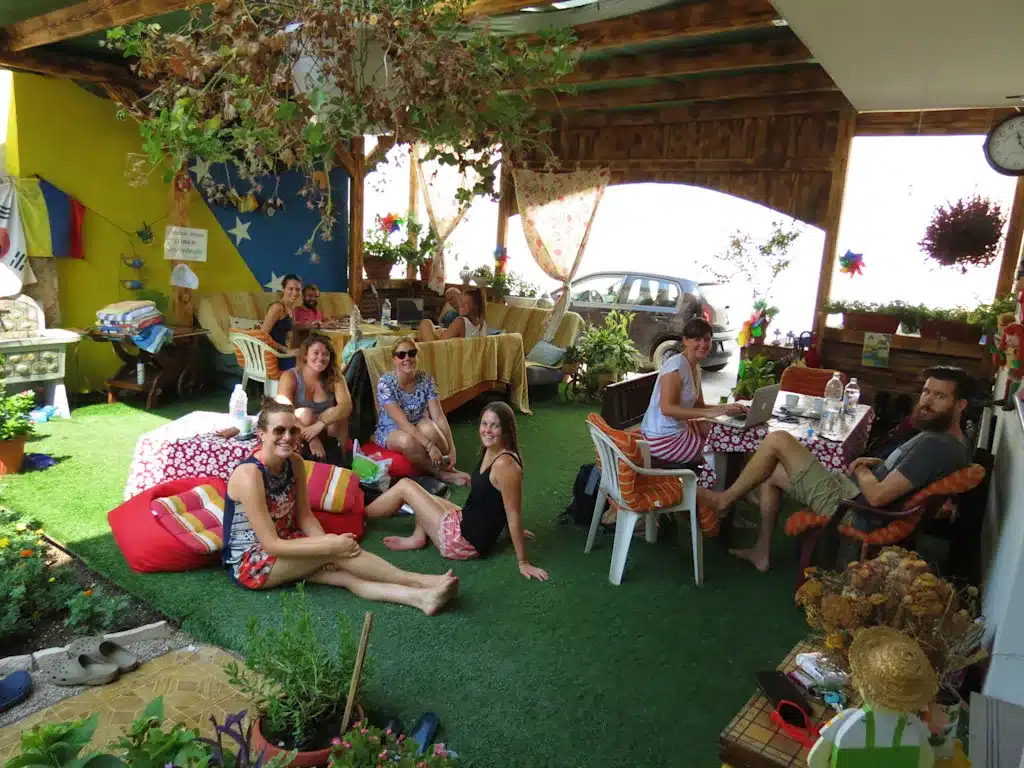
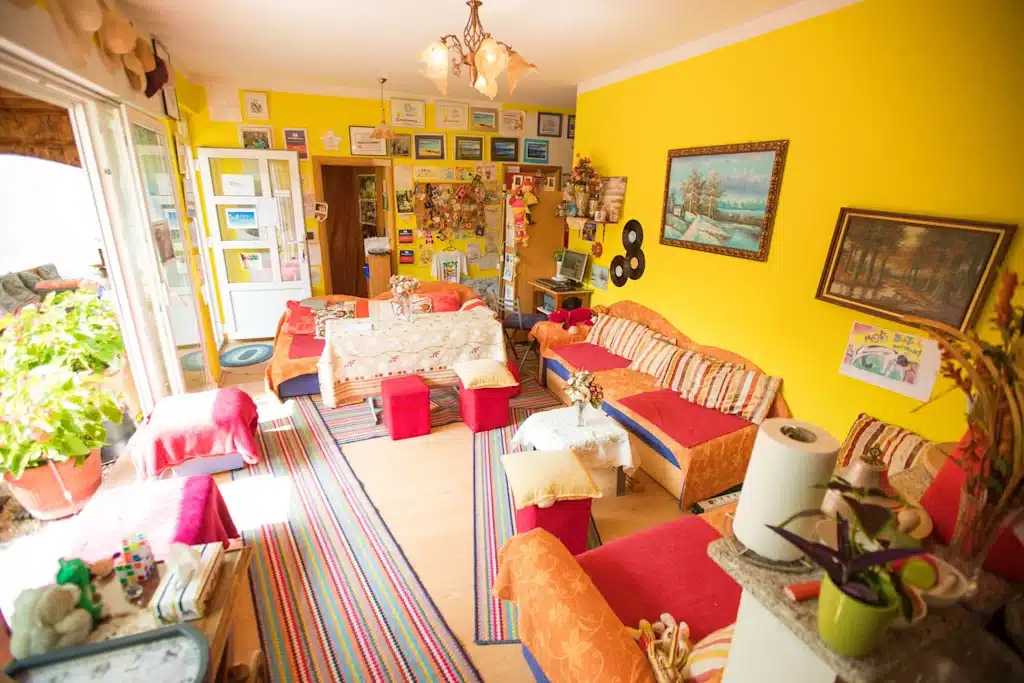
在马杰达斯青年旅舍体验著名的波斯尼亚式热情好客——这家位于莫斯塔尔的家庭经营式旅舍,早已成为背包客心中的传奇。 店主马伊达会用自制的柠檬水和蛋糕欢迎客人,她的弟弟巴塔则组织了一条精彩的当地全天游线路(游览瀑布、中世纪村庄,并深入讲解当地历史——这是许多旅行者的亮点)。 旅舍本身干净、温馨且充满社交氛围,花园和公共休息室让您轻松结识新朋友。 每天早晨,马伊达都会准备一顿丰盛的免费早餐(包括煎饼、鸡蛋和波斯尼亚咖啡——你绝对不会饿着离开!)。马伊达旅舍距离老城区和莫斯塔尔大桥仅几步之遥,是探索莫斯塔尔奇观、亲身体验当地文化的理想据点。
7 瑞典哥德堡——绿意盎然、充满活力且酷感十足
为何前往
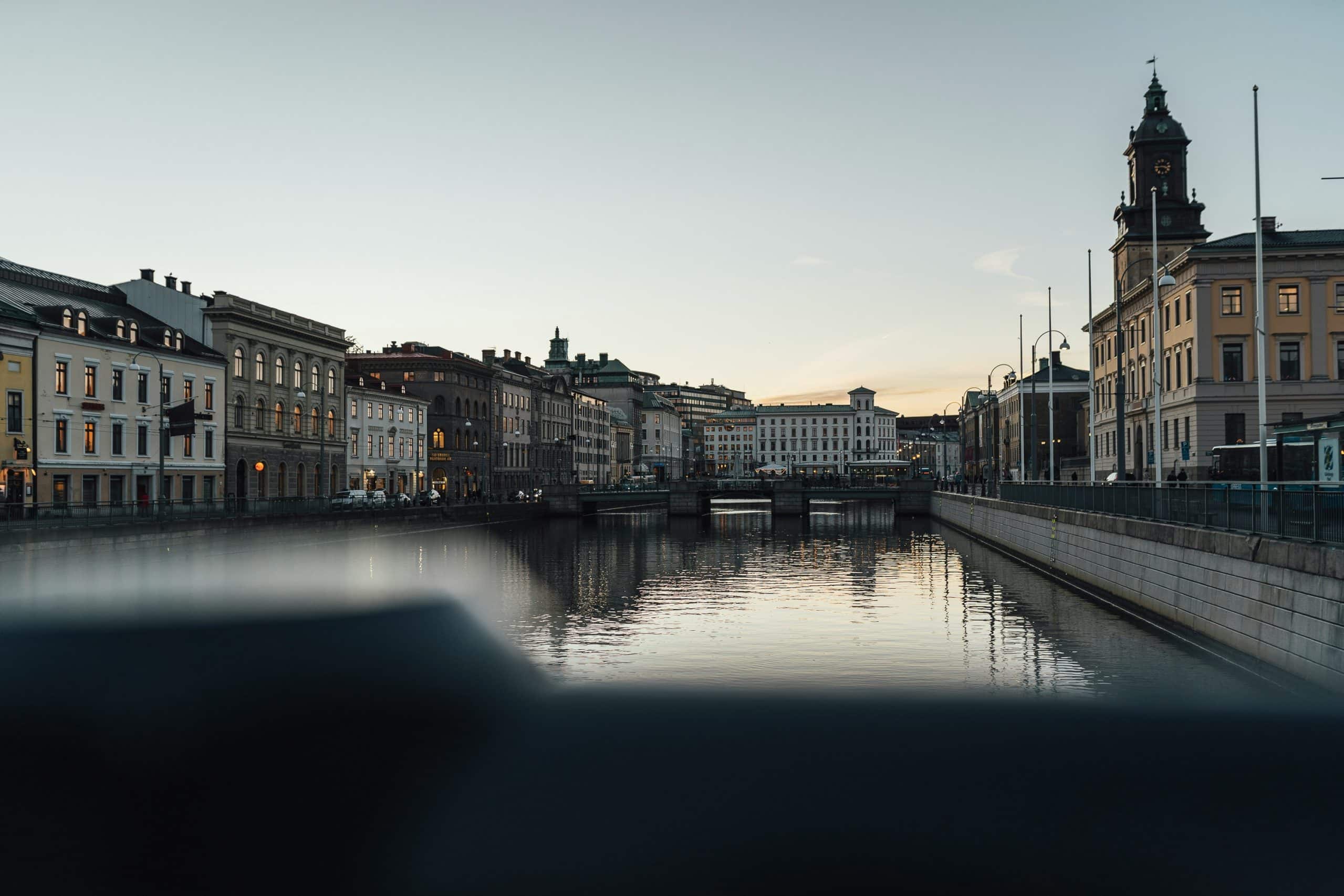
作为瑞典的第二大城市,哥德堡(Göteborg)有时会被匆匆赶往斯德哥尔摩或北极地区的旅行者忽略,但作为斯堪的纳维亚半岛的一颗“隐藏瑰宝”,它理应成为瞩目的焦点。这座位于西海岸、曾是造船业中心的城市,如今已蜕变为一座充满活力、富有创意且环保的年轻城市,让人流连忘返。 哥德堡拥有迷人的运河和绿树成荫的大道(其城市规划以17世纪的荷兰城镇为蓝本),充满活力的街头艺术和音乐氛围,以及大量的绿地。 事实上,自2016年以来,哥德堡每年都被评为“全球最可持续旅游目的地”,人均公园绿地面积高达274平方米!这座城市氛围悠闲惬意,宜居舒适,你会看到当地人在咖啡馆或精酿啤酒坊里放松身心,学生们则骑着自行车飞驰而过。 与此同时,哥德堡还拥有一种粗犷的海洋气息,这赋予了它独特的个性:老港区已被改造为时尚的市场、艺术中心,以及利用旧仓库改建而成的精酿啤酒厂。如果你喜欢另类文化、音乐节或可持续生活方式,你一定会爱上哥德堡这种前卫的精神。 海鲜爱好者请注意,这里是欧洲品尝新鲜虾、牡蛎以及北海当日捕捞鲜鱼的最佳去处之一。
主要看点
不妨先探索哈加(Haga)——这个迷人的老城区,这里有木屋和温馨的肉桂卷咖啡馆。随后前往斯洛茨斯科根公园(Slottsskogen Park),这是哥德堡的一座大型中央公园(兼具森林、动物园和野餐胜地的功能),在公园内的免费动物园里,你甚至可能邂逅驼鹿和海豹。 这座城市的工业历史在哥德堡海事博物馆(一座漂浮的船上博物馆)和沃尔沃博物馆(经典车爱好者的天堂)中得以展现。若想感受文化氛围,不妨去“鱼市教堂”(Feskekôrka)逛逛——这座室内海鲜市场大厅里,您可以尽情品尝烟熏三文鱼或腌鲱鱼。 艺术爱好者切勿错过以北欧艺术和印象派藏品闻名的哥德堡艺术博物馆。哥德堡最酷的区域之一是位于前工人阶级社区的朗加托纳(Långgatorna):这些“长街”如今遍布独立精品店、街头艺术、现场音乐场所和精酿啤酒吧,入夜后便热闹非凡。 若您在夏季造访,只需乘坐短途渡轮即可抵达哥德堡群岛,花上一整天时间在岛屿间穿梭,在光滑的花岗岩礁石旁游泳,并在色彩斑斓的渔村里品尝肉桂卷。 哥德堡将都市的时尚气息与可持续生活方式完美融合(更不用说这里还是气候活动家格蕾塔·通贝里(Greta Thunberg)的故乡),使其成为北欧一颗令人耳目一新的隐秘瑰宝。
青年旅舍推荐——斯洛茨斯科根斯青年旅舍
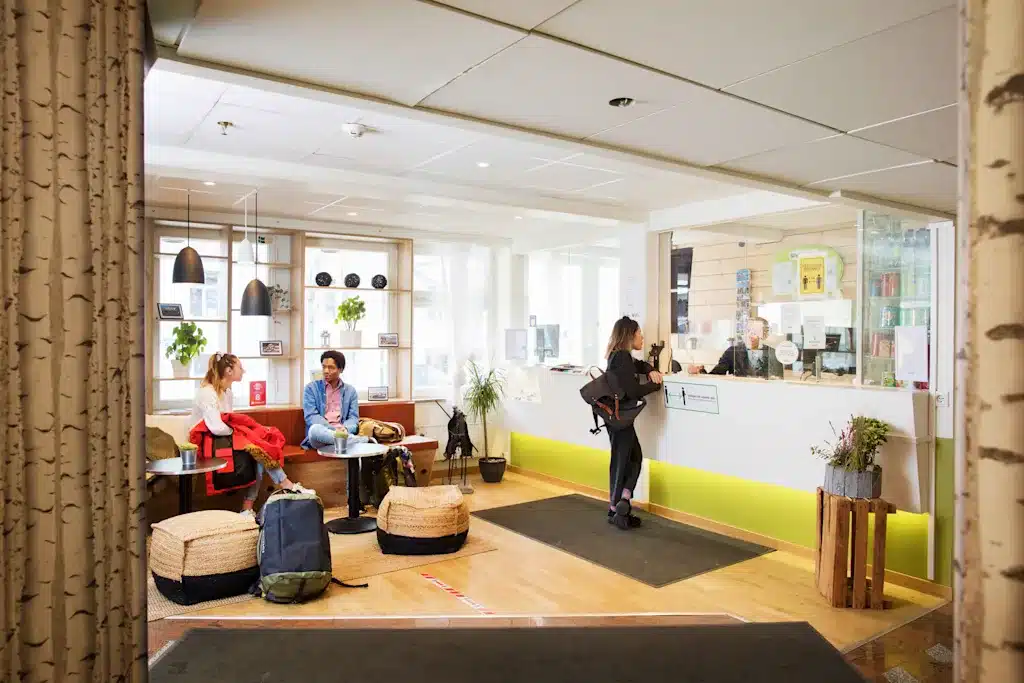

在斯洛茨斯科根青年旅舍,尽情体验哥德堡的社交魅力——这家备受欢迎的旅舍就位于广阔的斯洛茨斯科根公园附近。 这家青年旅舍以热情好客、充满活力的氛围而闻名——他们会组织酒吧巡游、问答之夜等活动,甚至偶尔还会举办桑拿聚会(没错,旅舍内设有桑拿房,供客人体验瑞典式的放松!)。客房和宿舍干净现代,若您想自己做饭,这里还有一间宽敞的公共厨房。 从这里步行即可抵达哈加(Haga)以及时尚的林奈(Linné)街区的酒吧和咖啡馆。斯洛茨斯科根青年旅舍提供免费Wi-Fi、友好的工作人员以及可供租用的自行车,方便您穿梭于城市之间,是像当地人一样体验哥德堡、结识其他旅行伙伴共同探索这座城市的理想下榻之地。
8 希腊塞萨洛尼基——第二大城的文化与美食
为何前往
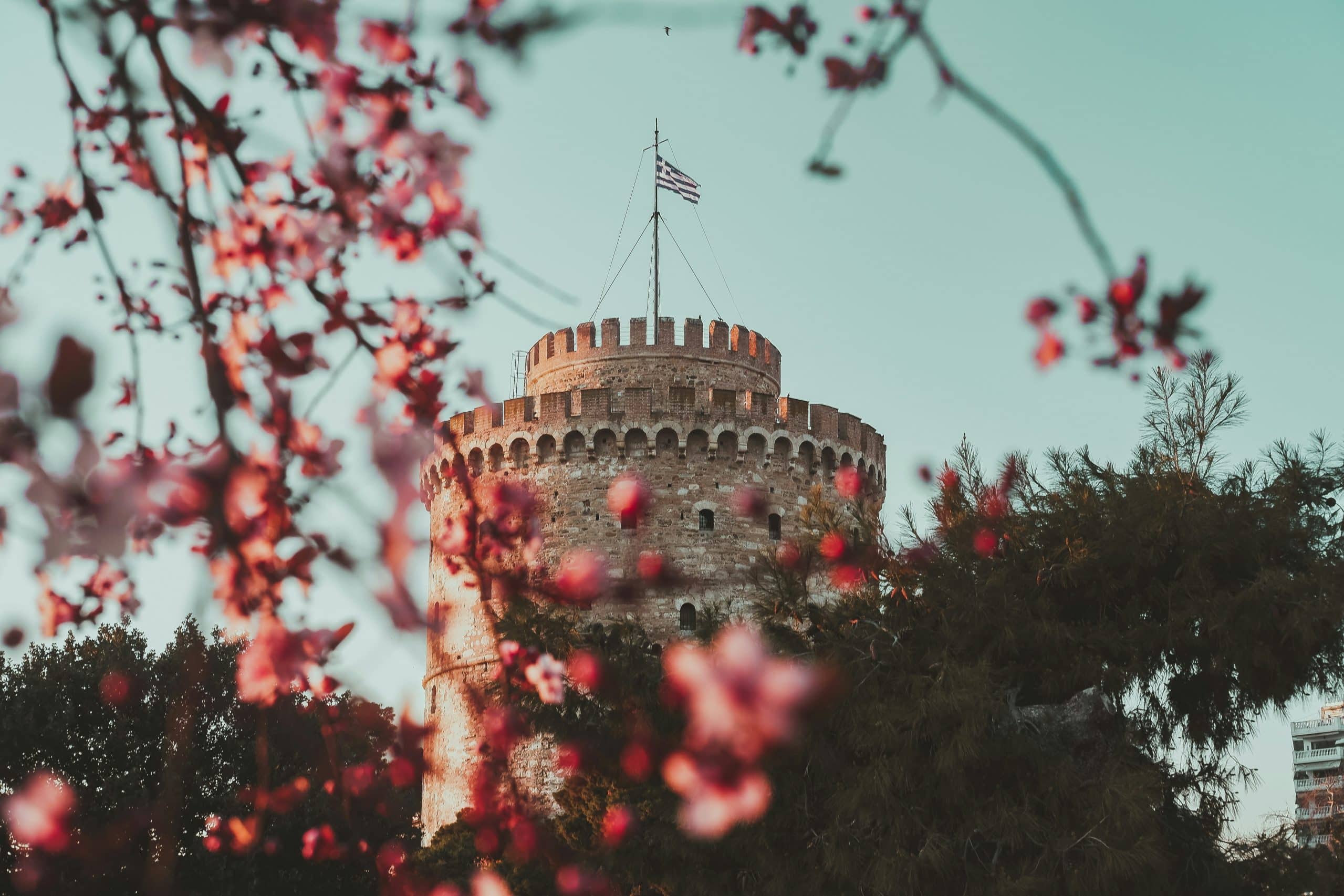
若想远离圣托里尼或米科诺斯岛的游客人潮,体验地道的希腊风情,不妨向北前往塞萨洛尼基——这座充满活力的“第二大城”。塞萨洛尼基坐落于爱琴海畔,拥有一条绵长的海滨长廊,将古老的历史与现代的活力完美交融,令人着迷。 作为公元前315年建立的重要港口,后来又成为拜占庭时期的关键城市,塞萨洛尼基处处充满历史瑰宝:罗马皇帝加莱里乌斯4世纪宫殿的遗址、拜占庭时期的教堂和城墙(被列入联合国教科文组织世界遗产名录),以及守护着海滨的著名白塔。 但塞萨洛尼基作为希腊“美食之都”的 声誉同样享誉盛名,这一 称号得益于其令人垂涎的街头小吃、熙熙攘攘的市场,以及融合了希腊、奥斯曼和巴尔干风味的餐厅。 这座城市拥有庞大的学生群体,素有“不眠之城”的美誉(当地人常开玩笑说这里有着“哈拉拉”(halara,意为轻松惬意)的深夜生活方式)。 你会发现街道上挤满了咖啡馆、糕点店和乌佐酒馆(ouzerias),顾客们欢声笑语,直到凌晨时分仍流连其中。尽管是一座大城市,塞萨洛尼基在许多旅行者眼中却仍不为人知,这使其成为一座真正的“隐秘瑰宝”,这里文化底蕴深厚、氛围温馨,还有令人难以置信的美味佳肴。
主要看点
日落时分,沿着滨海的尼基斯大道漫步,一侧是塞萨洛尼基湾,另一侧是热闹的酒吧,一直走到这座城市的15世纪象征——白塔。 在圆形大厅(一座巨大的4世纪穹顶建筑,曾先后作为异教神庙、教堂和清真寺)和加莱里乌斯凯旋门中探寻历史,这两处遗迹共同勾勒出古罗马时期塞萨洛尼基的图景。阿诺波利(上城)是塞萨洛尼基最具风情的街区,漫步于其蜿蜒上坡的石板小巷,您将发现色彩斑斓的奥斯曼时期民居、小型拜占庭教堂,以及可俯瞰城市全景的古城墙遗迹。 千万别错过考古博物馆和拜占庭文化博物馆,那里陈列着马其顿黄金时代的世界级文物。若想品尝美食,不妨加入当地人的行列,前往莫迪亚诺市场或卡帕尼市场——这些喧闹的室内集市出售新鲜的菲达奶酪、橄榄、香料和海鲜。 在这里,您可以品尝布加萨(内馅为蛋奶酱或奶酪的千层酥),并啜饮希腊咖啡。入夜后,塞萨洛尼基才真正绽放光彩:前往拉达迪卡(Ladadika)街区,这里曾是古老的橄榄油市场,如今已成为时尚的夜生活区。 在霓虹灯与古色古香的灯笼映照下,您可以在一家塔韦尔纳(taverna)欣赏现场演奏的雷贝蒂科音乐(希腊蓝调),或品尝这座城市丰富多样的美食——从供应梅泽(meze)的传统塔韦尔纳,到重新诠释希腊菜肴的高档餐厅,应有尽有。 塞萨洛尼基将传统与享乐主义完美融合,向您展现希腊最地道的另一面,远离旅游炒作的喧嚣。
青年旅舍推荐——Zeus is Loose Hostel
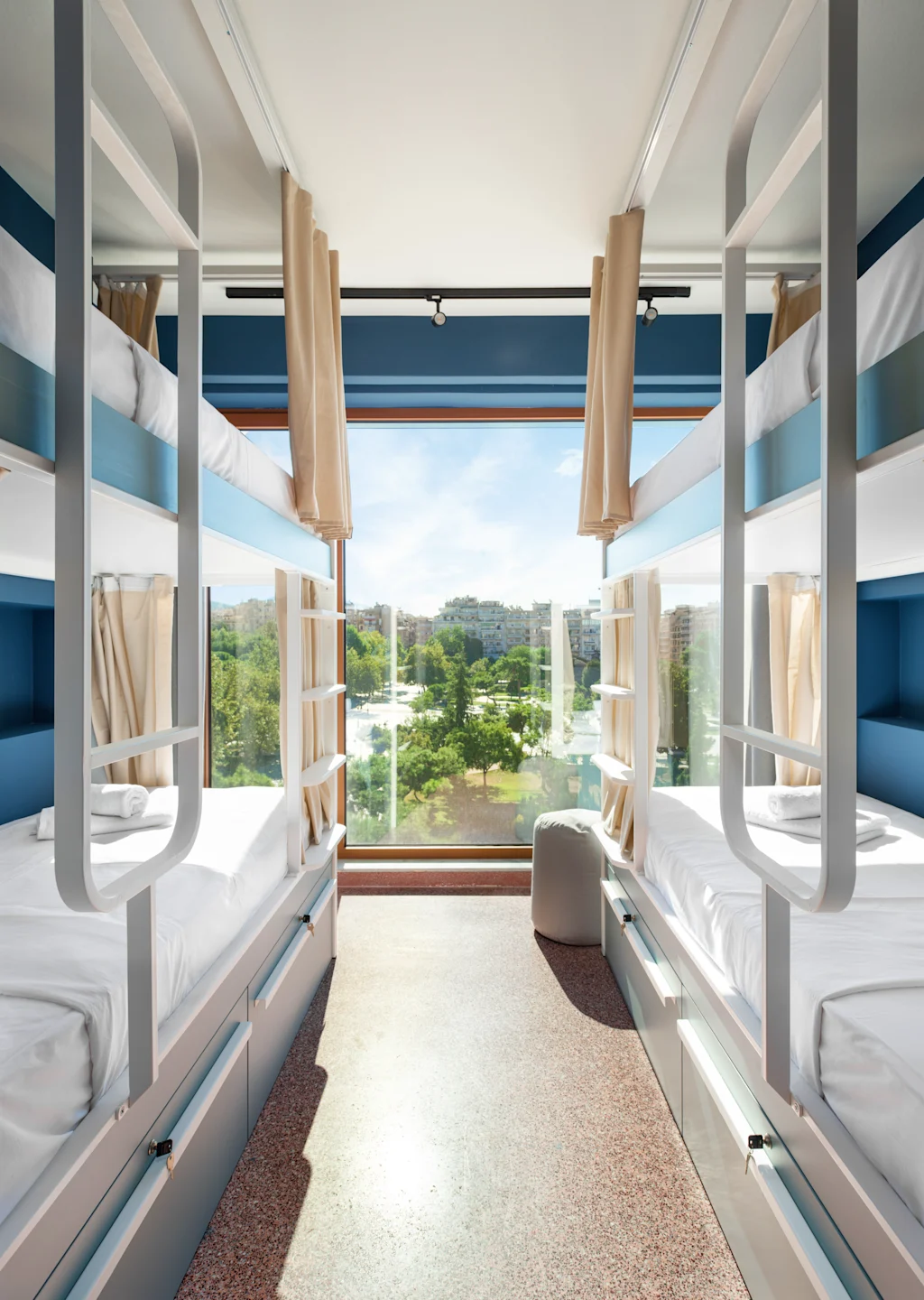
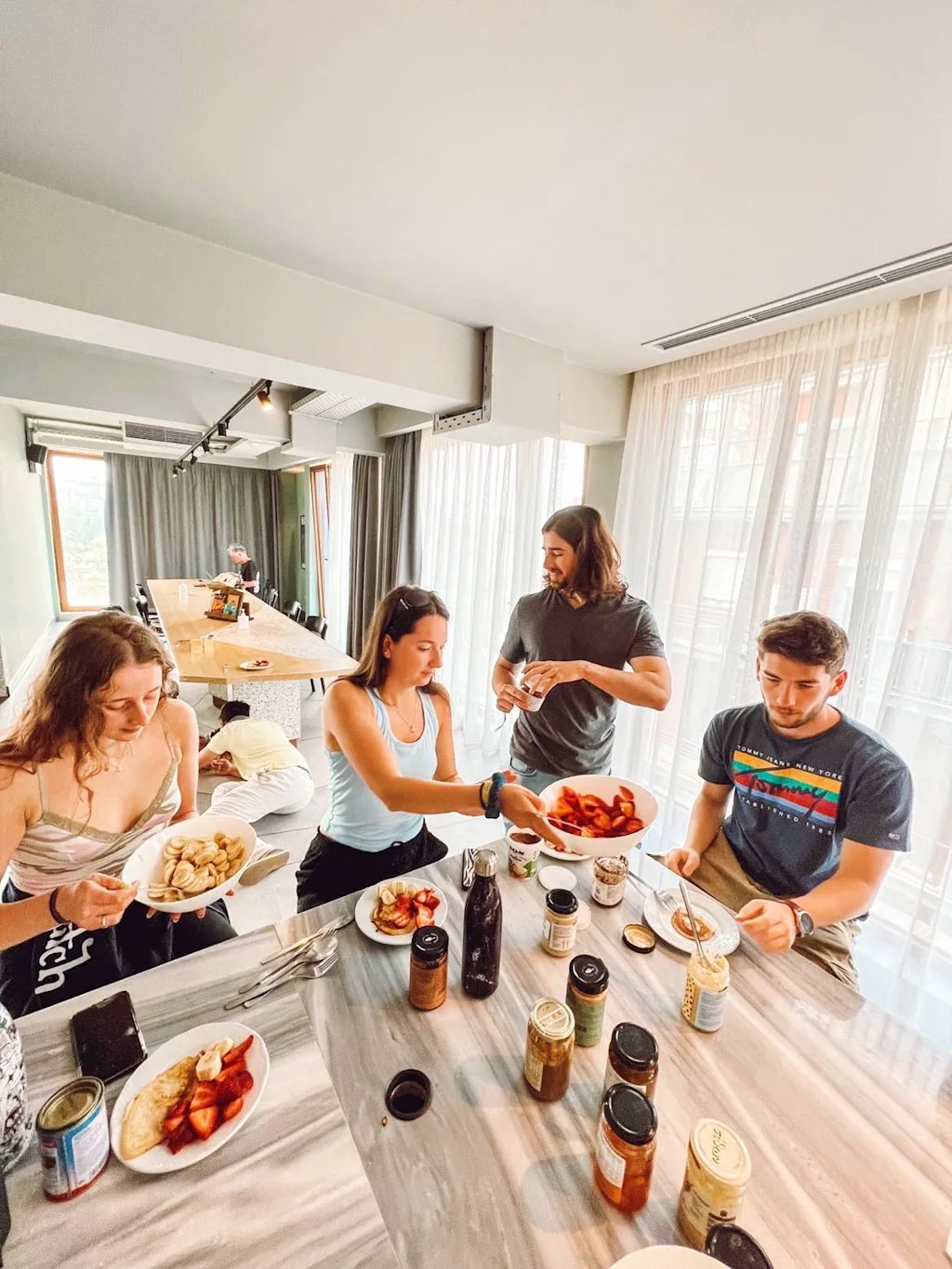
Zeus Is Loose 青年旅舍位于塞萨洛尼基市中心的亚里士多德广场旁,步行仅需几步之遥,为旅客提供充满活力且时尚的市中心住宿体验。旅舍俯瞰着联合国教科文组织世界遗产地以及塞萨洛尼基最具标志性的广场之一,让宾客既能沉浸于这座城市的悠久历史,又能感受其现代文化。 旅舍内甚至矗立着一尊两米高的宙斯霓虹灯雕像,承诺让游客在沉浸于其充满趣味的神话氛围时,能“感受神一般的体验”。友好的工作人员将协助安排当地活动、一日游和观光行程,让您像真正的当地人一样体验塞萨洛尼基。
9 斯洛文尼亚卢布尔雅那——微缩版的童话之都
为何前往
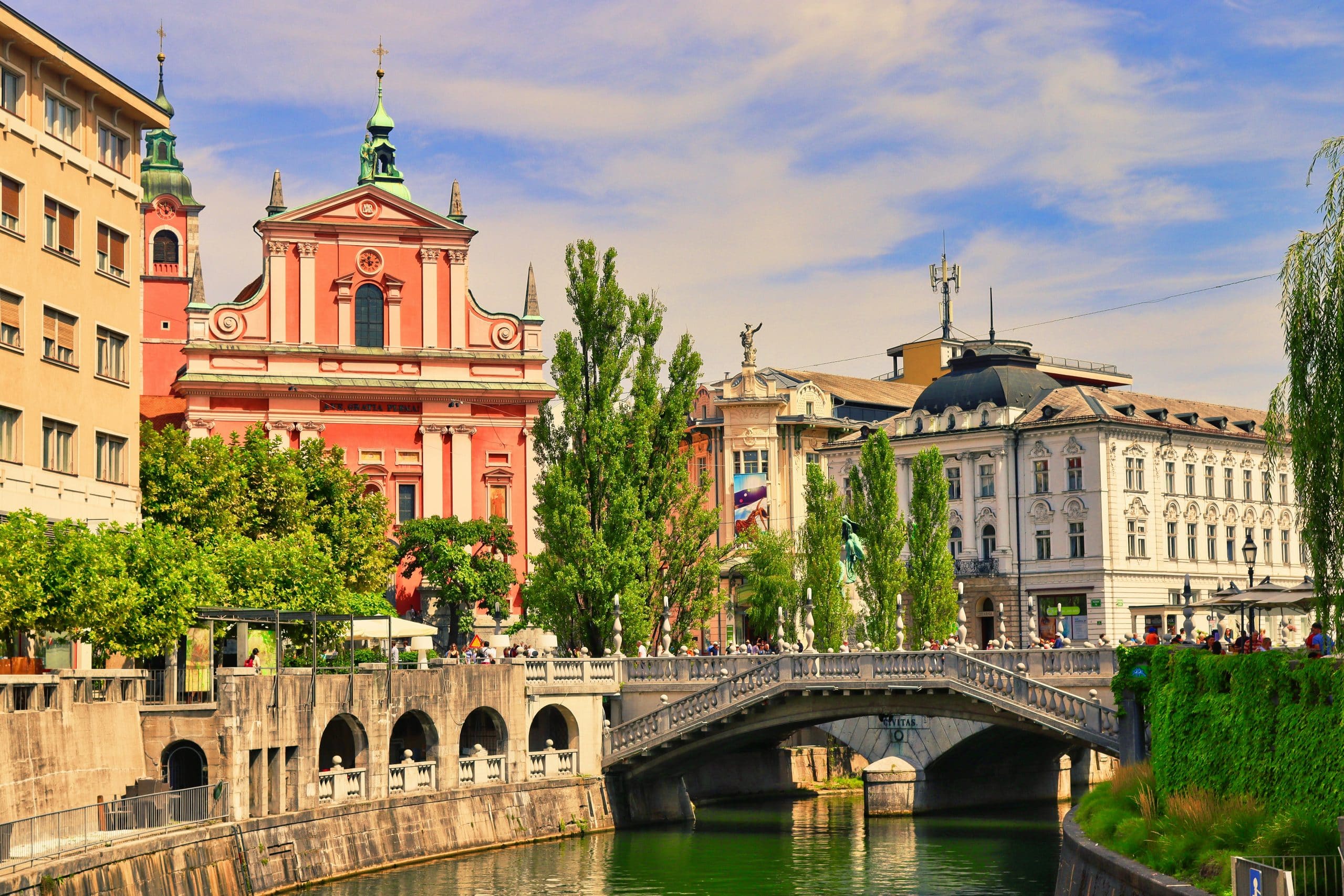
卢布尔雅那拥有如画般的河畔风光、山丘上的城堡以及两旁咖啡馆林立的广场,让人感觉仿佛置身于一个没有旅游团的“迷你布拉格”。 斯洛文尼亚这座小巧的首都(人口约29万)无疑是欧洲的“隐秘瑰宝”之一,散发着童话般的魅力和充满活力、富有创意的气息。 整个市中心均为步行区,四周环绕着粉彩色的巴洛克和新艺术风格建筑。卢布尔雅尼察河蜿蜒流经城区,河上横跨着装饰华丽的桥梁(包括著名的三桥以及由龙雕像守护的龙桥——龙是这座城市的象征)。 俯瞰这一切的是卢布尔雅那城堡,它坐落于林木葱郁的山丘之巅,可步行或乘坐缆车抵达。尽管拥有旧世界的美感,卢布尔雅那却充满生机:作为一座大学城,这里聚集着众多学生和艺术家,更因其环保举措和丰富的绿地而被誉为“欧洲绿色之都”。 用旅游大师里克·史蒂夫斯的话来说,这里是“欧洲最令人意想不到的迷人目的地之一”,却依然保持着令人耳目一新的轻松与亲切感。 在卢布尔雅那,清晨可在河畔啜饮精品咖啡,午后乘皮划艇或站立式桨板穿行于市中心,入夜后则可前往前军营改建的另类俱乐部尽兴狂欢。尽管拥有这一切,这里的游客数量却远少于几乎所有其他欧洲首都,堪称一处真正的隐秘瑰宝。
主要亮点
从普雷舍伦广场开始,这里是城市的中心,当地人常在诗人弗朗切·普雷舍伦的雕像和粉红色的方济各会教堂旁聚会。从这里,您可以饱览三桥和河岸的标志性景色。 沿着河畔步道漫步,顺道逛逛手工艺品店或停下来品尝意式冰淇淋,随后穿过龙桥,与绿色的龙雕像合影留念。乘坐缆车(或徒步)登上卢布尔雅那城堡,攀登瞭望塔,俯瞰红瓦屋顶的老城区和远处的阿尔卑斯山全景。 城堡内常举办艺术展览和中世纪历史重现活动,夏季还会举办露天电影之夜。回到市区后,不妨造访中央市场(工作日为露天市场,夏季每周五还设有美食集市“Odprta kuhna”),品尝当地奶酪、蜂蜜以及来自世界各地的美食。 建筑爱好者会欣赏到斯洛文尼亚著名建筑师约热·普莱奇尼克设计的众多建筑,包括国家图书馆和风格独特的“鞋匠桥”。 若想体验别具一格的冒险,不妨前往梅特尔科瓦梅斯托(Metelkova Mesto)——这是一个位于旧军营内的另类艺术社区,墙壁上布满涂鸦,随处可见新潮的装置艺术;入夜后,这里便成为现场音乐、DJ表演和地下文化的聚集地。 最后,如果时间充裕,不妨租一辆自行车(卢布尔雅那非常适合骑行,且地势平坦),骑行至蒂沃利公园——这片广阔的绿色绿洲内设有步行道和露天摄影展。 卢布尔雅那干净、绿色且极具魅力,会让你感觉仿佛置身于童话世界,这绝对是你想告诉朋友们的经历(虽然也许等它不再是个秘密之后再说吧!)。
青年旅舍推荐——塞利卡青年旅舍(Hostel Celica)
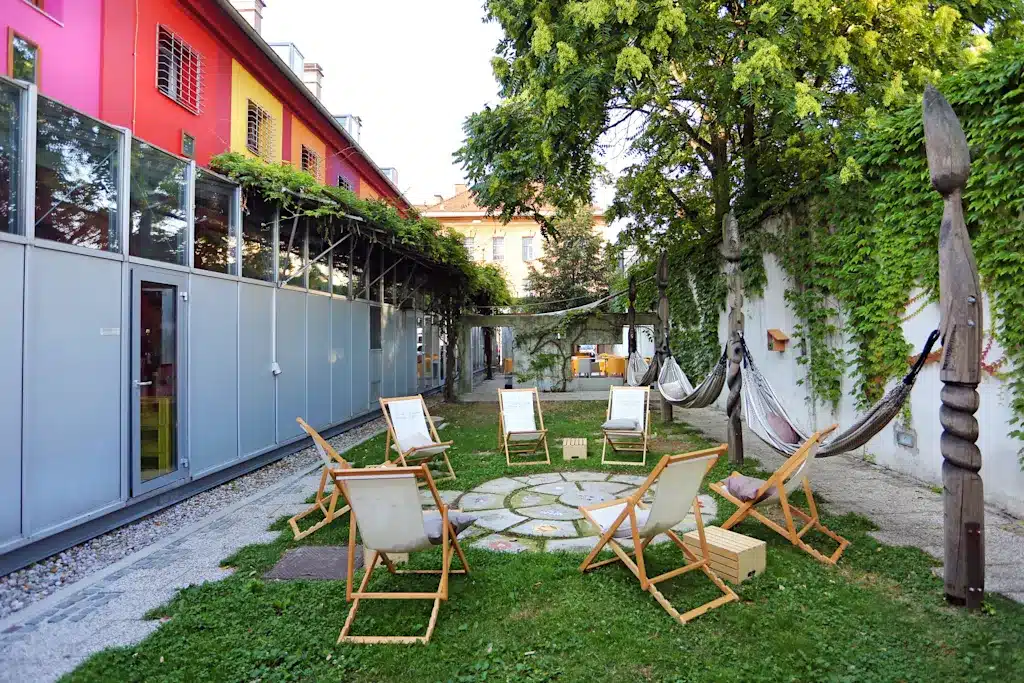
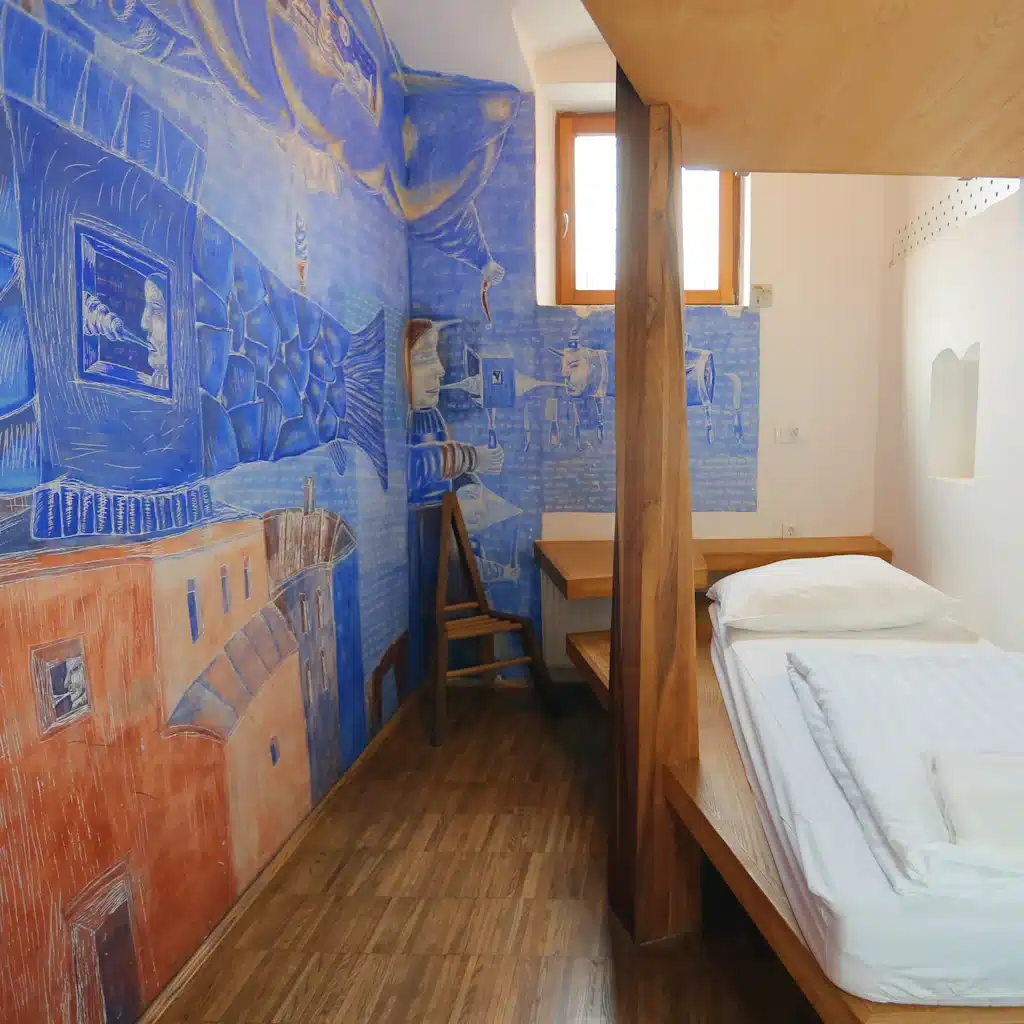
若想体验欧洲最独特的青年旅舍之一,不妨预订塞利卡青年旅舍的床位。这座前军事监狱经当地艺术家改造,已成为一家风格前卫、屡获殊荣的艺术旅舍,入住这里堪称游览卢布尔雅那的一大乐趣。 每间客房(即昔日的牢房)均由艺术家独立设计,您可能会睡在一间涂有迷幻壁画的牢房里,也可能睡在一间墙上装饰着马赛克和诗歌的房间里。 别担心,门窗上仍保留着厚重的监狱铁栅栏以营造氛围,但整体氛围温馨舒适,设施现代化。旅舍内设有社交氛围浓厚的酒吧和咖啡馆(常举办现场音乐或诗歌活动),以及一个休闲的花园区域。 旅舍实际上位于前卫的梅特尔科瓦艺术区,因此你正身处卢布尔雅那另类夜生活的中心地带,步行仅需10分钟即可到达普雷舍伦广场。塞利卡青年旅舍完美融合了历史、艺术与热情好客,让你在这座充满惊喜的城市中度过一段难忘的时光。
10 拉脱维亚里加——拥有艺术灵魂的波罗的海明珠
为何前往
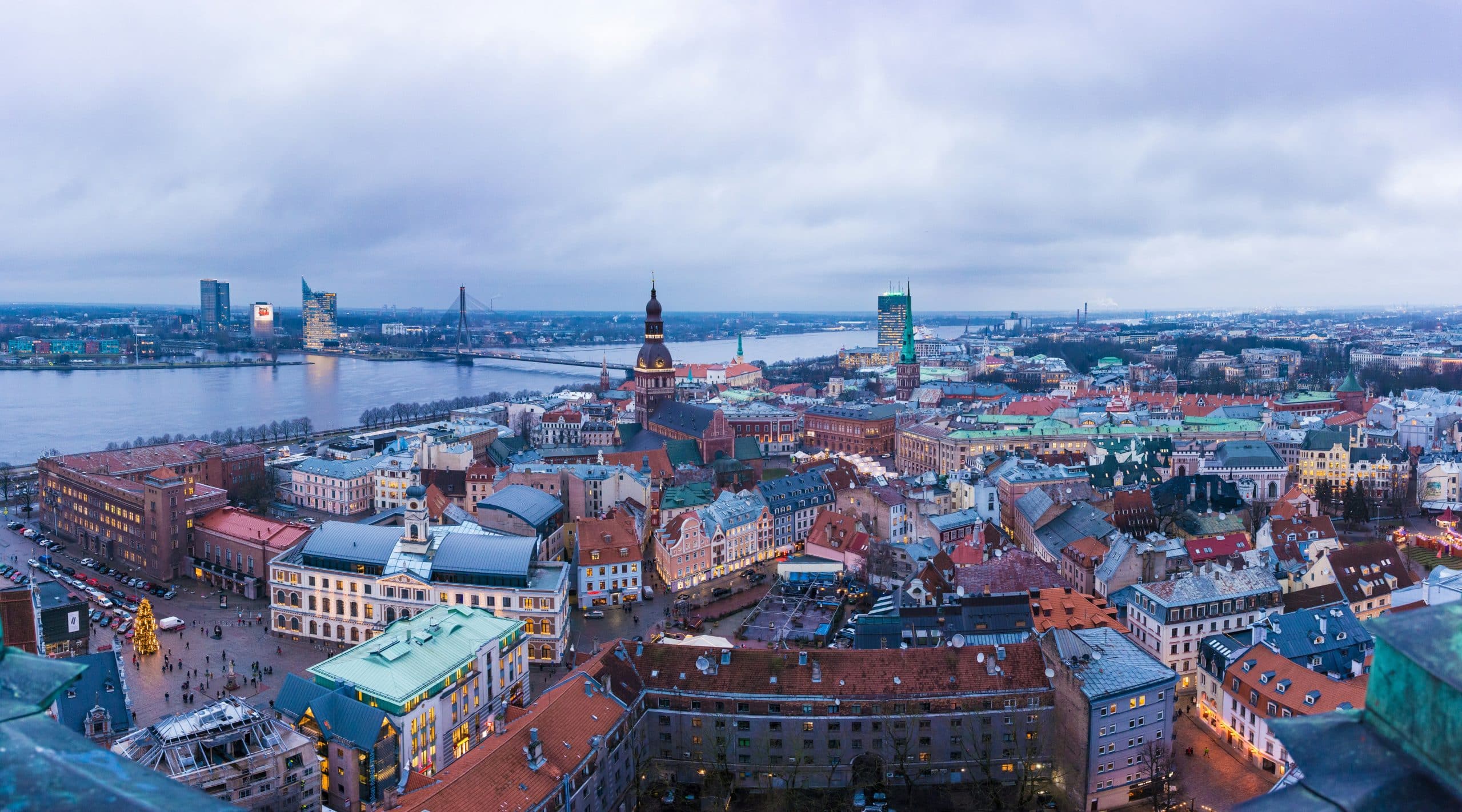
在欧洲各首都中,里加往往不为人知,但这座波罗的海地区最大的城市对于知情者而言绝对是一颗瑰宝。里加老城区是联合国教科文组织世界遗产地,这里色彩斑斓的山墙屋、中世纪教堂的尖顶以及蜿蜒的小巷,其美不亚于塔林或布拉格,却远没有那么拥挤。 但里加的魅力远不止于老城区。这座城市以新艺术运动风格的建筑而闻名,市中心超过三分之一的建筑都是20世纪初设计的新艺术运动风格建筑,堪称欧洲最杰出的新艺术运动建筑群之一。 当你漫步在阿尔伯塔街(Alberta iela)时,每栋建筑的外墙都装饰着精美的面孔、花卉和曲线,堪称建筑爱好者的天堂。里加还拥有充满活力的艺术和夜生活场景,这得益于其年轻的人口结构。 在米耶拉伊埃拉(Miera iela,和平街)街区,你会发现时髦的咖啡馆和街头艺术;而在经过修复的仓库和时尚的阁楼里,则遍布着众多酒吧和现场音乐演出场所。 历史的痕迹也随处可见:从瑞典门到古城墙遗迹,再到占领博物馆中那些令人动容的20世纪动荡岁月见证。里加融合了汉萨同盟的历史底蕴与时尚现代气息,既古朴又充满活力。 此外,与西欧相比,这里的物价依然非常亲民。难怪有人称里加为“北方的巴黎”——但我们更愿意称它本来的样子:一座等待被探索、被低估的欧洲明珠。
主要看点
从里加老城区(Vecrīga)开始游览,欣赏“黑头屋”等建筑如童话般的天际线——这座哥特式文艺复兴风格的行会大厅拥有装饰精美的立面。 与“三兄弟”合影留念——这三座建于15至17世纪的房屋比邻而立,展现了不同时期的建筑风格。登上圣彼得教堂的塔楼,可饱览城市全景。 音乐爱好者切勿错过大教堂——其巨大的管风琴(拥有超过6,700根音管)在定期举行的音乐会上奏响令人叹为观止的乐声。 接下来,前往新艺术风格区(阿尔伯塔街和 伊丽莎白街周边),阿尔伯特街2a号那栋装饰着蓝色孔雀和神秘面孔的建筑定会令你惊叹不已。新艺术博物馆(位于一栋保存完好的1903年公寓内)让你一窥那个优雅时代的风貌。 若想换个节奏,不妨漫步于宽敞的中央市场,这里曾是旧时的齐柏林飞艇机库。市场内,商贩们出售的商品琳琅满目,从新鲜浆果、熏鱼到波罗的海琥珀首饰应有尽有。这里也是品尝当地小吃(如皮罗吉或克瓦斯——一种发酵面包饮料)的绝佳去处。入夜后,里加的创意魅力便熠熠生辉。 不妨前往卡尔恩西马区(尤其是夏季),那里有露天音乐会和手工艺市集;或者去塔林纳斯区,这个新兴的时尚街区汇集了各式小吃摊和酒吧。 无论是在老城区欣赏街头音乐家的表演,还是在工业风夜店里翩翩起舞,你都会感受到那种让里加如此与众不同的自豪而活泼的精神:这是一座拥有悠久历史、饱含真情且充满灵魂的城市。
青年旅舍推荐——“淘气松鼠”青年旅舍
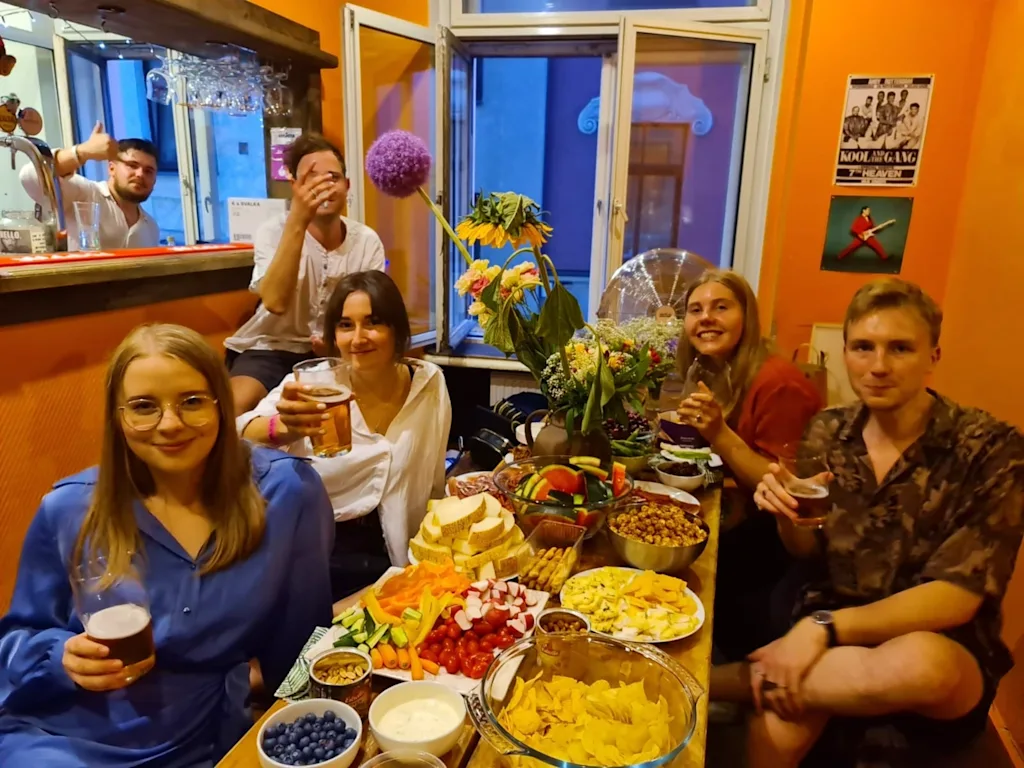
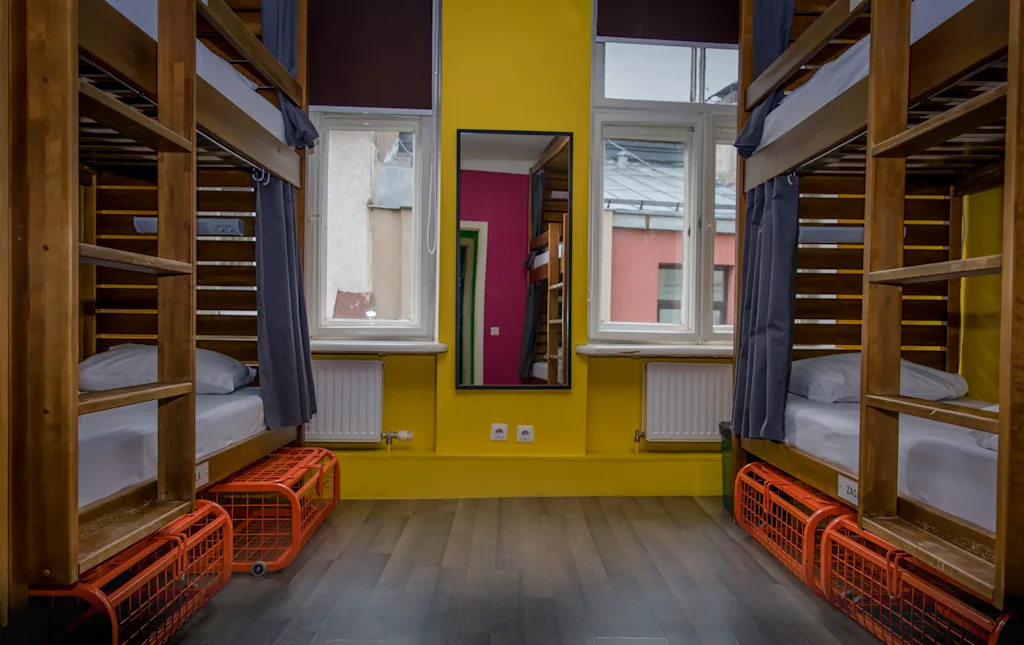
位于里加的“淘气松鼠”青年旅舍一直被评为波罗的海地区顶尖青年旅舍之一,以其热络的社交氛围和精彩的活动而深受背包客喜爱。旅舍地处老城区中心,交通便利,四通八达。 内部环境整洁现代,并融入了拉脱维亚当地特色(甚至有一整面墙陈列着传统民俗服饰,供您试穿!)。超级友好的工作人员会组织各种活动,如拉脱维亚啤酒品鉴、烹饪之夜、酒吧巡游,甚至为寻求刺激的冒险者安排AK-47射击场体验。 这里拥有宽敞的公共休息室、设备齐全的厨房,且无宵禁,让你轻松结交朋友,一同沉浸在里加的夜生活中。安全措施完善(24小时前台、储物柜、门禁卡系统),他们甚至会帮你安排前往下一目的地的巴士。 充满乐趣、安全可靠,且地处热闹中心,“淘气松鼠”旅舍将让您的里加之行难忘。
准备好出发了吗?亲自探索欧洲的隐秘瑰宝
这10个目的地仅仅是欧洲独特魅力的冰山一角。只要走出常规旅游路线,你就会发现欧洲依然蕴藏着无数意想不到的奇观——在那里,你可以更深入地接触当地文化,花更少的钱,并在远离标准明信片景色的地方创造独一无二的回忆。 无论是在意大利探索洞穴城市、在大西洋进行岛屿巡游,还是在中世纪广场品尝精酿啤酒,你都将体验到发现鲜为人知的独特之美的喜悦。此外,通过将旅行足迹分散到更广阔的区域,你不仅能支持当地社区,还能缓解过度旅游的问题。
当你准备好规划行程时,请记住,即使是在这些冷门目的地,Hostelworld也能为你提供经济实惠且便于社交的住宿选择——从洞穴青年旅舍到可欣赏城堡景色的宿舍床位。背上行囊,保持开放的心态,去欧洲这些隐秘的角落书写属于你自己的故事吧。在每一个未被发现的转角处,冒险都在等待着你。 祝你旅途愉快(或者用当地人的不同语言来说:¡Buen viaje! Bon voyage! Srečen pot!)。🚀🌍
立即下载 Hostelworld 应用,开始预订吧


FAQ: Hidden Gems in Europe
Why should I travel to Europe’s hidden gems instead of famous cities?
Visiting hidden gems offers a more authentic and relaxed travel experience. You’ll encounter smaller crowds (no long lines or packed attractions), often lower prices for food and lodging, and a chance to interact more with locals since the places aren’t overrun with tourists. Hidden gems can also surprise you with unique history or scenery that you won’t find in guidebook staples. Additionally, by choosing offbeat spots, you help alleviate over-tourism in popular cities and support the economy of less-visited areas. It’s a win-win: you get a memorable trip and you travel more sustainably.
Are hidden gem destinations in Europe safe for travelers?
Yes – the vast majority of Europe’s less-touristed destinations are quite safe for travelers, including solo travelers. Places like Slovenia, Latvia, or Montenegro, for example, have low crime rates and are very accustomed to international visitors (even if in smaller numbers). As always, standard safety advice applies: be aware of your surroundings, especially at night, and take usual precautions with valuables. Sometimes in very small towns language barriers can occur, but younger Europeans often speak English. Travelers often report feeling welcomed and safe in these offbeat spots, finding that locals are curious and helpful when they realize you’ve ventured beyond the typical tourist route.
How can I find accommodations in offbeat European destinations?
Hostels are a great option, as they’re present not only in big cities but many smaller ones too. You can use the Hostelworld app or website to search hostels in any location – you’d be surprised that even tiny towns often have at least one hostel or guesthouse catering to backpackers. For example, Matera, Plovdiv, Kotor, etc., all have hostels (we recommended some in the article). Besides hostels, look for family-run guesthouses, B&Bs, or homestays which are common in less touristy areas. These can often be found on booking sites or local tourism websites. Planning ahead is wise for very small villages (as choices might be limited), but generally you’ll find a range of affordable accommodations even in hidden gem locales.
Which hidden gem city in Europe is best for food lovers?
Several underrated European cities are famous for their food scenes. Thessaloniki, Greece is often called Greece’s culinary capital, known for its diverse and delicious street food (like bougatsa pastries, souvlaki, and seafood) and vibrant café culture. Bologna, Italy (not in our top 10 list above, but a notable hidden gem) is nicknamed “La Grassa” (the Fat One) for its rich cuisine – think tagliatelle al ragù and parmesan cheese. San Sebastián, Spain is smaller than Barcelona/Madrid but renowned for pintxos and has multiple Michelin-starred restaurants. Among the ones we covered, Thessaloniki would be the top foodie gem, with honorable mentions to Riga (try Latvian dark bread, smoked fish, and hip Baltic-Nordic fusion spots) and Ljubljana, where you can enjoy hearty Slovenian fare and a great fresh market scene.
What is the best time of year to visit Europe’s hidden gems?
It depends on the destination, but generally late spring (May–June) or early autumn (September) are fantastic across most of Europe’s offbeat spots. In those shoulder seasons, you’ll enjoy mild weather and still thinner crowds (since even popular places are less busy, and hidden gems are pleasantly quiet). For northern destinations (like Sweden or Latvia), summer brings the warmest weather and long daylight hours – Gothenburg, for example, shines in summer with outdoor festivals. For Mediterranean gems like Kotor or Thessaloniki, spring and fall are ideal to avoid the peak summer heat and enjoy comfortable sightseeing temperatures. Winter can be magical in some places (imagine Riga’s Old Town under snow, or Christmas markets in Slovenia), but daylight is short in the north and some smaller tourist services may be closed off-season. Always check local events too: some hidden gems have amazing festivals (e.g., Plovdiv’s summer cultural events or Matera’s celebrations) that could enhance your visit.
Are hidden gems cheaper to visit than popular European cities?
Generally, yes. You’ll often find that accommodation, food, and activities cost less in lesser-known destinations compared to tourist hotspots. For example, hostel beds in cities like Skopje, Sofia, or Riga will be a fraction of the cost of those in Paris or Amsterdam. Meals in a place like Plovdiv or Mostar can be very affordable (a hearty local dinner for under €10 is common). Many hidden gems are in countries that are budget-friendly (Eastern/Southern Europe) or simply not overrun by high-paying tourists, so prices for museum tickets, tours, etc., remain reasonable. That said, “cheaper” is relative to Europe – Scandinavia’s hidden gems (like Gothenburg) will still be pricier than, say, the Balkans, because of the overall economy. But even in pricier countries, second-tier cities often cost less than capitals. Plus, with fewer must-see tourist traps, you might spend more time enjoying simple (and free) pleasures like nature walks, city parks, or local markets.
How do I travel between these off-the-beaten-path places?
Europe’s extensive train and bus network makes it fairly easy (and cheap) to reach most hidden gems. Many of these cities are well-connected: e.g., Ghent is an easy 30-minute train from Brussels; Plovdiv is 2-3 hours by bus or train from Sofia; Ljubljana, Zagreb, and even smaller Balkan towns have reliable buses between them. Check rail passes if you plan to do lots of train travel (Interrail/Eurail covers major lines, though buses are sometimes needed in the Balkans or Baltics). Budget airlines also fly to secondary cities – for instance, you might find a low-cost flight into Riga or Thessaloniki. In more remote areas (Azores, for example), you’ll need to fly from mainland Europe, as they’re islands. Once in-country, consider renting a car if you want to reach very small villages or natural sights off the main transit routes – driving gives flexibility (like exploring Montenegro’s bay villages around Kotor or Slovenia’s countryside around Ljubljana). But overall, public transport will get you to 90% of the hidden gems with a bit of planning.
Will language be a barrier in less-touristy European destinations?
In most cases, no, not a major barrier. English is widely spoken by younger generations across Europe, and even older folks often know some basics, especially in hospitality (hotels, tourism offices). In popular hidden gems like those listed, many restaurants and hostels have English-speaking staff. You might encounter less English in very rural areas or small villages, but with translation apps and some friendly hand gestures, you’ll usually manage just fine. It can be fun and respectful to learn a few local phrases (“hello”, “thank you”, etc.) in the local language – you’ll find people appreciate it. In places like the Netherlands or Scandinavia, virtually everyone speaks fluent English. In the Balkans or Baltics, younger people (and anyone in cities) will typically speak some English or German. Don’t let language worries stop you – locals are generally helpful and used to travelers, even if off the beaten path, and the universal languages of smiles and goodwill go a long way!
What should I pack for visiting hidden gems in Europe?
Packing for hidden gems is much like packing for any Europe trip, with a few extras:
Good walking shoes – many of these destinations have cobblestone streets, hills (Plovdiv’s hills, Kotor’s fortress climb), or nature trails.
Versatile clothing – layers for changing weather, and something modest for visiting churches or monasteries (a light scarf or shawl can cover shoulders if needed).
Travel adapters and chargers – Europe mostly uses Type C plugs (and Type G in the UK/Ireland). Hidden gems have electricity like anywhere else, but less touristy accommodations might have fewer spare adapters, so bring your own.
Daypack and refillable water bottle – you’ll be out exploring a lot. In many of these places tap water is safe (e.g., Slovenia, Sweden) or you can refill at public fountains (Italy’s old towns often have them).
Swimwear – some offbeat spots have great swim opportunities (thermal baths in Furnas, lakes in Slovenia, beaches in Montenegro).
Rain jacket or compact umbrella – weather can be unpredictable, especially in shoulder seasons or in Atlantic climates (Azores can have four seasons in a day).
Camera or smartphone with space – you’ll want lots of photos of these unique places!
An adventurous spirit – the most important thing! Be ready to embrace the unexpected, try new foods, say yes to invitations (maybe a local festival or a hostel group hike), and enjoy the journey even if things aren’t as “smooth” as in highly touristy areas. That’s part of the fun of hidden gem travel.
Do I need a visa or special documents to visit these lesser-known places?
If you’re traveling from outside Europe, the visa requirements for hidden gems are the same as for the rest of Europe – it depends on the country, not the city. Many of the destinations listed are in the Schengen Area (e.g., Belgium, Italy, Slovenia, Greece, Latvia, etc.), so if you’re eligible for visa-free entry or have a Schengen visa, you can travel to all those freely. Some, like Montenegro or Bosnia & Herzegovina, are not in Schengen but often allow visa-free short visits for many nationalities (or might require a separate visa if you needed one for Schengen). Always check the specific country’s entry requirements for your nationality. But once you’re in a given country, there’s no additional permit needed to visit a particular city. One thing to note: if you plan to rent a car and drive across borders (say, from Slovenia to Bosnia), ensure your rental company knows and provides a cross-border authorization and that you have any necessary insurance/greencard documents. Overall, paperwork for offbeat places is no different than for major ones – just have your passport (and visa if required for that country), and you’re good to go explore.
Can I use the euro and my credit cards in these hidden gem destinations?
Many hidden gem destinations are in countries using the Euro (e.g., Belgium, Italy, Slovenia, Greece, Latvia all use EUR). Others have their own currency: Montenegro uses the Euro unofficially (even though not an EU member), Bosnia uses the Convertible Mark (BAM), Sweden has the krona (SEK), Bulgaria the lev (BGN), etc. It’s wise to have some local cash for places like Bosnia or Bulgaria – small vendors or bus tickets may be cash-only. However, credit and debit cards are widely accepted in urban areas for hotels, restaurants, and larger shops, even in offbeat cities. In very small towns or family-run B&Bs, cash might be needed. ATMs are common in all but the tiniest villages, so you can withdraw local currency on arrival (usually at a fair exchange rate). Just inform your bank of your travel plans. Also note, some countries (like Sweden) are very card-friendly – even a street food cart might take cards or mobile payments, whereas in others (like Montenegro) cash is more common for small purchases. Having a mix of payment options (a little cash, a Visa/Mastercard, maybe a backup card) is a good strategy.
What about language differences – do these places have tours or info in English?
Yes, you can usually find English-language tours or information even in less touristic spots. Tourist information centers in cities like Ljubljana, Riga, or Thessaloniki provide maps and brochures in English and often offer guided walking tours in English at scheduled times. Many hostels will also organize local tours or have tie-ups with guides who speak English. For example, in Matera you can join an English tour of the Sassi caves; in Kotor many guides speak excellent English for bay boat tours or city walks. Museums typically have descriptions in the local language and English (and sometimes other languages). If you can’t find a formal tour, consider self-guiding with a good guidebook or using travel apps. But overall, don’t worry – tourism infrastructure in even hidden gems has evolved to cater to international visitors. The level might not be as robust as Paris or Rome, but part of the adventure can be exploring on your own or interacting with locals one-on-one. And if you ever need translation on the fly, smartphone apps (like Google Translate offline packs) can be very handy for signs or menus.
Can I visit multiple hidden gems on one trip, or should I focus on one area?
It depends on your time frame. If you have a few weeks, you can definitely string together multiple hidden gems as an interrail-style journey. For instance, a single trip could cover a route like: Riga -> (flight) -> Ljubljana -> (train) -> Plovdiv -> (bus) -> Thessaloniki, etc. Just be mindful of travel distances and transit connections, as offbeat places might require a bit more transit time. If you have only a week or less, you might pick one region and explore deeply. For example, spend a week in the Balkans visiting Kotor and Mostar (they’re in neighboring countries) plus perhaps Sarajevo or Dubrovnik en route. Or focus on the Baltic region (Riga, plus maybe Tallinn and Vilnius, which are all a bus ride apart). Open-jaw flights (arriving in one city, departing from another) can help maximize your route. Another strategy is to pair a popular city with a hidden gem nearby: e.g., do Budapest but also add a side trip to less-known Pécs or Eger in Hungary; or visit Florence but also see Siena and San Gimignano. Europe’s transport makes multi-stop trips easy, but to really enjoy each place, give yourself at least 2-3 days per city/town. Sometimes slowing down in one gem – sitting in that piazza with locals – yields more reward than racing through five capitals. So plan, but don’t overpack the itinerary. Each gem shines best when savored.
How can I respect local cultures when visiting offbeat places?
Great question! In places less accustomed to tourism, being a respectful traveler is even more appreciated. Here are some tips:
Learn a few words in the local language (hello, thank you). It shows you acknowledge their culture; a little goes a long way.
Dress appropriately at cultural or religious sites. For instance, have something to cover shoulders or knees for churches or mosques (e.g., in Mostar’s mosque or Orthodox churches in Montenegro).
Ask before photographing people, especially in small communities. Many locals will oblige if asked politely, but it can be sensitive if you snap pictures of, say, someone’s home or market stall without permission.
Support local businesses. Eat at family-run restaurants, shop at local markets or artisans, and consider local guides – it directly benefits the community.
Be mindful of noise and behavior, particularly where tourists are few. E.g., late-night loud parties on hostel balconies might disturb local neighborhoods more than in tourist zones; keep the peace so locals remain welcoming.
Learn about local customs. For example, in Bosnia, understanding a bit about recent history or religious mix can help you avoid faux pas. In Azores, stick to trails to protect fragile nature. In Sweden, know that queuing and punctuality are valued. Every place has its quirks.
Overall, the fact that you’re interested in hidden gems means you likely value genuine cultural exchange. Be curious, open-minded, and humble as a guest in their home, and you’ll find most locals are excited (and sometimes proud) to share their world with you.
What hidden gem would you recommend for nature lovers in Europe?
For nature enthusiasts, the Azores (Portugal) are a top recommendation – São Miguel’s volcanic lakes, hot springs, and hiking trails are incredible, and other islands like Pico or Flores have waterfalls, whale watching, and mountain climbs (Pico has Portugal’s highest peak). Slovenia in general is an unsung hero for nature: from Ljubljana you can reach Lake Bled, Lake Bohinj, and the Julian Alps easily – all gorgeous and less busy than, say, Switzerland’s tourist spots. Montenegro’s Durmitor National Park (beyond Kotor) is a hidden natural gem with hiking and Europe’s deepest canyon. Norway’s Lofoten Islands are increasingly known but still remote – staggering fjord and mountain scenery for the adventurous (though pricey). Poland’s Tatra Mountains near Zakopane or Slovakia’s High Tatras are fantastic for alpine scenery with fewer foreign tourists. If we stick to our list’s vicinity: Azores would be #1 for dramatic landscapes, but also consider a trip around Kotor’s bay and mountains, or Mostar + nearby Kravice Waterfalls (a stunning cascade in Bosnia). It’s hard to choose one – Europe’s diversity packs in a lot of nature. But for a single recommendation: the Azores truly offer a unique, uncrowded communion with nature unlike anywhere else in Europe.
Which of these hidden gems are good for nightlife and socializing?
You might think offbeat towns sleep early, but many have a youthful buzz after dark. Thessaloniki is famous for its nightlife – Greeks from Athens even admit Thessaloniki might party harder! You’ll find lots of bars, live music, and late-night cafes, especially in Ladadika or along Nikis Avenue. Riga has a great nightlife scene too, with everything from cozy pub venues to dance clubs in old warehouses (and since it’s a student city, there’s no shortage of weekday action as well). Ljubljana punches above its weight with nightspots – Metelkova Mesto is an alternative clubbing hotspot with something happening every night, and there are riverside bars for a more chill vibe. Gothenburg offers plenty of pubs and music venues (the city has a big craft beer scene and hosts festivals). Ghent in Belgium is actually known for being a student town with a lively bar scene – much more “authentic” than touristy Bruges or Brussels, with lots of craft beer bars in medieval settings and music events. Kotor is quieter in the off-season but in summer has fun hostel bar crawls and waterfront lounges (plus you can take a short bus to Budva for clubs). If you’re looking to meet fellow travelers, staying in social hostels (like the ones we recommended) is key – they often organize group outings at night. In summary, for big nightlife: Thessaloniki and Riga are top from our list; for a good bar scene: Ghent, Ljubljana, Gothenburg; for seasonal chill vibes: Kotor (summer) and Matera/Mostar are quieter but hostels fill the social gap with dinners or low-key hangs. Regardless, you won’t be bored in the evenings – hidden gem cities love to have fun too!
How do I say “cheers” in some of these countries?
What a fun question! Toasting with locals is a great way to bond. Here are a few “cheers” in languages of our hidden gems:
In Belgium (Dutch/Flemish): “Proost!” (rhymes with toast). In French (also used in Brussels): “Santé!”.
In Italy: “Salute!” or “Cin cin!” (chin-chin).
In Montenegro (and other ex-Yugoslav countries): “Živjeli!” (pronounced zhiv-YEH-lee) – literally “to life”.
In Bulgaria: “Nazdrave!” (naz-DRA-veh).
In Portugal (Azores): “Saúde!” (sah-OO-deh).
In Bosnia: they also say “Živjeli!” or sometimes “Merak!” (a Bosnian word for a state of bliss).
In Sweden: “Skål!” (skohl).
In Greece: “Yamas!” (YA-mas), meaning “to our health”.
In Slovenia: “Na zdravje!” (nah ZDRAH-vyeh). (Fun fact: same as in Latvian).
In Latvia: “Priekā!” (PREE-eh-kah). Actually, “Na zdravje” is used in some contexts too, but “Priekā” is common for cheers.
Saying cheers in the local language usually brings a smile (just make eye contact when you clink glasses – a common custom in Europe). Have fun, and na zdravje – to your health and happy travels through Europe’s hidden gems!
I’m traveling solo – are these hidden gems good for meeting people?
Absolutely. Many of these destinations have hostels known for their social atmosphere, which is the easiest way to connect with fellow travelers (e.g., Naughty Squirrel in Riga, Majdas in Mostar, Celica in Ljubljana all foster community). Also, because hidden gem travelers are a bit “offbeat” by nature, you’ll often find like-minded folks eager to share tips and stories. In smaller cities, locals might be more inclined to strike up conversations too, especially if they don’t see many tourists – don’t be surprised if someone in a café asks where you’re from and offers recommendations. There are also free walking tours in many cities where you can meet other visitors. If you use apps or forums (like Couchsurfing hangouts or Meetup), you may find language exchange events or pub nights in university towns (Ghent, Thessaloniki, etc.). Some places (like Kotor or Plovdiv) have popular day tours (to nearby sights or winetasting, etc.) that naturally bring solo travelers together. As with any travel, you need to take the initiative sometimes – join that hostel day trip, say hi to someone over breakfast, or go on that pub crawl. Once you do, you’ll often find you have instant friends to explore with. Solo travel in hidden gems can actually be less lonely than in huge cities: the paths are more likely to cross when the community is smaller.
How can I find more hidden gems in Europe beyond this list?
The curiosity has only begun – great! To find more hidden gems, consider these tips:
Follow travel blogs or Hostelworld’s blog (they often highlight underrated places, as in the examples we drew from). For instance, Hostelworld’s blog has posts on hidden gems in various countries and cities.
Travel forums (Lonely Planet’s Thorn Tree, Reddit r/travel or r/solotravel) – search or ask for favorite “underrated” spots; travelers love sharing recent discoveries.
Talk to locals or other backpackers on your trip. Often the best tips come from someone you meet on the road: e.g., a fellow traveler might say “if you loved Ljubljana, you should check out Lake Ohrid in North Macedonia” – which, by the way, is another fantastic hidden gem!
Use maps creatively: Pick a country you’re interested in and look at its map for medium-sized towns or green areas (national parks). Then Google those names to see if they could be of interest. Wikipedia or tourism board sites can quickly tell you if a place has something unique (e.g., “second largest canyon in Europe” or “historic capital of XYZ”).
Instagram/YouTube: Search hashtags or keywords like #HiddenEurope or “underrated Europe” to see where content creators have gone. Be cautious though – sometimes a “hidden” spot might be photogenic but not necessarily easy to reach or worth a big detour unless you’re passionate about that type of sight.
Ask hostel staff: People working in hostels are often seasoned travelers themselves. If you liked their city, ask “Where else would you go in this country or region that tourists don’t usually visit?” Locals love when visitors want to see more than just the obvious, and you might get a golden recommendation.
Every country has its hidden gems, so once you pick a country or route, dig a bit into each stop. For example, if you plan Poland, you might find out about Toruń (beautiful Gothic town) or Zakopane (mountain culture). If in Spain, maybe Girona or Cádiz. The more you explore, the more you realize how many treasures Europe holds beyond the headline acts. Happy hunting for those gems – and enjoy the journey of discovery as much as the destination!

 Get the App.
Comments