

伦敦虽以大本钟、白金汉宫和伦敦眼闻名于世,但在这些旅游热点之外,伦敦还隐藏着许多等待探索的宝藏。在宁静的小巷、绿树成荫的角落以及不起眼的建筑中,藏着许多引人入胜的历史遗迹和别具一格的景点,却常被游客忽略。 本指南将带您走出常规旅游路线,探索伦敦不为人知的一面——从中世纪修道院和秘密花园,到霓虹艺术天堂以及主要为当地人所知的温馨庭院。这些地方让您在远离人潮的同时,真切地体验伦敦的历史、文化与魅力。 无论您是预算有限的背包客,还是好奇心旺盛、已来过两次(或五次)的旅行者,都请准备好深入探索伦敦最鲜为人知的秘密。让我们一起揭开Hostelworld旅行者社区所钟爱的伦敦——这里处处充满惊喜与历史。

梅达韦尔的小威尼斯——伦敦宁静的运河绿洲
在伦敦西部的大联合运河与摄政运河交汇处,坐落着“小威尼斯”——这片风景如画的水畔社区,让人仿佛置身于繁华都市之外的另一个世界。在这里,涂着明快色彩的窄船沿着绿树成荫的运河缓缓漂流,从优雅的桥下穿行而过。 这是一处宁静且人迹稀少的城市角落,您可以在这里放慢脚步,静观天鹅悠然游过。事实上,小威尼斯是伦敦的一颗隐藏瑰宝,尽管风景如画,却常被许多游客忽视。即便是晴朗的日子,您也会发现享受这片宁静氛围的当地人比游客还要多。 沿着运河堤岸漫步,你会发现停泊在驳船上的漂浮咖啡馆、古色古香的水边酒吧,以及停泊在船上的迷人“运河咖啡剧院”。
位置
小威尼斯以布朗宁池(布朗宁池位于沃里克大道地铁站附近的水池)为中心。它位于梅达韦尔区,就在帕丁顿以北。这里的运河向东延伸至卡姆登,向西延伸至韦斯特本公园。
如何前往
乘坐地铁至沃里克大道站(贝克卢线)——从小威尼斯到车站步行约5分钟。从帕丁顿站(汉默史密斯及城市线/环线出口)沿运河步行约10分钟即可到达。 在天气较暖的月份,您还可以从卡姆登船闸(Camden Lock)乘坐水上巴士(运河游船)前往小威尼斯。
亮点与活动
- 运河漫步:沿着摄政运河的曳船道蜿蜒而行。一条颇受欢迎的路线是从小威尼斯到卡姆登镇(或反向)的风景步道,沿途会穿过隧道,并经过伦敦动物园等景点。您将路过装饰着花箱和奇思妙想装饰的船屋——这可是摄影爱好者的天堂。
- 水畔咖啡馆:在漂浮的咖啡馆里享用咖啡和蛋糕。其中一艘名为“水畔咖啡馆”(The Waterside Café)的驳船常年停泊在此,是享用午餐的温馨去处。这里甚至还有一艘专为孩子们(以及好奇的大人)准备的木偶剧场驳船。
- 伦勃朗花园: 在这座俯瞰运河交汇处的小型公共花园里放松身心。这里是一处宁静的去处,您可以坐在长椅上,欣赏色彩鲜艳的船只以及倒映在水面上的垂柳。
省钱小贴士
“小威尼斯”完全可以免费步行游览——这是度过一个经济实惠的下午的绝佳选择。从当地面包店买些食物带去野餐,在运河边享用一顿既便宜又能欣赏美景的午餐。如果您想乘船游览,前往卡姆登的水上巴士单程票价约为12–15英镑(往返约18英镑)。 这是一趟悠闲的游船之旅,同时也是一次观光体验。若想在附近寻找经济实惠的住宿,伦敦帕丁顿/贝斯沃特地区(步行即可到达)有青年旅舍,您可以在Hostelworld上找到。入住该区域,您不仅可以步行前往小威尼斯,还能通过地铁轻松前往伦敦市中心。
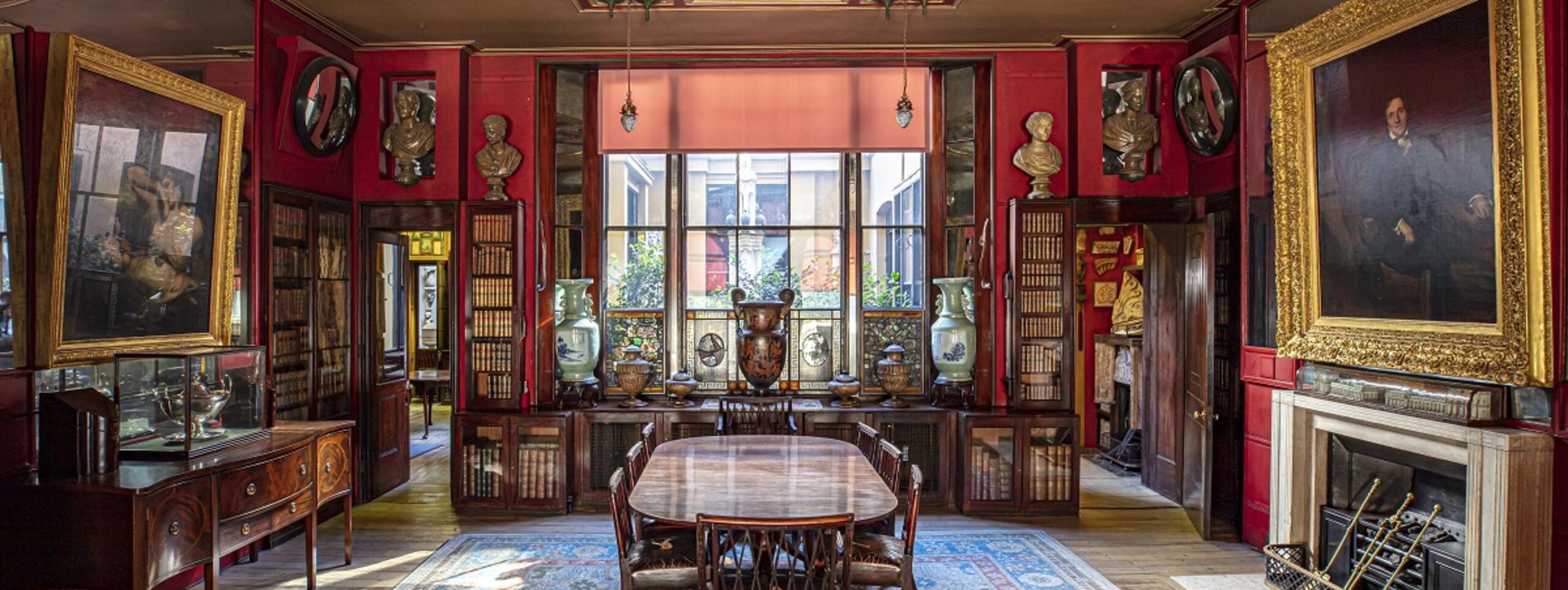
霍尔本的约翰·索恩爵士博物馆——艺术与古物的时光胶囊
踏入约翰·索恩爵士博物馆这片别具一格的世界,你会感觉仿佛发现了一座维多利亚时代的时光胶囊。这座位于霍尔本的博物馆坐落于19世纪著名建筑师约翰·索恩爵士的旧居内,馆内从地板到屋顶都堆满了艺术品、古董和奇珍异宝。 索恩的收藏包罗万象,从古埃及遗物(没错,地下室里真的有一具法老的石棺!)到古典雕塑、建筑模型、特纳和卡纳莱托的画作,甚至还有零星保存完好的古希腊陶器。 各展厅的陈设几乎完全保留了索恩1837年去世时的原貌,自然光透过巧妙设计的天窗和镜面洒入室内。 当你穿行于狭窄的通道和隐秘的角落时,每转个弯都会邂逅奇珍异宝——这里是僧侣的会客室,那里是墓室般的密室——这带来了一种妙不可言、别具一格的博物馆体验。
位置
伦敦市中心霍尔本区林肯律师学院广场13号。博物馆面朝法律区的一处宁静公园广场,距离霍尔本地铁站(皮卡迪利线和中央线)步行约5分钟。
如何前往
从霍尔本站出发,沿高霍尔本路向西步行,向南转入金斯韦路,然后左转进入林肯律师学院广场。附近还有多条公交线路(如1、68、91路)停靠。 从考文特花园或大英博物馆出发,步行前往该区域非常方便(步行约10–15分钟)。
亮点与活动
-
画廊:这是一间设计精巧的小房间,配备可移动的墙壁和隔板,使数十幅画作能在有限的空间内展出。千万不要错过威廉·霍加斯的一系列画作,并请导览员向您演示隔板的开启方式——这就像一个现实生活中的谜题,揭示出隐藏的艺术。
-
塞提一世的石棺:在地下室的“墓室”中,安放着埃及法老塞提一世巨大的雪花石膏石棺(约有3,300年历史)。 索恩于1824年购得此物,它堪称其收藏的压轴之作。这具布满象形文字的石棺在氛围感十足的灯光下极具戏剧性地陈列着——令历史爱好者们心潮澎湃。
-
穹顶区域:抬头欣赏穹顶天花板,并向内窥探那些陈列着罗马半身像、神庙残件及各类古物的壁龛。博物馆的布局本身就是一件展品,展现了索恩的建筑才华——他将一栋相对较小的房屋打造成了一个充满奇观的迷宫。
预算小贴士
令人惊讶的是,约翰·索恩爵士博物馆对所有人免费开放(尽管鼓励捐赠)。开放时间为周三至周日(上午10点至下午5点)——普通参观无需预约,但周末请尽早抵达,因为馆方会限制同时入内的人数(展厅空间较小且私密)。 若想深入探索,博物馆每天下午2点会提供索恩私人寓所的免费亮点导览,按先到先得的原则进行。这座“隐秘瑰宝”是雨天的绝佳去处,而且完全免费,非常适合预算有限的旅行者。 请注意,出于安全考虑(因空间狭窄),馆内禁止携带大件行李,因此参观时请轻装简行。
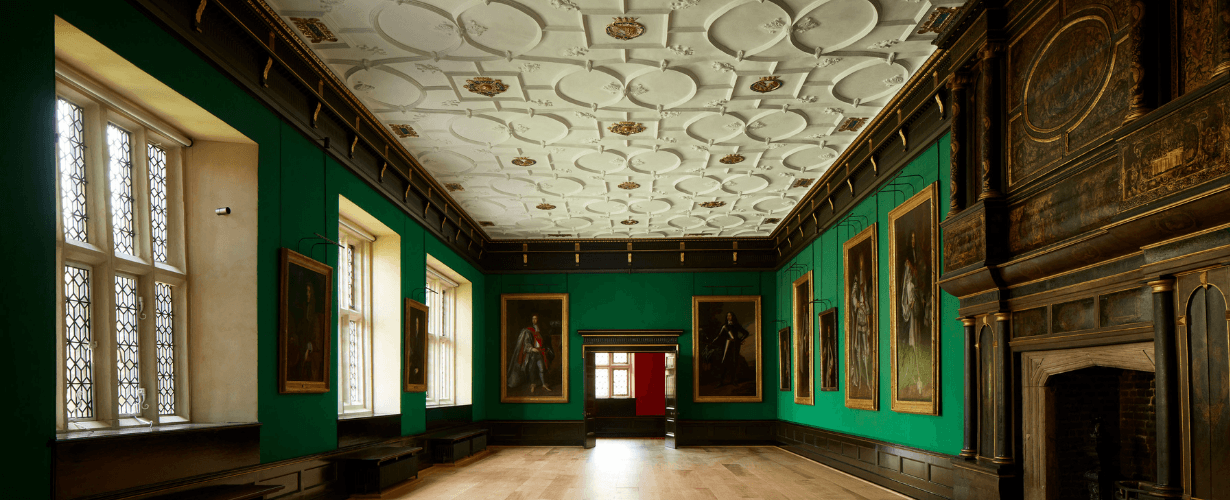
史密斯菲尔德的查特豪斯——隐藏在城市中的中世纪修道院
在法灵顿站附近的一个宁静广场上,矗立着查特豪斯——一座承载着伦敦650余年历史的古老建筑群。这颗隐秘的瑰宝在几个世纪以来历经了多种变迁 ——它最初是1371年建于黑死病瘟疫坑旧址上的一座修道院,后来成为一座宏伟的都铎式宅邸,再后来变成一所男子学校,如今既是退休长者(被称为“兄弟们”)的居所,也是一座博物馆。 尽管地处市中心,查特豪斯却依然宛如一片绿洲:一旦穿过大门踏入鹅卵石铺就的庭院,您便会发现自己置身于都铎风格的砖砌建筑、小教堂墙壁以及回荡着历史回响的宁静花园之中。这里堪称伦敦不为人知的历史瑰宝,甚至连当地人往往也会错过。
位置
查特豪斯广场,史密斯菲尔德(伦敦市克勒肯韦尔区)。最近的地铁站是法灵顿站(步行5分钟)和巴比肯站(步行5分钟)。它毗邻巴比肯建筑群,隐匿于现代办公大楼之后——新旧建筑形成鲜明对比。
如何前往
从法灵顿站(大都会线/环线/哈默史密斯及城市线,以及火车)出发,沿考克罗斯街向东走到查特豪斯街;查特豪斯的入口位于查特豪斯广场的一扇大门处。从巴比肯站出发,沿卡图西亚街向南步行。 请留意查特豪斯学院的指示牌;该学院稍显隐蔽,位于广场花园的后方。
亮点与活动
-
查特豪斯博物馆:不妨先从园区内的小型博物馆(免费入场)开始参观。这里概述了查特豪斯悠久的历史——从最初作为瘟疫埋葬地(1348年黑死病期间曾有高达15,000名受害者安葬于此), 到作为加尔都西会修道院的时期(直至亨利八世下令解散修道院),随后成为一座豪华的都铎式庄园(伊丽莎白一世曾到访),后来又转型为慈善学校和济贫院。展品包括在现场出土的文物以及著名住客的肖像画。
-
小教堂与大厅:在开放时间内,您可以免费参观都铎式小教堂和中世纪回廊区域的部分区域。小教堂至今仍由常驻修士使用,氛围庄重,内有托马斯·萨顿(Thomas Sutton,他于1611年创立了这家济贫院)的陵墓。 拥有木梁天花板和肖像画的大厅,需参加导览才能参观。
-
导览游:若想参观私人区域并真正深入探索查特豪斯修道院的秘密,请参加由修士带领的导览游(需购票)。导览将带您游览“大殿”(伊丽莎白一世加冕前在此举行朝会的宏伟厅堂)和“院长庭院”等场所。 您将听到许多引人入胜的故事——例如那些拒绝向亨利八世投降的修士,或是查特豪斯修道院如何在伦敦大轰炸中幸存下来。这难得的机会让您在居住于这些古老墙壁之内的向导带领下,亲身漫步于鲜活的历史之中。
预算小贴士
博物馆和庭院免费开放,因此您无需花费一分钱就能领略查特豪斯修道院的风采。如果预算允许,导览游(约15英镑)非常值得,可让您全面参观。此外,还有一项10英镑的简短导览,仅聚焦于主要景点。若想免费游览,只需在开放区域漫步,瞥一眼小教堂(通常在午餐时间开放),并欣赏正门前的查特豪斯广场公共花园——要知道,你脚下的土地下埋藏着伦敦历史的层层积淀! 园区内一间古老的房间里还设有一家迷人的咖啡馆,您可以在那里享用价格实惠的三明治或奶油茶,同时想象这座建筑群见证过的数个世纪的人间百态。
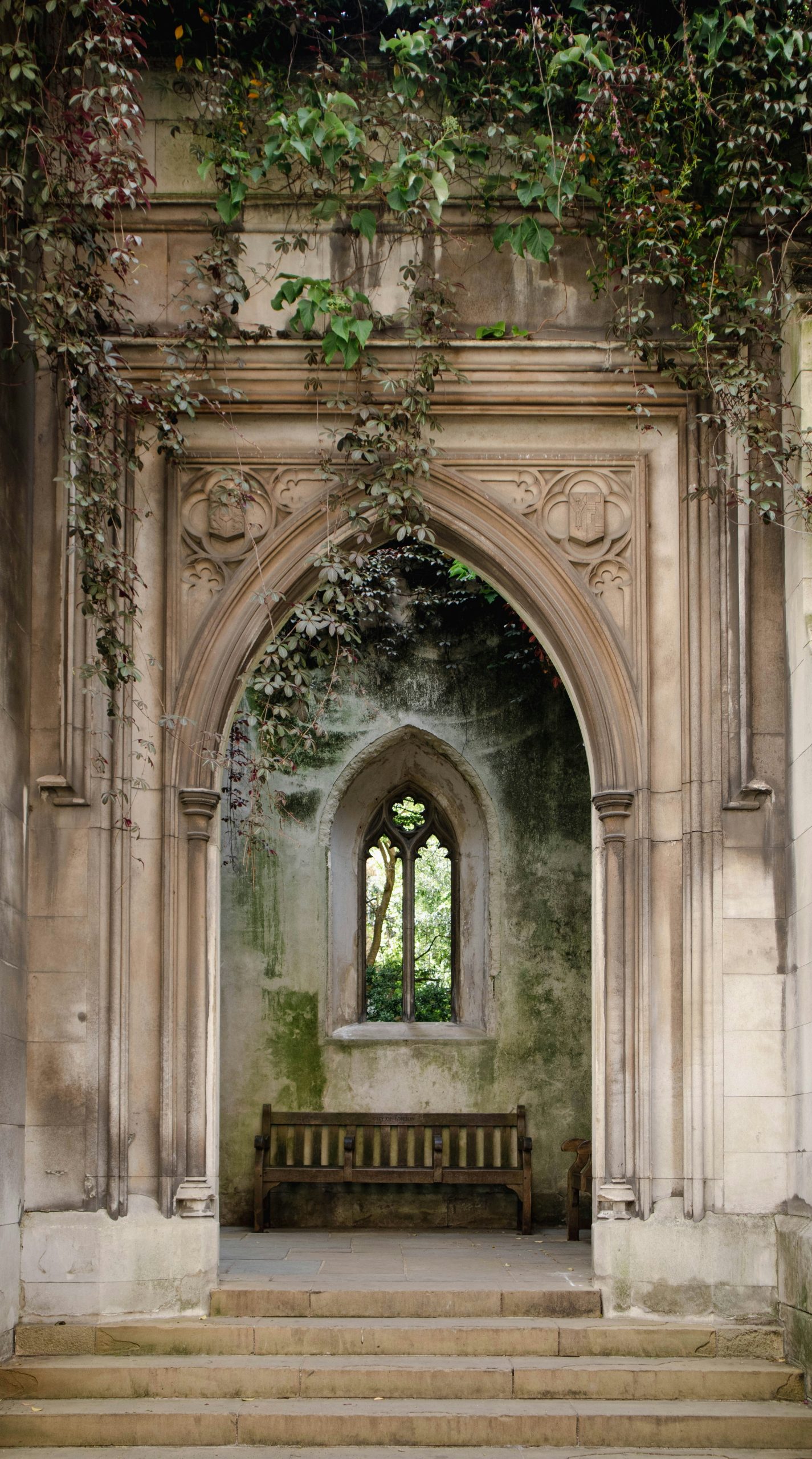
伦敦金融城东圣邓斯坦教堂——一座被炸毁的教堂变身秘密花园
废墟往往蕴含着一种令人心驰神往的美,东圣邓斯坦教堂便是绝佳的例证。这座曾是教堂的建筑坐落于伦敦金融城的高楼大厦之间,如今已化作一座迷人的公共花园,在中世纪教堂遗迹的残垣断壁中悄然生长。 圣邓斯坦教堂最初建于1100年左右,在1941年的伦敦大轰炸中遭受严重破坏,仅剩钟楼和部分墙壁屹立。1960年代,伦敦市政府决定不进行再次重建,而是将废墟改造成公共花园,并于1970年向公众开放。 如今,攀援的藤蔓与郁郁葱葱的绿植穿梭于哥特式窗棂与残破的拱门之间。这里是一处宁静的避世之所,您可以坐在棕榈树下的长椅上,聆听鸟儿啁啾,四周环绕着古老的石砌建筑——这片超现实的绿洲,静静地坐落在金融区的喧嚣之中。
位置
圣邓斯坦山,位于伦敦桥和伦敦塔之间(最近的地铁站:区线/环线“纪念碑”站,步行5分钟)。花园隐匿在大塔街旁。请留意一扇小门和指示牌;若不留心,很容易就走过了。
如何前往
从纪念碑站出发,沿大塔街向东步行,然后左转进入圣邓斯坦山。从塔山站出发,沿拜沃德街/下泰晤士街向西步行,然后右转上圣邓斯坦山。 多条公交线路在附近停靠(15、25、11等)。这里距离伦敦塔也只有很短的步行距离——因此,在参观完伦敦塔后,这里是放松身心、远离人群的绝佳去处。
亮点与活动
-
如画般的废墟:欣赏藤蔓缠绕的哥特式拱门和高耸的尖顶(由克里斯托弗·雷恩爵士在1666年大火后设计)。教堂空荡的窗户如今将天空和周围的绿意尽收眼底。 许多人认为这里是伦敦最美丽的隐秘角落之一——几乎就像是奇幻小说或电影《秘密花园》中的场景。这里是摄影和静谧野餐的热门去处。
-
放松身心:在花园中央寻找那座小喷泉——潺潺的水声与鸟鸣交织,让人忘却身处大都市中心。 附近的白领们常来此安安静静地享用午餐。这里长椅众多,是观光一日后歇歇脚的理想去处。
-
历史氛围:花点时间想象一下这里的历史:一座教堂曾在此矗立近900年,历经伦敦大火的洗礼,后由雷恩重建,却在二战中被摧毁。如今,大自然已重新接管了这片土地。园内的铭牌简要介绍了这段历史。 若在春夏时节造访,盛开的花朵与石砌废墟形成的鲜明对比,更显魔幻之美。
省钱小贴士
好消息——东圣邓斯坦花园完全免费,向公众开放。通常每天从早上8点左右开放至日落(冬季闭园时间稍早)。无需购票,无需排队,通常游客寥寥无几。 这绝对是性价比极高的隐秘宝地。不妨自带零食或咖啡,在这里享受一段宁静的休憩时光,而不是去那些价格虚高的咖啡馆——你一定会为这次体验感到庆幸。此外,由于这里是户外且环境宁静,也是写日记或规划下次旅行行程的绝佳去处。
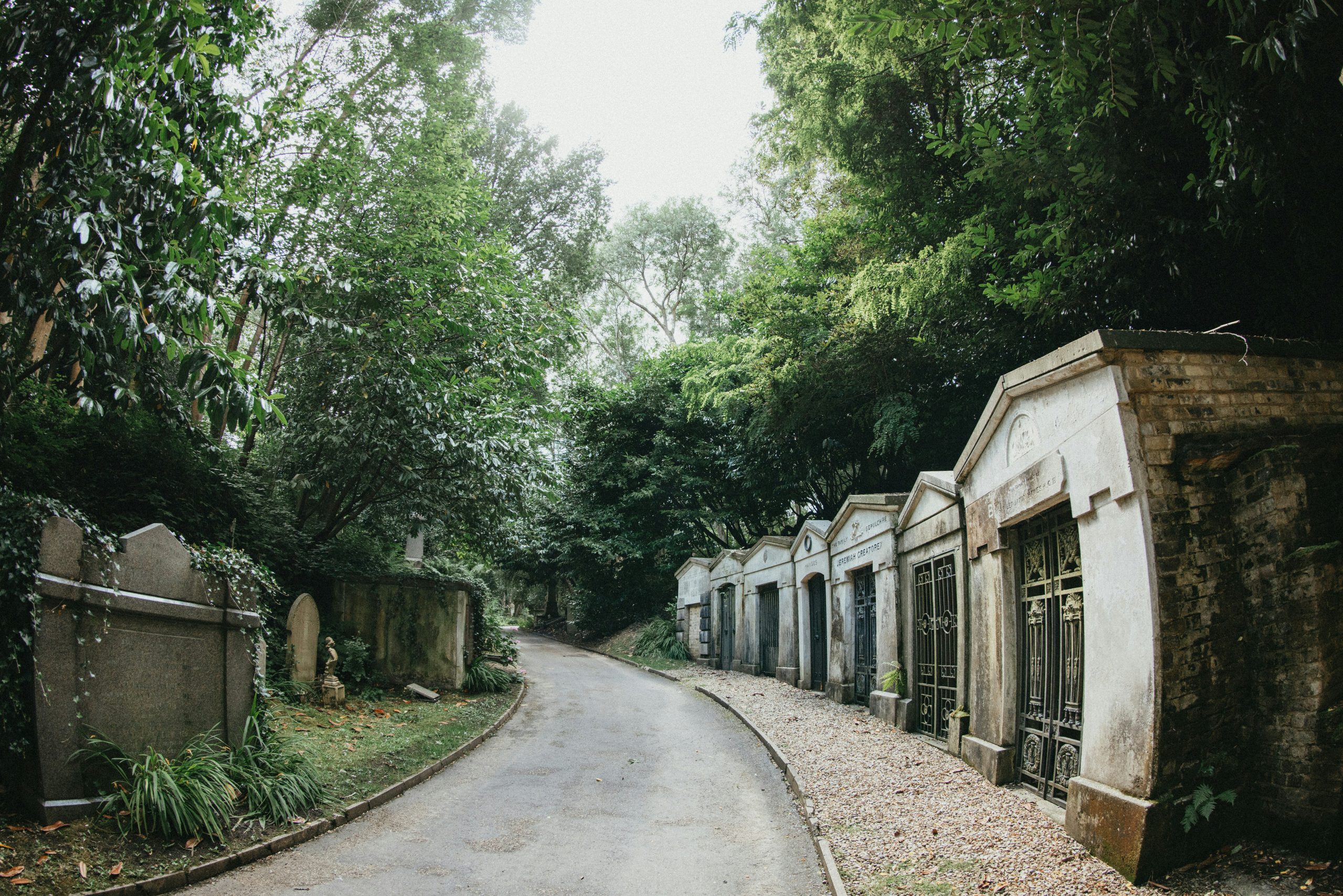
海格特公墓,海格特——维多利亚时代哥特式名人长眠之地
如果你钟爱哥特式风格,或对维多利亚时代的历史着迷,海格特公墓绝对是一处不容错过的隐秘瑰宝。 海格特公墓于1839年开放,是伦敦“七大壮丽”花园式公墓之一,后来成为19世纪上流社会的时尚安息之地——这一点从公墓的样貌中便可见一斑。 漫步于蜿蜒的小径,你会发现充满氛围感的常春藤覆盖的墓碑、高耸的方尖碑、天使雕像,甚至还有一条埃及风格的地下墓穴大道。这座公墓实际上分为两部分:西墓区(仅限随导游参观)和东墓区(向公众开放,需支付少量费用)。 两处都绿树成荫,野花遍地,赋予海格特一种浪漫、近乎魔法森林般的氛围——同时某些地方也散发着一种不言而喻的诡异魅力(这里曾是许多维多利亚时代鬼故事的灵感来源,甚至还有在实地取景拍摄的哈默恐怖电影)。 海格特公墓还因其著名的安葬者而闻名:卡尔·马克思长眠于此,小说家乔治·艾略特、科学家迈克尔·法拉第以及朋克偶像马尔科姆·麦克拉伦等数千人亦长眠于此。
位置
斯温巷(Swain’s Lane),海格特,伦敦北部。 它靠近海格特村,位于汉普斯特德希思以东。最近的公共交通站点是拱门站(北方线),从那里步行上坡约15分钟即可到达,或者乘坐143、210、271路公交车短途前往。
如何前往
从阿奇韦站出发,乘坐210路或271路公交车沿海格特山向上行驶,在沃特洛公园附近下车,或者直接步行(这会是一次不错的有氧锻炼——山坡很陡!)。 公墓入口:东门位于斯温巷(Swain’s Lane,沃特洛公园对面);西门位于斯温巷更上方,在左侧。
亮点与活动
-
埃及大道与黎巴嫩圆环(西墓园):若参加西侧的导览游,您将领略到最具标志性的景观。 “埃及大道”是一条由宏伟的柱廊和象形文字构成的墓穴隧道,通向“黎巴嫩圆环”——这是一圈建在山坡上的墓室,环绕着一棵巨大的古雪松。这里呈现了一段令人难忘的维多利亚时代戏剧性场景。
-
著名墓地(东墓园):凭东墓园的基本门票(自助游览),您可以轻松找到卡尔·马克思的墓地,那里立着一尊巨大的马克思半身像——这是墓园中最受游客欢迎的景点之一。附近是小说家乔治·艾略特(玛丽·安·埃文斯)的墓碑。 漫步其中,您可能会偶然发现道格拉斯·亚当斯(《银河系漫游指南》的作者——粉丝们常在他的墓前留下钢笔)、艺术家帕特里克·考尔菲尔德(其墓碑上俏皮地刻着“已故”字样)等人的墓地。入口处售票亭提供的地图会标出这些著名墓地的位置。
-
自然与氛围:海格特公墓的魅力之一在于其杂草丛生的状态。虬曲的橡树和紫杉在常春藤覆盖的墓碑上投下阴影。这里与其说是一座修剪整齐的墓园,不如说更像是一片哥特式林地,只是恰好遍布着维多利亚时期的纪念碑。 春天,蓝铃花和野花铺满地面,更添一抹美丽。若看到狐狸或一只羞怯的麂鹿漫步而过,也请不要惊讶——这里自成一个小小的生态系统。
预算小贴士
东墓地:门票约4–5英镑(可自由游览)。西墓地:导览游约12–15英镑(包含东墓地门票)。如果预算紧张,建议只参观东墓地; 你依然能充分感受此地的独特氛围,并参观最著名的墓地。若想获得额外的免费惊喜,不妨漫步至毗邻的沃特洛公园(免费)——从高处的草坪上,既可俯瞰墓园全景,又能远眺伦敦天际线的壮丽全景。 请注意,海格特公墓下午5点闭园(冬季闭园时间更早),最后入园时间约为闭园前30分钟。此外,部分区域的小径和台阶较为崎岖——请穿结实的鞋子,尤其是在下过雨之后(泥泞和陈旧的石板路面可能很滑)。
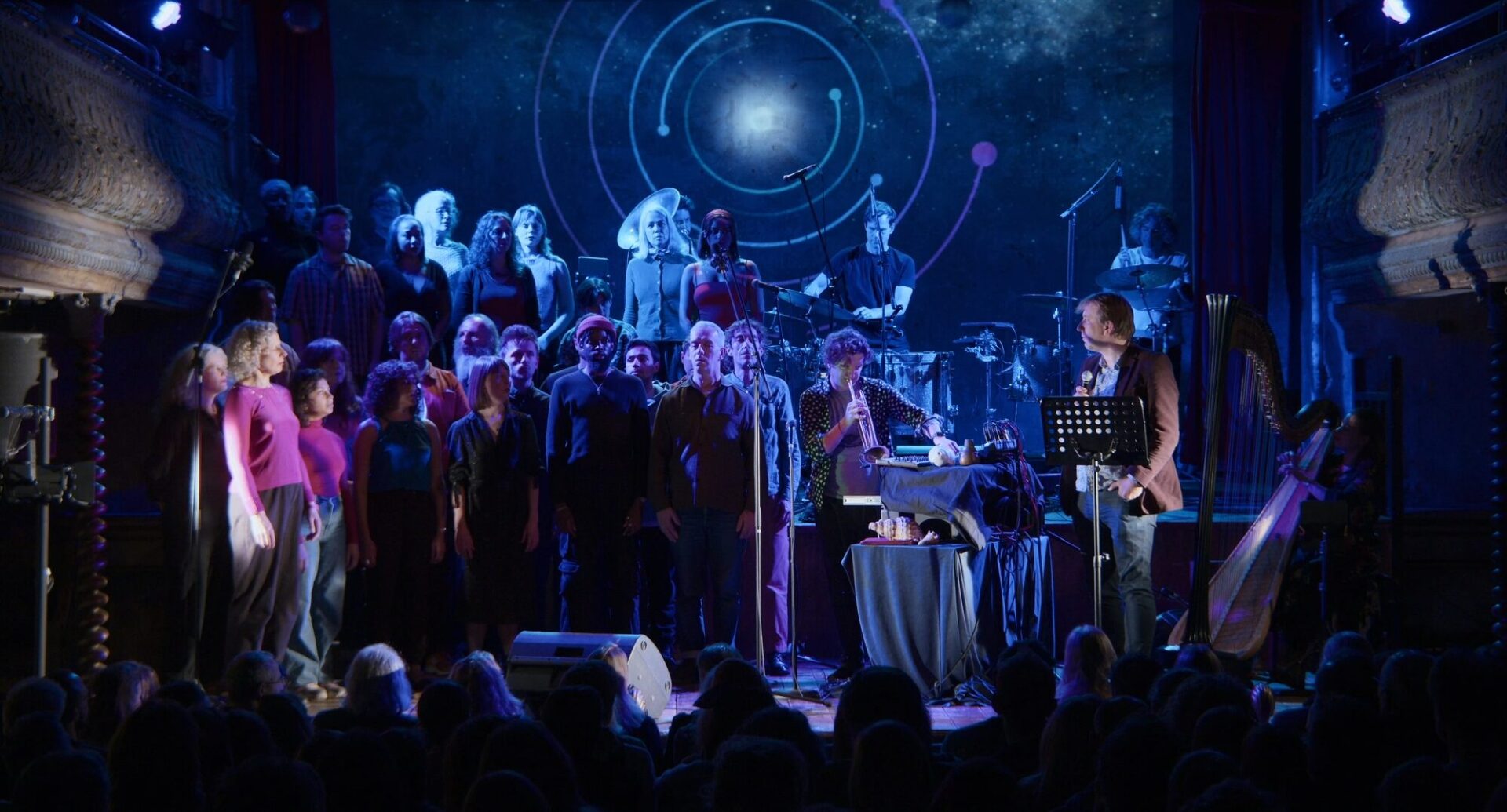
威尔顿音乐厅,怀特查佩尔——定格在时光中的维多利亚时代音乐厅
威尔顿音乐厅隐匿于东伦敦一条不起眼的小巷深处,是现存世界上最古老的宏伟音乐厅。这座二级*保护建筑可追溯至1850年代,奇迹般地保存至今,成为伦敦娱乐历史中鲜活的见证。 走进威尔顿音乐厅,仿佛穿越回了过去——其内部墙壁漆皮剥落,木制包厢、锻铁柱以及那座做旧效果绝佳的吧台,无不散发着维多利亚时代那份褪色的魅力。 在鼎盛时期,威尔顿音乐厅曾是一个热闹非凡的场所,码头工人和当地居民常来此观看喧闹的音乐厅演出(相当于19世纪的综艺表演)。多年来,它曾作为卫理公会传教所使用,多次躲过拆除的命运,最终被精心修复为一个艺术场所。 如今,这里举办戏剧演出、音乐会和各类活动——但您也可以顺道去桃花心木酒吧小酌一杯,沉浸在老伦敦的氛围中。
位置
怀特查佩尔格雷斯巷1号。该场所隐匿于塔哈姆莱茨区凯布尔街旁。 最近的地铁站是塔山站(环线/区线,步行约10分钟)或沙德韦尔站(DLR或地上铁,步行10分钟)。从伦敦塔出发,向东步行约15分钟即可到达。
如何前往
寻找路途本身就是一场冒险——从凯布尔街出发,先找到恩辛街,然后便是狭窄的格雷斯巷。威尔顿酒吧的外观十分朴素(砖砌外墙,小招牌)。 请随时准备好谷歌地图,因为你会感觉自己仿佛迷入了某条小巷(事实上确实如此!)。当你找到它时,自然会知道——尤其是当门开着,且能听到里面传来的音乐或谈笑声时。
亮点与活动
-
剧场:如果条件允许,不妨观看一场演出或参加导览,参观主厅。剧场天花板高耸,部分维多利亚时期巴洛克风格的装饰已修复一新。褪色的绿松石色油漆与裸露的砖墙,赋予了这里一种亲切而魔幻的氛围。闪烁的彩灯常常点缀着这个空间。 即使空无一人,想象着曾经在此回荡的歌声与笑声,也令人叹为观止。(参加导览时,你会听到关于昔日表演者和常客的轶事——也许还会听到一两个鬼故事。)
-
桃花心木酒吧:威尔顿剧院的酒吧是伦敦氛围最浓郁的酒馆之一。据说其部分建筑可追溯至19世纪早期。点上一品脱啤酒或一杯鸡尾酒,坐在几代前水手和音乐厅明星可能坐过的地方,感受那份独特韵味。 傍晚时分,酒吧区常有现场钢琴演奏或免费活动——更添独特氛围。价格在伦敦算得上合理,即使不观看付费演出,这里也是一个绝佳的经济实惠的夜生活去处。
-
历史展品:在大堂和楼梯周围,你会看到关于威尔顿酒馆传奇历史的照片和信息牌——从它曾多次险些被开发商拆迁,到其历经艰辛的修复过程。对于历史爱好者来说,这些趣闻轶事让体验更加丰富。
省钱小贴士
若您仅是来酒吧小酌,进入威尔顿剧院无需门票。 营业时间通常为周一至周六,从下午晚些时候持续到深夜。若您无力承担演出门票,只需在营业时间内前来,点一杯价格实惠的饮品,即可免费享受维多利亚时代的氛围——您可以在公共区域随意漫步,若大厅开放,还可一窥内部风貌。 导览游费用约为10英镑,每周举办几次,但请密切关注威尔顿剧院的网站,以获取不定期举办的免费开放日或展览信息。 此外,许多演出的票价都相当合理(有时还有候补票或青少年折扣),因此你无需大花一笔,就能在这座令人惊叹的场馆欣赏歌剧、话剧或卡巴莱之夜。
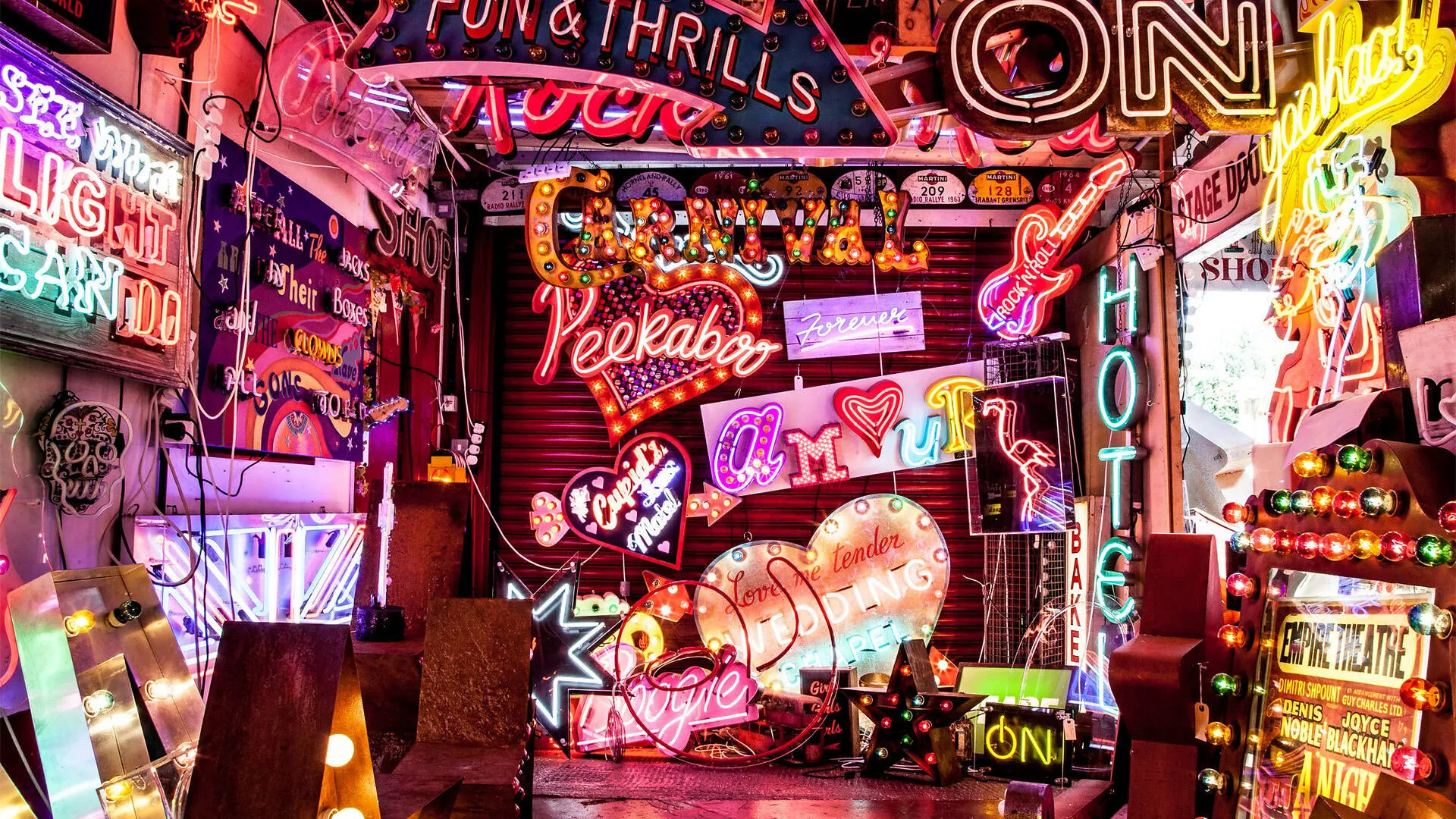
沃尔瑟姆斯托的“上帝的废品场”——老仓库里的霓虹仙境
若前往伦敦东北部的沃尔瑟姆斯托,你将发现这座城市最耀眼的“隐藏瑰宝”之一——这绝非虚言。“上帝的废品场”是一家绚丽 夺目的霓虹艺术画廊兼咖啡馆,隐匿于工业园区的一座仓库之中。一踏入其中,数百块色彩斑斓的霓虹灯牌便会以迷幻的光芒迎接你,几乎覆盖了墙壁(甚至天花板!)的每一寸空间。 已故霓虹艺术家克里斯·布雷西(Chris Bracey)创立了这座宝库,旨在展示他个人收藏的霓虹作品——从复古的游乐场招牌,到老索霍区的窥视秀霓虹灯,乃至好莱坞电影中的道具应有尽有。 这里是一场视觉盛宴,也是Instagram的天堂,俏皮的标语、复古的广告和标志性符号全都通过霓虹灯点亮。想象一下拉斯维加斯、1960年代的餐馆和科幻电影片场的结合——这就是这里的氛围。 参观“上帝的废品场”是免费的,这里甚至还有一家名为“The Rolling Scones”的咖啡馆,您可以在霓虹灯的映照下享用蛋糕和咖啡。
位置
沃尔瑟姆斯托(Walthamstow)舍恩霍尔街(Shernhall Street)拉文斯伍德工业区(Ravenswood Industrial Estate)12号。这里位于伦敦3区,乘坐维多利亚线(Victoria Line)约25-30分钟即可抵达伦敦市中心。最近的地铁站是沃尔瑟姆斯托中央站(Walthamstow Central),下车后步行约10分钟即可到达。 (沿着路标或地图穿过居民区——在拐过街角看到霓虹灯之前,你可能会怀疑自己是否走对了地方。)
如何前往
乘坐维多利亚线地铁至沃尔瑟姆斯托中央站(终点站)。若不想步行,也可从该站搭乘123路或212路公交车,几站后在舍恩霍尔街/金伯利庄园站下车。 此外,乘坐地上铁(Overground)到伍德街站(Wood Street),步行约10分钟即可到达。拉文斯伍德工业区(Ravenswood Industrial Estate)内还有几家精酿啤酒厂(如Wild Card Brewery),这些都可以作为地标。寻找霓虹灯的光芒,或者问问当地人——他们很可能知道那个“霓虹灯地方”。
亮点与活动
-
霓虹灯天堂:来此欣赏欧洲规模最大的霓虹灯收藏之一。每块霓虹灯牌都有自己的故事——有些是由克里斯·布雷西(Chris Bracey)为电影设计的(你可能会发现《美国队长》或《大开眼界》等电影中用过的霓虹灯),有些是从早已消失的伦敦夜总会中回收的,还有许多是作为艺术品创作的。 这些霓虹灯牌既机智又富有艺术感,有时还略带调皮或大胆——从巨大的发光嘴唇到头顶霓虹光环的耶稣(因此得名“上帝的废品场”)。面对这一切的荒诞与奇妙,你定会情不自禁地会心一笑。
-
咖啡馆与座位:在这片霓虹丛林中,散落着几组复古沙发和桌子。在咖啡馆点一杯饮品和一块自制蛋糕,然后在这个你所经历过的最超现实的“客厅”里放松身心。“滚动司康饼咖啡馆”(TheRolling Scones Café)提供简餐,当然还有奶油茶——价格都很合理。 在写着“耶稣拯救”的霓虹教堂招牌下享用下午茶,正是伦敦奇趣风情的极致体现。
-
拍照天堂:这里允许拍照(非商业用途),所以尽情按快门吧——你将在这里拍到伦敦之旅中最生动鲜活的照片。专业提示:因为一切都是霓虹灯,你的照片也会带上霓虹色调;尽情拥抱这种五彩斑斓的狂想吧!周末可能会有点拥挤,但只要耐心等待,就能拍出绝佳的照片。
预算小贴士
免费入场(请记住,这里通常仅在周末开放:周五、周六、周日——周五和周六大致从上午11点到晚上10点,周日开放至下午6点)。参观无需消费,不过买杯咖啡或纪念品支持一下这个地方也不错。 作为一项额外的省钱活动,不妨去同一院落里的精酿啤酒厂逛逛——那里经常有美食车和户外座位,如果你喜欢精酿啤酒,这里能让你度过一个有趣(而且同样经济实惠)的下午或晚上。 此外,沃尔瑟姆斯托还有其他景点,如威廉·莫里斯美术馆(免费艺术博物馆)和沃尔瑟姆斯托村——因此,你可以在不花太多钱的情况下,花上一整天时间探索这个正在崛起的社区。
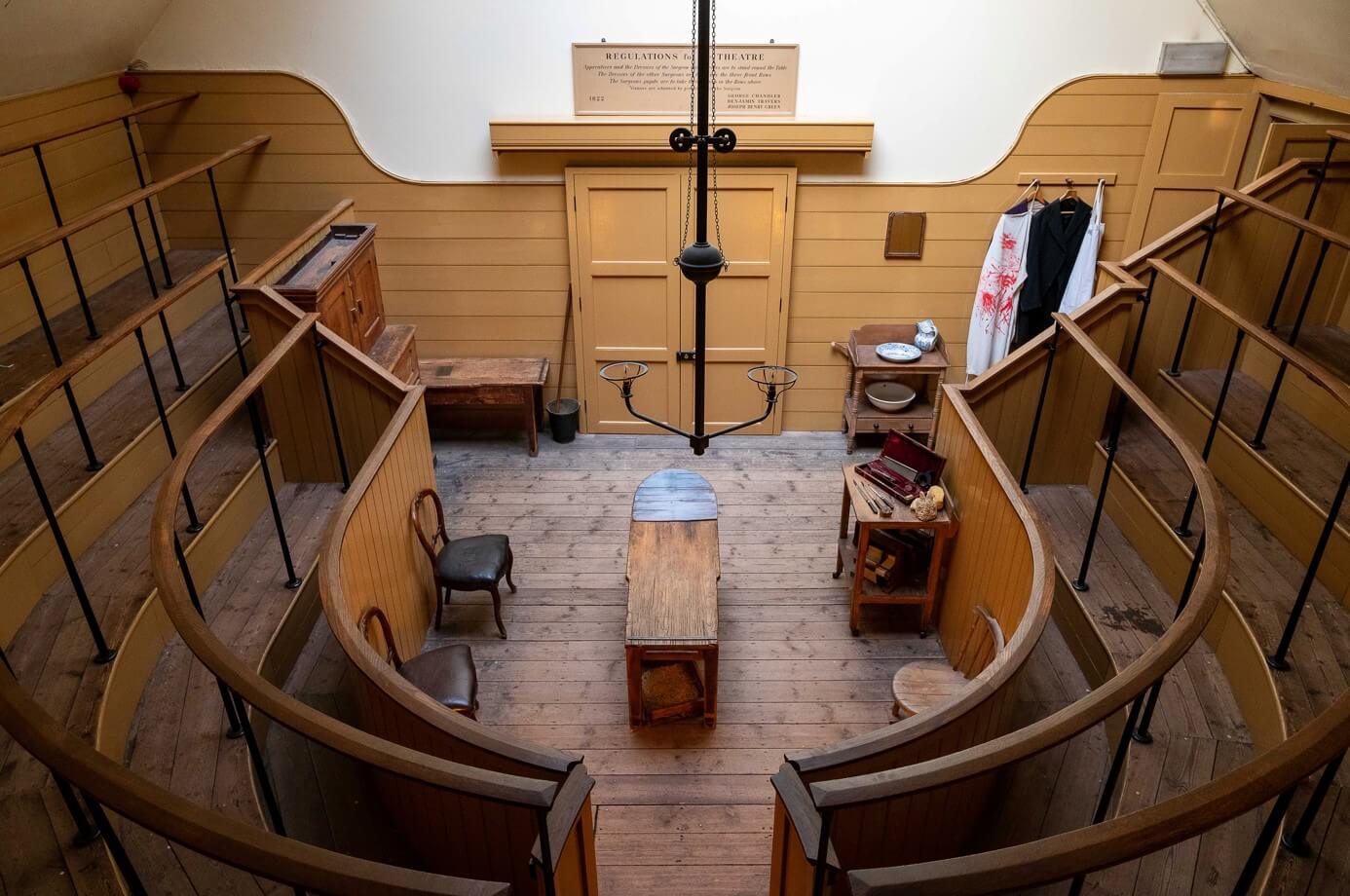
伦敦桥老手术室博物馆——阁楼里的隐秘外科历史
在伦敦桥附近一座古老教堂的阁楼深处,藏着这座城市最引人入胜的小型博物馆之一:老手术室与草药阁楼。这座别具一格的博物馆实际上是欧洲现存最古老的手术室,其历史可追溯至1822年——而且它确实曾被时间遗忘近一个世纪。 要找到它,你需要攀登一条由52级台阶组成的狭窄螺旋楼梯,进入曾经是圣托马斯教堂阁楼的地方。在那里,在这间天花板很低的阁楼里,你会发现一间保存完好的19世纪手术室,医学生们曾挤在这里观看当时没有麻醉和消毒措施的手术。 木制手术台、分层观摩台,甚至一些原始的手术器械都陈列其中,让人切身感受到前现代时代手术的真实场景(胆小者慎入!)。 与手术室相邻的是“草药阁”——这里曾是药剂师储存药草的地方——如今摆满了装有水蛭的罐子、古董药剂以及各种奇珍异宝,展现了医学史上那些离奇甚至令人毛骨悚然的一面。
地点
南华克区圣托马斯街9a号。距离伦敦桥站(碎片大厦出口)仅一个街区之遥,隐匿在高耸的盖伊医院大楼旁。请留意街道上的一块小招牌和一扇门——很容易被忽略。该博物馆所在的教堂(现为职场健康中心)靠近博罗市场。
如何到达
乘坐地铁或火车至伦敦桥站。出站后,沿圣托马斯街向西步行,朝博罗市场方向走。博物馆的入口位于圣托马斯街南侧,靠近博罗高街的拐角处(盖伊医院位于北侧)。 如果您到达博罗市场的南端或圣托马斯街花园,说明您走过头了。
亮点与活动
-
手术室:这里是博物馆的核心展区——一个楔形木制房间,当年医学生们曾在此观摩手术。 站在这里,你所站的位置正是当年患者(通常是来自邻近医院的贫困妇女)在清醒状态下接受截肢或其他手术的地方(氯仿直到1840年代才开始使用!)。 导览牌上详细介绍了手术流程和历史背景——想象当时的场景,既令人不寒而栗,又引人入胜。1862年医院搬迁时,这间手术室被关闭并封存,直到1956年才被重新发现,且保存完好。
-
赫伯·加雷特展区:在周围的阁楼空间里,您可以探索维多利亚时期的外科器械(锯子、刮皮器、钳子——有些看起来更像刑具)、装有早期药品的玻璃罐,以及僧侣和药剂师曾经用于制药的干草药。 这里还设有关于伪科学药物(比如给哭闹婴儿服用的含鸦片糖浆——天哪)、护理史,甚至中世纪医学的展区。这些内容既具有教育意义,又带着一种病态的趣味。
-
互动体验与演示:博物馆经常举办演示或讲座。若您在合适的时间到访,或许能看到工作人员使用道具重现维多利亚时代外科手术技巧的演示(谢天谢地,不是在真人身上!)。 请查看他们的活动日程,了解“维多利亚时代外科手术”讲座等特别活动——这些活动通常包含在门票内,能让参观体验更加丰富。
省钱小贴士
成人门票约为7.50英镑(优惠票5英镑),对于这样一座独具特色的博物馆来说,这笔费用相当实惠(相比其他城市大型博物馆的票价,这仅是其中的一小部分)。 如果您是学生或25岁以下,请携带身份证件以享受优惠票价。入场后,您大约可以参观45分钟到1小时;虽然空间不大,但内容丰富。若想节省一些费用,请注意该博物馆是国家信托互惠计划的一部分(会员可免费入场)。 此外,如果你还计划参观附近的“英国战争体验 馆”或“克林克监狱博物馆”(其他小型博物馆),不妨在网上寻找套票或折扣信息。最后,由于展馆空间较小,建议选择工作日或早些时候前往,以避开人流——这样能获得更私密的参观体验(也能拍出更好的照片)。 请注意,该博物馆仅在周四至周日开放(周一至周三闭馆)。
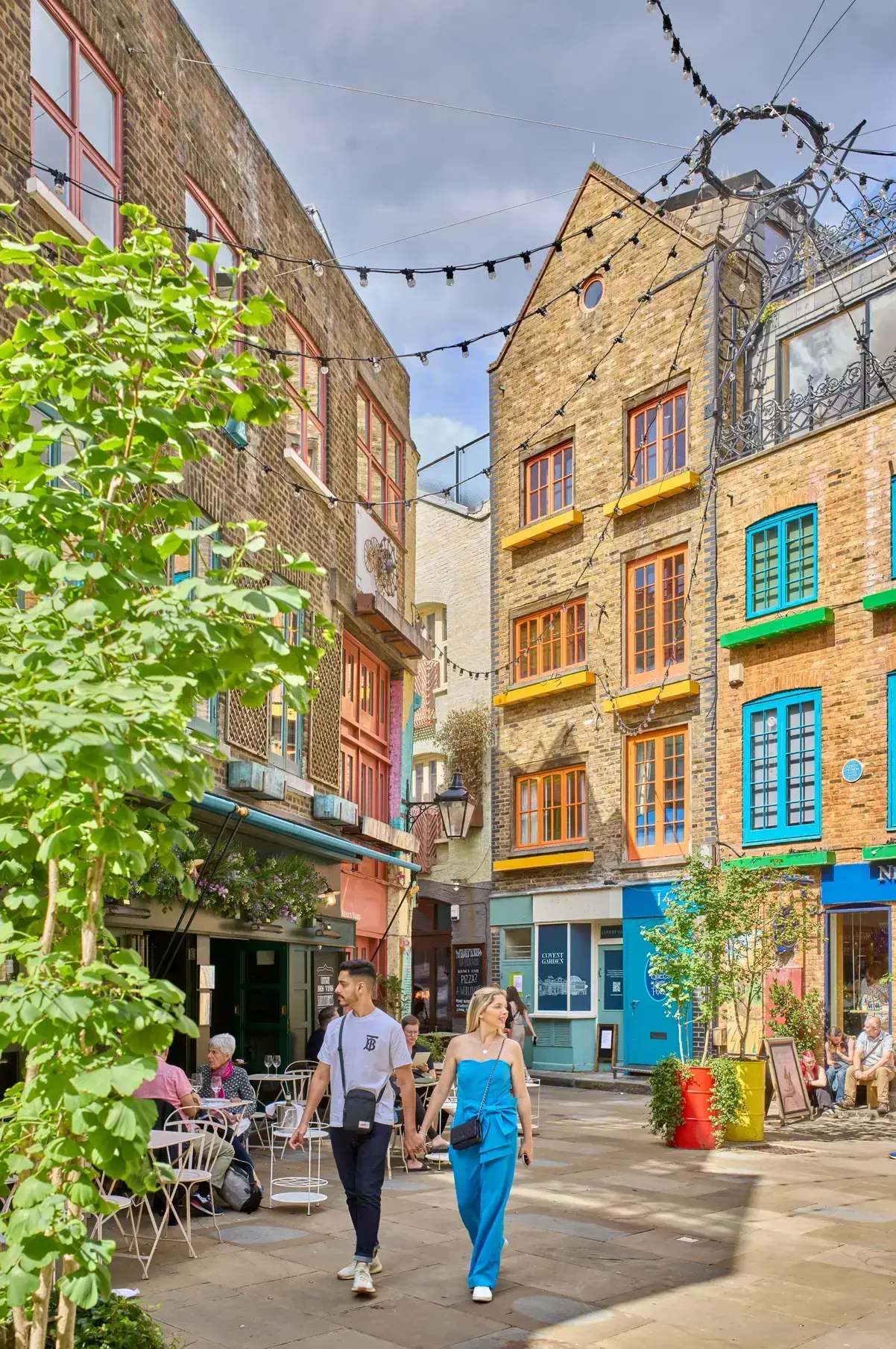
科文特花园的尼尔院(Neal’s Yard)——一个色彩斑斓的波西米亚风格庭院秘境
伦敦宛如迷宫,有时发现隐藏瑰宝的最佳方式,就是字面意义上地挤过一条小巷。在熙熙攘攘的科文特花园,尼尔院(Neal’s Yard)是一个微小而充满活力的庭院,若非事先知晓其存在,你绝不会偶然邂逅这里。 尼尔庭院隐匿于建筑群之间,仅能通过两条狭窄的巷道进入,这里的外墙色彩斑斓——明亮的蓝、黄、橙色交相辉映——并点缀着悬挂的绿植和别具一格的艺术品。20世纪70年代,这一带从阴暗的后街区蜕变为另类文化的中心。 如今,这里汇聚了健康咖啡馆、一家传奇的天然保健品店,以及既能满足纯素食者需求又能让披萨爱好者大快朵颐的餐厅。这里的氛围奇妙地带有欧洲大陆风情,仿佛一个隐秘的地中海庭院被搬到了伦敦市中心。 这里是品尝咖啡放松身心,或是以彩虹色调为背景拍摄标志性Instagram照片的绝佳去处。
位置
位于考文特花园(伦敦市中心)的七座圆盘附近。尼尔院通过几条小巷将肖特花园与蒙茅斯街连接起来。 最简单的找到方法是前往肖特花园(靠近尼尔街的交叉口),在小巷深处寻找“尼尔院”的指示牌。或者,从七座圆盘纪念碑出发,沿蒙茅斯街前行,在尼尔院疗法(Neal’s Yard Remedies)商店旁拐入尼尔院小巷。
如何前往
最近的地铁站是科文特花园站(步行5分钟)或莱斯特广场站(步行5-7分钟)。从科文特花园广场出发,向北步行经过苹果市场,进入尼尔街,然后左转进入肖茨花园。 这里确实隐蔽——但通常你会看到入口处有几个人在拍照,这会为你指明方向。
亮点与活动
-
美食与饮品:可在尼尔院沙拉吧(Neal’s Yard Salad Bar)享用健康小吃,或在“天使雅各布”咖啡馆(Jacob the Angelcafé,以18世纪的一家咖啡馆命名)喝杯咖啡。如果你喜欢甜食,不妨去Homeslice Pizza尝尝超大份的披萨,或者去拐角处的圣约翰面包店(St. JOHN Bakery)买些甜甜圈。 若想尝试别具一格的美食,26 Grains这家位于温馨街角的小店提供美味的燕麦粥和谷物碗——是享用早餐的理想之选。
-
尼尔庭院疗法(Neal’s Yard Remedies):这里是1981年开业的原尼尔庭院药房,以有机护肤品和草本疗法而闻名。即使不购物,从店内飘出的精油香气和质朴的蓝色店面也令人心旷神怡。 这是尼尔庭院波西米亚风情遗产中至今仍存的一隅。
-
氛围与照片:说实话,这里最棒的体验之一就是单纯地待在这里。坐在庭院的长椅上或户外餐桌旁,尽情沉浸在这欢快的氛围中。 建筑外墙布满了壁画,时常能听到某处传来的悠扬音乐。这是伦敦充满惬意与艺术魅力的另一面。别忘了抬头拍张照片——那些色彩斑斓的窗框映衬着蓝天,绿意盎然,景象如梦似幻。
省钱小贴士
尼尔庭院本身免费开放,全天候24小时营业(这是一个开放式庭院)。无论预算多少,你都能在此乐在其中——即使什么都不买,这里也是一场视觉盛宴。 如果你想节省开支,不妨考虑从附近的超市(长亩街上仅隔一个街区就有马莎百货的食品区)买些外带食物,然后在庭院里享用,这样既能感受氛围,又不用支付咖啡馆的高价。 此外,这里还设有饮用水补充站(作为考文特花园可持续性举措的一部分),您可以免费为水瓶补充饮用水。
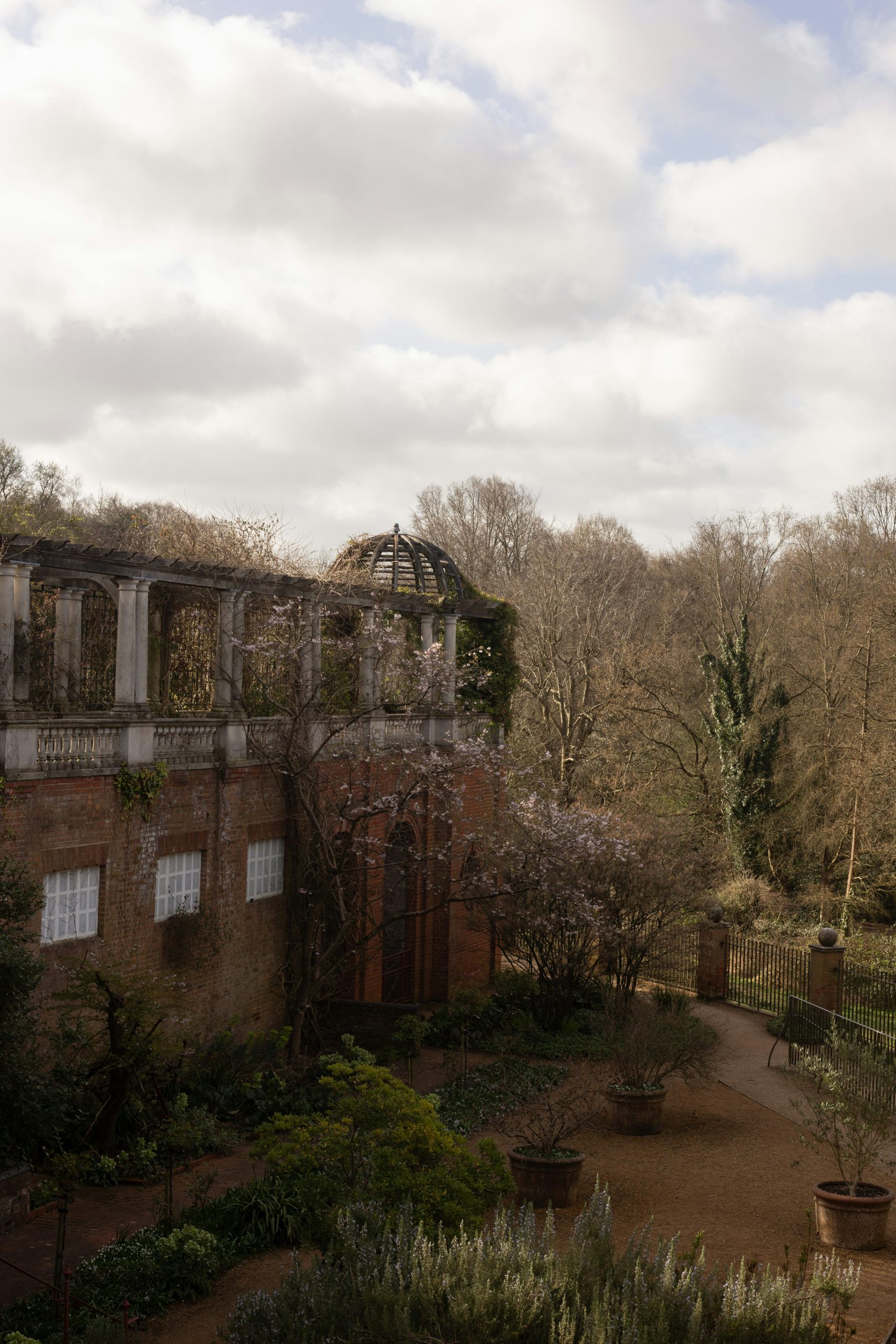
汉普斯特德凉棚与山丘花园,汉普斯特德——希思之上被藤蔓覆盖的爱德华时代瑰宝
在汉普斯特德荒原边缘的一座高地上,坐落着一座被时光遗忘的秘密花园:汉普斯特德凉棚与山丘花园。 这条壮观的高架步道缠绕着蔓生藤蔓和紫藤,曾是爱德华时代奢华花园派对的举办地——如今,它以一种美丽而褪色的宏伟姿态矗立着,却被许多伦敦人默默忽略。 这座凉棚始建于1905年,由利弗赫尔姆勋爵(一位富有的慈善家兼肥皂业巨头)建造,原本旨在作为他举办上流社会聚会的辉煌场所。大理石柱、木制棚架和拱门沿着露台延伸,俯瞰着郁郁葱葱的梯田式花园。 20世纪20年代莱弗赫尔姆勋爵去世后,凉棚逐渐荒废,大自然开始重新占据这里。如今,它虽已部分修复,却仍保留着一种诡异而浪漫的衰败之美——想象一下覆盖着青苔的柱子、龟裂的台阶,以及缠绕在栏杆上的藤蔓。 毗邻的希尔花园(Hill Garden)是一处修剪整齐却宁静祥和的场所,园内有池塘和花坛。这两处景观共同构成了伦敦无可争议的隐秘瑰宝之一,既带来宁静与秀丽风光,又透着一丝怀旧气息。
位置
北端路(North End Way),位于汉普斯特德荒原(Hampstead Heath)西端(靠近“杰克·斯特劳城堡”酒吧)。地处伦敦北部汉普斯特德地区。最近的地铁站是戈尔德斯格林站(Golders Green,北方线,步行15分钟)或汉普斯特德站(Hampstead,北方线,步行约20分钟)。 多条公交线路(如210、268路)在附近的“因弗福斯庄园”(Inverforth House)站停靠。
如何前往
若乘坐地铁至戈尔德斯格林站,可换乘268路公交车,短途行驶至“因弗福斯大厦”站。步行的话,从戈尔德斯格林站沿北端路(North End Road,该路段随后变为北端路)向东前往汉普斯特德——这段路略有上坡。 藤架的入口有些隐蔽:请在因弗福斯庄园(一处私人住宅)附近寻找标有“Hill Garden & Pergola”的小巷。 它就在该私人住宅区那座装饰华丽的大门正北侧;请沿着路标指示的小径前行。从汉普斯特德站出发,您可以穿过希思(Heath)或途经弗罗格纳尔(Frognal)和布兰奇山(Branch Hill),享受一段惬意的步行之旅。
亮点与活动
-
藤架步道:沿着石阶登上高处的藤架。这条步道绵延不绝,部分路段由木质格栅顶棚覆盖,部分则敞开于天空之下。栏杆间的缝隙中,可一览希思树梢与远方城市的全景。 长椅邀您驻足小憩。夏季,紫藤与玫瑰攀附在藤架上,绽放出紫色与粉色的花朵;秋季则呈现出常春藤的炽烈色彩——每个季节都别有一番风情。这里是摄影师的梦幻之地(在此拍摄订婚照十分常见),也是所有喜爱略带“秘密花园”氛围之人的理想去处。
-
山丘花园:在藤架下方,漫步于精心设计的园林之中。一个小型的倒影池、花坛和草坪营造出宁静的氛围。您可能会看到当地的家庭或遛狗的人,但这里很少拥挤。 千万别错过从花园里眺望藤架的景色;它真的能让你感受到那种“衰败的壮丽”氛围——一座宏伟的建筑正被大自然慢慢重新接管。不难想象,100年前,衣着考究的爱德华时代的人们曾在此啜饮茶水。
-
摄影与野餐:虽然这里如今在Instagram上颇具人气,但依然保持着宁静的氛围。 如果你喜欢摄影,对称的柱子和垂下的藤蔓会构成绝佳的取景框。想要享用一顿经济实惠的午餐,不妨自带野餐——在鸟语花香的百年露台上享用三明治,伦敦恐怕再难找到比这更棒的地方了。
省钱小贴士
尼尔庭院(Neal’s Yard)本身免费开放,全天候24小时营业(这是一个开放式庭院)。无论预算多少,你都能在此尽兴——即使什么都不买,这里也是一场视觉盛宴。 如果你正在精打细算,不妨考虑从附近的超市(长亩街上仅隔一个街区就有马莎百货的食品区)买些外带食物,然后在庭院里享用,这样既能享受氛围,又不用支付咖啡馆的高价。 此外,这里还设有饮用水补充站(作为考文特花园可持续发展计划的一部分),您可以免费为水瓶补充饮用水。
伦敦最佳青年旅舍预订指南
伦敦的青年旅舍能满足各类旅客的需求。从肖迪奇附近设计时尚的青年旅舍,到国王十字区充满社交氛围的背包客聚集地,无论您是哪种旅行者,无论预算多少,都能找到合适的住宿。无论您想要一个安静的空间放松身心,还是希望在热闹的酒吧结识新朋友,您都能找到探索这座城市的理想据点。
🏰伦敦 Wombat’s City 青年旅舍——最适合活力四射的大团体和好友结伴出行

📍怀特查佩尔 / 塔桥
作为一直备受青睐的人气之选,Wombat’s City Hostel既舒适又时尚,营造出充满活力的社交氛围。真正的亮点是什么?就是地下室酒吧。一位客人写道:“那里氛围超棒,是结交朋友、结识其他旅行者的绝佳场所。”
距离两座火车站仅需8至10分钟路程,非常方便探索周边。客人们对这里便捷的交通赞不绝口:“Wombat的氛围堪称一流,是结识新朋友和其他独自旅行者的绝佳场所。”
第一次独自旅行?这里绝对是你的不二之选:“这是我第一次在国外独自住宿,我太喜欢这里了!结识了许多朋友。”
🧠 担心如何打破僵局?即使你比较害羞,这里也有在青年旅舍交朋友的诀窍
🌍Onefam 诺丁山——最适合快速结交朋友并享用免费晚餐

📍诺丁山
Onefam 诺丁山青年旅舍的设计几乎就是为了结交朋友而生的。客人喜欢带窗帘的床位所提供的私密性,但真正抢尽风头的还是它的社交氛围。正如一位旅行者所说:“超级社交型的青年旅舍……每晚都有免费晚餐,还会组织喝酒游戏。在这里结识新朋友简直太容易了。”
还有一位补充道:“社交氛围是这里最棒的部分……每晚的活动和家庭晚餐更是锦上添花。”
🎉伦敦Urbany青年旅舍——最适合体验热情氛围和夜间活动的旅舍

📍帕丁顿
如果你是那种希望社交日程安排得满满当当的旅行者,伦敦Urbany青年旅舍绝对能满足你的需求。住客们表示这里充满了背包客特有的活力:“每晚都有社交活动,让人很容易结识其他独自旅行的旅人。”
一位评论者分享道:“无论是工作人员还是住客,大家都非常热情好客。感觉就像是住在朋友家一样。”就连有些紧张的旅行者在这里也能感到轻松自在:“虽然我当时很紧张,但他们让我感觉自己完全被接纳了!”
💬 想提升你在公共休息室的闲聊技巧吗?以下是与其他独自旅行者建立联系的方法
🎨Prime Backpackers Angel – 最适合创意社群和轻松惬意的氛围

📍安吉尔 / 伊斯灵顿
Prime Backpackers Angel不仅充满社交氛围,更富有灵魂。这里有乐器、书籍和温馨的角落,吸引着一群富有思想和创造力的人。一条评论道出了全部:“这里的社交氛围是我去过的所有青年旅舍中最好的。”
由工作人员组织的活动、煎饼早餐、共享餐点和电影之夜,共同营造出浓厚的社区氛围。“每天都能结识来自世界各地的新朋友。”
🏛️阿斯特博物馆旅馆——最适合举办包容性活动且地处市中心

📍布卢姆斯伯里
阿斯特博物馆旅馆距离大英博物馆仅咫尺之遥,其魅力远不止于地理位置,更在于这里所营造的社区氛围。一位独自旅行的游客分享道:“这里的人都非常友好和亲切。虽然我是一人旅行,但结识新朋友却轻而易举。”
另一位客人写道:“他们组织的夜间活动非常有趣——氛围融洽且充满活力。”对于LGBTQ+旅行者而言,安全感和归属感是首要考虑因素:“我感到很安全,也受到了热情的欢迎。”
🏠伦敦背包客旅舍——最适合体验家庭般氛围和友善员工

📍亨登(伦敦北部)
伦敦背包客旅舍是那种员工真的像朋友一样亲切的青年旅舍之一。住客们赞不绝口:“志愿者们鼓励我们出去结交 新朋友”以及“在这里交到了很多朋友。”
这里提供免费晚餐、各类活动,氛围温馨舒适,如果你想找一个像家一样的地方,这家青年旅舍绝对是绝佳之选。
🌳阿斯特海德公园青年旅舍——以整洁舒适和轻松随意的社交氛围著称

📍南肯辛顿 / 海德公园
阿斯特海德公园青年旅舍毗邻伦敦最美丽的公园之一,将舒适、整洁与社交氛围完美融合。“这家青年旅舍干净、温馨且充满社交氛围,有很多机会结识其他旅行者。”虽然这里不是派对型旅舍,但轻松友好的环境让人很容易与他人聊天,并感到宾至如归。
准备好亲自探索伦敦的隐藏瑰宝了吗?
现在,我们已经带您游览了伦敦这些鲜为人知的角落——从宁静的运河和秘密花园,到仿佛穿越时空的博物馆和霓虹灯构筑的奇幻世界——您应该能体会到,伦敦的这些隐藏瑰宝能为任何一次旅程增添多少色彩。 探索这些冷门景点,能让你在著名地标之外,以全新的视角领略这座城市的多样性与历史底蕴。最棒的是,其中许多景点免费或价格亲民,无论是背包客还是好奇的探险者,都能尽兴而归。因此,在你的下次旅行中,不妨走出常规旅游路线,打造一段充满惊喜的专属伦敦冒险之旅。 漫步进那条小巷,推开那扇不起眼的门,或者搭乘公交车前往偏远的街区——你永远不知道会发现什么奇妙之物! 别忘了,若选择入住一家氛围友好的青年旅舍(在Hostelworld上轻松预订),你不仅能省钱,还能结识志同道合的旅伴,一同踏上寻找这些“隐藏瑰宝”的旅程。
伦敦是一座犒赏勇敢探索者的城市。这些鲜为人知的景点将为你带来值得分享的故事,并让你更深入地感受这座城市的脉动。祝你探索愉快——愿你的伦敦之旅充满令人惊喜的发现!
立即下载 Hostelworld 应用,开始预订吧


FAQ: Hidden Gems in London
Are there any free hidden gems in London?
Absolutely – many hidden gems in London are free or very low cost. For example, Neal’s Yard in Covent Garden is a free-to-enter colorful courtyard with no ticket needed. St Dunstan-in-the-East Garden is a public park (free). Little Venice can be explored at no charge by walking along the canals. Sir John Soane’s Museum has free entry for everyone. The Hampstead Hill Garden & Pergola is also free to visit. Additionally, big museums like the British Museum or National Gallery (while not “hidden” per se) are free, but some smaller lesser-known ones like the Museum of London Docklands or Wallace Collection are free too and are quieter than the famous institutions. London’s many parks (like Richmond Park’s Isabella Plantation or Kyoto Garden in Holland Park) are free hidden gems for nature lovers.
Which hidden gem in London offers the best view of the city?
For stunning views, one “hidden” (or at least lesser-known) gem is the Sky Garden at 20 Fenchurch Street. It’s a lush indoor garden on the 35th floor of a skyscraper, completely free to visit – you just need to book a time slot in advance. From its observation decks, you get panoramic views of the London skyline (including the Shard, Tower Bridge, St. Paul’s) without paying like you would at the Shard’s observation deck. Another great viewpoint is Primrose Hill (a hill on the north side of Regent’s Park) – it’s open to all and offers a beautiful skyline vista, especially at sunset. If you’re up for a bit of hike and a local vibe, Parliament Hill on Hampstead Heath is another free spot with a classic view over London’s rooftops. And for a unique vantage, the Emirates Air Line cable car (Emirates Royal Docks to North Greenwich) gives a fantastic aerial view for a modest fee – it’s not crowded and can feel like a hidden treat at night when the city lights twinkle.
What is Little Venice in London and how can I visit it?
Little Venice is a charming canal district in northwest London, where the Grand Union Canal meets the Regent’s Canal. It’s known for its serene waterways lined with colorful narrowboats, waterside cafes, and leafy surroundings – often described as a hidden oasis in the city. To visit Little Venice, the easiest way is to take the Tube to Warwick Avenue station (Bakerloo line) and walk 5 minutes to the canal basin (Browning’s Pool). You can stroll along the towpaths for free; it’s a lovely walk towards Camden or Regent’s Park. Alternatively, Paddington Station is about a 10-minute walk away. Little Venice is enjoyable year-round, but on a sunny day you might grab ice cream from the boat café or take a boat ride. There are canal boat tours (like Jason’s Trip or London Waterbus) that run between Little Venice and Camden Lock – a fun, leisurely way to experience the canals. No tickets or entry fee is needed to visit the area itself since it’s a neighborhood, not an enclosed attraction.
Why is Sir John Soane’s Museum considered a hidden gem?
Sir John Soane’s Museum is considered a hidden gem because it’s an off-the-beaten-path museum with a truly unique character. First, it’s somewhat “hidden” in plain sight – located in a row of houses in Holborn, it looks like a regular townhouse from the outside. Inside, however, it houses an incredible collection of art, antiquities, and architectural curiosities amassed by Sir John Soane (a famed architect) in the 1800s. Visitors are often amazed by how densely packed and maze-like the interior is – every nook is filled with something interesting, from ancient Egyptian artifacts to Roman sculptures to beautiful paintings. The building itself is preserved as it was left in 1837, lit by clever natural light tricks and mirrors. Unlike big crowded museums, Soane’s Museum has an intimate atmosphere – only a limited number of people are allowed in at a time, so you often feel like you’re exploring a scholar’s secret treasure trove. It’s also free to enter and not heavily advertised, which means many tourists simply don’t know about it, despite it being in central London. Those who do visit often call it a highlight of their trip due to its distinct ambience – part museum, part time-capsule home, with a dash of mystery (there’s even a crypt with a sarcophagus in the basement!).
How can I visit Highgate Cemetery and do I need to book in advance?
Visiting Highgate Cemetery depends on which side you want to see. The East Cemetery can be visited without a prior booking – you can simply show up during opening hours and pay the entrance fee (around £4-£5). The East side includes famous graves like Karl Marx and is open self-guided. The West Cemetery, however, is accessible by guided tour only. It’s highly recommended to see the West side because of its Victorian architectural marvels (like the Egyptian Avenue and Circle of Lebanon). For the West Cemetery, it’s best to book a tour in advance online, especially in peak season, as group sizes are limited. You can sometimes get walk-up tickets on quiet days, but to be safe, booking ahead on the Highgate Cemetery official website is wise. Tours usually run multiple times a day. Keep in mind both sides have separate entrances on Swain’s Lane. If you book a West tour, it typically includes access to the East as well on the same day. Comfortable shoes are a must (gravel paths and some steep areas). Getting there: take the Northern Line to Archway and then bus or walk as mentioned earlier. Note the cemetery is generally open daily, but check the website for exact hours (they close earlier in winter).
Are London’s hidden gems safe to visit, especially if I’m alone or at night?
Safety in London’s hidden gems is generally good, but it varies by location and time:
By Day: Nearly all the places mentioned (museums, Little Venice, Neal’s Yard, etc.) are perfectly safe during daylight and usually have other visitors around. London is a big city, so normal city precautions apply (mind your belongings for petty theft in any tourist area), but these offbeat spots often feel more relaxed than busy tourist hubs. For example, walking around Hampstead Pergola or Little Venice by day is peaceful and considered very safe. Always be aware of your surroundings, but you’re unlikely to encounter issues in these areas in daytime.
By Night: Some hidden gems are not accessible or are closed at night (e.g., the parks/gardens like St Dunstan’s close around dusk). For those that are public spaces open in the evening (like Neal’s Yard or areas of the city), they can become very quiet. Neal’s Yard, for instance, might be a bit deserted late at night, but it’s in a busy district (Covent Garden) that has people around into the late evening. If you’re alone at night, stick to well-lit main routes when leaving these spots. For areas like Walthamstow (God’s Own Junkyard), the venue itself is bright and staffed, but walking back to the station through side streets late could feel isolated – consider taking a bus or taxi/Uber if it’s very late.
General Tips: London overall has a low violent crime rate in tourist areas, but opportunistic theft can happen, so keep valuables secure especially in less crowded spots. If you’re a solo female traveler, you’ll be pleased to know London is commonly traveled solo with few problems; still, trust your instincts (if a place feels too deserted and dark, maybe skip it). Public transport in London is well-lit and CCTV monitored, and there are usually staff or other passengers even at night on popular routes. Many of these hidden gems are in safe, often upscale neighborhoods (Hampstead, Little Venice) or well-monitored areas (City of London), which adds to security.
In summary, yes – it’s generally safe to explore London’s hidden gems solo. By day it’s no problem at all. At night, use the same common sense you would in any big city: stay alert, stick to populated areas, and have your route planned. Londoners are friendly, so if you ever feel lost or unsure, you can always pop into a shop or ask a passerby for help. Enjoy your exploring!
What’s the deal with God’s Own Junkyard – do I need tickets and can I take photos?
God’s Own Junkyard is a free-entry attraction; you don’t need tickets, just show up during opening hours (Friday-Sunday, and occasionally bank holiday Mondays). It’s located in an industrial estate in Walthamstow and has become popular, but they manage capacity by sometimes having a doorman on busy days to prevent overcrowding. Usually, you can walk right in. As for photography, yes you’re allowed (and you’ll definitely want to!). Non-commercial photography is fine – virtually everyone inside is snapping pictures of the neon signs. The space is visually overwhelming (in a good way) with neon art everywhere, so feel free to take photos for your personal social media or memories. Just be mindful of other visitors when framing your shots, as it can get a bit tight in some corners. If you’re a professional photographer or intend a serious photoshoot, you might need permission, but casual shooting is expected. One more tip: it’s a neon treasure trove, so it’s almost impossible to take a bad photo, but phone cameras can struggle with the bright lights – try using some HDR mode or adjusting exposure to capture the glow without washout. And definitely check out the café inside for a funky backdrop to your coffee break!
Can you recommend a hidden gem in London for history buffs?
For history enthusiasts, The Charterhouse is a top recommendation. It encapsulates 650+ years of London history in one site – from medieval monastic life to Tudor intrigue and beyond, and it’s truly a lesser-known attraction. History buffs will appreciate the guided tour where you walk through ancient cloisters and rooms that royalty once visited, as well as the small museum with artifacts from the Black Death era. Another gem is Dennis Severs’ House in Spitalfields: it’s a unique “still-life drama” museum where you walk through an 18th-century Huguenot silk weaver’s house frozen in time (complete with sights, sounds, and smells of the era). It’s atmospheric and historical, though you have to book a slot. Dr. Johnson’s House (the home of Samuel Johnson, who compiled the English dictionary) is a quiet Georgian townhouse museum not on many radars. And if you’re into wartime history, consider the Churchill War Rooms (Winston Churchill’s underground WWII bunker) – though not exactly hidden, it’s often less crowded than Imperial War Museum and incredibly immersive. For a really offbeat historic site: Brunel’s Thames Tunnel Shaft in Rotherhithe – occasionally open by tour, this was part of the first underwater tunnel in the world (opened 1843) and you can descend into the huge underground chamber where Victorian party-goers once danced. Keep an eye out for London Open House festival or Tunnel tours for that one. Each of these spots offers a deep dive into London’s past beyond the standard history stops.
Where can I find street art or alternative art scenes as hidden gems in London?
London has a vibrant street art scene, and the heart of it is in Shoreditch (east London). Streets around Brick Lane and Shoreditch High Street are basically an open-air gallery – you’ll find works by famous street artists like Banksy, ROA, and Shepherd Fairey hidden in alleys and on shop shutters. For a concentrated dose, the Leake Street Graffiti Tunnel (underneath Waterloo Station) is an ever-changing canvas of graffiti; it’s legal for artists to spray here, thanks to Banksy who popularized it, so there’s always fresh art and often you can catch artists at work. Another cool spot is Hackney Wick (by the canals in East London) – warehouses and walls here are covered in colorful murals, and it has a very underground artsy vibe with studios and microbreweries (great to explore on a sunny day). If you’re into alternative art venues, check out Village Underground in Shoreditch (you’ll recognize it by the old train carriages on the roof) – it’s a creative space that often has murals on its facade. Camden also has some notable street art and a generally alternative scene (like the art on the Camden market hall or the famous Amy Winehouse portrait). Lastly, keep an eye out for tiny street art “gems” like the mosaics by Space Invader on city walls, or miniature sculptures by artist Slinkachu on sidewalks (truly hidden if you don’t look down!). You can join street art walking tours in East London for insider knowledge, or just wander with a camera. It’s a dynamic hidden art world that’s free to enjoy as you explore the city.
What is the Old Operating Theatre Museum and is it worth visiting?
The Old Operating Theatre Museum is a small but extraordinary museum near London Bridge that contains the oldest surviving surgical operating theater in Europe. It’s located in the attic of an old church – historically, it was part of St. Thomas’ Hospital in the 19th century. This museum is definitely worth visiting if you have an interest in medical history or just enjoy quirky, offbeat places. Inside, you’ll see the actual wooden tiered theater where students observed surgeries in the 1820s-1860s (before modern anesthesia and antiseptic – a seriously eye-opening glimpse into the past). The museum also has a collection of frightening-looking antique surgical instruments and herbal remedies in the “herb garret” area, which was used to store medicinal herbs. It’s the kind of place that’s equal parts educational and hair-raising (learning about limb amputations done in 90 seconds flat, for instance). What makes it a gem is the hidden aspect – it was literally sealed off and forgotten for nearly 100 years and then rediscovered. The atmosphere is quite authentic, with creaking floorboards and the lingering scent of old wood and herbs. Since it’s a bit of a secret, it’s usually not crowded. The entry fee is modest (around £7-£10), and most visitors spend about an hour there. Many who visit say it ended up being one of the most memorable stops in London because it’s so different from the usual attractions. If you’re squeamish, just be prepared – the museum doesn’t shy away from the grim details of Victorian surgery. But if you’re up for it, you’ll come away with a deeper appreciation of how far medicine has come. In short, yes – it’s absolutely worth it for the niche but fascinating insight it offers.
Which hidden gem in London is best for a relaxing afternoon?
If you’re looking for a relaxing afternoon away from the crowds, Little Venice is hard to beat for a leisurely vibe – you can take a gentle walk by the canal, stop in a canal-side café, or even rent a paddle boat in nearby Paddington Basin for fun. Another supremely relaxing spot is the Hampstead Pergola & Hill Garden – bring a book or picnic and unwind among the pergola’s trailing vines and the adjacent peaceful gardens with lily ponds. Kew Gardens (though not exactly “hidden”, it’s outside central London and vast enough to feel tranquil) is wonderful for a slow afternoon amid exotic plants – note it has an entry fee, but it’s a full day’s worth of relaxation. For something more central yet calming, try the Barbican Conservatory (open Sundays) – it’s a tropical greenhouse with over 1,500 plants, tucked within the Brutalist Barbican Estate; entry is free but you may need to reserve a time slot. If you enjoy water views, consider taking the Thames Clipper boat (London’s river bus) to Greenwich and relax in Greenwich Park or by the Old Royal Naval College – the crowds there are lighter on weekdays and the riverside setting is lovely. Lastly, Holland Park’s Kyoto Garden is a small Japanese garden with a waterfall and koi pond that’s often mentioned as a hidden gem for tranquility. Go on a weekday to have it nearly to yourself – it’s free and incredibly soothing for a quiet contemplation or chat with a friend on a bench.
Is the Sky Garden really free and how do I visit it?
Yes, the Sky Garden (atop the “Walkie Talkie” building at 20 Fenchurch Street) is indeed free to visit – it’s one of the best deals in London for panoramic views. To go, you need to book a free ticket online via the Sky Garden’s official website. Tickets become available a few weeks in advance and can go quickly for popular times (sunset slots are in demand), so it’s good to plan ahead. You’ll select a date and time (they usually give you a one-hour time window to arrive). Once you have a confirmed booking, just show up with your ID and booking confirmation. The Sky Garden has airport-style security at the entrance since it’s a high-rise building. Once you’re up there, you can stay as long as you like during opening hours. The space features a lush indoor garden with observation decks and 360° views of London. You’ll see the Thames, the Shard, Tower Bridge, St. Paul’s, the London Eye – all the iconic sites from above. There’s no cost to roam around, though there are bars and a restaurant up there if you fancy a drink or meal (those are pricey, as expected). If you don’t snag a booking, note that they allow some walk-in entry during off-peak hours (usually weekdays 10am-11:30am and 2pm-4:30pm), but there may be a wait. Another tip: after 6pm on weekdays, they often relax the booking requirement – you might walk in if it’s not full (but this isn’t guaranteed). Dress code is casual, and don’t forget your camera! The Sky Garden is a fantastic hidden gem for budget travelers because it offers the kind of view you’d normally pay a lot for – just plan that booking and you’re set for a lofty London experience.
What are some hidden gem neighborhoods in London to explore on foot?
Several London neighborhoods off the typical tourist path offer great wandering without the crowds. Hampstead Village feels like a charming English village with winding lanes, historic pubs (like the Holly Bush), and cute boutiques – plus you have Hampstead Heath right there for nature. Richmond in southwest London is lovely too: a quaint town center and riverside walk, and you can combine it with a stroll in Richmond Park (maybe to see the wild deer) or along the Thames to Ham House (a historic estate). Wapping and Rotherhithe along the Thames in East London have cobbled streets, old warehouses turned flats, and riverside pubs; walking along the Thames Path there gives you views of Tower Bridge and the City from a different angle, and you can visit the Brunel Museum (tiny but interesting) in Rotherhithe. Islington’s Canonbury area is a leafy hidden gem – check out Canonbury Square and the New River Walk for a peaceful vibe, and pop into The Estorick Gallery (focuses on Italian art) if that interests you. Notting Hill beyond Portobello Road (explore side streets like St. Luke’s Mews or Ladbroke Gardens) can be surprisingly quiet and beautiful with its pastel houses once you leave the busy market area. Finally, Deptford in south-east London is an up-and-coming artsy neighborhood with a vibrant local market and street art – very different feel from west London, with influences from its Caribbean and naval heritage; nearby, Greenwich (okay, a bit more known) has lovely maritime history and markets, but you can cross the Thames via the Greenwich Foot Tunnel to Island Gardens (Millwall area) for a hidden gem park view of Greenwich across the water. Each of these areas offers a slice of local London life and architecture that’s perfect for an afternoon stroll.
What’s a hidden gem for evening entertainment in London (beyond West End shows)?
For a fun evening that’s a bit different, consider heading to Wilton’s Music Hall (mentioned above) if there’s a performance – they host eclectic shows from cabaret to jazz to theater in an intimate historic setting. If you’re into comedy, Angel Comedy Club at the Camden Head pub in Islington offers free stand-up comedy every night upstairs – it’s a small room with big laughs (arrive early to get a seat). For live music, Ain’t Nothin’ But... in Soho is a tiny blues bar that feels like a hidden gem – free entry on most nights (except maybe weekends) with excellent blues/jazz jams in a very cozy space. Vault Festival (if you’re visiting Jan-March) under Waterloo station showcases underground theater, comedy, and immersive experiences in old railway tunnels – very cool and reasonably priced. Fancy some late-night quirk? The Magic Circle (the famous magicians’ society) has occasional evening shows or open house events where you can see magic in a small theatre setting – not widely known to tourists. For a speakeasy vibe, you could find the Cahoots bar in Soho, themed like a 1940s tube station, or Evans & Peel Detective Agency (you must “solve” a case to enter the bar) – these aren’t shows, but the experiential cocktail scenes are entertaining on their own. Lastly, if you enjoy cinema, Prince Charles Cinema off Leicester Square is a cult favorite that does themed movie nights (like quote-along classics or anime marathons) often at low ticket prices – it’s where true film buffs go, a gem among London’s cinemas. All of these options provide evening entertainment that’s a little off the mainstream radar but beloved by locals in the know.
How do I find out about temporary or seasonal hidden gems (pop-ups, events) in London?
London always has something popping up! To catch those, it helps to follow a few resources: Time Out London (website or magazine) is excellent for weekly updates on new pop-ups, underground events, and limited-time exhibits – they literally have a “Things You Don’t Want to Miss this week” list. Also check Secret London (website or their Facebook page) which often highlights unusual happenings or lesser-known attractions. If you’re into markets or food pop-ups, look at Street Feast or Kerb – they organize seasonal open-air food markets in different neighborhoods (e.g., a summer-only rooftop food market or winter indoor market). For art installations, Londonist and IanVisits blogs often announce cool free exhibits, art trails or architecture open days. Another tip: keep an eye on London’s seasonal festivals – e.g., Open House London (each September) unlocks doors to buildings not usually open to the public (great hidden interiors to see), or the London Festival of Architecture (events in June) which sometimes has quirky tours. Museums and historic sites sometimes have offbeat late-night events – the Museum of London Docklands, for instance, has done ghost tours; these are on their websites. And if you’re into the underground music or arts scene, look at venue listings for places like Southbank Centre, Barbican, or smaller venues like Cafe OTO (experimental music) – they often host niche performances that feel gem-like. Social media can be your friend: following hashtags like #LondonPopUp or simply #HiddenLondon might surface current lesser-known attractions. Lastly, talk to locals – staff at hostels or small galleries might tip you off to a cool indie theater show or a secret gig. London’s scene changes constantly, so a little research right when you’re there can lead to an awesome spontaneous discovery.
Which hidden gem in London is good for families/kids?
For families, Crystal Palace Park in South London is a hidden gem – not only does it have plenty of open space, a playground, and a maze, but it famously features the Crystal Palace Dinosaurs: Victorian-era dinosaur sculptures that are somewhat inaccurate but delightfully charming for kids (and adults) to see in the wild. It’s free and usually not crowded. The London Transport Museum’s Acton Depot is another treat – it’s only open on special event days, but if your visit coincides with an open weekend, kids love the big collection of vintage trains and buses, plus interactive displays. Coram’s Fields near Russell Square is a little-known park that only allows entry to adults if accompanied by a child – inside are playgrounds, sand pits and even some farm animals, making it a great hidden oasis for those traveling with young ones. Mudchute Park & Farm on the Isle of Dogs (near Greenwich) is a city farm that’s free and has a large collection of farm animals – a surprise in the middle of the city, and kids can see llamas, sheep, pigs, etc. If your kids like quirky museums, the Horniman Museum (Forest Hill, South London) is fantastic – it has eclectic collections (from natural history to musical instruments) and beautiful gardens with a view, plus an aquarium; it’s not as famous as the big museums, thus less hectic and very family-friendly. Lastly, consider a canal boat ride from Little Venice to Camden – it’s a fun adventure for children, passing through Maida Hill Tunnel and Regent’s Park; not free, but a novel experience. All these options provide a break from the usual tourist attractions and offer hands-on, engaging fun for families exploring London.
How can I get around to all these hidden spots efficiently?
London’s public transport is your best friend for reaching scattered hidden gems. The Underground (Tube) covers a lot of ground quickly; many gems mentioned are near Tube stations (e.g., Little Venice via Warwick Avenue, Walthamstow via the Victoria line, Hampstead via Northern line, etc.). Get an Oyster card or use contactless payment for the best fares and convenience. Buses are also great for areas the Tube doesn’t directly serve (like you might bus from Archway to Highgate, or from Golders Green to the Pergola). The city’s bus network is extensive, and rides can double as sightseeing tours if you snag a front seat on the upper deck! Use a journey planner app (Citymapper, Google Maps, or TfL’s planner) to plug in the places you want to go – it will show you the optimal routes via transit or walking. Often, a combination works well: for example, take the Tube to a general area and then walk between nearby gems (like walk from Neal’s Yard to Sir John Soane’s Museum via Covent Garden/Holborn, enjoying the city along the way). Don’t shy away from walking – central London especially is very walkable and sometimes two Tube stops are actually a short walk apart. For farther flung spots like Richmond or Crystal Palace, the Overground or National Rail trains can be handy (all within the Oyster system). And consider the Thames Clippers (river bus) for a scenic transit option if you’re going somewhere like Greenwich or just traveling east-west along the Thames – it’s usually less crowded than tourist boats and you can use your Oyster/card. One more tip: plan your itinerary by cluster if possible (e.g., do East London gems in one day, West/North another) to minimize crisscrossing the city too much. Finally, if you’re comfortable with biking, Santander Cycles (public bike hire) can be a fun way to hop between spots that are relatively close – there are docking stations in many areas. Overall, with an Oyster card and a map app, you’ll traverse London’s hidden corners like a pro. Enjoy the journey as much as the destination – often you’ll stumble on unexpected curiosities just moving from place to place in this city!

 Get the App.
Comments