
Top Day Trips from Tokyo for Every Type of Traveler
Alright, fellow wanderers and budget backpackers! So, you’ve probably spent a good chunk of time soaking up the neon glow and electric vibes of Tokyo. You’ve navigated Shibuya Crossing like a pro, marvelled at the sheer scale of Shinjuku, and maybe even found your zen in a quiet temple garden. But what if I told you that Japan has even more epic adventures waiting just a short hop, skip, and a train ride away?
Tokyo is an incredible base, but sometimes you just need to escape the hustle and bustle, right? Whether you’re craving ancient history, stunning natural beauty, a dose of chill seaside vibes, or even a glimpse of the iconic Mount Fuji, there are heaps of fantastic day trips from Tokyo that are perfect for solo travellers and won’t break the bank. Let’s dive in and discover some of the best places to visit outside this incredible capital city.

Why Day Trips from Tokyo Are an Absolute Must
Think of Tokyo as your launchpad. It’s super well-connected, meaning you can easily zip off to a completely different world and be back in time for dinner (or another late-night ramen session). For Gen Z travellers and backpackers, these day trips offer:
- A Taste of Diverse Japan: See beyond the mega-city. Experience quaint towns, historical sites, and breathtaking landscapes that show off Japan’s incredible variety.
- Budget-Friendly Exploration: Many of these spots are accessible via local trains, keeping costs down. Plus, you save on accommodation by returning to your Tokyo base.
- Easy Peasy Travel: Japan’s train system is legendary for a reason. It’s efficient, punctual, and makes getting around a breeze, even if you’re travelling solo.
- A Break from the Urban Jungle: Sometimes you just need to breathe some fresh air and swap skyscrapers for shrines or mountains
👉 Read more: The Best Social Hostels in Tokyo to Connect, Explore, and Party

Key Considerations for Your Day Trip Adventures
Before you pack your day bag and hit the tracks, here are a few pointers to make your day trips from Tokyo smooth and stress-free:
Getting Around Japan: Your Best Mate, the Train
Japan’s public transport is next level. For most day trips, the train is your go-to.
- JR Lines: The Japan Railways (JR) network is extensive. If you’ve got a Japan Rail Pass, you’re golden for many routes, including some bullet train (Shinkansen) services.
- Local Trains: For shorter distances or specific areas, local train lines are often cheaper and just as efficient.
- Bullet Train (Shinkansen): For places a bit further out, the Shinkansen is super fast. While it’s not always the cheapest option, it can turn a longer journey into a manageable day trip. For example, the shortest bullet train trip from Tokyo that’s useful for a day trip might be to somewhere like Karuizawa, which is just over an hour away.
- Bus: Sometimes, a bus might be the best or only option for the final leg of your journey, especially to more remote natural spots.
Pro Tip for Budget Travellers: Look into specific regional passes (like the Hakone Free Pass or Nikko Pass) if you’re planning to explore one area extensively. They often cover trains, buses, cable cars, and even boats, saving you a fair bit of cash.
Budgeting Like a Boss
Day trips can be super affordable if you plan smart.
- Transport: This will likely be your biggest expense. Factor in return train fares.
- Food: Grab some snacks or a bento box from a convenience store (konbini) before you leave Tokyo, or seek out local eateries for a cheap and authentic meal.
- Entry Fees: Many temples, shrines, and museums have entry fees, so factor those in. Some natural sites are free to explore.
What to Pack
Keep it light! A small backpack with essentials is all you need.
- Water Bottle: Stay hydrated, especially if you’re doing a lot of walking.
- Portable Charger: Your phone will be working overtime for maps and photos.
- Comfortable Shoes: You’ll be doing a lot of walking, trust me.
- Layers: Weather can change, especially if you’re heading to mountainous areas.
- Cash: While cards are accepted in many places, smaller shops or rural spots might be cash-only.
Best Time to Visit
Japan is stunning year-round, but some times are extra special:
- Spring (March-May): Cherry blossoms (sakura) are iconic, but it’s also peak tourist season.
- Autumn (September-November): Gorgeous autumn leaves (koyo) and pleasant weather.
- Summer (June-August): Can be hot and humid, but great for coastal trips or escaping to cooler mountain areas.
- Winter (December-February): Colder, but fewer crowds and sometimes snow, especially in the mountains.
🗺️ Read more: Where to Stay in Tokyo
Top Day Trips from Tokyo: Your Epic Itinerary
Ready to explore beyond Tokyo? Here are some of the best towns and places to visit outside Tokyo, perfect for a day trip.
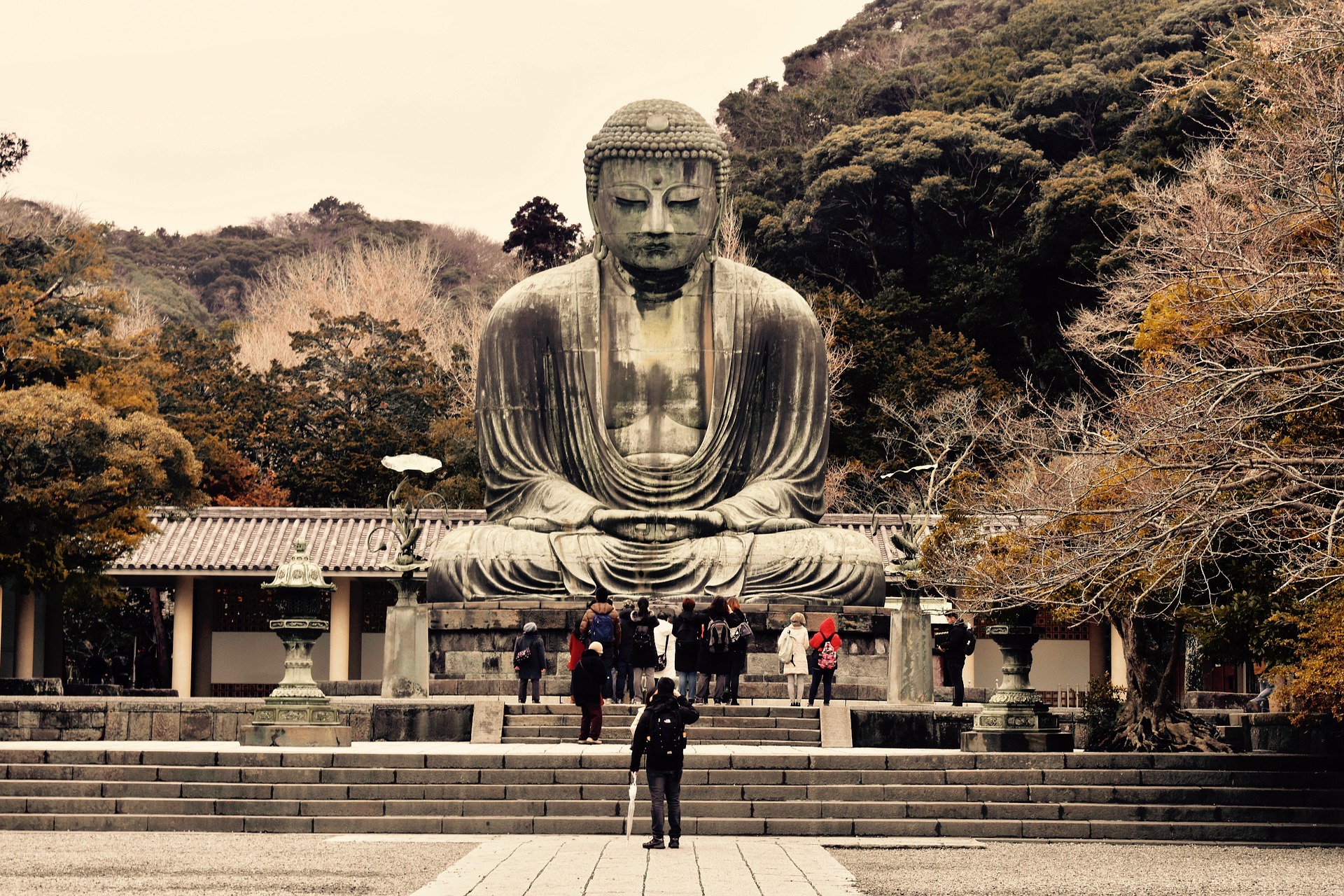
Kamakura & Enoshima: Coastal Vibes and Giant Buddhas
If you’re after a mix of history, chill beach vibes, and an iconic landmark, Kamakura is your spot. It was once Japan’s capital city, so it’s packed with ancient temples and shrines. Pair it with a trip to the nearby island of Enoshima for a full day of coastal exploration.
- Getting There: Super easy! Hop on a JR Yokosuka Line train from Tokyo Station or Shinjuku Station directly to Kamakura Station. It takes about an hour. For Enoshima, you can take a local train from Kamakura or walk.
- What to See & Do:
- Kotoku-in Temple (Great Buddha): This massive bronze statue (Daibutsu) is the star of the show. It’s truly impressive and a must-see.
- Hase-dera Temple: Famous for its eleven-headed Kannon statue and beautiful gardens with ocean views.
- Tsurugaoka Hachimangu Shrine: Kamakura’s most important Shinto shrine, with a grand approach and vibrant atmosphere.
- Komachi-dori Street: A bustling shopping street leading to the main shrine, perfect for grabbing some local specialty snacks.
- Enoshima Island: Connected by a bridge, this island offers sea caves, a botanical garden, an observation tower, and stunning views, especially at sunset. It’s a great place to hike around and enjoy the natural beauty.
- Why it’s great for you: It’s incredibly easy to get to, offers a fantastic blend of culture and nature, and is very walkable. Perfect for a solo traveller looking for a relaxed yet fulfilling day.
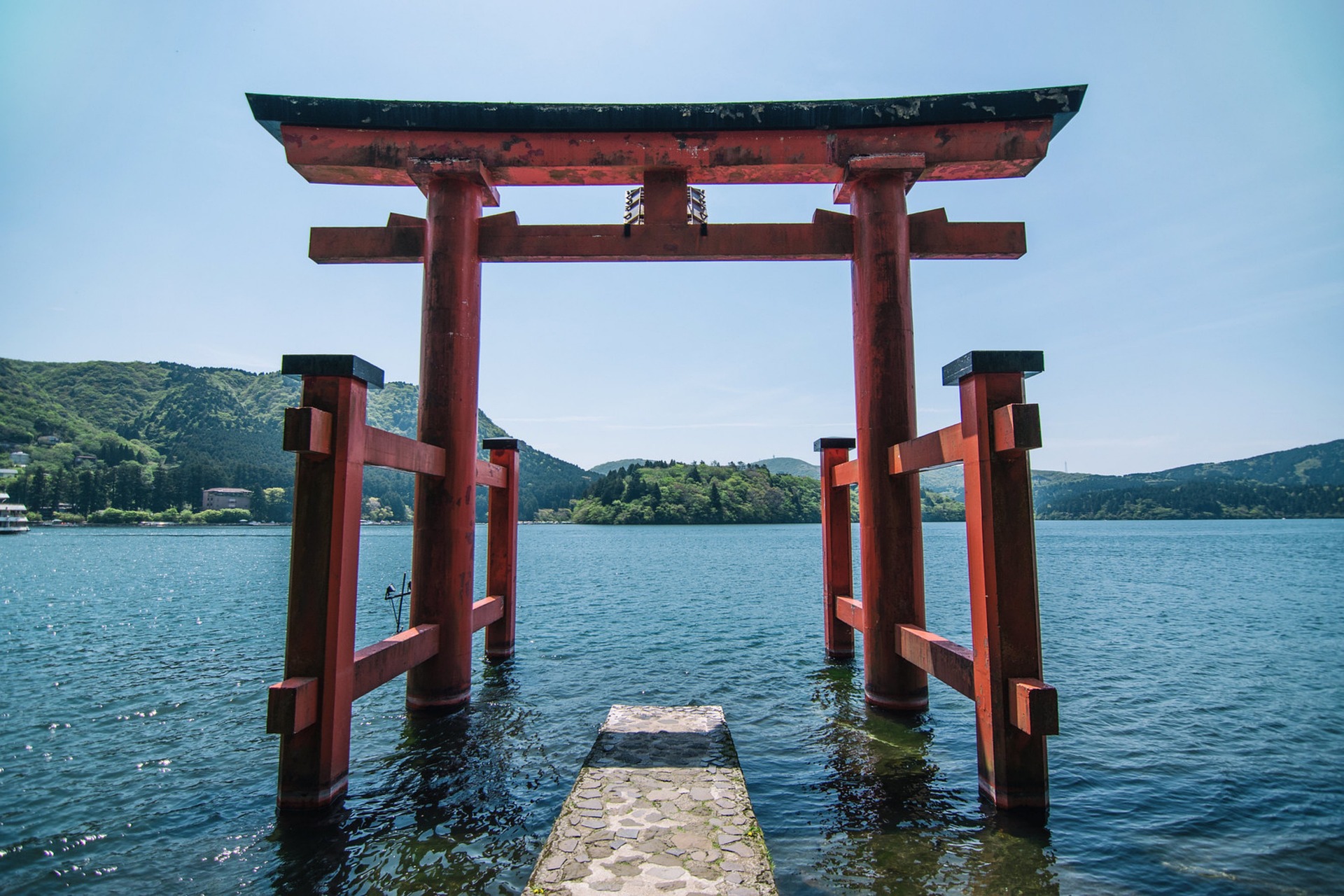
Hakone: Mount Fuji Views and Hot Springs Bliss
Want to see Mount Fuji without the intense hike? Hakone is your answer. This hot-springs town is nestled in the Fuji-Hakone-Izu National Park and offers incredible views of the iconic peak (on a clear day!), along with a unique “loop” of transport options.
- Getting There: Take the Odakyu Romancecar from Shinjuku Station directly to Hakone-Yumoto (about 85 minutes). Or, take a JR Tokaido Line train to Odawara and transfer. Consider getting the Hakone Free Pass, which covers most of your transport within the area.
- What to See & Do:
- Hakone Ropeway: Glide over volcanic valleys with steam vents (Owakudani) and get panoramic views of Mount Fuji and Lake Ashi.
- Lake Ashi (Ashinoko): Take a scenic boat cruise on a pirate ship (yes, really!) across the lake, with Fuji-san in the background.
- Hakone Open-Air Museum: An amazing outdoor sculpture park set against a beautiful natural backdrop.
- Onsen (Hot Springs): Relax in one of the many hot springs. Some ryokans offer day-use passes.
- Hakone Shrine: A beautiful shrine with a famous “torii gate of peace” standing in Lake Ashi.
- Why it’s great for you: It’s a fantastic escape into nature, offers unique transport experiences (ropeway, boat), and the chance to soak in a traditional onsen. It’s a bit more of an investment in terms of time and money than Kamakura, but totally worth it for the views and relaxation.
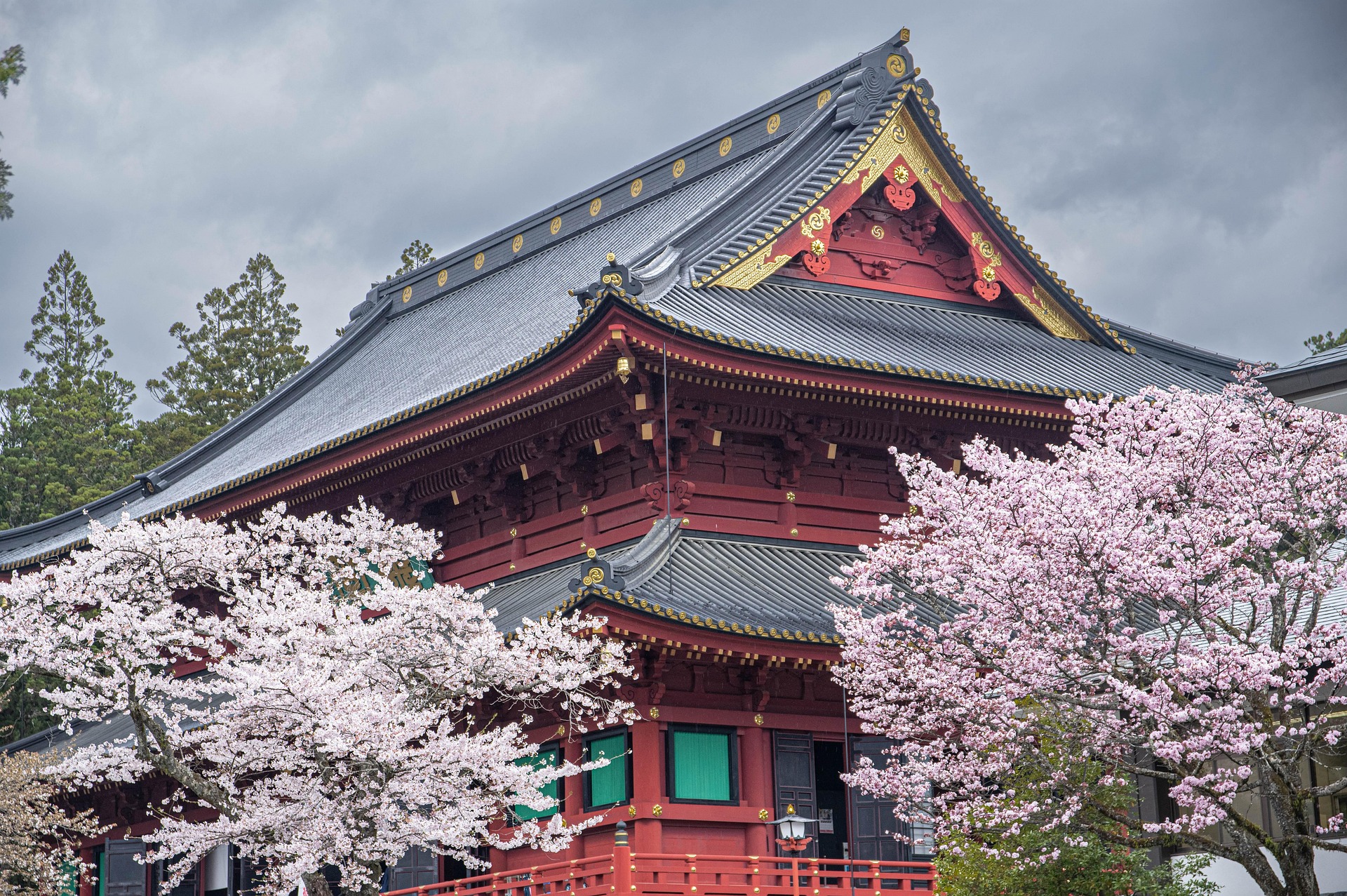
Nikko: Shrines, Temples, and Waterfalls
If you’re a history buff or just love stunning architecture, Nikko is a must-visit. This UNESCO World Heritage site is home to some of Japan’s most ornate and historically significant shrines and temples, set amidst beautiful natural surroundings.
- Getting There: Take the Tobu Nikko Line from Tobu Asakusa Station directly to Tobu Nikko Station (about 2 hours). The Tobu Nikko Pass can save you money on transport and local buses.
- What to See & Do:
- Toshogu Shrine: The elaborate mausoleum of Tokugawa Ieyasu, the founder of the Tokugawa shogunate. It’s incredibly detailed and colourful.
- Futarasan Shrine & Taiyuinbyo: Other significant shrines and temples in the complex, each with its own unique charm.
- Kegon Falls: One of Japan’s most famous waterfalls, a powerful cascade plunging into a gorge. You can take an elevator down for a closer look.
- Lake Chuzenji: A scenic lake formed by a volcanic eruption, offering beautiful views and boat rides.
- Why it’s great for you: It’s a deep dive into Japan’s rich history and spiritual side. The sheer artistry of the shrines is mind-blowing, and the natural beauty of the area provides a refreshing contrast to Tokyo. It’s a full day, so start early!
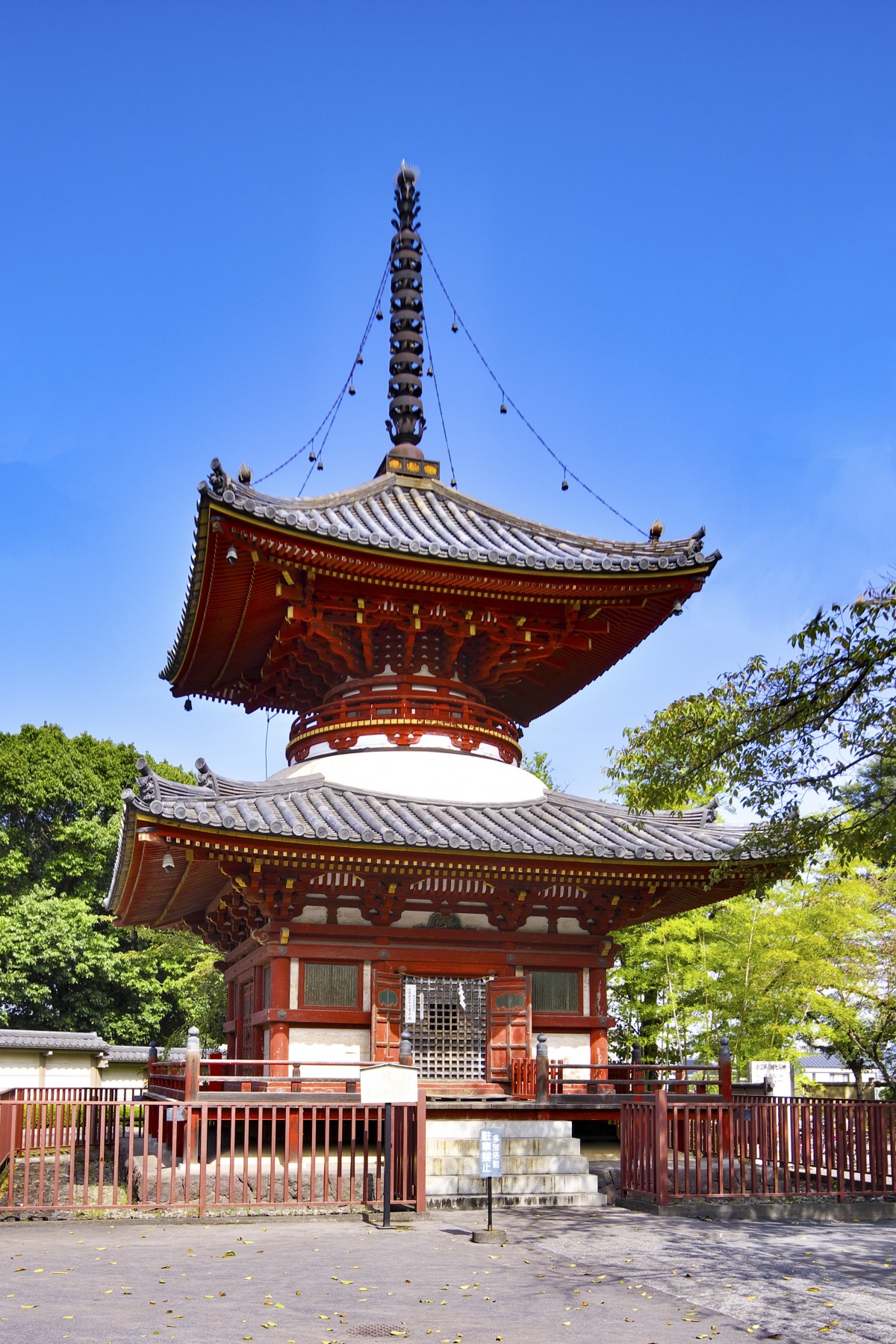
Kawagoe: Step Back in Time to “Little Edo”
Fancy a trip back in time without leaving the Tokyo area? Kawagoe, often called “Little Edo,” is a charming city that retains the atmosphere of the Edo period (1603-1868) with its traditional clay-walled warehouses (Kurazukuri) and nostalgic streets.
- Getting There: Super easy! Take the Tobu Tojo Line from Ikebukuro Station to Kawagoe Station (about 30 minutes).
- What to See & Do:
- Kurazukuri Street: Wander along this picturesque street lined with traditional merchant houses. Many are now shops selling local crafts and snacks.
- Toki no Kane (Bell Tower): An iconic symbol of Kawagoe, this wooden bell tower rings four times a day.
- Kashiya Yokocho (Candy Alley): A narrow alley filled with traditional sweets and snacks – perfect for satisfying your sweet tooth.
- Kawagoe Hikawa Shrine: Known for its matchmaking powers and beautiful wind chimes in summer.
- Why it’s great for you: It’s incredibly convenient for a half-day or full-day trip, offers a unique historical atmosphere, and is perfect for a relaxed stroll and some tasty local specialty treats. It’s one of the easiest day trips from Tokyo.
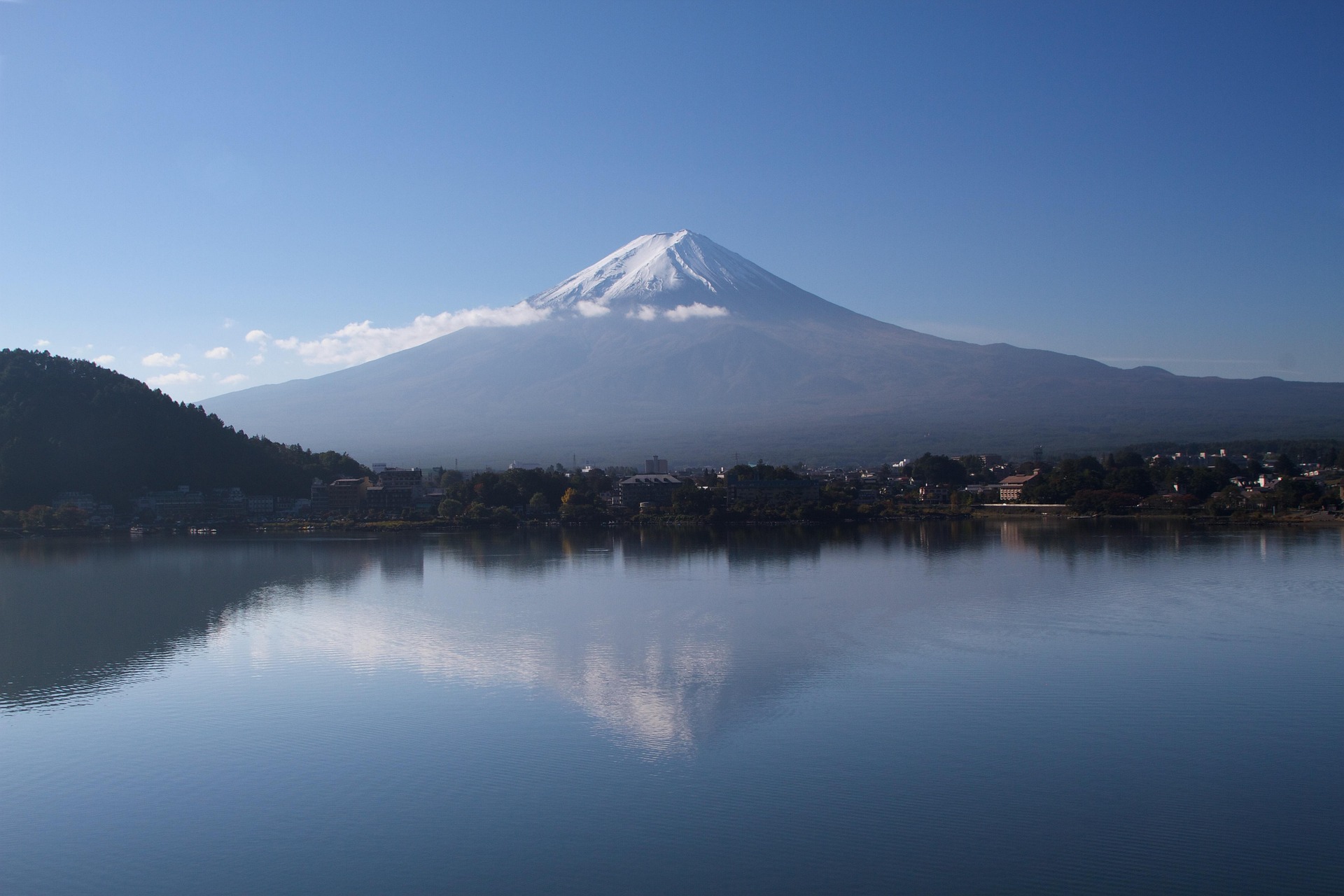
Kawaguchiko: The Best Mount Fuji Views
If seeing Mount Fuji up close is high on your Japan bucket list, then Kawaguchiko is arguably the best place to do it. This town is one of the Fuji Five Lakes region’s most popular spots, offering stunning, unobstructed views of Japan’s most famous mountain.
- Getting There: The most straightforward way is by direct highway bus from Shinjuku Bus Terminal (Busta Shinjuku) to Kawaguchiko Station (about 2 hours). Trains are also an option but often involve transfers and can be slower.
- What to See & Do:
- Lake Kawaguchiko: Rent a boat, cycle around the lake, or just chill by the shore and soak in the views.
- Chureito Pagoda: For that iconic postcard shot of Mount Fuji with a traditional pagoda and cherry blossoms (if you’re there in spring). It’s a bit of a hike up, but totally worth it.
- Mount Fuji Panoramic Ropeway: Take a cable car up to an observation deck for incredible views of the lake and Fuji.
- Hot Springs (Onsen): Many hotels and public baths offer hot springs with Fuji views.
- Fuji-Q Highland: If you’re an adrenaline junkie, this amusement park with record-breaking roller coasters is nearby.
- Why it’s great for you: It’s the ultimate spot for those iconic Mount Fuji photos. It offers a mix of natural beauty and activities, and while it’s a bit further, the direct bus makes it manageable for a day trip. Just remember, Fuji can be shy, so pick a clear day!
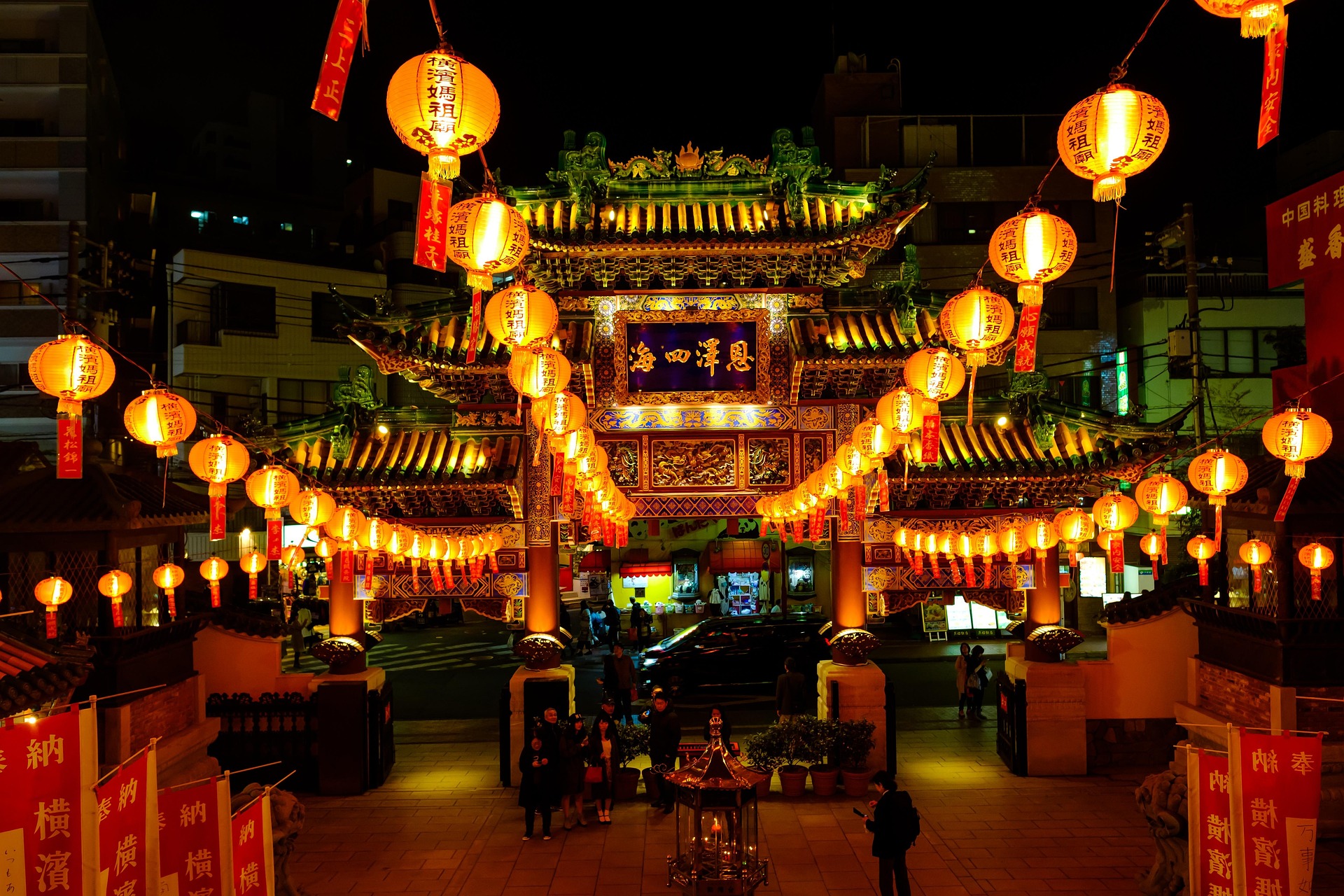
Yokohama: Modern City Vibes and Global Flavours
Looking for a different kind of city experience? Yokohama is Japan’s second-largest city and offers a vibrant, modern atmosphere with a rich international history. It’s super close and easy to reach, making it one of the most convenient day trips from Tokyo.
- Getting There: Take a JR Tokaido Line or JR Shonan-Shinjuku Line train from Tokyo Station or Shinjuku Station directly to Yokohama Station (as little as 25-30 minutes).
- What to See & Do:
- Minato Mirai 21: A futuristic waterfront district with skyscrapers, shopping malls, and attractions like the Cosmo Clock 21 Ferris wheel.
- Yokohama Chinatown: Japan’s largest Chinatown, bursting with colourful gates, delicious food stalls, and lively restaurants. A great place to grab some cheap eats.
- CupNoodles Museum: A quirky and interactive museum where you can learn about instant ramen and even make your own custom cup of noodles.
- Sankeien Garden: A beautiful traditional Japanese garden with historic buildings relocated from other parts of Japan.
- Why it’s great for you: It’s incredibly easy to get to, offers a different urban landscape from Tokyo, and has fantastic food options, especially in Chinatown. Perfect for a relaxed day of exploring and eating.
Karuizawa: Mountain Resort Escape
If you’re visiting in summer and want to escape the Tokyo heat, or in winter for some snowy charm, Karuizawa is a popular mountain resort town. It’s known for its natural beauty, cycling paths, and a massive outlet shopping mall.
- Getting There: Take the Hokuriku Shinkansen (bullet train) from Tokyo Station directly to Karuizawa Station (about 1 hour 10 minutes). This is one of the shortest bullet train day trips from Tokyo that takes you to a completely different environment.
- What to See & Do:
- Karuizawa Prince Shopping Plaza: A huge outdoor outlet mall with hundreds of shops, perfect for some retail therapy.
- Cycling: Rent a bike and explore the scenic paths, including those around Kumoba Pond (Swan Lake).
- Shiraito Falls: A beautiful, wide waterfall where water gently cascades over moss-covered rocks.
- Ginza Street (Old Karuizawa): A charming street with cafes, bakeries, and souvenir shops.
- Why it’s great for you: It offers a refreshing change of pace and climate from Tokyo. It’s great for active travellers who enjoy cycling or hiking, and if you love a good bargain, the outlet mall is a major draw. The Shinkansen makes it a quick and easy journey.
Quick Tips for Solo & Budget Travellers
- Food is Your Friend: Don’t be afraid of convenience stores (konbini) like 7-Eleven, FamilyMart, and Lawson. They have amazing, affordable, and fresh food options (onigiri, bento, sandwiches) perfect for a quick lunch on the go. Supermarkets are also great for cheap snacks.
- Hostels are Home: If you decide to extend a day trip into an overnight stay, Japan has fantastic hostels that are clean, safe, and budget-friendly.
- Stay Connected: Grab a local SIM card or an eSIM before you go. Google Maps and Japan Transit Planner apps will be your lifesavers for navigation.
- Embrace the Walk: Many of these places are best explored on foot. It’s free, healthy, and you’ll discover hidden gems.
Can I Go to Kyoto for a Day from Tokyo?
This is a common question, and while technically possible, it’s generally not recommended for a day trip, especially for budget travellers.
Here’s why:
- Time: A one-way bullet train (Shinkansen) trip from Tokyo to Kyoto takes about 2.5 to 3 hours. That’s 5-6 hours of travel time minimum for a return journey.
- Cost: A return Shinkansen ticket is expensive (around ¥26,000 – ¥28,000, or roughly £140-£150). This will eat up a huge chunk of your budget.
- Experience: Kyoto is packed with incredible temples, shrines, gardens, and districts. Trying to see it all in a few hours is rushing it and won’t do the city justice. You’ll spend more time on the train and rushing between sights than actually enjoying the atmosphere.
Our advice? If Kyoto is on your list (and it should be!), dedicate at least 2-3 full days to explore it properly. It’s a city that deserves your time and attention, not just a quick dash. Save your day trip energy for the closer, equally amazing spots listed above!
🍜 Read more: Where to Eat Tokyo Street Food
FAQ: Day Trips from Tokyo
How far are these day trip destinations from Tokyo?
Most destinations can be reached within 30 minutes to 2 hours by train. For example:
Yokohama: ~30 min
Kawagoe: ~35 min
Kamakura/Enoshima: ~1 hr
Hakone: ~1.5 hrs
Nikko: ~2 hrs
Karuizawa: ~1.5 hrs (via shinkansen)
Kawaguchiko: ~2 hrs (train or bus)
Do I need a JR Pass for these day trips?
A JR Pass can be useful, but not always necessary. Many trips (like Yokohama or Kawagoe) are cheap with local lines. For longer trips (like Nikko or Karuizawa), the JR Pass can save money if combined with other long-distance travel. Regional passes, like the Hakone Free Pass or Nikko Pass, are also great value.
Which day trip is best for seeing Mount Fuji?
Kawaguchiko and Hakone offer some of the best Mt. Fuji views. Kawaguchiko is more direct for iconic lake-and-mountain photos, while Hakone adds hot springs and sightseeing cruises.
Which day trip is best for history and culture?
Nikko: Famous for ornate UNESCO temples and shrines.
Kawagoe: Preserves Edo-period streets and warehouses.
Kamakura: Known for giant Buddha, temples, and samurai history.
What’s the easiest day trip for first-timers?
Yokohama is the simplest—it’s only half an hour away and has a mix of city attractions, Chinatown, and seaside views.
Can I combine multiple destinations in one day?
Yes, if they’re close together. For example:
Kamakura + Enoshima in one day
- Yokohama + Kawagoe is possible if you start early
But for farther spots like Nikko or Kawaguchiko, it’s better to dedicate a full day.
Are these day trips possible year-round?
Yes! Each spot has seasonal highlights:
Spring: Cherry blossoms in Kamakura & Kawagoe
Summer: Lakeside fun in Kawaguchiko & Enoshima
Autumn: Stunning foliage in Nikko & Karuizawa
Winter: Hot springs in Hakone, ski slopes in Karuizawa
Do I need to book tickets in advance?
For shinkansen trips (like Karuizawa), it’s wise to reserve seats during weekends or holidays. For buses to Kawaguchiko or Hakone, booking ahead can save time. Local trips (like Yokohama or Kawagoe) don’t require advance reservations.
Wrapping Up Your Japan Adventure
So there you have it, mate! Tokyo is epic, but Japan’s wonders extend far beyond its city limits. These day trips offer a fantastic way to experience more of the country’s diverse culture, history, and natural beauty without having to constantly pack and unpack. Whether you’re into ancient shrines, stunning mountain views, or just a chill day by the coast, there’s a day trip from Tokyo with your name on it.
Grab your backpack, charge your phone, and get ready to explore some unforgettable places. Happy travels!
Download the Hostelworld app to start booking now


 Get the App.