
Day Trips from Kyoto: Step Back in Time
Alright, you’ve arrived in Kyoto, enjoyed the ancient temples, walked through bamboo groves, and maybe even seen a geisha or two. Kyoto is lively, but there’s more to discover in Japan’s Kansai region, just a short train ride away!
If you’re traveling alone, backpacking on a budget, or love exploring, Kyoto is the perfect base for day trips. It’s central, and the Japan Rail network makes it easy to get around. You don’t need to pack up every few days; just store your things in Kyoto and set off for some great adventures.
Ready to jump into some memorable day trips from Kyoto? Let’s get started!
The Classics: Must-Dos for First-Timers & Easy Access
These are the places everyone recommends, and for good reason! They’re easy to reach, full of cool attractions, and great for experiencing Japan beyond Kyoto.
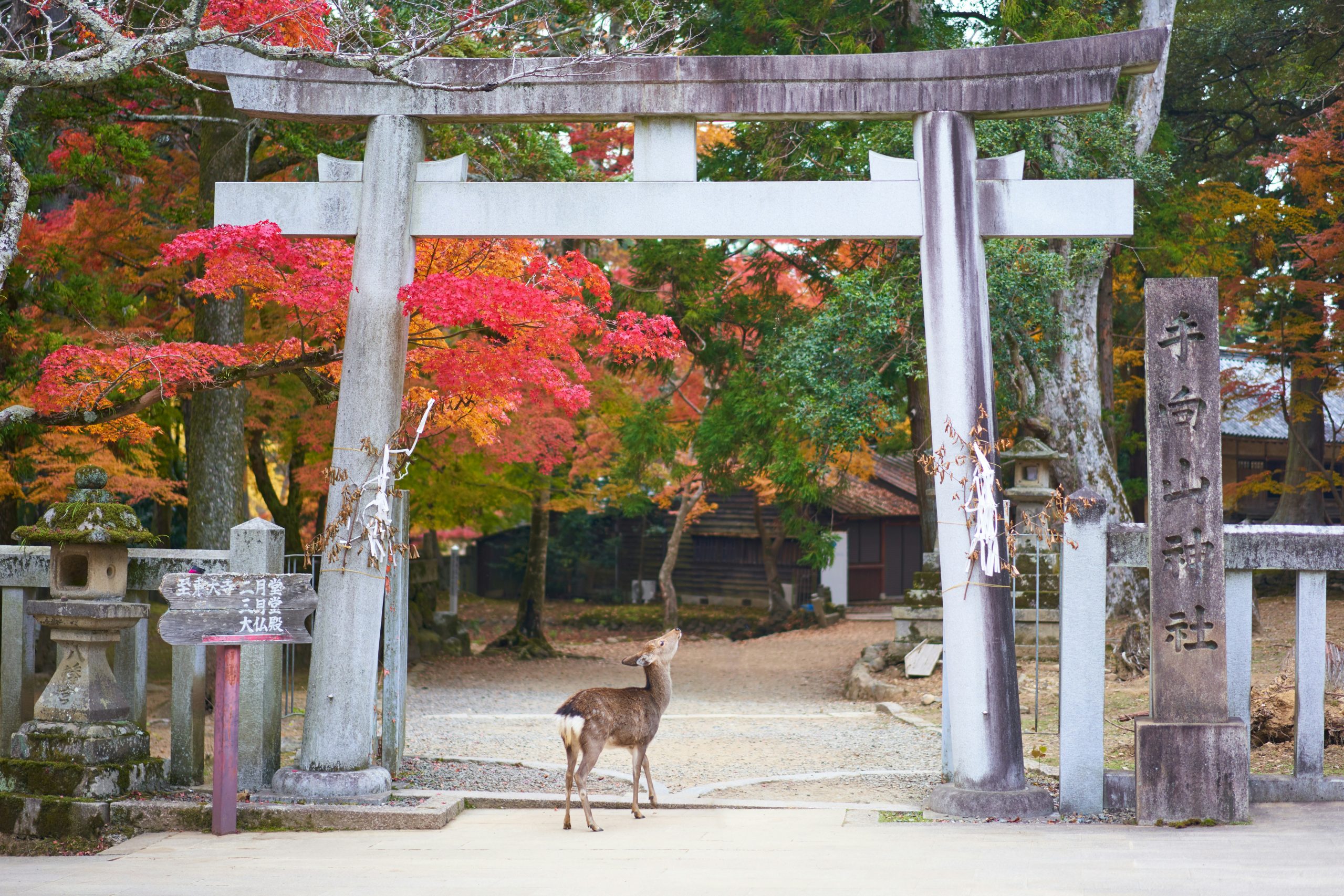
Nara: Deer, Temples & Chill Vibes
Why it’s great: Picture a park where friendly deer wander freely, bowing for crackers, surrounded by ancient temples and shrines. That’s Nara! It’s a UNESCO World Heritage Site and has a fantastic atmosphere.
How to get there: Super simple! Just take the JR Nara Line from Kyoto Station. It’s a direct train that takes about 45-50 minutes. If you have a Japan Rail Pass, it’s included. Even without one, the ticket is quite affordable.
What to do:
- Nara Park: This is where the magic happens. Get some “shika senbei” (deer crackers) from a vendor and make new furry friends. Just be careful, as they can be a bit cheeky!
- Todai-ji Temple: Home to a massive bronze Buddha statue, this wooden temple is one of Japan’s most famous. It’s really impressive. Don’t miss the pillar with a hole at the base—legend says if you squeeze through it, you’ll gain enlightenment!
- Kasuga Taisha Shrine: Walk among thousands of stone and bronze lanterns at this beautiful Shinto shrine. It’s a short walk from Todai-ji, but totally worth it for the peaceful vibe and stunning architecture.
- Isuien Garden: If you’re looking to unwind, this traditional Japanese garden is a perfect getaway. It has a lovely tea house too.
Budget tips: Nara Park is free, and interacting with the deer is the main attraction. There’s an entrance fee for Todai-ji, but you can still admire it from outside. Pack a lunch or grab some cheap street food near the park.
Can you do a day trip to Nara from Kyoto? Absolutely! It’s one of the most popular and easiest day trips. You can easily spend a full day here and return to Kyoto in time for dinner.
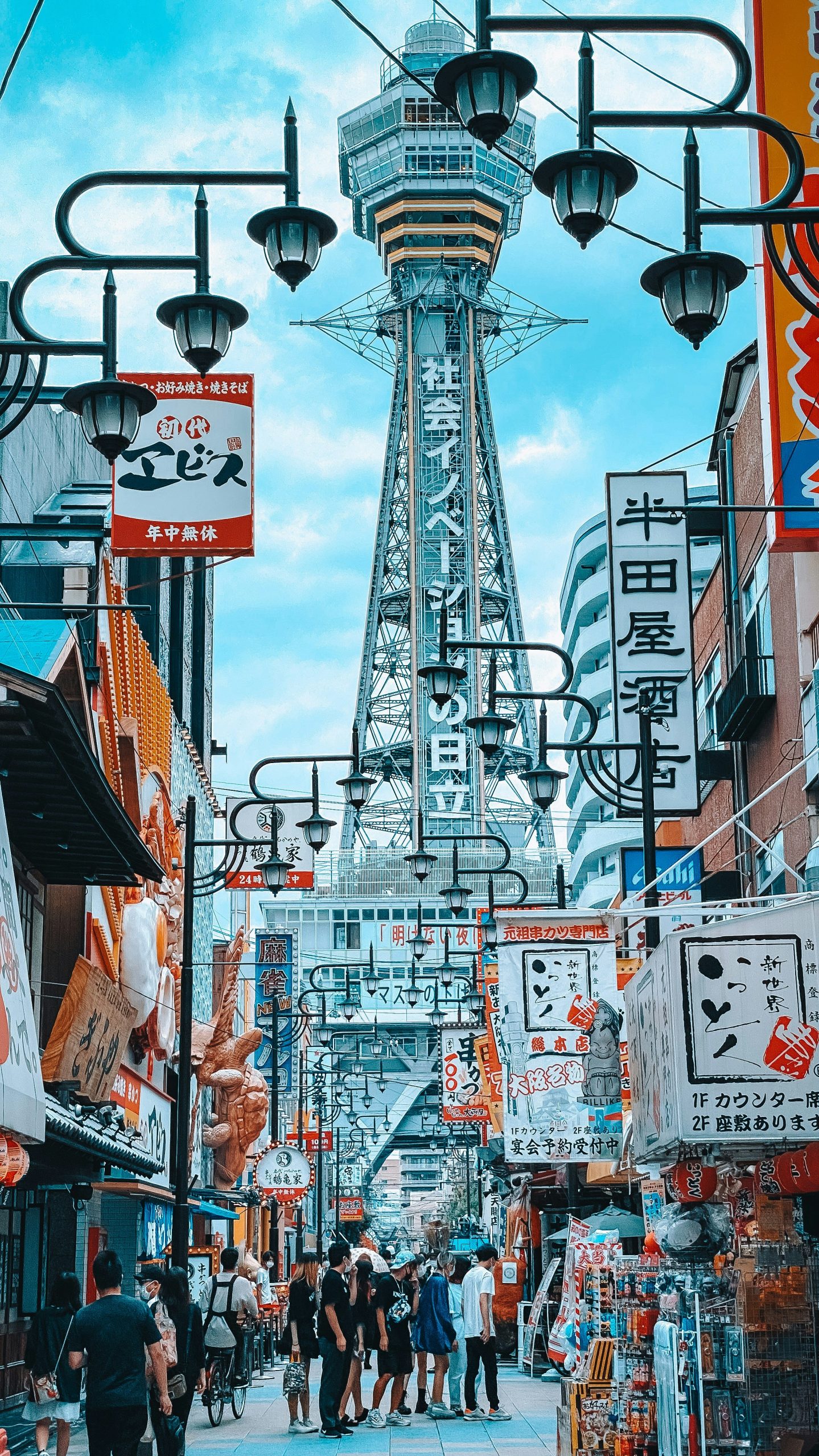
Osaka: Foodie Paradise & City Buzz
Why it’s great: While Kyoto is all about tradition, Osaka is its energetic, neon-lit counterpart. It’s a vibrant city known for its fantastic food scene, lively nightlife, and friendly locals.
How to get there: Even faster than Nara! Take the JR Special Rapid Service (Shin-kaisoku) from Kyoto Station to Shin-Osaka or Osaka Station. The ride is about 30 minutes and covered by the Japan Rail Pass.
What to do:
- Dotonbori: This is the heart of Osaka’s entertainment area. Picture bright neon signs (the Glico Running Man is famous!), street food stalls, quirky shops, and a fun atmosphere. It’s a must-see, especially at night.
- Osaka Castle: A beautiful reconstruction of a historic castle, surrounded by a moat and lovely gardens. You can explore the grounds for free or pay to go inside the museum for great views of the city.
- Shinsekai: Travel back in time in this retro neighborhood, dominated by the Tsutenkaku Tower. It’s got a unique, slightly gritty charm, with many affordable eats and vintage arcades.
- Street Food Safari: Osaka is famous for its “kuidaore” (eat ’til you drop) culture. Try takoyaki (octopus balls), okonomiyaki (savory pancake), kushikatsu (deep-fried skewers), and more!
Budget tips: Osaka is a street food paradise, so you can enjoy great meals without spending much. Many attractions, like the castle grounds, are free to explore. Public transport in Osaka is efficient and affordable.
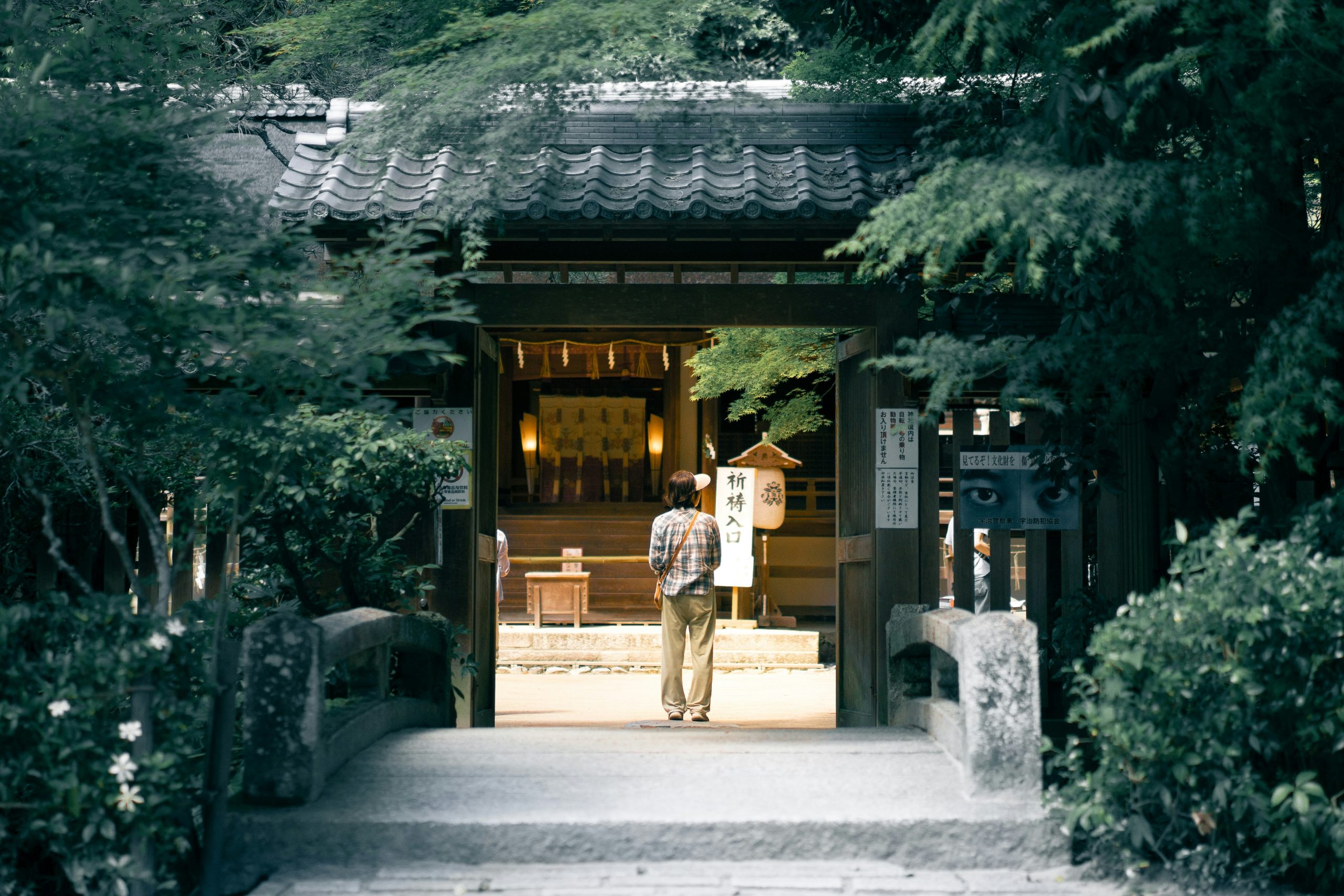
Uji: The Matcha Capital
Why it’s great: If you’re passionate about green tea, Uji is your place. This charming town is famous for its high-quality matcha and has a relaxed, traditional feel. It’s also home to a stunning UNESCO World Heritage Site.
How to get there: Another easy trip on the JR Nara Line from Kyoto Station, taking about 20-30 minutes.
What to do:
- Matcha Overload: This is the highlight! Sample various grades of matcha, try matcha ice cream, matcha soba noodles, matcha mochi—almost everything here is matcha-flavored. Many tea shops offer ceremonies or tastings.
- Byodoin Temple: This beautiful temple, with its iconic Phoenix Hall, is featured on the 10-yen coin. It’s a UNESCO World Heritage Site and incredibly picturesque, especially with its reflection in the pond.
- Ujigami Shrine: One of Japan’s oldest Shinto shrines and also a UNESCO site. It’s a small, peaceful place, perfect for some quiet time.
- Stroll along the Uji River: Take in the scenic views, especially during cherry blossom season or autumn.
Budget tips: You can find affordable matcha treats and drinks. The Byodoin Temple has an entrance fee, but exploring the town and river is free.
Is Uji worth visiting? Definitely, especially if you enjoy green tea or want a more laid-back, traditional Japanese experience away from the Kyoto crowds.
History & Culture Deep Dives: For the Curious Soul
If you’re eager to learn more about Japan’s rich history and amazing architecture, these day trips are perfect for you.
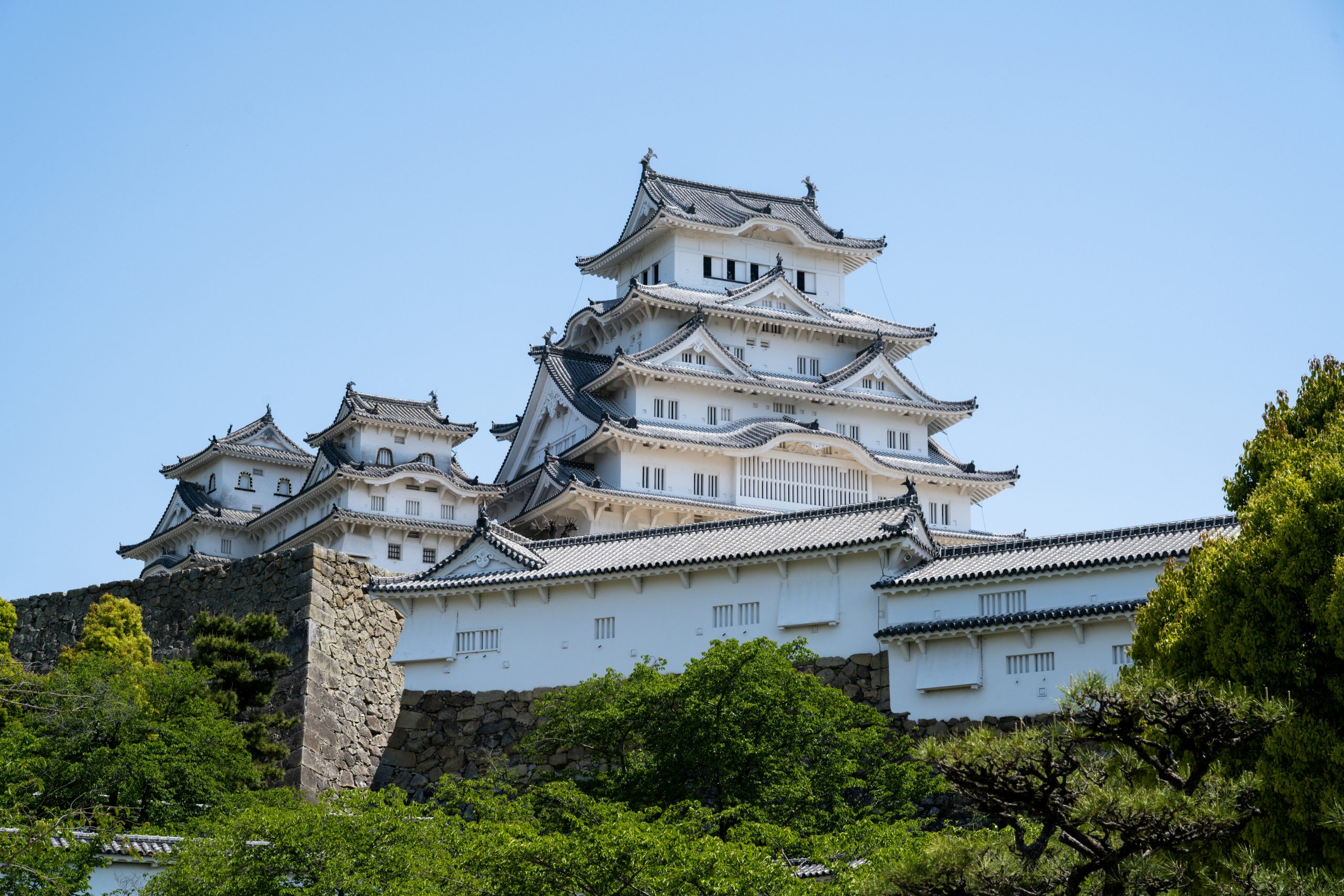
Himeji: Japan’s Most Beautiful Castle
Why it’s great: Himeji Castle is often called Japan’s most beautiful castle, and it’s easy to see why. This UNESCO World Heritage Site is a stunning example of traditional Japanese castle architecture, perfectly preserved and gleaming white.
How to get there: This one requires a Shinkansen (bullet train) ride, but it’s quick! From Kyoto Station, take the Tokaido-Sanyo Shinkansen to Himeji Station. The ride takes about 45 minutes. If you have a Japan Rail Pass, this is a great way to use it.
What to do:
- Himeji Castle: Spend a few hours exploring the castle complex. Climb to the main keep for panoramic views, wander through the various baileys, and admire the intricate defensive structures. It’s an immersive historical experience.
- Koko-en Garden: Located right next to the castle, this traditional Japanese garden is a peaceful retreat. It’s actually nine separate gardens, each with its own unique style. A combined ticket with the castle is often available.
Budget tips: The Shinkansen is the main expense, so a Japan Rail Pass is quite valuable. The castle entrance fee is worth it for the experience. You can pack a lunch or find affordable places to eat near Himeji Station.
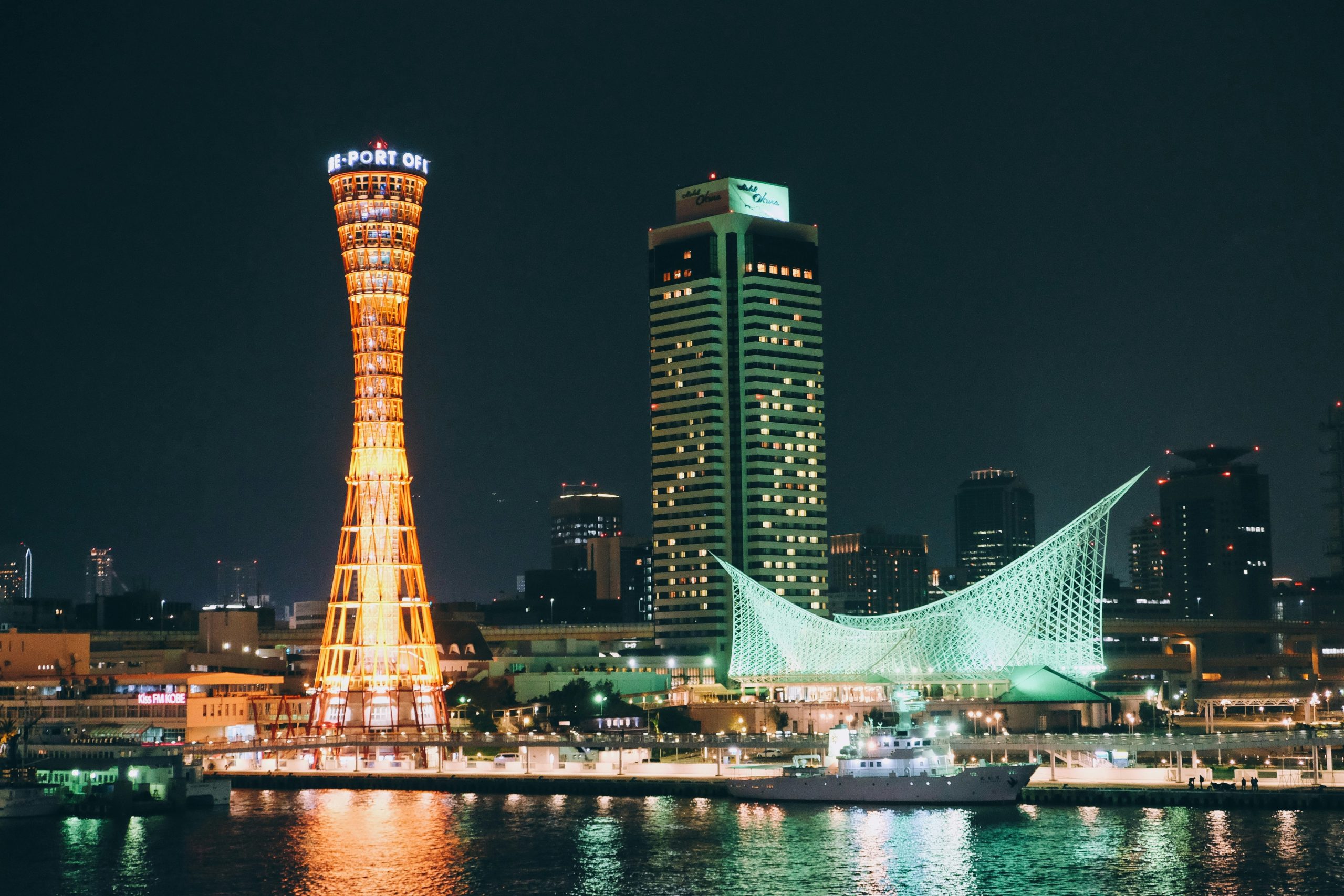
Kobe: Beef, Bays & Beyond
Why it’s great: Kobe is famous worldwide for its delicious beef, but there’s so much more to this cosmopolitan port city. It has a cool, international vibe, stunning harbor views, and a vibrant food scene.
How to get there: Take the JR Special Rapid Service from Kyoto Station to Sannomiya Station (Kobe’s main hub). The ride is about 50 minutes and covered by the Japan Rail Pass.
What to do:
- Eat Kobe Beef: Let’s be honest, this is probably why you’re here! It can be a bit pricey, but many restaurants offer affordable lunch sets. Look for places that display their A5 grade certification.
- Meriken Park & Kobe Port Tower: Walk along the waterfront, admire the modern architecture, and see the iconic red Kobe Port Tower. It’s a great spot for photos and people-watching.
- Kitano-cho: This charming district is filled with Western-style houses (Ijinkan) from the late 19th and early 20th centuries, when Kobe was a major port for foreign trade. It’s a unique contrast to traditional Japan.
- Mount Rokko: For amazing city views, take the Ropeway or cable car up Mount Rokko. There are observation decks, gardens, and even a music box museum there.
Budget tips: While Kobe beef can be expensive, you can find budget-friendly options like Kobe beef ramen or gyudon. Exploring the harbor and Kitano-cho on foot is free.
Nature & Scenic Escapes: For the Chill Vibe Seekers
Need a break from the city hustle? These spots offer stunning natural beauty and a chance to breathe some fresh air.
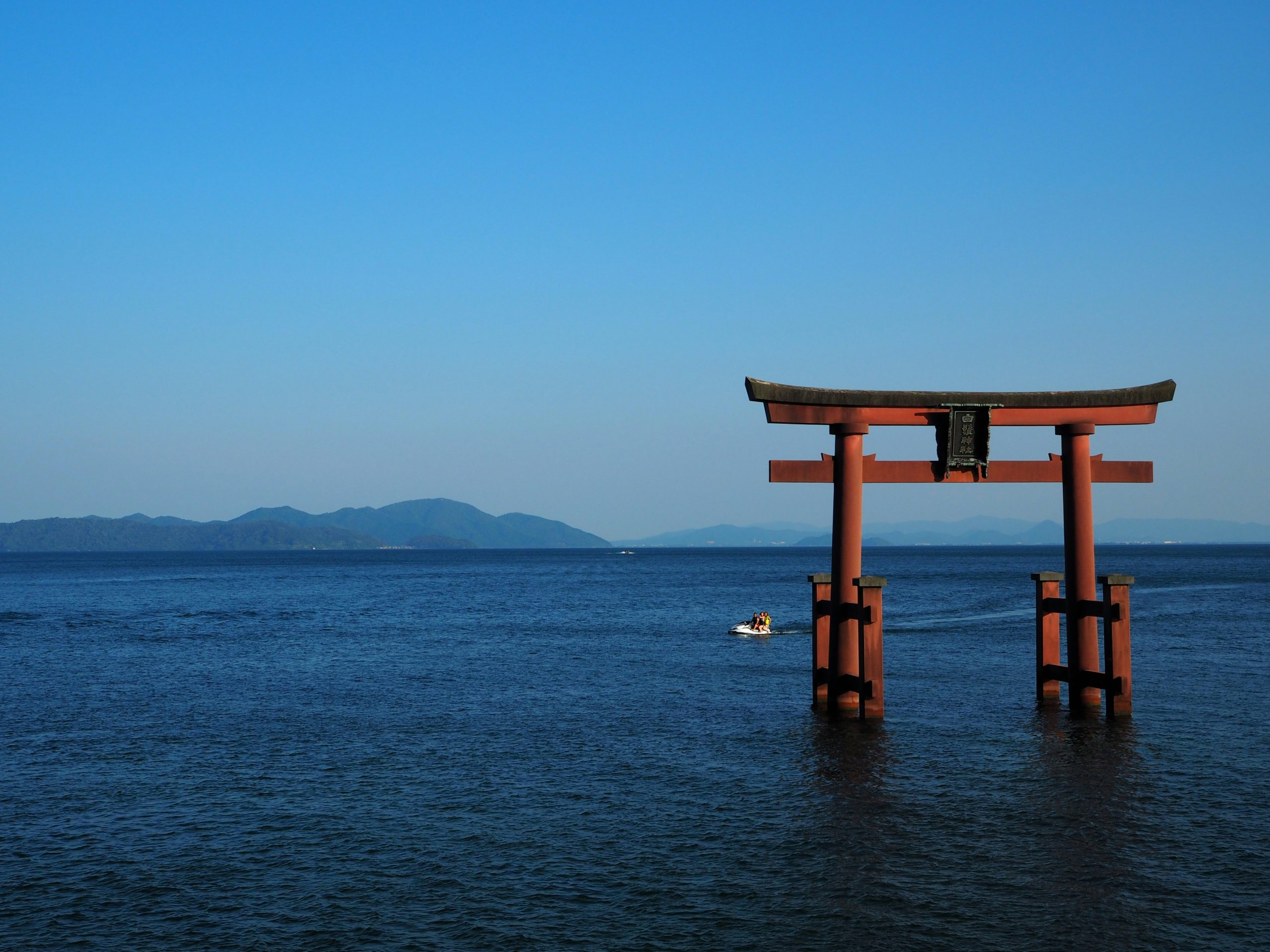
Lake Biwa & Shirahige Shrine: The Floating Torii Gate
Why it’s great: Japan’s largest freshwater lake, Lake Biwa, offers a peaceful escape. Its most famous sight is the Shirahige Shrine, with its iconic torii gate standing majestically in the water, reminiscent of Miyajima but without the crowds.
How to get there: Take the JR Kosei Line from Kyoto Station directly to Omi-Takashima Station (about 45 minutes). From there, it’s a bit of a walk (around 30-40 minutes) or a short taxi ride to the shrine.
What to do:
- Shirahige Shrine: The main attraction! See the beautiful torii gate in the lake, especially stunning at sunrise or sunset. It’s a peaceful and spiritual place.
- Lake Biwa Views: Take in the beauty of the lake. You can find spots for swimming, cycling, or just relaxing by the shore.
- Biwako Valley/Terrace: (Seasonal) If you’re visiting in warmer months, consider going to Biwako Valley for panoramic views from the Biwako Terrace, accessible by ropeway. It’s a bit further north on the lake.
Budget tips: The train fare is reasonable, and the shrine itself is free to enter. Enjoying the lake views costs nothing!

Amanohashidate: The Bridge to Heaven
Why it’s great: This natural land bridge, covered in pine trees, is considered one of Japan’s “Three Scenic Views.” It’s a unique natural wonder, and the traditional way to view it (upside down, between your legs!) adds to the fun.
How to get there: This is a longer day trip, but totally doable. Take a Limited Express train (like the Hashidate or Tango Relay) from Kyoto Station to Amanohashidate Station. The journey takes about 2 hours. This route is usually covered by the Japan Rail Pass.
What to do:
- View from Above: Go up to either Kasamatsu Park (north side) or Amanohashidate View Land (south side) via chairlift or monorail. From here, you can do the “matanozoki”—bend over and look at the sandbar upside down through your legs. It’s said to make the sandbar look like a bridge connecting heaven and earth!
- Walk or Cycle the Sandbar: Take a leisurely stroll or rent a bike to explore the pine-covered sandbar. It’s a peaceful walk with beautiful views of the bay.
- Chie-no-yu Onsen: After all your exploring, relax in a public onsen (hot spring) near the station.
Budget tips: The train fare is the biggest expense. The chairlift/monorail fees are small. Walking or cycling the sandbar is free.
The Long Haul: If You’ve Got a JR Pass & Time
These are bigger day trips that work best if you have a Japan Rail Pass and don’t mind a longer travel day. They offer really significant experiences.
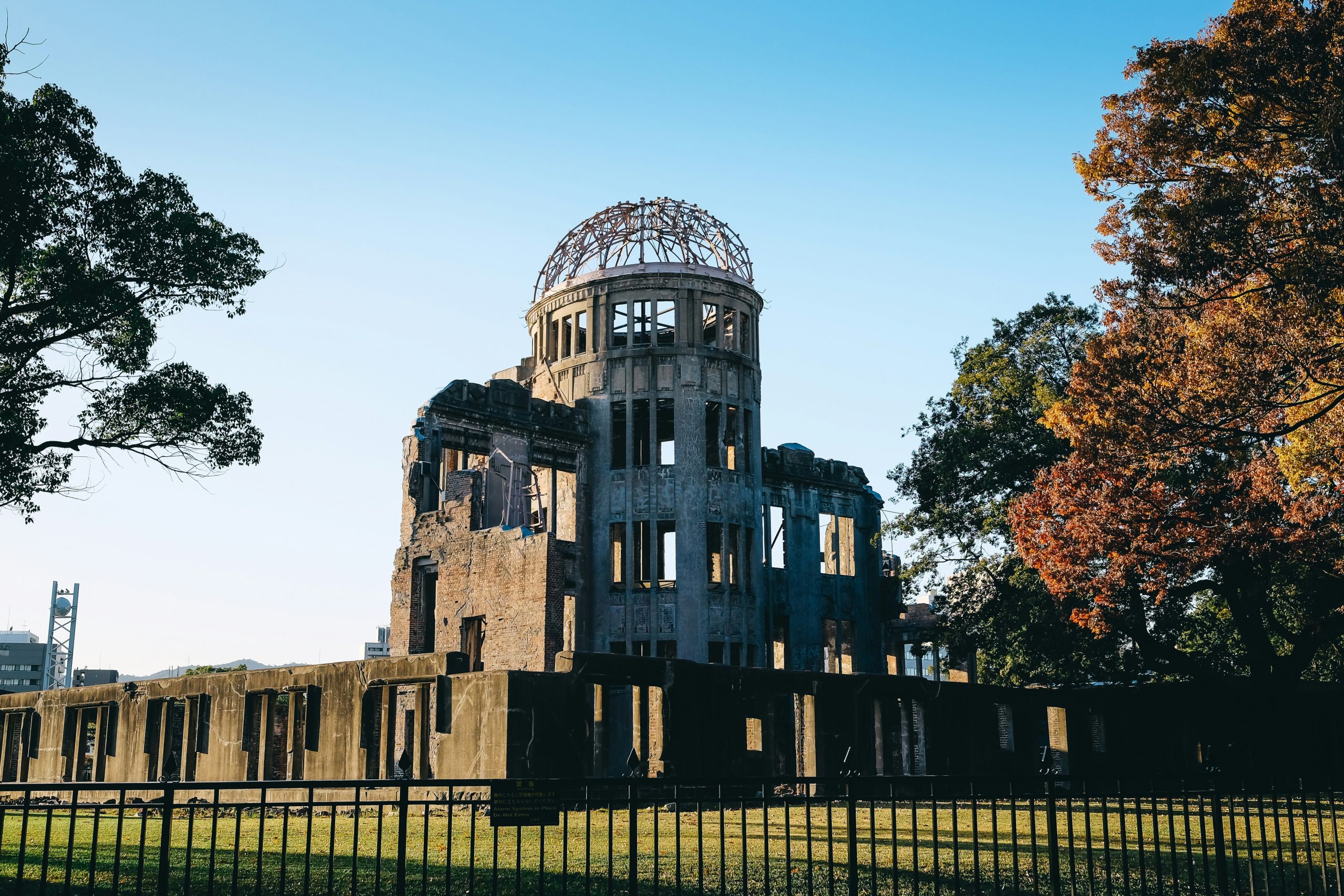
Hiroshima & Miyajima: History & Iconic Beauty
Why it’s great: This day trip is powerful and moving. Hiroshima provides a deep historical experience, while Miyajima offers one of Japan’s most iconic and beautiful sights.
How to get there: This is a Shinkansen journey! From Kyoto Station, take the Tokaido-Sanyo Shinkansen directly to Hiroshima Station (about 1 hour 40 minutes). From Hiroshima, take a local JR train to Miyajimaguchi Station (about 25 minutes), then a short ferry ride to Miyajima Island (about 10 minutes). The ferry is covered by the Japan Rail Pass!
What to do:
- Hiroshima Peace Memorial Park & Museum: A must-visit. The museum is very moving and provides a detailed look at the atomic bombing and its aftermath. The park itself is a spot for reflection, with the Atomic Bomb Dome serving as a stark reminder.
- Itsukushima Shrine (Miyajima): This UNESCO World Heritage Site is famous for its “floating” torii gate, which appears to float on the water at high tide. Explore the shrine, wander through the charming town, and watch for the friendly deer.
- Mount Misen (Miyajima): For amazing views of the Seto Inland Sea, take the ropeway up Mount Misen. There are hiking trails and temples at the top.
Budget tips: A Japan Rail Pass is almost essential for this day trip because of the Shinkansen costs. Once there, the Peace Park is free, and the ferry is covered by the JR Pass. Shrine entrance fees are low.
Is Hiroshima a day trip from Kyoto? Yes, but it makes for a long and full day. You’ll need to start early and be ready for a lot of travel time. It’s definitely worth it for the experience, especially if you have a JR Pass.
Practical Tips for Your Day Trips
Now that you have some great destinations in mind, here are some tips to make your day trips from Kyoto run smoothly, especially for solo travelers on a budget.
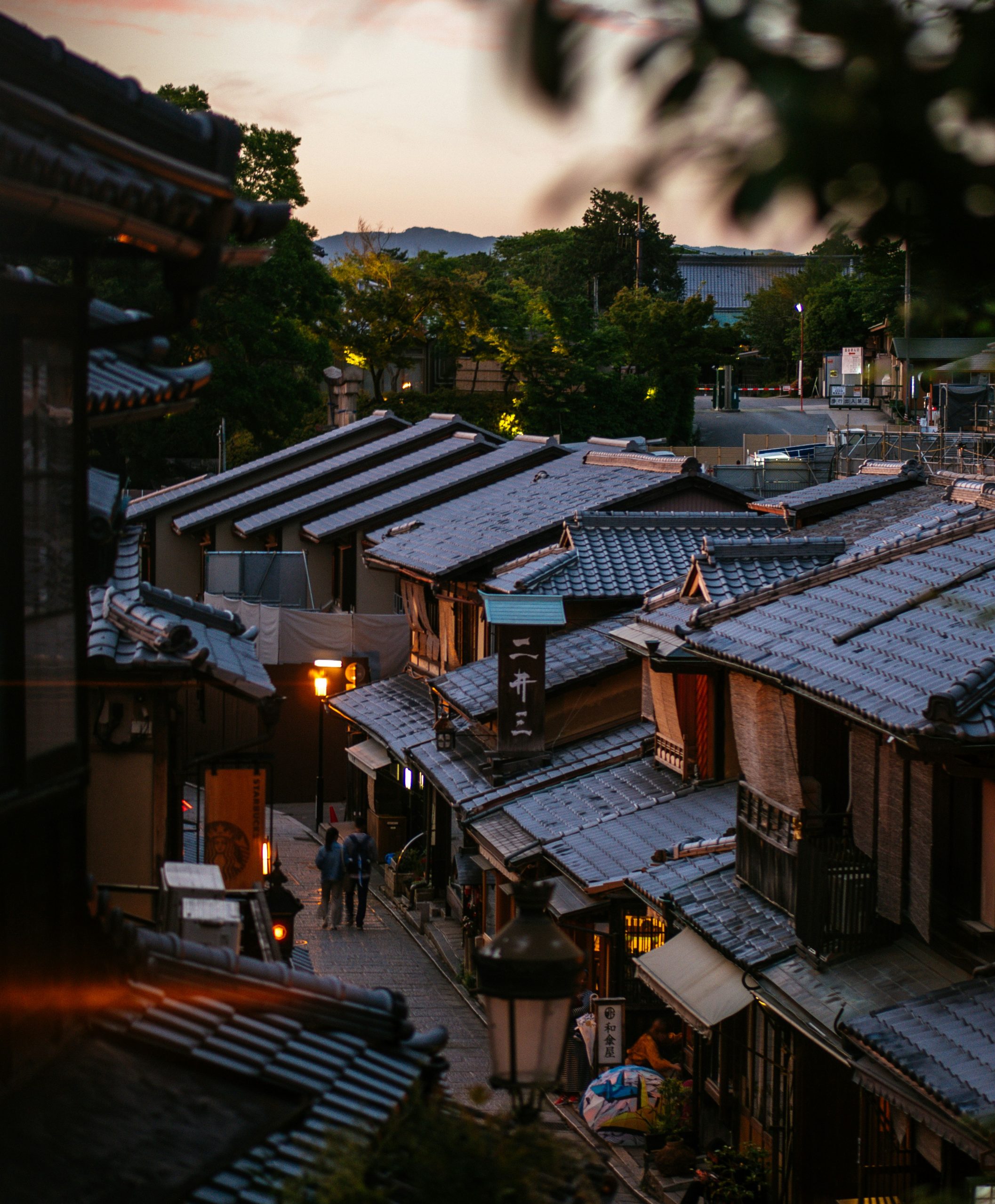
Getting Around: Your Best Friend, Japan Rail
- Japan Rail Pass: If you’re planning multiple long-distance day trips (like Himeji, Hiroshima, or even Amanohashidate), a Japan Rail Pass can save you a lot of money. Do the math before you go!
- IC Cards: Even without a JR Pass, get an ICOCA card (or Pasmo/Suica from other regions). These rechargeable cards make it easy to tap on and off trains and buses, so you won’t need to fumble for cash. You can buy them at Kyoto Station.
- Local Trains vs. Shinkansen: For closer places like Nara, Osaka, or Uji, local JR lines work well and are often quicker than you’d think. For destinations like Himeji or Hiroshima, the Shinkansen is your best choice for speed.
- HyperDia/Google Maps: These apps are great for checking train times, routes, and fares. They’ll tell you exactly which platform to go to and how long it will take.
Budgeting Your Adventures
- Food: Japan has fantastic convenience stores (konbini) like 7-Eleven, FamilyMart, and Lawson. Pick up affordable and tasty bentos, onigiri, and snacks for lunch. Look for local restaurants away from tourist spots for cheaper, authentic meals. Street food in places like Osaka is also a great budget option.
- Entrance Fees: Remember to factor in entrance fees for temples, castles, and museums. Some places offer combo tickets that can save you money. Many outdoor spaces, like Nara Park or castle grounds, are free to explore.
- Free Activities: Take advantage of free activities! Walking around, exploring neighborhoods, visiting parks, and enjoying the scenery are all free and often the most memorable parts of a trip.
- Water: Carry a reusable water bottle. Japan has many public fountains, and you can refill at convenience stores.
Packing Essentials for a Day Out
- Comfy Shoes: You’ll be doing a lot of walking! Good shoes are a must.
- Portable Charger: Your phone will be busy with maps, photos, and translations. Don’t get caught with a dead battery.
- Small Backpack: Bring something light to carry your essentials, snacks, and any souvenirs.
- Layers: Japanese weather can be unpredictable, so layers are your friend, especially if you’re heading to higher elevations or traveling between seasons.
- Cash: While cards are accepted in many places, smaller shops, street food stalls, and some temples might only take cash.
Timing is Everything
- Start Early: To make the most of your day, aim to be on the first train out. This helps you avoid crowds and gives you more time to explore.
- Check Opening Hours: Temples and attractions often close earlier than you might think, especially in winter.
- Avoid Peak Times: Weekends and public holidays can mean bigger crowds and fuller trains. If you can, plan your day trips for weekdays.
Is Kyoto a Good Base for Day Trips? How Many Days is Enough?
Definitely, Kyoto is a great base for day trips! Its central location in the Kansai region, along with Japan’s efficient train network, makes it easy to explore a wide range of destinations without constantly changing places to stay. You can wake up in Kyoto, have an amazing adventure, and be back in your bed by nightfall.
As for how many days is enough in Kyoto itself, it really depends on your travel style. For a good taste of the city’s main sights, you’d want at least 3-4 full days. This allows you to explore different areas like Arashiyama, Higashiyama, and central Kyoto without feeling rushed. If you’re eager to dive deeper, find hidden gems, or just soak in the atmosphere, 5-7 days in Kyoto would be even better.
Once you’ve got a good feel for Kyoto, adding a few day trips is a perfect way to extend your Japanese adventure, see more of the country, and make the most of your time in the Kansai region.
Ready to Explore Beyond Kyoto?
So there you have it, a list of amazing day trips from Kyoto, perfect for the adventurous solo traveler on a budget. From the deer of Nara to the food delights of Osaka, the matcha magic of Uji, or the historical grandeur of Himeji, there’s a day trip for every vibe.
Kyoto might be your home base, but the rest of Japan is calling! Grab your Japan Rail Pass, pack your comfy shoes, and get ready to explore. You’re in for some unforgettable adventures!
Download the Hostelworld app to start booking now


FAQ: Day Trips from Kyoto
🍣 Can I do Osaka as a day trip from Kyoto?
Yes. Osaka is just 30 minutes away by train and offers neon-lit nightlife, Osaka Castle, Dotonbori’s street food scene, and retro districts like Shinsekai.
🍵 Is Uji worth visiting from Kyoto?
Absolutely. Uji is 20–30 minutes away and is Japan’s matcha capital. Highlights include Byodoin Temple, Ujigami Shrine, and endless green tea treats.
🏯 What castle can I visit on a day trip from Kyoto?
Himeji Castle is the top choice. Just 45 minutes by Shinkansen, it’s Japan’s most beautiful and best-preserved castle, with nearby Koko-en Garden.
🐂 Why visit Kobe on a day trip from Kyoto?
Kobe is about 50 minutes away and offers world-famous Kobe beef, a scenic harbor, the historic Kitano district, and great views from Mount Rokko.
🌊 Can I see a floating torii gate near Kyoto?
Yes. Visit Shirahige Shrine on Lake Biwa (45 minutes by train). Its torii gate stands in the water, similar to Miyajima but with fewer crowds.
🌲 What’s the most scenic nature day trip from Kyoto?
Amanohashidate, known as one of Japan’s “Three Scenic Views,” is about 2 hours away. You can walk or cycle the pine-covered sandbar and enjoy views from parks on both sides.
🕊️ Is Hiroshima a day trip from Kyoto?
Yes, if you start early. The Shinkansen takes 1 hour 40 minutes, making it possible to visit Hiroshima’s Peace Memorial Park and nearby Miyajima’s floating torii in a single long day. A Japan Rail Pass makes this affordable.
🚆 Do I need a Japan Rail Pass for day trips from Kyoto?
Not for short trips like Nara, Uji, or Osaka. But for longer trips (Himeji, Hiroshima, Amanohashidate), a JR Pass can save you significant money on Shinkansen fares.
💸 What are the cheapest day trips from Kyoto?
Nara, Uji, and Osaka are the most budget-friendly. They’re quick train rides with low fares and plenty of free or inexpensive attractions.
🎒 Are day trips from Kyoto good for solo travelers?
Yes. Japan is very safe, trains are reliable, and most destinations are compact and easy to explore on foot. Solo travelers can also join walking tours or food tours in cities like Osaka or Nara.
🌸 What’s the best season for day trips from Kyoto?
Spring and autumn are ideal for cherry blossoms and colorful foliage in Nara, Uji, and Amanohashidate. Summer is great for Lake Biwa or Kobe’s harbor. Winter is quieter but still good for castles and cities.
🕐 How long do day trips from Kyoto take?
Nearby trips like Nara, Uji, or Osaka take half a day to a full day (30–60 minutes each way). Longer trips like Himeji or Kobe take a full day (45–60 minutes each way). Hiroshima or Amanohashidate take 2+ hours each way and require an early start.


 Get the App.