
Hidden Gems In Dubai
Dreaming beyond Dubai’s gleaming skyscrapers? While the Burj Khalifa and Atlantis get all the glory, Dubai is packed with off-the-beaten-track treasures. Imagine wandering a quiet old quarter in the shadow of the Creek, spotting flamingos in city wetlands, or picnicking by a heart-shaped desert lake. These hidden gems in Dubai let backpackers experience the city like a local – exploring nature, culture and street life away from the tourist crowds. Each spot below comes with tips on where it is, how to get there, what to do, and budget-savvy hacks. Let’s dive into Dubai’s best-kept secrets!
1. Al Fahidi Historical Neighbourhood – Old Dubai’s Cultural Time Capsule
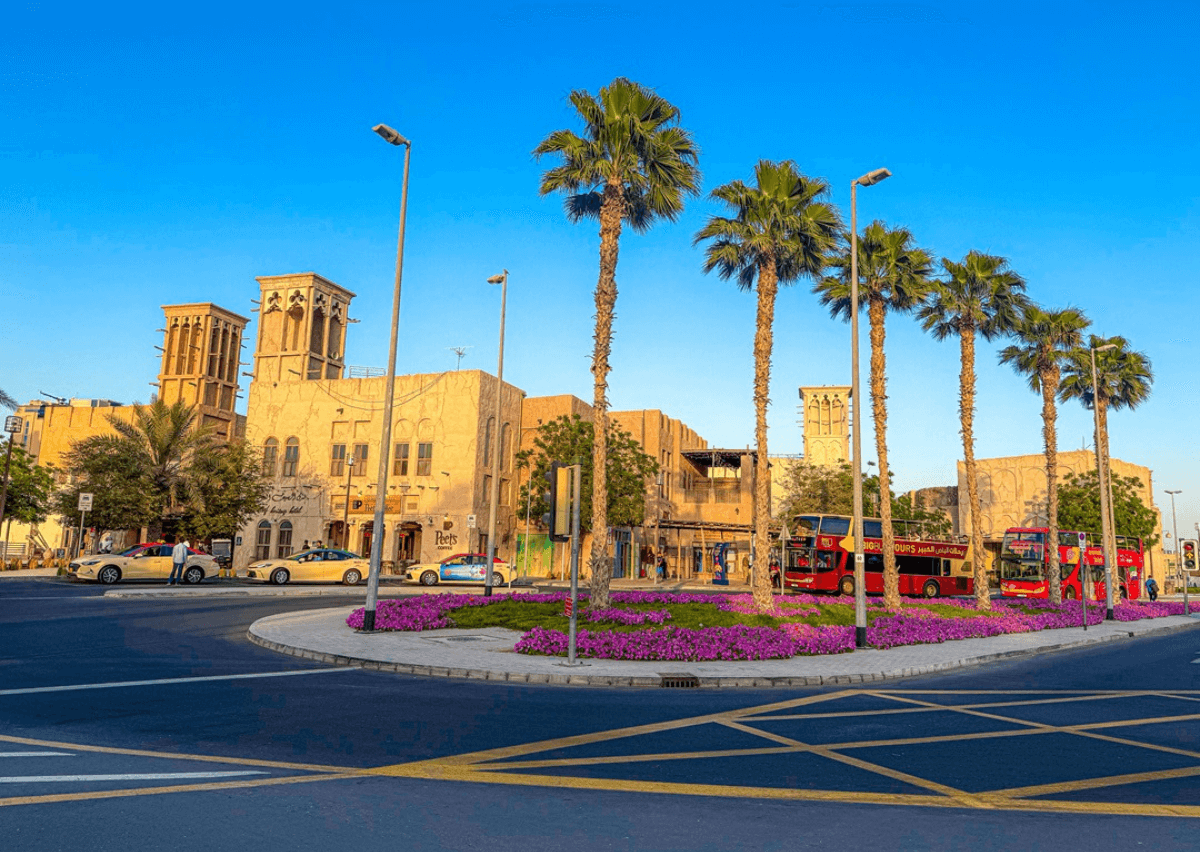
Nestled along Dubai Creek in Bur Dubai, Al Fahidi (formerly Al Bastakiya) is a historic district of narrow wind-tower lanes and art-filled courtyard houses. It’s like stepping back in time: think sun-warmed adobe walls, the scent of oud from local cafés, and the gentle hum of daily life in a Persian-era settlement. Here you’ll find traditional Emirati houses restored as galleries and museums – a corner of real Dubai away from the malls. Wander the maze of alleys (nearly free to explore), sip Arabic coffee at an art gallery café, and absorb stories of ancient merchants who once called this place home.
Location
Bur Dubai, near Dubai Creek (south of the Dubai Museum and Fort).
How to Get There
Take the Dubai Metro (Green Line) to Al Fahidi Station and walk east, or Al Ghubaiba Station and cross the Creek by abra. Taxis and buses can drop you nearby (ask for Al Fahidi Metro or Dubai Museum).
Things to Do
-
Coffee Museum & Sheik Mohammed Centre: Visit the quirky Dubai Coffee Museum inside a Bastakiya villa and join a cultural discussion at the nearby Sheikh Mohammed Centre (traditional dress-ups and tea).
-
Al Fahidi Fort (Dubai Museum): Explore this 18th-century fort to see old Dubai artifacts.
-
XVA & Gallery Café: Enjoy art and architecture at the XVA Gallery and Café, a cool Emirati-run spot with lane-side tables.
-
Street Art Stroll: Admire colourful murals and hidden sculptures tucked in the lanes – a living open-air gallery.
Budget Tip
Wandering Al Bastakiya is free. Many galleries and cafes here are low-cost or donation-based. Bring your own water and try local snacks (a fresh salami sandwich in Al Fahidi for ~10 AED). Dress modestly (loose clothing) and you’ll blend right in like a local!
2. Dubai Creek & Souks – Traditional Abra Rides and Spice Markets
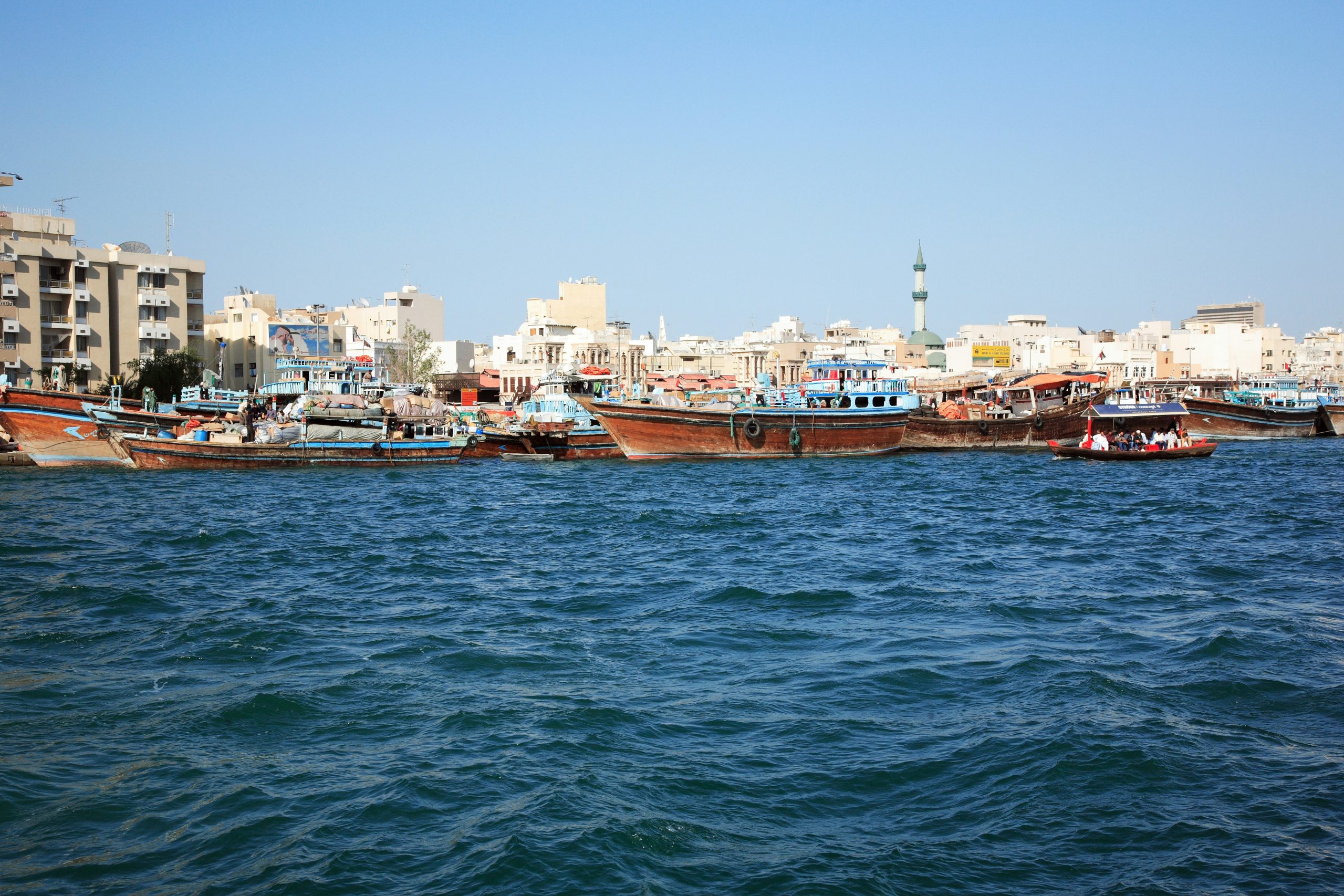
Dubai Creek is a historic waterway that splits old Dubai into Deira and Bur Dubai, flanked by bustling souks. Hop on an abra (traditional wooden boat) for under 1 AED (~$0.27) and glide across the tranquil creek under morning light. The ride offers a glimpse of both ancient and modern Dubai – wind-tower houses give way to distant skyscrapers. At the docks, you’ll find the aromatic Spice Souk and glittering Gold Souk, where bargain hunting is an adventure. Wander their narrow lanes bursting with saffron piles, dates and gold trinkets like a local.
Location
Between Deira (north) and Bur Dubai (south) along Dubai Creek. Major docks are at Al Sabkha (Bur Dubai side) and Deira Old Souk (Al Ras).
How to Get There
Take Metro Green Line to Al Fahidi or Al Ghubaiba (Bur Dubai side), or Red Line to Union/Al Rigga for Deira side, then taxi or walk. The abra docks are signposted on both shores.
Things to Do
-
Abra Ride: Cross Dubai Creek in a wooden boat for ~1 AED – a quick, scenic trip with minaret and skyline views.
-
Spice Souk: Sniff and sample exotic spices, nuts and sweets. Bargain for souvenirs (spices are cheap and packable!).
-
Gold Souk: Gaze at stunning gold jewelry. Even if you don’t buy, it’s free to browse the blinding displays.
-
Al Fahidi Bridge: Walk or take another abra to see Bur Dubai’s historic buildings like Al Shindagha and textile markets on the other side.
Budget Tip
Abra boats are super cheap and running frequently (as cheap as catching a city bus). Skip pricey tourist traps – eat like a Dubai worker at Al Fahidi’s local cafés or a Deira hole-in-the-wall and you’ll spend only a few AED for a filling meal. Walking around the creek and souks costs nothing – just carry small bills for snacks and tips.
3. Al Bastakiya (Bastakia) Quarter – Art & Heritage in Bastakiya
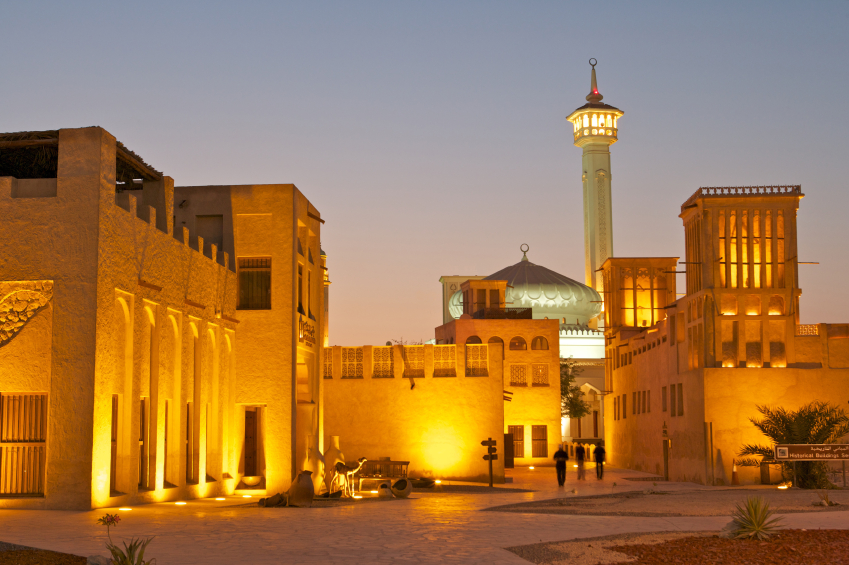
(An extension of Al Fahidi, Bastakia Quarter is a hidden treasure of art and history.) Here, the same ancient lanes are lined with vibrant street art and tiny galleries. Charming muraled walls and creative coffee spots pop up around every corner. This old quarter feels like an open-air art exhibition – from intricate Arabic calligraphy designs on walls to color-splashed murals telling stories of old Dubai. Sit at an outdoor café under wind towers and chat with artists, or simply snap photos of the galleries around you. Bastakia blends the authentic Dubai of the past with a cool modern bohemian vibe.
Location
Actually part of Al Fahidi Historical Neighbourhood (Bur Dubai), near Dubai Museum.
How to Get There
Same as Al Fahidi. Walk from Al Fahidi Metro or Abra dock. Look for the “Al Bastakiya” sign at Marbad St near Al Fahidi Fort.
Things to Do
-
Art Galleries: Pop into independent galleries like Majlis Al Secretan or the Pour Homme shop (of Azzedine Alaïa fame) to see contemporary Arab art.
-
Street Art: Wander freely and admire the colorful murals and hanging art pieces. It’s a hidden photo-booth around every corner.
-
Heritage Village: Check out the small Heritage Village museum and old wind-towered house interiors to imagine life in Dubai 100 years ago.
-
XVA Cafe: Enjoy a bean-to-cup coffee or herbal tea at XVA Cafe (artsy courtyard spot).
Budget Tip
It’s free to stroll Bastakia. The local cafés offer cheap snacks (try the fig cake at XVA). If you buy art, haggle a bit – some pieces are unique and artisanal. Don’t forget the coffee museum entry (inside Al Fahidi Fort) is free – sip on Arabic coffee served with dates for cultural insight.
4. Alserkal Avenue – Dubai’s Hip Art Factory
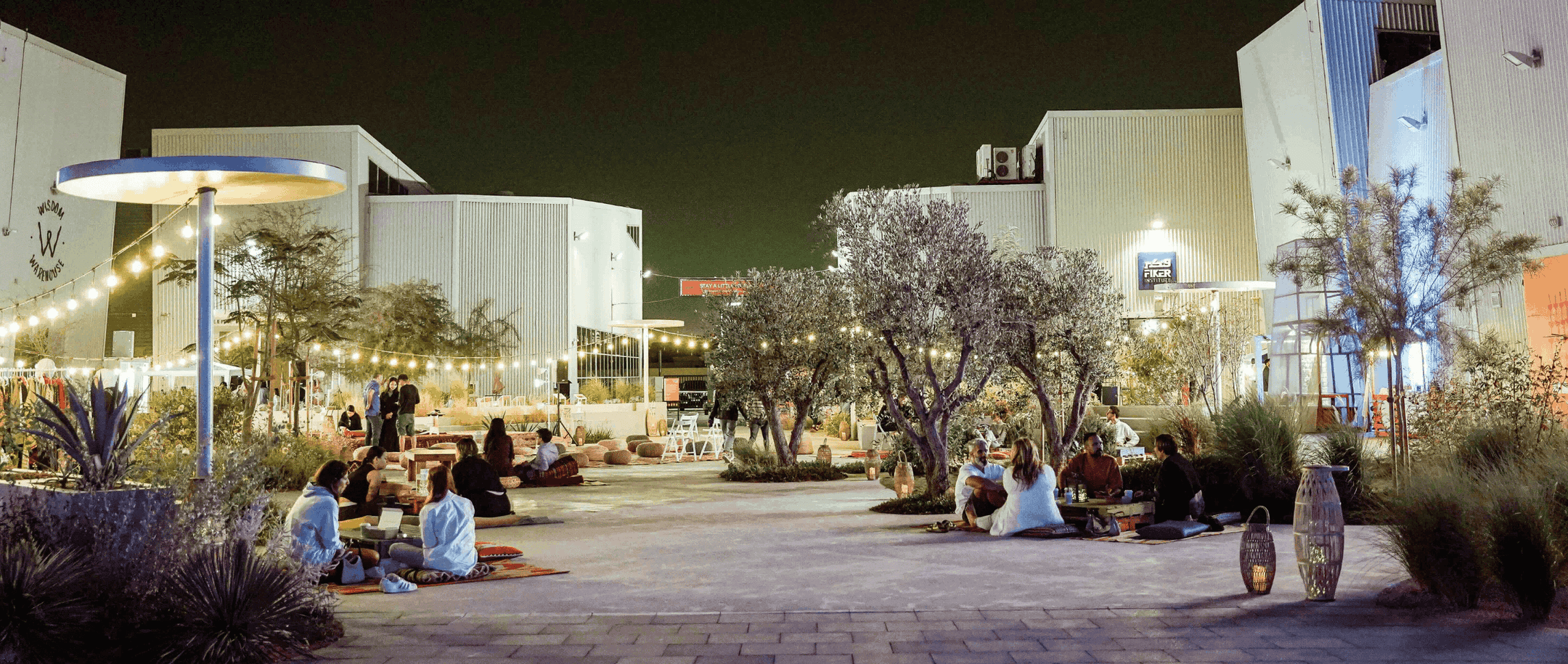
Deep in the industrial district of Al Quoz lies Alserkal Avenue, a creative playground of warehouse galleries, studios, and indie cinemas. This once-forgotten quarter of factories has been reborn as the city’s arts hub. Inside stark modern halls you’ll find cutting-edge exhibitions of local and international art, photography and design – many run by young Emirati and expat artists. Between gallery-hopping, grab a smoothie bowl at Wild & The Moon or check out a vinyl night at Vinyl & Propaganda. Weekly events like outdoor movie nights, poetry readings or craft markets make Alserkal a lively hangout.
Location
Al Quoz 1, near the old Dubai Gas Factory (northwest Dubai, off Al Khail Road).
How to Get There
No direct metro: take a bus (for example Bus 361 from Business Bay Station) to Alserkal Ave. Taxis/Uber are easiest (about 20–30 AED from downtown).
Things to Do
-
Gallery Crawl: Explore Leila Heller Gallery, Opera Gallery, Ayyam or Defacíto. Many are open late on Thursdays or during art season.
-
Eco Cafés: Relax at lifestyle cafes like Common Grounds or Wild & The Moon for healthy eats.
-
Events: Check Alserkal’s calendar for festivals, fashion pop-ups or the rotating “Block Party” cultural events.
-
Watch Films: Catch an indie film at Cinema Akil or an art-house series if they’re running.
Budget Tip
Gallery exhibitions are mostly free to enter. Workshop events often have low fees (a few dozen AED) or suggested donations. Bring a refillable bottle – drinking water is free at public fountains between buildings.
5. Hatta Dam & Pools – Mountain Oasis Adventure
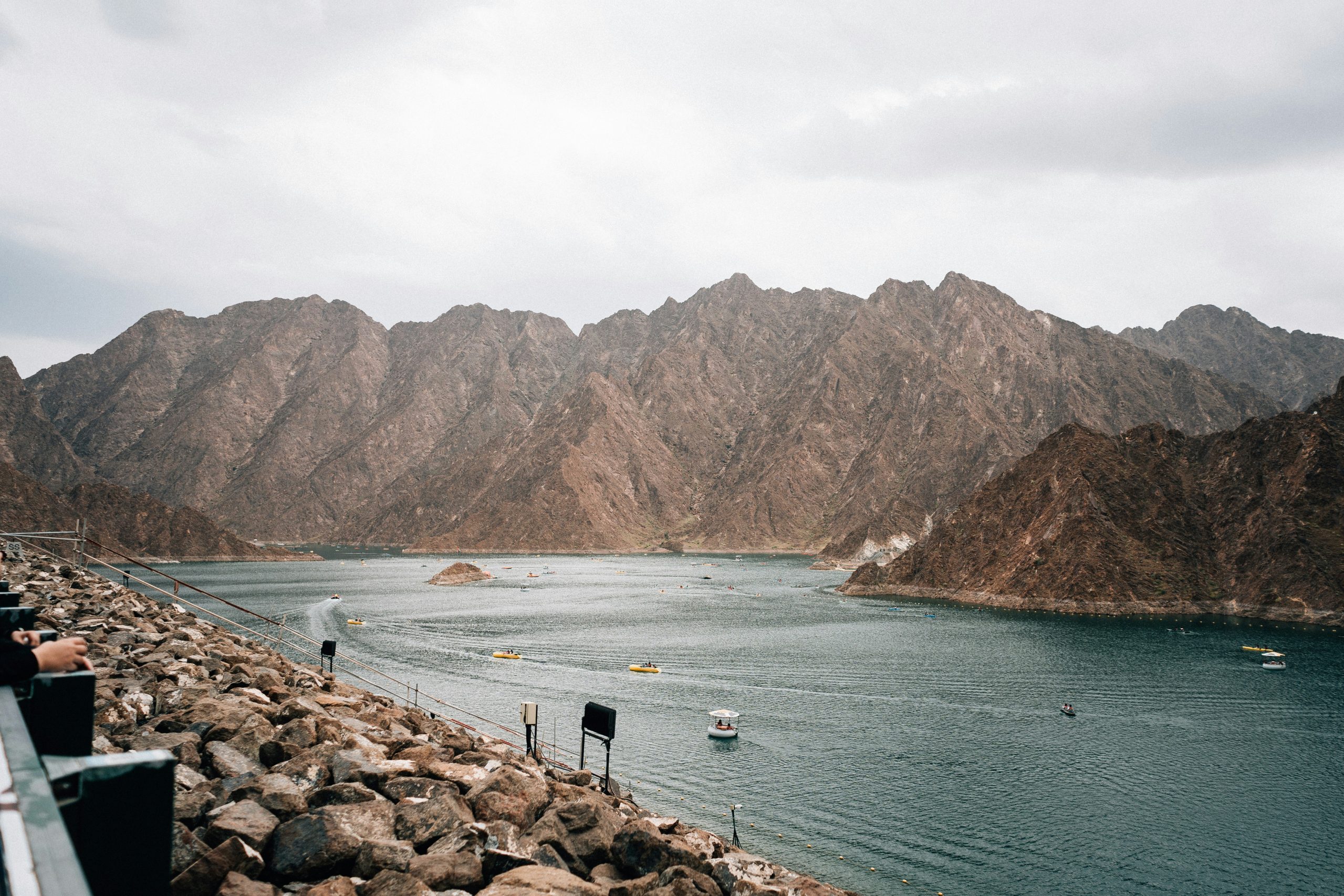
Escape the city heat by driving 2 hours southeast to Hatta in the Hajar Mountains (part of Dubai emirate). You’ll be rewarded with cool, turquoise dams and secret mountain pools. The scenery here couldn’t be more different – rugged red cliffs frame a still lake where you can swim or kayak in crystal-clear water. Hiking trails crisscross the hillsides, from easy walks around Hatta Dam to tougher climbs up ridges with panoramic views. Cyclists and climbers love it too. Don’t miss tiny Hatta Heritage Village nearby (a traditional village museum) for a taste of rural Emirati life.
Location
Hatta village, about 134 km from Dubai city, near the Oman border.
How to Get There
The easiest way is by car or organized tour. (A public bus runs from Al Sabkha Bus Station in Dubai to Hatta weekly, but times are limited.) The drive is scenic along the Dubai-Hatta highway (E44).
Things to Do
-
Hatta Dam: Rent a kayak or paddle boat and glide on the emerald lake. Swimming from the shore is allowed.
-
Hiking: Trek the Hatta Wadi, a natural waterfall and rock-pool (about 45 min hike, summer splash!).
-
Mountain Biking: Try one of the marked bike trails with rental shops in town.
-
Heritage Village: Wander the adobe huts and old mosque of Hatta Heritage Village (small entry fee) for a glimpse of traditional life.
Budget Tip
The dam and hiking trails are free to use. Kayak rentals are modest (around 50–75 AED for 1–2 hours). Bring snacks and plenty of water (shops are few), and visit in cooler months (winter/spring) to avoid the intense summer sun.
6. Jumeirah Mosque – White Marble Sanctuary & Cultural Tours

Standing proud on Jumeirah Beach Road, the elegant white Jumeirah Mosque is one of Dubai’s most photogenic landmarks and a bridge between cultures. Unlike most mosques in the UAE, it warmly welcomes non-Muslim visitors on its famous “Open Doors, Open Minds” guided tours. Join a tour to learn about Islamic architecture and Emirati traditions firsthand – your guide will explain how the mosque’s geometric designs are symbolic and even demonstrate ritual practices. (With your admission you’ll be treated to mint tea and dates in the air-conditioned majlis.) Even if you skip the tour, the mosque’s floodlit façade at sunset is a sight to behold.
Location
Umm Suqeim, on Jumeirah Beach Road near the Burj Al Arab (West of Mall of the Emirates).
How to Get There
Bus 8 from Dubai Marina or Mall of the Emirates goes along Jumeirah Rd (bus stop: “School After”). Otherwise, take the Red Line metro to Mall of the Emirates and a short taxi ride.
Things to Do
-
Guided Tour: Check the Sheikh Mohammed Centre for Cultural Understanding schedule. Tours (Saturdays–Thursdays) cost AED 45 and include refreshments. Enjoy learning about Quranic art, prayer rituals, and Emirati culture.
-
Photography: Snap photos of the mosque’s twin minarets and lace-like carvings (from the outside for free).
-
Nearby Walk: Stroll along the adjacent Jumeirah Beach (public access) after your visit.
Budget Tip
Visiting the mosque is very low-cost: AED 45 includes the guided tour, a cool drink and dates. Dress conservatively (women cover head, shoulders and knees – scarves are often provided) to be allowed inside the women’s section. Go early (first tour at 10:00 AM) or late afternoon for cooler weather.
7. Dubai Opera Garden – Secret Park with Burj Views
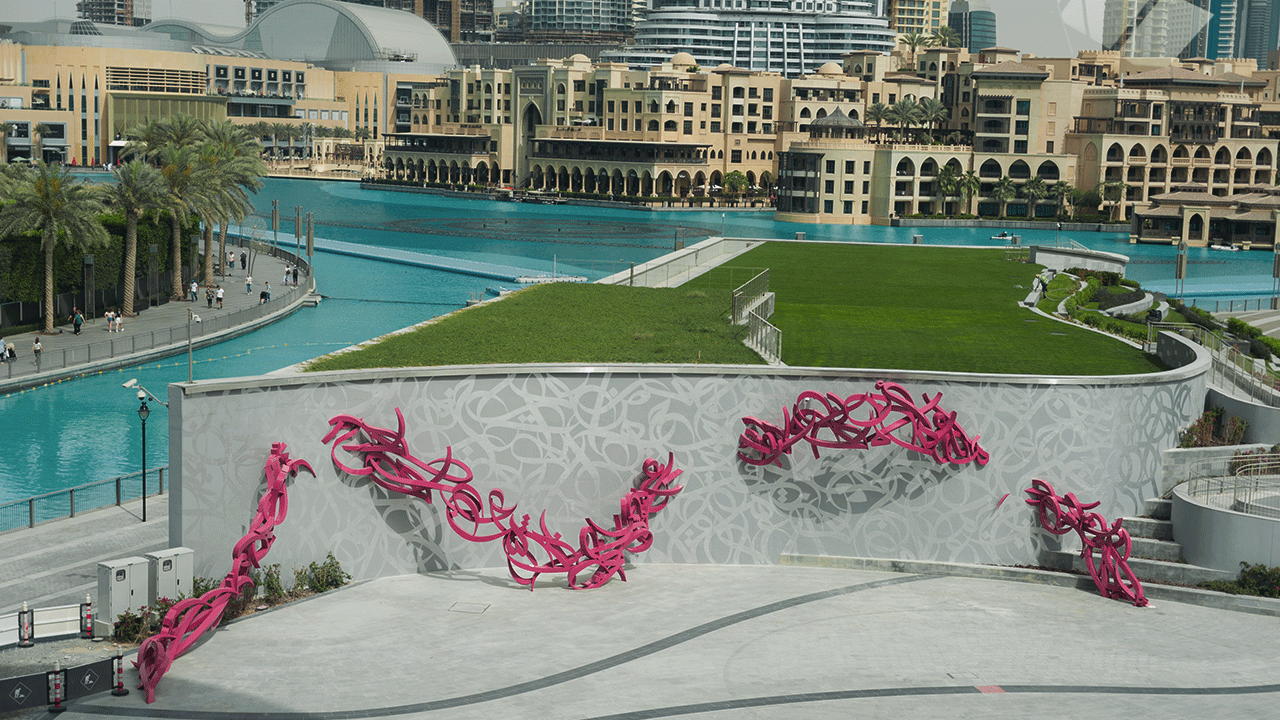
Tucked behind Dubai Opera in Downtown is the tranquil Opera Garden – a lush green space you might walk past without noticing. Surrounded by water and framed by the iconic Burj Khalifa skyline, it feels like a hidden city retreat. During the day it’s a peaceful spot for reading or napping on the lawn; at night it comes alive with music under the stars when concerts and cultural events are held. (Keep an eye on Dubai Opera’s calendar – they sometimes host free or low-cost outdoor shows here.) Even if no event is on, you can enjoy the Dubai Fountain show from these gardens without the usual crowds.
Location
Downtown Dubai, behind Dubai Opera House (within Opera District, overlooking the Dubai Fountain and Burj Khalifa).
How to Get There
Nearest metro: Burj Khalifa/Dubai Mall (red line), then walk along the Opera Plaza. Also served by various Downtown bus routes. Paid parking is available at Dubai Opera.
Things to Do
-
Relaxation: Spread out a mat and relax on the grassy terraces with a view of the Burj and fountain. Great spot for sunrise or sunset.
-
Events: Check if there’s an Opera Nights or open-air concert – sometimes they show performances or movie screenings outdoors.
-
Fountain Views: Watch the Dubai Fountain show (waters + lights) from across the lake – quieter than the promenade by the mall.
-
Photography: Capture selfies with the Burj in the background from the wooden decks – the perspective is unique and uncrowded.
Budget Tip
Opera Garden is free to enter. If you want snacks or coffee, skip the pricey Opera cafés – bring your own picnic or grab something from a nearby bakery. (Alcohol is not sold outdoors in public areas, so treat this like a public park.) A small umbrella is handy if you stay through the sunny hours.
8. Hidden Culinary Delights – Flavors of Old Dubai
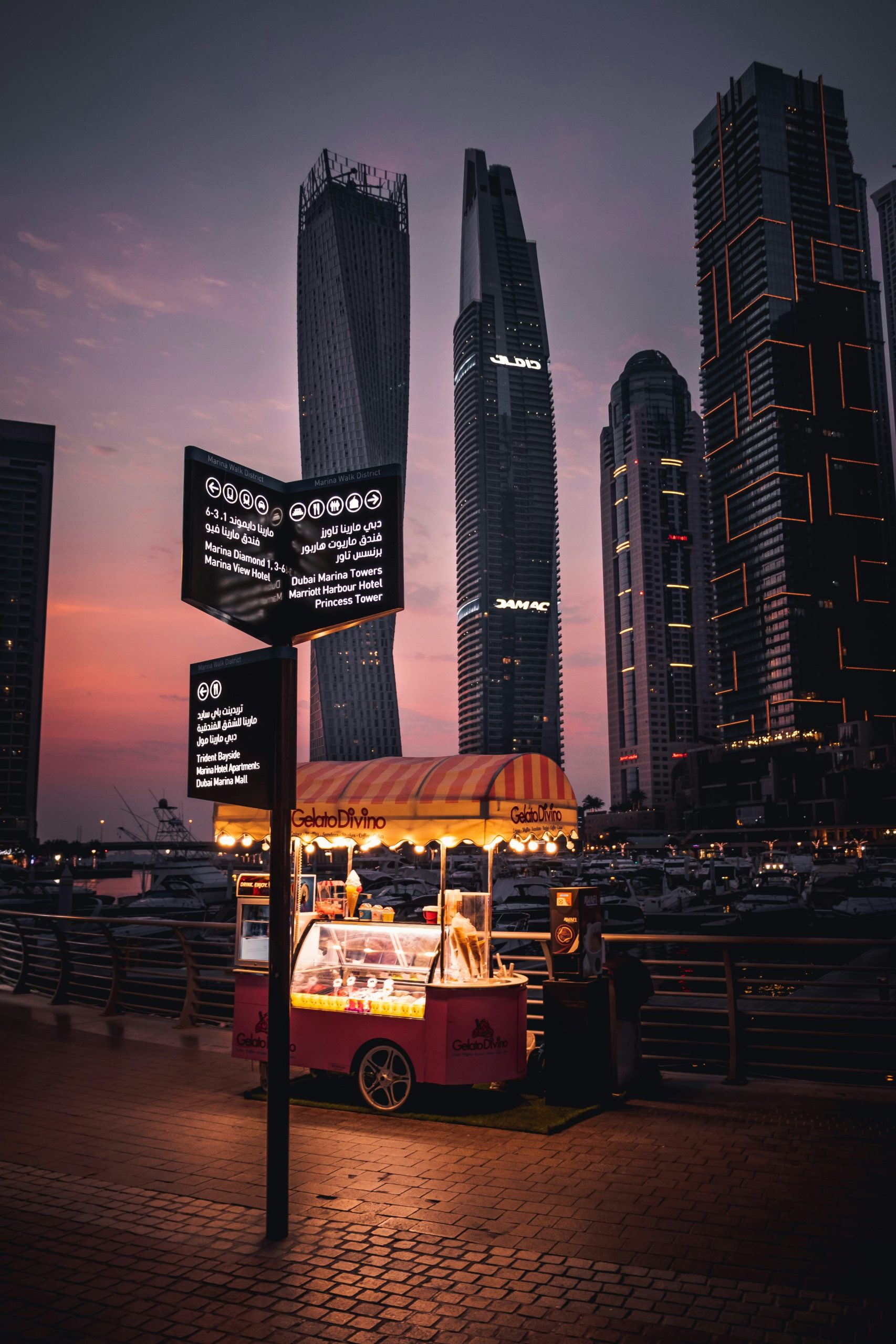
Dubai’s foodie scene is a hidden gem of its own. Skip the flashy hotel restaurants and dive into old-city eateries where the aromas of home-cooking fill the air. The city is home to people from everywhere, so you can taste Persian kebabs, spicy Indian biryani, Ethiopian stews or Lebanese shawarma on a single street. For authentic variety, head to places like 2nd of December Street (Al Rigga) in Satwa or Al Fahidi Street in Bur Dubai – dozens of family-run restaurants line the roads. Whether it’s a pancake-like qeema from a Pakistani café or a date-filled local dessert, you’ll enjoy honest, wallet-friendly meals that locals eat daily.
Location
Scattered in neighborhoods: Satwa/Al Rigga (Al Diyafah St), Bur Dubai (Al Fahidi St, Oud Metha Rd) and Karama (near Meena Bazaar). Also small food courts in Spice Souk/Gold Souk area.
How to Get There
Use the Metro (Al Fahidi or Union stations) and walk into these districts, or hop on a cheap local bus (NOL card works). Taxis/Ubers are also affordable, especially if you’re in a group.
Things to Do
-
Shawarma & Falafel Runs: Stop by tiny kebab stalls for a fresh shawarma wrap or falafel sandwich (under AED 5). These are Dubai classics.
-
Spicy Curries: Try an Indian thali or biryani at a family diner in Satwa (plenty of vegetarian options too).
-
Malay, Persian, Afghani: Seek out unique gems – e.g., a popular Afghan BBQ spot or a quaint Yemeni mandi restaurant.
-
Sweet Treats: Don’t miss Arabic sweets like luqaimat (fried dumplings with syrup) or Umm Ali (rice pudding) at local cafés.
Budget Tip
Street and local eateries are extremely budget-friendly. A satisfying meal often costs just AED 10–20. Go with an empty stomach and share platters. For drinks, carry a reusable bottle and refill at restaurants (tap water is safe), to save on buying expensive bottled water.
9. Ras Al Khor Wildlife Sanctuary – Flamingos in the City
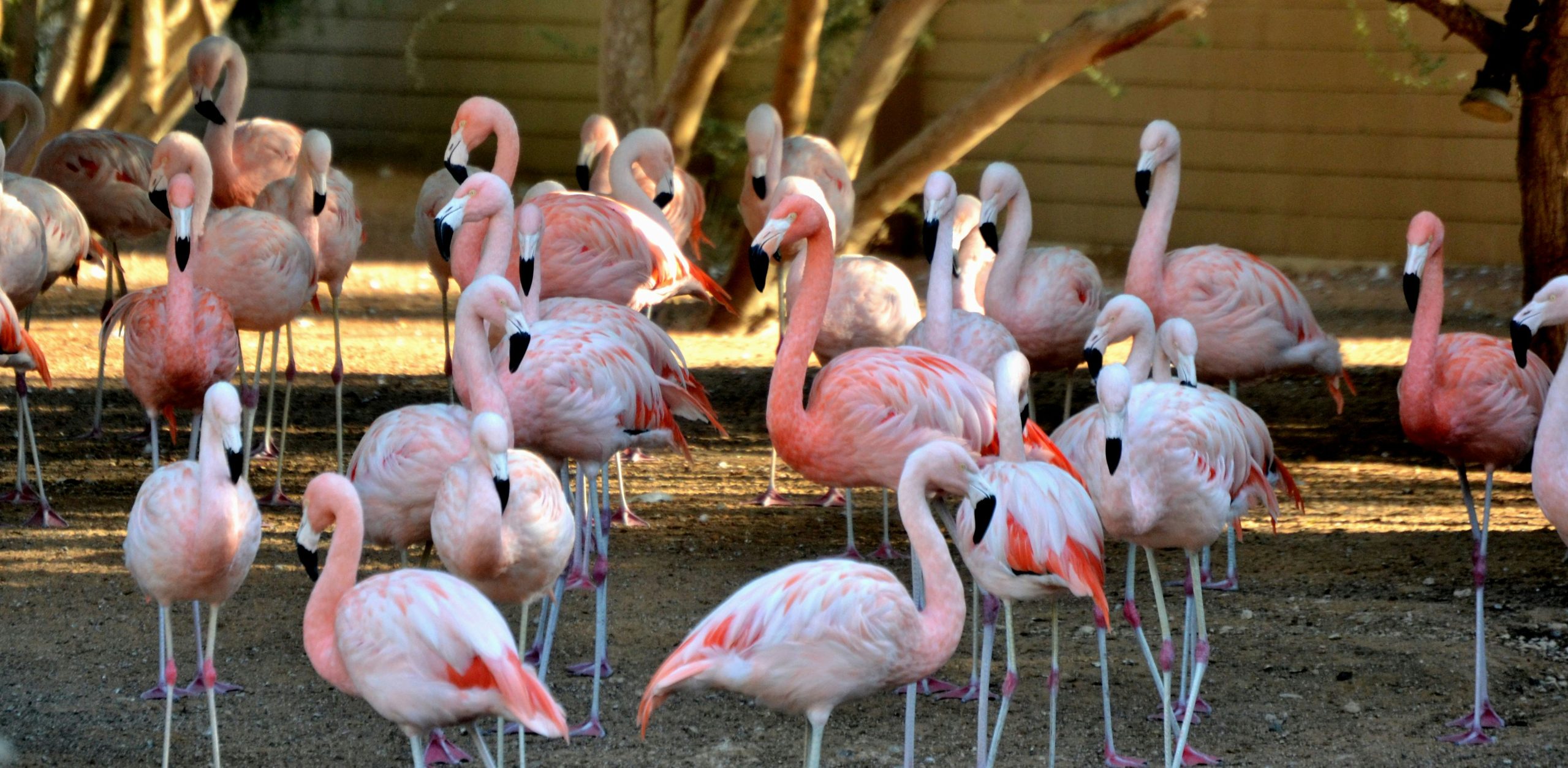
Right in the heart of metro Dubai (off bustling highways) lies a surprising wetland reserve. Ras Al Khor Wildlife Sanctuary is a mini-mangrove oasis famous for its flocks of pink flamingos in cooler months. From simple wooden hides you can quietly watch these elegant birds, along with herons and other marsh wildlife, against a backdrop of skyscrapers. The salt flats and mudflats here are serenity itself – walk the sandy path and you feel miles from the city noise. It’s an offbeat nature break you won’t expect in a desert metropolis.
Location
Between Business Bay and the Creek, off Ras Al Khor Rd (not far from Dubai Festival City).
How to Get There
Take the Red Line metro to Business Bay or Al Jadaf and taxi (~5–10 min), or bus 27/100 to Al Junaina/Dubai Festival City and walk. Driving is easiest.
Things to Do
-
Birdwatching: Peek through the hides to see pink flamingos (winter), egrets, and waterfowl. Binoculars help!
-
Nature Walk: There’s a simple walking track along the mangroves – enjoy quiet views of old Dubai on one side, modern towers on the other.
-
Photography: Capture the surreal contrast of rosy birds with Dubai’s skyline. Early morning light is best.
-
Observation Deck: A raised platform provides panoramic vistas of the reserve’s lagoons and birds.
Budget Tip
Entry to Ras Al Khor is free for visitors. Note: hides can get hot, so visit at sunrise or sunset (flamingos arrive at dawn). Bring water and sunscreen. The sanctuary closes by late afternoon (varies seasonally) – check local timings.
10. Love Lake, Al Qudra – Heart-Shaped Desert Oasis
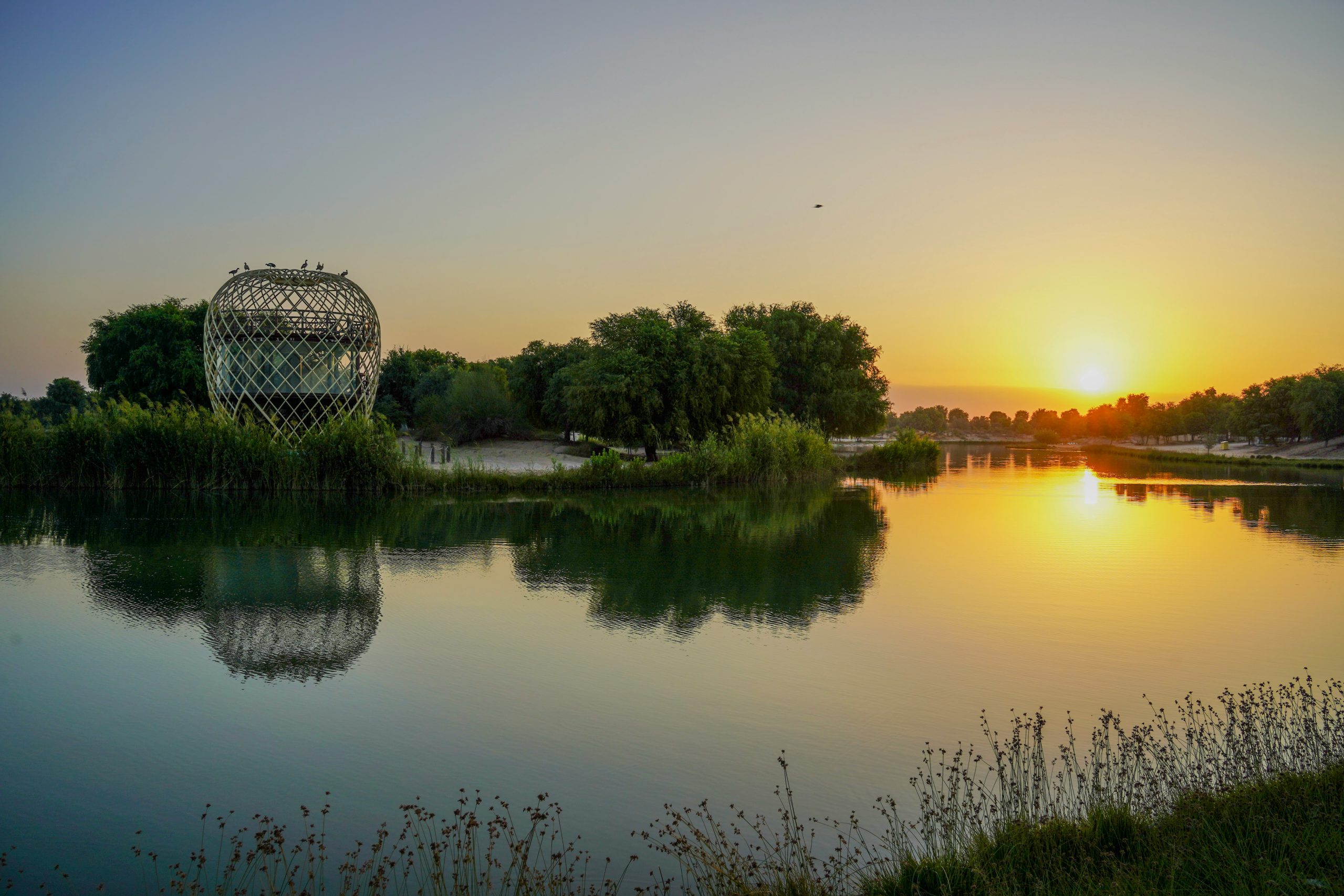
Out in the Al Qudra desert reserve (part of Al Marmoom), two connected heart-shaped lakes form a romantic oasis called Love Lake. It’s a clever man-made attraction decorated with “LOVE” spelled out in plants. But beyond the Instagram appeal, it’s a peaceful spot to hike or picnic. Flamingos and other waterbirds often stop by after rains, and the palms at the hearts’ edges sway gently in the desert breeze. For backpackers camping under stars, this quiet place is unforgettable.
Location
Al Marmoom Desert Conservation Reserve (Al Qudra area), about 30 km south of central Dubai (off the Al Qudra Road).
How to Get There
Car is a must: drive south on Al Qudra Road. Look for signs to Love Lake. (A Nol card and public transport won’t reach here.) There’s free parking next to the lakes.
Things to Do
-
Photo-Ops: Walk the perimeter paths and snap shots of the massive heart shapes from above (drone shots are popular if you have permission).
-
Picnic & Relax: Spread a blanket by the water’s edge – this desert silence is lovely at sunrise/sunset.
-
Birdwatching: Spot flocks of flamingos or local desert birds around the lake and nearby Al Qudra Lakes.
-
Stargazing: If you stay after dark, you’ll be treated to a sky of stars far from city lights.
Budget Tip
Love Lake has no entrance fee. Pack your own snacks and water (there are no shops out here). Visit in winter (Nov–Mar) when temperatures are mild. Remember: no BBQs or pork here – it’s a protected reserve.
Where to Stay: 5 Top Hostels in Dubai
Exploring Dubai on a budget is much easier when you stay at a hostel – they offer cheap beds with social vibes, shared kitchens and free WiFi. Here are five highly-rated Dubai hostels that our community loves:
Torch 77 – by Saffron House (Dubai Marina)
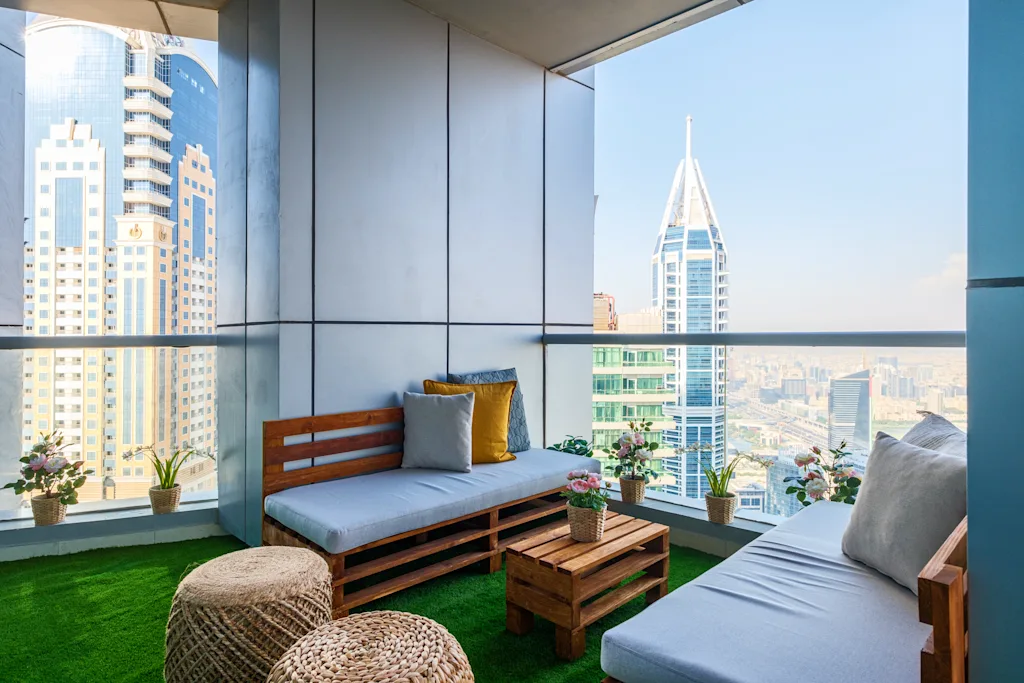
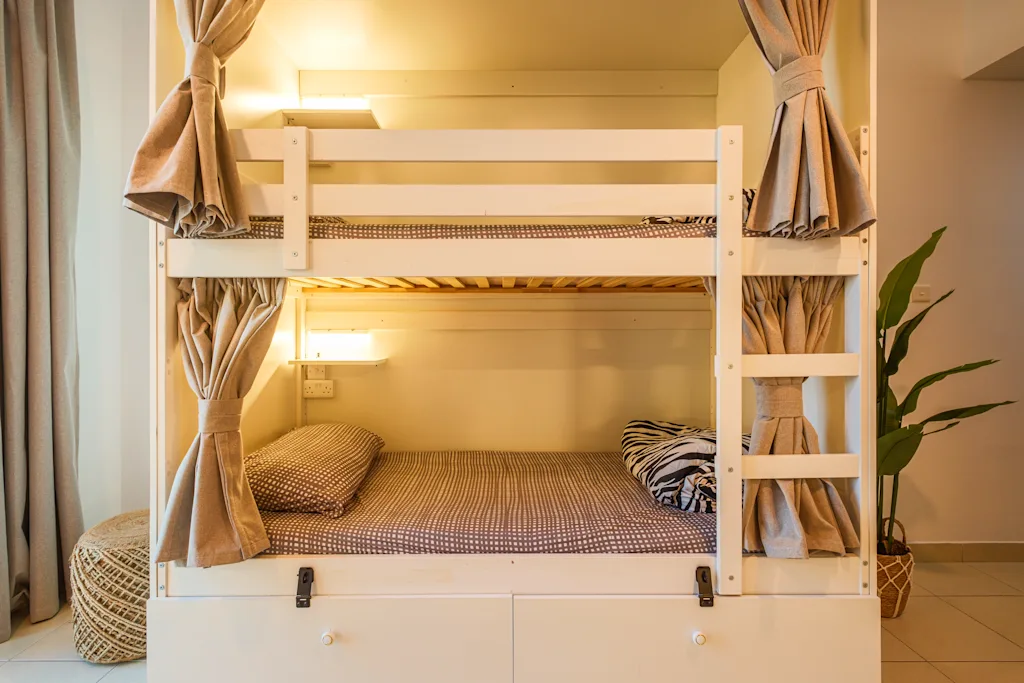
Book Torch 77 – by Saffron House
This luxurious hostel occupies a private 73rd-floor apartment in the Torch Tower. You’ll enjoy breathtaking city views, communal lounge and rooftop terrace, plus easy beach access (just minutes from JBR and Barasti Beach). Guests praise the modern style and friendly staff.
Alphatel Hostel (World Trade Centre/Al Satwa)
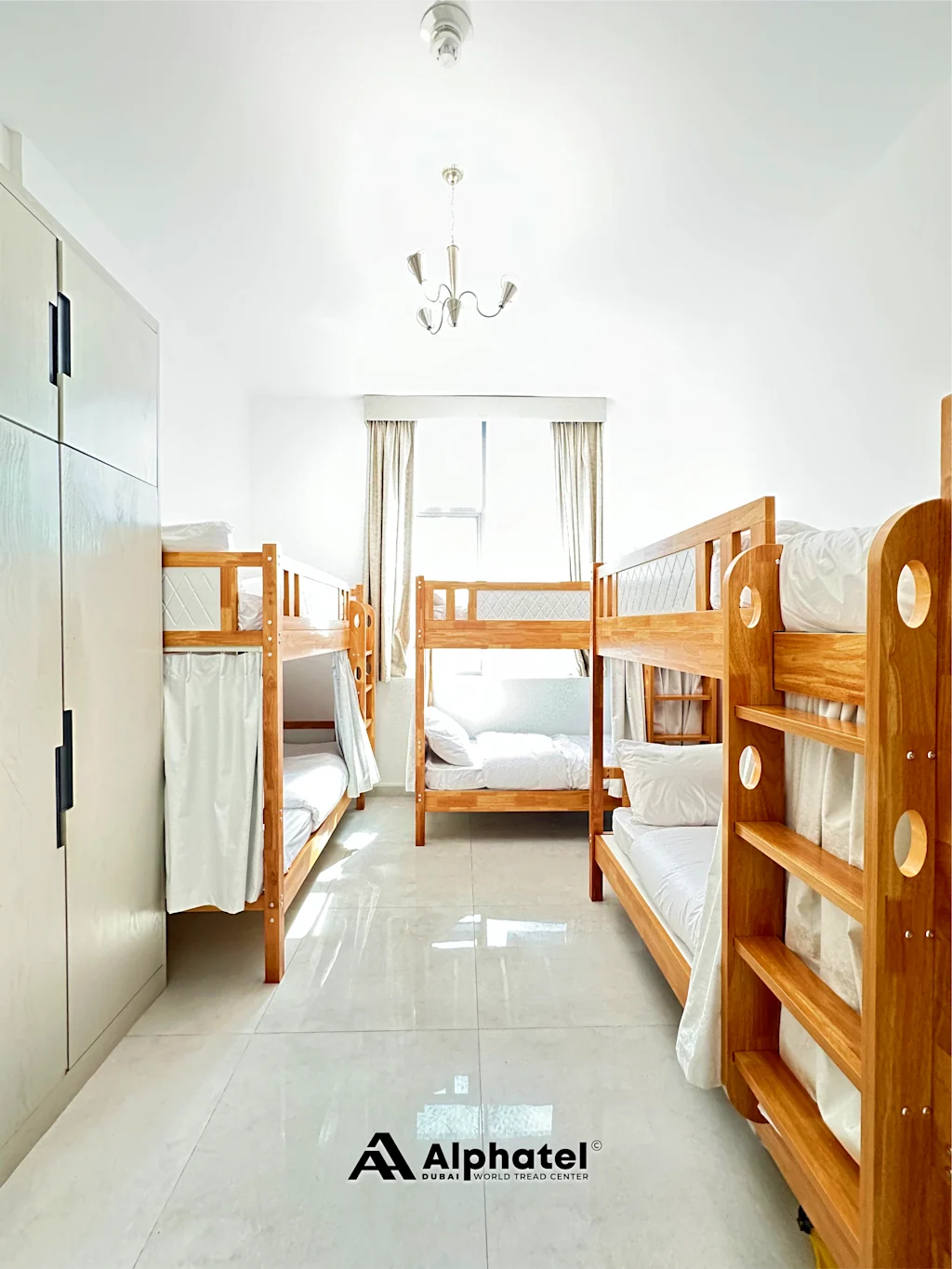
A clean, family-run hostel in the Beach & Coast district. It’s just a few kilometers from key sights (Dubai Mall ~5 km) and close to the metro, with bright private rooms and a well-stocked communal kitchen. Alphatel offers lockers, a shared lounge and city-view terraces – a great base for sightseeing.
Next’House – Business Bay Central Hostel
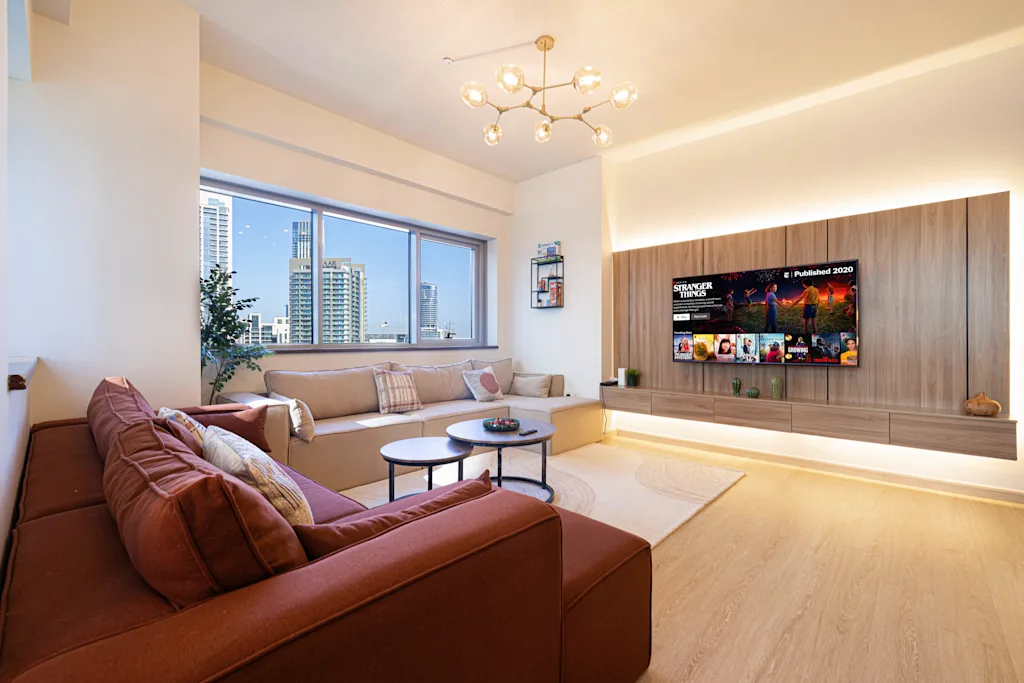
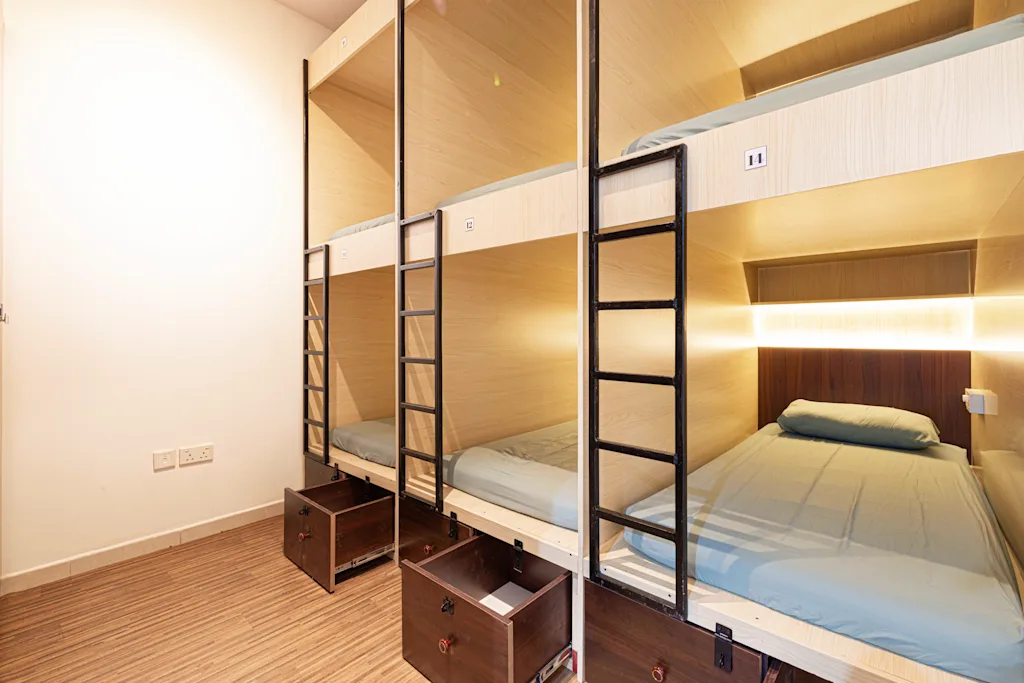
Book Next’House – Business Bay Central Hostel
Located in Business Bay, this hip capsule hostel is only a 5-minute walk from the Burj Khalifa and Dubai Mall. It features compact sleeping pods for privacy plus a spacious common area. This chain prides itself on its community atmosphere and helpful staff who will get you oriented in Dubai.
Lakeside Hostel Downtown
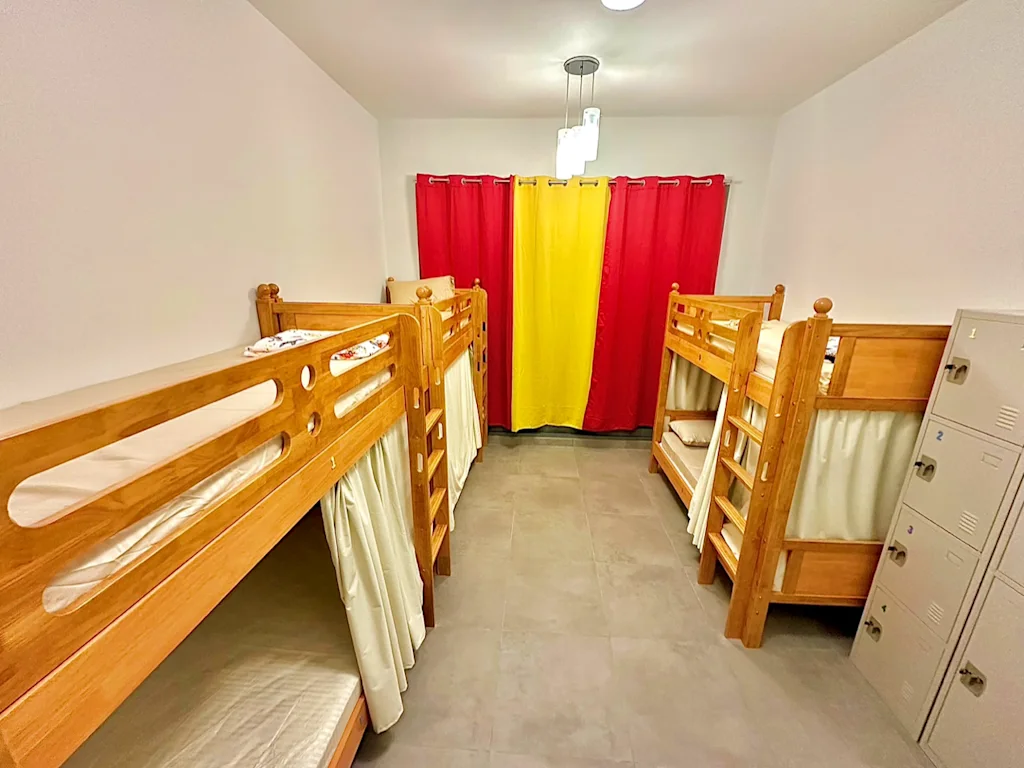
One of Dubai’s most centrally-located hostels, set in a high-rise apartment building. Lakeside offers great privacy (it was built for backpackers) along with stunning lake and city views. It’s an easy 10-minute walk to major attractions like Dubai Mall and the Burj Khalifa, letting you “truly experience the culture of Dubai while staying near famous landmarks”.
Tratoli Hostel (JBR Marina)
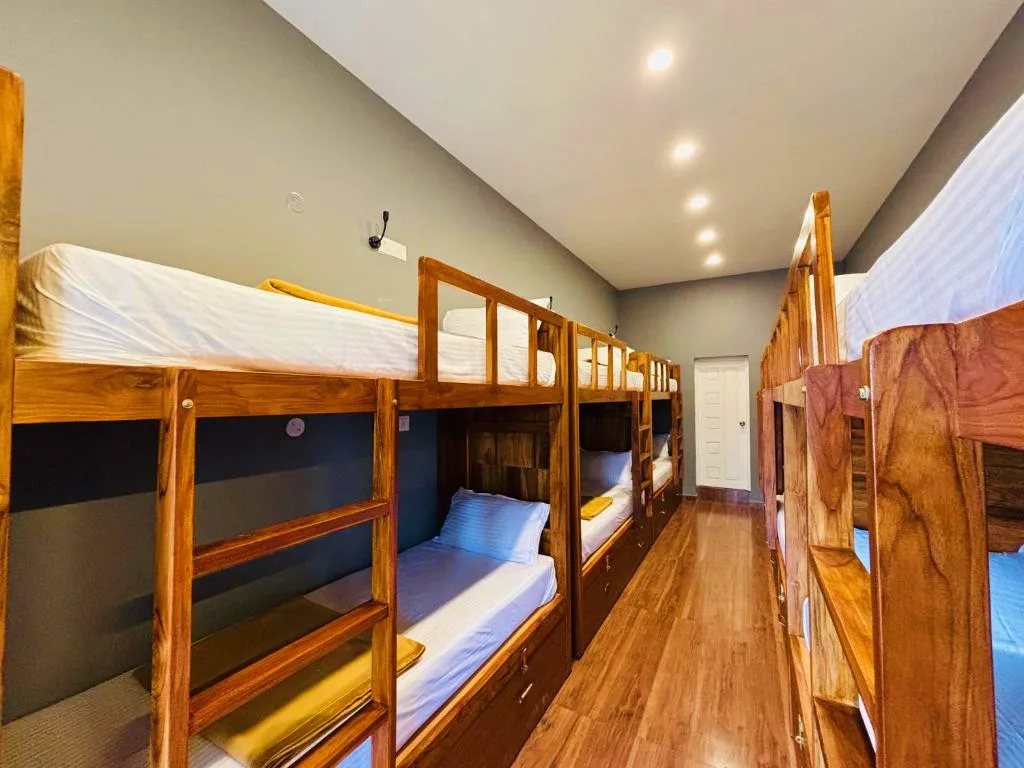
A friendly budget hostel right in the heart of Jumeirah Beach Residence. Guests love that it’s only 5 minutes from the beach and in the popular Marina/JBR district. Tratoli has cozy common areas and even an app to arrange airport transfers and tours. It’s a perfect base for beach days and exploring Dubai Marina.
Download the Hostelworld app to start booking now


FAQ: Hidden Gems in Dubai
How do I get around Dubai cheaply?
Public transport is the way to go. Get a Nol card (silver) for the Metro and buses – a single-zone ride costs just 3 AED (~$0.80). The Metro covers major areas and runs air-conditioned trains with free wifi. Buses are also good (signage in English). For short creek crossings, use the 1-AED abras. Taxis are safe but start at ~12 AED plus ~2 AED/km – fine for late nights or remote spots (like Hatta) when buses aren’t running.
Can I explore these hidden gems on foot?
Many are walkable once you get there. The old districts (Al Fahidi/Bastakia, Dubai Creek, Spice/Gold souks) are best explored by foot. Just wear comfy shoes and carry water. For desert or out-of-town gems (Love Lake, Hatta), you’ll need a car or tour. And even in old Dubai, expect midday heat – mornings and evenings are the best times for walking tours.
Is Dubai safe for solo backpackers?
Generally yes – Dubai has very low violent crime and strict security, making it quite safe. You’ll see police regularly but mostly it means the city feels well-policed. Petty crime like pickpocketing is rare. Still, respect local laws: public displays of affection, inappropriate attire or swearing can lead to fines or worse. In short, safety is high but your behavior should be modest and law-abiding.
Do locals speak English?
Almost everyone in Dubai speaks English in business and tourism settings. In markets or with street vendors, basic Arabic greetings (“Salam” for hello) are appreciated but not required. Menus and signs are usually bilingual (Arabic/English).
What about cultural customs?
Dubai is Muslim and conservative in many ways. Dress modestly when visiting heritage sites or mosques (women should cover shoulders and knees; scarves are provided at Jumeirah Mosque tours). Don’t drink alcohol in public (only in licensed bars/restaurants). Don’t eat/drink or smoke during Ramadan fast hours in public areas. A useful tip: if picnicking, do not grill pork or show too much affection outdoors – locals are sensitive about these.
When is the best time to visit these hidden gems?
Dubai’s peak travel season is November to March, when the weather is cooler. This is ideal for outdoor gems like Hatta Pools and Love Lake, which can be unbearably hot in summer. Many migratory birds (flamingos) visit Ras Al Khor from late autumn through early spring, so winter mornings there are magical. Hidden markets and city walks are okay year-round but mornings and late afternoons are most comfortable.
Any budget tricks in Dubai?
Yes! Use free attractions: public beaches, free fountains at Dubai Mall, and the indoor aquarium (you can see it from the mall corridors at no charge). Eat at local food courts, buy a Metro day pass, and hunt for 1 AED abra rides. Many cultural spots (e.g. Dubai Museum, Heritage Village) have minimal or free entry. And yes, hostels (like those listed above) keep costs much lower than hotels.
How much does it cost to enter Dubai’s museums or parks?
Some cultural attractions are very affordable. The Dubai Museum (Al Fahidi Fort) is only AED 3. But the real hidden gems we listed (Al Fahidi neighborhood, Al Bastakiya, Spice Souk, Ras Al Khor sanctuary, Love Lake) have no entrance fees. Parks like Safa Park or Creek Park charge ~5 AED, but Sunset Beach (near Dubai Marina) and Al Mamzar Beach have small parking fees (~5 AED).
Is it easy to use public buses?
Yes. Buses run all over the city and feel clean. Just tag on with your Nol card (same as Metro). Announcements and displays show the next stop. For example, Bus 8 and 84 run along Jumeirah Beach Road past Jumeirah Mosque, and buses run frequently between Old Dubai and City Centre.
Is Dubai expensive overall?
Dubai can be pricey, but backpackers can manage on a budget. The secret is using hostels (~$10-30/night in dorms), street food and public transit. As one hostel expert noted, backpacking in Dubai isn’t as cheap as SE Asia, but compared to hotels it’s much cheaper and you can still have luxury-level comfort for a fraction of the price.
Are women safe to travel alone in Dubai?
Generally yes, many solo female travelers visit Dubai with no issues. Women should dress modestly (covered shoulders/legs) in public places to avoid unwanted attention. In clubs and bars (licensed to hotels), women often dress fashionably, but even there Dubai is more conservative than Western nightlife. Public spaces are well-patrolled and harassment is rare compared to many big cities. Still, use normal city smarts (avoid deserted areas at night, take official taxis/Metro).
How do I respect Emirati culture as a visitor?
Smile and say “salaam” for hello. Remove shoes before entering someone’s home or a mosque. Bargaining is expected in souks – do it kindly. Public displays of affection beyond hand-holding are frowned upon. Also, alcohol is allowed only in licensed venues; don’t drink or carry it in public. Being polite and open-minded goes a long way – Emiratis are generally welcoming if you respect their customs (they are very proud to share their heritage on tours like at the Jumeirah Mosque).
Can I use mobile internet and SIM cards easily?
Yes, you’ll find kiosks selling prepaid SIMs (Etisalat or Du) at the airport and city malls. Data plans are affordable (start around AED 100 for a month with data). Wifi is widely available in cafés and hostels. Having data helps for map apps on desert or mountain trips (e.g. Hatta or Al Qudra).
What gear should I pack?
Lightweight, breathable clothing and good sunscreen are a must (even in winter the sun is strong). A hat, sunglasses, and a reusable water bottle will save you cash. If visiting desert dunes or mountains, sturdy shoes or sandals are useful. Since power plugs in the UAE are UK-type (G), pack a travel adapter. Culturally, avoid tank tops or shorts in mosques and heritage sites (loose pants, long skirts or tops with sleeves work fine).
I heard Ramadan rules – how does that affect things?
During Ramadan (the holy fasting month), eating/drinking in public during daylight is not allowed for anyone, locals or visitors. Most tourist and fast-food restaurants still serve, but behind covered windows or to-go only. Alcohol is not served. Public transport runs as usual, but flights/buses may have limited hours at night. It’s a special time with iftars (sunset feasts) and moderate prices, but be respectful (cover up, lower your voice).
Any last safety tips?
Dubai is safe, but it’s still important to hydrate and protect from sun/heat, especially on outdoor excursions. Drink plenty of water when trekking in Hatta or camping in the desert. The city’s roads can be fast (drivers are aggressive); always use marked pedestrian crossings and watch for jaywalkers. Keep copies of your passport, use hotel safes, and follow local news for any alerts (Dubai hosts major events, so security is usually tight). Other than the usual travel caution, you should feel very safe exploring these gems day or night.


 Get the App.