

Hostels remain one of the most fun, social and rewarding ways to travel cheaply, but the way modern travellers evaluate them has changed. Hostel safety is now a top priority, right alongside price, location and atmosphere. Whether you’re choosing lockers in hostels, checking if there’s a late check-in hostel available, or searching for a women-only dorm hostel, knowing what matters will help you feel relaxed throughout your trip. This guide breaks all of it down in an easy, engaging format to give you confidence before you book.

Are Hostels Safe? The Short Answer ✅
For most travellers, yes. A well-run, well-reviewed hostel is a safe place to stay, whether you’re travelling solo or with friends. The everyday risks are much the same as in any shared accommodation: belongings left unattended, strangers getting into areas they shouldn’t, or arriving somewhere unfamiliar late at night. Good hostels tackle each of these with lockers, key card access and staff you can reach around the clock.
The quickest way to judge how safe a hostel is before you book:
• Check that it lists lockers and key card or code entry.
• Look for 24-hour reception, or a clear way to reach staff at night.
• Read recent reviews for mentions of security, staff and the neighbourhood.
• Consider a women-only dorm or a private room if that makes you more comfortable.
The rest of this guide explains each of these in detail, so you know exactly what to look for.
Why Hostel Safety Matters More Than Ever 🌍
Hostels used to be simple places: cheap beds, shared rooms, and a kitchen if you were lucky. But travel culture shifted, and so did expectations. Today’s travellers want comfort, safety and clarity, especially now that hostels attract people of all ages and backgrounds.
A few things have changed the safety conversation:
More solo travellers. People, especially women, travel alone more often, so they look for features that feel secure and predictable.
Technology has improved. Key cards, cameras and digital check-ins now create safer environments.
Transparency is expected. Platforms like Hostelworld make safety features visible, allowing travellers to filter by exactly what they need.
Shared spaces need structure. As hostels become more social, clear rules and systems keep things respectful and organised.
When you book somewhere with a strong reputation for safety, the entire trip becomes easier. You sleep better, you meet people with less worry, and you can explore all day without stressing about your belongings.
Lockers in Hostels: Your First Line of Protection 🔒
Travellers regularly discuss the importance of locker availability in Hostelworld’s in‑app chats. For example, one guest asked, “Does anyone know if the hostel has lockers? Coming for a concert and worried about my backpack.”
Another traveller mentioned storing their belongings before checkout: “Leaving my luggage in the hostel locker before checking out — anyone else doing the same today?”
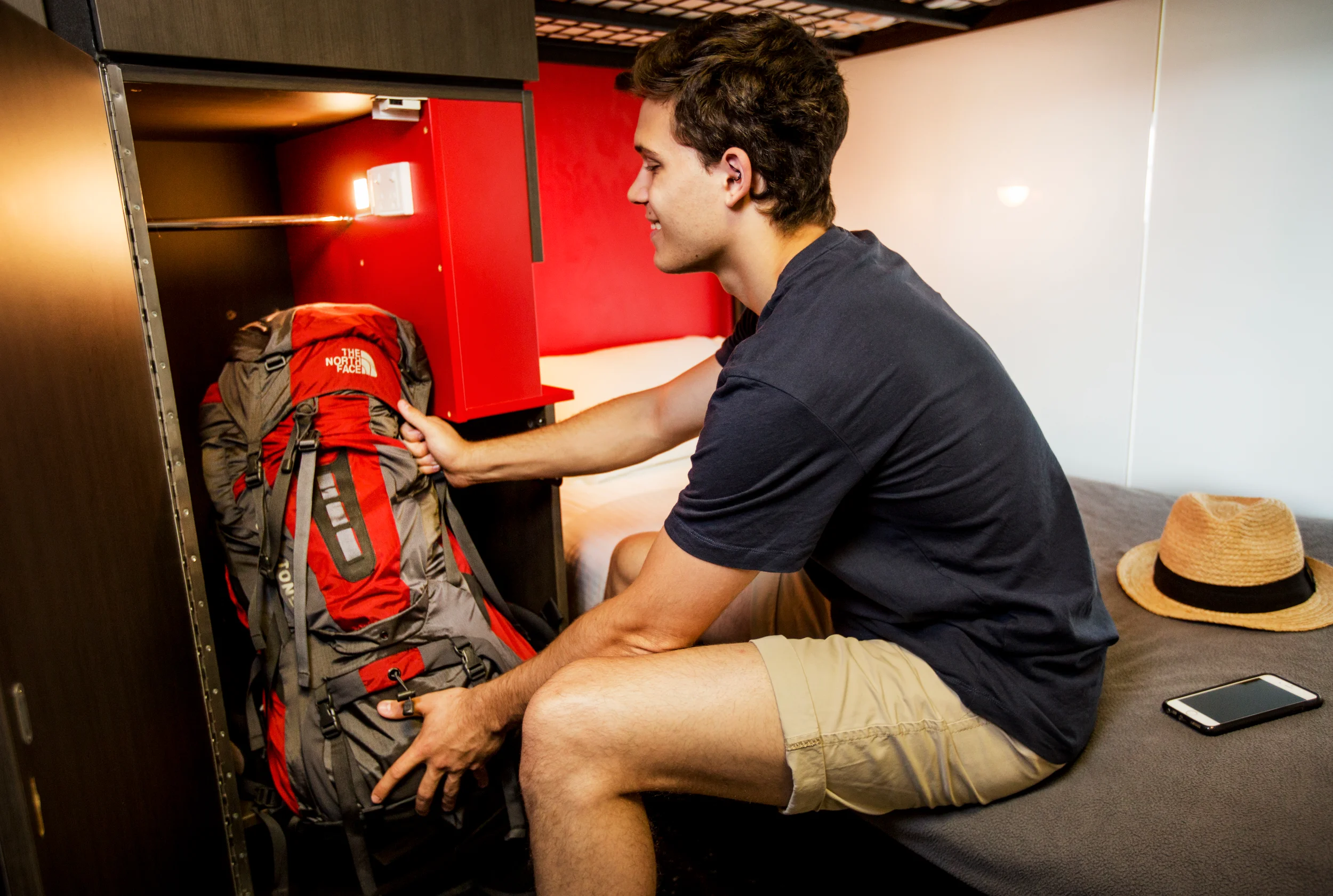
Lockers remain one of the strongest indicators of a hostel’s approach to safety. Strong, accessible lockers show that the property respects the needs of travellers who carry valuables like laptops, passports and cameras. The layout and design of lockers also tell you how convenient your stay will be.
Do hostels have lockers?
Most hostels do, but not all, and they vary a lot. Some include a locker with every dorm bed, some charge a small fee, and some only have a few lockers at reception. Locker sizes differ too: some fit a whole backpack, while others only take a laptop and a passport. Always check the hostel’s listing and recent reviews before you book, and if you’re carrying a large bag, look for mentions of under-bed or full-size lockers.
Here is a quick comparison to help you understand the most common types:
| Locker Type | Best For | Why It’s Useful |
|---|---|---|
| Under-bed locker | Backpacks, shoes, coats | Hidden, spacious and easy to access |
| Tall wardrobe locker | Electronics, clothing, toiletries | Gives full organisation and privacy |
| Small valuables locker | Passports, laptops, money | Usually monitored and located near reception |
Do hostels have safes?
Some do. A few hostels keep a safe or a small valuables locker at reception for passports and cash, and some private rooms have an in-room safe. Dorms rarely do, so your locker is usually where valuables go. If a safe matters to you, check the listing or message the hostel before you arrive.
Which lock should you bring for a hostel locker?
Many hostels expect you to bring your own padlock, and some sell or rent them at reception. A few things to keep in mind:
• Combination locks mean there’s no key to lose on a night out.
• Check the shackle size. A slim or medium shackle fits most locker hasps; a very thick one may not.
• TSA-approved locks work for lockers and checked bags, but airport security can open them with master keys, so they’re about convenience, not maximum security.
• A small cable lock is handy for securing your backpack to a bed frame when there’s no locker big enough.
Tips for using lockers effectively:
• Bring your own sturdy padlock.
• Spread valuables between your on-person pouch and your locker.
• Use charging lockers if the hostel provides them.
Not sure what else to pack? Our hostel packing list covers the essentials.
If you see “secure lockers” listed on Hostelworld, it usually signals a hostel that cares about hostel safety and understands the needs of modern travellers.
Hostel Luggage Storage: Where to Keep Your Bags 🧳
So, where do you keep your luggage in a hostel? During your stay, your main bag usually lives in your locker, under your bed or in a bag rack in the dorm. Valuables go in the locker, not loose in your backpack.
Many hostels also have a luggage storage room for before check-in and after checkout, which is useful if you arrive on an early flight or leave on a late bus. Policies vary, so ask about these before relying on them:
• Is it free? Some hostels store bags for free for guests, others charge a small fee.
• Is it locked or monitored? The best storage rooms are locked, staffed or covered by CCTV.
• How long can you leave it? Most storage is meant for the same day, not for several days.
Bag storage tips:
• Take your passport, cards, laptop and phone with you rather than leaving them in stored luggage.
• Put a padlock on your bag’s zips and add a name tag.
• Take a quick photo of your bag in case it gets mixed up with someone else’s.

Front Desk & Guest Policies: The Human Layer of Safety 👥
A good front desk can make or break your sense of safety. Some hostels feel instantly welcoming because staff members explain everything clearly, point out safety features and create a friendly atmosphere. Others might feel confusing if no one guides you through the basics.
Here’s what strong reception practices look like:
Clear identification checks. A hostel that asks for ID is protecting both itself and its guests.
Visible staff presence. Even if the desk isn’t open 24 hours, there should be a system to reach someone.
Visitor policies. Hostels that limit random visitors in dorms tend to run more securely.
In many cases, safety comes down to communication. Well-trained staff can help if something feels uncomfortable, assist during late-night arrivals or point out which areas require a key card. Properties with consistently strong reviews about staff friendliness are often the ones creating a secure stay behind the scenes.

Security Cameras: Supporting a Safe Environment 🎥
CCTV systems play a subtle but important role in hostel safety. You might barely notice them at first, but their presence often creates a more predictable and well-monitored environment. They are usually placed in shared or transitional spaces, not private areas.
Common camera locations include:
• Entrances and exits
• Hallways between dorms
• Reception and common areas
• Luggage storage rooms
Travellers often mention that visible CCTV makes them feel more comfortable, especially when returning late at night or staying in a large, busy property. The key thing to look for is transparency. Reputable hostels never put cameras inside dorm rooms or bathrooms, and they typically disclose where cameras are installed.
Hostelworld listings that highlight camera coverage usually reflect a property that takes security seriously without being intrusive.
Access Controls: How Hostel Security Keeps Spaces Protected 🚪
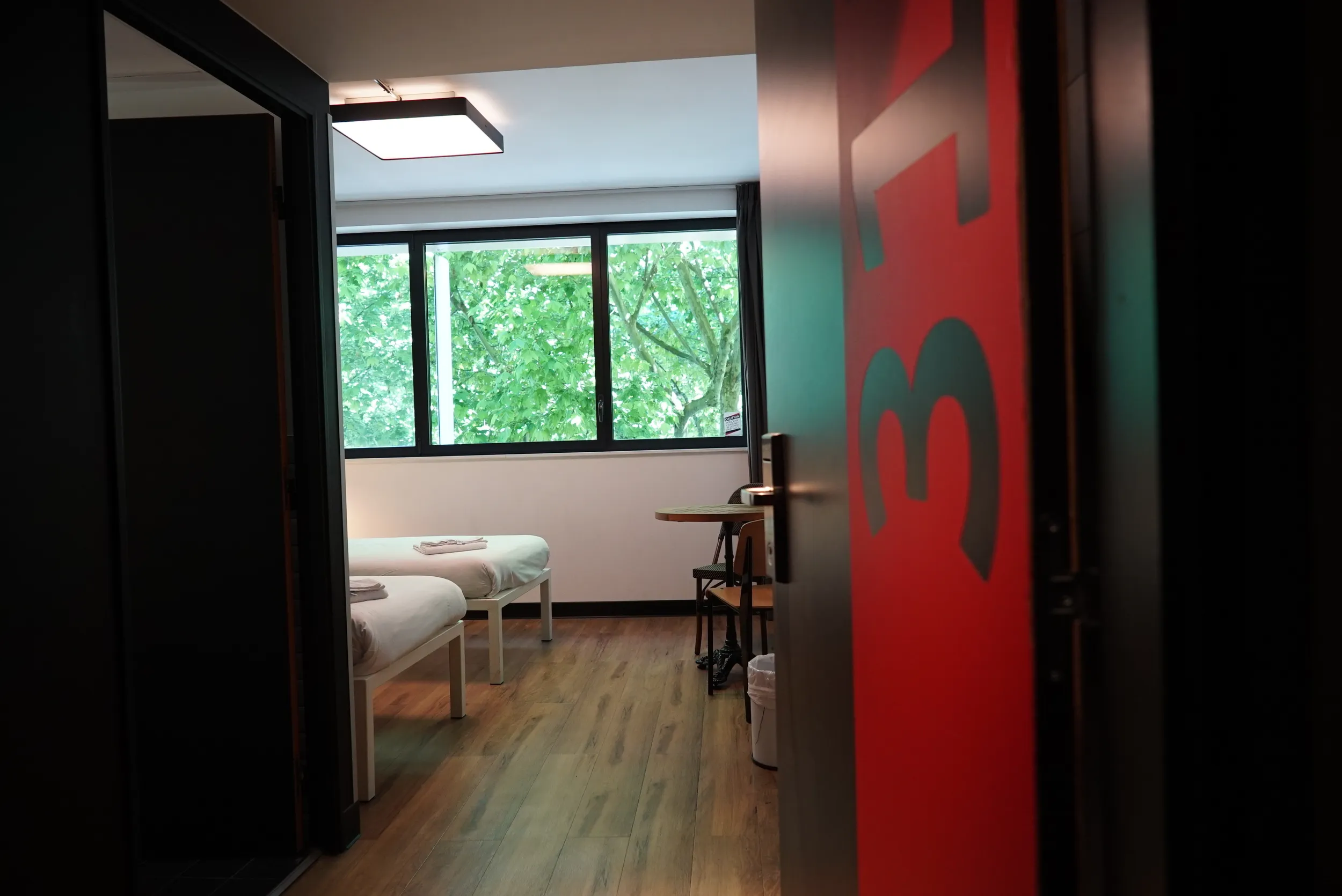
A hostel’s entry system tells you a lot about how well it manages safety. Many properties now use digital access solutions that improve control over who enters the building and dorm rooms.
Here are the most common types of access systems:
Key cards. The most popular method. Fast, simple and easy for staff to deactivate if lost.
PIN codes. Great for self check-in, especially at a late check-in hostel.
RFID wristbands. Increasingly common in modern, design-focused hostels.
What matters is not the technology itself, but how reliably it restricts access to guests only. Dorms should not be openly accessible from the street or lobby. If a hostel advertises key card access or secure entry systems, it is usually prioritising clarity and guest protection.
Women-Only Dorm Hostels: Extra Comfort and Peace of Mind 👭
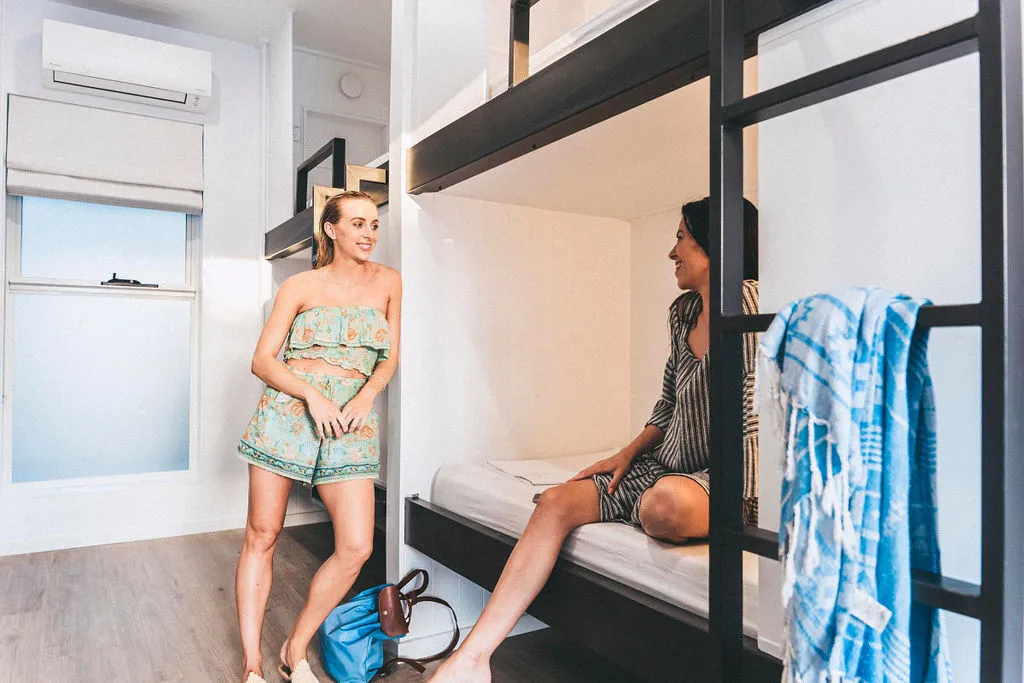
A women-only dorm hostel offers a more relaxed and predictable environment for travellers who want extra comfort. These dorms have become more common in recent years because they provide a quieter atmosphere and a space that feels uniquely safe.
Hostelworld travellers often mention comfort and safety when connecting with other guests. One woman wrote, “Any solo ladies want to check out the beach clubs tonight?”
This reflects how important it is for female travellers to feel supported and have a safe base when meeting new people.
Many women prefer these dorms because of their thoughtful features:
• Smaller room sizes
• Privacy curtains or screens
• Cleaner and more spacious bathroom setups
• Extra mirrors and power outlets
• Separate access codes
These dorms are especially helpful for solo women travelling for the first time or arriving late at night. On Hostelworld, travellers can filter specifically for women-only options, making it easy to see which properties offer them. These rooms help maintain a balance between social travel and personal comfort.

Late Check-In Hostels: Arriving Safely After Dark 🌙
Travel rarely sticks to schedule. Delayed flights, missed connections or overnight buses can quickly lead to late-night arrivals. This is why choosing a late check-in hostel with clear instructions is essential for safety.
Many travellers arrive late and depend on smooth instructions. Chat messages often include requests like, “Does anyone know the hostel’s door code for late arrivals?” or “Just arrived at Hanoi airport, anyone want to split a Grab into the Old Quarter?”
These show how important clear instructions and accessible staff are for safe after-dark arrivals.
Good late check-in systems usually include a combination of:
• Door codes sent in advance
• A labelled envelope with room and bed information
• A map showing where your dorm is located
• A number to reach night staff
Safety tips for arriving late:
• Screenshot your check-in instructions.
• Stick to well-lit streets after dark.
• Let the hostel know if you’re delayed.
• Check Hostelworld reviews mentioning late arrivals.
A smooth late-check-in process can reduce stress significantly and help you settle in without waking up other guests or waiting outside a locked door.

Practical Traveller Tips for Strong Hostel Safety 🧭
Travellers often check with others for local safety advice. One person asked, “Anyone know if the neighbourhood is safe to walk alone at night?”
Even in well-managed hostels, a few smart habits can help you stay secure. These aren’t about being paranoid. They’re about preventing simple mistakes that could disrupt your trip.
How to keep your belongings safe in a hostel
• Lock your valuables away whenever you leave the room, even for a quick shower.
• Keep your phone, passport and wallet in your locker or on you while you sleep, not on the bed or floor.
• Charge devices in a charging locker or next to your bed, not at a shared socket across the room.
• Don’t leave valuables on show in common areas or the kitchen.
• Travel with a small daypack so you can carry essentials when you head out.
Personal safety habits
• Keep valuables in your locker when leaving the room.
• Store a copy of your passport in your email or cloud.
• Carry an essentials pouch with money and documents.
• Share your accommodation details and travel plans with a friend or family member back home.
Personal safety items: what’s worth packing
A personal alarm is a small, legal and inexpensive way to draw attention if you feel threatened, and you can clip it to your bag or keys. A small torch (or your phone’s light) also helps on dark streets and in dorms at night.
A note on pepper spray: it’s not a good travel option. It’s a prohibited weapon in the UK, it’s illegal or restricted in many other countries, and in the US it’s banned from carry-on bags. Laws vary by country, so check before you travel, but a personal alarm is the simpler choice.
Dorm etiquette that improves safety
• Keep your area relatively tidy to avoid losing items.
• Be mindful of who you share personal details with.
• Close the dorm door when entering or leaving.
Social awareness tips
• Watch your drink during hostel parties.
• If someone makes you uncomfortable, talk to staff immediately.
• Trust your instincts.
These small behaviours support the hostel’s own safety systems and help create a smoother experience for everyone.

How Hostelworld Helps Travellers Choose Safe Hostels 🔎
Hostelworld has become one of the most trusted platforms for booking hostels because it helps travellers understand what to expect before they arrive. The platform allows properties to clearly list their safety features, from lockers to CCTV to women-only dorms.
What sets Hostelworld apart is its verified review system. Only guests who booked through Hostelworld and actually stayed at the property can leave a review, which creates a reliable source of information. Many reviews specifically mention safety, staff responsiveness or neighbourhood vibes.
The website also provides filters to help travellers find exactly what they need, such as secure lockers, late check-in, 24-hour reception and key card access. This makes it easier to choose a hostel that matches your personal comfort level.
The in‑app city chats reflect how travellers actively help each other by sharing real-time info. When one traveller lost their bag, they posted, “Lost my purse at the hostel, if anyone finds it please DM me.” This shows how Hostelworld’s community-driven tools build safety by connecting guests quickly.
Strong communication, transparent listings and real traveller reviews make Hostelworld an essential tool for planning safe trips.
Conclusion: Safe Hostels Build Better Adventures ✨
Safety transforms a hostel stay from good to unforgettable. When you understand which features matter most, from hostel safety essentials to women-only dorm hostel options and late check-in hostel processes, you gain the freedom to relax, connect and enjoy your trip. Hostels are built on community and shared experiences, and choosing safe, traveller-approved spaces helps you focus on what truly matters: exploring the world and meeting the people in it.
Download the Hostelworld app to start booking now


FAQ: Hostel Safety
Are hostels safe for solo travellers?
Yes, most modern hostels are very safe for solo travellers, especially those that prioritise strong security features such as key‑card entry and staffed reception areas. Hostels also offer social spaces that make it easy to meet others, which can increase your sense of comfort and belonging. Reading verified reviews on platforms like Hostelworld can help you choose properties with strong reputations for guest safety.
How do lockers in hostels work?
Hostel lockers are designed for travellers to secure their valuables and personal belongings during their stay. Some lockers fit an entire backpack, while others are meant for items like laptops, passports and cameras. You usually provide your own lock, though some hostels offer electronic or key‑operated lockers. Lockers help prevent opportunistic theft and give you peace of mind while you’re exploring.
Are women-only dorm hostels safer?
Many women feel that women‑only dorms offer a greater sense of comfort and predictability because the environment is calmer and more controlled. These rooms often include thoughtful touches like privacy curtains, better lighting and dedicated bathroom access. While mixed dorms are generally safe, women‑only spaces can provide peace of mind for solo female travellers or anyone arriving late at night.
Is it safe to arrive late at a hostel?
Late arrivals are common, and most hostels accommodate them with specific instructions or automated entry systems. A safe hostel will provide door codes, labelled key cards or clear directions on how to find your bed. Before booking, check whether the hostel offers late check‑ins and how the process works. Verified reviews often mention whether late arrivals were smooth or stressful.
Do hostels have security cameras?
Most reputable hostels use CCTV in public areas such as entrances, hallways and reception spaces. These cameras help staff monitor activity and deter petty theft or unwanted visitors. Ethical hostels never install cameras in private spaces like dorm rooms or bathrooms. Transparency around camera placement can indicate that the hostel takes guest safety seriously.
What safety features should I look for when booking a hostel?
Look for secure lockers, key‑card or PIN‑code entry, staffed reception hours, CCTV in common areas and clear check‑in policies. Women‑only dorms and smaller room sizes can also add comfort. When browsing listings, make sure the hostel clearly communicates these features. Reviews that mention cleanliness and helpful staff are also strong indicators of a well‑managed, safe environment.
Are hostels safe for older travellers or first-timers?
Yes, hostels today attract a wide range of travellers, including older adults, digital nomads and students. Many hostels offer private rooms alongside shared dorms, allowing guests to enjoy social spaces without sacrificing comfort. Choosing a property with strong reviews, smaller dorm sizes and a calm atmosphere can help first‑time or older travellers feel more at ease.
How do I keep my valuables safe in a hostel?
Always use the provided locker for anything valuable, including passports, electronics and money. Carry a small essentials pouch for day‑to‑day items and avoid leaving personal belongings unattended on your bed or in shared areas. Bringing your own reliable padlock ensures you’re prepared, especially in hostels where locks are not supplied.
Is it safe to leave my luggage in a hostel before check-in?
Most hostels offer luggage storage rooms or lockers where you can securely leave your bags before check‑in or after check‑out. These rooms are typically monitored by staff or CCTV. If you’re unsure, ask the front desk how your belongings will be stored. Public reviews often mention whether luggage storage felt secure.
What should I do if I feel unsafe in my hostel?
If something feels off, speak to the front desk staff immediately. They are trained to handle conflicts, noise issues, unwanted visitors or uncomfortable situations between guests. If the issue persists, request a room change or move to a different hostel. Trust your instincts — your comfort matters.
Do hostels check IDs for safety?
Most reputable hostels require a government‑issued ID or passport upon check‑in. This ensures that only registered guests can access the property and helps maintain a controlled, safe environment. ID checks also reduce the likelihood of unauthorised visitors entering dorm areas.
How do smart access systems work in hostels?
Many hostels use digital key cards, PIN codes or wristbands to control access to rooms and main entrances. These systems allow staff to deactivate lost keys instantly and restrict access to certain areas. This is much safer than traditional metal keys, which can be easily copied or misplaced.
What safety tips should I follow when sharing a dorm?
Be respectful of roommates, keep your belongings organised and always lock your locker. Avoid broadcasting your room number or leaving valuables near your bed. If someone’s behaviour makes you uncomfortable, notify staff right away. Most safety issues stem from misunderstandings rather than intentional harm, so communication is key.
How do I choose a safe hostel in a big city?
Start by checking verified reviews — focus on comments mentioning neighbourhood vibes, staff responsiveness and security features. Look for hostels located near public transport, well‑lit streets and busy areas. Properties with staff available late at night or 24/7 also provide an added layer of reassurance.
Are party hostels safe?
Party hostels can be safe as long as they have strong policies and attentive staff, but they do attract larger crowds and more nightlife activity. If you prefer quieter surroundings, choose a social hostel rather than a full party hostel. Reviews will often highlight whether the safety standards remain strong despite the nightlife focus.
How safe is it to meet people through hostel chats or online groups?
Hostel chat features and traveller group chats — like the ones on Hostelworld — are generally safe and used widely for arranging meetups. Still, always meet in public areas first, such as common rooms or the hostel’s lobby. Let staff or a friend know your plans, especially if you’re meeting someone for the first time outside the property.
Can I stay in a hostel if I arrive very early in the morning?
Yes, as long as the hostel offers early luggage storage or late‑night access. Many travellers arrive on night buses or early flights and wait in common areas until check‑in. Before booking, check the hostel’s reception hours to ensure you won’t be stuck outside.
What makes a hostel safer than budget hotels?
Hostels often have a stronger sense of community, which helps travellers look out for one another. Staff tend to be more engaged with guests, and facilities like common rooms, front desks and luggage areas are usually monitored. The social environment also means you’re rarely truly alone, which can feel reassuring.
How does Hostelworld help travellers choose safe hostels?
Hostelworld displays verified reviews from travellers who have actually completed their stay, which ensures honest insights into security, staff, cleanliness and neighbourhood safety. The platform also highlights facilities like lockers, CCTV, women‑only dorms and 24‑hour reception so you can filter hostels based on your needs. Many travellers rely on the in‑app group chats to coordinate safe meetups, share local tips and support each other in real time.
Are hostels safe?
Yes, most hostels are safe. Modern hostels use key-card access, secure lockers, CCTV and 24-hour reception, and many offer women-only dorms. Most problems come from misunderstandings rather than intentional harm. Check verified reviews for comments on security and neighbourhood, lock your valuables away and tell staff straight away if anything feels wrong.
How do I stay safe in a hostel?
Lock valuables in your locker whenever you leave the room, carry an essentials pouch with money and documents, and keep a copy of your passport in the cloud. Don't broadcast your room number, close the dorm door behind you, keep your area tidy and report any behaviour that worries you to staff straight away.

 Get the App.
Comments