
Hostel Dorm Etiquette 101: Make Friends, Not Enemies
Staying in a hostel dorm is one of travel’s most underrated joys. You share stories with strangers, get spontaneous invitations to dinner, and sometimes meet people who become lifelong friends. But none of this works without a foundation of hostel dorm etiquette, the quiet social glue that keeps shared spaces pleasant.
Across thousands of community messages, backpackers show an instinctive desire to be considerate, coordinating meetups in halls or lounges to avoid disturbing others and planning early departures with whispered courtesy. These messages reveal a pattern of respect that makes hostel life feel communal rather than chaotic.
This guide gathers those unspoken rules and expands them into clear, friendly guidance that helps you become the dorm mate everyone appreciates. It is not about perfection. It is about awareness, small gestures and understanding that your comfort connects directly to the comfort of others.

🎧 1. Noise: The Foundation of Dorm Peace
Noise is the number one reason dorm roommates clash. Good intentions disappear quickly when someone rustles plastic bags at 2 a.m. or clatters around before sunrise.
Travelers naturally coordinate quiet behavior. In many chats, small groups planned to meet in hallways before heading out at night, intentionally avoiding conversations over sleeping guests.
💬 “We’ll meet in the hallway so no one gets woken up while we get ready.”
Helpful habits to keep noise low:
- Pack your night essentials before going out.
- Swap plastic bags for fabric pouches.
- Avoid long whispered conversations inside the dorm, whispers often travel further than soft speech.
- Close doors gently, especially bathroom doors.
Quick tip box:
If you must enter late, move slowly and touch objects lightly. The slower you go, the less sound you make.
Noise etiquette is not strict silence. It is a shared understanding that travelers come from different time zones, different fatigue levels and different plans. Being mindful shows respect for everyone’s journey.

💡 2. Lights: Tiny Decisions with Big Impact
In a dark dorm, the overhead light feels like a spotlight. Good lighting etiquette is simple, yet many forget it in the moment.
Try this table of smart choices:
| Situation | Considerate Action |
|---|---|
| Entering late | Use your phone flashlight on the lowest brightness |
| Leaving early | Lay out clothes the night before |
| Searching for items | Keep a small soft light in your bag |
| Reading | Bring a clip on micro lamp |
In several traveler conversations, groups agreed to gather outside the dorm when preparing for nightlife so no one would need to flip the lights on while getting ready.
Lighting rule of thumb: If you would not want it shining in your eyes, do not shine it in someone else’s.
Soft, warm lights are kinder than bright white beams. And if you do accidentally switch on the wrong light, a quick apology goes a long way.
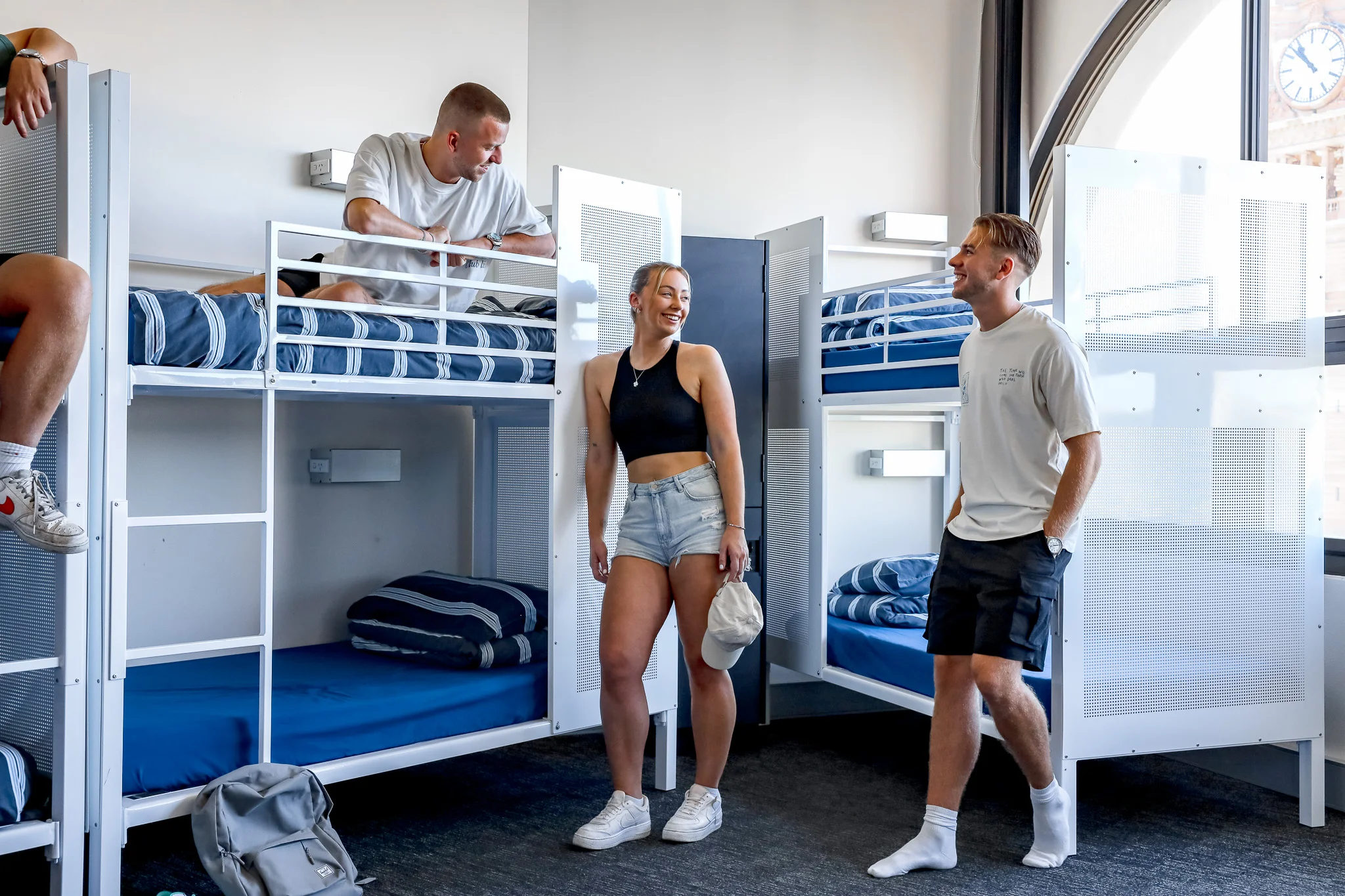
🧼 3. Cleanliness: Your Space, Everyone’s Space
Hostel dorms rely on a collective agreement to keep things tidy. A messy dorm corner spreads stress quickly.
Travelers often mentioned keeping belongings compact so early risers or late arrivals did not trip over items on the floor. They did this not because anyone asked, but because shared space works better when each person limits their footprint.
Best habits for dorm cleanliness:
- Keep your items inside your locker or neatly at the foot of your bed.
- Avoid wet towels on shared hooks.
- Shake sand or dirt off clothing outdoors.
- Keep toiletries in a single zip bag.
Mini callout: Leave the bathroom neater than you found it.
Wiping down the sink or removing stray hair takes seconds and raises the overall atmosphere.
Cleanliness does not require perfection. It requires awareness. Your bed can be a private chaos if you want, but everything outside it belongs to everyone.

🥫 4. Food Storage: Dorm Friendly Eating
Food inside a shared sleeping space is tricky. Smells linger. Wrappers crinkle. Crumbs attract pests.
Many guests in Hostelworld’s chats coordinated group meals in kitchens or common lounges, intentionally avoiding food in the dorm for the sake of everyone’s comfort.
💬 “Let’s eat in the common kitchen so we don’t bother anyone who’s asleep.”
Food etiquette essentials:
- Store all perishable foods in labeled kitchen containers.
- Keep snacks tightly sealed.
- Avoid strong smelling foods like tuna or curry inside the dorm.
- Clean up immediately if anything spills.
Quick callout: If you notice others grabbing meals in shared areas, follow the pattern. Most travelers choose communal eating because it respects the dorm environment.
Eating well is part of travel, but the dorm is not a dining room. Keeping food where it belongs keeps everyone happier.
🔌 5. Charging Etiquette: Sharing the Sacred Outlets
In many hostels, there are never enough outlets for everyone. Charging etiquette helps prevent silent resentment.
In Hostelworld’s chats, travelers frequently coordinated device charging in lounges before leaving for tours. This group behavior shows how naturally backpackers understand the importance of sharing outlets.
💬 “There’s space near the lobby outlet if you need to charge your phone, I used it earlier to keep the dorm plugs free.”
Smart charging habits:
- Bring a multi port USB splitter to expand a single outlet.
- Never unplug someone’s device without asking.
- Charge during daytime or in common spaces to free dorm outlets at night.
- Keep cords tidy so they do not tangle in others’ belongings.
Packing tip: A strong power bank covers overnight needs, especially when you come in late and want to avoid rummaging for a plug.
Charging etiquette is simple fairness. If everyone shares thoughtfully, no one is left with a dead phone on a travel day.
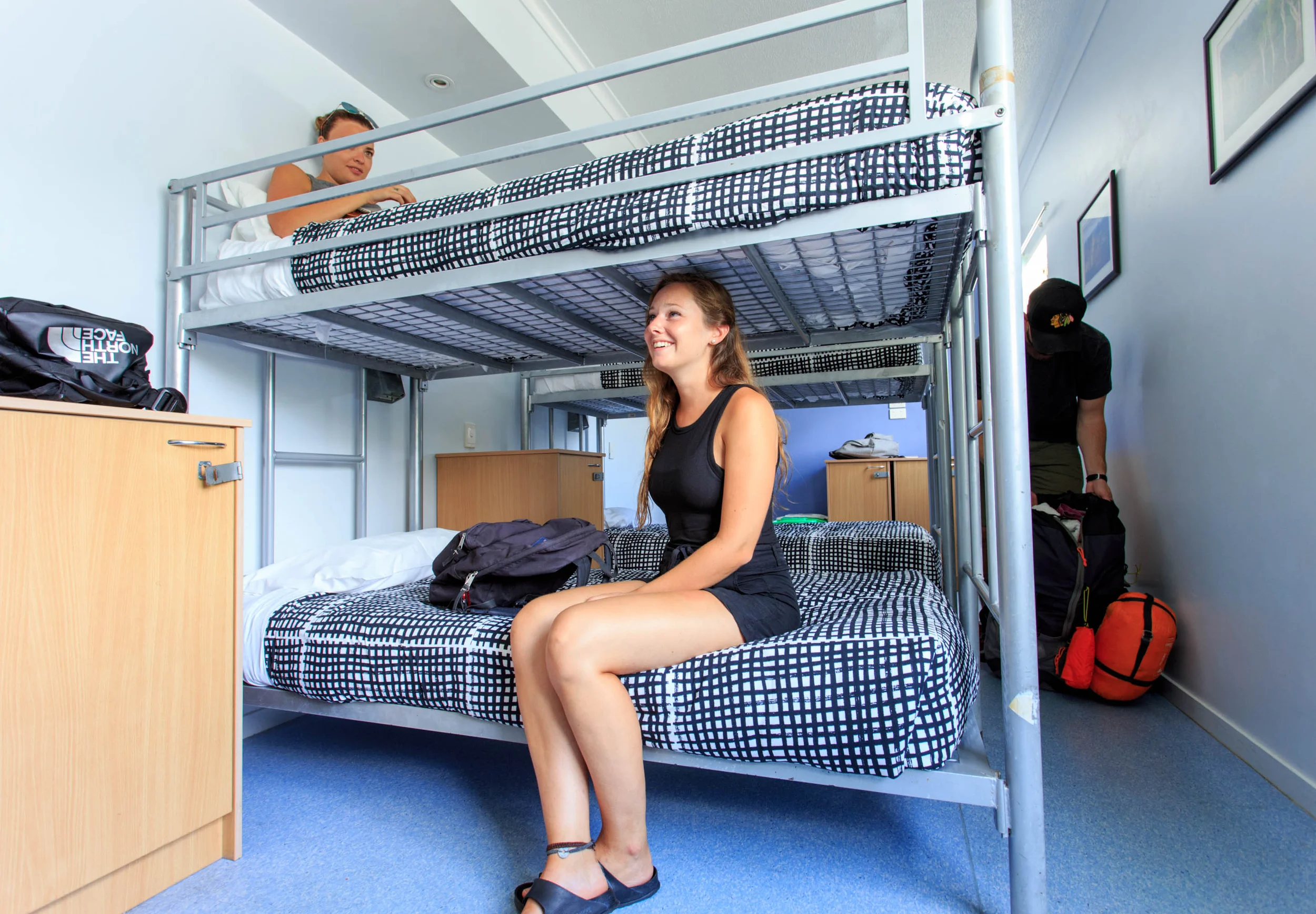
🛏️ 6. Bunk Bed Basics: Top and Bottom Wisdom
Your bunk matters. Each option comes with etiquette considerations that help keep peace.
Top bunk:
- Offers more privacy.
- Requires careful, quiet climbing.
- Keep belongings secure so nothing falls below.
Bottom bunk:
- Easier access.
- Better for early risers.
- Avoid blocking the ladder with bags.
In shared messages, travelers described leaving their dorms early for sunrise hikes or transfers. Many mentioned climbing quietly or preparing items in advance so as not to disturb their bunk neighbors. This behavior reflects natural bunk etiquette in action.
Golden bunk rule: Move slowly. Fast movements cause noise, vibrations and accidental bumps.
Being mindful of your bunk helps everyone sleep better.
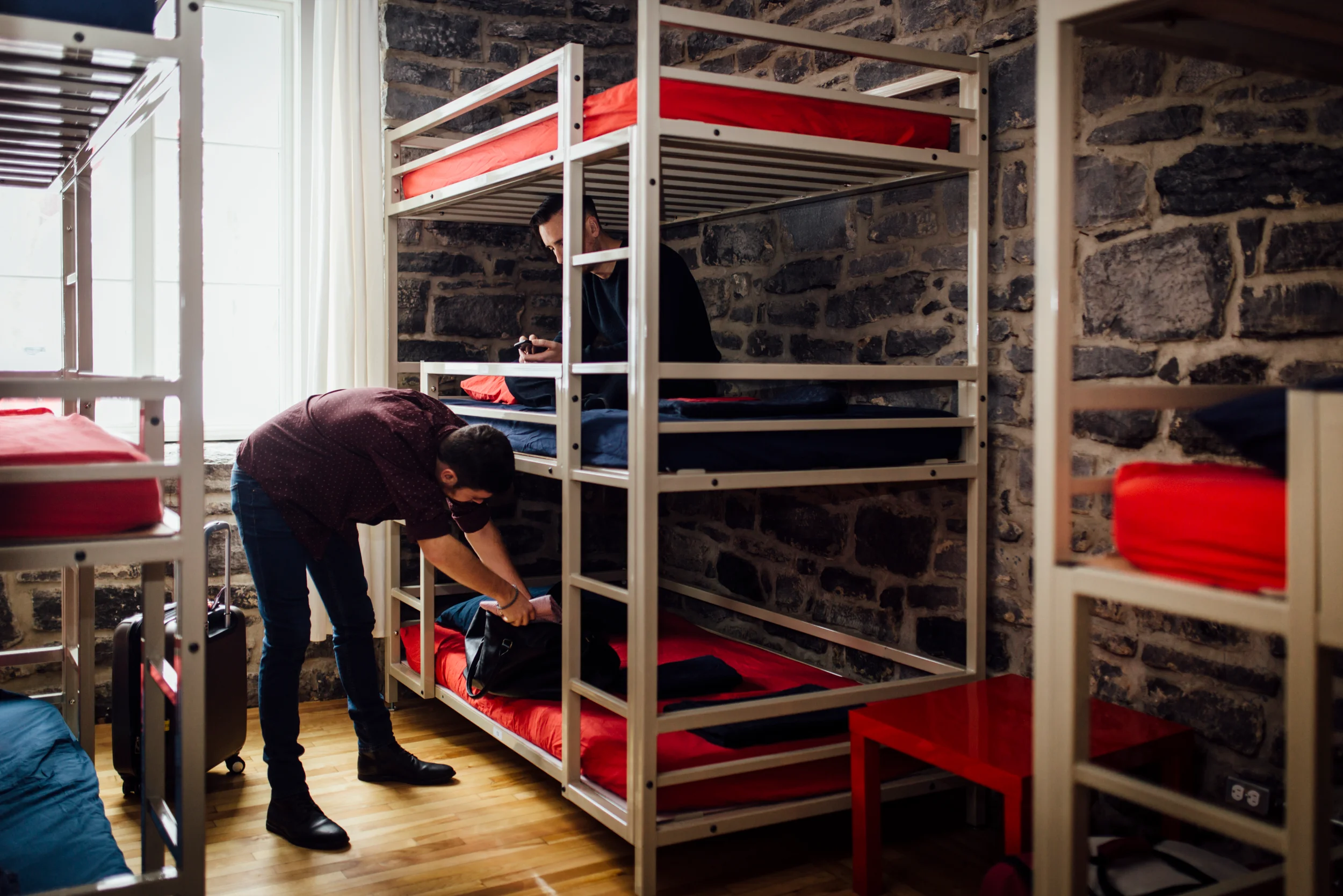
🎒 7. Packing, Unpacking and Transition Etiquette
Packing is one of the loudest activities in a dorm. Zippers, plastic, shoes, chargers and toiletries all add up.
Best practices for quiet transitions:
- Pack big items in common areas whenever possible.
- Create a small night kit with pajamas, toothbrush, earplugs and chargers.
- Keep your locker organized so you are not digging loudly in the dark.
- Place shoes neatly so you do not stumble around searching for them.
Across messages, travelers constantly coordinated timing in hallways or lobbies before trips, which helped them avoid doing major packing inside the dorm. This shared behavior hints at the unwritten rule that big tasks belong outside sleeping spaces.
Packing etiquette is about preparation. The more organized you are, the quieter you can be.

🚿 8. Bathroom Etiquette: Shared Comfort and Courtesy
Bathrooms in hostels see constant turnover. Good etiquette keeps them functional and pleasant.
Keep this in mind:
- Do not take overly long showers during peak times.
- Hang towels only in designated spots.
- Remove hair from drains when possible.
- Leave counter space clean.
- Keep your toiletries in a grab and go pouch, not scattered around.
Clean bathrooms improve everyone’s day, especially when multiple guests are preparing for early morning tours.
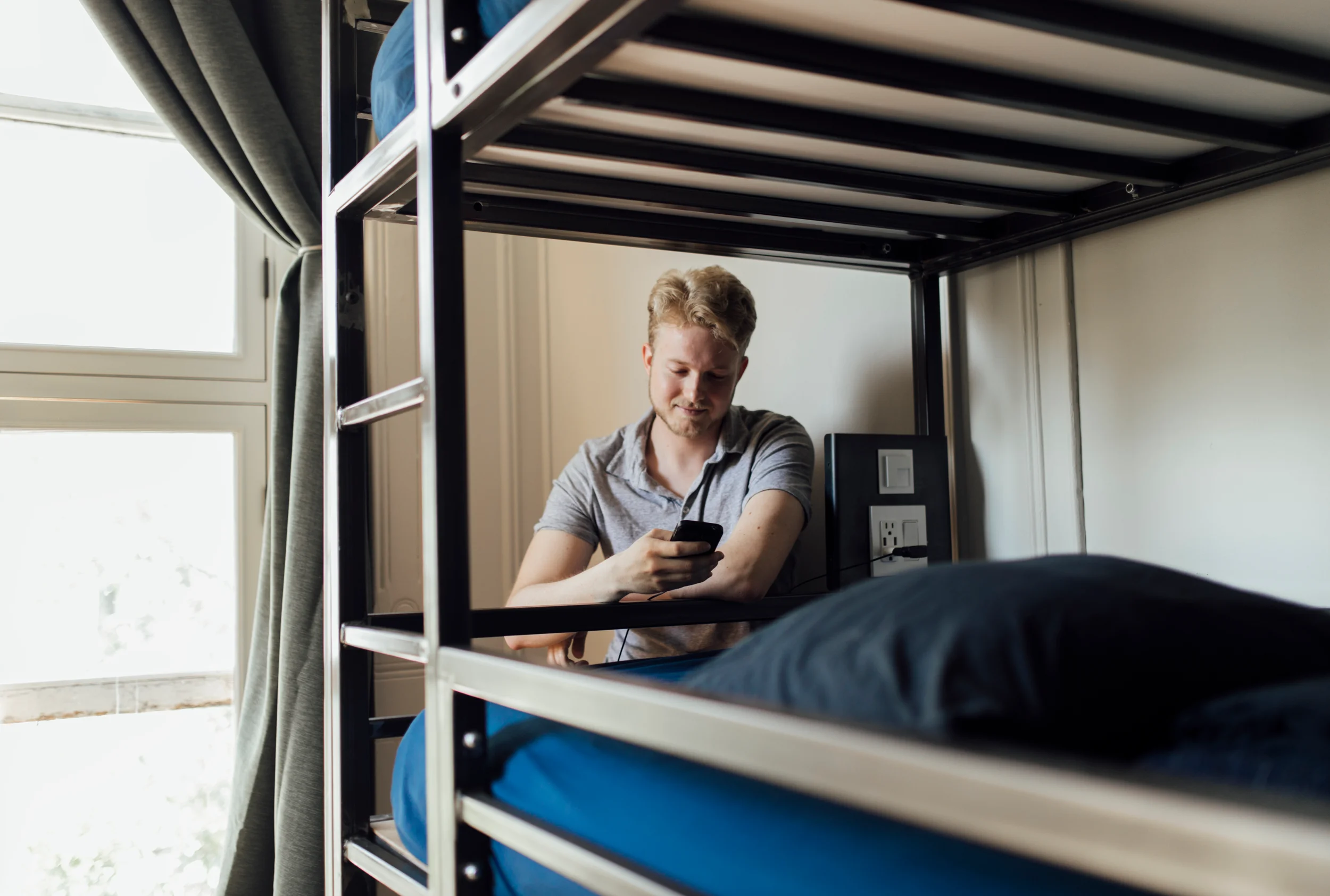
📱 9. Phone Etiquette: Being Connected Without Being Disruptive
Phones are part of modern travel. They are also one of the easiest sources of disruption.
Phone courtesy checklist:
- Use headphones for all audio.
- Keep ringtone volume on silent.
- Avoid long voice calls in the dorm.
- Dim your screen to the lowest brightness at night.
- Step outside for video calls or anything emotional or loud.
Travelers rely heavily on messaging for coordination rather than in person communication inside the dorm. This digital courtesy kept noise low and ensured roommates were not disturbed.
Phone etiquette is less about rules and more about respecting the shared bedtime and wake patterns of everyone around you.
🔒 10. Respecting Privacy and Personal Boundaries
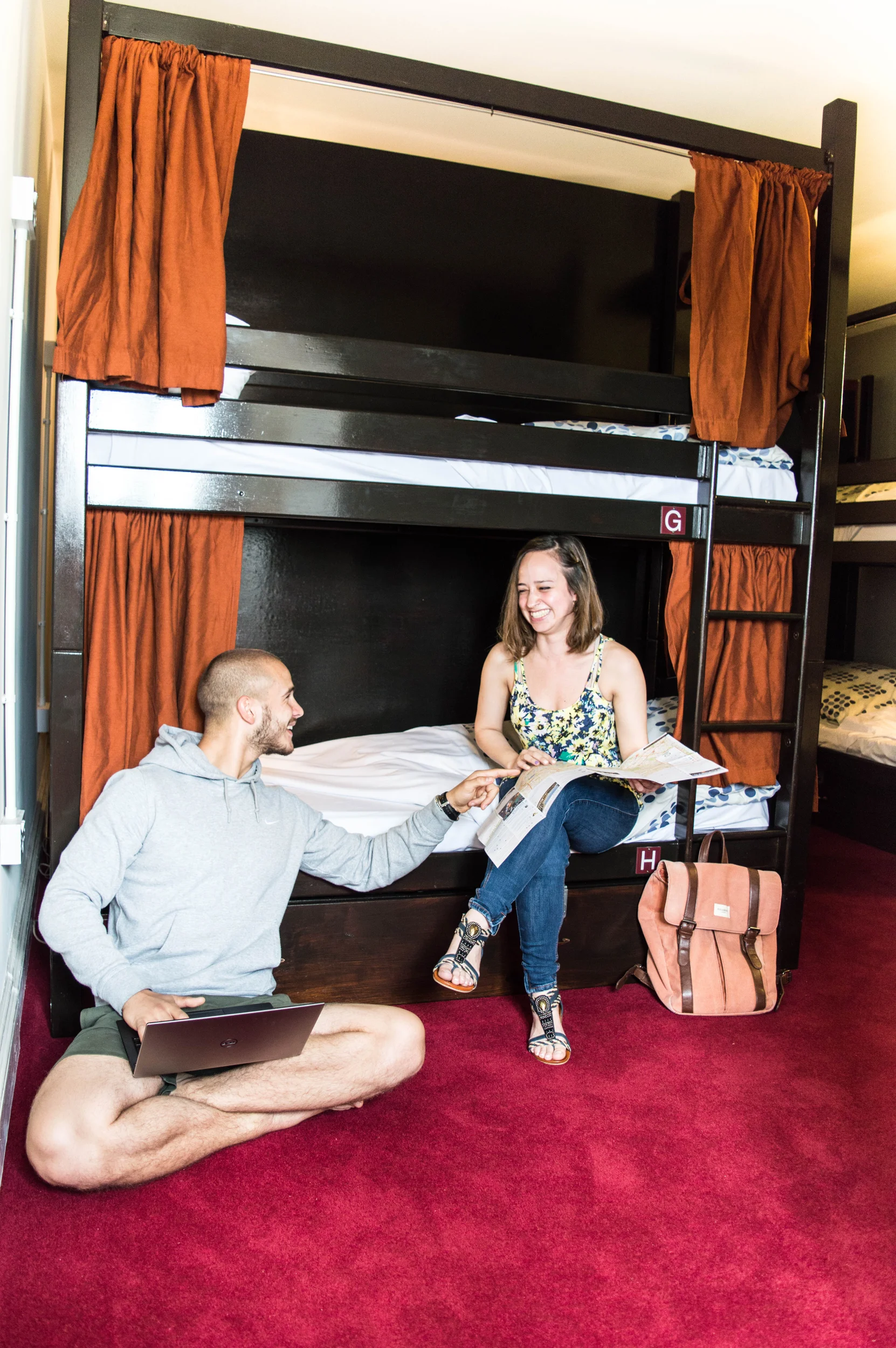
Dorm rooms may feel social, but boundaries matter. Being friendly does not require invading someone’s space.
Good boundary habits:
- Do not touch anyone’s belongings.
- Do not borrow items without asking.
- Keep conversations friendly but not intrusive.
- Respect when someone puts on headphones or reads.
Many traveler conversations showed people offering meetups but waiting for others to respond, never assuming interest. This waiting behavior signals a natural respect for social boundaries that should carry into the dorm environment.
Kindness thrives when everyone feels safe.
🕒 11. Early Departures and Late Arrivals: Transition Grace
Hostel dorms include people on many schedules. Someone is always catching a sunrise bus or arriving from a red eye flight.
Graceful early morning habits:
- Prepare your bag the night before.
- Avoid flipping on lights.
- Slip out quietly for your tour or shuttle.
Graceful late night habits:
- Shower earlier in the day if possible.
- Place your key card in an easy access pocket.
- Enter with your phone light on low.
In our Hostelworld app, guests often mentioned meeting for early taxis or shuttles outside the dorm, which allowed them to coordinate without waking their roommates. This travel behavior exemplifies transition etiquette at its best.
Arriving late or leaving early is unavoidable, but the way you do it defines your dorm reputation.
🌍 12. The Heart of It All: Community and Kindness
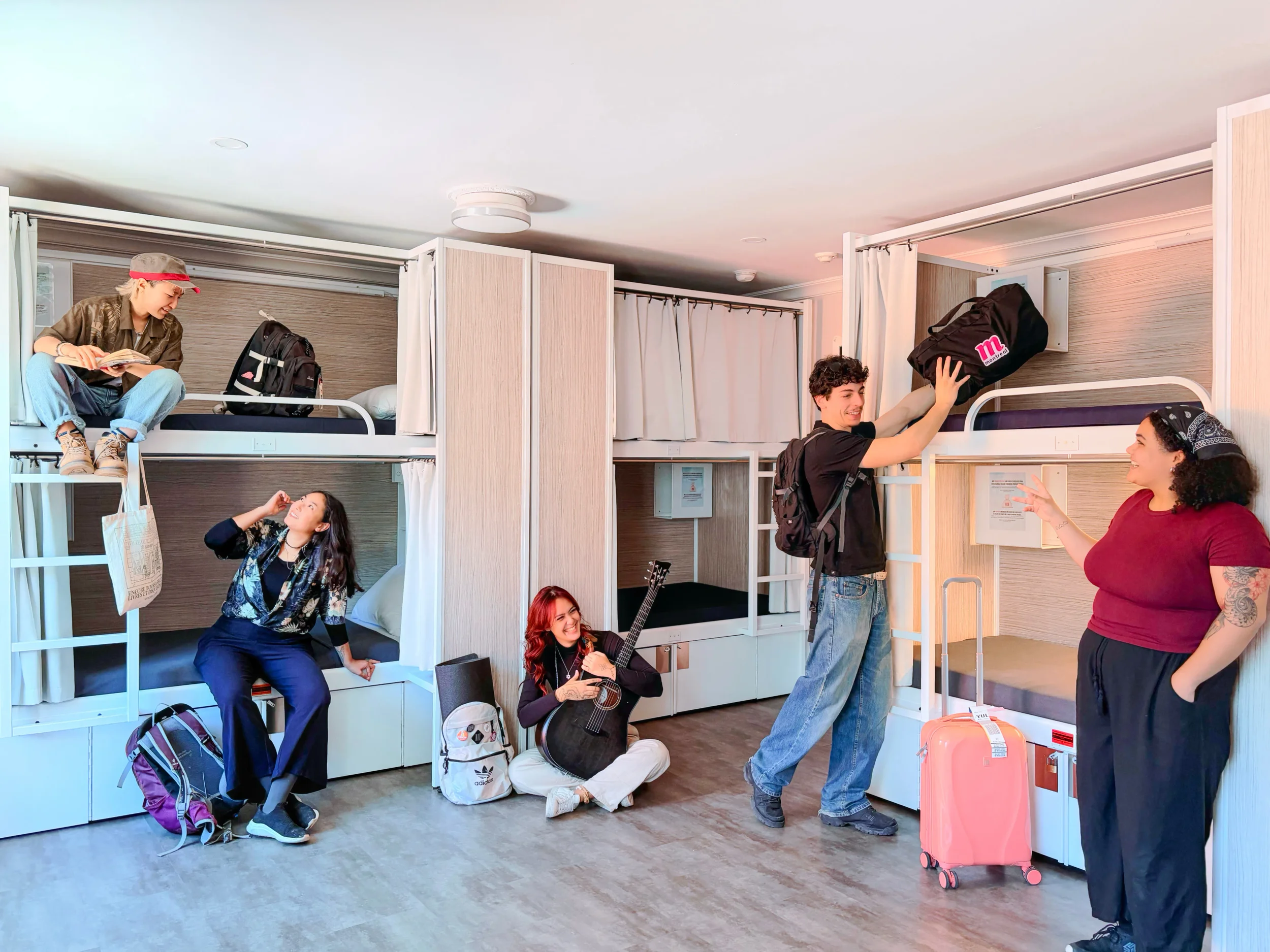
Hostel living is built on micro acts of respect. You do not need to be perfect. You only need to be considerate.
In the community chats in our Hostelworld app, the overwhelming majority of interactions show travelers coordinating thoughtfully, planning meetups in hallways, gathering in lounges, messaging each other instead of calling across bunks and respecting the shared rhythms of the dorm. These are small but powerful gestures.
Kindness checklist:
- Assume someone is resting.
- Assume someone is overstimulated from travel.
- Assume someone has a long day ahead.
- Give others the space you wish to receive.
Hostelworld works because travelers bring this mindset with them. Your courtesy contributes to that global hospitality cycle.
🌟 Conclusion: Practice Hostel Dorm Etiquette and Build Better Travel
Good hostel dorm etiquette turns a basic bed into a meaningful experience. It helps strangers become allies on the road and builds respect among people who might never meet otherwise. The travel messages behind these insights reveal a global pattern of kindness, with guests choosing community friendly behaviors without being told. They meet in hallways, plan quietly, keep shared spaces orderly and support one another’s journeys.
When you follow these habits, you join that silent network of respectful travelers. You help shape a dorm atmosphere where everyone feels welcomed, rested and included. That is the true heart of hostel culture, and it is the reason Hostelworld continues to foster a community built on real traveler insights and genuine connection.
Download the Hostelworld app to start booking now


FAQ: Hostel Dorm Etiquette 101
How can I keep noise to a minimum in a shared dorm?
The simplest way is to prepare for your night or morning before entering the dorm. Pack your toiletries, sleepwear and chargers ahead of time, and avoid rustling bags or zipping loudly after lights out. Travelers in message chats frequently met in hallways or lounges when coordinating evening plans, proving that most prefer to avoid talking inside the dorm.
What should I do if I arrive late at night?
Enter quietly with your phone light on low. Place your bag down gently and avoid opening and closing zippers repeatedly. If you need to unpack something essential, take your bag to a common area.
How do I handle early morning departures without waking others?
Preparing before bed is the most thoughtful approach. Set aside your clothes, toiletries and documents so that you can slip out with minimal fuss. Several travelers describe meeting for early taxis outside their rooms so they could finish getting ready in hallways or lobbies, a habit that prevents waking light sleepers.
Is it acceptable to use the overhead lights when others are sleeping?
It is best to avoid it. Use a small soft light or your phone’s lowest brightness to navigate. Turning on the main light can wake the entire room. Many travelers coordinated nighttime activities in common spaces instead of preparing in the dorm, which further shows the importance of keeping lights low while others sleep.
Can I eat inside the dorm?
It is usually discouraged but sometimes permitted for small, non‑smelly snacks. Avoid foods with strong smells or noisy packaging. Crumbs can easily attract ants, especially in tropical areas.
How do I handle charging my devices when outlets are limited?
Share wisely and bring a multi port charger so multiple people can plug in at once. Never unplug someone else’s device.
What is the polite way to use my phone in the dorm?
Keep your phone on silent mode and use headphones for videos or calls. Step outside for conversations longer than a few seconds.
How do I deal with messy dorm mates?
Approach the situation gently. Sometimes people do not realize how much space they are taking up. You can ask politely if they mind shifting their items so others can walk through safely. If the problem persists, involve staff. Traveler messages suggest that people naturally keep items compact in shared spaces, so messy behavior is the exception rather than the norm.
What is the etiquette around borrowing items from roommates?
Always ask first and accept a “no” graciously. Do not touch or move anything that is not yours. Travelers frequently invited others along for activities through chat, but always waited for replies. That same consent‑first behavior applies to belongings.
How should I handle bunk bed noise or movement?
Move slowly and deliberately. Climbing ladders too quickly can shake the frame and disturb the person sleeping. If you are on the top bunk, secure your belongings so nothing drops. Travelers often mentioned climbing quietly for early departures, which indicates that everyone understands the vibrations caused by fast movements.
What should I do if someone is snoring loudly?
Start by using earplugs, which most hostels recommend packing. If snoring is extreme, you can ask staff if another bed is available, but avoid confronting the snorer. Snoring is usually involuntary.
Is it rude to set multiple alarms in a hostel dorm?
Try to set only one alarm and turn it off immediately. If you need backup alarms, keep your phone near your pillow so you can silence it quickly. Because travelers often leave for early tours, alarms happen, but excessive alerts can wake the whole room. A quick shutoff is crucial.
How do I maintain privacy in such a shared space?
Use curtains if your bunk has them, and organize your items so others do not handle or move them. When speaking with other travelers, respect cues like headphones, reading or body language that indicates a desire for quiet time.
What if I want to socialize but others seem tired?
Take the conversation outside the dorm. Common rooms, bars, rooftops and lounges are perfect for socializing. Many traveler chats involved meetups in these shared spaces, not the dorms, highlighting a strong informal rule about keeping the sleeping environment calm.
How early is too early to start getting ready in the dorm?
Anything before 7 a.m. should be done with extreme care. Ideally, do most preparations the night before so you can slip out quietly in the morning.
Should I lock up my belongings?
Yes. Even in the friendliest hostels, lockers exist for a reason. Use them for passports, electronics, money and anything valuable. Locking your items prevents misunderstandings and keeps you relaxed. It also contributes to an atmosphere where everyone trusts that shared spaces remain respectful.
How do I handle conflicts with a dorm mate?
Start with a polite, calm conversation. Many problems come from misunderstanding, not malice. Explain the issue briefly and ask if you can both find a compromise. If the behavior continues, inform staff. Hostels are skilled at mediating. Traveler conversation patterns show a high level of courtesy and willingness to cooperate, so conflict is often avoidable.


 Get the App.