
Sustainability Stories: Inside Hostelworld’s 2026 Culture Champion – Black Llama Cusco

“When guests stay with us, they’re not just visiting – they’re starting to understand Cusco and the heritage”, says Eric Beland, founder of Black Llama Hostel Cusco.
Sitting at over 3,400 metres in the Peruvian Andes, Cusco, otherwise known as the “navel of the world”, is one of South America’s most historic and visited cities, and the archaeological capital of the Americas.
In the heart of Cusco, residing inside a beautifully restored Casona, lives our 2026 HOSCARS Culture Champion, The Black Llama Hostel.
A different way to experience Cusco
Black Llama Hostel Cusco was founded on a simple idea: travellers come to Cusco searching for the city but often find only the postcard version.
From the moment guests arrive at Black Llama, the goal is to create a deeper, more authentic understanding of the city. Shared spaces, from the café to the common areas, reflect Cusco’s culture, history, and rhythm.
What it means to be a Culture Champion
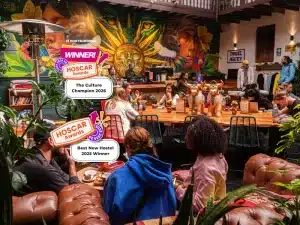
Being named Hostelworld’s 2026 Culture Champion isn’t just about recognition; it reflects a daily commitment.
From design choices to partnerships and guest experiences, every element of Black Llama is rooted in respect for Peruvian culture and identity.
Set within a historic Casona, preservation is not an afterthought, but a foundational everyday practice. Guests quickly recognise this care and, in turn, begin to slow down, listen, and engage more meaningfully.
What makes this approach so meaningful is the dual impact: creating richer experiences for international travellers, while reinforcing cultural pride among local Peruvians visiting from other regions.
A true example of what cultural sustainability really looks like.
Designing experiences that stay with you
At Black Llama, events aren’t scheduled; they are thoughtfully curated invitations that are offered to guests to intentionally connect with local experiences that leave lasting impressions.
From coca leaf readings, Pisco Sour classes, and traditional crafts, each experience is chosen for its real cultural and historical significance. The key difference between memorable and meaningful is the authenticity of the experience.
As Eric explains, “A good experience is shared online. A meaningful one stays with you.”
Guests don’t observe; they participate. Every moment is designed so visitors become part of the story, not just spectators passing through.
Community at the centre
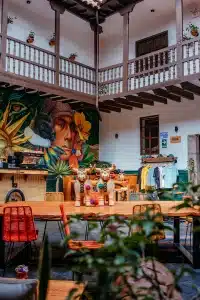
Community is visible in every detail. From murals by local artists like SELVA UNO, to handcrafted Toritos de Pucará from regional artisans, every element reflects collaboration.
Even the coffee tells a story – Black Llama Coffee – sourced from rotating regions across Peru, directly supporting local farmers.
As Eric explains: “We believe in giving full recognition and fair treatment to every collaborator. When you walk through Black Llama, you’re literally surrounded by the work of people we respect, and that matters.”
Everyday sustainability in practice
Sustainability at Black Llama is built into daily decisions. From water conservation in the dry seasons to waste sorting for recycling and composting, small actions add up. And when shared with hundreds of travellers each year, it creates a genuine impact.
As Eric puts it: “You can’t truly honour a community while damaging its environment.”
Environmental and cultural sustainability are inseparable; preserving one without the other isn’t possible.
The Impact: Travellers & connection
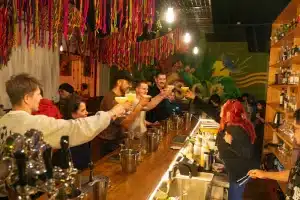
For Eric and the team at Black Llama, the shift in traveller mindset is clear:
“People no longer want to be tourists; they want to be participants. They’re seeking genuine connections with destinations and the communities they visit.”
At Black Llama, shared spaces like the hostel kitchen and coffee program provide those moments – turning guests into active participants in Cusco’s story rather than passive observers.
It’s where belonging takes shape, through shared meals, conversation, and experiences that spark curiosity and connection.
As Eric reflects:
“We’ve watched guests arrive stressed and leave transformed – not because of a single moment, but because they’ve been taken into something real. Cusco becomes less like a destination and more like a place they belong.”
And the most meaningful feedback from guests? “I feel at home.”
The future of travel in Cusco
As Cusco’s global appeal continues to grow, balancing tourism with responsibility becomes even more important.
Sharing Peru with the world is crucial, supporting both culture and local economies, but it requires a great deal of respect, intention, and awareness from the very beginning.
Having hosted travellers from everywhere, Black Llama has seen guests want to engage respectfully; they just need clear guidance.
The industry’s challenge now is how to set expectations early and make cultural respect a natural part of the travel experience, not the exception.
The goal isn’t just to host travellers, but to send them home as unofficial ambassadors of Peruvian culture, not just with photos, but with a changed and lasting perspective on what travel can be.
Eric’s top 3 local recommendations for visiting Cusco:
- Often overlooked, but a must-try experience:
Specialty coffee, try Black Llama Coffee, created to revalue high-quality Peruvian coffee, paired with a food and dessert menu everyone can enjoy. We’re sure this will be one of the best experiences this year. - A cultural initiative to support:
Local gastronomic and artisan fairs. They revalue local cuisine and showcase talented artisans whose pieces display their art. - One small tip for responsible travel:
Understand that seasonal weather is not an excuse. Cusco has a unique charm in every season. Travel responsibly, use formal tourism services, and above all, plan your trip in advance.


 Get the App.