Slovakia
Slovakia country guide

Things To Do In Slovakia

The smallest high mountain range in the world, more castles per head than anywhere in Europe, and a capital an hour from Vienna at half the price.

€13
Dorm bed, from
180+
Castles and ruins
1h
Bratislava to Vienna
2,655m
Gerlachovský štít, the high Tatras

A capital on the Danube and mountains behind it

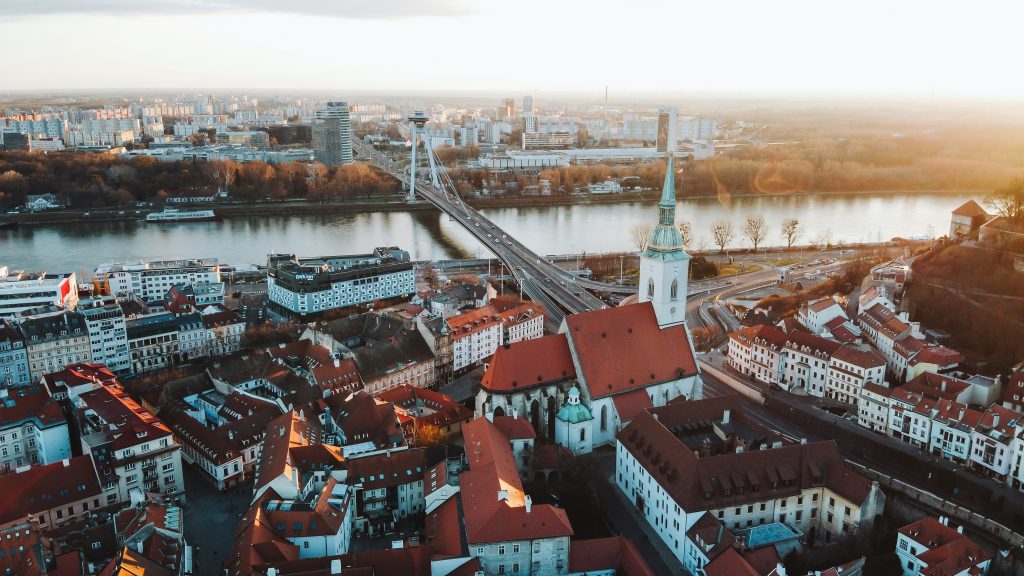
Bratislava sits on the Danube within an hour of Vienna, Budapest and Brno, which makes it the most overlooked capital in central Europe — most visitors arrive for a day from somewhere else and leave without seeing that the old town is small, handsome and genuinely cheap.

The reason to stay longer is north. The High Tatras are the smallest high mountain range in the world: a compact wall of granite peaks over 2,500 metres, with marked trails, mountain huts and a cable car, packed into an area you can cross on foot in a couple of days.

Between the two, Slovakia has more castles than almost anywhere — Spiš, Orava, Bojnice, Devín — and a set of medieval mining towns that look like the Czech Republic without the crowds.

Where to go

Trains and buses link the cities, and the Tatras are three hours from Bratislava.

Bratislava

Bratislava

12 hostels · dorms from €12

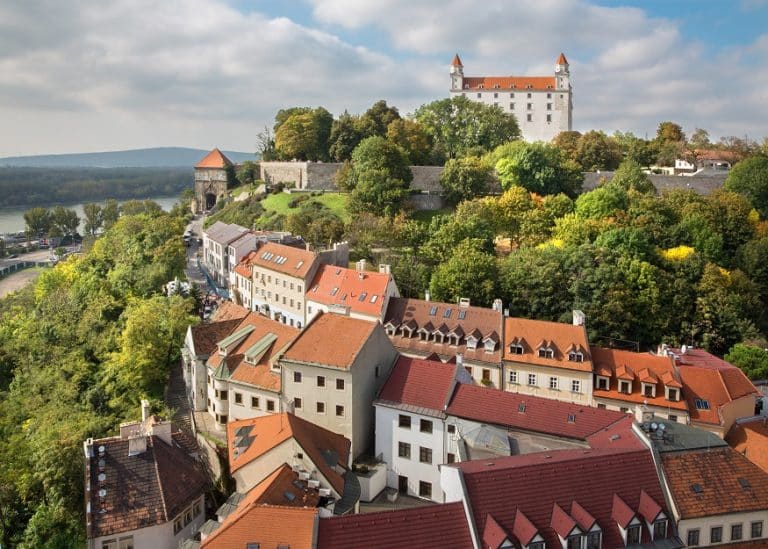
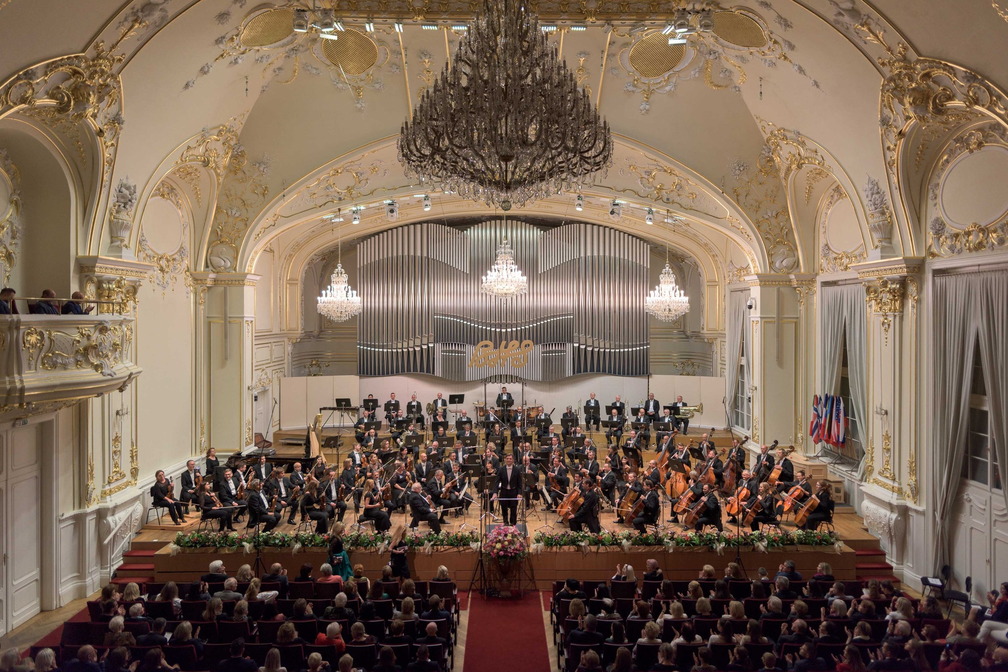
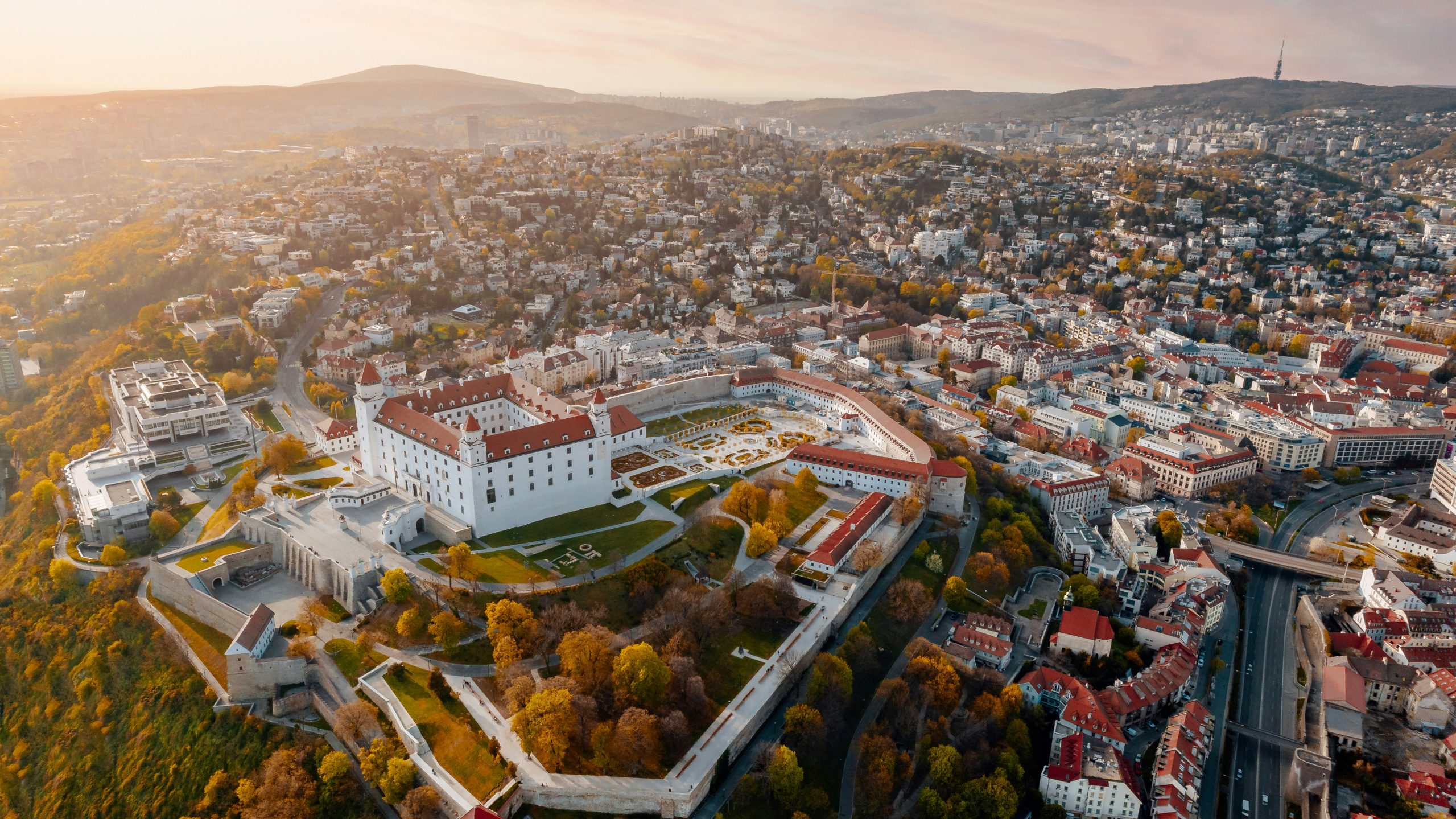
A small baroque old town under a castle, on the Danube, an hour from Vienna and much cheaper.

A smaller and quieter city than many other European capitals. And not to many other tourists. Would really recommend the city for a calm weekend trip. If you go down to the river you will see an amazing sunset as well.

A traveller, on Hostelworld
The Bratislava guide
Košice

Košice

3 hostels

The eastern capital, with the country's largest cathedral and a long pedestrian main square.

The Košice guide

What kind of trip is this?

Slovakia is a mountain country with a cheap capital attached.

Adventure in Slovakia

The High Tatras, and hut-to-hut walking that rivals the Alps.

What to do

  • Hike to Zelené pleso
  • Stay in a mountain chata
  • Ride the Lomnický štít cable car

Spots to visit

  • High Tatras
  • Malá Fatra
  • Slovak Paradise

Best cities for it

Things to do

Things to do in Slovakia

The High Tatras are the reason to come. Trails are colour-marked and signposted in walking hours rather than kilometres, mountain huts — chaty — serve food and beds, and the Lomnický štít cable car takes you to 2,634 metres in a few minutes for the view without the climb. The classic day is Hrebienok to one of the glacial lakes, and it needs boots rather than technical skill.

Spiš Castle is among the largest castle complexes in Europe and sits on a ridge above the plain in the east; Bojnice looks like a fairy tale and is the most photographed building in the country.

Bratislava is small and cheap: the castle above the Danube, the old town in an hour, and Devín castle at the confluence of the Danube and Morava, reachable by bus or boat.

Food and drink

Eating in Slovakia

Bryndzové halušky is the national dish: potato dumplings with sheep's cheese and bacon, heavy, salty and about €6 to €9. It is what you eat after a day in the mountains and it is not a light lunch.

Lunch menus are the everyday value: soup and a main for €5 to €8 in town restaurants, and mountain huts do simple food at reasonable prices given they carry it up on their backs.

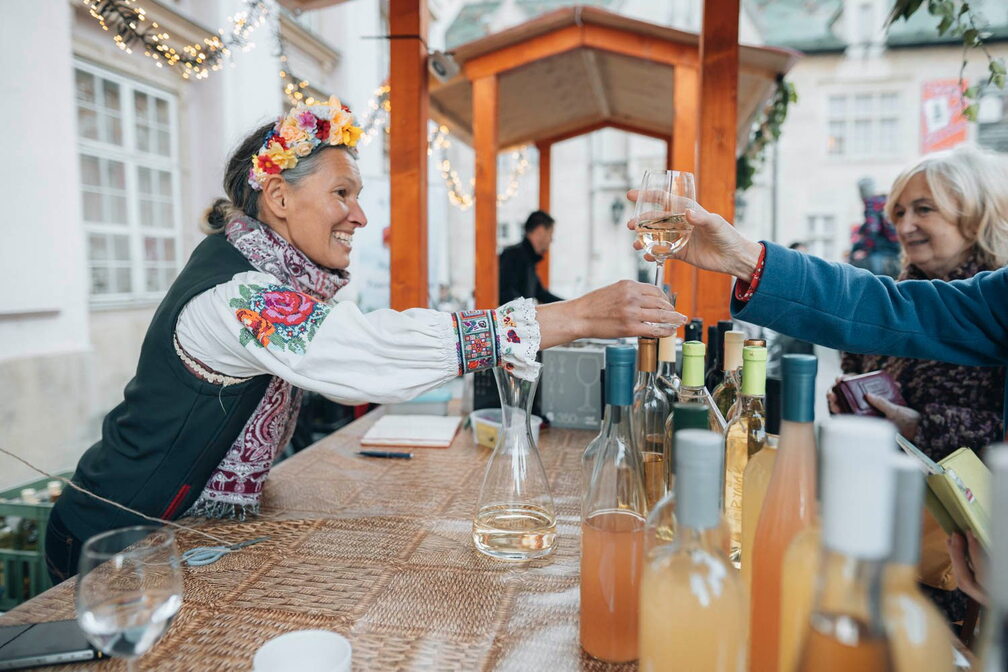
Slovak wine is decent and barely exported, particularly from the Small Carpathians near Bratislava. Beer is Czech-adjacent in quality and price — €1.50 to €2.50 for a half-litre — and the borovička juniper spirit is the local shot.

Nightlife

Going out in Slovakia

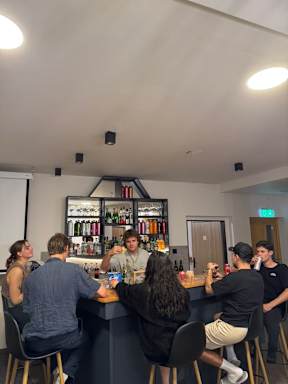
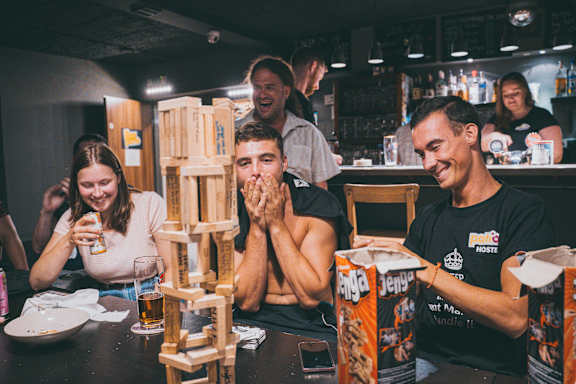
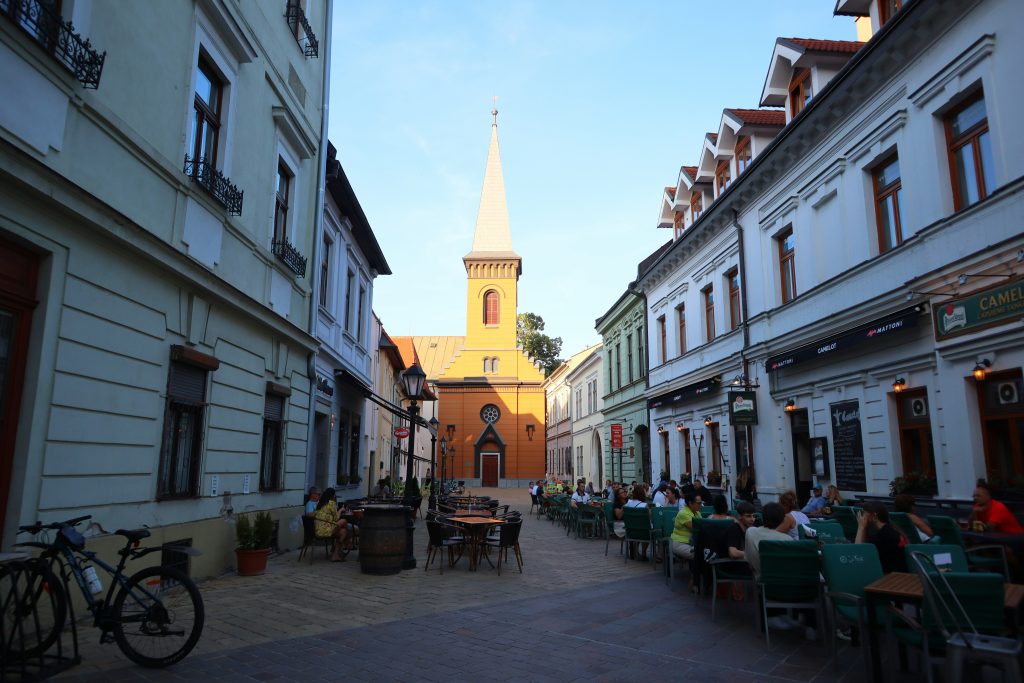
Bratislava's old town is compact and full of bars, and because it is an hour from Vienna it gets weekend traffic from Austria and a fair number of stag groups. Prices are half Vienna's — a beer is €2 to €3 — which is the whole reason they come.

Away from the main squares, the city has a decent craft beer and cocktail scene, and the student areas are cheaper again.

Košice's main square is the eastern equivalent, long and pedestrianised with bars down both sides, and considerably more relaxed. In the mountains, evenings happen in the huts rather than in bars.

Getting around

Getting around Slovakia

Trains run the length of the country and are cheap; Bratislava to Košice takes five to six hours, and to the Tatras about four. RegioJet and ZSSK compete on the main line, and RegioJet includes coffee and a steward.

Buses fill the gaps, particularly in the mountains, and the Tatra Electric Railway links the resort villages of Štrbské Pleso, Starý Smokovec and Tatranská Lomnica every half hour.

Bratislava is small enough to walk, and an hour by train from Vienna, ninety minutes from Brno and under three hours from Budapest, which makes it easy to slot into a central European route.

Costs

What Slovakia costs

Slovakia is roughly half the price of neighbouring Austria and slightly above the Czech Republic. Dorms start around €13, a lunch menu is €5 to €8, and a beer is €1.50 to €2.50.

Mountain huts are the best value accommodation in the country: €20 to €35 including dinner, in places you can only reach on foot.

The High Tatras in the ski season and in August are the two times prices rise, and Bratislava charges a small premium at weekends because of the Vienna traffic.

Safety

Staying safe in Slovakia

Slovakia is a safe country with low crime, and Bratislava and Košice are comfortable at night in the central areas.

The real risks are in the mountains. The High Tatras are genuine alpine terrain: weather changes fast, trails above the treeline close in winter, and some routes are closed each year from November to mid-June for conservation and safety. Check what is open before setting out.

Mountain rescue is efficient and can be billed, so check your insurance covers it. In summer, ticks are present in forest and long grass, and bears live in the Tatras and the Fatra ranges — encounters are uncommon but real, so make noise on quiet trails.

Entry and documents

Entry and documents

Slovakia is in the EU, the Schengen area and the eurozone. EU citizens need an ID card; UK, US, Canadian and Australian passport holders get 90 days in any 180 across the whole Schengen zone.

Passports need three months' validity beyond departure and to have been issued within the last ten years. ETIAS has been postponed repeatedly — check the official EU site.

Slovakia borders Ukraine in the east. That frontier is an active humanitarian corridor and should not feature in any travel plan without checking current government advice.

When to go

The mountains decide the calendar: high trails open from mid-June to October, and ski season runs December to March. Bratislava works year-round.

2°
Jan
Ski season in the Tatras. Bratislava cold and cheap
4°
Feb
Peak skiing, and the quietest month in the capital
9°
Mar
Spring skiing, and the cities warming
15°
Apr
Between seasons. High trails still closed
20°
May
Lovely in the cities. Mountains still snowbound above the treeline
23°
Jun
High trails open around mid-month. Waterfalls at full melt
25°
Jul
Peak hiking. Huts need booking well ahead
25°
Aug
Busiest in the mountains and hot in Bratislava
20°
Sep
The best month for the Tatras. Clear air, fewer people
14°
Oct
Autumn colour, huts closing late in the month
7°
Nov
The dead month. High trails closed, cheapest beds
3°
Dec
Christmas markets in Bratislava, then ski season
Bar height is temperature. Colour is how busy it gets: quiet busy peak

Average highs for Bratislava. The High Tatras are far colder, and marked high-altitude trails are officially closed from 1 November to 15 June.

What your trip will cost

Pick how you travel and how long for. Per night, for one person, outside the Tatras in ski season.

Mountain huts at €20–35 including dinner are often cheaper than valley hostels, and they put you where the walking is.

—
  • Beds—
  • Food and drink—
  • Getting around—
  • Doing things—
What's on

What is on while you are there

A small calendar, with a folk festival that is genuinely worth planning around.

Slovakia travel questions

The ones we get asked most.

How many days do you need in Slovakia?
Two days for Bratislava, which is small. Five lets you add the High Tatras properly, and a week takes in Košice, Spiš Castle and the mining towns in the middle.
Is Slovakia cheap?
About half the price of neighbouring Austria. Dorms from €13, a lunch menu at €5 to €8, a beer at €1.50 to €2.50, and mountain huts at €20 to €35 including dinner.
Are the High Tatras worth it?
Yes. They are the smallest high mountain range in the world — 2,500-metre granite peaks packed into a compact area — with marked trails, staffed huts and a cable car to 2,634 metres. It is alpine walking at a fraction of Alpine prices.
When can I hike in the Tatras?
High-altitude marked trails are officially closed from 1 November to 15 June for safety and conservation. Mid-June to October is the season, with September the best month for clear weather and fewer people.
Is Bratislava worth more than a day trip?
The old town genuinely is small and a day covers it, but staying gives you Devín castle, the Small Carpathians wine villages and prices at half what Vienna charges an hour up the line.
Do I need to worry about bears?
Brown bears live in the Tatras and the Fatra ranges and encounters are uncommon but real. Make noise on quiet trails, keep food sealed, and never approach one. Local advice on specific trails is worth taking.
What is bryndzové halušky?
Potato dumplings with sheep's cheese and bacon — the national dish, about €6 to €9, and substantial enough to end a day of walking rather than start one.

Say yes to hostels, meet the world

Compare hostels across Slovakia — live prices, real reviews and free cancellation on most bookings. Then meet the people already there in the app.

Get the App. QRGet the App.
Get the App. QR  Get the App.
Scroll to Top