Staré Mesto and Hlavná
First-timersAlong the main street: the cathedral, cafés, bars and most of the beds.

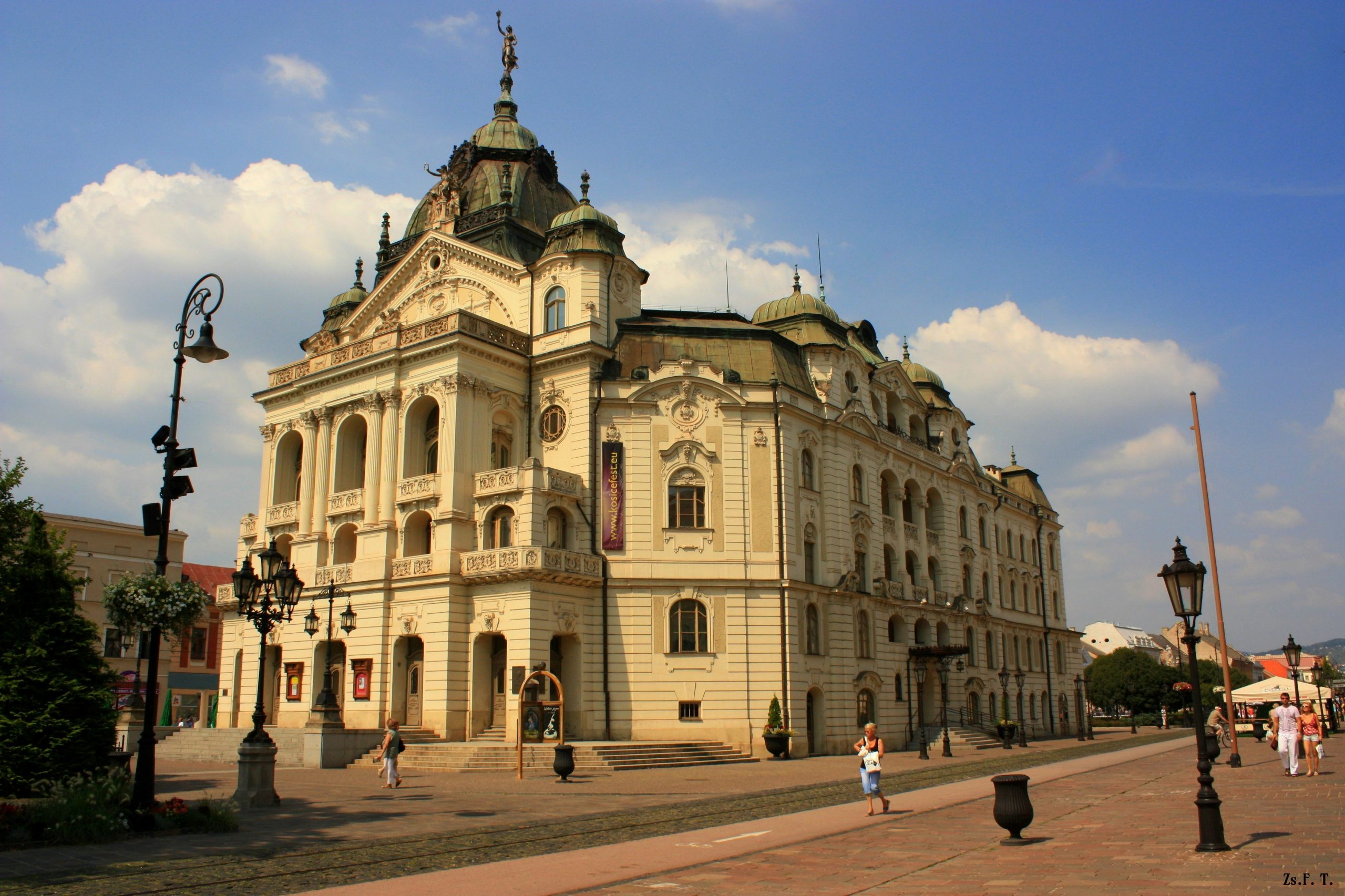
The eastern capital: Slovakia's largest cathedral, a long pedestrian main street with a singing fountain, and one of central Europe's biggest castles an hour away.
Košice is Slovakia's second city and its eastern capital, six hours by train from Bratislava and a very different place — closer to Hungary, Poland and Ukraine than to Vienna.
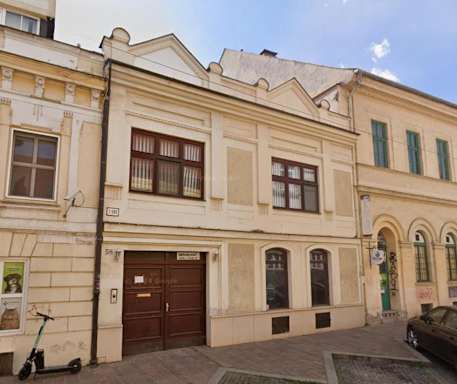
The historic centre is built along Hlavná, a long pedestrian main street rather than a square, lined with baroque and neoclassical buildings and running past the city's great Gothic cathedral.
St Elisabeth Cathedral is the largest church in Slovakia and among the easternmost Gothic cathedrals in Europe. Its crypt holds the remains of Francis II Rákóczi, who led a Hungarian uprising against the Habsburgs in the early eighteenth century.
Košice was European Capital of Culture in 2013, and that year left it with new venues, a converted barracks arts centre and a noticeably livelier cultural life than its size suggests.
The region around it holds Spiš Castle, one of the largest castle complexes in central Europe, and the Slovak Paradise national park, with its gorges crossed by ladders.
Two days, more with the surroundings.
A long historic main street at the centre of everything.
Along the main street: the cathedral, cafés, bars and most of the beds.
Just east of the old town: cheaper rooms and a five-minute walk to Hlavná.
Orange labels are neighbourhoods, dots are the 3 top-rated hostels. Map © MapTiler © OpenStreetMap contributors.
St Elisabeth Cathedral is the centrepiece, the largest church in Slovakia. Entry to the main church is free or nearly so; the tower, the crypt with Rákóczi's tomb and the royal staircase are a few euros each and worth it for the tower view over Hlavná.
Walk Hlavná, the long pedestrian main street. In the middle, outside the State Theatre, the Singing Fountain plays music-synchronised water displays through the summer evenings.
Urban's Tower, the bell tower beside the cathedral, and the Chapel of St Michael are next to it.
The Východoslovenské Museum and the Slovak Technical Museum are both good and cheap.
Kasárne Kulturpark, a former military barracks turned into an arts and cultural centre for the 2013 Capital of Culture, holds exhibitions and events.
Then use the city as a base: Spiš Castle, Levoča and the Slovak Paradise national park are all within about an hour and a half.
Hlavná and the historic centre are free, and the main body of the cathedral is free to enter or close to it.
The Singing Fountain is free and plays through summer evenings.
The city park, Mestský park, is free and pleasant.
Kasárne Kulturpark often has free exhibitions and events.
The Jesuit and Franciscan churches along Hlavná are free and each worth a look.
Cheaper than Bratislava. A main is €7 to €13 and lunch menus €5 to €8.
Bryndzové halušky is the national dish here as everywhere in Slovakia.
The Hungarian influence is strong in the east — goulash and paprika dishes are common.
Slovak Tokaj comes from vineyards south-east of the city, across the border from the famous Hungarian region, and is worth trying.
A beer is €2 to €3.50, and Kofola is on tap.
Livelier than you might expect. The bars and cafés run along Hlavná and in the courtyards and streets off it.
A beer is €2 to €3.50 and cocktails €5 to €9, cheaper than the capital.
The universities bring a student crowd in term.
The 2013 Capital of Culture year left the city with more venues and a better events calendar than a city of its size would usually have.
It is a place for relaxed evenings rather than big nights.
The historic centre is walkable, and trams cover the rest of the city for around €1.
Trains from Bratislava take five to six hours, and the route through the Tatras is scenic.
Košice airport has a limited number of direct routes. Budapest is about three and a half hours and Kraków is reachable by bus.
For Spiš Castle and Levoča, trains and buses run in about an hour to an hour and a half. For the Slovak Paradise, go via Spišská Nová Ves.
Cheaper than Bratislava. Dorms are €12 to €25, a main €7 to €13, and a beer €2 to €3.50.
A day is €28 to €50.
Slovakia uses the euro, so these are the prices you pay.
Hlavná and the cathedral are free, and the cathedral tower and crypt a few euros each.
Spiš Castle is about €10 and the Slovak Paradise park fee is small.
Košice is a safe city and crime against visitors is low.
Petty theft happens around the station at ordinary levels.
In the Slovak Paradise national park, the gorge routes use ladders, chains, metal steps bolted to rock and walkways over water. They are one-way, often wet and slippery, and genuinely demanding — proper hiking shoes, dry conditions and a head for heights are needed.
Brown bears live in the forests of central and eastern Slovakia, and encounters have increased in recent years. On trails, make noise, never approach or feed a bear, and follow any local warnings.
Emergency number is 112, and mountain rescue is 18300.
A vast castle, a walled town and gorges crossed by ladders.
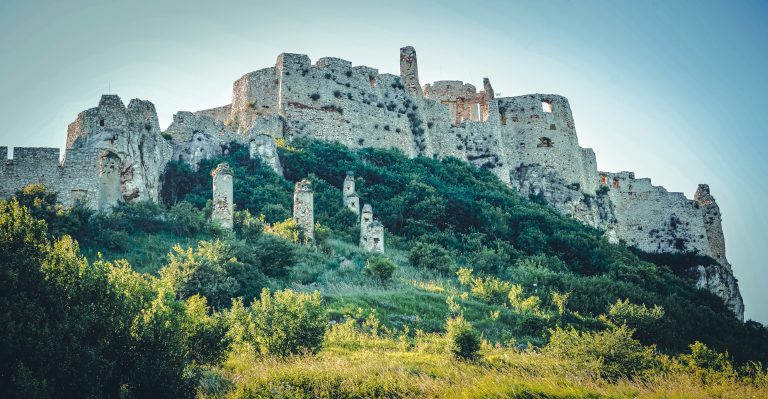
A ruined castle complex on a hill covering about four hectares, one of the largest in central Europe and UNESCO-listed.
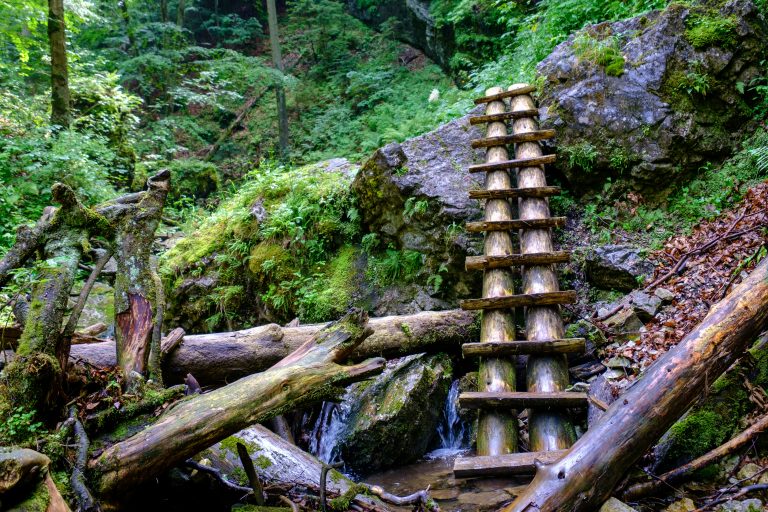
Gorges and waterfalls crossed by ladders and chains. Demanding, and spectacular.
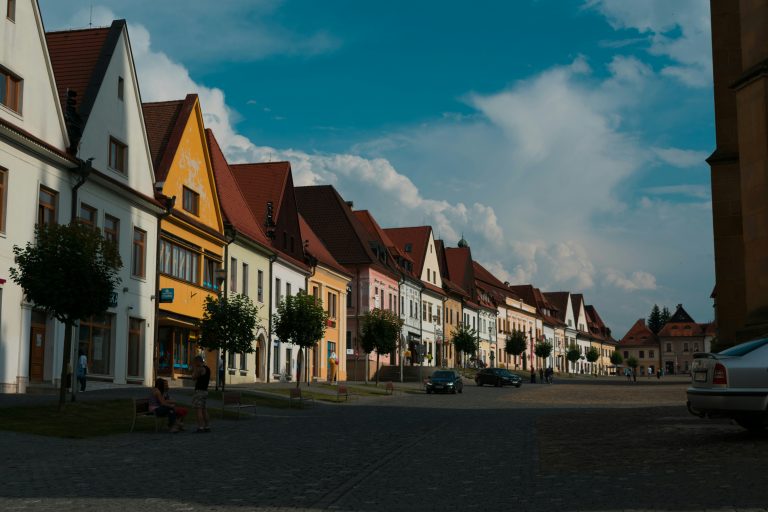
A UNESCO-listed medieval town with an intact square and wooden churches nearby.
A singing fountain in summer, and a marathon older than most.
Running since 1924, it is among the oldest marathons in Europe.
Water displays synchronised to music on summer evenings.
A market along the main street by the cathedral.
The city festival, with events along Hlavná.
When students fill the bars.
A small scene around Hlavná, cheaper than Bratislava. Live from Hostelworld.
May to September for the surroundings. Summer brings the Singing Fountain.
Average highs. Eastern Slovakia is continental — colder in winter and warm in summer — and the Slovak Paradise gorges are best done in dry summer weather.
Pick how you travel. Per person per night, in euros — Slovakia uses them.
Slovakia is in the eurozone, so these are the prices you will pay. Spiš Castle and the Slovak Paradise sit in the doing line.
The ones we get asked most.

Compare Košice hostels — live prices, real reviews and free cancellation on most bookings. Then meet the people already there in the app.

 Get the App.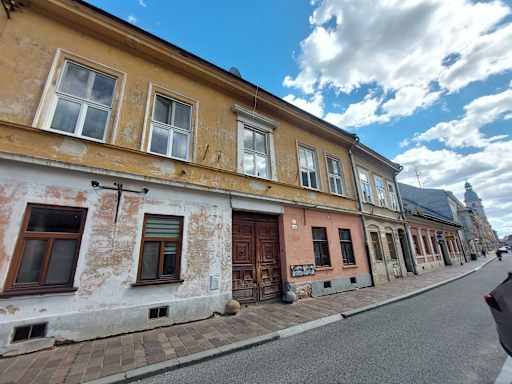
 Get the App.