Slovenia
Slovenia country guide

Things To Do In Slovenia

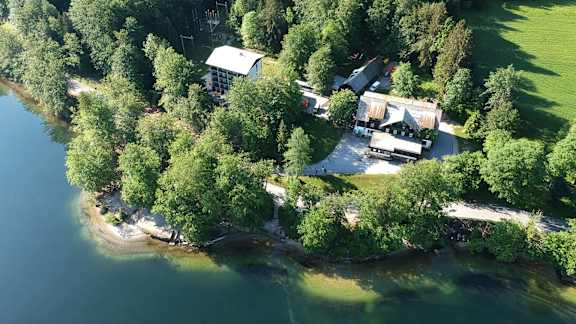
Alps, a lake with an island in it, 47km of coast and a capital small enough to cross on foot. You can be in the mountains, at the sea and underground in a cave in the same week.

€18
Dorm bed, from
60%
Of the country is forest
47km
Of coastline
1h
Ljubljana to Bled by bus

Small enough to do properly

Slovenia is the size of Wales and contains the Julian Alps, the Adriatic, karst caves, vineyards and a capital with a river running through the middle of it. Nothing is more than two hours from anything else, which makes it one of the easiest countries in Europe to see completely in a week.

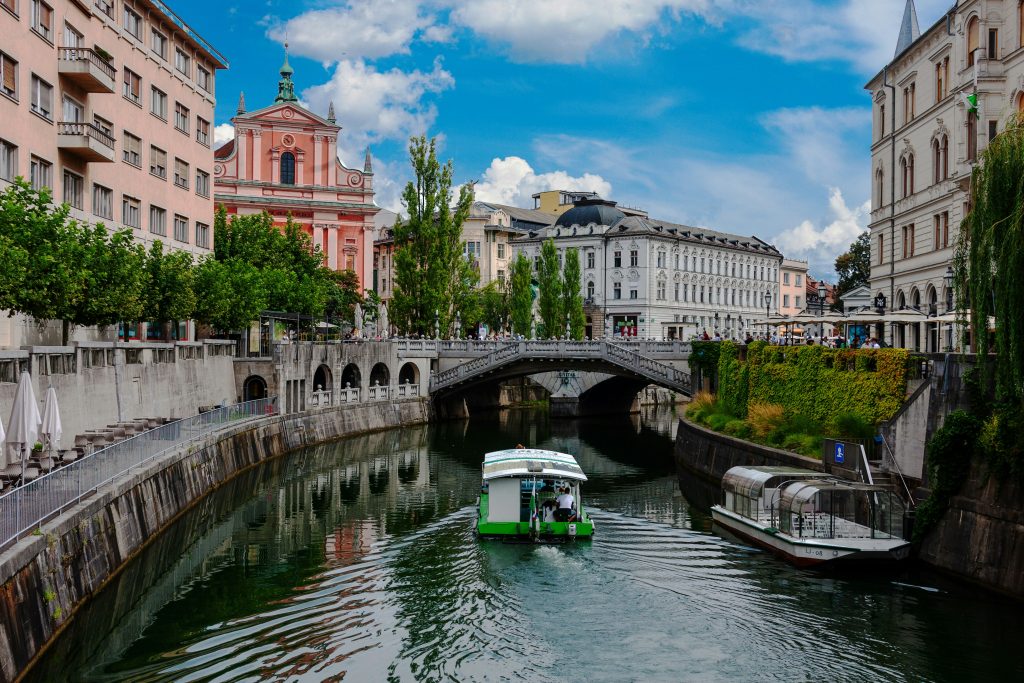
Ljubljana is the base. It is small, green, pedestrianised in the centre, and has a student population that keeps it lively year-round. The castle sits above it, the Ljubljanica river runs through it lined with cafés, and you can walk across the whole centre in twenty minutes.

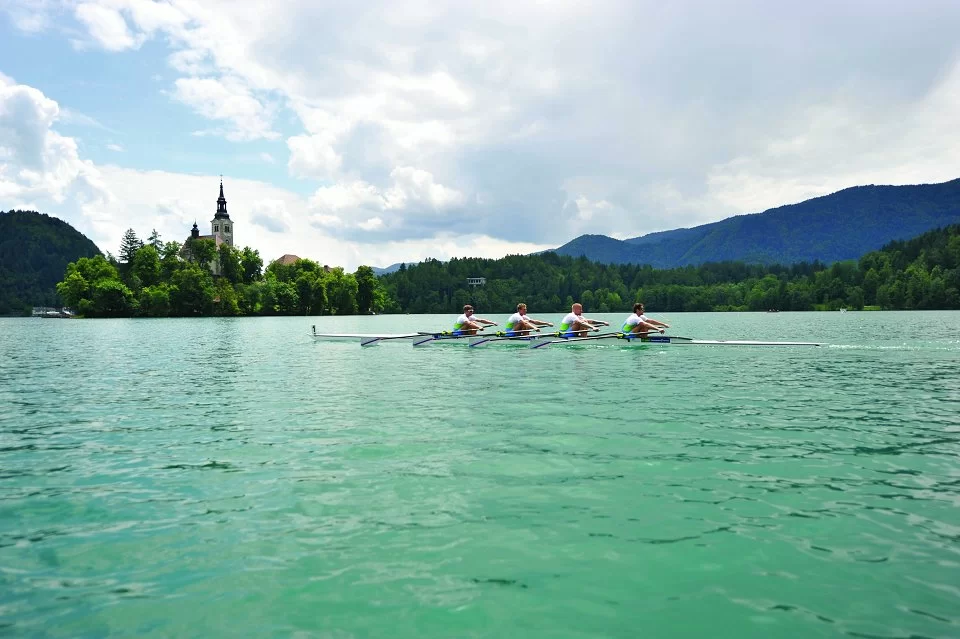
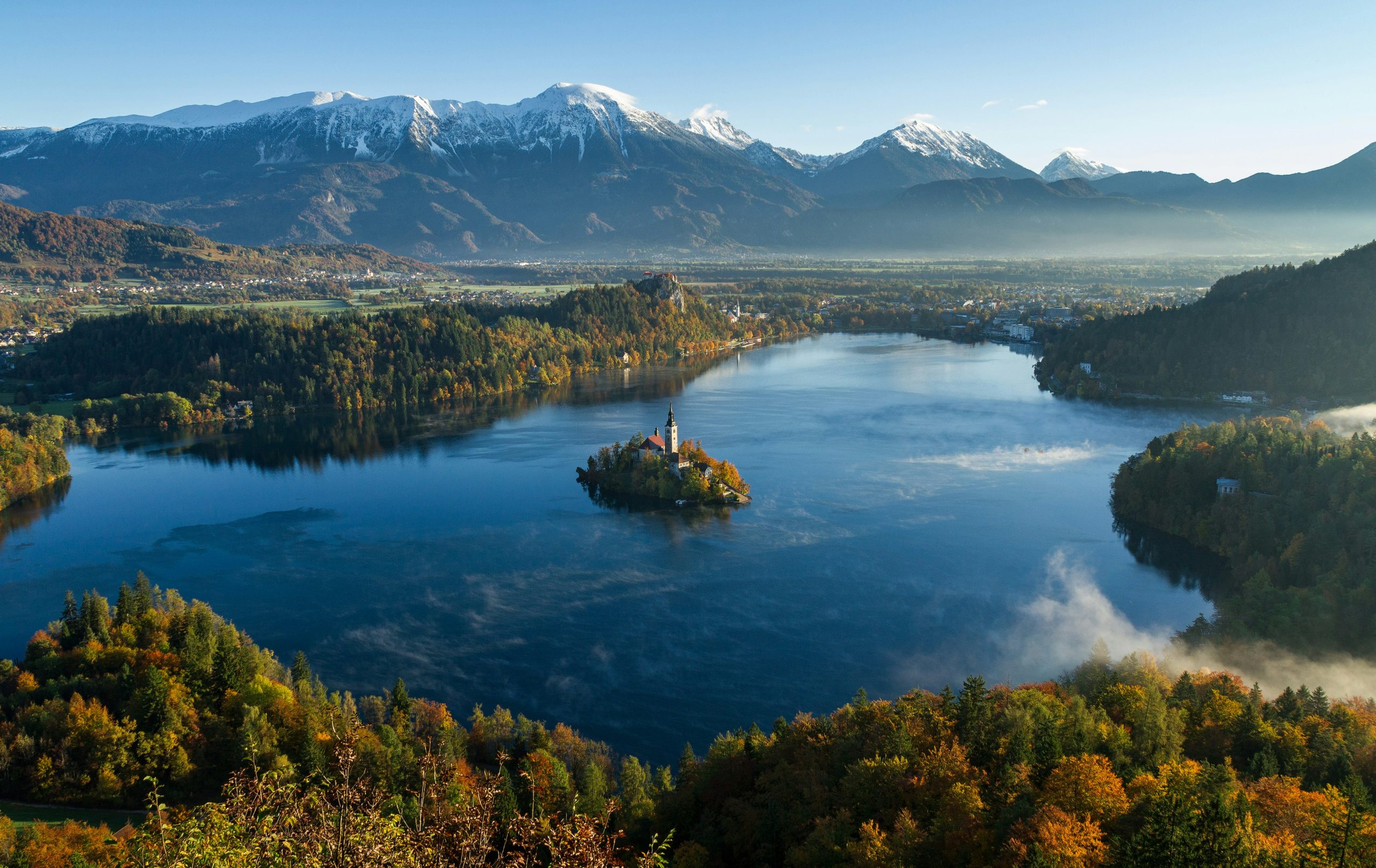
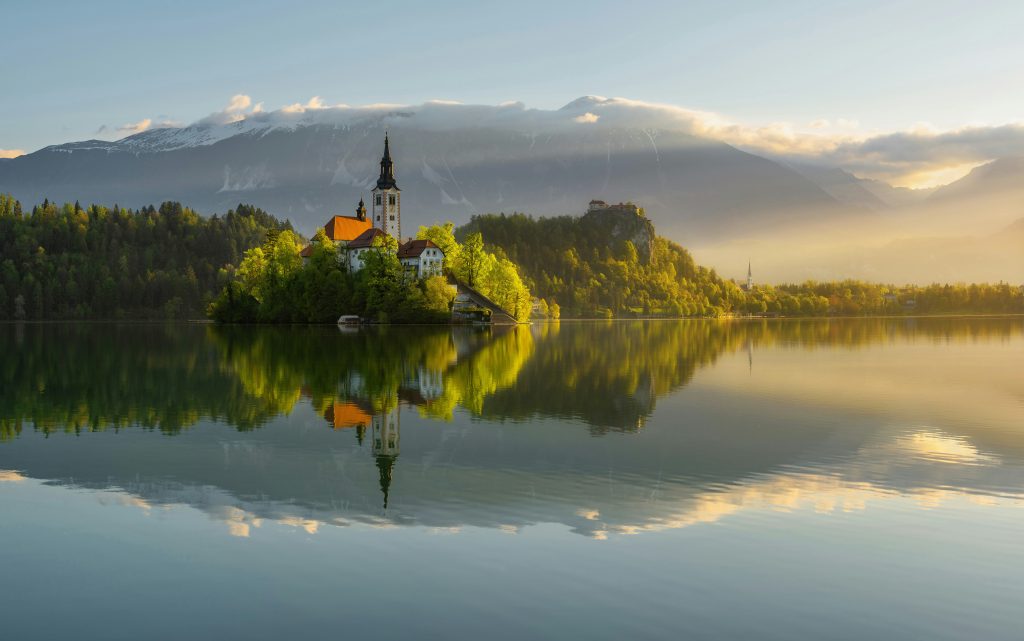
Bled is the postcard — a lake with a church on an island and a castle on a cliff — and it is busy. Bohinj, half an hour further, is larger, quieter and free to swim in. The Soča valley in the west has the most spectacular river in the Alps and the country's adventure sports industry built around it.

Where to go

The country is two hours across. Buses and trains link everything from Ljubljana.

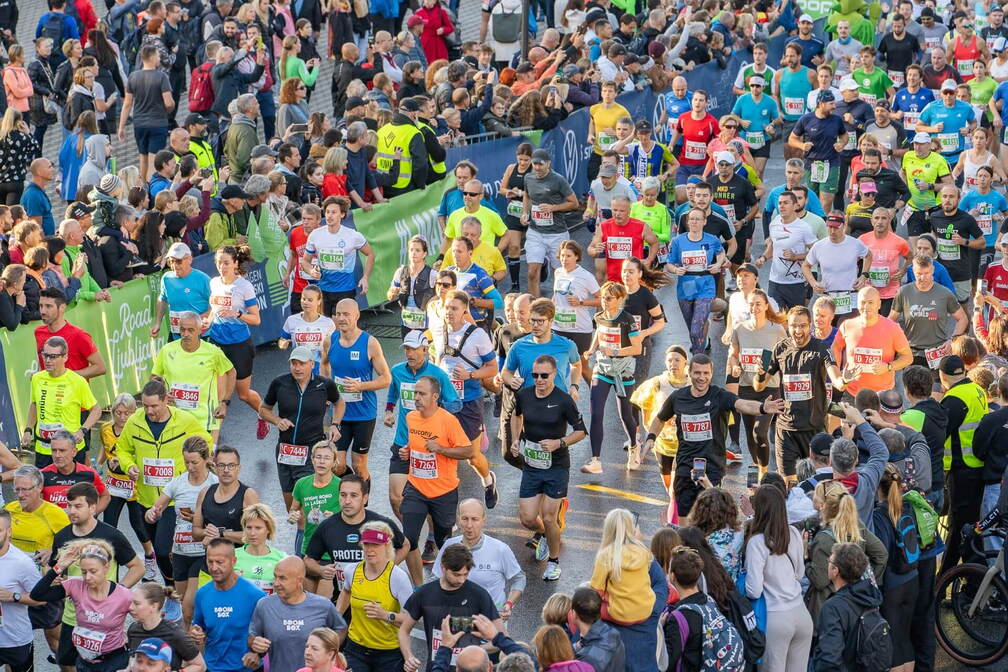
Ljubljana

Ljubljana

29 hostels · dorms from €13

A capital you can cross on foot, with a castle above and a river through the middle. Two days, and worth more.

Loved Ljubljana. It was my second visit and it has such a great vibe and is so beautiful. Well worth a day trip to Postonja caves. I found it very difficult to get into a restaurant but that's on me for not booking ahead.

A traveller, on Hostelworld
The Ljubljana guide
Bled

Bled

14 hostels · dorms from €17

The lake, the island church and the castle. Beautiful, busy, and an hour from the capital.

I’ve been all over the world and to many places, Bled is one of my favorites ever it’s just spectacular. Im a mountain boy and love nature and bled was just a dream.

A traveller, on Hostelworld
The Bled guide
Bovec

Bovec

1 hostel · dorms from €29

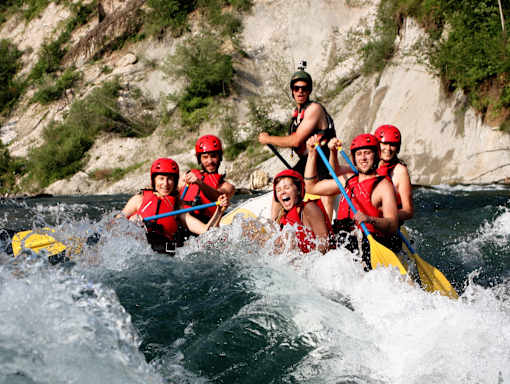
The Soča valley: rafting, canyoning and the most startling river colour in Europe.

Insane views, Great weather and really friendly locals

A traveller, on Hostelworld
The Bovec guide
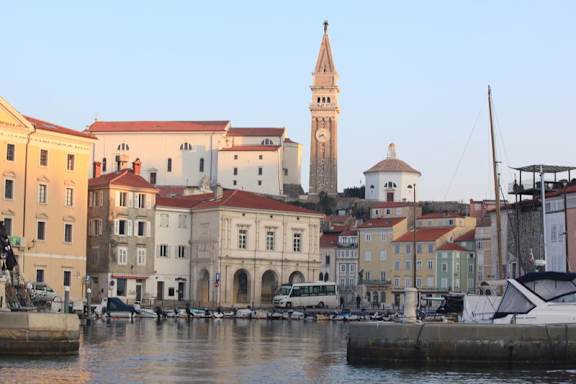
Piran

Piran

1 hostel · dorms from €25

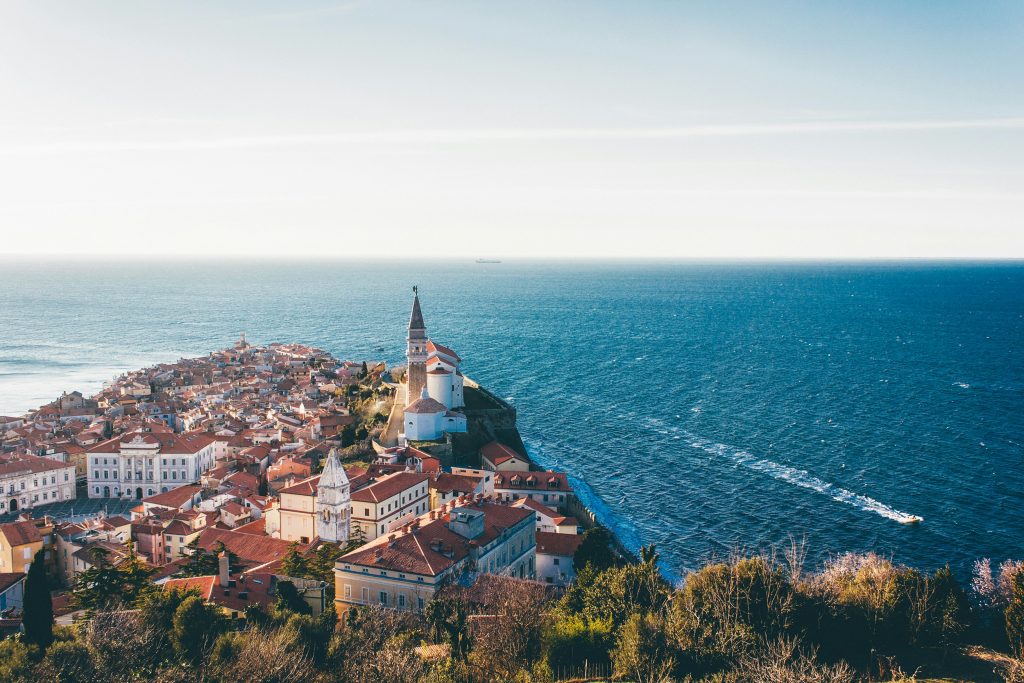
A Venetian town on the tiny Adriatic coast, and the prettiest thing in the country after Bled.

The Piran guide
Maribor

Maribor

4 hostels

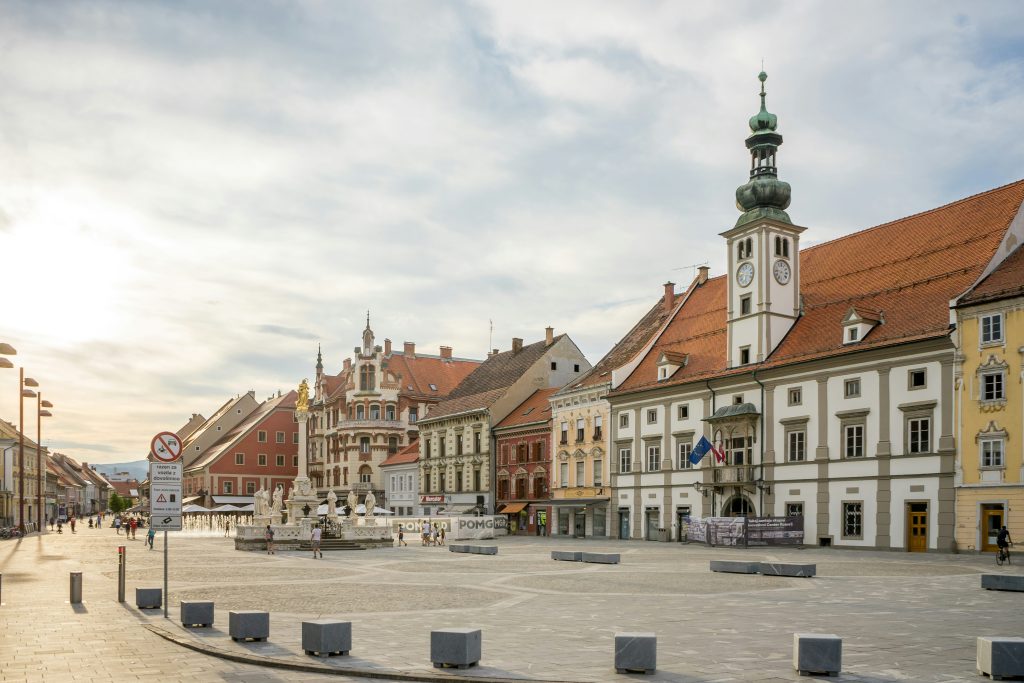
The second city, with the world's oldest vine and a ski resort above it.

The Maribor guide
Ptuj

Ptuj

1 hostel

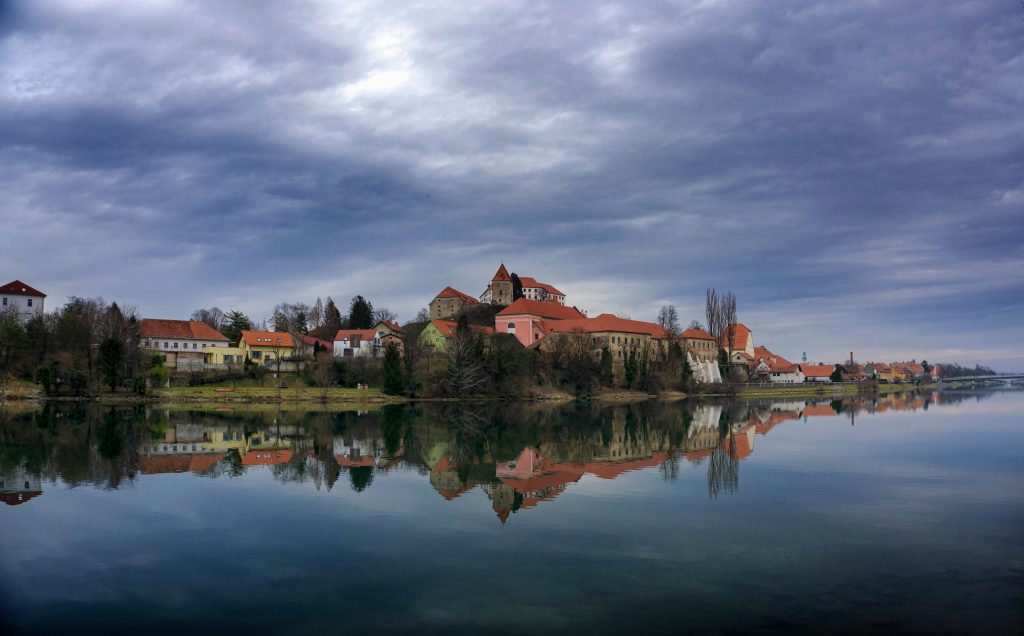
The oldest town in the country, on the Drava, with a castle, Roman remains and a carnival in February.

The Ptuj guide

What kind of trip is this?

Slovenia does mountains, lakes, caves and a small coast, all within two hours of each other.

Adventure in Slovenia

The Julian Alps and the Soča, which is what most people come for.

What to do

  • Raft the Soča
  • Hike in Triglav National Park
  • Via ferrata above Bovec

Spots to visit

  • Triglav National Park
  • Soča valley
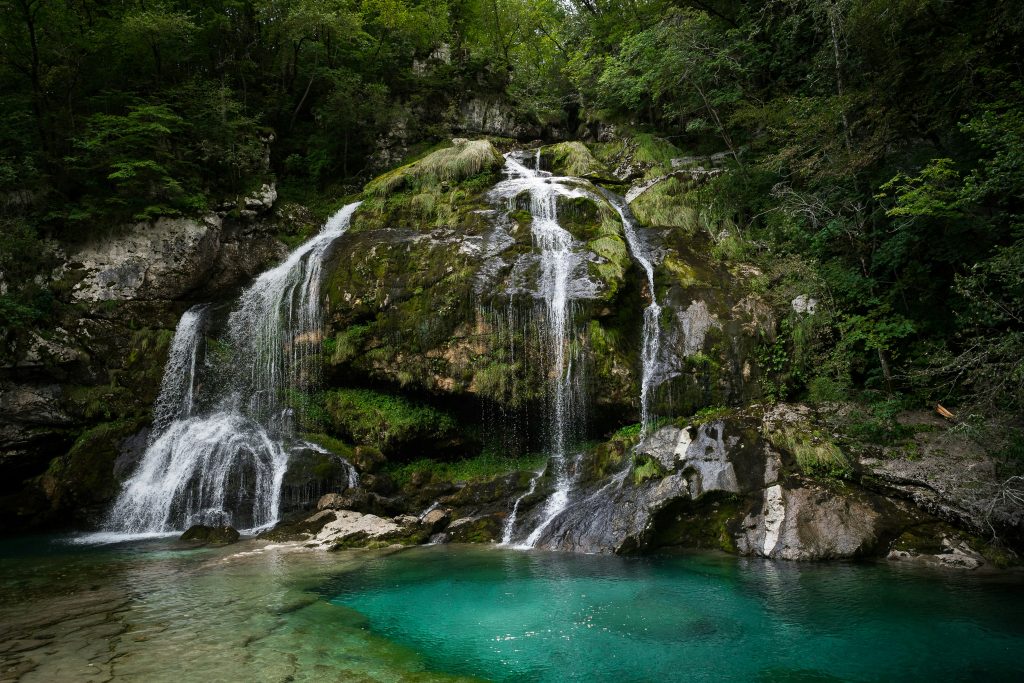
  • Vintgar gorge

Best cities for it

Things to do

Things to do in Slovenia

Bled is the image and it is worth going, early. Walk or rent a rowing boat to the island, climb to the castle for the view, and then leave for Bohinj, which is a bigger lake, surrounded by mountains, free to swim in, and half an hour away.

The Soča valley is the best of the country for anyone who likes being outside. The river runs an improbable turquoise, and Bovec is the base for rafting, kayaking and canyoning between May and September.

Underground, Postojna and Škocjan caves are both remarkable and very different: Postojna has a train through it and the crowds that follow, Škocjan is a UNESCO site with an enormous underground canyon and fewer visitors. Predjama Castle, built into a cliff face, is ten minutes from Postojna.

Food and drink

Eating in Slovenia

Slovenian food borrows from all three neighbours: Austrian dumplings and sausage, Italian pasta and prosciutto, Balkan grilled meat. A gostilna, the traditional inn, does a full lunch for €10 to €14.

Ljubljana's Central Market on a Friday in summer hosts Odprta Kuhna, an open kitchen event where the city's restaurants sell dishes from stalls for a few euros each — the best-value eating in the country.

Slovenian wine is good and almost entirely drunk domestically, which keeps it cheap: orange wines from Goriška Brda, reds from the Karst. And the Bled cream cake, kremšnita, is a rite of passage at about €4.

Nightlife

Going out in Slovenia

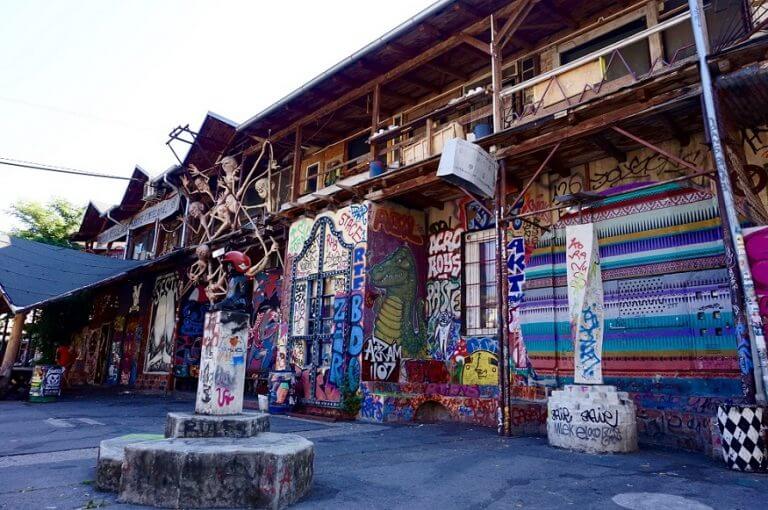
Ljubljana's nightlife is concentrated along the river and in Metelkova, a former army barracks squatted since 1993 and turned into an autonomous arts and music centre. It is scruffy, covered in art, and unlike anywhere else in this part of Europe.

The city has a large student population, so prices are low — a beer is €3 to €4 — and the riverside bars stay busy from spring to autumn. In summer the whole thing moves outdoors.

Outside the capital there is not much, and that is fine. Bovec and Bled have a couple of bars each that fill with rafting guides in season, and Maribor has student bars.

Getting around

Getting around Slovenia

Buses do most of the work and are cheap: Ljubljana to Bled is about an hour and €7, Ljubljana to Piran two and a half hours. Trains cover the main corridors and are slower but cheaper still.

A car makes the mountains much easier, particularly the Soča valley and the Vršič pass, which is the most dramatic drive in the country and closed in winter. Note that motorways require an e-vignette, bought online or at petrol stations and linked to your number plate — driving without one is a substantial fine.

Ljubljana itself needs no transport at all. The centre is pedestrianised, the whole city is flat, and there is a free electric buggy service for anyone who needs it.

Costs

What Slovenia costs

Slovenia is noticeably cheaper than Austria and Italy next door, and slightly more expensive than Croatia inland. Dorms start around €18 in Ljubljana, a gostilna lunch is €10 to €14, and a beer is €3 to €4.

Bled is where prices climb, particularly in July and August. Staying in Bohinj or Radovljica and travelling in costs less and is more pleasant.

The adventure sports are the main discretionary expense: rafting on the Soča runs €45 to €60, canyoning similar. Everything else — hiking, swimming, the national park — is free.

Safety

Staying safe in Slovenia

Slovenia is one of the safest countries in Europe with very low crime, and Ljubljana is comfortable at any hour. There is essentially no scam culture aimed at tourists.

The risks are alpine and aquatic. The Julian Alps have serious weather, marked trails graded by difficulty, and Triglav itself requires via ferrata equipment and experience — people get into trouble on it every summer by underestimating it.

The Soča is cold and fast. Only swim where locals do, and use licensed operators for rafting and canyoning; the reputable ones are easy to find in Bovec and the equipment is included.

Entry and documents

Entry and documents

Slovenia is in the EU, the Schengen area and the eurozone. EU citizens need an ID card; UK, US, Canadian and Australian passport holders get 90 days in any 180 across the whole Schengen zone.

Passports need three months' validity beyond departure and to have been issued within the last ten years. ETIAS has been postponed repeatedly — check the official EU site.

If you are driving in from Italy, Austria or Croatia, buy a motorway e-vignette online before you reach the motorway. It is registered to your number plate, cameras check it, and the fine is far more than the vignette.

When to go

Summer for the lakes and the Soča, winter for skiing, and the two shoulders for having the country almost to yourself.

3°
Jan
Ski season. Ljubljana cold and quiet
5°
Feb
Still skiing. Cheapest month in the capital
11°
Mar
Thawing. Lakes still cold, prices low
16°
Apr
Spring in Ljubljana. High trails still snowbound
21°
May
Excellent. Rafting season opens on the Soča
24°
Jun
The best month. Lakes swimmable, everything open
27°
Jul
Peak. Bled is busy and hot
26°
Aug
Still peak, and the mountain huts are full
22°
Sep
Superb. Warm lakes, empty trails, wine harvest
16°
Oct
Quiet and golden. Huts start closing
9°
Nov
Wet and cheap. Between seasons
4°
Dec
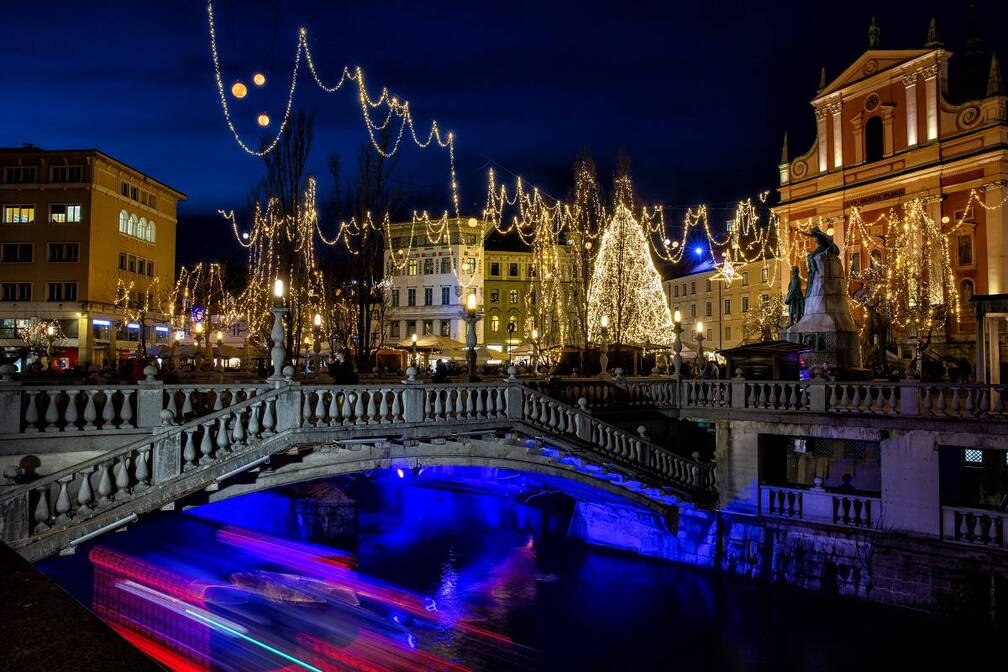
Ljubljana's Christmas lights are among the prettiest in Europe
Bar height is temperature. Colour is how busy it gets: quiet busy peak

Average highs for Ljubljana. The Alps are considerably colder and the coast a few degrees warmer, with high mountain huts open roughly late June to September.

What your trip will cost

Pick how you travel and how long for. Per night, for one person, outside Bled in August.

Excludes adventure sports, which are the main variable — rafting or canyoning on the Soča is €45–60 a session.

—
  • Beds—
  • Food and drink—
  • Getting around—
  • Doing things—
What's on

What is on while you are there

A small country with a busy summer calendar, most of it outdoors.

Slovenia travel questions

The ones we get asked most.

How many days do you need in Slovenia?
A week covers the country properly: two days in Ljubljana, two around Bled and Bohinj, two in the Soča valley and a day on the coast. Nothing is more than two hours from anything else.
Is Slovenia expensive?
Cheaper than Austria and Italy next door. Dorms from €18, a traditional lunch at €10 to €14, a beer at €3 to €4. Bled in summer is the one place prices climb noticeably.
Bled or Bohinj?
Bled for the famous view, early in the day. Bohinj for swimming, hiking and space — it is a bigger lake with a fraction of the visitors, free to swim in, and half an hour further on the same bus.
Do I need a car in Slovenia?
No, buses reach everywhere including Bled, Bovec and Piran. A car helps for the Soča valley and the Vršič pass, and if you drive you must buy a motorway e-vignette online first.
When is the best time to visit?
June and September. The lakes are swimmable, the Soča is running, mountain huts are open and prices are lower than July and August. Winter is ski season, and Ljubljana in December is genuinely lovely.
Can I climb Triglav?
It is the national mountain and a rite of passage for Slovenes, but it needs via ferrata equipment, a head for exposure and ideally a guide. It is not a walk-up, and people get into difficulty on it every summer.
Which cave should I visit?
Škocjan if you only do one — a UNESCO site with a vast underground canyon and fewer visitors. Postojna is bigger, has a train through it, and is much busier. Predjama Castle, built into a cliff, is ten minutes from Postojna.

Say yes to hostels, meet the world

Compare hostels across Slovenia — live prices, real reviews and free cancellation on most bookings. Then meet the people already there in the app.

Get the App. QRGet the App.
Get the App. QR  Get the App.
Scroll to Top