Inom Vallgraven
First-timersThe canal-ringed centre: shops, the station, the harbour and most of the beds.

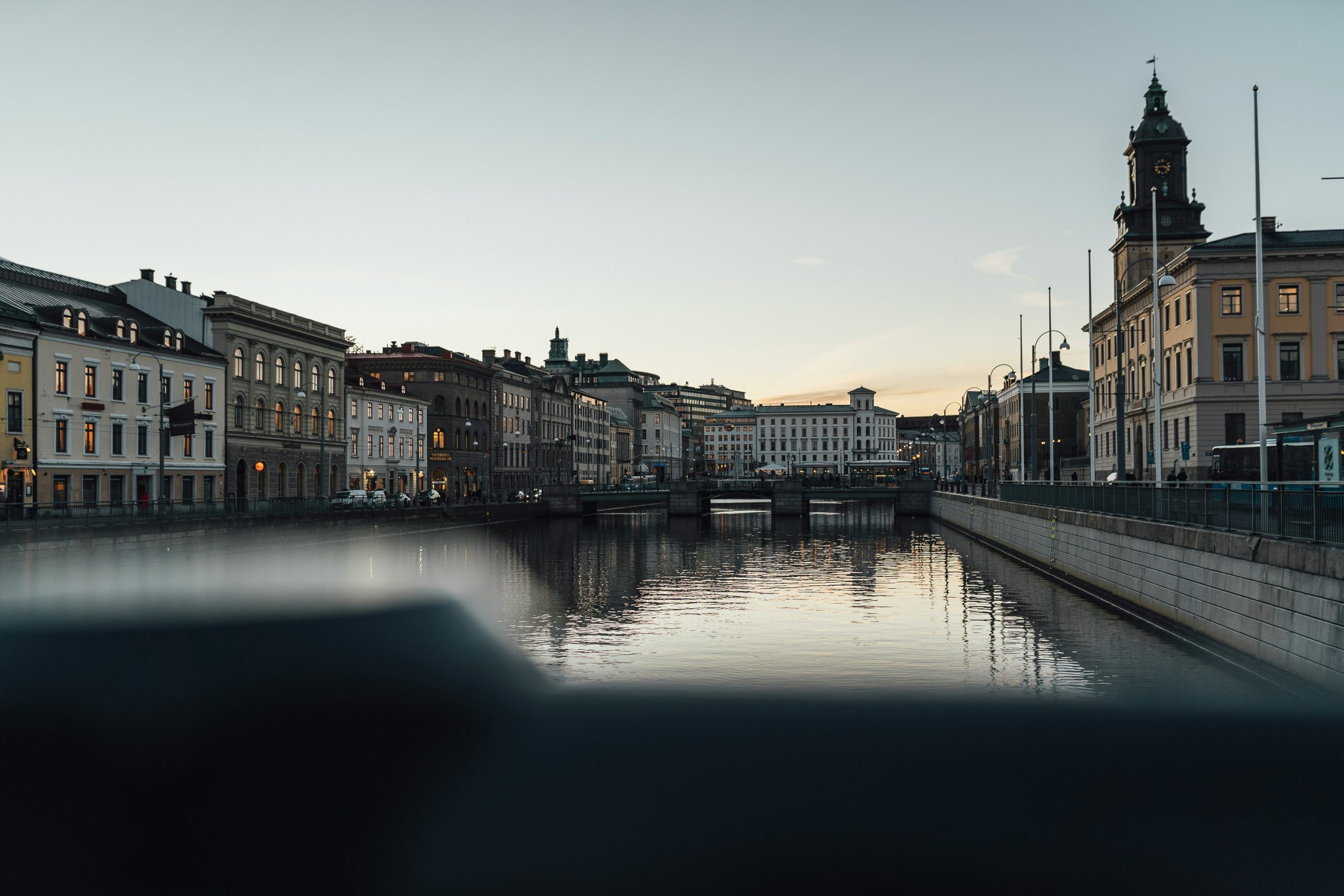
Sweden's west coast city: seafood from a market that looks like a church, canals built by Dutch engineers, cinnamon buns the size of your head, and an archipelago reached by tram and ferry on one ticket.
Gothenburg is Sweden's second city and its great port, founded in 1621 and laid out by Dutch engineers with canals running through the centre. It has a reputation in Sweden for being warmer, more down-to-earth and funnier than Stockholm, and Gothenburgers are happy to confirm it.
It is a seafood city. The west coast supplies shrimp, langoustine, oysters and, in season, lobster, and the fish market hall — Feskekôrka, the Fish Church, built in 1874 to look like a Gothic chapel — is the place to see it.
Liseberg, the amusement park opened in 1923, is one of the most visited attractions in Scandinavia.
Haga, the old wooden-house district, is known for its cafés and for a cinnamon bun called the Hagabullen that is roughly the size of a dinner plate.
The southern archipelago is reached by tram and ferry on an ordinary public transport ticket, with car-free islands a short ride out. Two or three days.
A canal-ringed centre, a wooden old quarter and a lively district to the south.
The canal-ringed centre: shops, the station, the harbour and most of the beds.
South-west: wooden houses, the famous cinnamon buns, and the best bars along Linnégatan.
Further west: a working-class district turned creative, with cheaper food and a village feel.
Orange labels are neighbourhoods, dots are the 5 top-rated hostels. Map © MapTiler © OpenStreetMap contributors.
Go to the archipelago. Take the tram to Saltholmen and a ferry out to the southern islands — Styrsö, Vrångö, Brännö — on an ordinary Västtrafik ticket. The islands are largely car-free, with granite rocks, swimming spots and small harbours. It is the best thing in Gothenburg and it costs a bus fare.
Liseberg, one of Scandinavia's most visited attractions, is an amusement park with serious rollercoasters and a Christmas market in winter. Entry and ride passes are sold separately.
Feskekôrka, the Fish Church, is a market hall built in 1874 in the shape of a Gothic chapel and is where to see and eat the west coast's seafood.
Walk Haga and buy a Hagabullen, a cinnamon bun roughly the size of a plate.
The Universeum science centre and the Röhsska design museum are both good.
A Paddan boat tour runs through the canals and under very low bridges, which you duck under, from spring to autumn.
The southern archipelago costs only the transport fare and is the best free day out in the city.
Haga, the canals and the harbour front are free to walk.
Slottsskogen, a large park with free-roaming deer, seals and penguins in a small zoo, is free.
The Botanical Garden is free or by donation and one of the largest in Europe.
Skansen Kronan, a fortress on a hill above Haga, is free to walk up to and gives the view over the city.
Seafood is the reason. Shrimp, langoustine and oysters come from the west coast, and lobster season opens in late September with real ceremony.
A räksmörgås — an open shrimp sandwich piled high on bread — is the classic lunch at around 150 to 200 SEK (€14–18).
Dagens lunch, the daily lunch special, runs 120 to 150 SEK (€11–14) and is the best value, as everywhere in Sweden.
Fika in Haga is compulsory, and the Hagabullen is the famous one.
Gothenburg has a strong craft beer scene. A beer is 70 to 100 SEK (€6.50–9), a little below Stockholm.
Strong alcohol is sold only at Systembolaget, closed on Sundays.
Linnégatan and the streets around Haga and Linné have the best bars, with a relaxed and friendly crowd.
Avenyn, the main boulevard, has the bigger clubs and a more mainstream, dressed-up scene.
Gothenburg has a large student population and a strong live music history, and the city has produced a disproportionate number of Swedish indie and metal bands.
A beer is 70 to 100 SEK (€6.50–9) and cocktails 140 to 180 SEK (€13–16).
Way Out West, in August, is one of Scandinavia's best-known music festivals, held in Slottsskogen park.
Trams are the backbone of the city, and the Västtrafik ticket covers trams, buses and the southern archipelago ferries. Buy it through the app or at a machine; there are few cash options.
The centre is walkable and flat.
Landvetter airport is about thirty minutes by the Flygbussarna airport coach.
Trains reach Stockholm in about three hours, Malmö in about two and a half, Copenhagen in about three and a half, and Oslo in about four.
For the archipelago, take tram 11 to Saltholmen and change to the ferry.
Expensive, but a little below Stockholm. Dorms are 280 to 500 SEK (€25–45), a dinner main 180 to 280 SEK (€16–25), and a beer 70 to 100 SEK (€6.50–9).
A day is €65 to €110.
You pay in kronor, almost entirely by card.
The archipelago on a public transport ticket is the best-value day in Sweden. Dagens lunch is the best way to eat.
Liseberg is the main expense, with entry and ride passes sold separately.
Gothenburg is a safe city for visitors and crime affecting tourists is low.
Pickpocketing happens around the central station and Avenyn at weekends.
Gang-related violence has increased in some outer suburbs in recent years. It rarely affects visitors or the central areas.
In the archipelago, the rocks are smooth granite and slippery when wet, and the sea is cold. Swim at the known bathing spots, and check ferry times home — the last ferries leave earlier than you might expect.
Emergency number is 112.
Car-free islands, a fortress on a rock and the Bohuslän coast.
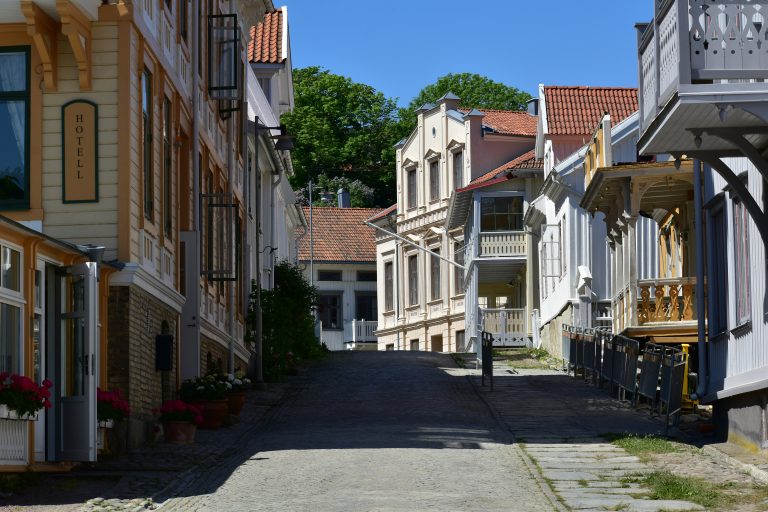
An island town under Carlsten fortress, a sailing centre with painted wooden houses.
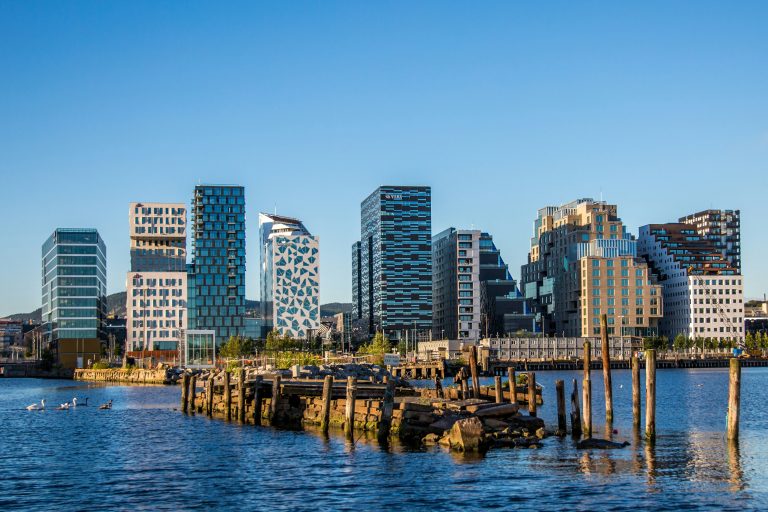
Norway's capital, reachable directly.
A music festival in a park, a film festival in winter, and lobster in autumn.
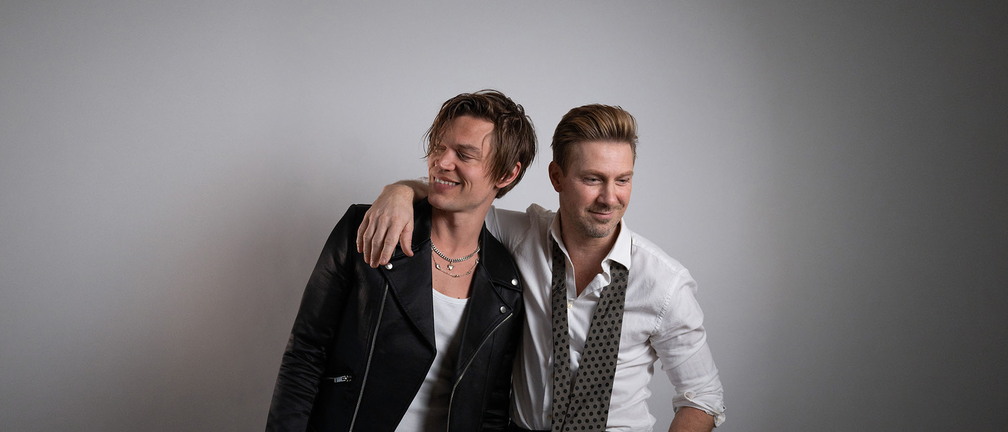
Viktor Norén and Linus Wahlgren bring a heartfelt tribute to musical theatre with Our Lives, Our Musicals at Scandinavium. The show blends iconic songs…

Miss Li brings her anniversary tour Nu som då för evigt to Scandinavium in Gothenburg, celebrating 20 years as an artist. The concert promises…
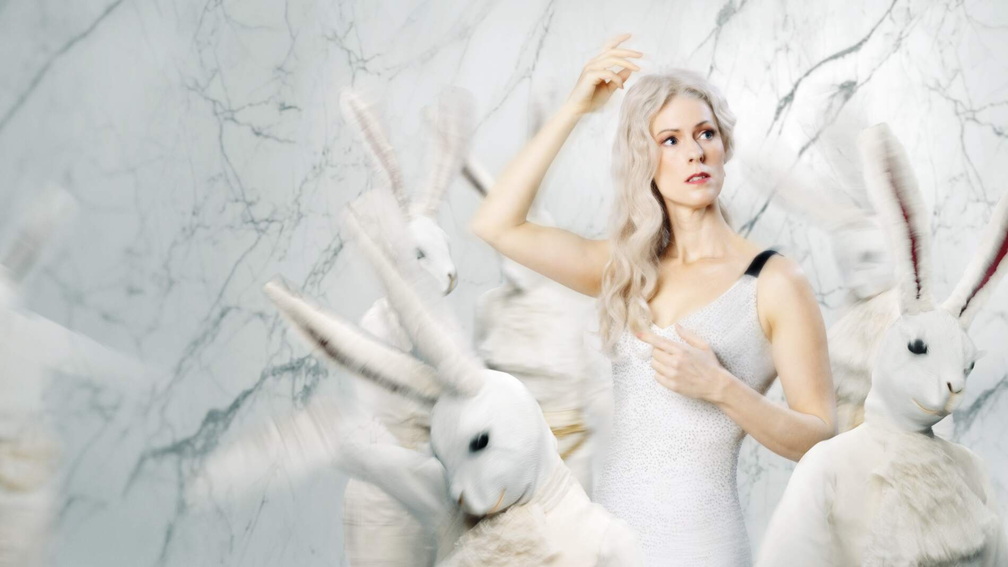
La Traviata is an opera in three acts by Giuseppe Verdi with a libretto by Francesco Maria Piave, based on the play 'La Dame…
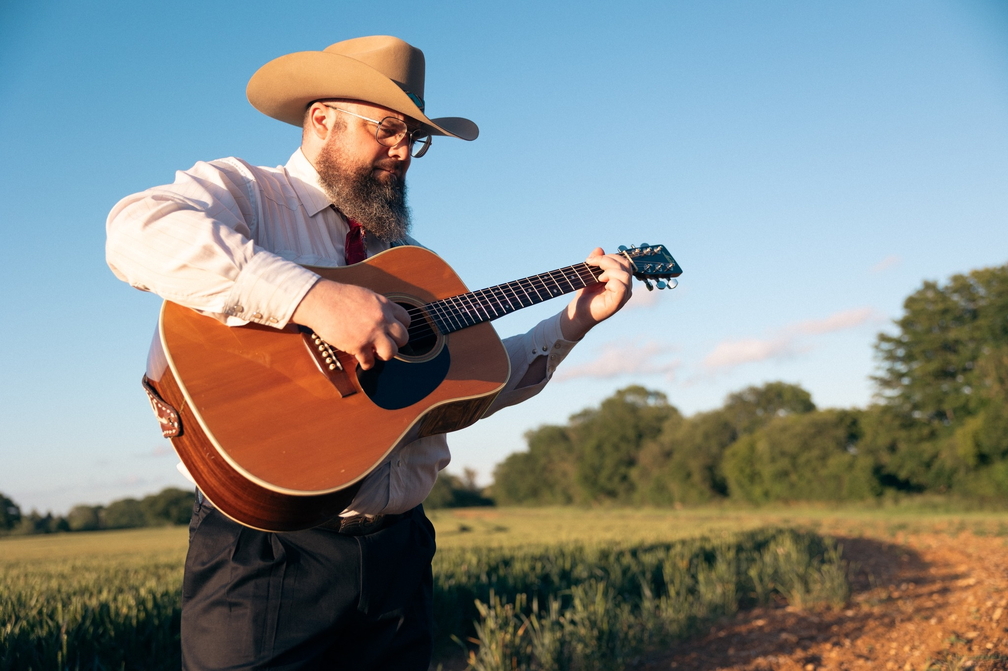
Gothenburg Roots is a new two-day festival in Gothenburg focusing on americana, folk, country, and roots music. The festival aims to create an intimate…
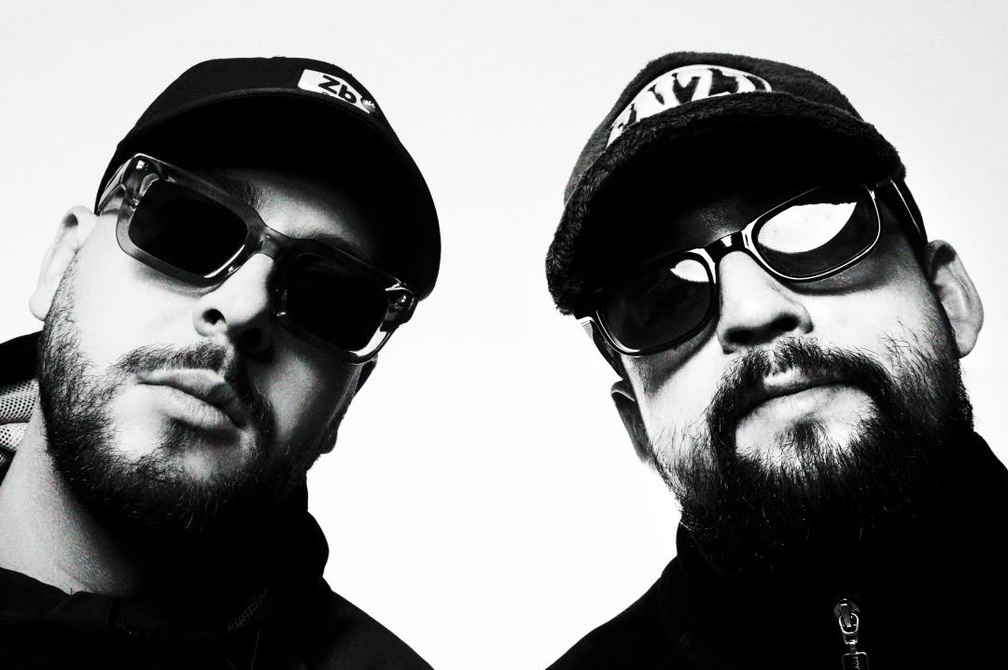
ODZ has evolved from a gritty underground cellar in Stockholm to selling out festivals and clubs across the country, all while keeping the raw…
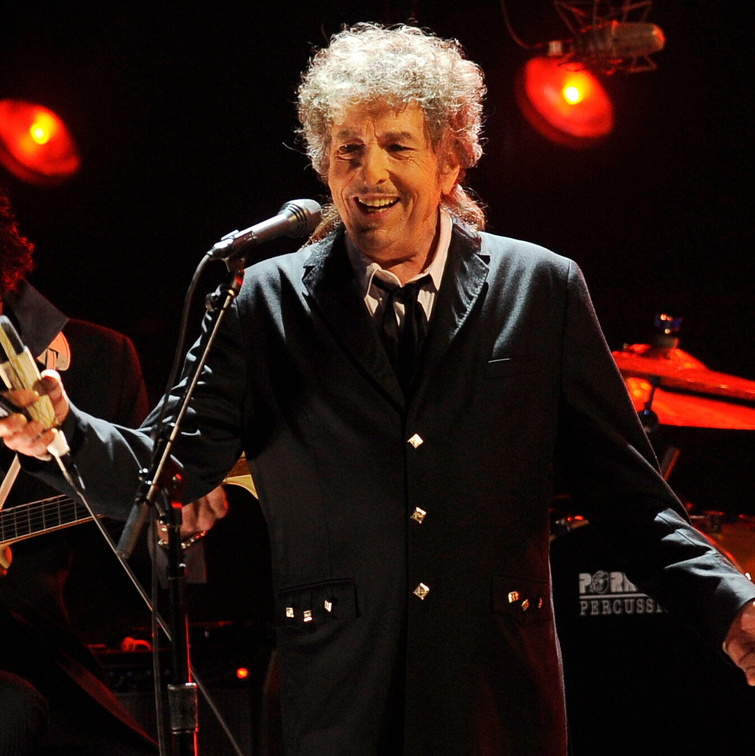
The legendary singer-songwriter Bob Dylan was born in Minnesota as Robert Allen Zimmerman. Counted among the best songwriters of all time, his career spanning…

1984 is an opera in three acts composed by Lorin Maazel with a libretto by J. D. McClatchy and Thomas Meehan, based on George…
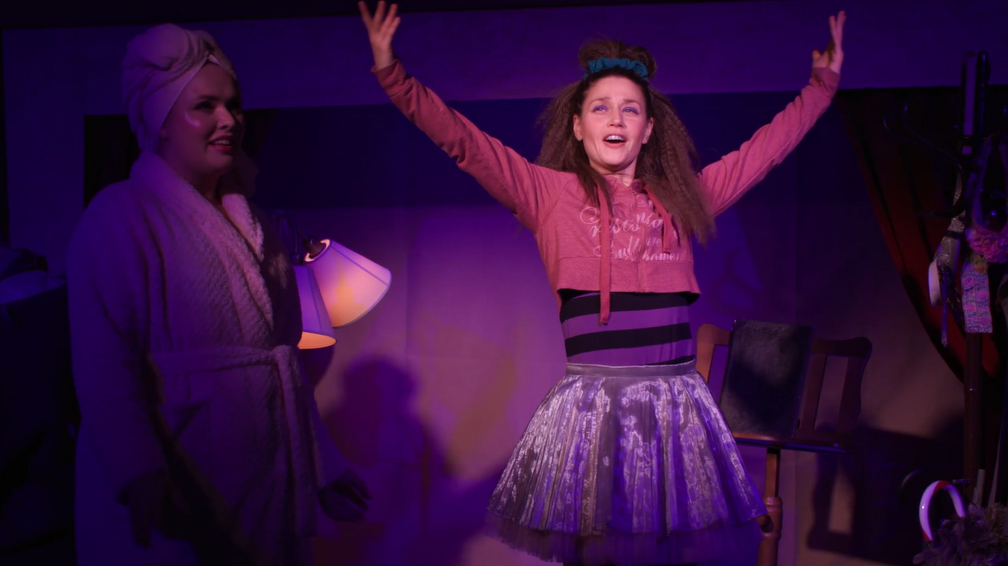
Hillary the Witch Goes to the Opera is an opera in one act by Peter Lund, translated and adapted by Louise Ahlsell and Wolfgang…
A reasonable scene in the centre and around Haga and Linné. Live from Hostelworld.
 Sustainable
May to September for the archipelago. Late September for lobster.
Average highs. Gothenburg is milder and wetter than Stockholm, with rain spread through the year.
Pick how you travel. Per person per night, in euros — you will pay in kronor, at roughly 11 to the euro, and mostly by card.
Shown in euros for comparison; you pay in kronor, mostly by card. The archipelago costs only the transport line.
The ones we get asked most.

Compare Gothenburg hostels — live prices, real reviews and free cancellation on most bookings. Then meet the people already there in the app.

 Get the App.
 Get the App.