Sweden
Sweden country guide

Things To Do In Sweden

A country that is mostly forest and lake, with a capital spread over fourteen islands. Expensive to eat in, free to sleep in if you have a tent, and light until midnight in June.

€28
Dorm bed, from
267,570
Islands, the most of any country
Free
Wild camping, by law
24h
Daylight in the far north in June

Cities on the water, forest behind them

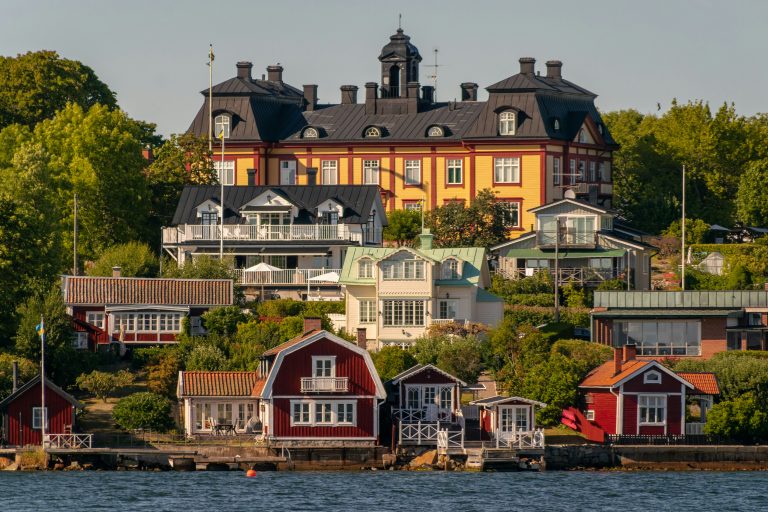
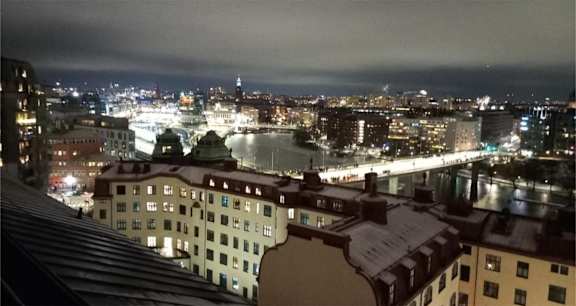
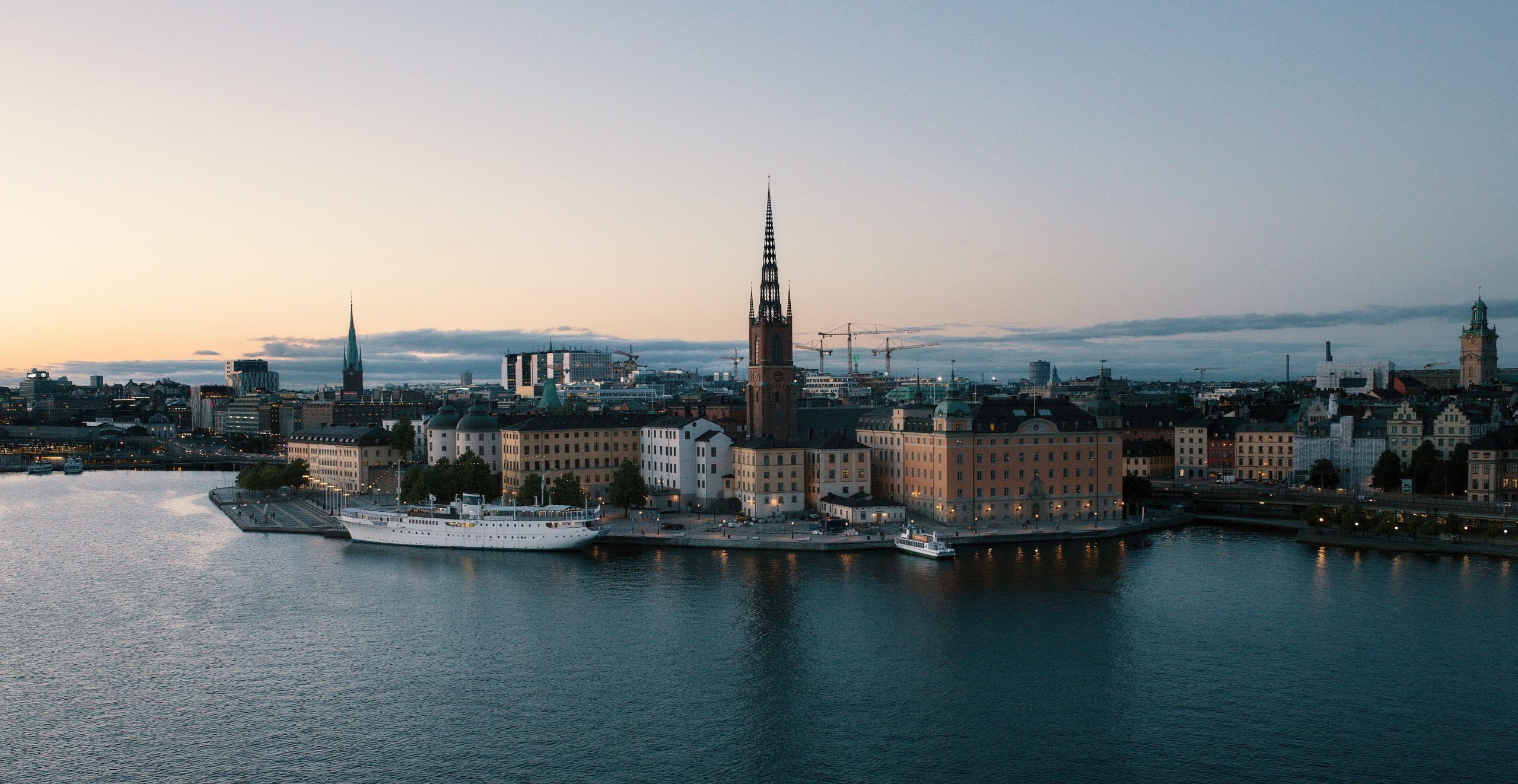
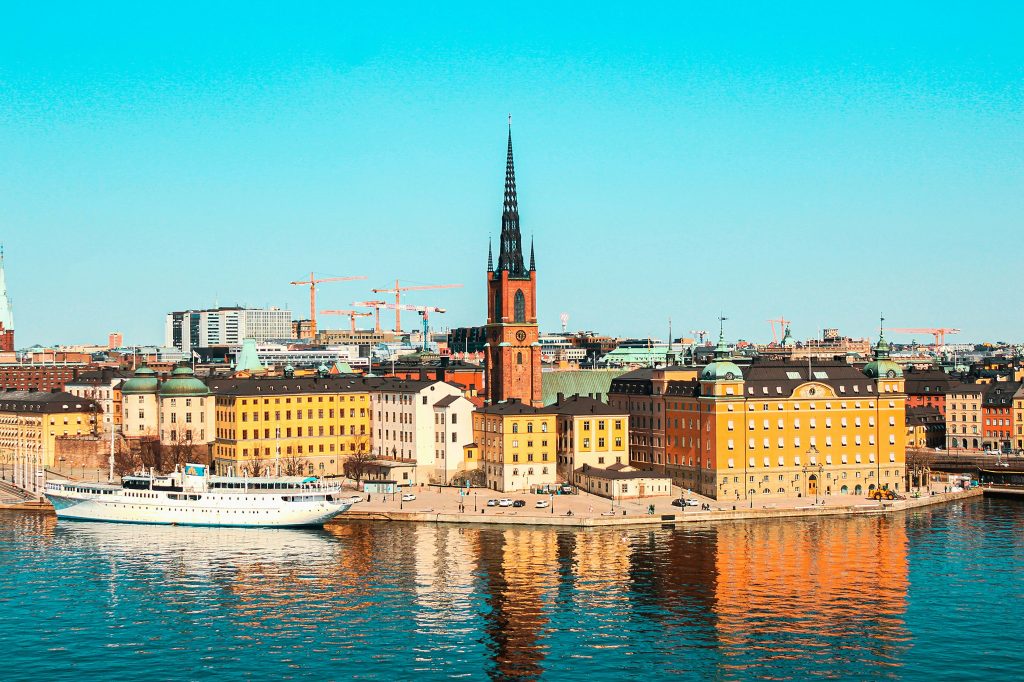
Stockholm is built across fourteen islands where a lake meets the Baltic, and the water is the point: ferries between districts, swimming in the middle of the city, and an archipelago of some 30,000 islands starting at the edge of town.

Gothenburg on the west coast is smaller, friendlier and cheaper, with a seafood tradition and its own archipelago. Malmö in the south is a 35-minute train from Copenhagen and the most affordable of the three.

What makes Sweden unusual is allemansrätten, the right of public access: you can walk, forage and camp for a night on almost any uncultivated land, including private property, as long as you keep your distance from homes and leave no trace. In a country this expensive, that is a genuine budget strategy and the main reason people come in summer.

Where to go

Trains are good and the country is long. Stockholm to Kiruna is an overnight sleeper.

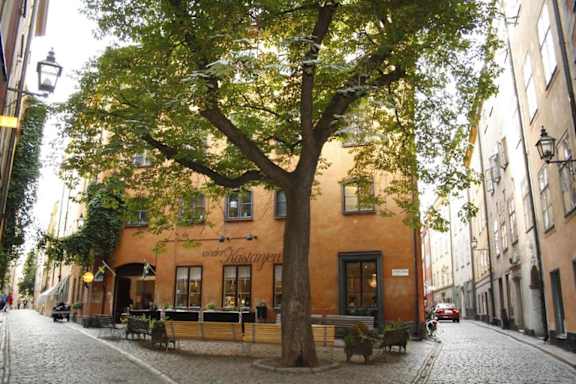
Stockholm

Stockholm

20 hostels · dorms from €15

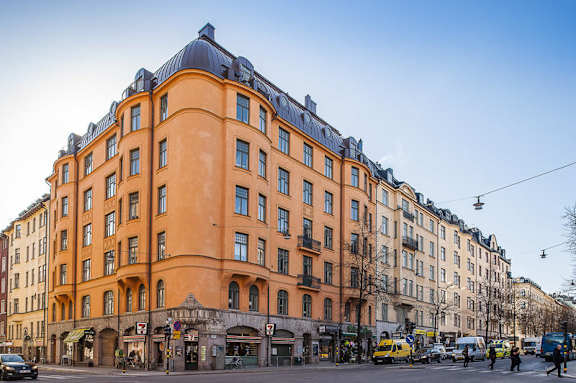
Fourteen islands, the old town at the centre, and an archipelago on the doorstep. Three days minimum.

Would soooo recommend to anyone just remember that it is slightly pricy and it tends to add up. The culture and sightseeing is a amazing and the city itself is beautiful

A traveller, on Hostelworld
The Stockholm guide
Gothenburg

Gothenburg

9 hostels · dorms from €19

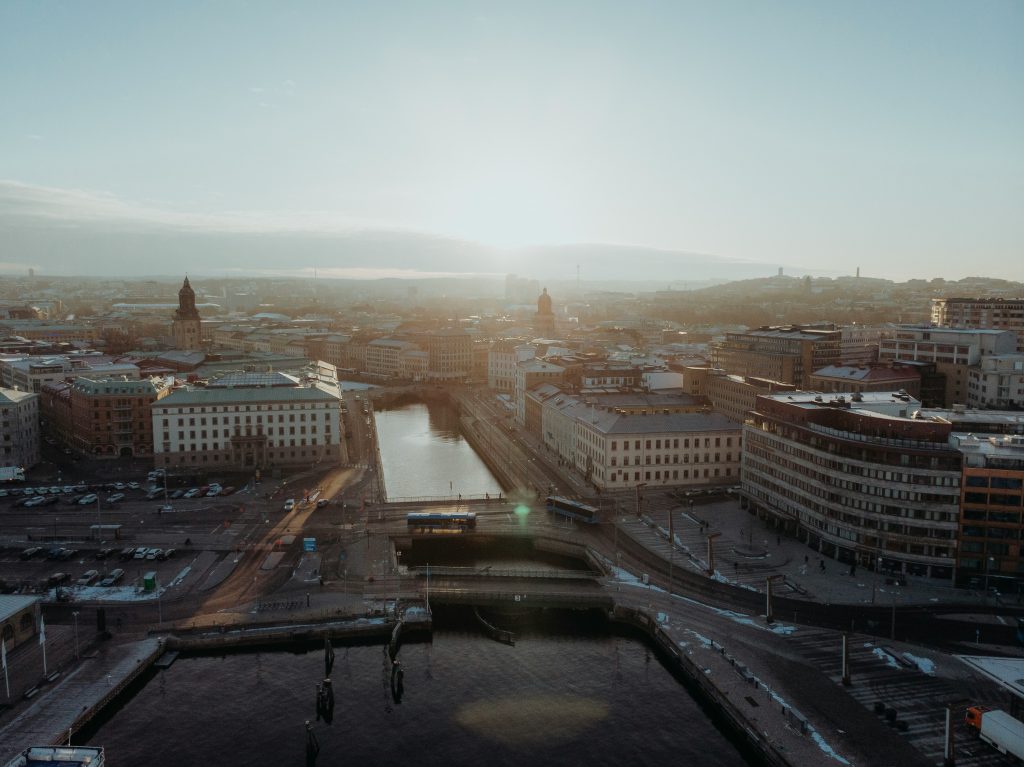
The west coast: seafood, canals, a friendlier feel and lower prices than the capital.

Gothenburg is beautiful, has cultural facilities that welcome you in. People are most friendly ❤️

A traveller, on Hostelworld
The Gothenburg guide
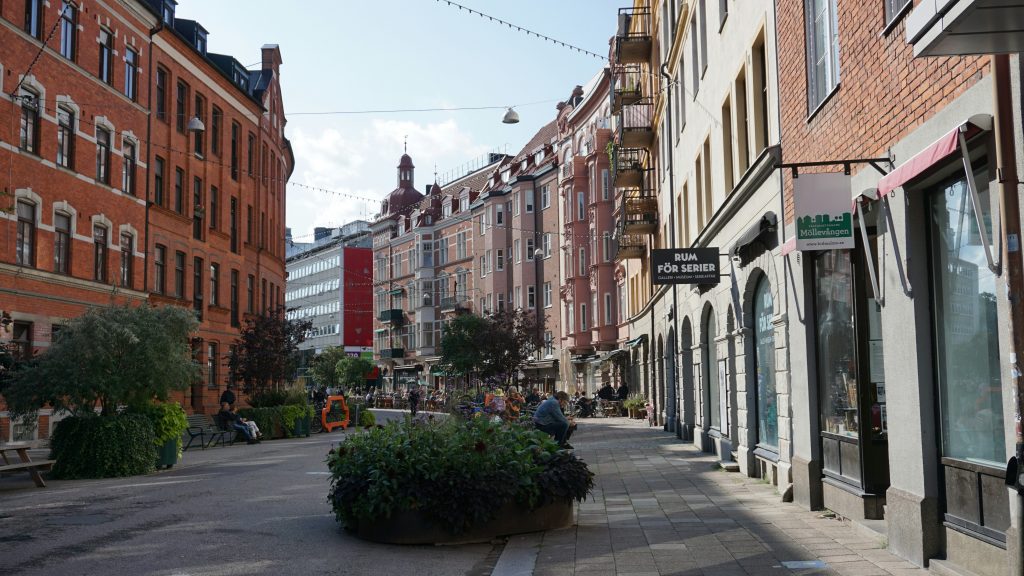
Malmö

Malmö

1 hostel

Southern, multicultural, and 35 minutes from Copenhagen by train over the bridge.

The Malmö guide
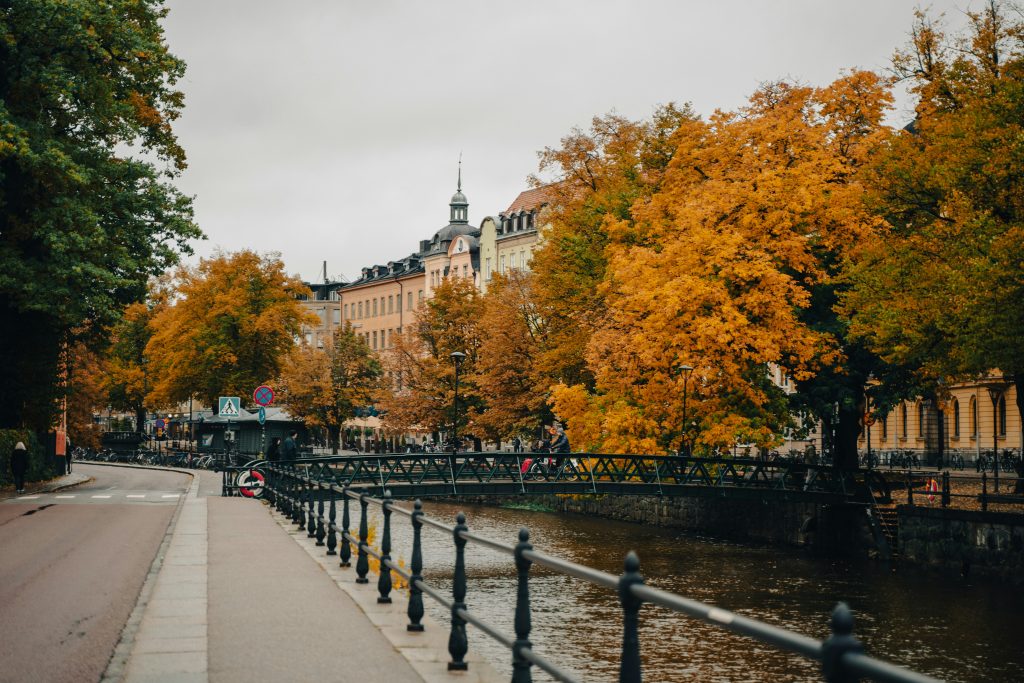
Uppsala

Uppsala

4 hostels · dorms from €22

A university town 40 minutes from Stockholm, with a cathedral and cheap student bars.

The Uppsala guide
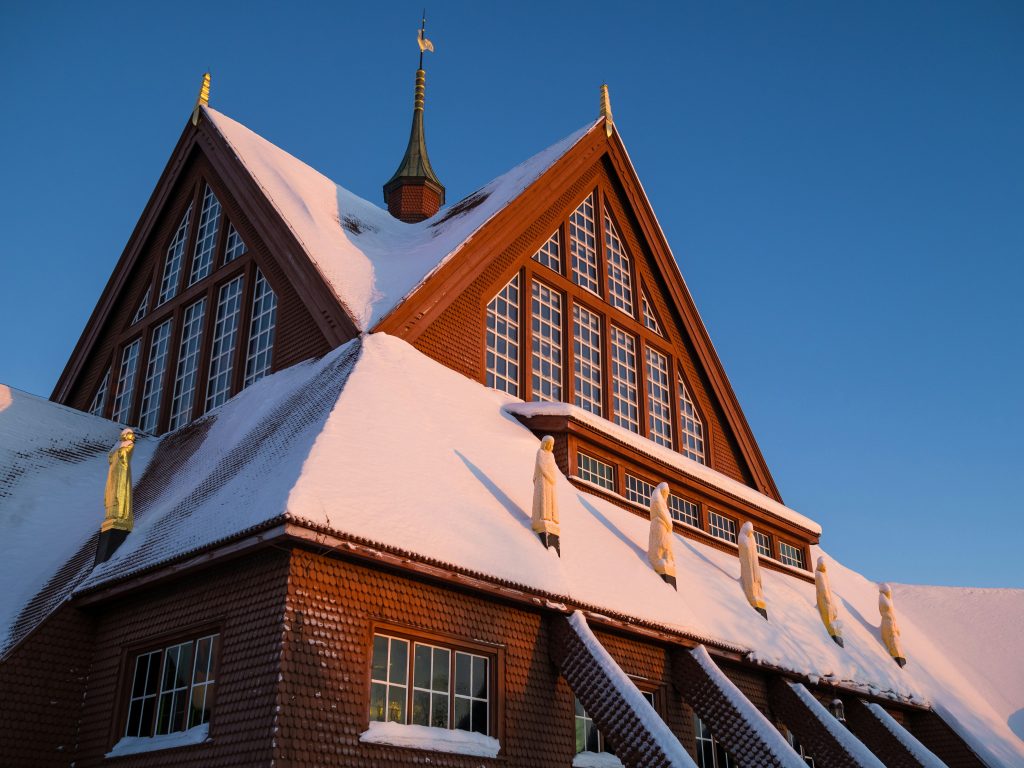
Kiruna

Kiruna

The Arctic north: northern lights, the Icehotel and the gateway to Abisko.

The Kiruna guide
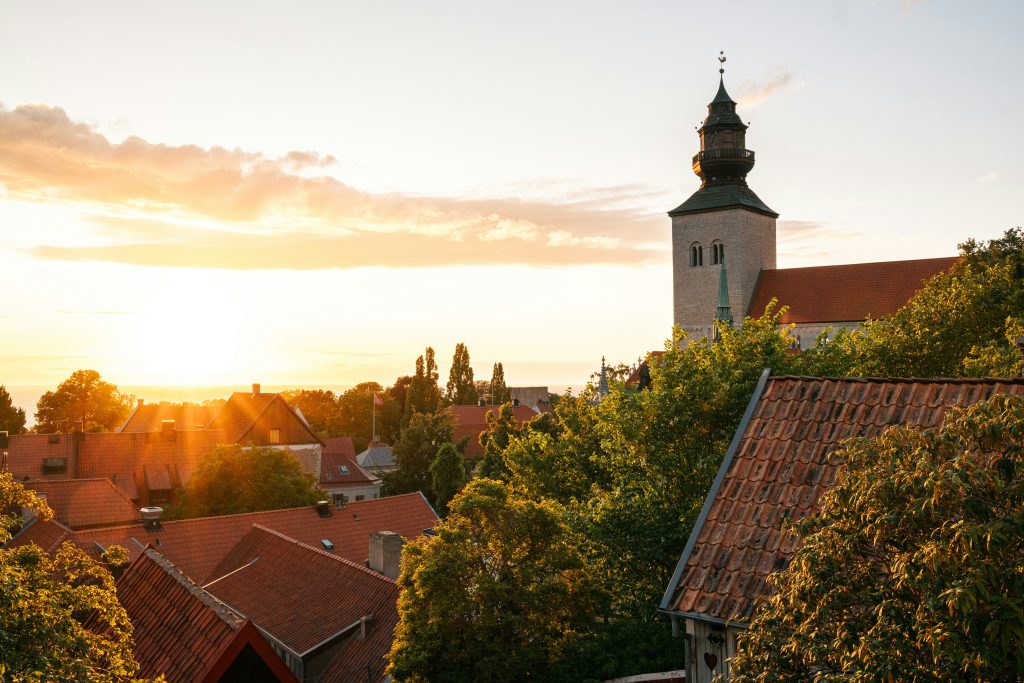
Visby

Visby

A walled medieval town on Gotland island, and a summer destination for the whole country.

The Visby guide

What kind of trip is this?

Sweden splits into city summer, archipelago summer, and the Arctic winter.

City break in Sweden

Three or four days in Stockholm, mostly on foot and ferry.

What to do

  • Gamla Stan early, before the tour groups
  • The Vasa Museum
  • Fika, properly, in the afternoon

Spots to visit

  • Gamla Stan
  • Södermalm
  • Djurgården

Best cities for it

Things to do

Things to do in Sweden

The Vasa Museum in Stockholm holds a warship that sank on its maiden voyage in 1628 and was raised almost intact in 1961. It is one room with one object in it and it is the best museum in Scandinavia.

Beyond that, Stockholm is a walking and ferry city: Gamla Stan's old town, Södermalm's bars and viewpoints, and Djurgården, an island of museums and parkland. The archipelago ferries leave from the centre and a day trip to Vaxholm or Grinda costs the price of a bus fare elsewhere.

In the north, Abisko has the clearest skies in Sweden for northern lights from September to March, and the Kungsleden trail runs 440km through the mountains for anyone equipped for it.

Food and drink

Eating in Sweden

The single best trick in Sweden is dagens rätt, the lunch of the day: a hot main, salad, bread and coffee for €10 to €14, served on weekdays between about eleven and two. It is roughly half what the same restaurant charges in the evening.

Beyond that, Swedish food is fish, potatoes and dairy, with meatballs doing the marketing. Herring in a dozen preparations, gravlax, and shrimp sandwiches on the west coast. Gothenburg's seafood is the best in the country.

Fika is a cultural institution rather than a snack: coffee and a cinnamon bun, often shared with colleagues, taken properly rather than at a desk. A bun is €3 to €4 and it is the cheapest hour you will spend here.

Nightlife

Going out in Sweden

Alcohol is state-controlled and expensive: a beer in a Stockholm bar is €7 to €9, and anything stronger than 3.5% can only be bought from Systembolaget, which closes early and does not open on Sundays. Everybody pre-drinks, and planning around Systembolaget's hours is a normal part of a Saturday.

Södermalm is Stockholm's bar district, Gothenburg's Andra Långgatan is cheaper and more relaxed, and Malmö's Möllevången is the most affordable of the three.

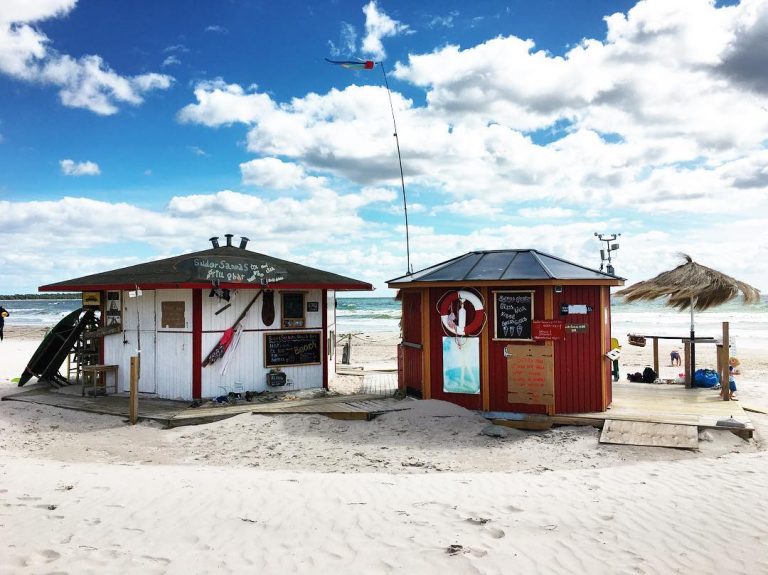
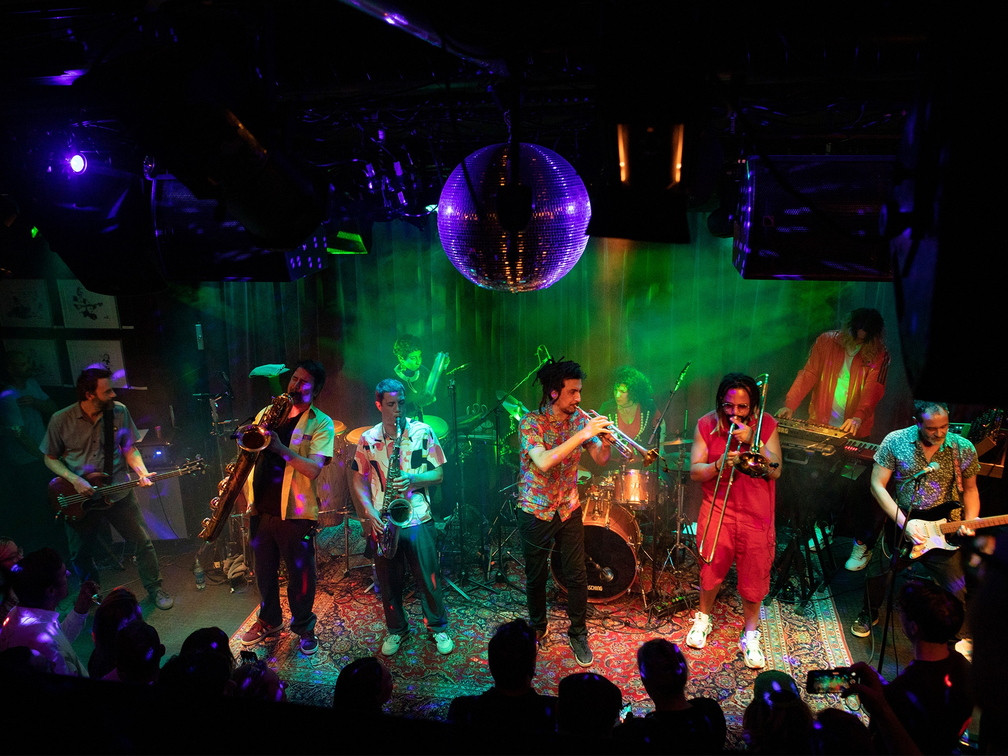
Summer changes everything. Outdoor bars open along the water, the light lasts past eleven, and the whole country moves outside for three months before disappearing again.

Getting around

Getting around Sweden

SJ runs the trains and the south is well connected: Stockholm to Gothenburg in about three hours, Stockholm to Malmö in four and a half. Book ahead for the cheaper fares, which fall away as the date approaches.

The north is a different proposition. Stockholm to Kiruna is a sixteen-hour train or a two-hour flight, and the night train — with couchettes — is the traditional way to do it and saves a night's accommodation.

In Stockholm, the metro doubles as an art gallery: over ninety stations have commissioned artwork, and a single ticket lets you ride between them. Ferries to the archipelago leave from the city centre and are part of the same transport system in the inner zones.

Costs

What Sweden costs

Sweden is expensive, though slightly less so than Norway or Iceland. Dorms start around €28 in Stockholm, a beer is €7 to €9 and a restaurant dinner €22 to €35.

Two things cut it significantly. Dagens rätt at lunch gets you a proper meal for €10 to €14, and allemansrätten means a tent costs you nothing at all outside the cities — the only country in this guide where the bed line can legally be zero.

Sweden is also close to cashless. Cards are accepted everywhere and cash is refused in many places, including some museums and buses, so there is no point changing money before you arrive.

Safety

Staying safe in Sweden

Sweden is a safe country for travellers, with low violent crime affecting visitors and very safe cities by any comparison. Pickpocketing exists around Stockholm Central and the busiest tourist areas at ordinary European levels.

The risks worth planning for are outdoors. In summer that means ticks in long grass — check yourself after walking in forest — and mosquitoes in the north, which are a genuine problem in July. In winter it means cold: temperatures well below zero, short daylight, and ice on pavements.

If you are hiking or camping under allemansrätten, the rules matter: keep away from houses, do not light fires during burn bans, stay one night in a place, and take everything with you.

Entry and documents

Entry and documents

Sweden is in the EU and the Schengen area but not the eurozone. EU citizens need an ID card; UK, US, Canadian and Australian passport holders get 90 days in any 180 across the whole Schengen zone.

Passports need three months' validity beyond departure and to have been issued within the last ten years. ETIAS has been postponed repeatedly — check the official EU site.

There are identity checks on the train from Denmark over the Øresund bridge at times, so keep a passport or ID card with you even on that short hop.

When to go

Sweden has a short, brilliant summer and a long dark winter with its own appeal in the Arctic north. May to August is when the country is outside.

-1°
Jan
Dark and cold. Northern lights season in the Arctic
0°
Feb
Best month for the north: lights, dog sledding, Icehotel
3°
Mar
Light returning, snow still good in the north
9°
Apr
Between seasons. Cheap in the cities
15°
May
Excellent. Everything reopens, evenings lengthen fast
20°
Jun
The best month. Midsummer, and light until 23:00
22°
Jul
Peak. Swedes on holiday and the archipelago full
21°
Aug
Warmest water of the year, crayfish parties
16°
Sep
Quiet and golden. Northern lights return up north
10°
Oct
Cooling, cheap, good for cities
5°
Nov
Dark and grey. Lowest prices
1°
Dec
Christmas markets, Lucia on the 13th, and long nights
Bar height is temperature. Colour is how busy it gets: quiet busy peak

Average highs for Stockholm. The north is far colder and has full midnight sun in June and polar night in December.

What your trip will cost

Pick how you travel and how long for. Per night, for one person. Camping under allemansrätten can take the bed line to zero.

Prices are in kronor locally; these are euro equivalents. Weekday lunch deals at €10–14 are the single biggest saving available.

—
  • Beds—
  • Food and drink—
  • Getting around—
  • Doing things—
What's on

What is on while you are there

Midsummer is the one that matters most, and the country genuinely closes for it.

Sweden travel questions

The ones we get asked most.

How many days do you need in Sweden?
Three days for Stockholm, five to add the archipelago or Gothenburg. The Arctic north is a separate trip and needs three or four days of its own once you have travelled that far.
Is Sweden expensive?
Yes, though less than Norway or Iceland. Dorms from €28, beer €7 to €9, dinner €22 to €35. Weekday lunch deals at €10 to €14 and camping under allemansrätten are what make it manageable.
What is allemansrätten?
The right of public access: you can walk, forage and pitch a tent for one night on uncultivated land, including private property, provided you stay away from houses, respect fire bans and leave no trace. It is the reason Sweden can be a cheap summer country.
When can I see the northern lights in Sweden?
September to March in the far north, with Abisko having the clearest skies in the country. February combines dark nights with enough daylight to do other things, which is why it is the most popular month.
Does Sweden use the euro?
No, the Swedish krona. It is also close to cashless — cards are accepted everywhere and cash is refused in many places, so there is no need to change money before arriving.
Is Stockholm walkable?
Very, once you understand it is on islands. The centre, Gamla Stan and Södermalm are connected by short bridges, and ferries cover the rest. The metro is worth riding for the station artwork alone.
What happens at Midsummer?
The country stops. Cities empty as Swedes go to summer houses, shops and restaurants close, and public transport thins out. It is a wonderful thing to be invited to and a difficult weekend to travel through unplanned.

Say yes to hostels, meet the world

Compare hostels across Sweden — live prices, real reviews and free cancellation on most bookings. Then meet the people already there in the app.

Get the App. QRGet the App.
Get the App. QR  Get the App.
Scroll to Top