Via Garibaldi
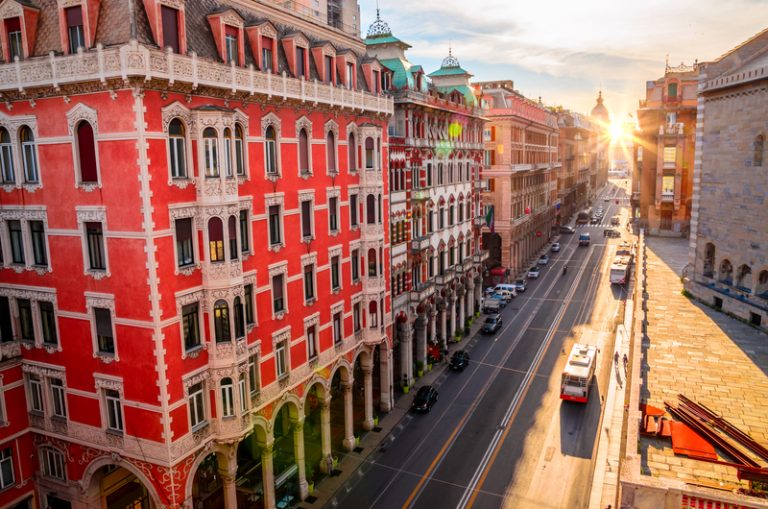
First-timersThe street of palaces, on the edge of the old centre.

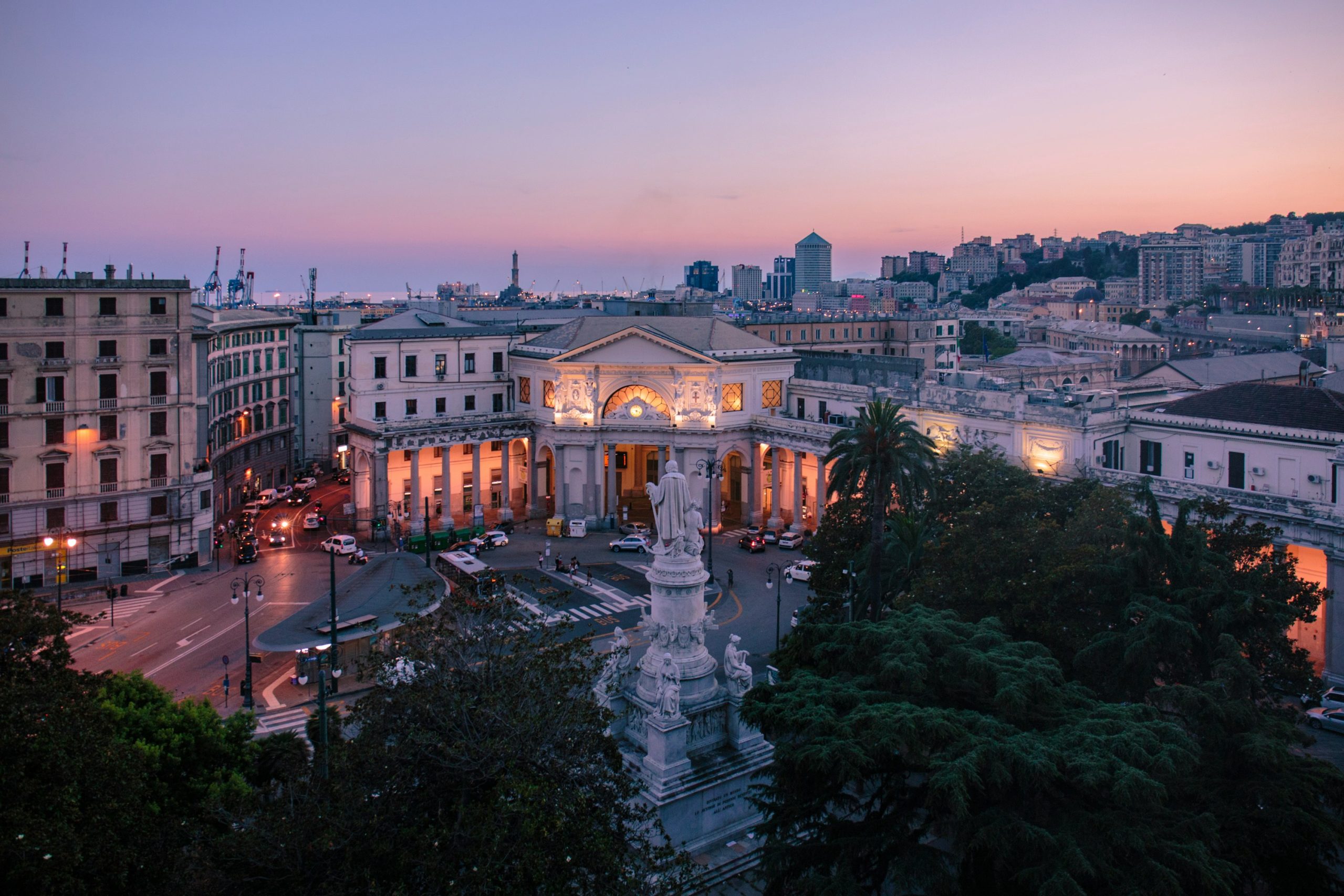
A working port with one of the largest medieval centres in Europe, palaces built by bankers, the best focaccia and pesto in the world, and the Cinque Terre an hour away.
Genoa was one of the great maritime republics of the Middle Ages, and its bankers financed half the kings of Europe. The wealth built two cities in one: the caruggi, a maze of narrow medieval lanes running down to the port, and the Strade Nuove, streets of Renaissance palaces so grand that the city kept an official list of them for hosting visiting dignitaries.
The Palazzi dei Rolli and the Strade Nuove are now a UNESCO World Heritage Site. The old centre is one of the largest in Europe, dark, steep and full of life.
Genoa is still a working port, and it has a rough edge that puts some visitors off. It is also cheap, authentic and full of food you cannot find anywhere else. Two days covers the city, and the Riviera, Portofino and the Cinque Terre are within easy reach by train.
The old centre is the place to be, but it is a maze. Stay near the edges, around Via Garibaldi or the port, for easier nights.
The street of palaces, on the edge of the old centre.
The medieval lanes around Piazza delle Erbe and San Lorenzo. Lively, rough at night.
The old harbour, with the Aquarium and bars.
Around Piazza Principe station.
The fishing village on the edge of the city.
Orange labels are neighbourhoods, dots are the 7 top-rated hostels. Map © MapTiler © OpenStreetMap contributors.
The routes we would take, in the order we would take them.
Walk Via Garibaldi, the Strada Nuova, lined with Renaissance palaces. Three of them, Palazzo Rosso, Palazzo Bianco and Palazzo Tursi, form one museum with a single ticket, and the roof terrace of Palazzo Rosso has one of the best views in the city.
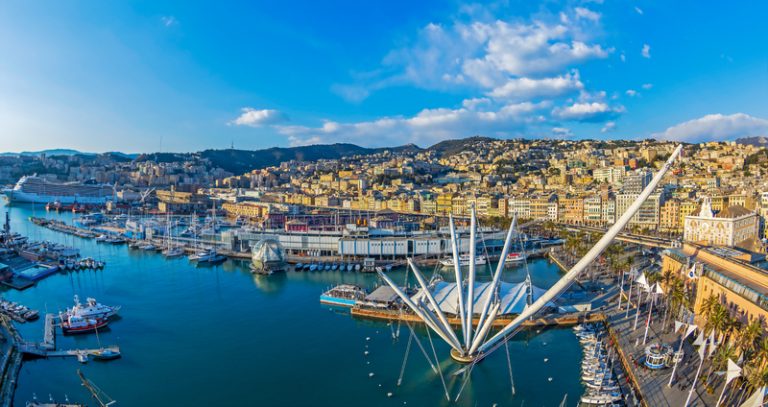
Then get lost in the caruggi, the narrow lanes of the old centre, down to the Cathedral of San Lorenzo with its black-and-white striped façade, and on to the Porto Antico, the old harbour redesigned by Renzo Piano.
The Aquarium, at the Porto Antico, is one of the largest in Europe. The Galata Maritime Museum, next door, is excellent on the city's seafaring history and emigration.
Take the lift up to the Spianata Castelletto for the view over the rooftops and the port. Take the bus or walk out to Boccadasse, a tiny fishing village of painted houses on the edge of the city, for the sunset.
The caruggi, the old lanes, are free and the city's great attraction. So is Via Garibaldi from the outside, and the Cathedral of San Lorenzo.
The Porto Antico is free to walk. The seafront promenade at Nervi, east of the centre, runs along the cliffs for two kilometres.
Boccadasse is free and perfect at sunset.
On certain weekends in spring and autumn, the Rolli Days open many of the private palaces to the public for free.
Genoa is the home of pesto, and pesto Genovese here is made with local basil, pine nuts, garlic, pecorino and olive oil, served with trofie or trenette. It tastes nothing like the jar.
Focaccia is the other institution, sold in bakeries from early morning for a euro or two a slice, and eaten for breakfast dipped in cappuccino. Farinata, a thin chickpea pancake, and fried fish in a paper cone are the street food.
The friggitorie and bakeries of the old centre are the cheapest places to eat. Trattorias serve pasta for €10 to €14.
Genoa has a lively, local night out. The squares of the old centre, Piazza delle Erbe above all, are full of bars and students late into the night.
The Porto Antico and the Darsena have bars by the water.
Aperitivo with focaccia and snacks costs €7 to €10, and a beer is €4 to €6.
The centre is walkable but steep, and Genoa has an unusual network of public lifts and funiculars climbing the hills, on the same ticket as the buses and the single metro line.
The airport is west of the city, with a bus to the stations.
Genoa has two main stations, Piazza Principe and Brignole. Trains run along the coast to Camogli, Santa Margherita Ligure and the Cinque Terre, and to Milan and Turin in about an hour and a half to two hours.
For the Cinque Terre, regional trains reach Monterosso in about an hour and a half.
Genoa is one of the cheaper big cities in the north. Dorms are typically €22 to €32, focaccia is a euro or two, and a trattoria meal is €15 to €25. A careful day is €50 to €65.
The costs that add up are the Aquarium and day trips to the Cinque Terre, where trains and trail cards cost extra in the high season.
The caruggi, the view points and the seafront are free.
Genoa is generally safe, but the old centre needs care at night. The lanes around Via Prè, the Maddalena and parts of the port area are rough after dark, with drug dealing and petty crime.
Stay on the busier streets at night and keep your bag close.
The lanes are steep and the stones slippery in the rain.
Emergency number is 112.
The Italian Riviera is on the doorstep, by train.
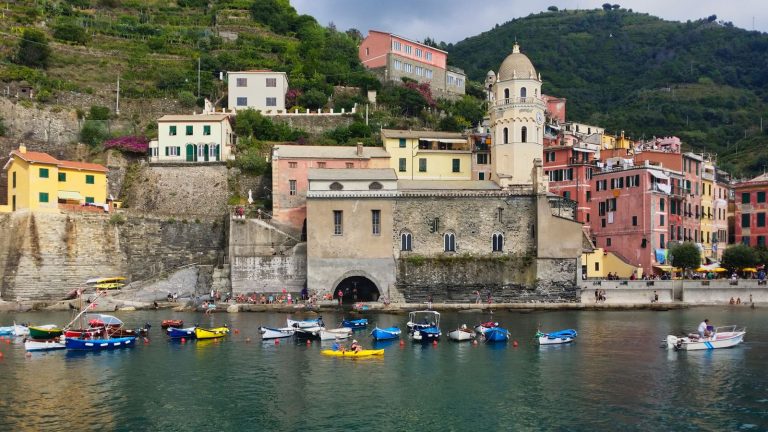
Five villages on the cliffs, linked by train and footpath. Single train tickets between villages cost €5 to €10 by season.
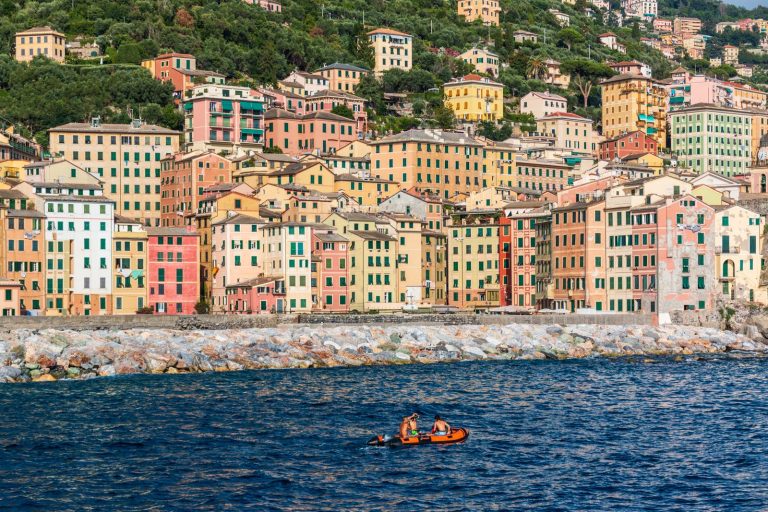
A colourful fishing town on the Riviera, and boats to San Fruttuoso.
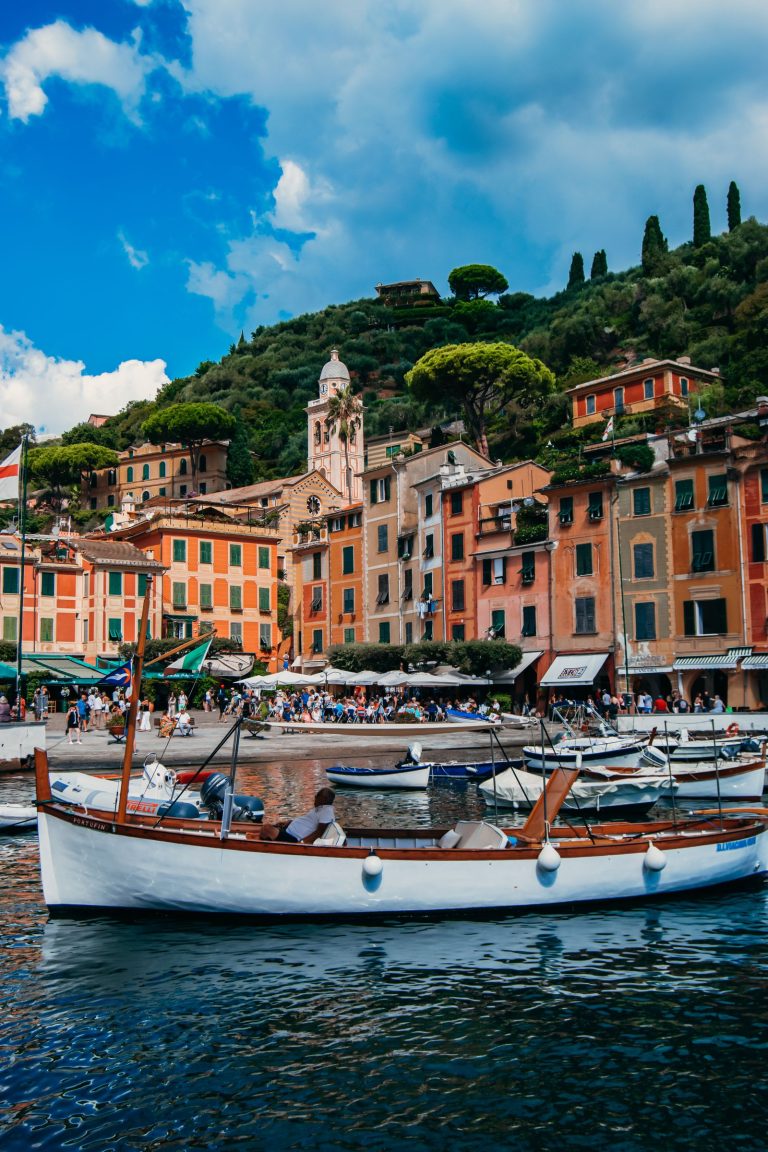
The famous harbour, small and very expensive.
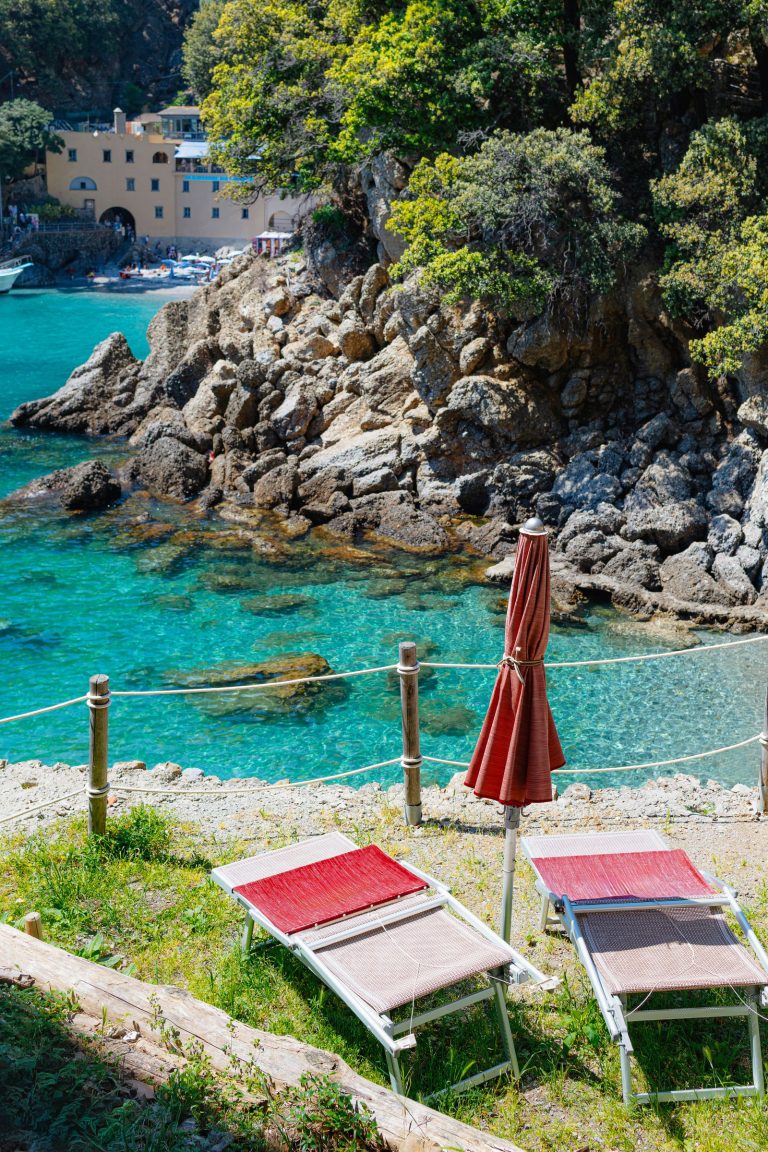
An abbey in a cove reachable only by sea or on foot.
The Rolli Days, when the palaces open, are the best time to be in the city.
 Staff pick
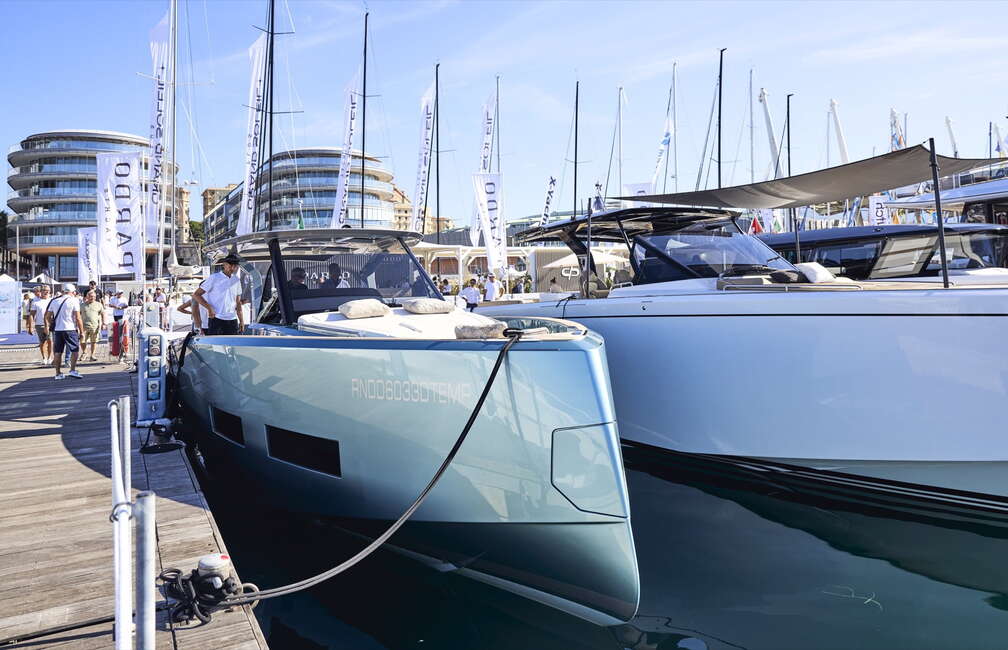
The Genoa International Boat Show in Genoa, Italy, is the Mediterranean’s largest yachting showcase, bringing together over 1,000 brands and vessels across more than…
 Staff pick
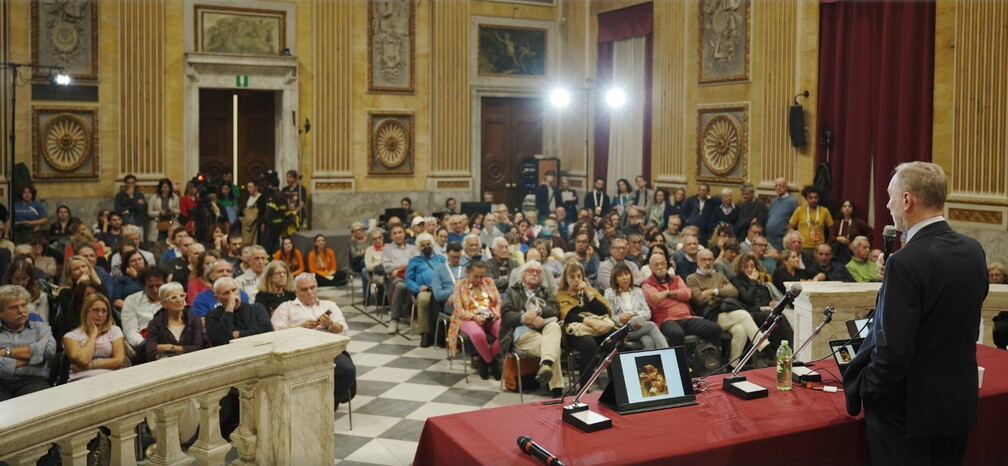
The Genoa Science Festival is an international celebration of scientific discovery, bringing together scientists, researchers, artists, and authors from around the world. Visitors can…
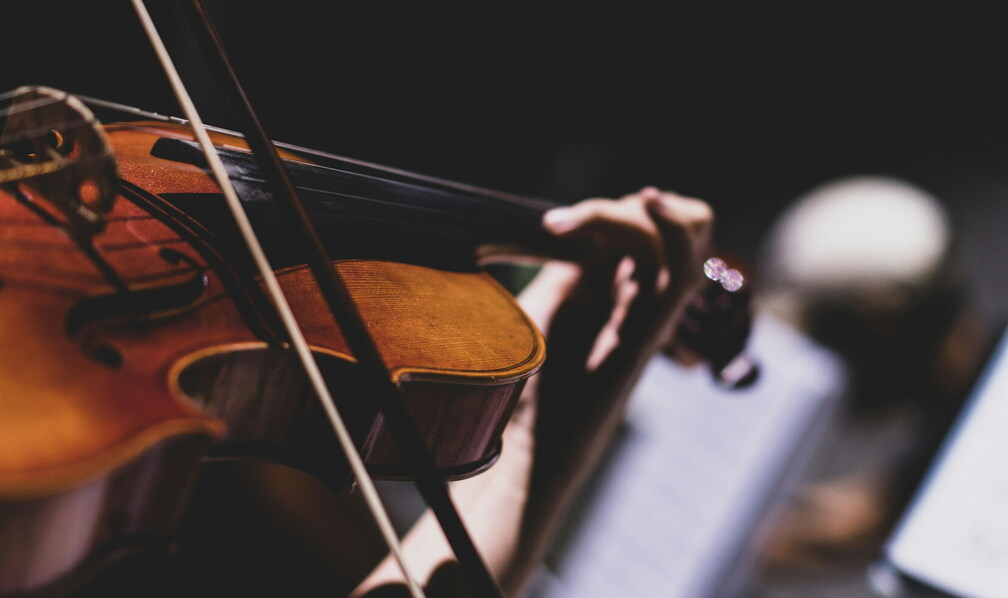
Genova honors Niccolò Paganini on the 186th anniversary of his death with a month-long festival filled with music and cultural events. From October 2…
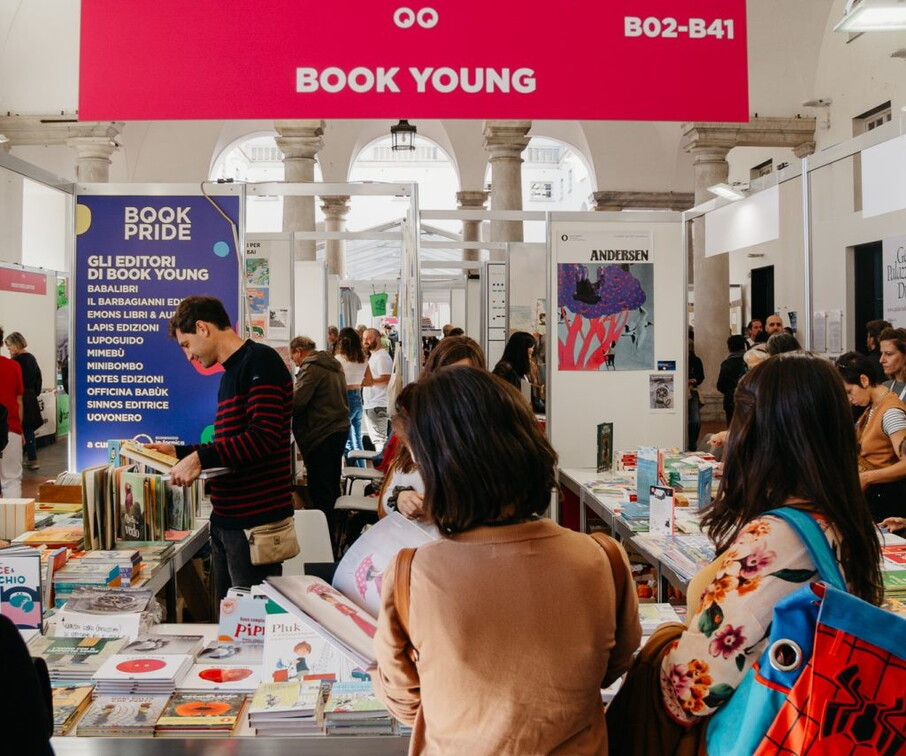
Book Pride Genova 2026 is a national fair dedicated to independent publishing, held over three days in October. You will find over 100 publishing…
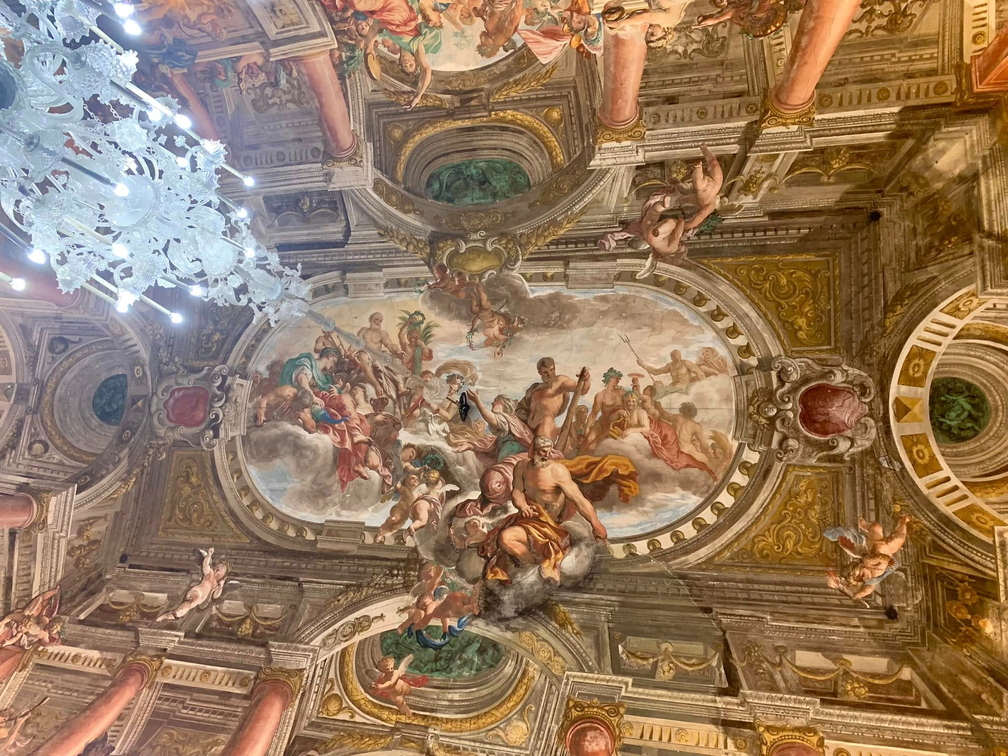
Rolli Days 2026 invites you to explore the artistic and architectural beauty of Genoa over a special autumn weekend. The event celebrates the 20th…
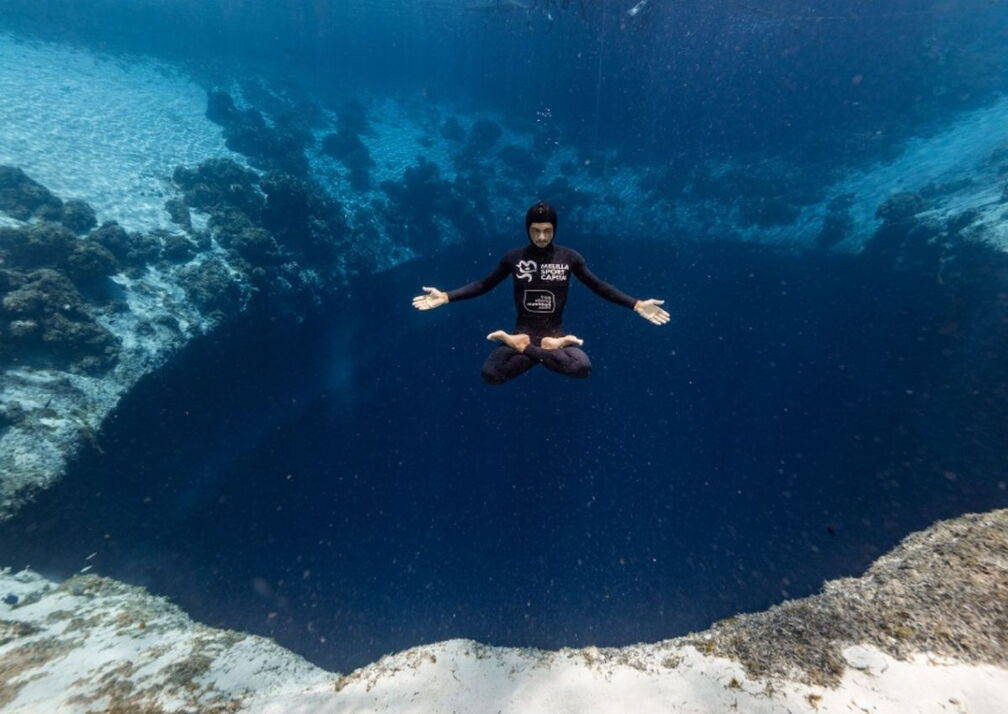
Incontri in Blu is a cultural series dedicated to the culture of the sea, its stories, and protagonists. The 7th edition takes place at…
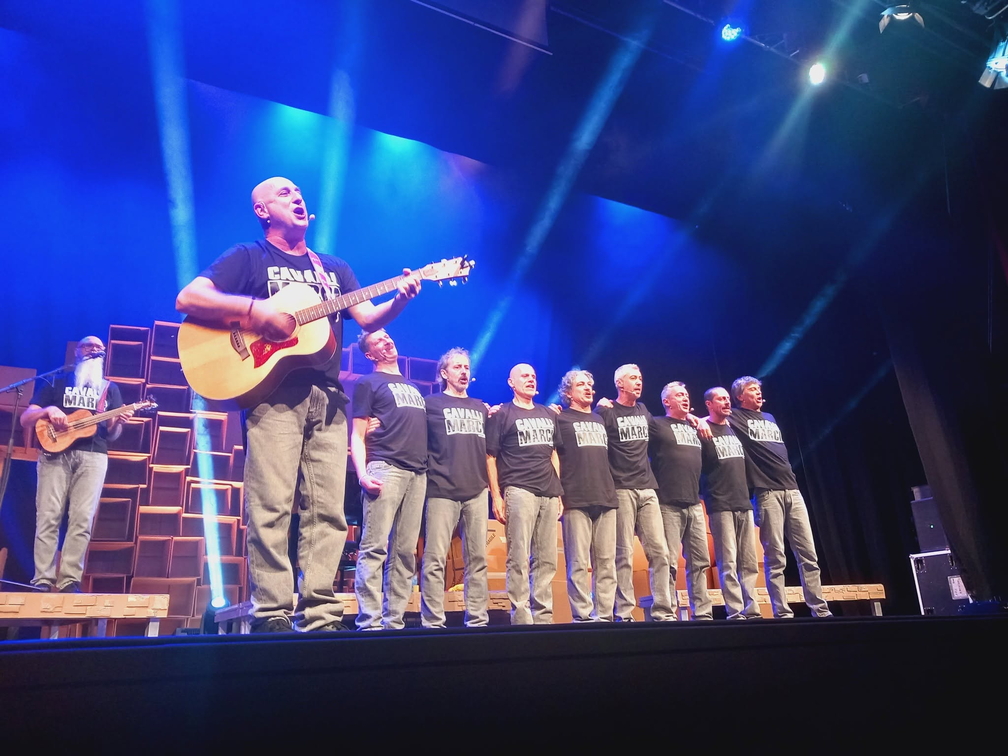
Cavalli Marci is a theatrical event taking place at the Politeama Genovese in Genoa. The show is scheduled for the evening of October 1,…
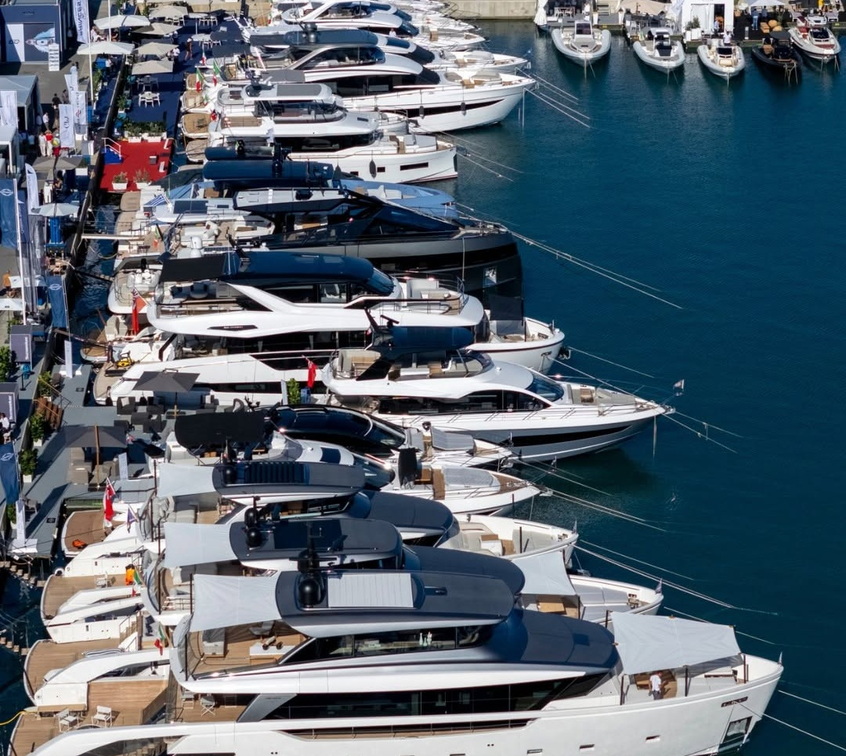
The 66th edition of the Genoa International Boat Show is scheduled to take place from 1 to 6 October 2026 in Genoa, Italy. It…
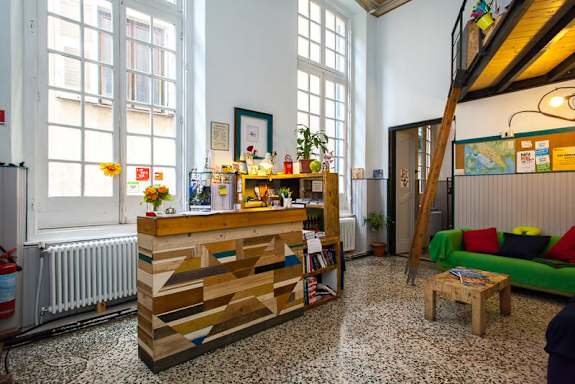
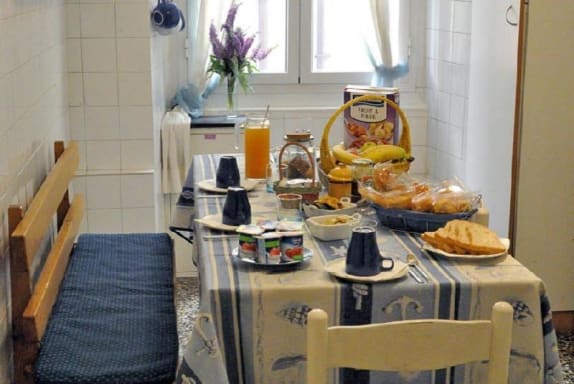
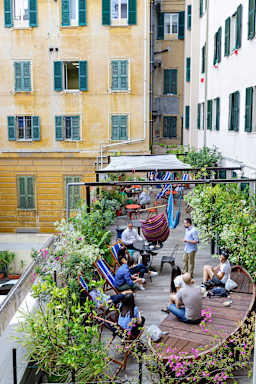
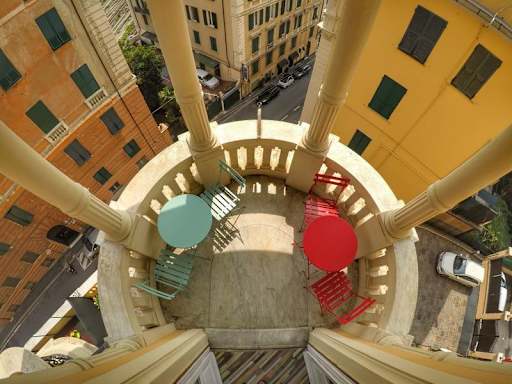
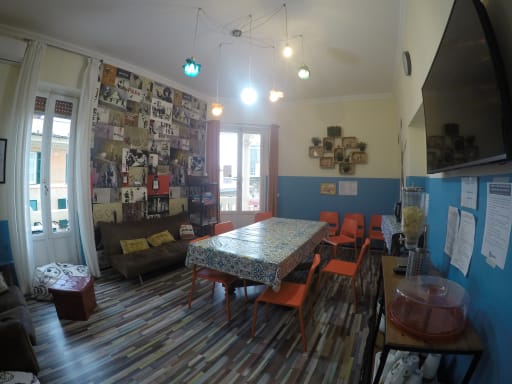
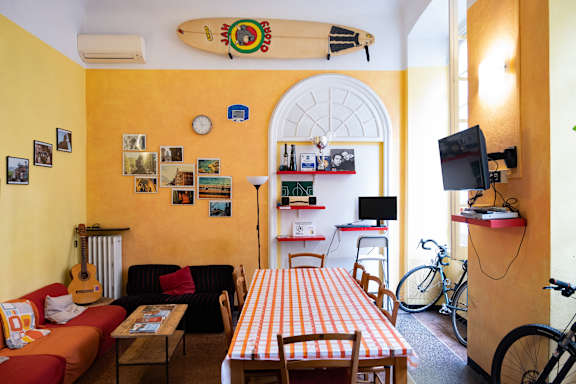
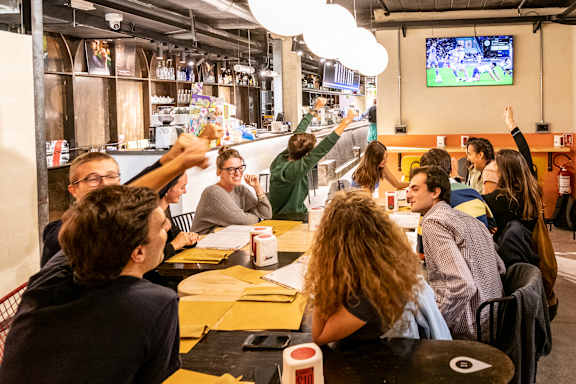
Genoa has a small number of hostels in the old centre and near the stations. These are the top-rated right now, live from Hostelworld.
April to June and September to October are ideal. Summer is hot and the coast busy; winter is mild.
Average highs. Genoa is milder in winter than the rest of the north, sheltered by the mountains.
Pick how you travel. Per person per night, in euros.
Transport assumes walking and the odd bus or lift. Cinque Terre trains and trail cards cost more in high season.
The ones we get asked most.

Compare Genoa hostels — live prices, real reviews and free cancellation on most bookings. Then meet the people already there in the app.

 Get the App.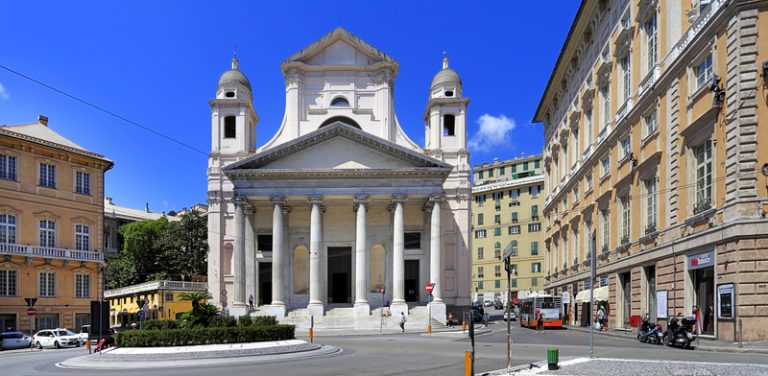
 Get the App.