Italy
Italy country guide

Things To Do In Italy

Twenty regions that argue about whether they are one country, more UNESCO sites than anywhere on earth, and dinner at nine. Expensive in the famous places, remarkably cheap two towns over.

20
Regions, each its own kitchen
€21
Dorm bed, from
61
UNESCO sites, the world record
7,600km
Of coastline

One country, twenty kitchens

Italy only became a country in 1861, and it has not entirely agreed to it since. The regions cook differently, speak differently and hold opinions about each other that are older than the flag. This matters for travel, because the Italy of the postcards — Rome, Florence, Venice — is one narrow slice of it, and it is the slice where you pay most and queue longest.

The north is alpine and industrial, with Milan's money and the lakes above it. The centre is the one everyone pictures: Tuscan hills, Renaissance cities, cypress trees. The south is hotter, poorer, louder and cheaper, with the best food in the country by most Italians' reckoning and a fraction of the visitors.

Ten days covers Rome, Florence and Venice properly with a day trip from each. Two weeks lets you drop one of them and go south instead — Naples, the Amalfi coast, or across to Sicily. If it is your second trip, skip the trio altogether and pick one region.

Where to go

Trains reach everywhere and the fast lines make most of this a day apart. Book Frecciarossa ahead for the cheap fares.

Rome

Rome

112 hostels · dorms from €31

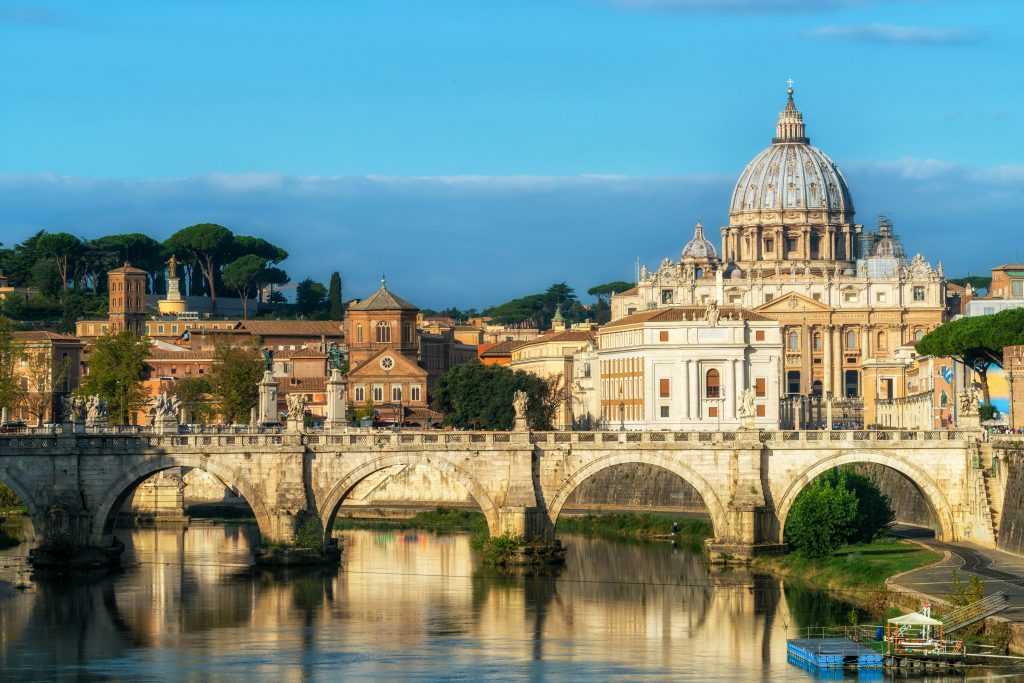
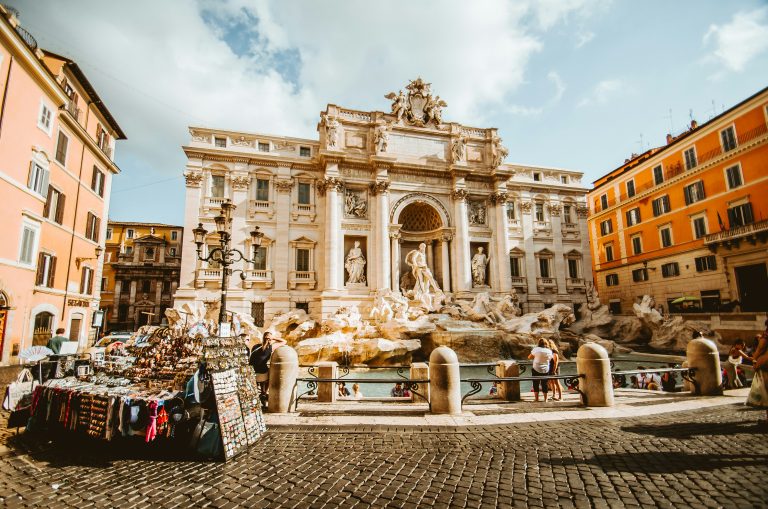
Three thousand years stacked on top of each other, and the best carbonara in the country. Busy, hot in summer, unmissable.

Rome does have everything for a perfect city break: ancient wonders like the Colosseum around every corner, authentic piazzas, incredible local food, and lively evening aperitivos. Despite its immense history, the center is effortlessly walkable and full of energy. A single weekend was enough to fall in love with its timeless charm, but nowhere near enough to see it all. I’ll definitely be back!

A traveller, on Hostelworld
The Rome guide
Got this long? 24 Hours 3 Days
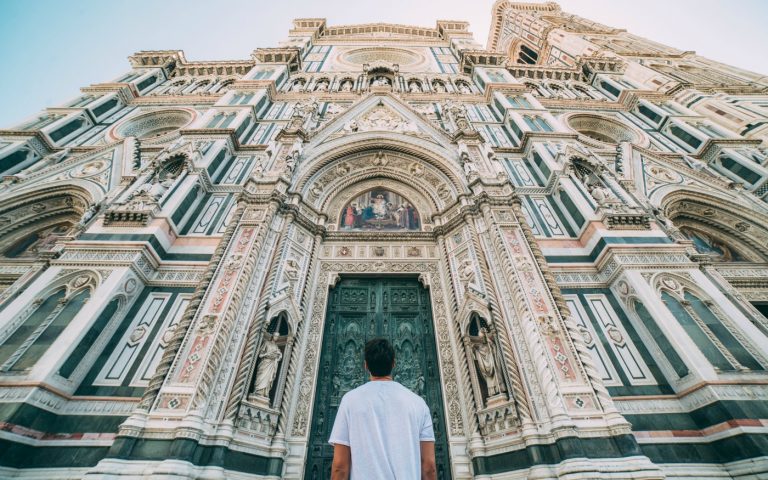
Florence

Florence

45 hostels · dorms from €14

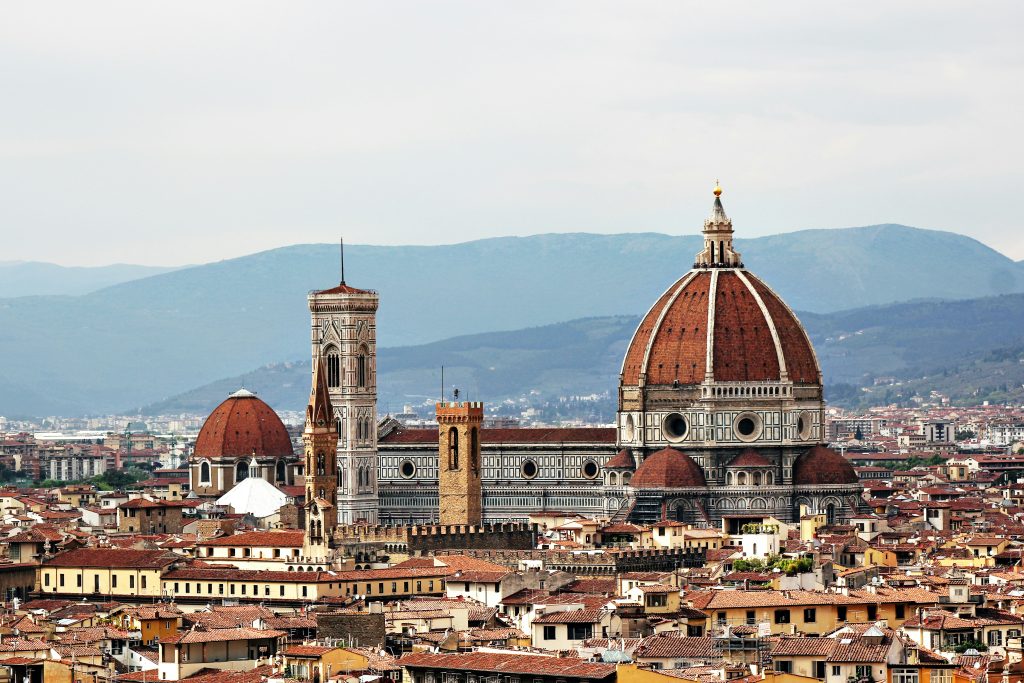
The Renaissance in a city you can cross on foot in twenty minutes. Book the Uffizi and the Accademia before you arrive.

Florence was a favorite on this visit. So much to do and see. We took a cooking class and that was a great highlight.

A traveller, on Hostelworld
The Florence guide
Venice

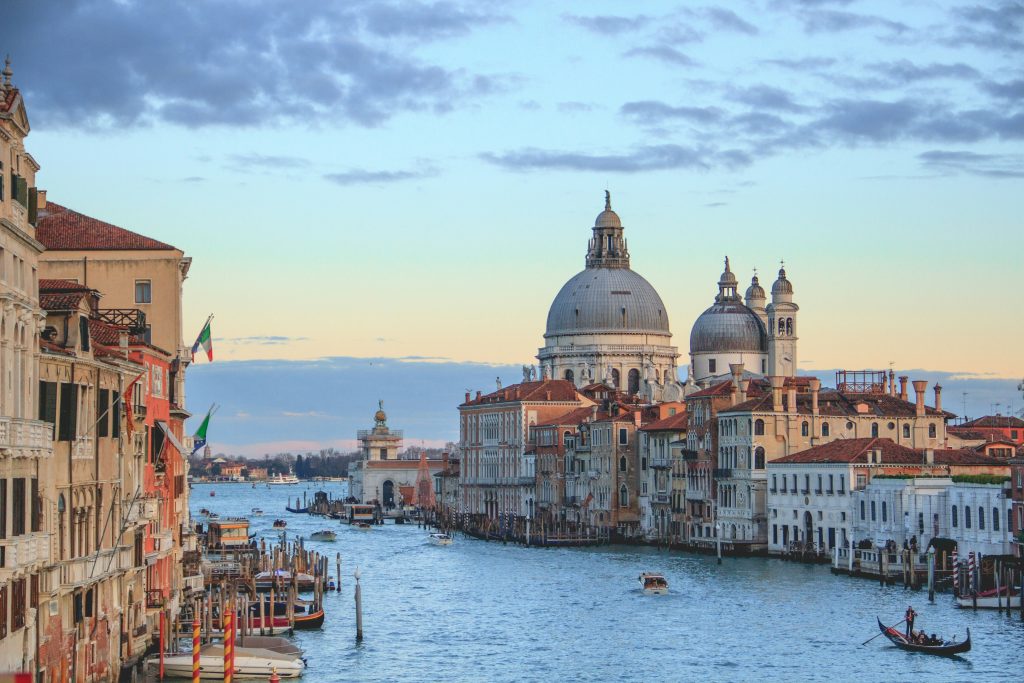
Venice

29 hostels · dorms from €22

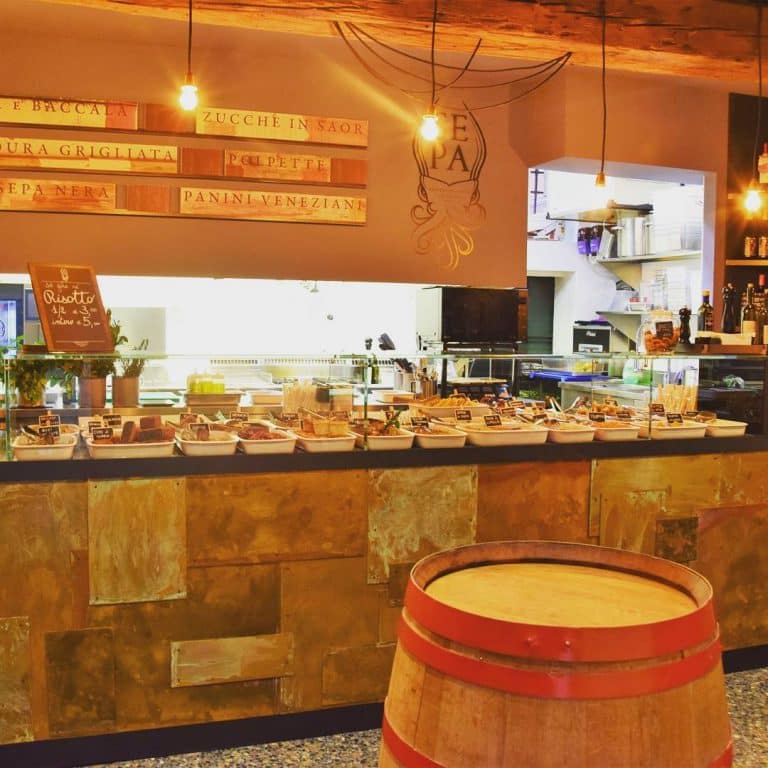
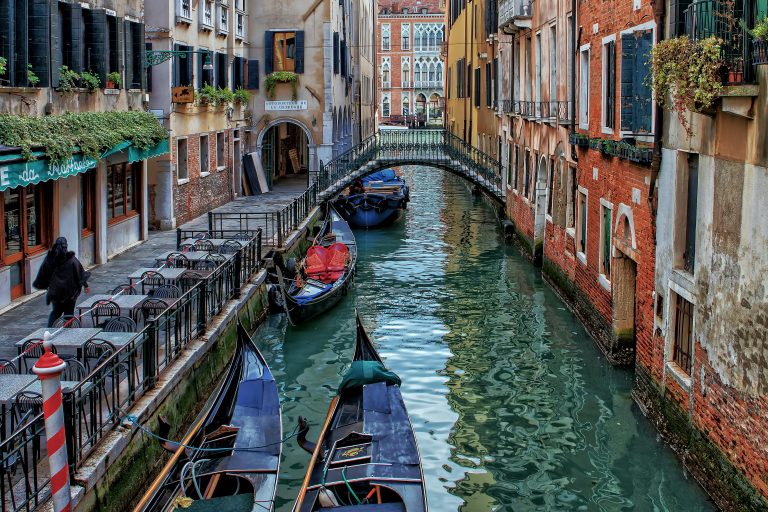
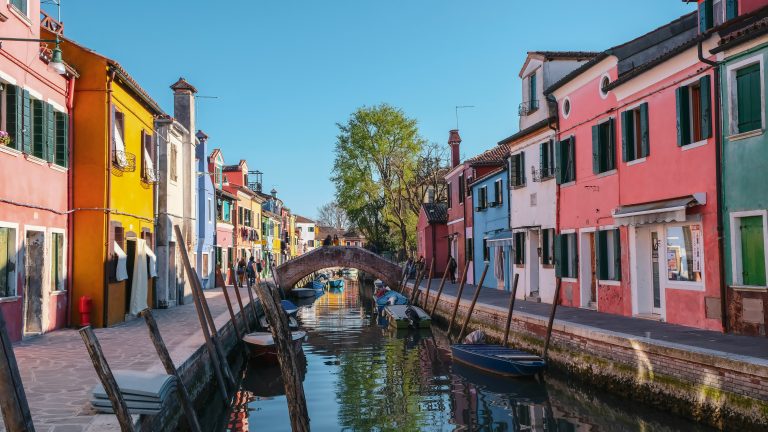
Worth it despite everything you have heard, if you stay the night and walk after the day trippers leave.

A fantastic place to visit, a really interesting culture to visit, deffo recommend visiting the other islands. Beware tho, it’s not an easy place to navigate if you stray off the main path!

A traveller, on Hostelworld
The Venice guide
Milan

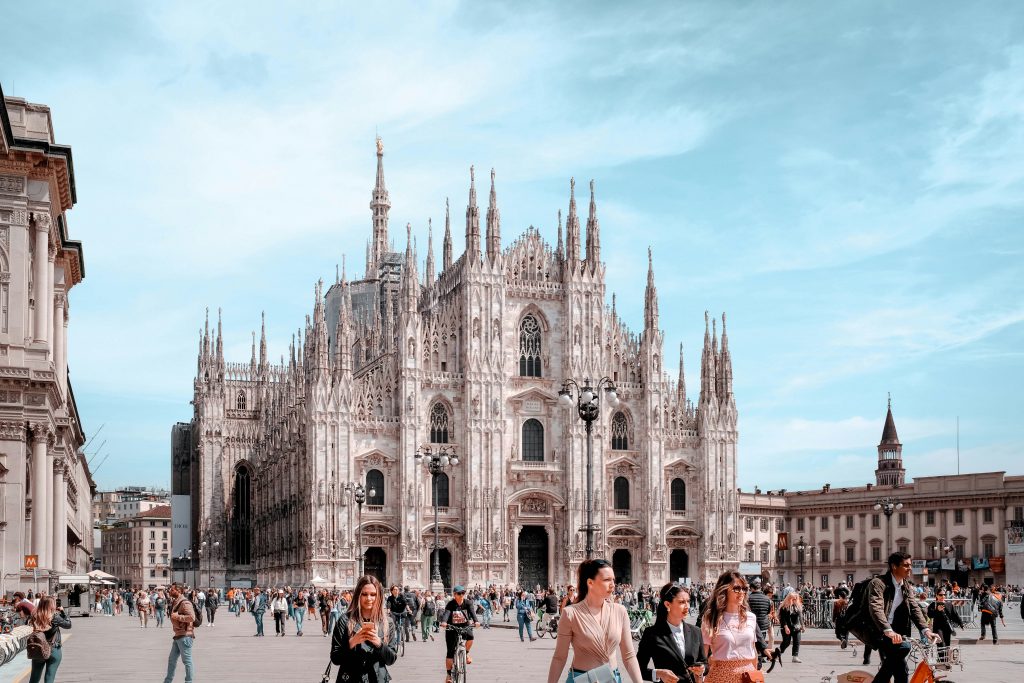
Milan

56 hostels · dorms from €18

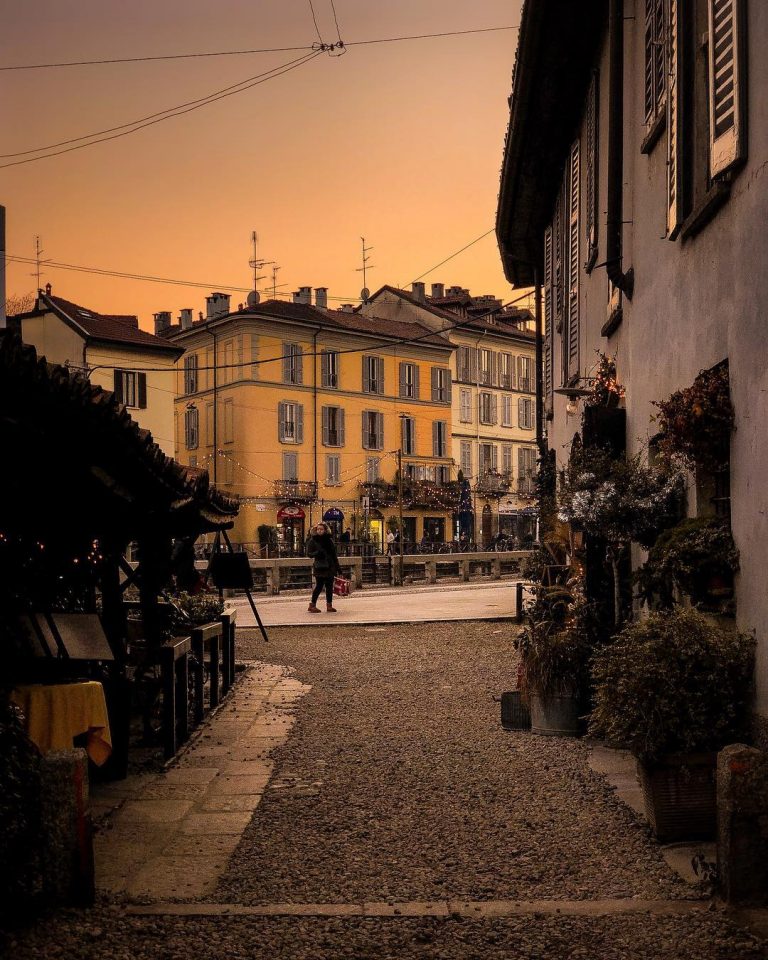
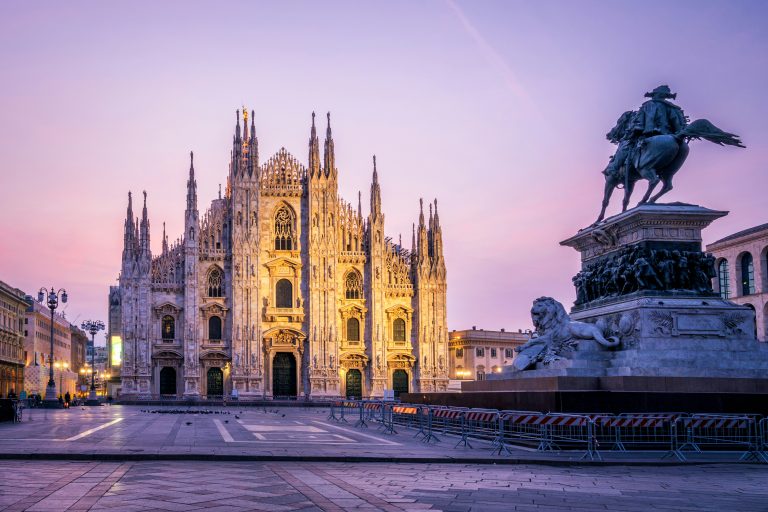
Fashion, aperitivo and the Duomo. The least touristy big city, and the gateway to the lakes.

Great city for shopping, eating out , culture.

A traveller, on Hostelworld
The Milan guide
Naples

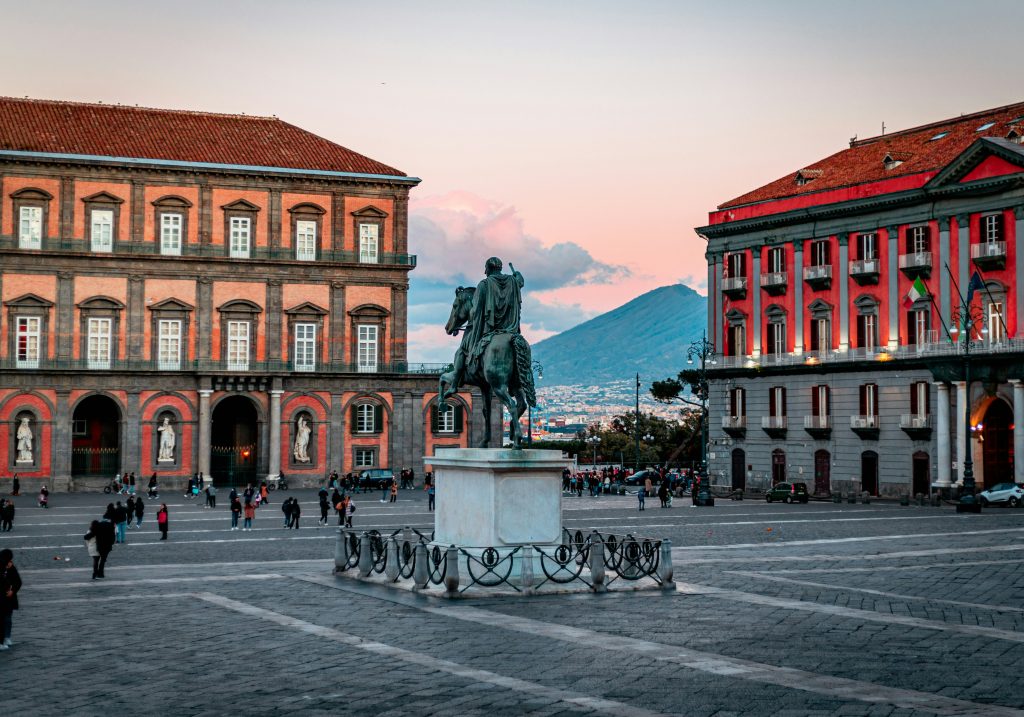
Naples

46 hostels

Chaotic, loud, and the best pizza and coffee in Italy. The base for Pompeii and the Amalfi coast.

Naples is a lovely destination and is like no other city ive ever been before. There are many different places to go and things to do with lots of variety and catering for all ages.

A traveller, on Hostelworld
The Naples guide
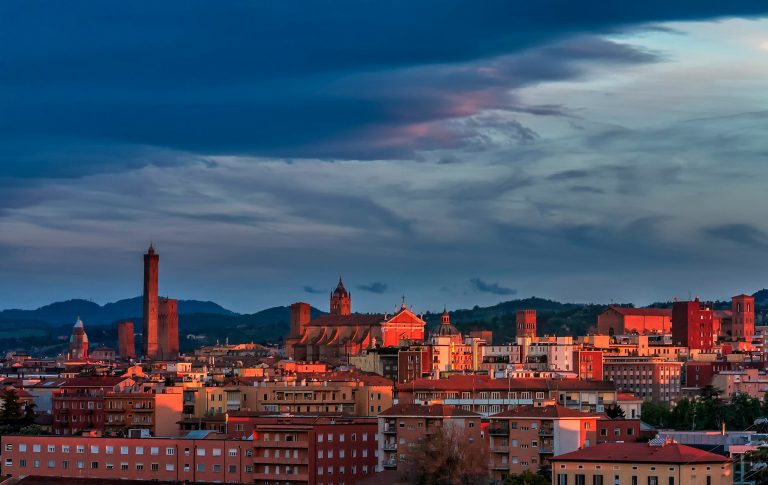
Bologna

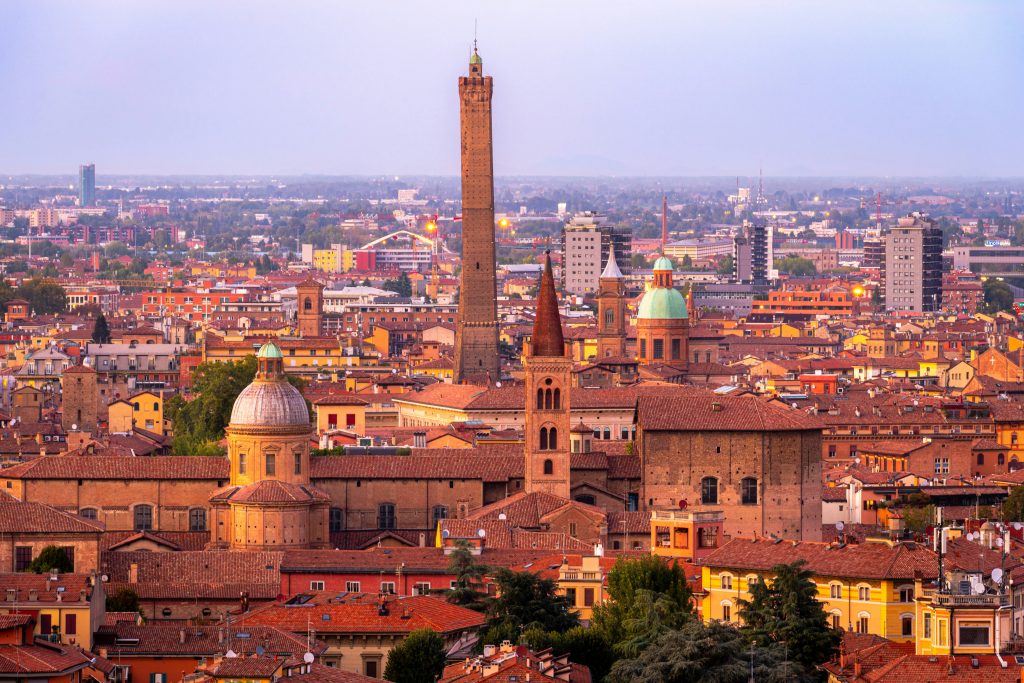
Bologna

17 hostels

A student city that eats better than anywhere. Porticoes, cheap trattorias and no queues.

Bologna exceeded all my high expectations. The food is amazing and the city is not that touristy. Would recommend going.

A traveller, on Hostelworld
The Bologna guide
Turin

Turin

9 hostels

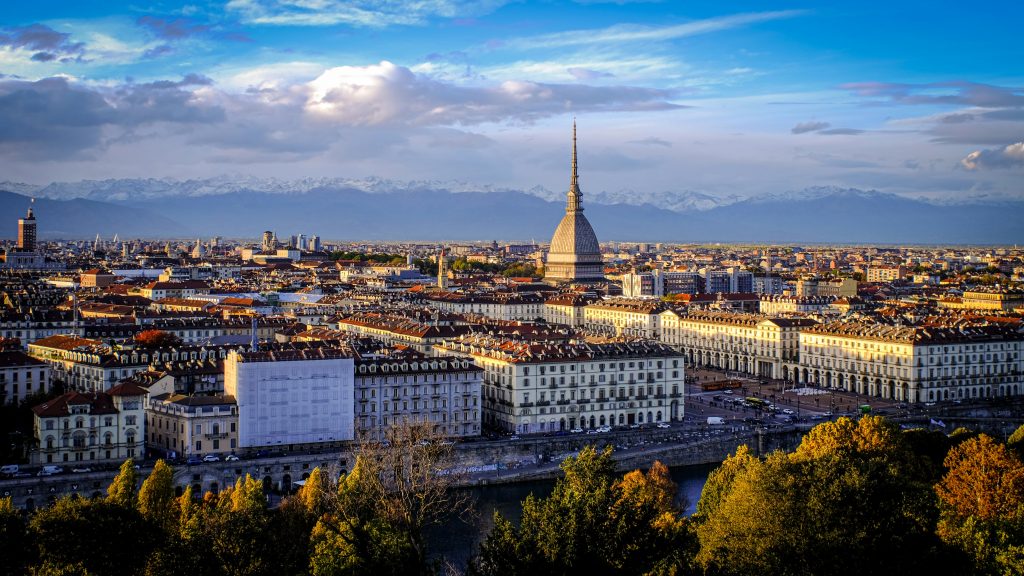
The first capital: arcaded boulevards, an Egyptian museum second only to Cairo's, and the best aperitivo culture in Italy.

Turin is a gorgeous city, with lot’s to do and see. I really enjoyed my weekend away.

A traveller, on Hostelworld
The Turin guide
Verona

Verona

17 hostels

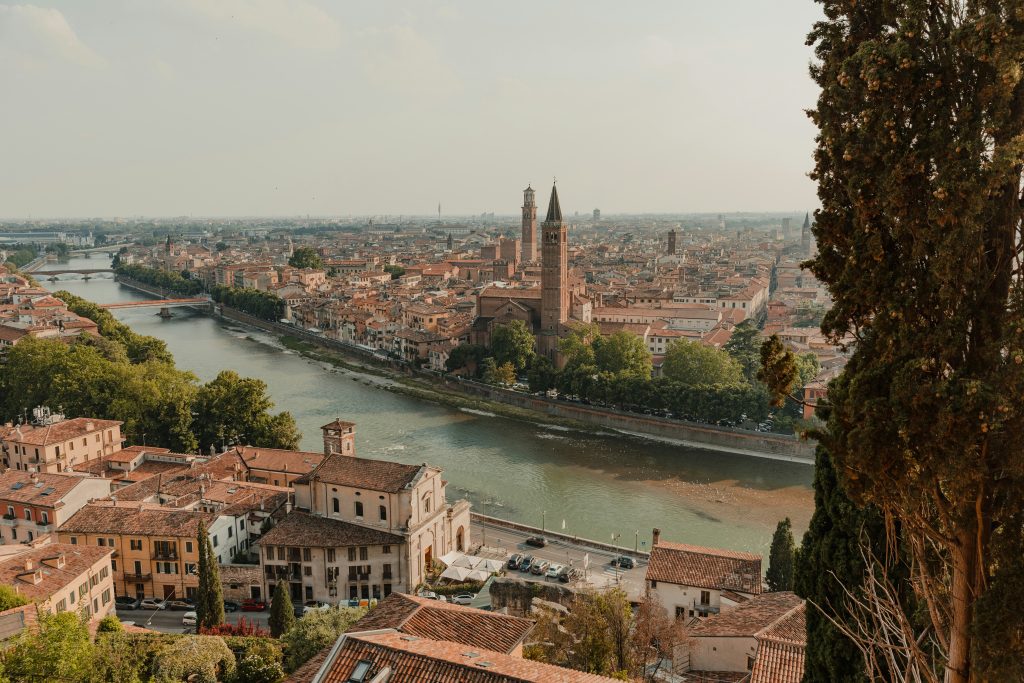
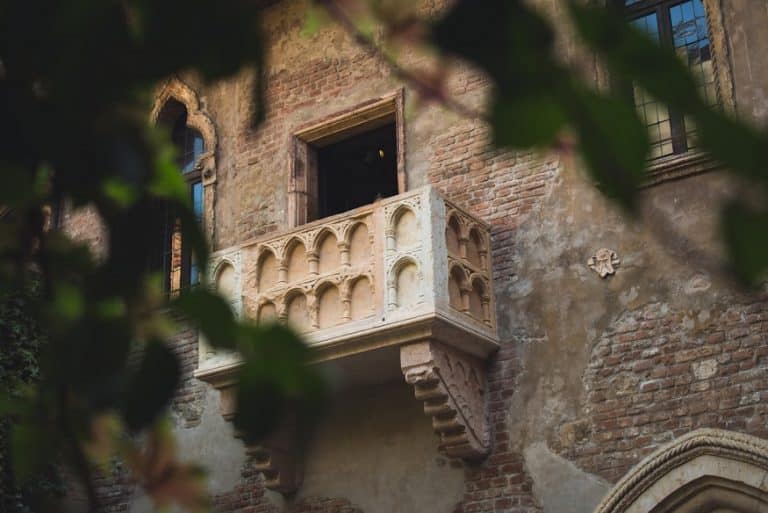
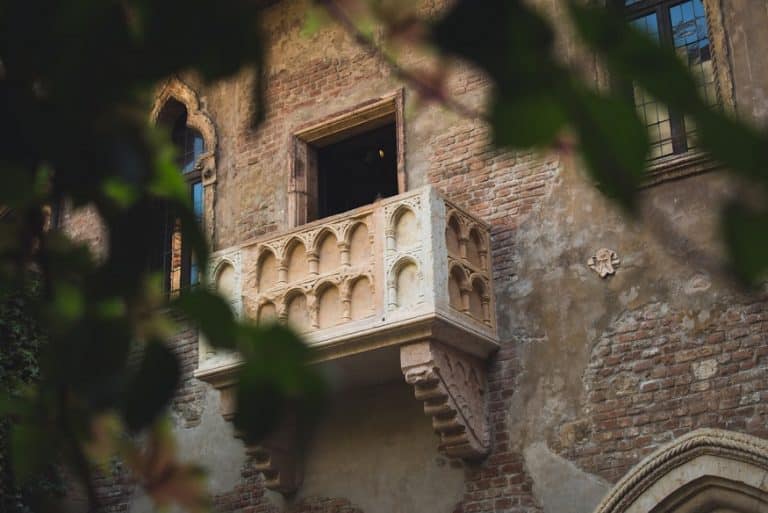
A Roman arena still used for opera, a walkable centre, and an hour from Venice without the crowds.

Super walkable quaint city with lots of historic sites and historic stories to explore. Things are slightly cheaper than major Italian tourist destinations with good food to offer!

A traveller, on Hostelworld
The Verona guide
Genoa

Genoa

11 hostels

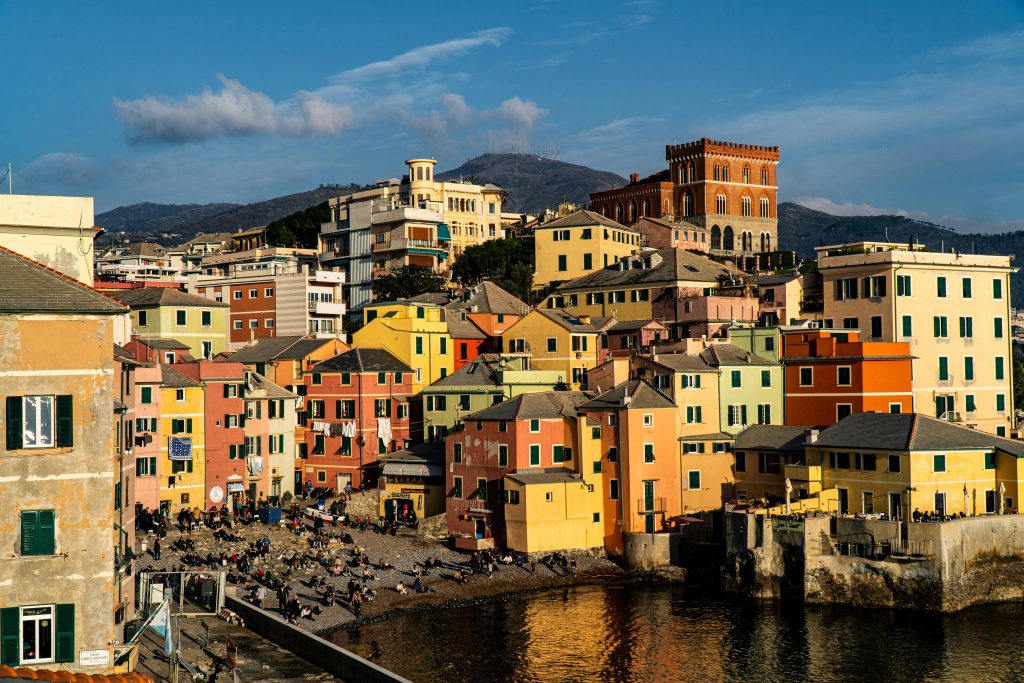
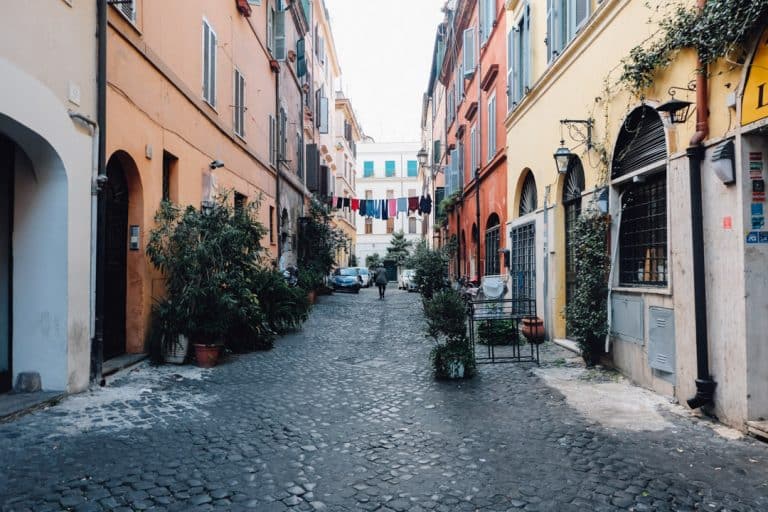
A working port with the biggest medieval centre in Europe, cheap seafood and the Cinque Terre an hour away.

I went on the off season, so a little slower than usual. But it was still a fantastic time with lots of pretty streets and nice rocky beaches

A traveller, on Hostelworld
The Genoa guide
Siena

Siena

10 hostels

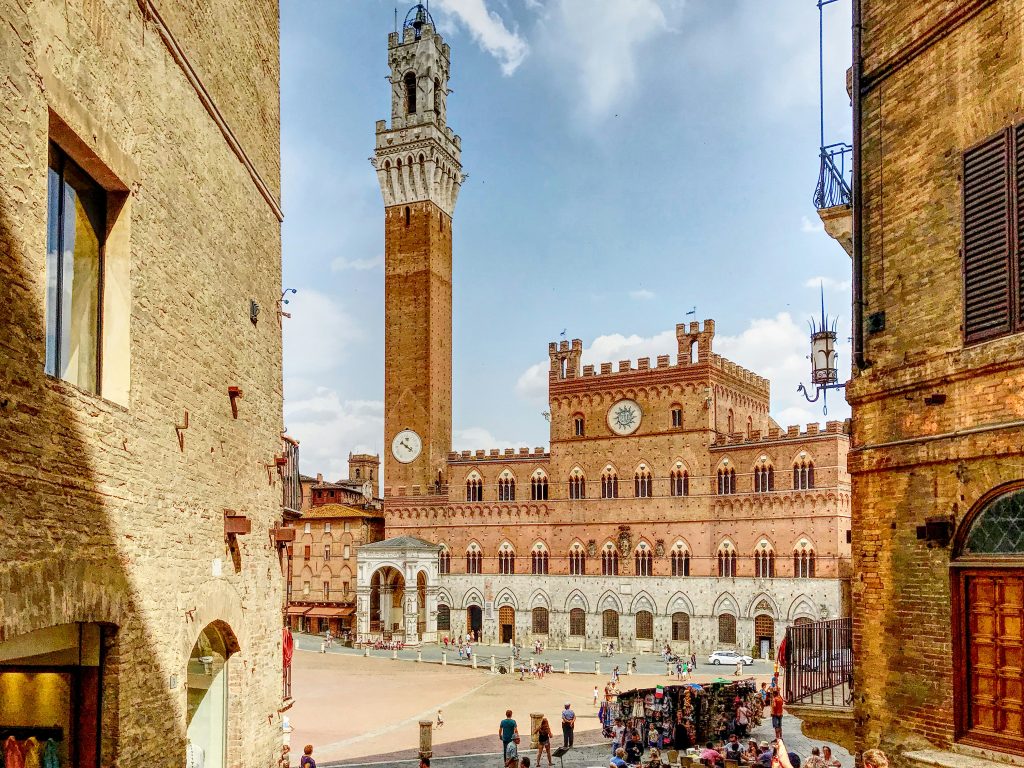
A shell-shaped square, a striped cathedral and a horse race that stops the city twice a summer.

Loved strolling the ancient streets, being on pilgrimage route, arts and architecture. Thoroughly enjoyed meeting people and learning about the contrada culture unique to Siena.

A traveller, on Hostelworld
The Siena guide
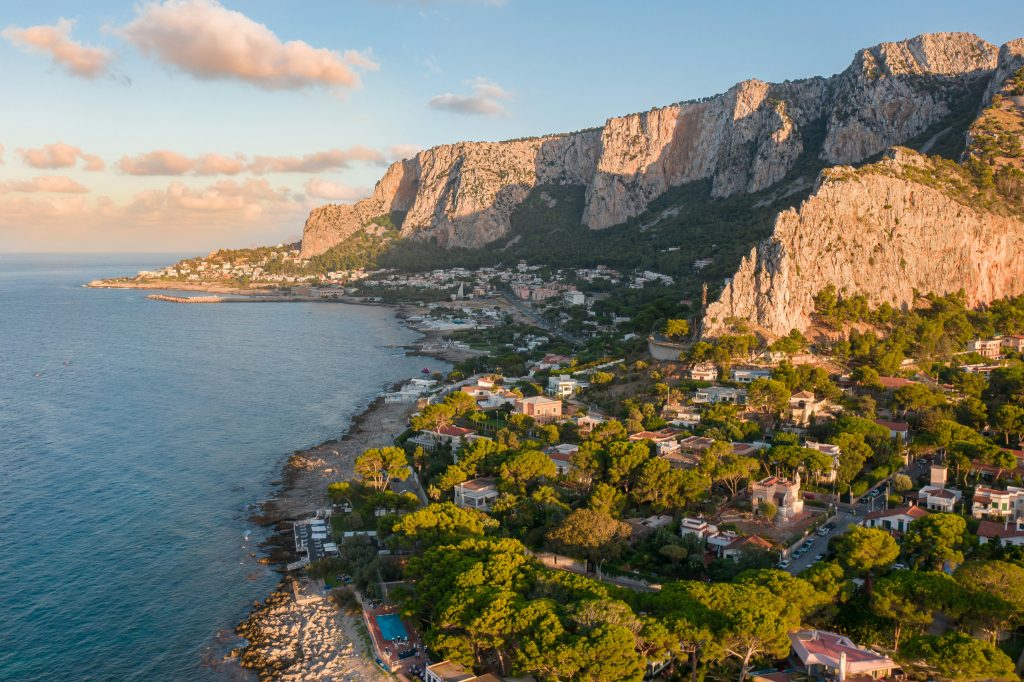
Palermo

Palermo

21 hostels

Sicily's capital: Arab-Norman churches, street food markets and a chaos that people either love or flee.

There are olive and citrus trees everywhere. It is a busy place, with lots going on at night and during the day. Good food. Lots and lots and lots of souvenir shops. 45 mins from the nearest sandy beach. Easy to follow lay out. Lots of pedestrianised areas.

A traveller, on Hostelworld
The Palermo guide
Catania

Catania

12 hostels

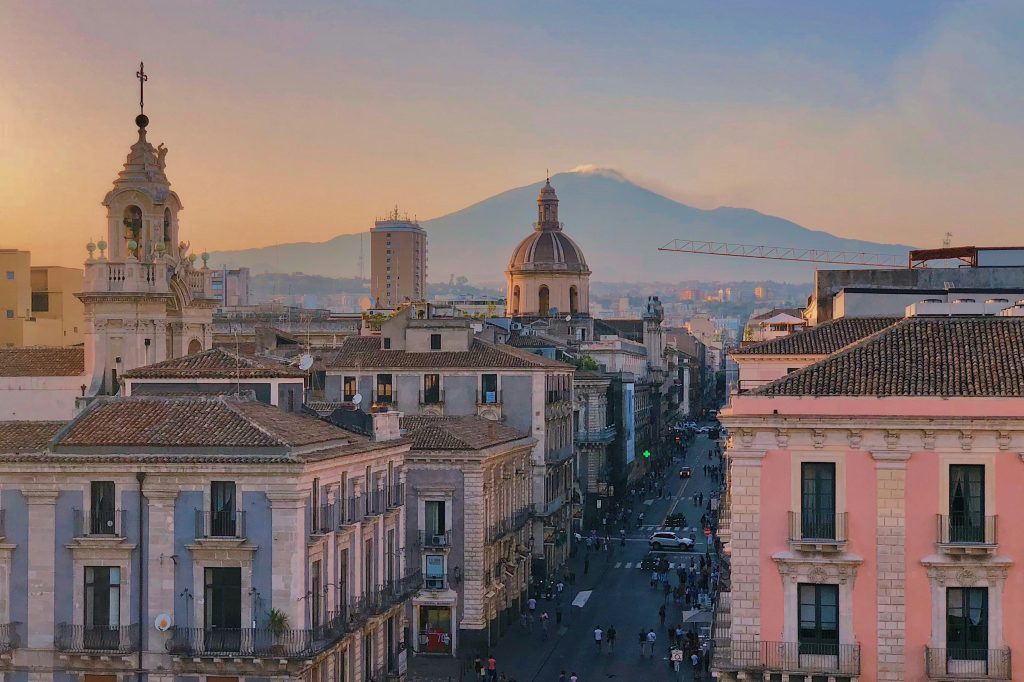
Under Etna, built in black lava stone, with a fish market and the cheapest nightlife in Sicily.

One of the most amazing city of the Sicily, full of things to see, to live, to know and to eat!

A traveller, on Hostelworld
The Catania guide
Lecce

Lecce

4 hostels

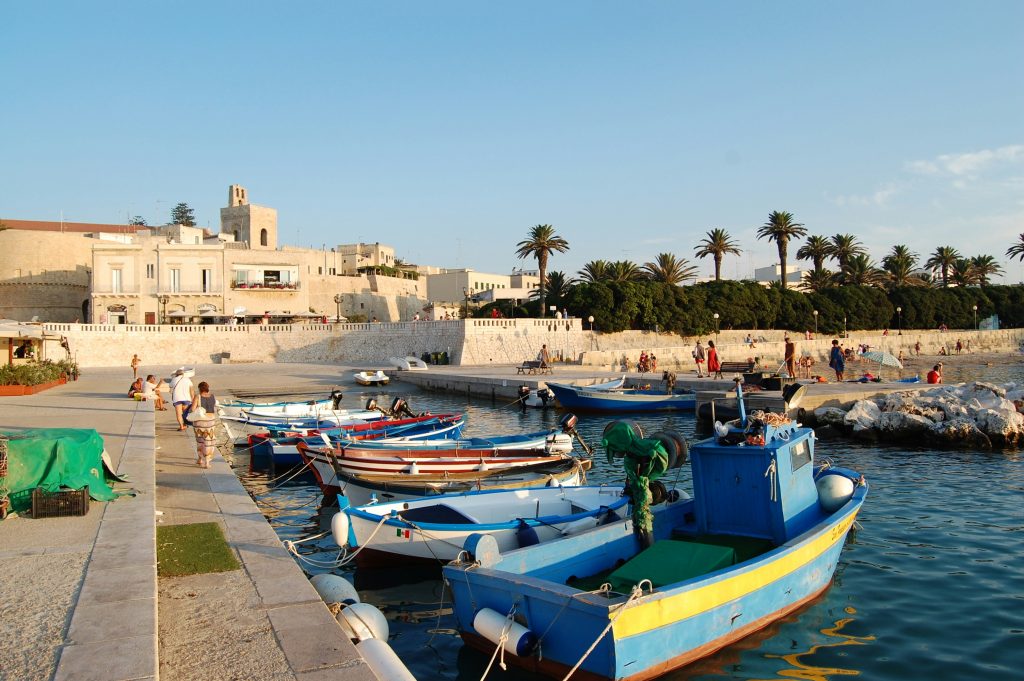
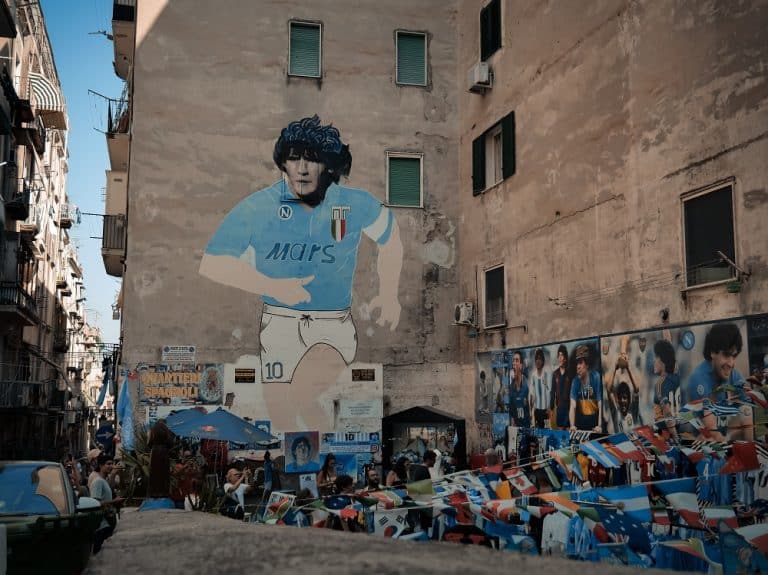
Baroque carved in soft limestone, in the heel of the country, and the base for the Salento beaches.

Great place, didn’t know much about it before arriving but would recommend 100%!

A traveller, on Hostelworld
The Lecce guide
Matera

Matera

4 hostels

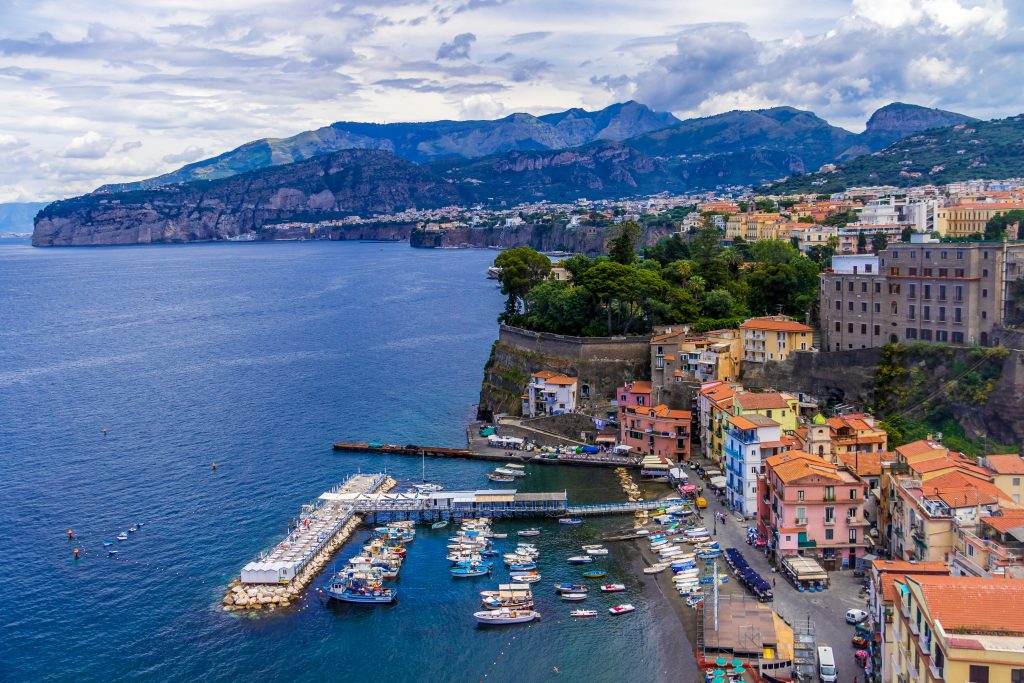
Cave dwellings carved into a ravine, inhabited for 9,000 years, and a European Capital of Culture in 2019.

Matera is a great relaxed location in southern Italy. Lots of tasty regional food to try and beautiful local artisan shops to visit. Would highly recommend if you’re looking for something a bit off the beaten track.

A traveller, on Hostelworld
The Matera guide
Sorrento

Sorrento

11 hostels

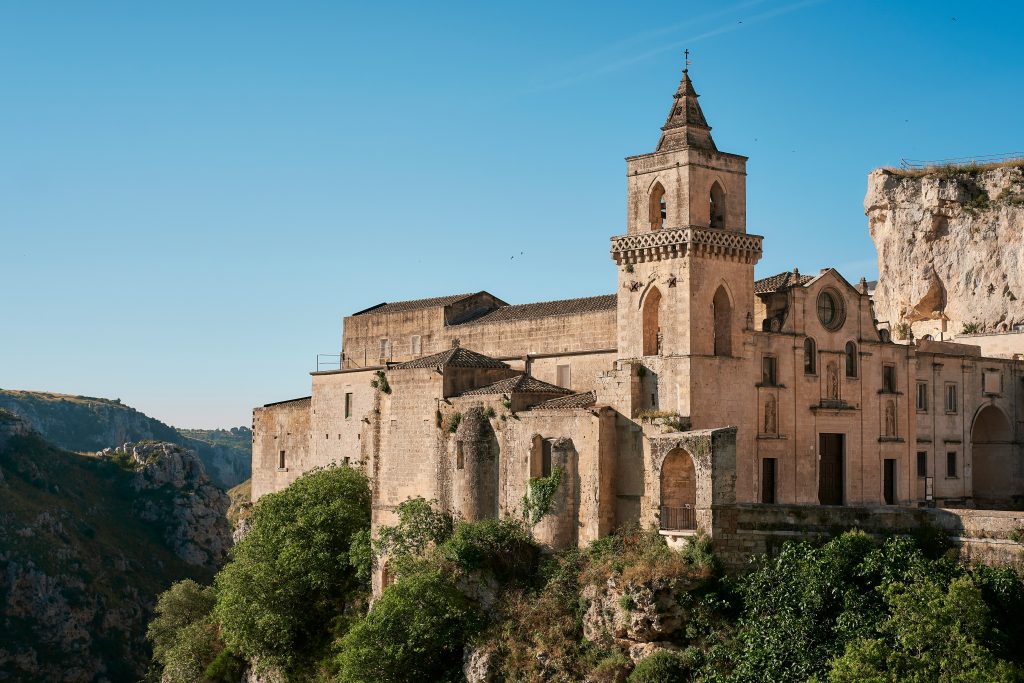
The Amalfi Coast base: cliffs over the bay, ferries to Capri, and Pompeii half an hour away.

I would recommend staying in Sorrento if you want to visit different parts of the Amalfi coast as it’s more affordable and there was plenty of shopping, things to do, places to eat etc. In the evenings, lots of live music, some bars, wonderful beaches and great lookout spots to catch a sunset.

A traveller, on Hostelworld
The Sorrento guide

What kind of trip is this?

Italy suits most of them. Pick the one that sounds like your week and the page below changes to match.

Things to do

Things to do in Italy

The famous sights are genuinely worth it and genuinely oversubscribed. The Colosseum, the Uffizi, the Vatican Museums and the Accademia all need booking days ahead in season, and turning up without a ticket means either queueing for hours or paying a tout.

Once those are in the diary, the better Italy is free. Rome's neighbourhoods reward walking more than any city in Europe. Florence is small enough to wander without a plan. Venice after the last day-trip boat leaves is a different city entirely, which is the argument for staying the night — and overnight guests are exempt from the access fee Venice charges day-trippers on peak days.

Outside the big three, the country empties out fast. Bologna, Genoa, Lecce and Palermo have the same architecture, the same food culture and none of the queues.

Food and drink

Eating in Italy

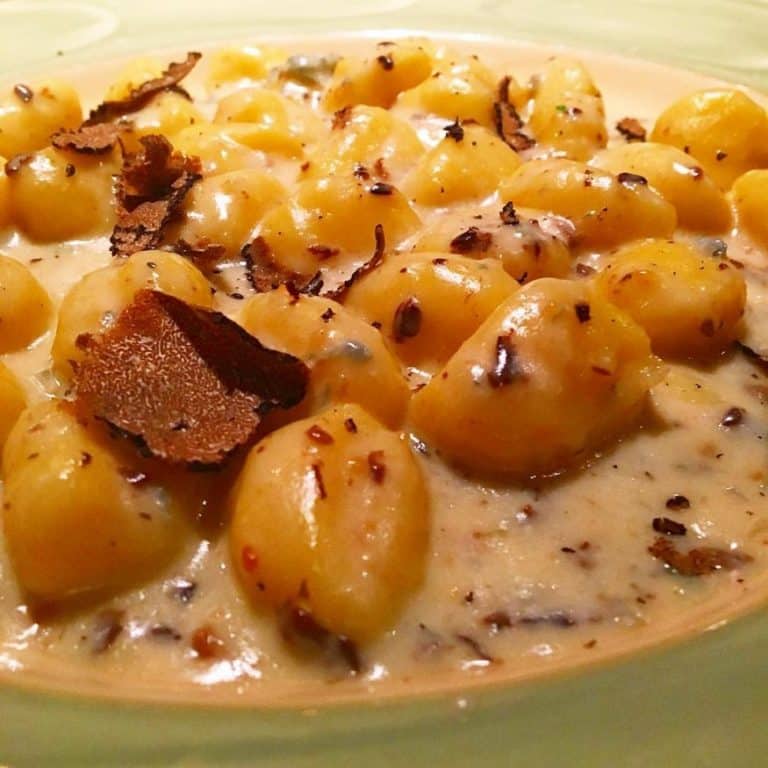
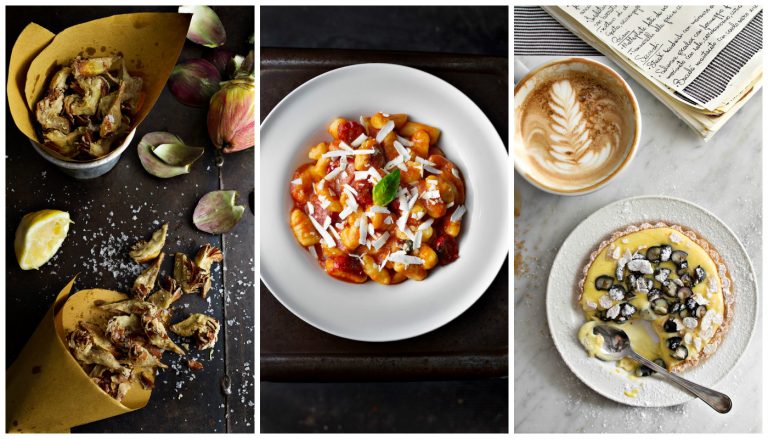
There is no Italian food, only regional food. Carbonara is Roman, ragù is Bolognese, pizza is Neapolitan, and ordering one in the wrong city gets you a tourist version. The rule that never fails: eat what the region is known for, in that region.

Prices split sharply by location rather than quality. A trattoria two streets off a main piazza charges half what the piazza does for better cooking. Anywhere with a photo menu, a tout outside or a view of a famous monument is charging for the view.

Coffee has its own economics. A standing espresso is around €1.20; the same coffee at a table can be €4. Breakfast is a cornetto and a coffee, eaten standing, in about four minutes.

Nightlife

Going out in Italy

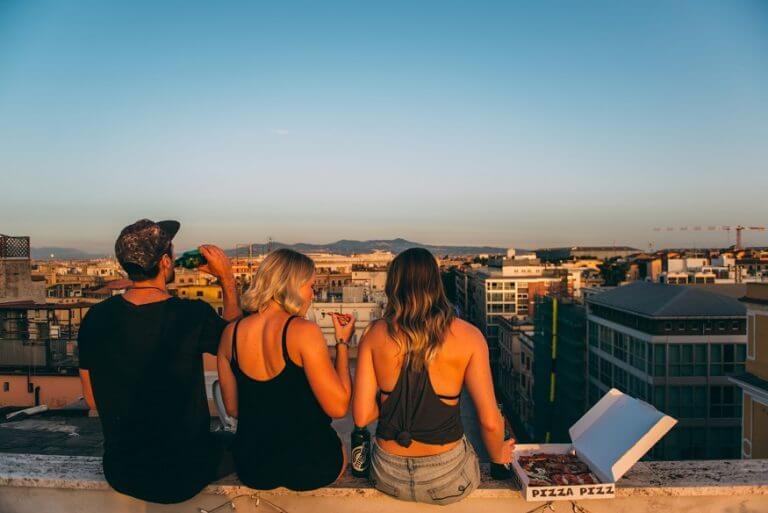
Italy does bars and squares rather than clubs. The evening runs on aperitivo — a drink between six and eight that comes with enough free food to replace dinner in Milan — then a long meal, then drinks in a piazza until late.

Milan is the exception with a real club scene around Navigli and Porta Romana. Rome's nightlife is in Trastevere, San Lorenzo and Pigneto, all of them bar-and-street rather than dance floor. Bologna has 90,000 students and the cheapest drinks of any major Italian city.

Summer moves everything outdoors and south. The coastal towns of Puglia and Sicily run beach clubs until sunrise from June to September, and the cities half empty out in August as Italians leave.

Getting around

Getting around Italy

The train does almost everything. Trenitalia and Italo run high-speed services connecting Milan, Florence, Rome and Naples in a few hours each, and booking a fortnight ahead cuts the fare substantially — the same Rome to Florence seat swings from about €20 to €50 depending on when you buy.

Regional trains are slow, cheap and unreservable, which makes them the flexible option for shorter hops. Validate paper tickets in the green machines on the platform or risk a fine.

Cars are a liability in cities and essential in Tuscany, Puglia and Sicily. Historic centres are ZTL zones, camera-enforced, and the fines arrive by post months later. Park outside the walls and walk in.

Costs

What Italy costs

Italy is mid-priced for western Europe, with the caveat that the three famous cities cost noticeably more than the rest of the country. Dorms run from about €21 in Rome and Florence, less in Bologna or Naples, and more in Venice and Milan during fairs and festivals.

The daily damage depends mostly on how you eat. Trattoria lunch menus, market food and standing coffee keep a day to €55 or so. Sitting down for two full restaurant meals a day doubles it without improving the food much.

Sights are the other variable. The Colosseum, Uffizi, Vatican and Pompeii together now come to well over €80, so factor it in rather than being surprised.

Safety

Staying safe in Italy

Italy is a safe country with an active pickpocket problem in a handful of specific places: the 64 and 40 buses in Rome, Termini station, Milan's metro, and the crowds around the Rialto and St Mark's in Venice. It is opportunistic rather than threatening, and it targets bags left open and phones on café tables.

Scams are the other nuisance. Bracelet sellers near the Colosseum and Duomo, "free" roses, and restaurants near major sights charging by weight for fish without saying so. None are dangerous, all are avoidable by reading menus and not accepting anything handed to you.

Beyond that, ordinary precautions are enough. Emergency services are on 112 with English-speaking operators, and pharmacies handle minor problems without an appointment.

Entry and documents

Entry and documents

Italy is in the Schengen area, so EU citizens need only an ID card. UK, US, Australian and Canadian passport holders get 90 days in any 180 across the whole Schengen zone, not per country — the most common miscalculation for anyone doing a long European trip.

Your passport needs three months' validity beyond your departure date and to have been issued within the last ten years. ETIAS, the EU's pre-travel authorisation for visa-free visitors, has had its start date moved repeatedly, so check the official EU page rather than a blog before you travel.

Italy requires you to be able to show ID on request, and hostels register guests with the police using your passport, which is why they always ask for it at check-in.

When to go

Italy has two great months at each end of summer and a difficult middle. July and August are hot, full and expensive, and August is when Italians themselves go on holiday, so cities empty and coasts fill.

12°
Jan
Cheapest month. Cold in the north, mild in Sicily
13°
Feb
Venice Carnival fills the city for a fortnight
16°
Mar
Quiet and cool. Good for cities
18°
Apr
Easter lifts prices for a week, otherwise ideal
23°
May
The best month. Warm, long days, everything open
28°
Jun
Beach weather, rising prices, still bearable in cities
32°
Jul
Hot and full. Head for the coast or the Dolomites
32°
Aug
Peak prices, 35°C cities, many restaurants closed
28°
Sep
Sea still warm, crowds thinning. The other best month
22°
Oct
Truffle season, harvest, comfortable cities
16°
Nov
Quiet and wet. Venice acqua alta is most likely
12°
Dec
Christmas markets in the north, then a holiday spike
Bar height is temperature. Colour is how busy it gets: quiet busy peak

Average highs for central Italy. Milan is colder and wetter, Sicily several degrees warmer year-round.

What your trip will cost

Pick how you travel and how long for. Per night, for one person, based on what Italy costs outside August.

Excludes intercity trains. Add €20–50 per high-speed leg booked in advance, or €10–20 on regional trains.

—
  • Beds—
  • Food and drink—
  • Getting around—
  • Doing things—
What's on

What is on while you are there

Italy builds its year around these, and they are also the weeks a bed doubles in price.

Italy travel questions

The ones we get asked most.

How many days do you need in Italy?
Ten days covers Rome, Florence and Venice with a day trip from each. Two weeks lets you swap one for the south — Naples, the Amalfi coast or Sicily — which is where the country gets cheaper and the food gets better.
Is Italy expensive?
Mid-priced for western Europe, and it varies more by city than by country. Dorms from €21 in Rome and Florence, from €18 in Naples and Bologna, with Venice and Milan higher during festivals and fairs. A day runs €55 to €75 outside August.
What is the best time to visit Italy?
May, September and October. April is good outside Easter week. July and August are hot, crowded and expensive, and in August many restaurants close while Italians take their own holiday.
Do I need to book museums in advance?
Yes for the Colosseum, the Uffizi, the Accademia, the Vatican Museums and the Last Supper in Milan. All sell timed entry directly, which is cheaper than resellers, and all sell out days ahead in season.
Is Italy safe?
Yes. The real risk is pickpocketing in specific places — Rome's 64 bus, Termini station, Milan's metro and the crowds in Venice — rather than anything more serious. Keep bags closed and phones off café tables.
Can I drive in Italian cities?
You can, but you should not. Historic centres are ZTL zones enforced by camera, and fines arrive by post months later. Park outside the walls. A car is genuinely useful in Tuscany, Puglia and Sicily.
What is the cheapest way to travel around Italy?
Regional trains if you are flexible, high-speed if you book two weeks ahead — the same Rome to Florence seat costs about €20 booked early and €50 on the day. FlixBus undercuts both on the long legs if time matters less than money.

Say yes to hostels, meet the world
Compare hostels across Italy — live prices, real reviews and free cancellation on most bookings. Then meet the people already there in the app.
Get the App. QRGet the App.
Get the App. QR  Get the App.
Scroll to Top