Centro Storico
First-timersThe Baroque old town, pedestrian and compact.

Baroque carved so finely in soft golden limestone that it looks like lace, in the heel of Italy. The base for the Salento, with two seas and some of the best beaches in the country.
Lecce is built from pietra leccese, a local limestone so soft when it is quarried that it can be carved like wood, and it hardens and turns golden in the air. In the seventeenth century the city's builders covered its churches and palaces in carved fruit, flowers, cherubs and monsters, and the result is a style of its own, the Barocco leccese.
The historic centre is compact, pedestrian and full of it. Under the Baroque there is a Roman city: an amphitheatre half-excavated in the main square, and a theatre behind it.
Lecce is at the centre of the Salento, the peninsula at the heel of Italy, between the Adriatic and the Ionian seas. Two days covers the city, and in summer it is the base for the beaches, Otranto and Gallipoli.
The historic centre is small and pedestrian. Stay inside the walls or just outside the gates.
The Baroque old town, pedestrian and compact.
The main square, with the Roman amphitheatre.
The western gate, near the university. Bars and cheaper food.
South of the centre, a short walk to the old town.
Orange labels are neighbourhoods, dots are the 4 top-rated hostels. Map © MapTiler © OpenStreetMap contributors.
Start at the Basilica di Santa Croce, the masterpiece of Lecce Baroque, its façade crowded with carved animals, figures and a great rose window. Walk to Piazza del Duomo, an enclosed square that you enter through a single gateway, with the cathedral, its bell tower and the bishop's palace around it. It is at its best at night, lit up.
Piazza Sant'Oronzo, the main square, has half of a Roman amphitheatre sunk below street level. The Museo Faggiano, a house where a plumber digging to fix a pipe found layers of the city's history underneath, is small and fascinating.
Lecce is famous for cartapesta, papier-mâché figures of saints and nativity scenes. Several workshops in the centre still make them.
Walk to the Porta Napoli and the Castello di Carlo V, the sixteenth-century fortress on the edge of the old town.
The historic centre is free, and it is the main attraction. The façade of Santa Croce, Piazza del Duomo and Piazza Sant'Oronzo with its amphitheatre cost nothing.
The cartapesta workshops are free to look into.
The evening passeggiata along Via Vittorio Emanuele and around the squares is the best free show in town.
State museums are free on the first Sunday of the month.
Lecce has its own food. The pasticciotto, a shortcrust pastry filled with custard, is eaten warm for breakfast. Caffè leccese is an espresso poured over ice with almond milk syrup, the summer drink of the city. The rustico, puff pastry filled with mozzarella, béchamel and tomato, is the snack.
Puglian cooking is built on vegetables, bread and olive oil. Orecchiette, the ear-shaped pasta, and ciceri e tria, pasta with chickpeas, fried and boiled, are the classics. Frisa, hard bread softened in water and topped with tomatoes, is the summer lunch.
The wine is Negroamaro and Primitivo. A trattoria meal is €15 to €25.
Lecce has a lively evening scene for its size, with students and visitors filling the squares and the bars in the centre. Aperitivo in the old town starts around seven.
In summer, the nightlife moves to the coast. Gallipoli, on the Ionian side, is the Salento's party town, with beach clubs and bars open until dawn. Pizzica, the local folk music and dance, turns up at festivals across the region.
A spritz is €5 to €7.
The historic centre is small and walkable.
The nearest airport is Brindisi, about forty kilometres north, with shuttle buses to Lecce taking about forty-five minutes. Bari airport is further away.
Trains run to Bari in about one and a half hours, and on to Rome and Milan. The local Ferrovie del Sud Est trains and buses reach the Salento towns, but slowly.
For the beaches, summer shuttle buses run from Lecce, but a car or scooter is far more flexible.
Lecce is good value. Dorms are typically €20 to €30, a pasticciotto and coffee cost a couple of euros, and a trattoria meal is €15 to €25. A careful day is €50 to €65.
The costs that add up are August, when the Salento fills with Italian holidaymakers and prices climb, and car hire for the coast. Beach clubs on the coast charge for sunbeds.
The centre and its Baroque are free.
Lecce is very safe, with very little crime.
The risks are on the coast in summer: busy roads, strong sun, and currents on some beaches. The cliffs at Grotta della Poesia and Torre dell'Orso are popular for jumping; check the depth.
Emergency number is 112.
The Salento has two seas and some of the best beaches in Italy.
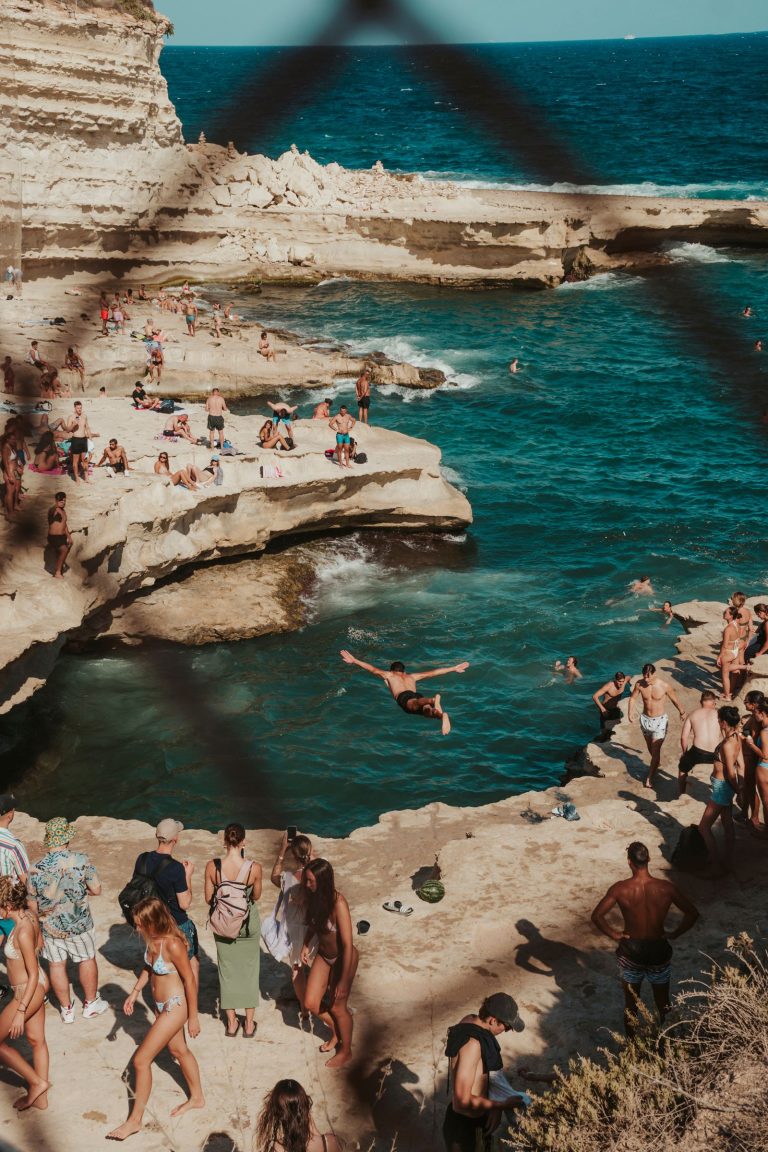
A natural sea pool in the rocks at Roca, and a white beach with two sea stacks nearby.
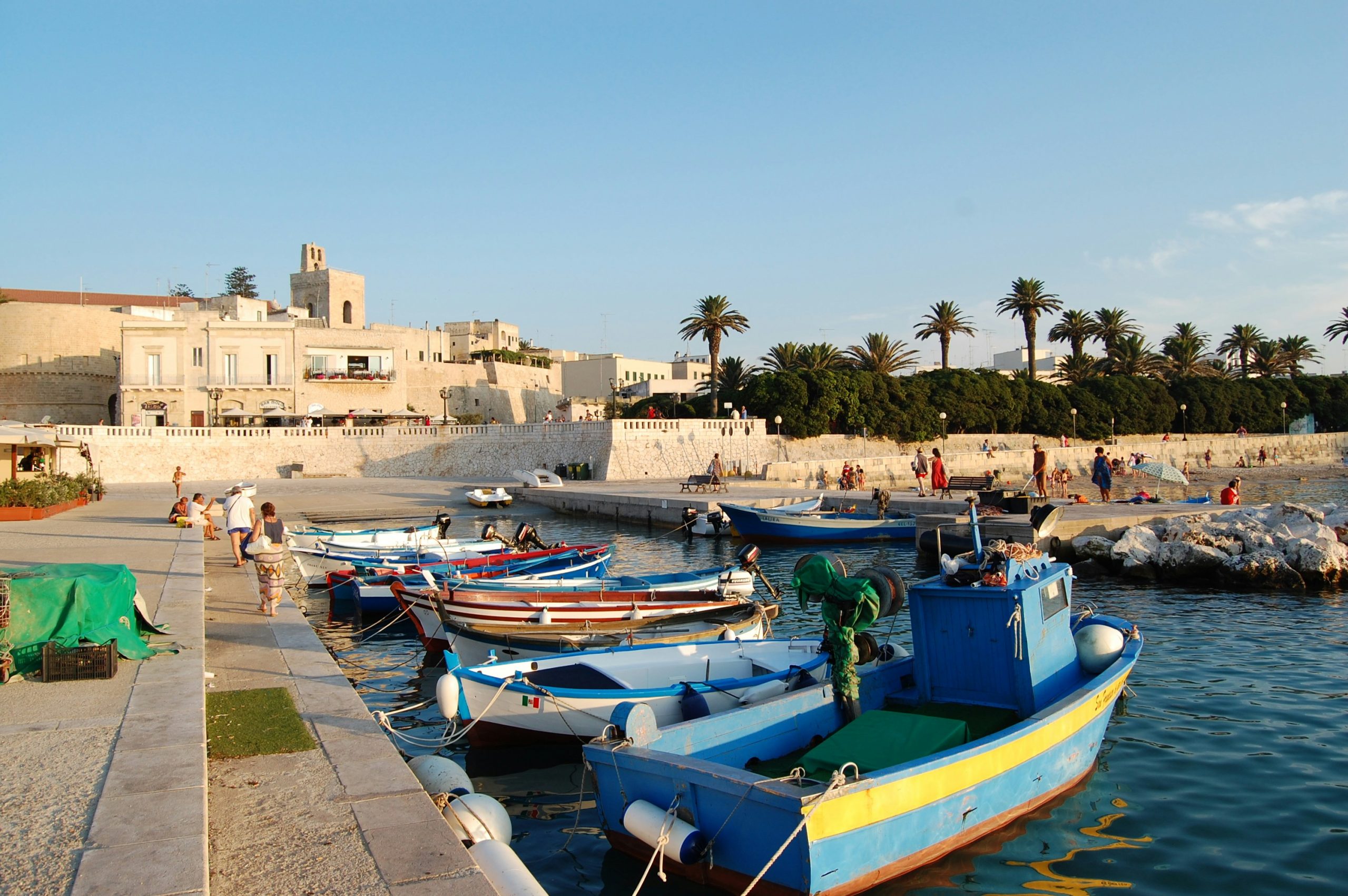
A walled town on the Adriatic, with a cathedral mosaic floor and clear water.
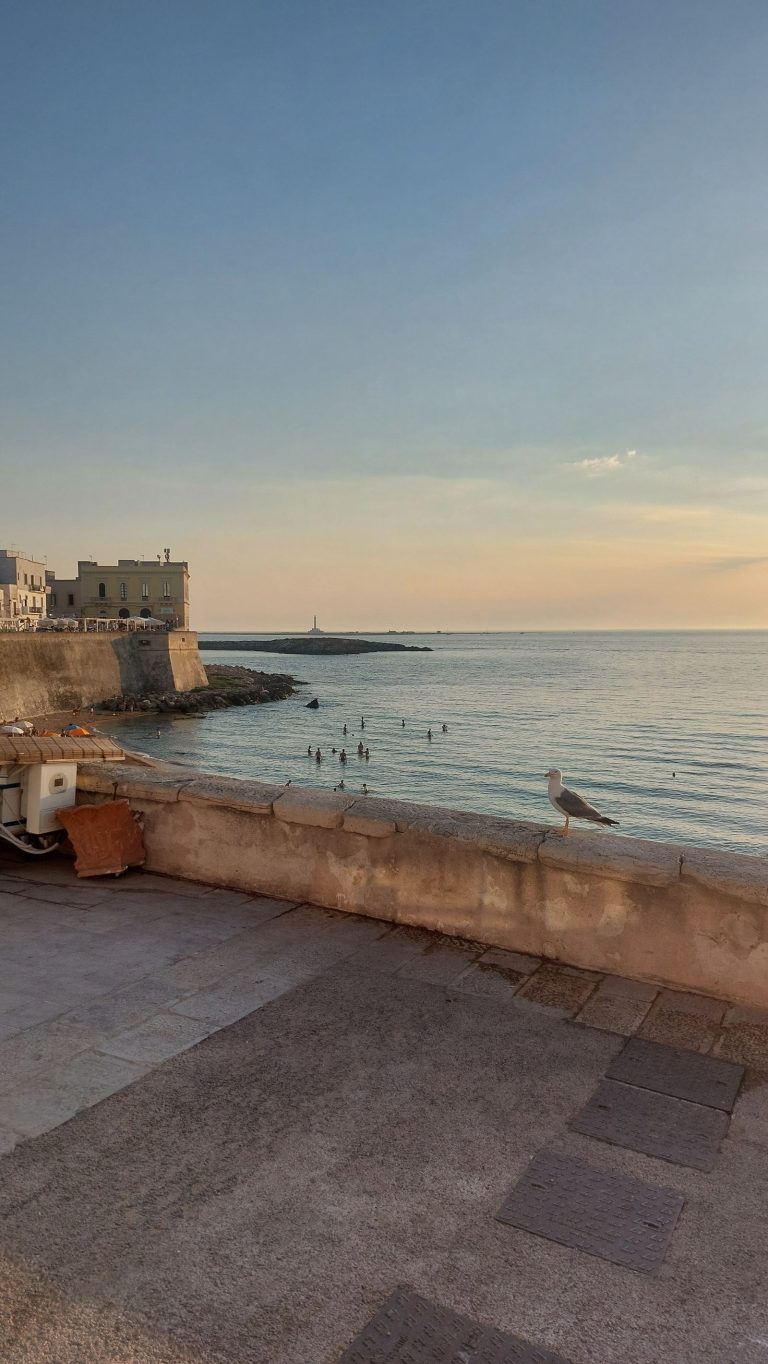
An old town on an island on the Ionian sea, and the Salento's nightlife.
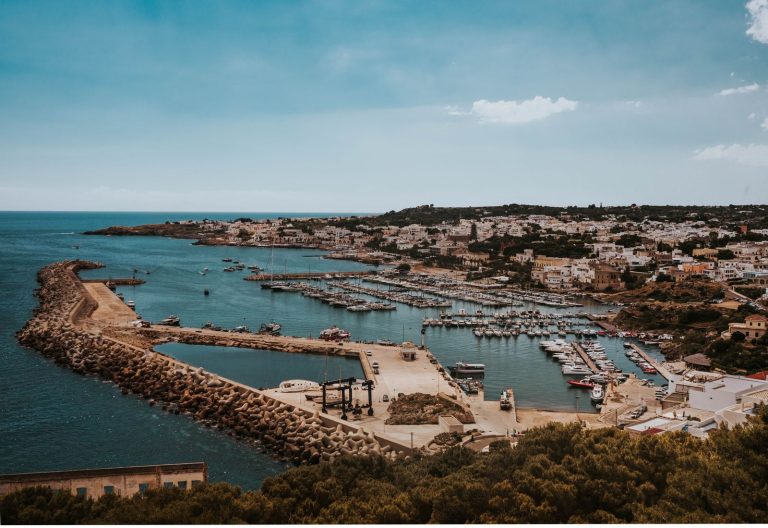
The southern tip of the heel, where the two seas meet.
Shallow, turquoise water on the Ionian coast.
The Notte della Taranta, the Salento's great music festival, fills the region in August.
The patron saint's festival, with lights, processions and a fair.
A month of pizzica music across the region, ending with a huge free concert.
The Christmas fair of cartapesta and nativity figures.
Lecce has a handful of hostels in and near the historic centre. These are the top-rated right now, live from Hostelworld.
May, June and September are ideal. August is very busy and expensive on the coast.
Average highs. Lecce is hot and dry in summer, with warm sea from June to October.
Pick how you travel. Per person per night, in euros.
Transport assumes walking and buses. Car hire for the Salento coast adds significantly in August.
The ones we get asked most.

Compare Lecce hostels — live prices, real reviews and free cancellation on most bookings. Then meet the people already there in the app.

 Get the App.
 Get the App.