Parikia
Convenience and valueThe port and main town, with the church and the castle. Cheaper and well connected.

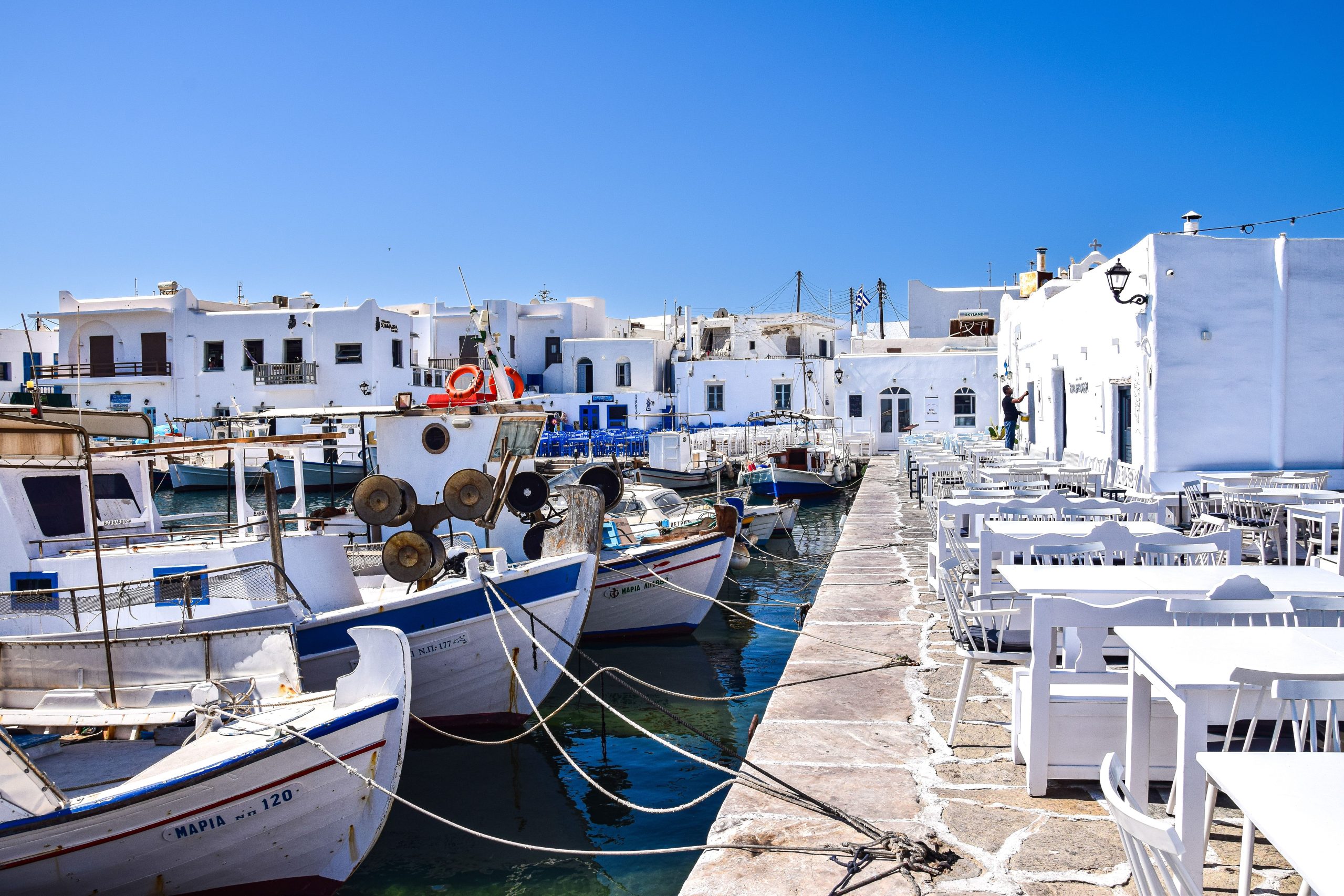
A harbour town around a Byzantine church, a fishing port turned fashionable, and a marble path through the hills between them. Between Naxos and Mykonos in both geography and price.
Paros sits in the middle of the Cyclades, and more ferry routes pass through its port than almost anywhere else in the group. For years that made it a place people changed boats. Now they stay: it has good beaches, two very different towns and a livelier night out than Naxos, at lower prices than Mykonos.
Parikia, the port and main town, is built around the Panagia Ekatontapiliani, one of the oldest churches in Greece, and a Venetian castle made from ancient marble. Naoussa, on the north coast, is a fishing harbour of painted boats that has become the island's smart end.
The island was famous in antiquity for its marble, which is translucent and was used for some of the best-known sculptures of the ancient world. Three or four days is right, with Antiparos across the strait for a day.
Parikia is convenient and cheaper; Naoussa is prettier and pricier. Buses link them every half hour or so in summer.
The port and main town, with the church and the castle. Cheaper and well connected.
A fishing harbour turned fashionable. The prettiest town and the best night out, at a price.
The old inland capital, and the start of the Byzantine Road. A few rooms.
A small port on the east coast near Golden Beach. Quieter and relaxed.
Across the strait, with a village and beaches. Ten minutes by ferry.
Orange labels are neighbourhoods, dots are the 4 top-rated hostels. Map © MapTiler © OpenStreetMap contributors.
Start at the Panagia Ekatontapiliani in Parikia, the Church of a Hundred Doors, founded in the fourth century and rebuilt under Justinian in the sixth. Then walk up through the lanes to the Kastro, the thirteenth-century Venetian castle whose walls are built from the columns and blocks of the ancient temples that stood there.
Naoussa, on the north coast, is the other town: a tiny harbour of fishing boats and a half-sunk Venetian fortress, surrounded by lanes of whitewashed bars and restaurants. Go in the late afternoon and stay for dinner.
Lefkes, the old inland capital, sits in the hills in the middle of the island. From there, the Byzantine Road, a marble-paved mule path, runs about three kilometres down to Prodromos, and it is the best walk on Paros.
For beaches, Kolymbithres near Naoussa has smooth granite boulders in shallow water, and Golden Beach and New Golden Beach on the east coast are where the windsurfers go in the summer wind.
The ancient marble quarries at Marathi, where Parian marble was cut underground, are a short drive inland.
The Panagia Ekatontapiliani and the Kastro lanes in Parikia are free. So is the harbour at Naoussa, which is best in the early evening.
The Byzantine Road from Lefkes to Prodromos is free, and it is the best walk on the island.
The beaches are free if you skip the sunbeds: Kolymbithres, Monastiri, Santa Maria and the long Golden Beach.
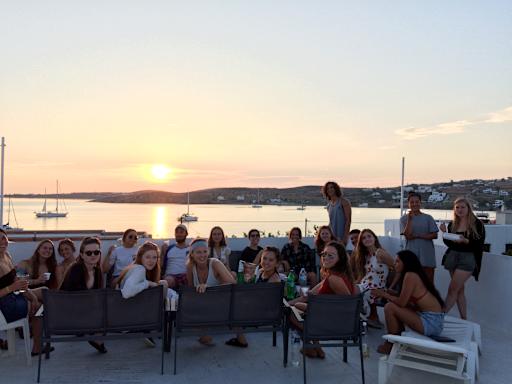
The sunset from the Parikia waterfront, looking west over the bay, is the town's evening habit.
Paros eats well. Naoussa is the island's restaurant town, with fish tavernas around the harbour, and its prices reflect its reputation. Parikia is cheaper and more local.
Gyros and souvlaki are €4 to €5. A taverna meal with wine is €15 to €25, more in Naoussa. Fish is priced by the kilo, so ask before ordering.
Look for gouna, sun-dried mackerel that is grilled, and the local wine from the island's monemvasia grape. Lefkes and the inland villages have cheaper, simpler tavernas.
Paros has the best night out in the central Cyclades after Mykonos and Ios. Naoussa is the centre of it: the lanes around the harbour are full of cocktail bars, and a few clubs stay open until late in summer.
Parikia has a busy waterfront strip of bars, cheaper and less polished.
The beach clubs on the east coast run parties through the afternoon and evening in July and August.
A cocktail in Naoussa is €12 to €15; a beer in Parikia €4 to €6.
KTEL buses run from the port in Parikia to Naoussa, Lefkes, the east-coast beaches and Pounta, for the Antiparos ferry, with frequent services in summer and fewer out of season.
The island is a ferry hub: Naxos is thirty to forty-five minutes away, Mykonos and Santorini an hour or two, and Piraeus around four to five hours depending on the boat. The small airport has flights from Athens.
For Antiparos, the car ferry from Pounta takes about ten minutes; small boats also run from Parikia.
A scooter or car is useful for the inland villages and the quieter beaches.
Paros is mid-priced for the Cyclades: cheaper than Mykonos and Santorini, a little more expensive than Naxos. Dorms that cost around €18 in May can reach €45 in August.
A careful day is €50 to €70 in summer. The costs that add up are eating and drinking in Naoussa, ferries and scooter hire.
Stay in Parikia rather than Naoussa, eat there too, and take the bus. Visiting in May, June or September halves the price of a bed.
Paros is very safe, with low crime.
Scooters and quad bikes are the main cause of injury on the island, and the roads fill with inexperienced riders in summer. Wear a helmet and check your licence and insurance.
On party nights in Naoussa and at the beach clubs, look after your drink and your friends.
The Meltemi wind blows hard in July and August, which is good for windsurfing and bad for small boats. Emergency number is 112.
Paros is the ferry hub of the Cyclades, so day trips are easy.
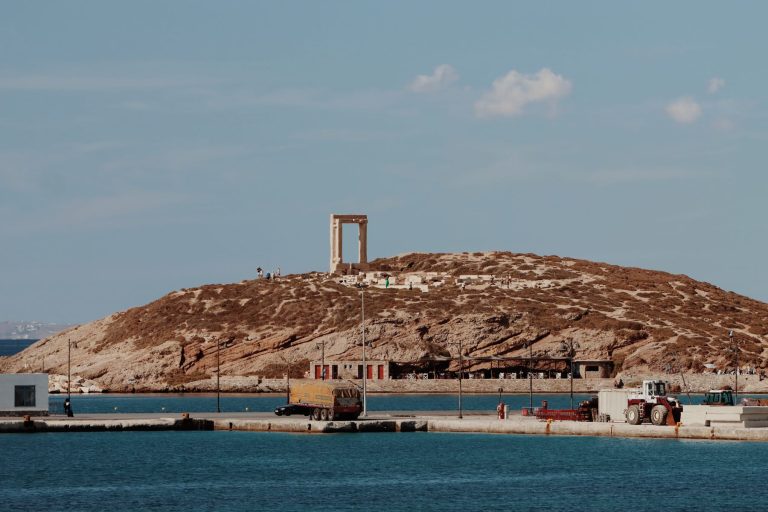
The biggest of the Cyclades: better beaches, mountain villages and lower prices.
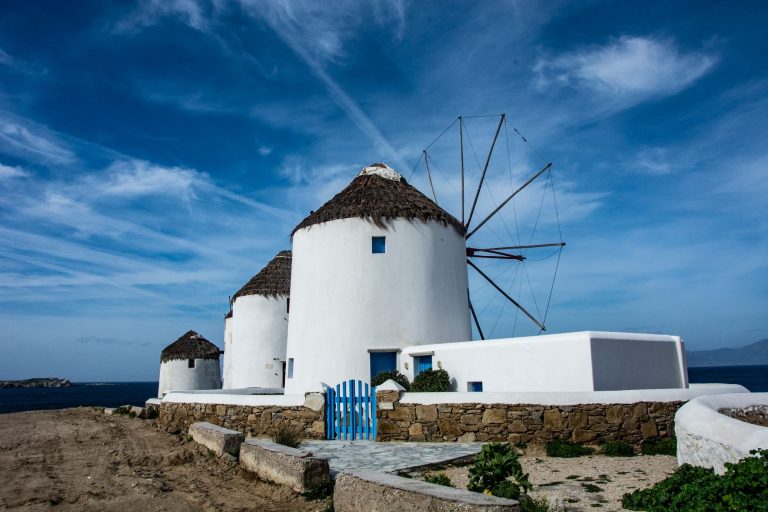
The sacred island of Apollo, then the afternoon in Mykonos town. €20 entry to Delos.
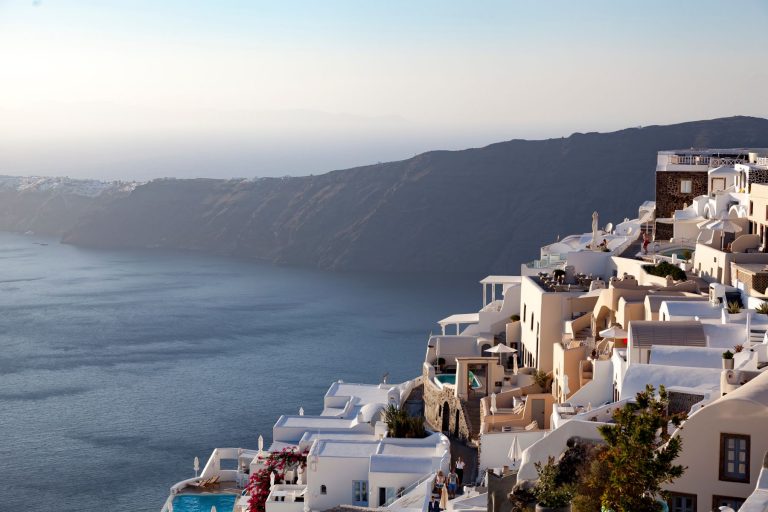
Possible as a long day trip. Better as a stay.
August on Paros is when the island celebrates hardest.
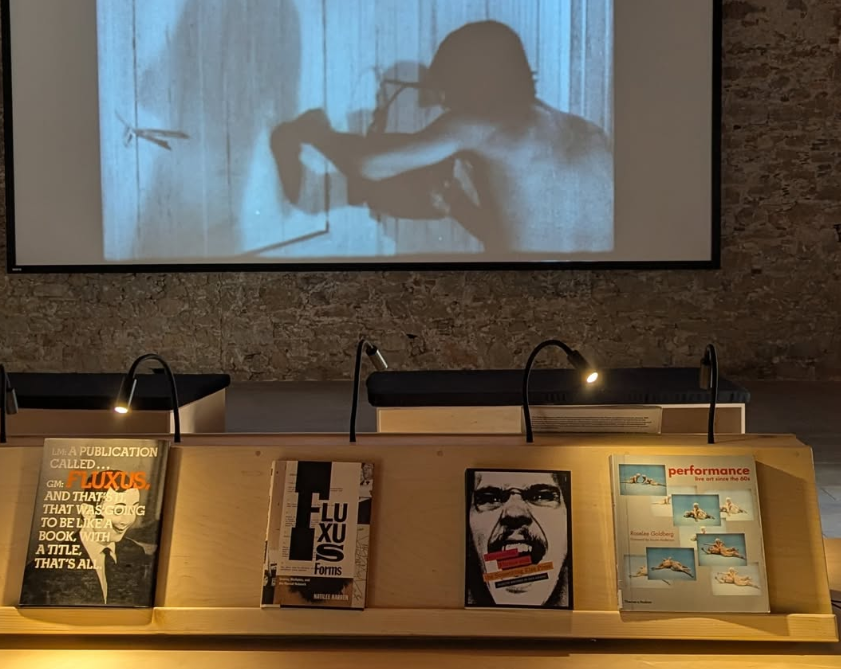
A reading room fills the museum's cinema space with Fluxus books, scores, multiples, and archival objects, inviting you to browse at your own pace.…
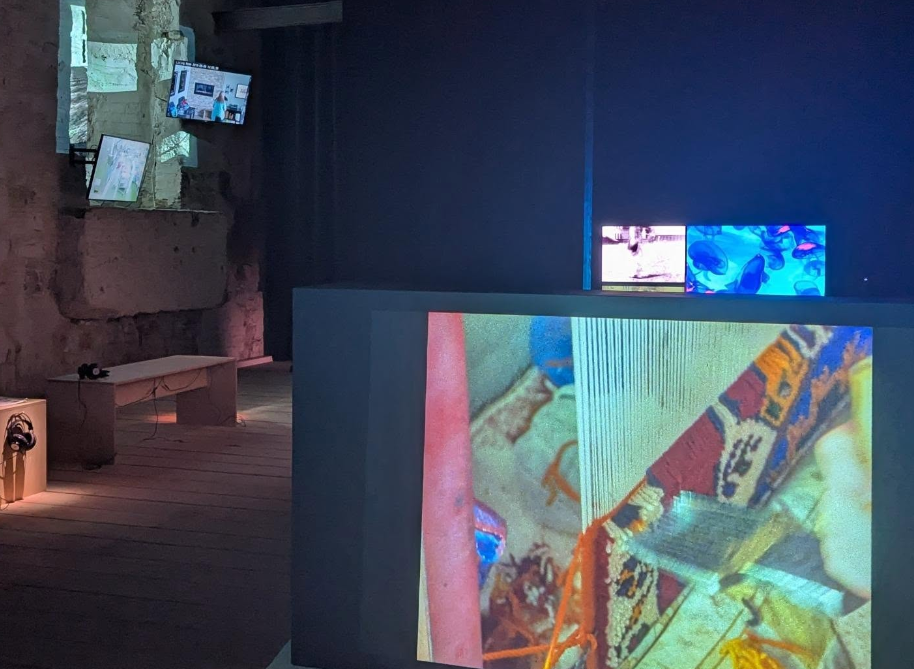
Eleven artists and collectives made the cut from over 600 international applications for this third edition of the FluxusMuseum Prize. Single-channel and multi-screen experimental…
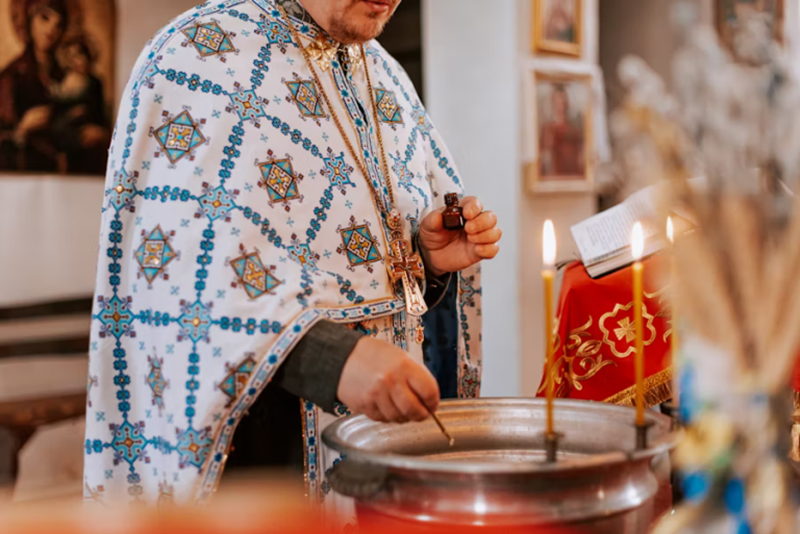
The feast of Agia Aikaterini brings the village of Lefkes together for a day of reverence and tradition. Morning Divine Liturgy at the church…
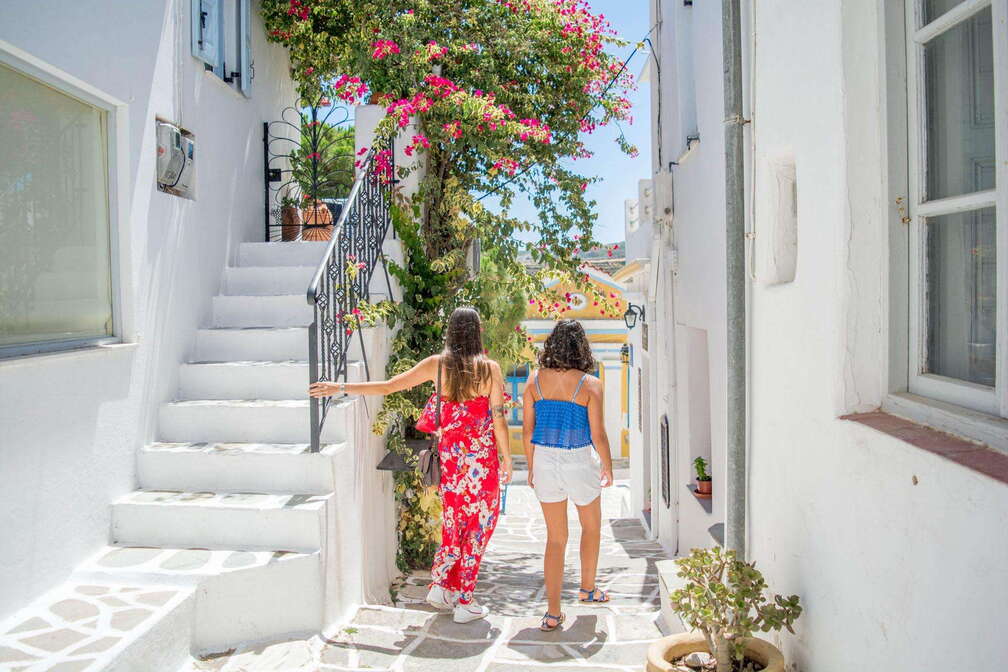
Embark on a captivating journey through the heart of Paros, exploring its charming villages and vibrant seaside life. This unforgettable day offers an authentic…

A rare exhibition returns works by the great Greek painter Spyros Papaloukas to the island where he created them during the summer of 1948.…
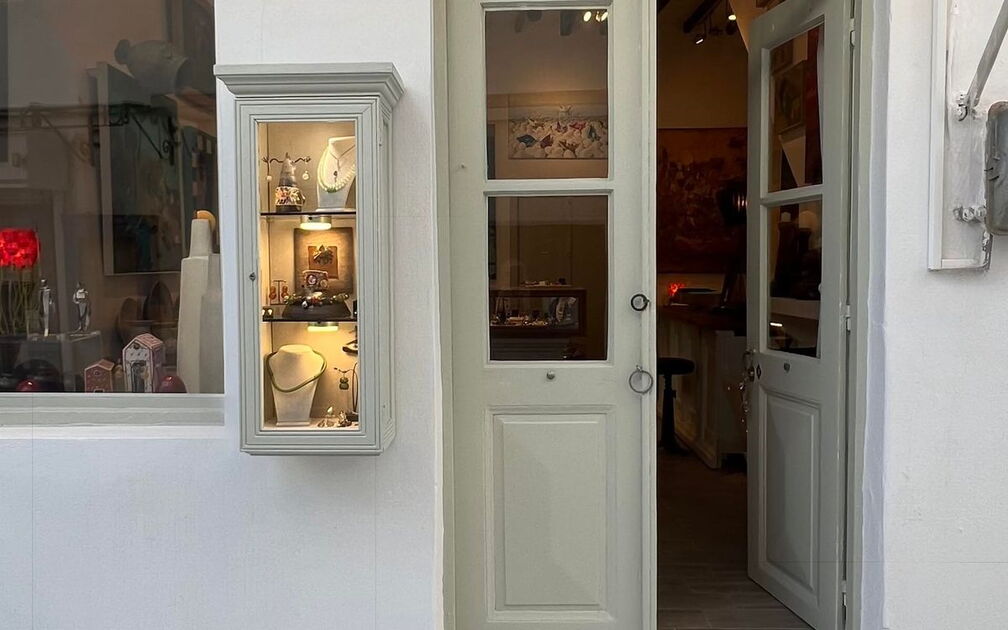
This exhibition traces a thirty-year journey that began in Chania, matured in Santorini, and now continues on Paros not as a story of places,…
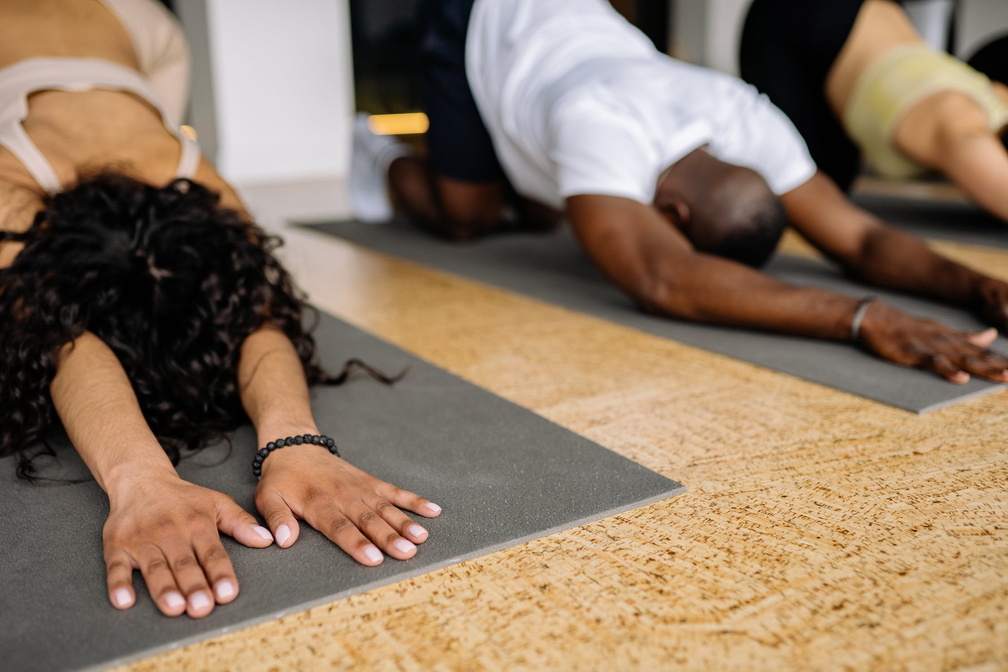
Seven days on the sun-soaked shores of Paros, moving slowly through yoga, Mediterranean meals, and the kind of rest that actually restores. Balance Studio…
Paros has a handful of hostels, mostly in and around Parikia. These are the top-rated right now, live from Hostelworld.
May, June and September are ideal. July and August are busy, windy and expensive.
Average highs. The Meltemi wind blows in July and August and makes the east coast a windsurfing centre.
Pick how you travel. Per person per night, in euros.
Transport assumes KTEL buses. Scooter hire adds about €20 to €25 a day.
The ones we get asked most.

Compare Paros hostels — live prices, real reviews and free cancellation on most bookings. Then meet the people already there in the app.

 Get the App.
 Get the App.