Kentron
First-timersThe centre: Republic Square, the Cascade, the Opera and most of the hostels, cafés and restaurants.

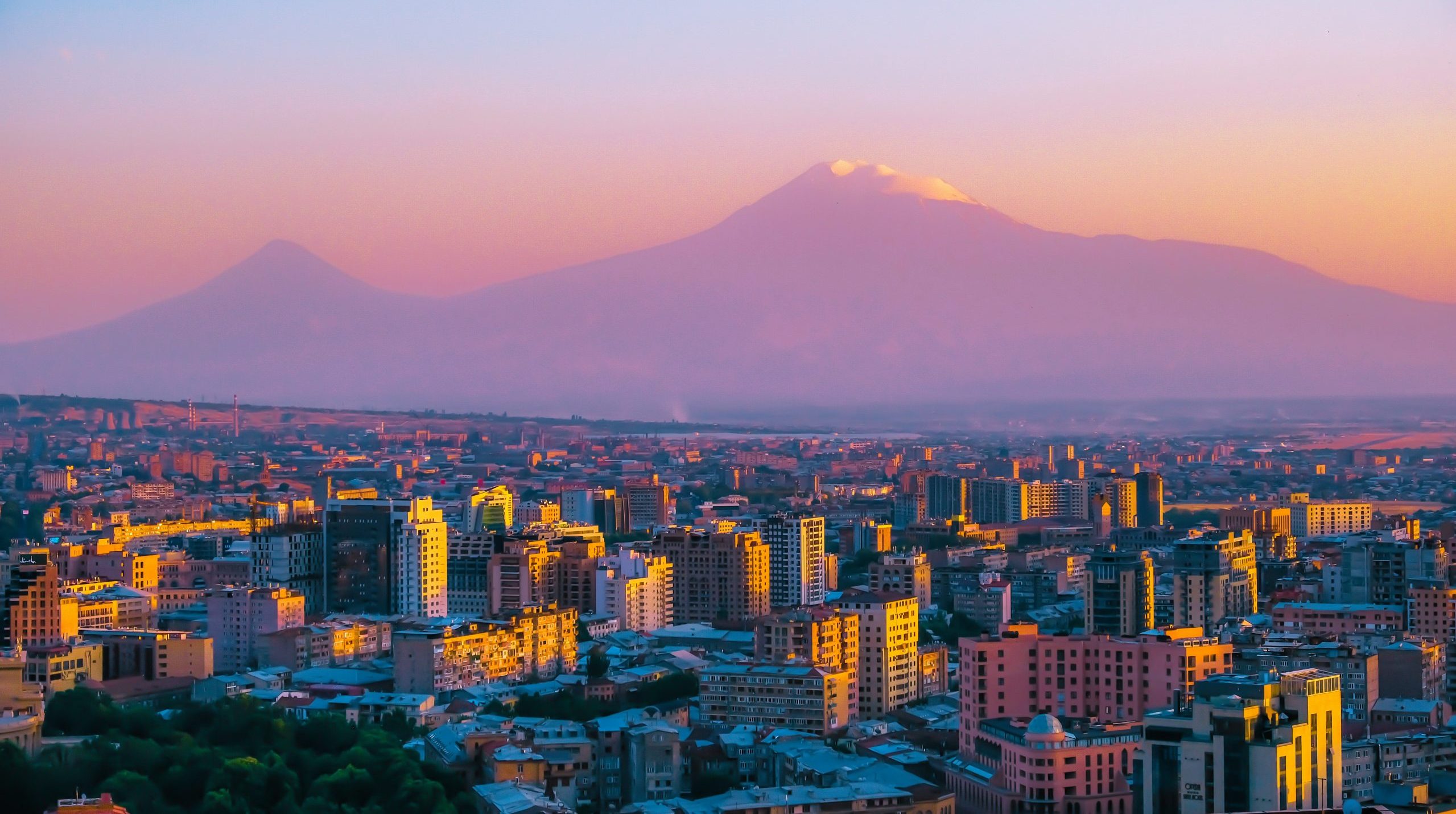
A pink tufa city older than Rome, with Ararat filling the skyline from a mountain in another country, and a café culture that runs until two in the morning.
Yerevan was founded in 782 BC and looks nothing like it. The city you walk around was designed in the 1920s by Alexander Tamanyan, who rebuilt it on a radial plan in pink and orange tufa quarried nearby, which is why the whole centre glows at certain hours.
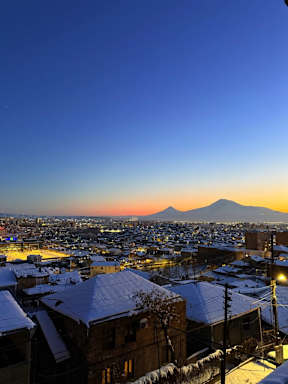
Mount Ararat dominates the skyline and sits across the closed border in Turkey, which tells you most of what you need to know about the region's politics. Armenians look at it every day and cannot go there.
The city is cheap, walkable and unusually sociable: Republic Square's fountains, the Cascade's stairway of terraces and sculpture, and a café culture that fills the pavements until late.
Three days for the city, more if you use it as a base — most of Armenia is a day trip from here.
The centre is compact and flat, and almost everything sits inside the ring road.
The centre: Republic Square, the Cascade, the Opera and most of the hostels, cafés and restaurants.
North of the centre, with the pavement café strip on Tumanyan and Saryan and the bars behind it.
The one surviving pre-Soviet neighbourhood, a tangle of lanes on a hill above the centre. Rough, real and being redeveloped.
North of the centre, residential and cheaper, with metro access and a fifteen-minute walk in.
Orange labels are neighbourhoods, dots are the 12 top-rated hostels. Map © MapTiler © OpenStreetMap contributors.
Climb the Cascade at dusk. It is a giant limestone stairway of terraces, fountains and sculpture rising from the centre towards a Soviet monument, with a contemporary art collection built into it and the whole city — and Ararat — laid out behind you. Free, and there is an escalator inside for the reluctant.
Tsitsernakaberd, the genocide memorial and museum, is a considered, quiet place and the museum is free. Give it two hours rather than one.
Matenadaran holds one of the world's great manuscript collections, including illuminated Armenian gospels going back to the fifth century.
The Vernissage market at weekends sells carpets, Soviet cameras, carved khachkars and a great deal of junk, and the GUM food market is where to buy dried fruit and be fed samples relentlessly.
The Cascade costs nothing to climb, and the sculpture garden at its foot is an open-air collection with Fernando Botero's fat cat as its best-known piece.
Tsitsernakaberd and its museum are free.
Republic Square's fountains run a music and light show most summer evenings, which the whole city turns out for, and it costs nothing.
The street drinking fountains — pulpulaks — are everywhere and the water is excellent, which saves buying bottles entirely.
Walking Kond, the last pre-Soviet quarter, is free and unlike the rest of the city.
Armenian food is grilled meat, herbs, bread and apricots. Khorovats is the barbecue and the national institution; lavash comes out of a clay oven and is UNESCO-listed; and dolma here is grape leaves stuffed with meat or, in Lent, with lentils and beans.
Lunch in a local restaurant is €4 to €8, and dinner with wine €10 to €18.
Armenia claims the oldest winery in the world at Areni, where a 6,100-year-old press was found in a cave, and the wine has got good in the last decade — a bottle of decent local red is €8 to €15.
Coffee is Armenian, served in a jazzve with the grounds, and the café culture that surrounds it runs past midnight. Brandy is the other national drink, and Ararat is the name to ask for.
The café strip along Saryan and Tumanyan is the heart of it — pavement tables, wine bars and a crowd that sits outside until one or two in the morning through the warm months.
Saryan street in particular has become the wine quarter, with a dozen bars pouring Armenian bottles by the glass at €3 to €5.
There are proper clubs and live music venues around the centre, jazz has a long history here, and things run late without being especially loud.
The city has felt young and busy since 2022, when a large number of Russians relocated here, which has changed the café scene and pushed rents up noticeably.
The metro is one line, costs about €0.20 a ride, and covers the centre and the north — it is fast, deep and Soviet, and the stations are worth seeing.
Marshrutka minibuses cover everything else at about €0.25, paid as you get off, and the routes are learned rather than signposted.
Yandex Go and Bolt both work and are extremely cheap — €2 to €4 across the city — which is how most visitors move at night.
For the rest of the country, marshrutkas leave from Kilikia station and the northern bus station, and shared taxis fill the gaps. Day tours to the monasteries are widely sold at €25 to €45 and are often the practical option given how thin rural transport is.
Cheap, though less so than a few years ago. Dorms are €8 to €18, lunch is €4 to €8, a glass of Armenian wine €3 to €5, and a metro ride €0.20.
A day is €25 to €40.
Rents and café prices rose noticeably after 2022, when tens of thousands of Russians relocated here, and the centre is now priced above the rest of the country by some distance.
Cash is still widely used outside the centre. ATMs are plentiful and most accept foreign cards without trouble.
Yerevan is a very safe city with low crime, and solo travellers including women generally report feeling comfortable walking at night in the centre.
Traffic is the everyday hazard: drivers are assertive, crossings are treated as suggestions, and pavements are parked on.
The regional context is worth understanding. The borders with Turkey and Azerbaijan are closed, and the situation around Nagorno-Karabakh changed fundamentally in 2023. Travel to areas near the Azerbaijani border is restricted in most government advice, and it changes — check current guidance if your route goes east or south-east of the main highways.
Tap water is excellent and the street fountains are safe. Emergency number is 911.
Most of Armenia is a day trip from here, and the monasteries are the reason.
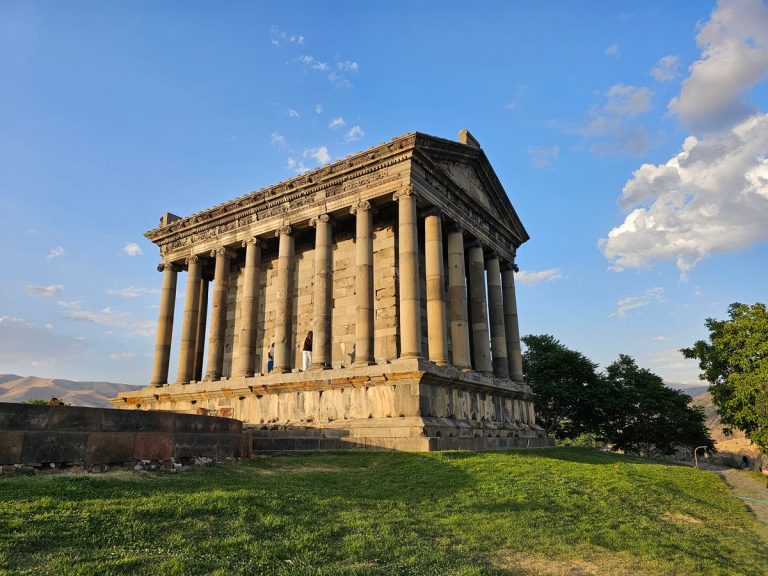
A Hellenistic temple above a gorge with basalt columns below it, and a monastery partly carved into the rock, where singers demonstrate the acoustics.
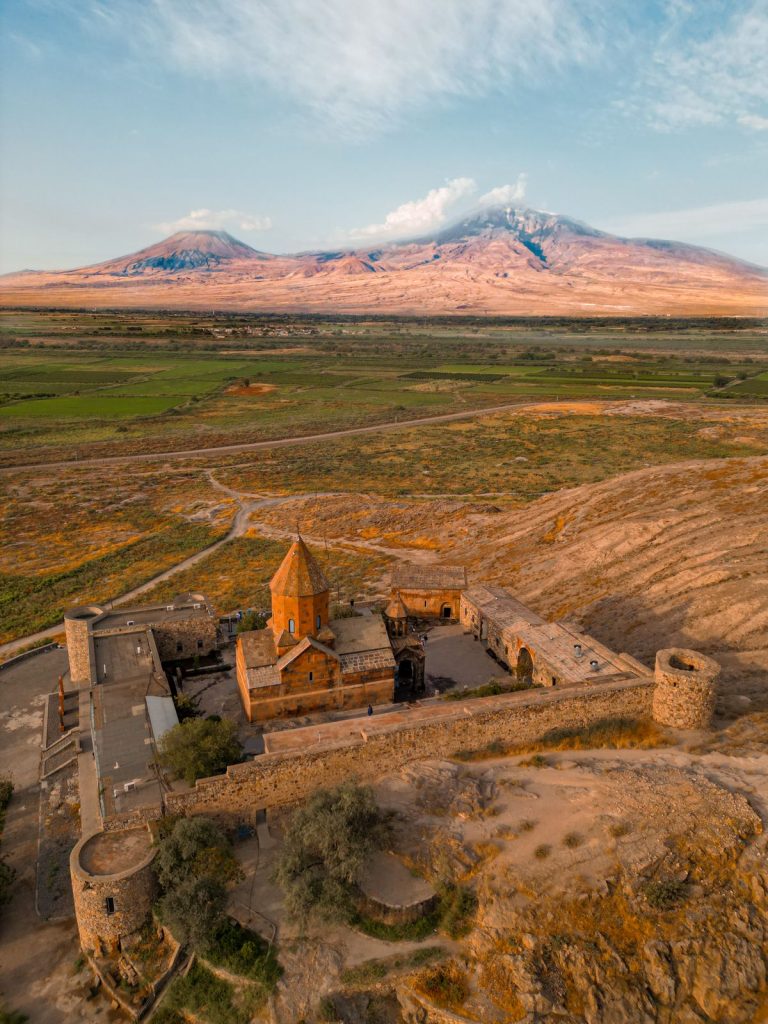
A monastery directly under Ararat with the best view of the mountain in the country, and the wine caves of Areni on the way back.
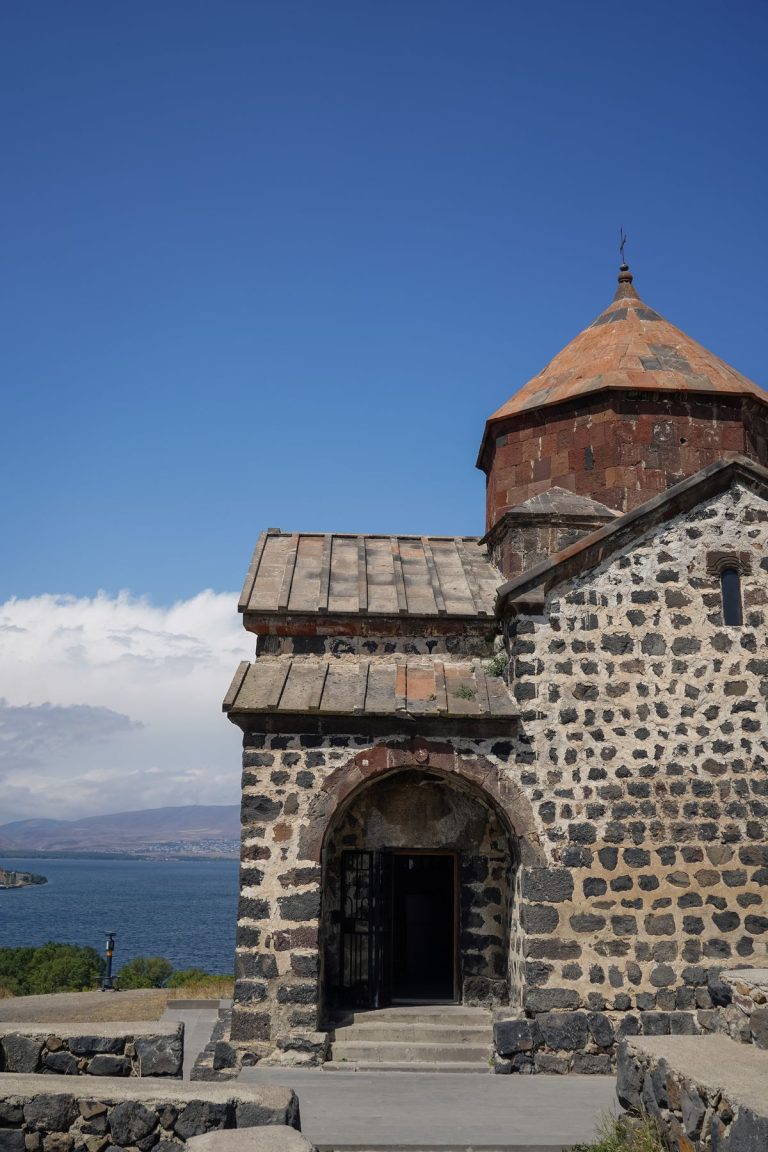
A vast alpine lake at 1,900 metres, with a peninsula monastery, swimming in August and fish restaurants along the shore.
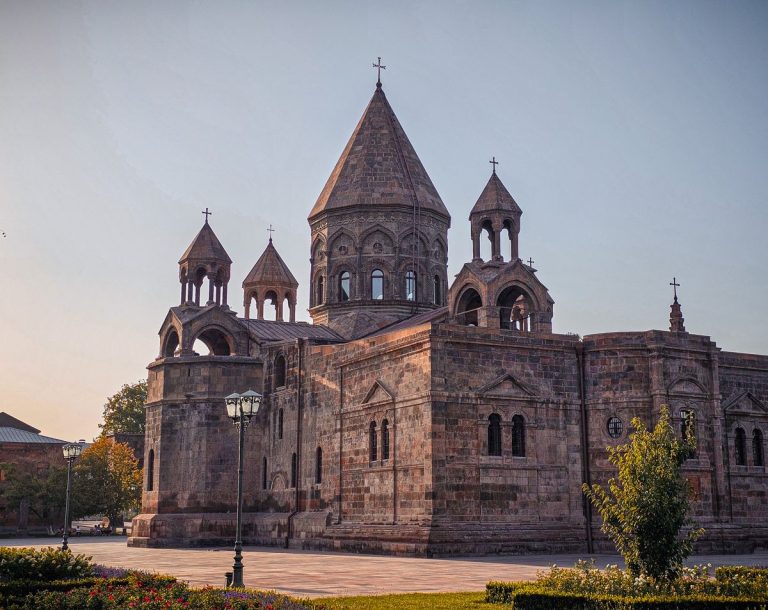
The seat of the Armenian Apostolic Church and one of the oldest cathedrals in the world, with the Zvartnots ruins nearby.
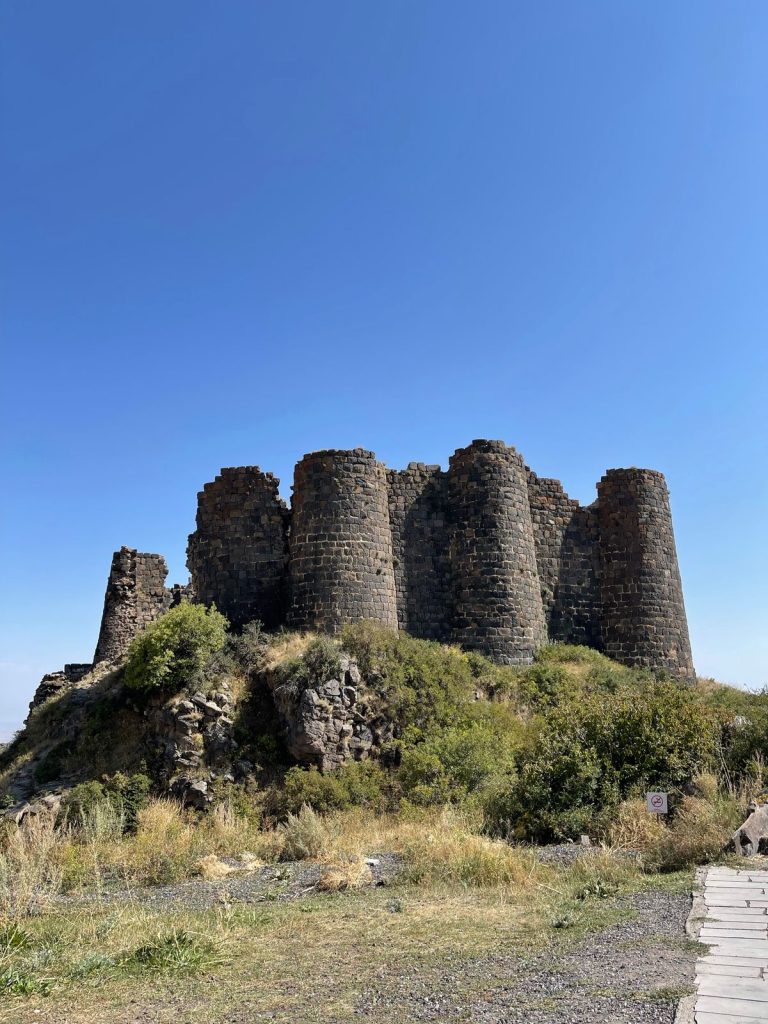
A fortress at 2,300 metres on the slopes of the country's highest mountain, with alpine meadows and a crater lake above.
One water fight in July, and a wine festival in the autumn.
A pre-Christian water festival in which the entire country throws water over everyone, strangers included. No exceptions and no warnings.
Armenian wine at its source, near the cave where a 6,100-year-old winery was found.
A silent procession to the memorial that continues all day. The most significant date in the Armenian year.
The wine quarter closes to traffic for a weekend of tastings.
The country's international film festival, held in the apricot season it is named for.
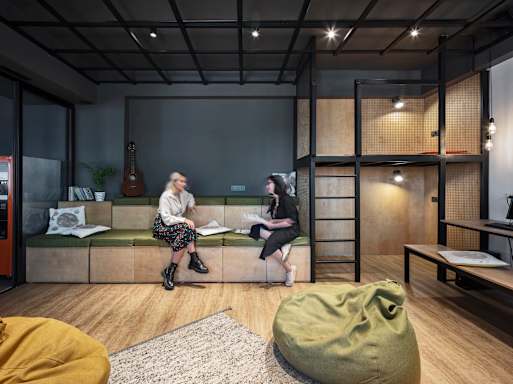
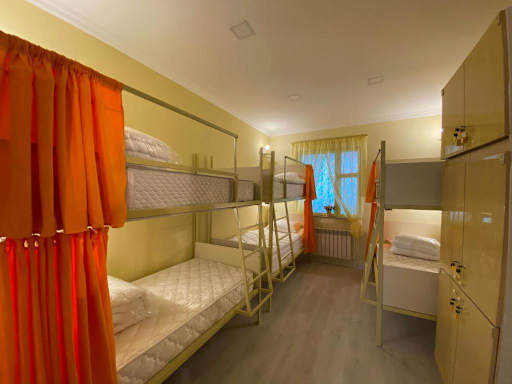
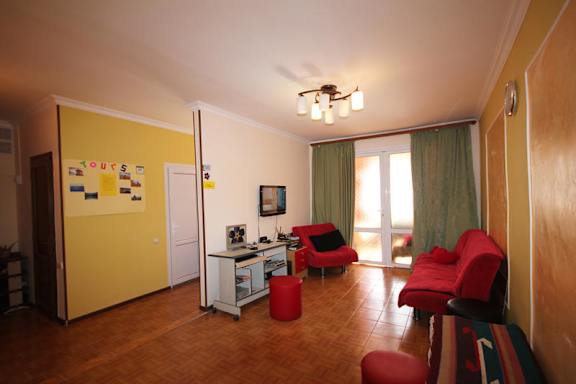
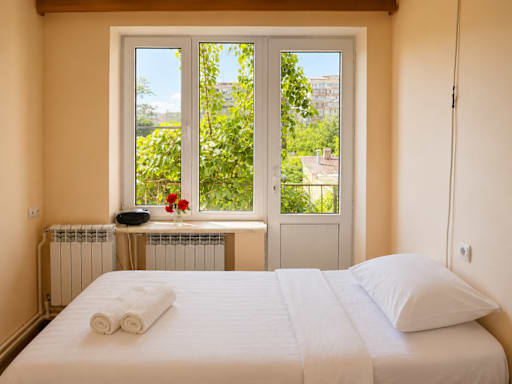
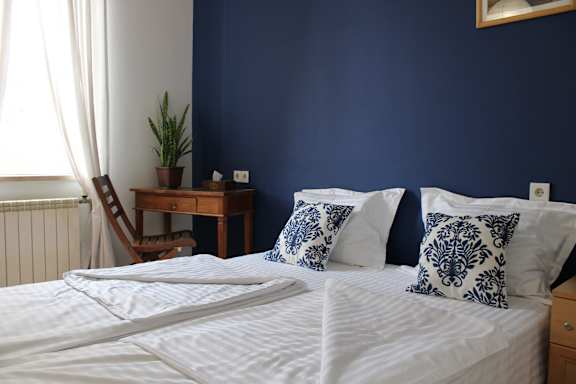
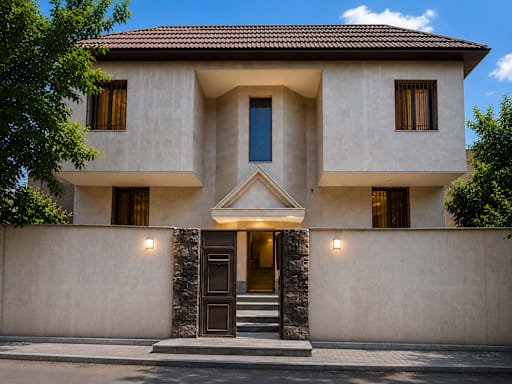
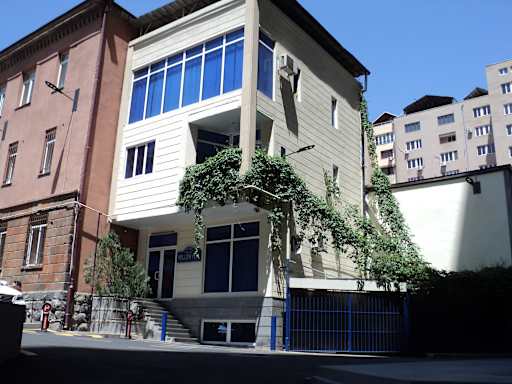
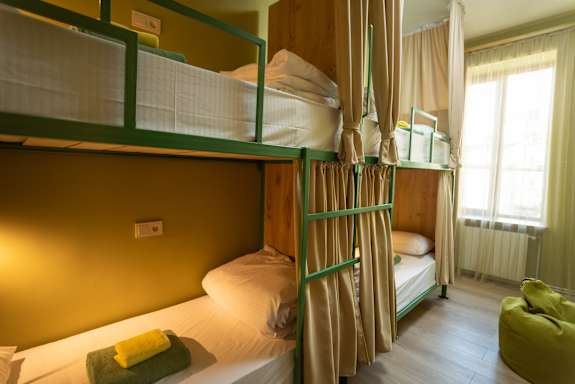
A good, cheap scene concentrated in the centre, much of it in converted apartments within ten minutes of Republic Square. Live from Hostelworld.

Spring and autumn. Yerevan sits in a bowl and summer is genuinely severe.
Average highs. Yerevan sits at 1,000m in a bowl and holds summer heat badly, regularly passing 35°C in July and August. The mountains are ten degrees cooler.
Pick how you travel. Per person per night, in euros.
Day tours to Garni, Geghard or Khor Virap run €25–45 and are usually easier than assembling the marshrutkas yourself.
The ones we get asked most.

Compare Yerevan hostels — live prices, real reviews and free cancellation on most bookings. Then meet the people already there in the app.

 Get the App.
 Get the App.