Historic centre
First-timersAround the Grote Markt and the cathedral: guild houses, the Rubens works and most of the sights.

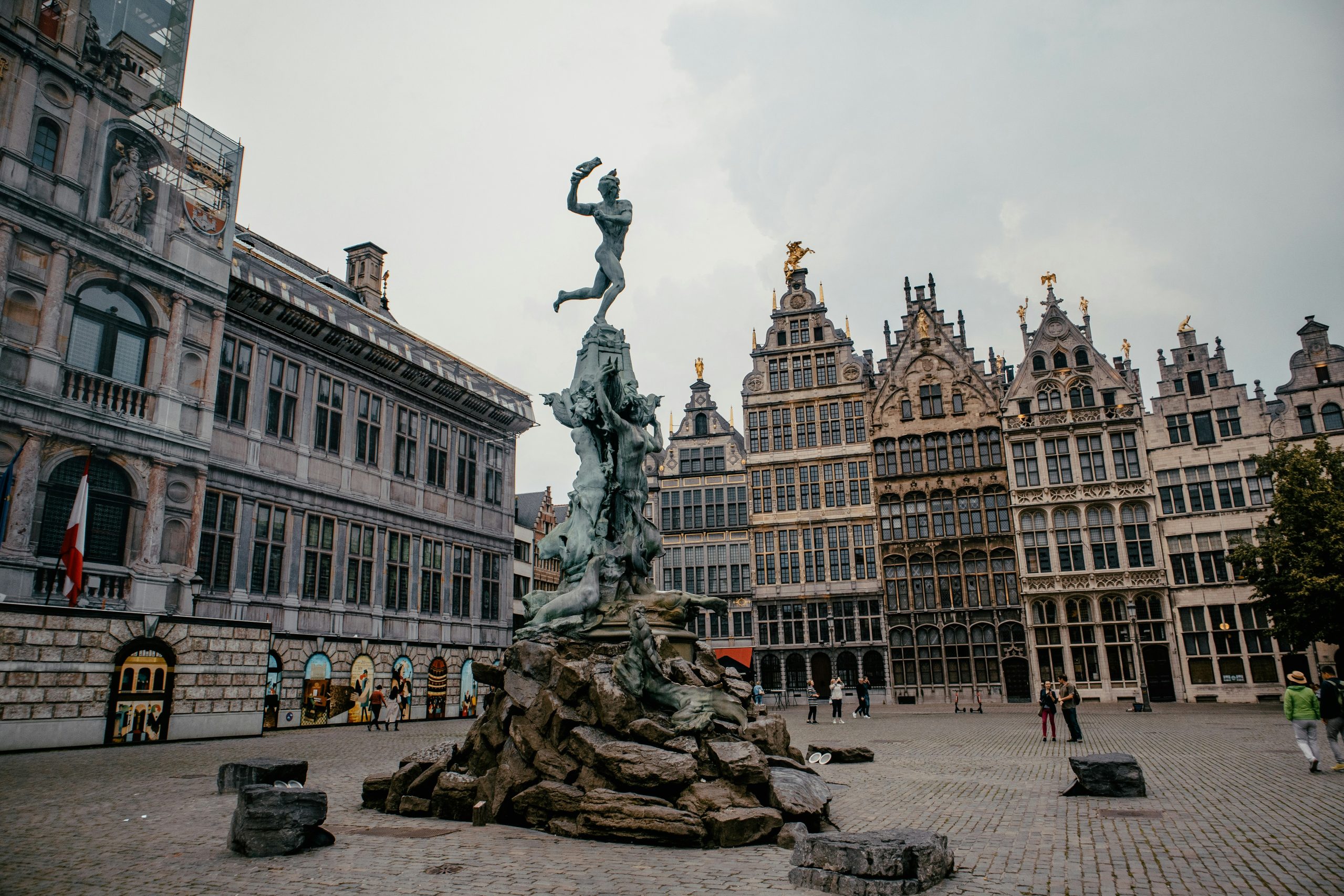
A port city that runs 84 per cent of the world's rough diamonds, dressed better than anywhere in Belgium, with Rubens in the cathedral and a railway station people travel to look at.
Antwerp is the second largest port in Europe and has been rich on trade since the sixteenth century, when it was the most important commercial city on the continent. Rubens worked here, and four of his paintings hang in the cathedral he painted them for.
The diamond quarter beside the station handles the overwhelming majority of the world's rough diamonds, in a few streets that look like nothing at all.
Since the 1980s it has also been a fashion city — the Antwerp Six came out of the academy here and the city still dresses like it knows.
Central Station is the other thing: a 1905 cathedral of stone, iron and glass with four levels of platforms, regularly voted the most beautiful station in the world, and you arrive through it.
Two days, and it is the least touristed of the big Flemish cities.
The centre, the fashion district, and the docks north of it.
Around the Grote Markt and the cathedral: guild houses, the Rubens works and most of the sights.
South of the centre: galleries, the fine arts museum, wide boulevards and the best restaurants.
North, by the old docks: the MAS museum, converted warehouses and a redeveloped waterfront.
The diamond quarter and Chinatown around the station, with cheaper beds and trams into the centre.
Orange labels are neighbourhoods, dots are the 5 top-rated hostels. Map © MapTiler © OpenStreetMap contributors.
Start at Central Station, which you probably arrive in. Built in 1905 with a stone facade, a 75-metre iron and glass dome and four stacked levels of platforms, it is routinely called the most beautiful station in the world and it deserves it.
The Cathedral of Our Lady holds four Rubens paintings, including the Descent from the Cross, hanging where he intended them rather than in a gallery. Entry is about €12.
The Rubenshuis is the house and studio he built for himself; check current opening as it has had long restoration closures.
The MAS, a red sandstone tower at the docks, has a free rooftop with the best view in the city — you do not need a museum ticket for it.
The Plantin-Moretus, a sixteenth-century printing house preserved intact with the world's oldest surviving printing presses, is UNESCO-listed and remarkable.
The MAS rooftop is free and open late, ten storeys up over the docks and the city.
Central Station costs nothing and is one of the best buildings in Belgium.
The Sint-Anna pedestrian tunnel runs under the Scheldt from 1933, with the original wooden escalators still working, and takes you to the left bank for the classic view back at the skyline. Free.
The Grote Markt guild houses, the Vlaeykensgang alley and the Zuid boulevards are free to walk, and the Stadspark and Middelheim open-air sculpture museum cost nothing.
Antwerp eats better than Brussels by local reckoning, and Het Zuid is where to do it.
De Koninck is the city beer, an amber ale ordered as a bolleke for its round glass, at €3.50 to €4.50. Elixir d'Anvers is the local herbal liqueur.
Antwerpse handjes are hand-shaped biscuits and chocolates named after the founding legend, in which a giant cut off the hands of sailors who would not pay his toll and had his own cut off in return — hence the statue throwing a hand outside the town hall.
Filet américain, raw minced beef with capers and mayonnaise, is a Belgian standard and appears on most menus. Frites here come with a startling range of sauces, and there is a Chinatown by the station for a change of register.
The biggest nightlife in Flanders. The Zuid has the stylish end, the streets around the Grote Markt and Groenplaats the busiest, and Het Eilandje the clubs in converted dock buildings.
Antwerp has a serious electronic scene and the venues run properly late at weekends.
A beer is €3.50 to €5, and cocktails €10 to €14 in the Zuid.
The city dresses up more than the rest of Belgium and some venues notice, which is worth knowing if you are travelling light.
The centre is walkable and flat. Trams, buses and the underground pre-metro run on one ticket at €2.50, or about €7.50 for a day.
Central Station is a fifteen-minute walk or three tram stops from the Grote Markt.
Trains reach Brussels in 45 minutes, Ghent in an hour, and Amsterdam in an hour and a quarter on the high-speed line, which makes Antwerp the natural stop between Belgium and the Netherlands.
Bikes are everywhere with a city scheme, and the Sint-Anna tunnel takes them under the river on the original escalators.
Similar to Brussels and below Bruges. Dorms are €22 to €38, a bolleke €3.50 to €4.50, and a main €18 to €28.
A day is €55 to €85.
The cathedral is about €12 and museums €12 to €16 each. The MAS rooftop, Central Station and the river tunnel are free and are among the best things here.
An Antwerp City Card at about €35 for 24 hours covers the museums and transport, which works if you plan a museum-heavy day.
Antwerp is generally safe, with the usual caveats around a major port city and a large station.
The area immediately around Central Station and De Coninckplein has a higher concentration of petty crime and drug activity, particularly late at night. It is walkable by day and worth a tram after dark.
Pickpocketing occurs on trams and in the Grote Markt crowds.
The city has had drug-related violence connected to the port in recent years, which is between criminal groups and does not involve visitors, but it is why you may see more police presence than you expect.
Cyclists move fast and have priority. Emergency number is 112.
Two countries are within ninety minutes.
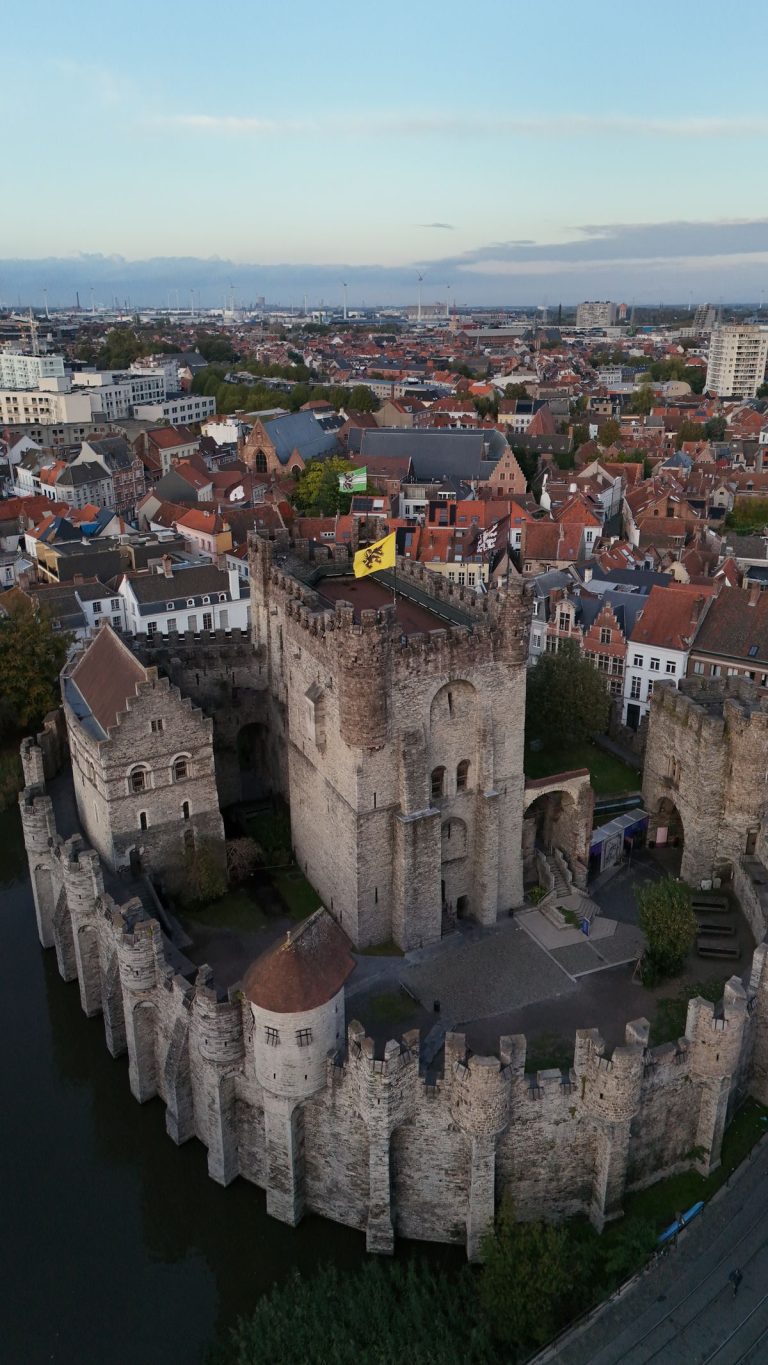
Medieval canals, 70,000 students and the Van Eyck altarpiece.
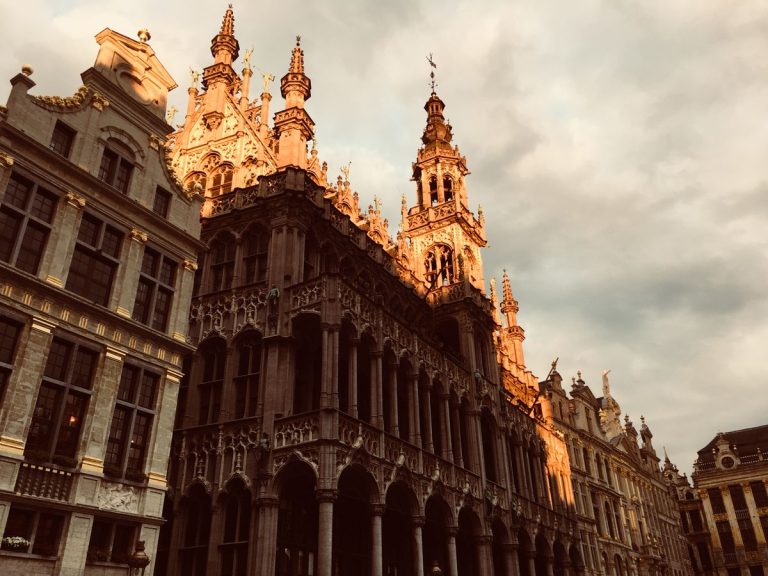
The capital, Art Nouveau and the best beer bars in Belgium.
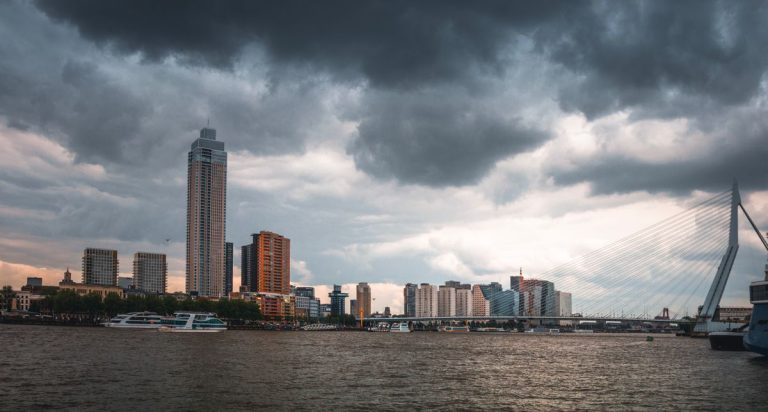
Modern architecture and a port city that is Antwerp's rival and opposite.
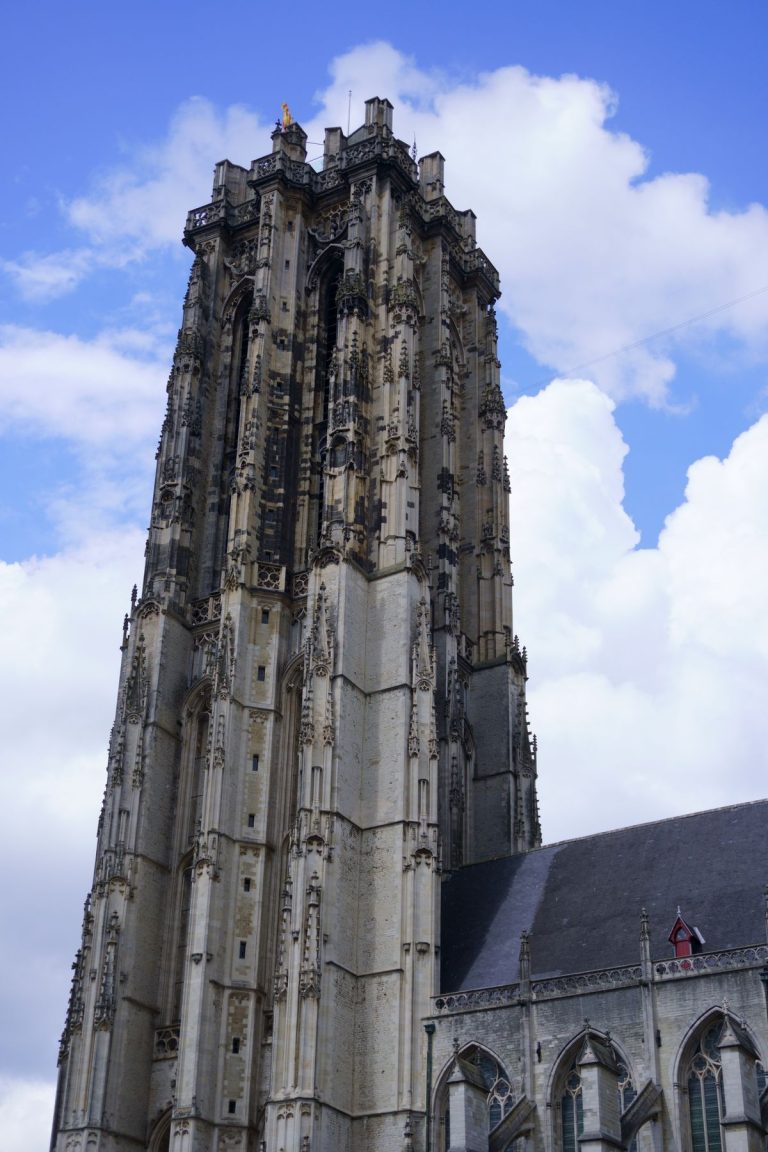
A small city between Antwerp and Brussels with a cathedral tower you climb and Kazerne Dossin, a serious Holocaust memorial.
A summer festival across the city and a serious Christmas market.
 Staff pick
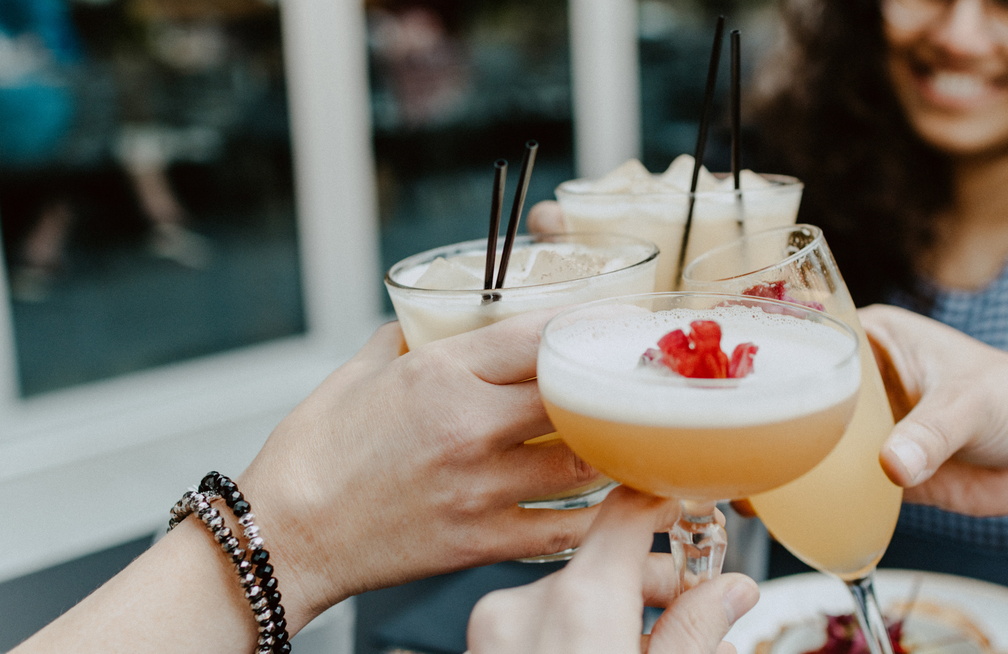
Koopzondag is a monthly event where many shops in Antwerp open their doors on the first Sunday of each month. It offers a relaxed…
 Staff pick
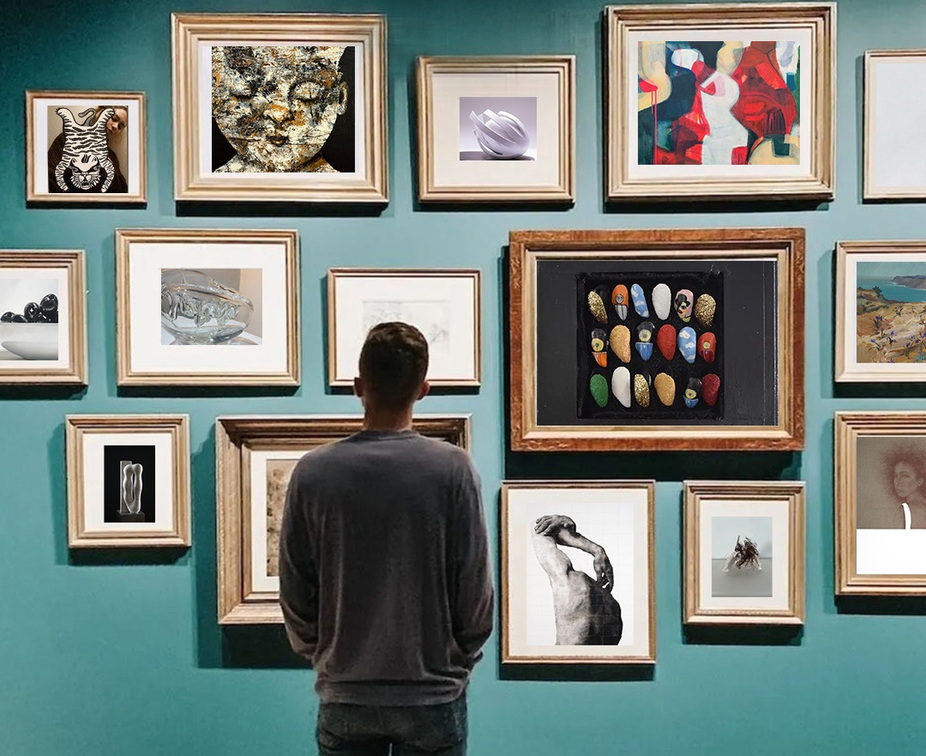
The Belgian International Art Fair (BiAF) in Antwerp brings together a diverse array of contemporary artists, offering visitors the rare chance to engage directly…
 Staff pick
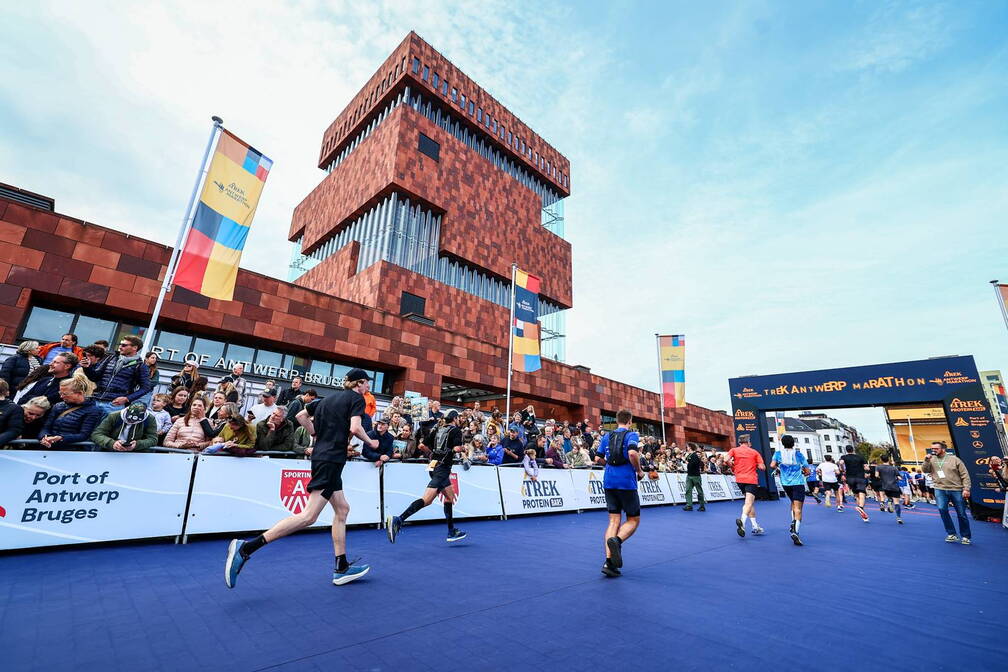
The TREK Antwerp Marathon transforms Antwerp, Belgium, into a lively hub for runners and spectators, drawing over 20,000 participants each year. Runners experience a…
 Staff pick
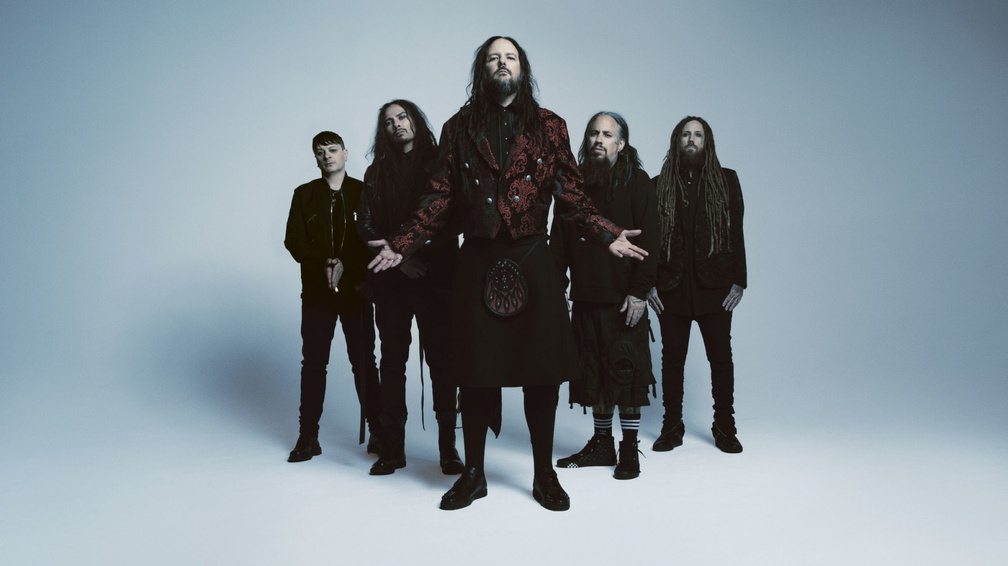
Korn is a nu metal band from California known for their Billboard 200 #1 albums like Follow the Leader and Issues. They have sold…
 Staff pick
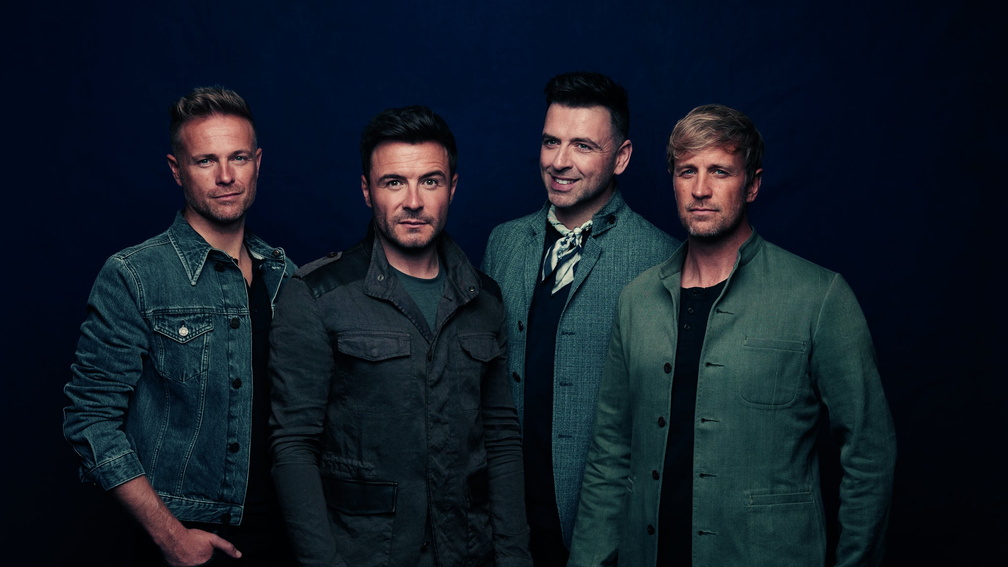
Westlife is an internationally acclaimed Irish pop group renowned for their powerful harmonies and chart-topping ballads. Since their debut in 1999, Westlife has sold…
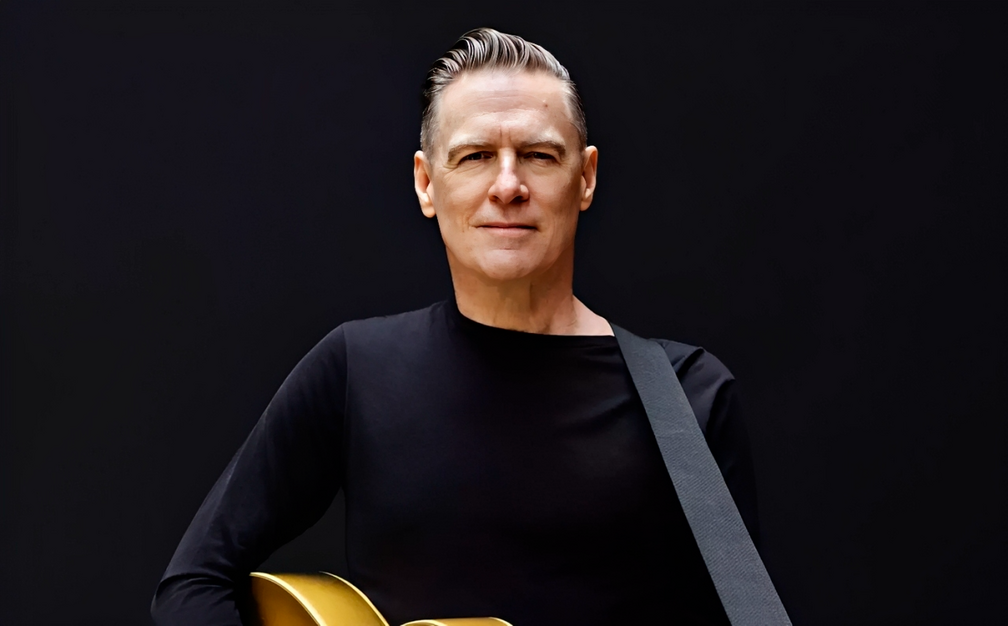
Bryan Adams will perform live at the Sportpaleis in Antwerp on October 15, 2026. The concert starts at 6:30 PM and promises a night…
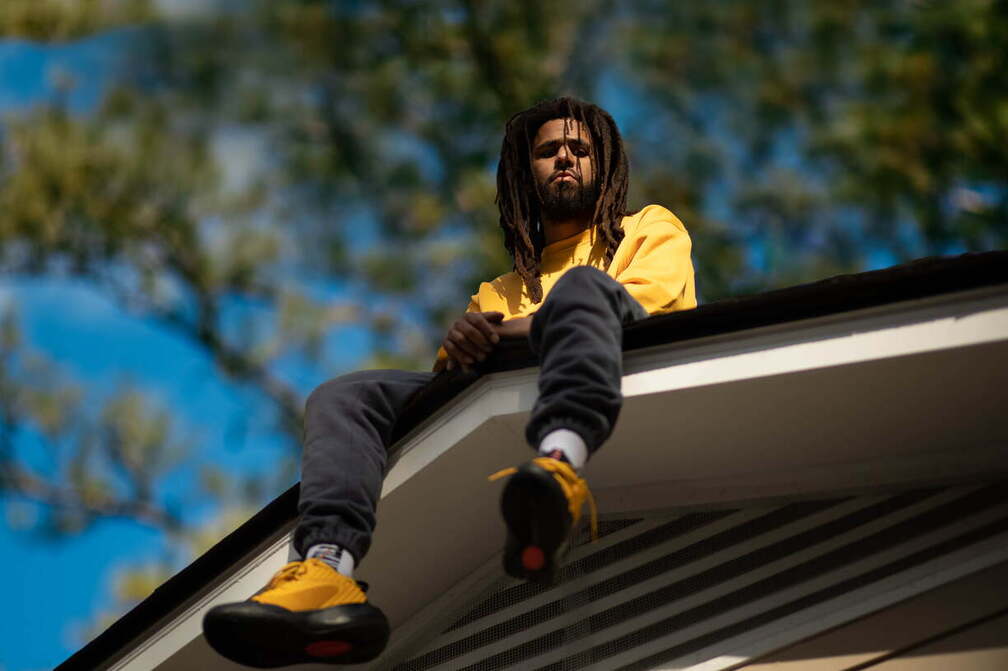
Hip-hop fans will appreciate the chance to see J Cole perform live at the AFAS Dome in Antwerp. His shows are known for powerful…
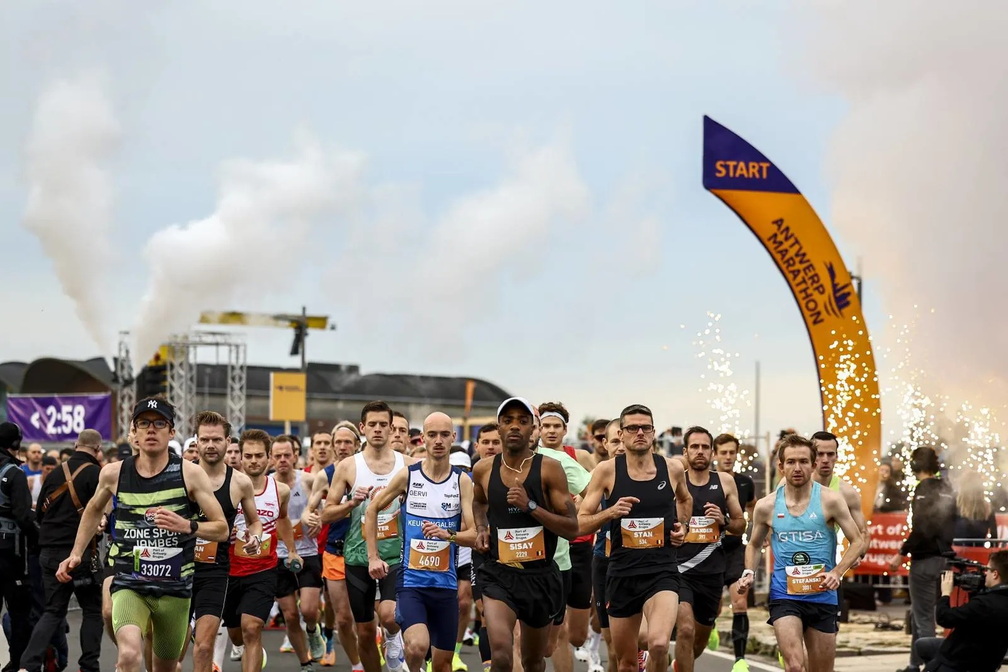
The Antwerp Marathon draws nearly 20,000 runners each October to race the marathon, half marathon, or 10 km distances through a vibrant cityscape. You'll…
A reasonable scene split between the centre, the Zuid and the streets near Central Station. Live from Hostelworld.
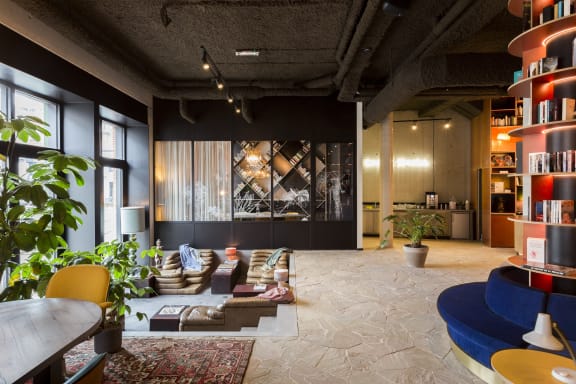 Sustainable
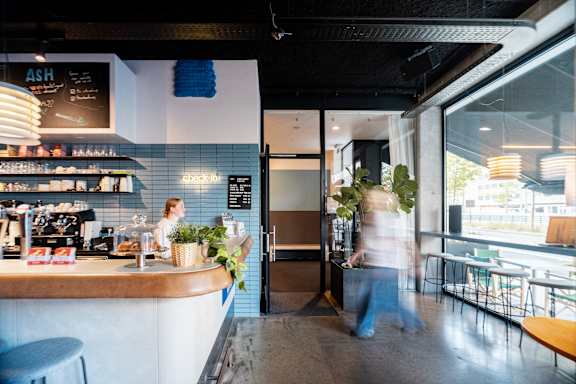
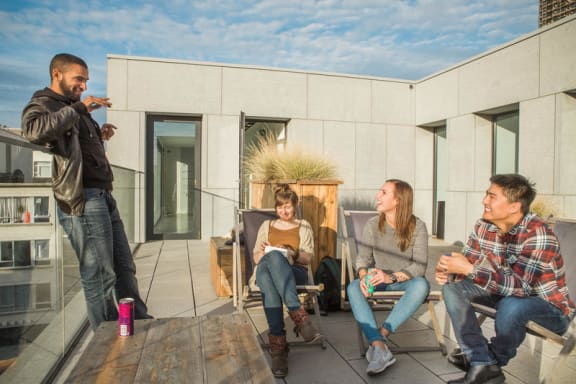 Sustainable
Spring and early autumn, as everywhere in Belgium. It rains year-round.
Average highs. The North Sea keeps Antwerp mild and damp — rain falls in roughly 200 days a year, spread evenly.
Pick how you travel. Per person per night, in euros.
The City Card at about €35 for 24 hours covers museums and transport if you plan several. The best free things here cost nothing at all.
The ones we get asked most.

Compare Antwerp hostels — live prices, real reviews and free cancellation on most bookings. Then meet the people already there in the app.

 Get the App.
 Get the App.