Midtbyen and the Latin Quarter
First-timersThe old centre: cobbled lanes, the cathedral, most bars and restaurants, and everything within ten minutes.

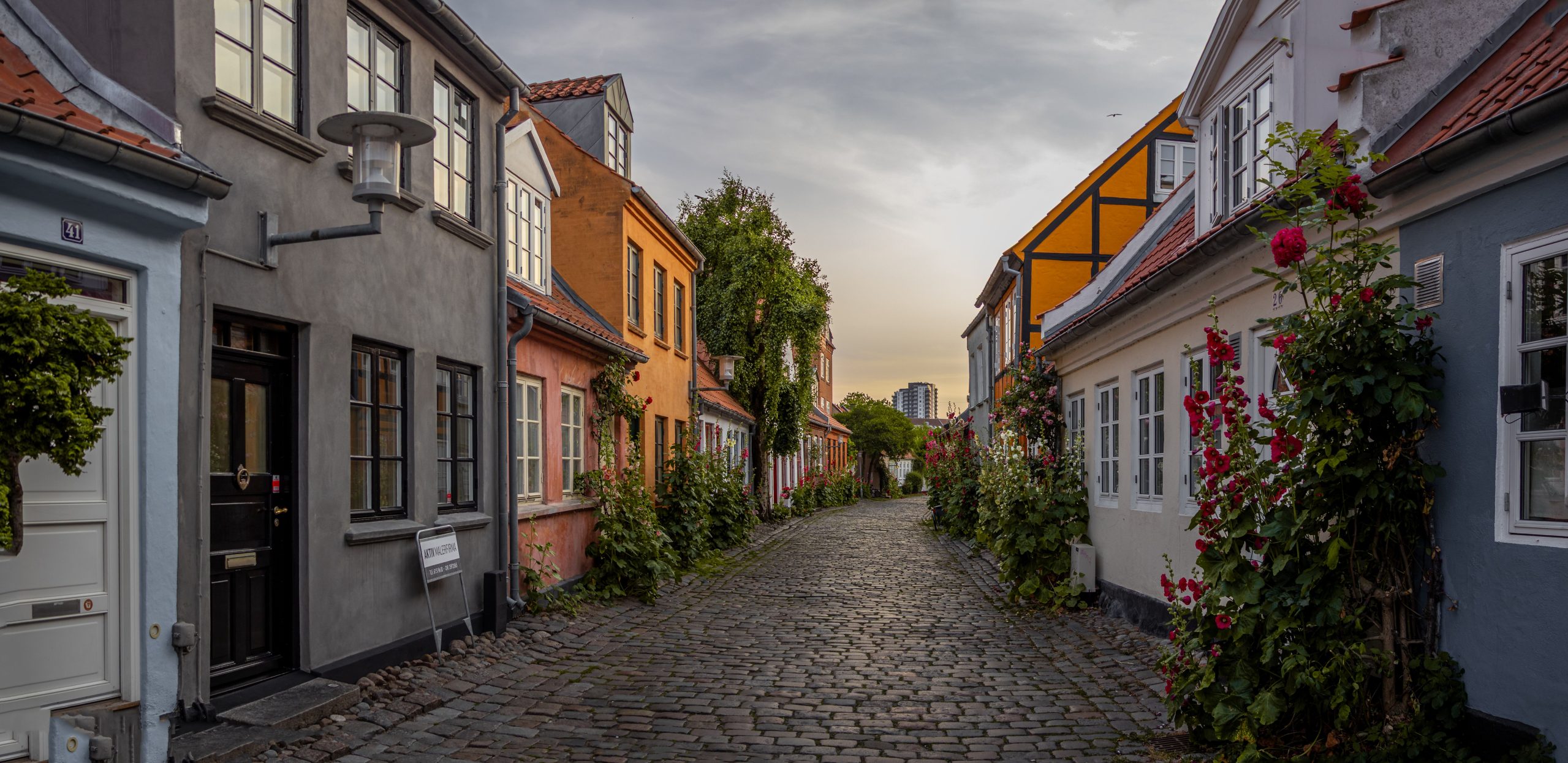
Denmark's second city, with a rainbow walkway on a museum roof, a reconstructed old town you can walk through century by century, and 45,000 students keeping it cheap.
Aarhus is a third the size of Copenhagen and about a third cheaper, with a student population that makes up nearly a sixth of the city.
Its landmark is on a roof: Your Rainbow Panorama, a 150-metre circular glass walkway by Olafur Eliasson on top of the ARoS art museum, where you walk through every colour of the spectrum with the city changing hue around you.
Den Gamle By is the other one — an open-air museum of relocated buildings arranged as three town quarters set in 1864, 1927 and 1974, staffed by people in period who will discuss the politics of their year with you.
The Latin Quarter is the old centre, and the Aarhus Ø waterfront is where the new architecture is.
Two days, and it is the easiest Danish city to enjoy on a budget.
A compact centre, a student belt, and the new waterfront.
The old centre: cobbled lanes, the cathedral, most bars and restaurants, and everything within ten minutes.
South of the station, residential and student-heavy, with the best neighbourhood restaurants and cheaper beds.
The redeveloped harbour north-east, with the Iceberg building, a harbour bath and a very different feel.
Orange labels are neighbourhoods, dots are the 3 top-rated hostels. Map © MapTiler © OpenStreetMap contributors.
ARoS is the art museum with Your Rainbow Panorama on the roof — a circular glass corridor 150 metres round in every colour of the spectrum, with the city shifting colour as you walk. Entry is about €20 and it is worth doing near sunset.
Den Gamle By is an open-air museum of 75 relocated historic buildings arranged as three town quarters set in 1864, 1927 and 1974, with staff in period. The 1974 street, complete with a functioning record shop and a gynaecologist's waiting room, is the part nobody expects to find affecting.
Moesgaard Museum, south of the city, holds the Grauballe Man — a 2,000-year-old bog body, extraordinarily preserved — in a building with a grass roof you can walk up and sit on.
The Infinite Bridge, a circular wooden pier in the sea south of the city, is free and there in summer only.
The Latin Quarter, the cathedral and the botanical gardens are all free, and the cathedral has the longest nave in Denmark.
The Moesgaard museum roof is free to walk up and sit on even without a ticket, and the beech forest and beach below it are free.
The Infinite Bridge in summer costs nothing, and the beaches at Den Permanente and Ballehage are free and used by locals year-round.
The Aarhus Ø waterfront and its harbour bath are free to walk around, and the Dokk1 library — a striking public building on the water — is open to anyone with the best free view of the harbour.
Cheaper than Copenhagen by a clear margin, and the food scene is better than the size suggests — the city has several Michelin-starred restaurants and a strong New Nordic tradition.
At the affordable end, Aarhus Street Food in a former bus garage does everything from €8 to €14, and the student areas around Frederiksbjerg are full of cheap places.
Smørrebrød is the traditional lunch at €7 to €13 a piece.
A beer is €5.50 to €8, below Copenhagen, and the local Mikkeller and Aarhus Bryghus beers are widely poured.
Torvehallerne here, like the Copenhagen version, is the market to buy for a picnic.
Forty-five thousand students give this a nightlife that outsizes the city. The Latin Quarter and the streets around Vestergade fill from ten, and it runs late at weekends in term time.
Aarhus has a good live music scene — Train and Voxhall are the venues — and a strong jazz tradition.
A beer is €5.50 to €8 and cocktails €10 to €14, noticeably below the capital.
Term time matters: from July to mid-September the students are gone and the city is much quieter, though the beaches and the harbour compensate.
Aarhus Festuge in late August and early September is ten days that take over the entire city.
The centre is walkable and the city is small enough that you rarely need anything else.
Buses and the light rail run on one ticket at about €3, or roughly €7 for a day, and the light rail runs out along the coast.
Trains from Copenhagen take three hours and cost €35 to €55, less if booked well ahead as an orange ticket.
Billund airport, for Legoland and some budget flights, is about 90 minutes by bus.
Bikes are common and rental is €10 to €15 a day, though the city is hillier than Copenhagen — which every Dane will mention.
About a third cheaper than Copenhagen. Dorms are €25 to €40, a street food plate €8 to €14, and a beer €5.50 to €8.
A day is €55 to €90.
ARoS at about €20 and Den Gamle By at about €25 are the two real entries, and Moesgaard is about €20. The AarhusCARD bundles them with transport if you are doing all three.
Denmark uses the krone at around 7.45 to the euro, and cash is close to obsolete — cards and MobilePay work everywhere.
Aarhus is a very safe city with low crime, and the centre is comfortable at any hour.
Bike lanes carry the same rules as Copenhagen and the same hazard: look before stepping into one, and do not walk in them.
Petty theft happens around the station and in the bar streets at weekends, at ordinary levels.
Sea swimming is popular year-round here and the water is cold enough to matter in winter — the beaches are unsupervised outside summer.
Emergency number is 112.
Bog bodies, a lake district and Denmark's mountains, such as they are.
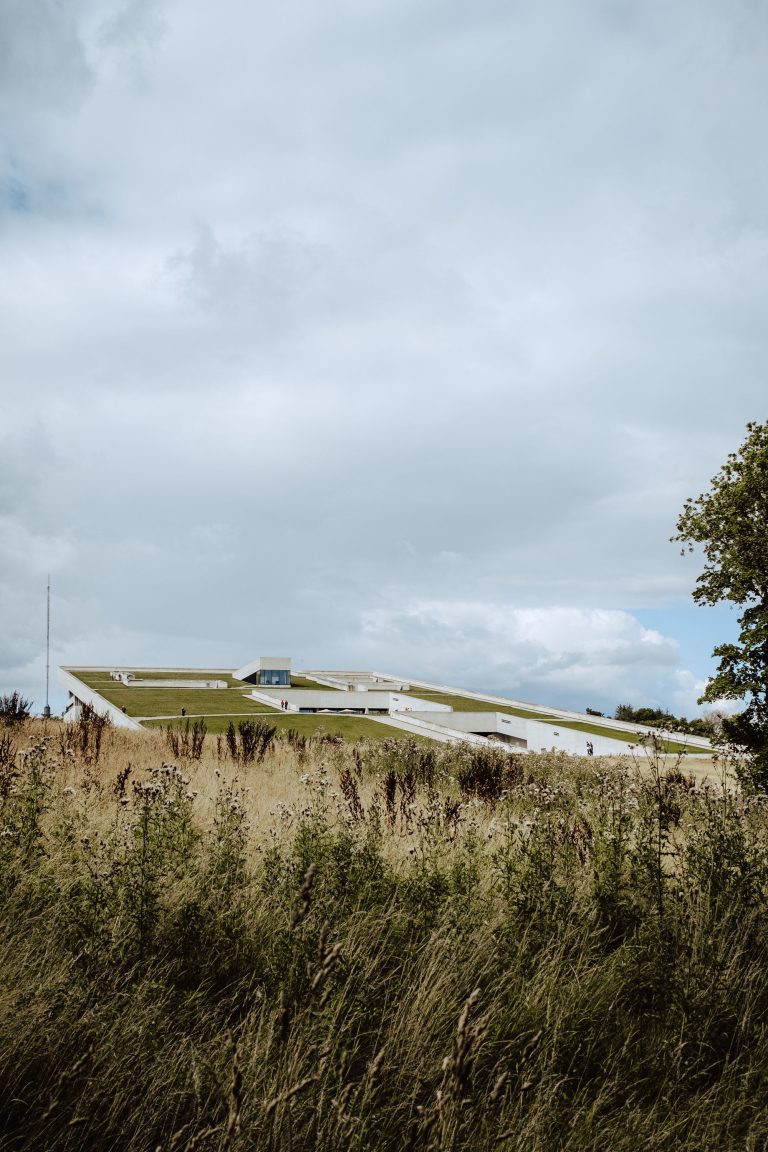
The Grauballe Man, a 2,000-year-old bog body, in a building with a grass roof, above a beech forest and a beach.
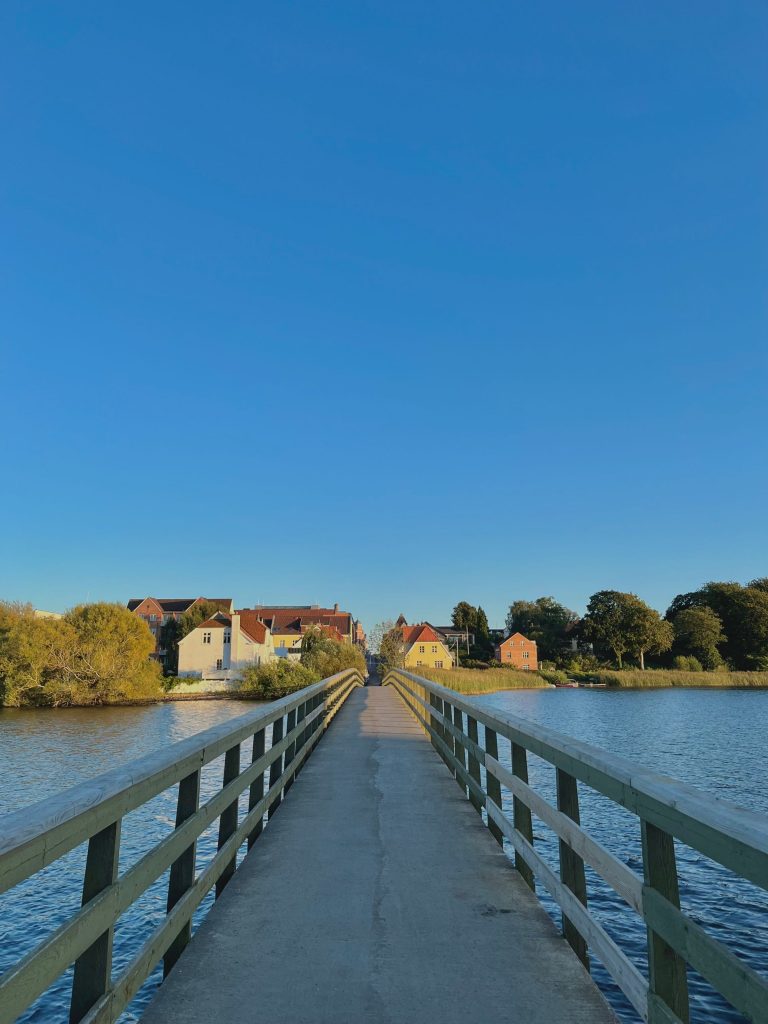
Denmark's lake country, with the Tollund Man in the town museum and a paddle steamer from 1861 on the water.
Ten days of citywide festival at the end of summer.
 Staff pick
Aarhus Together at Godsbanen, Aarhus, Denmark, is a lively craft beer festival that brings together over 75 top breweries from around the world, offering…
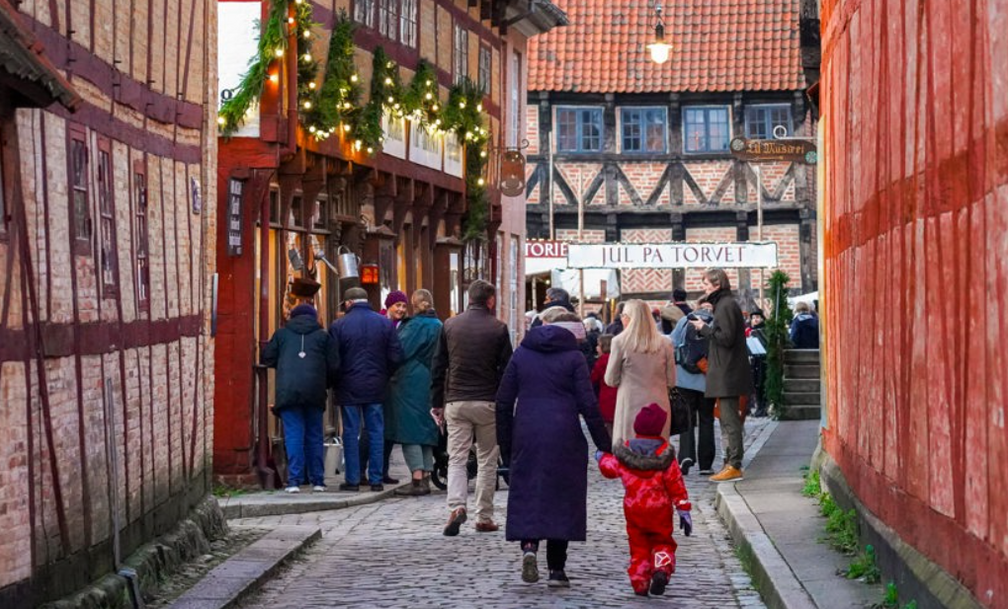
Explore 400 years of Christmas traditions with glowing lanterns, decorated streets, and historic treats dating back to 1616. Meet the town's people and learn…

Dizzee Rascal is a pioneering British rapper and producer known for shaping the grime genre. His live show at TRAIN promises a dynamic experience…

Gavin DeGraw, the Grammy-nominated pop rock singer, returns to TRAIN in Aarhus for an evening of memorable songs and sing-alongs. Known for hits like…

Run for Break Cancer 2026 invites you to join a meaningful run or walk in Mindeparken, Aarhus, supporting cancer research through your participation. The…
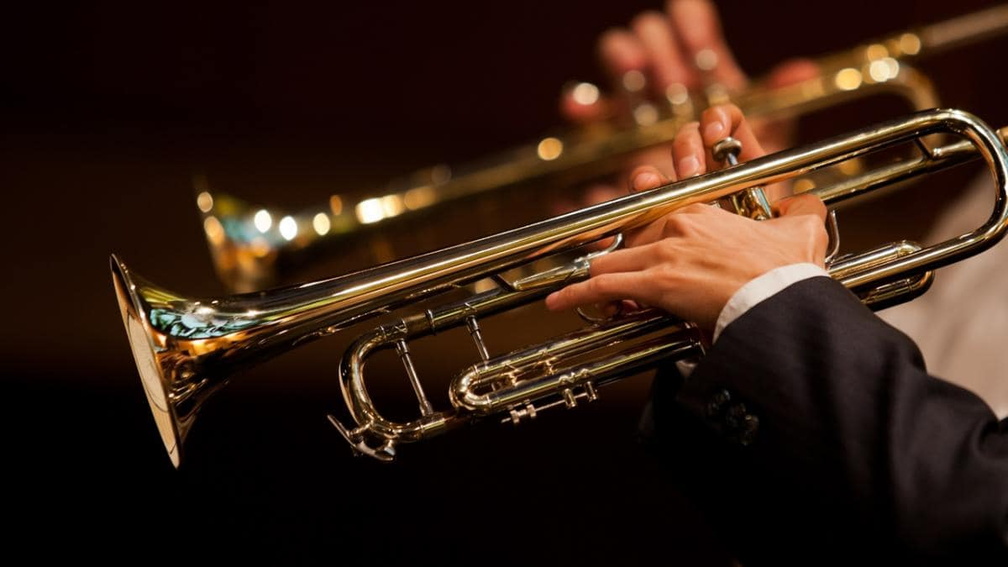
Experience the brilliance of one of the world's finest trumpet players, Håkan Hardenberger, in a concert filled with dazzling trumpet music. The program spans…
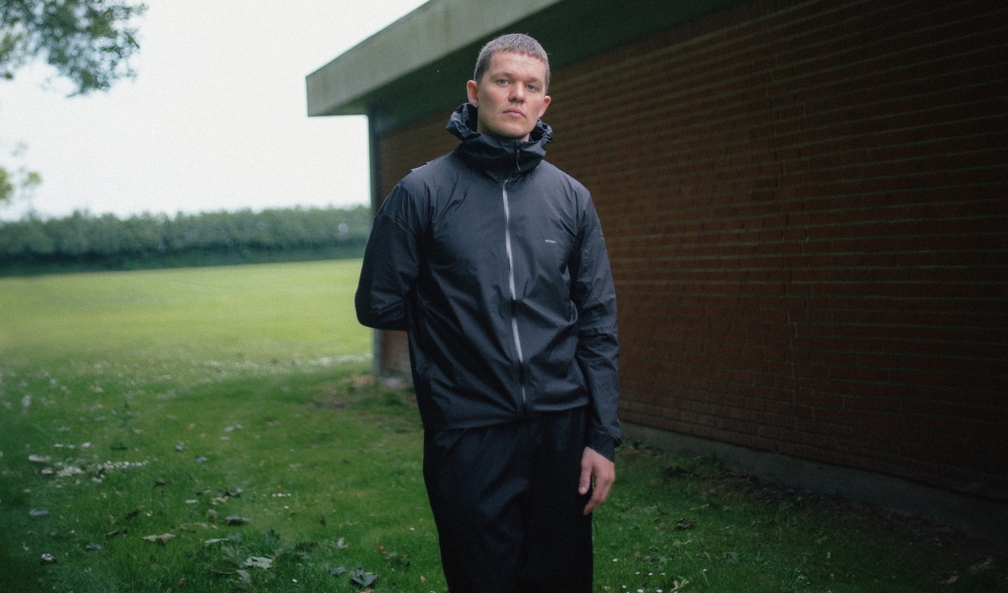
SAVEUS brings a distinctive blend of electronic pop, grand choir arrangements, and dynamic rhythms to the stage. The tour highlights songs from the latest…
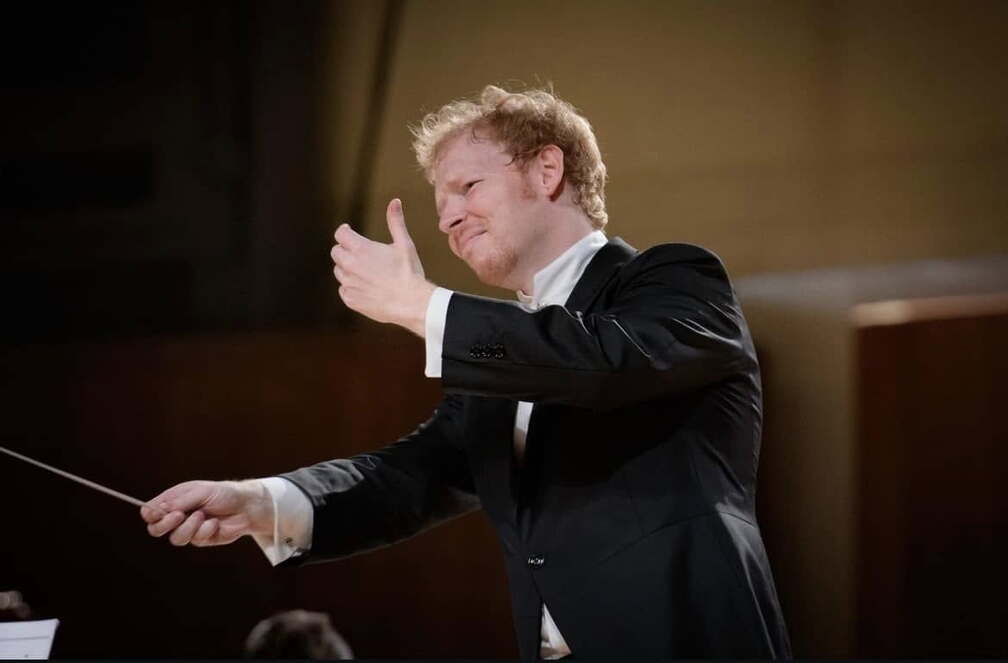
Beethoven 9 is a powerful symbol of joy, freedom, and brotherhood, celebrated worldwide for its unifying spirit. The symphony's final movement, with its human…
A small scene at noticeably lower prices than Copenhagen, in the centre and near the station. Live from Hostelworld.
May to September for light and beaches, and late August for the city festival.
Average highs. Aarhus sits at the same latitude as Copenhagen, so expect about seventeen hours of light at midsummer and seven in December.
Pick how you travel. Per person per night, in euros.
Prices are in kroner at about 7.45 to the euro. ARoS, Den Gamle By and Moesgaard are €20–25 each, or bundled in the AarhusCARD.
The ones we get asked most.

Compare Aarhus hostels — live prices, real reviews and free cancellation on most bookings. Then meet the people already there in the app.

 Get the App.
 Get the App.