City centre
First-timersAround the station and Hämeenkatu: the rapids, the mills, the market hall and most beds.

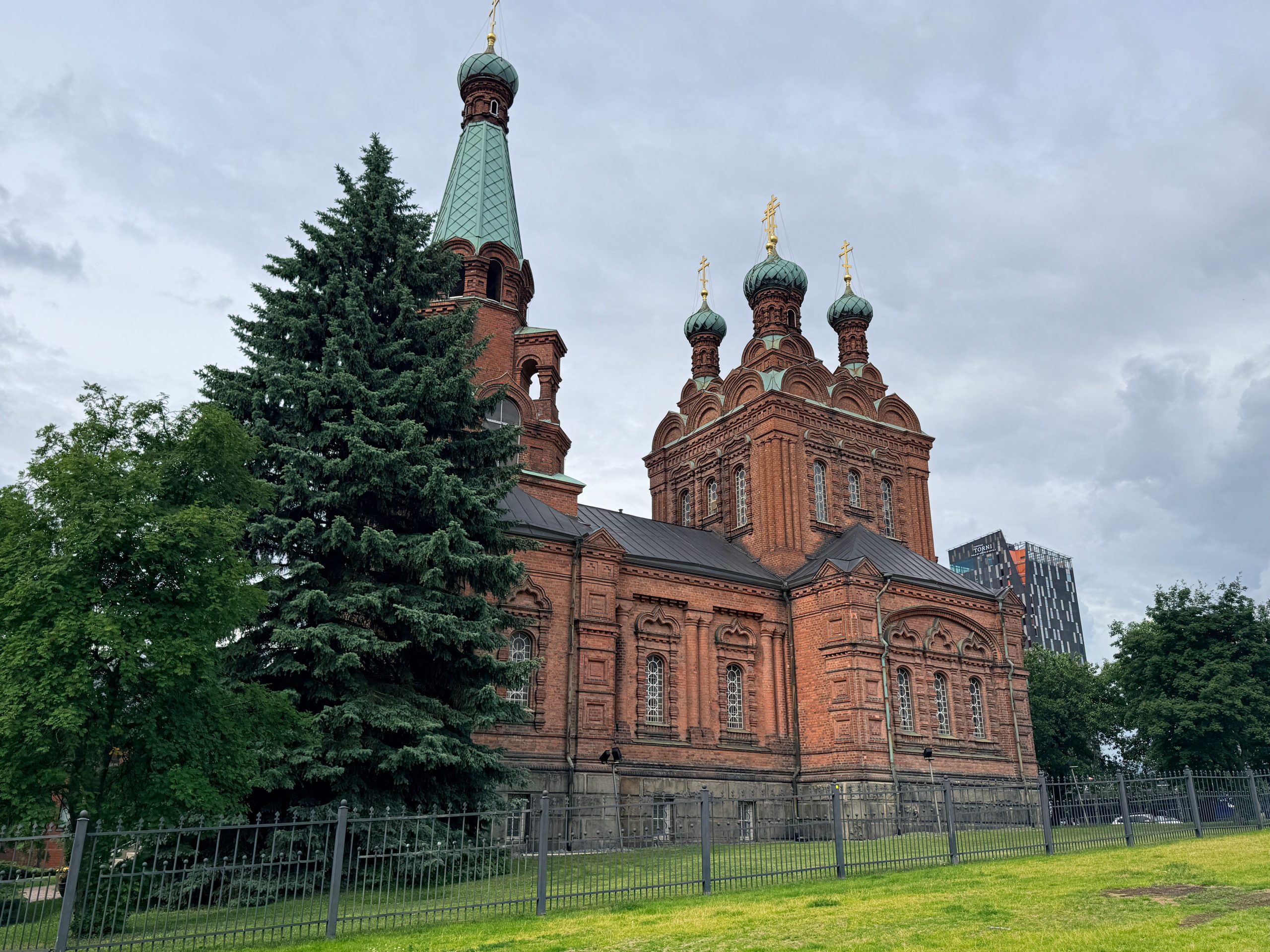
A red-brick mill town between two lakes, with more public saunas than any city on earth and a set of rapids running through the middle of it.
Tampere sits on an isthmus between two lakes, Näsijärvi and Pyhäjärvi, with the Tammerkoski rapids dropping eighteen metres between them straight through the centre.
That drop is why the city exists. Nineteenth-century mills were built along the water to use it, and the red-brick Finlayson cotton works and the Tampella complex are now cinemas, restaurants, museums and offices — a conversion the city did early and did well.
It calls itself the sauna capital of the world and has the public saunas to back the claim, including Rajaportti, which has been in continuous use since 1906 and is the oldest working public sauna in the country.
Finns will also tell you Tampere has the best food in Finland, and the second thing they will tell you is about mustamakkara, a black sausage eaten with lingonberry jam, which is an acquired taste honestly acquired.
Two days.
A compact centre on the isthmus, with the lakes ten minutes either side.
Around the station and Hämeenkatu: the rapids, the mills, the market hall and most beds.
North along the rapids: converted red-brick factories holding museums, cinemas and restaurants.
West on the ridge between the lakes: wooden houses, the best views in the city and Rajaportti sauna.
Orange labels are neighbourhoods, dots are the 1 top-rated hostels. Map © MapTiler © OpenStreetMap contributors.
Take a public sauna, and take the old one. Rajaportti in Pispala has run since 1906, is wood-fired, costs about €10, and is a working neighbourhood sauna rather than anything built for visitors. Kaupinoja and Rauhaniemi on the lakeshore let you go straight into the water, ice hole included in winter.
Walk the Tammerkoski rapids through the centre, with the mill buildings on both banks and bridges over the drop.
Climb the Pyynikki observation tower, about €5, for the view over both lakes from the highest gravel ridge in the world — and eat a doughnut at the café underneath it, which is a genuine local institution.
The Moomin Museum at about €15 holds the original Tove Jansson illustrations and is better than a childhood-nostalgia visit implies.
Vapriikki, in an old engineering works, packs several museums into one ticket at about €15.
The rapids and the mill district are free to walk, and the Finlayson and Tampella courtyards are open.
Pispala ridge is free and has the best views in the city — wooden houses down both slopes, a lake at either end.
Both lakeshores are free, with swimming spots, walking paths and public grills in summer.
The Pyynikki ridge forest, the highest esker in the world, has free marked trails through pine woods above the city.
Everyman's Right applies here as across Finland: you may walk, swim and pick berries and mushrooms on most uncultivated land whoever owns it, which makes the forests and lakeshores genuinely open.
Finns rate Tampere's food highly and the weekday lunch buffet is the way to test it cheaply — €11 to €15 between about eleven and two.
The market hall, the largest in the Nordics, is the best cheap lunch in the city at €8 to €14, and it is where mustamakkara is sold: a black sausage eaten with lingonberry jam, sold by weight, and the local thing you are expected to try.
The Finlayson and Tampella complexes hold most of the good restaurants, in converted mill rooms.
The Pyynikki tower café's doughnuts are an institution and cost a couple of euros.
A beer is €6 to €8, and anything above 8% comes from Alko, which shuts at 9pm on weekdays and 6pm on Saturdays.
Busier than the size suggests, because of the students and because Tampere is a proper night-out city by Finnish standards.
The bars cluster along Hämeenkatu and in the side streets around it, with the mill complexes holding the more interesting rooms.
A beer is €6 to €8 and cocktails €10 to €14, below Helsinki.
Finns buy from Alko before going out — the state shops close at 9pm on weekdays and 6pm on Saturdays.
Ice hockey is close to a civic religion here and matchdays at the arena fill the centre. The rivalry between the city's two clubs is taken seriously enough that it is worth knowing which bar you are drinking in.
Walk. The centre sits on a narrow isthmus and both lakes are about ten minutes from the middle.
Trams and buses cost about €3 with day tickets, and the tram line runs along Hämeenkatu through the centre.
Trains reach Helsinki in an hour and a half for €15 to €30, and Turku in about two hours. Book ahead for the cheap fares.
The overnight sleeper to Rovaniemi and Lapland stops here, which makes Tampere a natural break on the way north.
Pispala is a climb from the centre — the ridge is steep, and the bus is worth it on the way up.
Cheaper than Helsinki. Dorms are €25 to €38, a main €16 to €24, and a beer €6 to €8.
A day is €50 to €90.
Public saunas at €10 to €15 are the cheapest genuinely Finnish thing you can do anywhere in the country, and Tampere has more of them than anywhere.
The lunch buffet, the market hall and the free rapids, ridge and forest trails cover most of a day.
The museums are the real spend — Vapriikki and the Moomin Museum at about €15 each.
Tampere is a safe city and crime against visitors is rare.
Winter brings ice on pavements, roof ice falling into the street and about six hours of daylight around the solstice.
The lakes freeze and people walk, ski and cut swimming holes in them. Ice thickness varies and there is current near the rapids — do not go out on it without local knowledge.
In the sauna, drink water, leave when you have had enough, and be careful combining heavy drinking with heat and a cold plunge. Avanto — the ice hole — is safe when done properly and among people, and unwise alone or drunk.
Ticks are present in southern Finland from spring to autumn. Emergency number is 112.
Lakes in every direction, and a medieval church across the water.
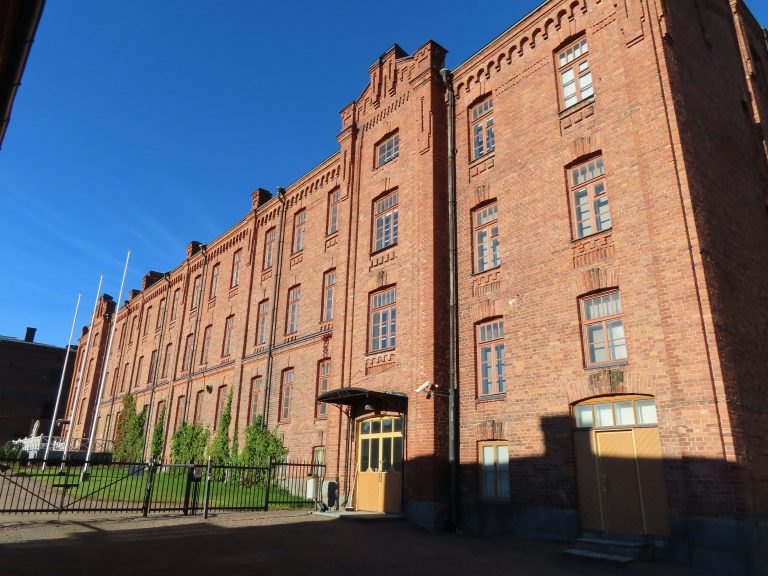
A medieval castle on a lake shore, and Sibelius's birthplace in the town.
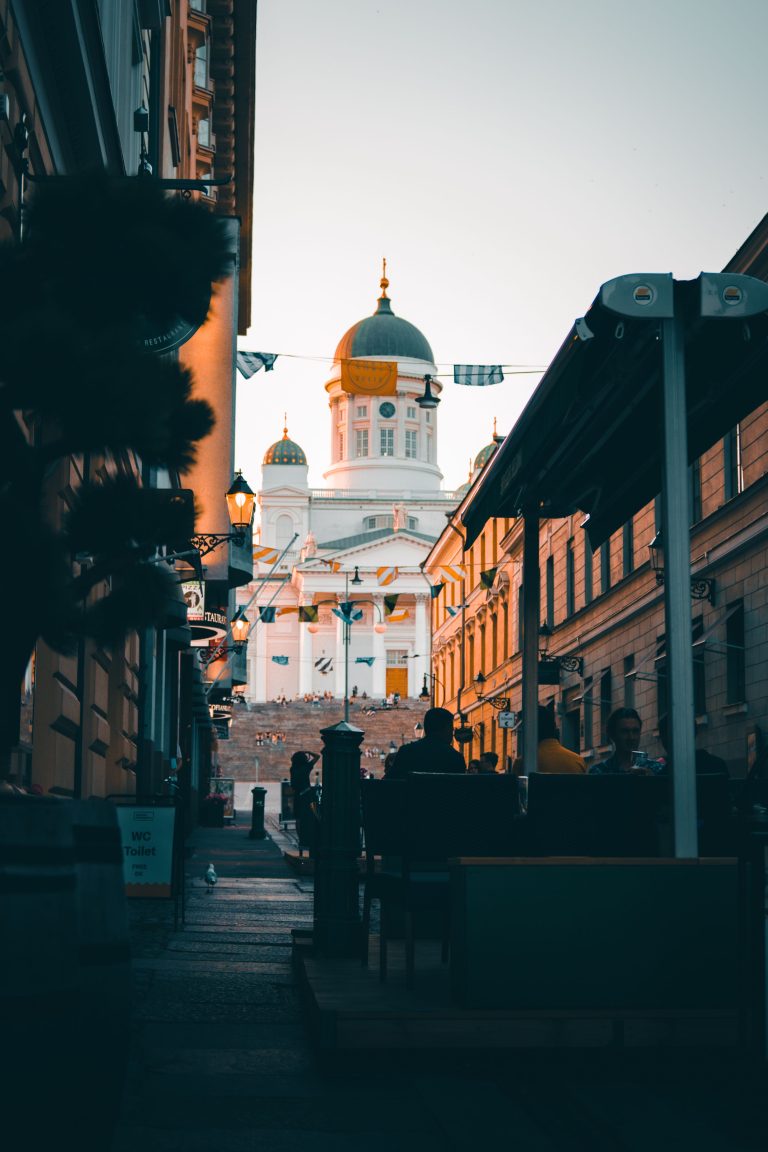
The capital, easy in either direction.
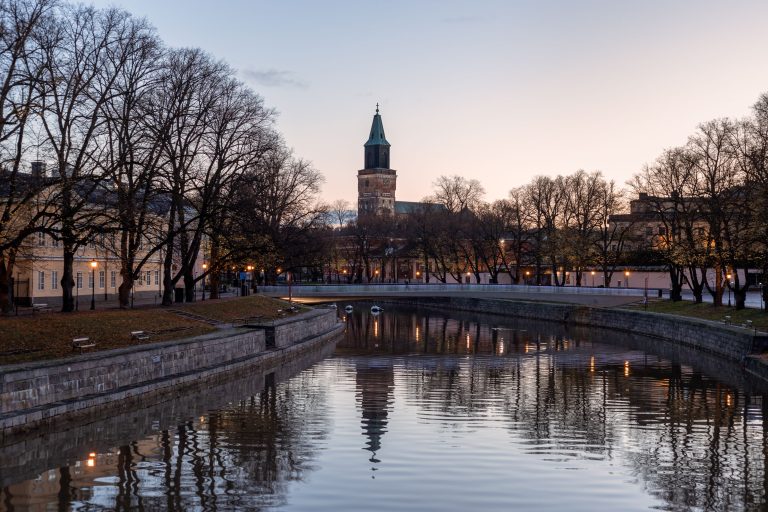
The old capital and the gateway to the archipelago.
A film festival in March and lake festivals through the summer.
 Staff pick
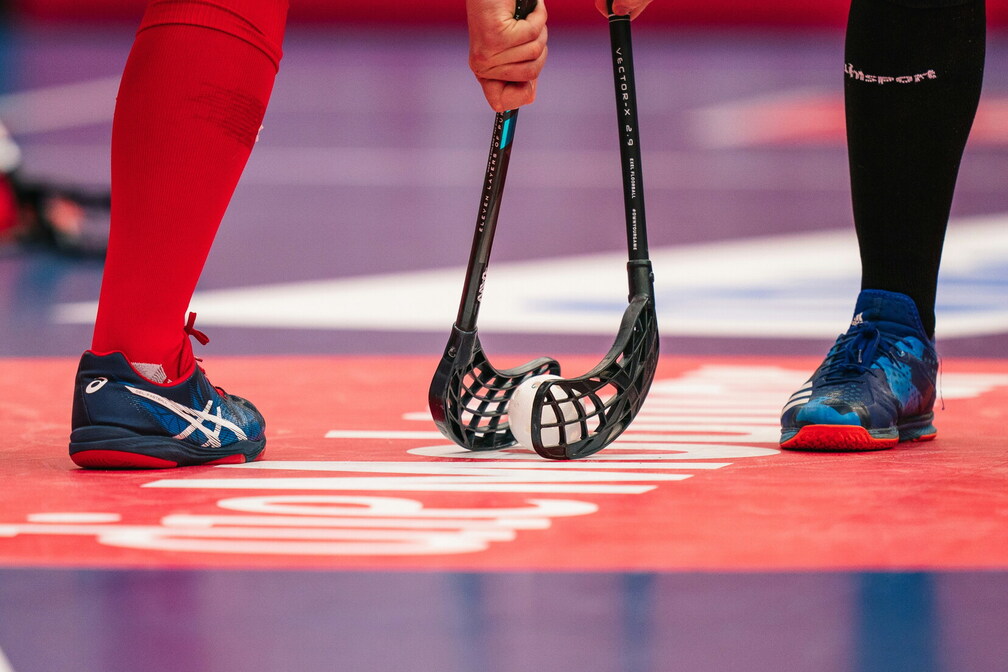
The Men’s World Floorball Championships bring together top national teams from around the globe to compete for the sport’s highest honor in Tampere, Finland.…
 Staff pick
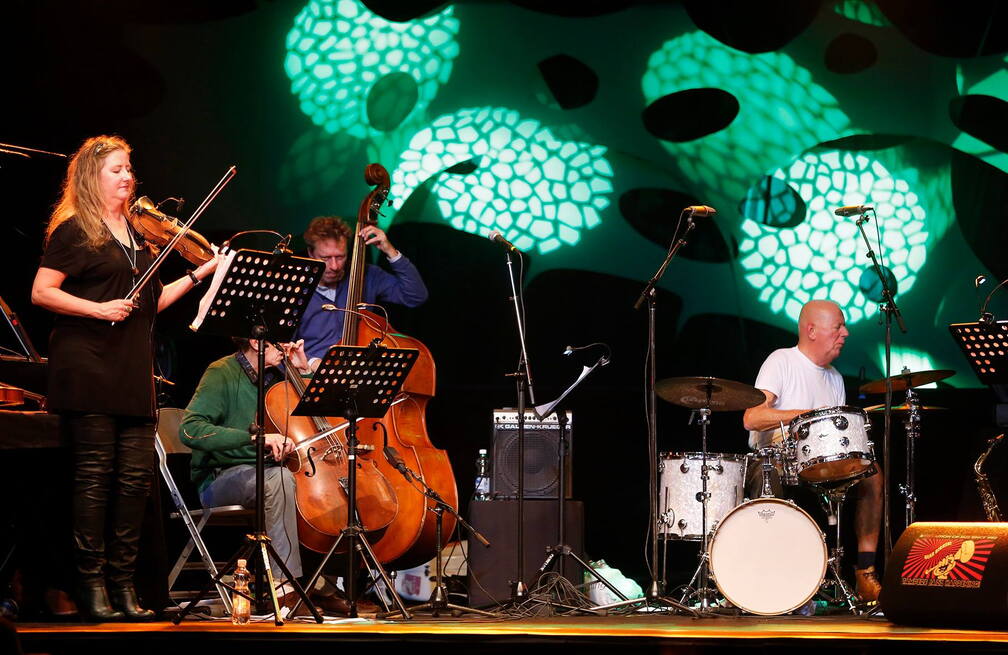
Tampere Jazz Happening in Tampere, Finland, is a renowned international jazz festival that has brought together top artists and jazz enthusiasts since 1982. Spanning…

Kaija Koo, a legend of Finnish pop music, celebrates 40 years of her artistic career with a massive arena tour starting at Nokia Arena…
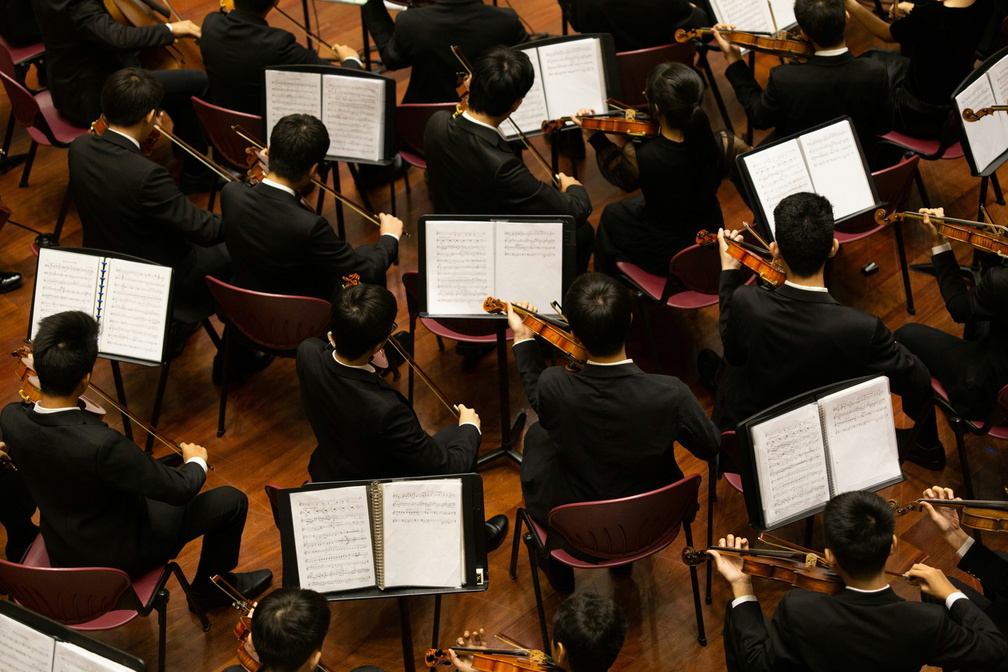
Nearly twenty top artists from Tampere will gather on the Nokia Arena stage for a special concert event. The show features personal stories behind…
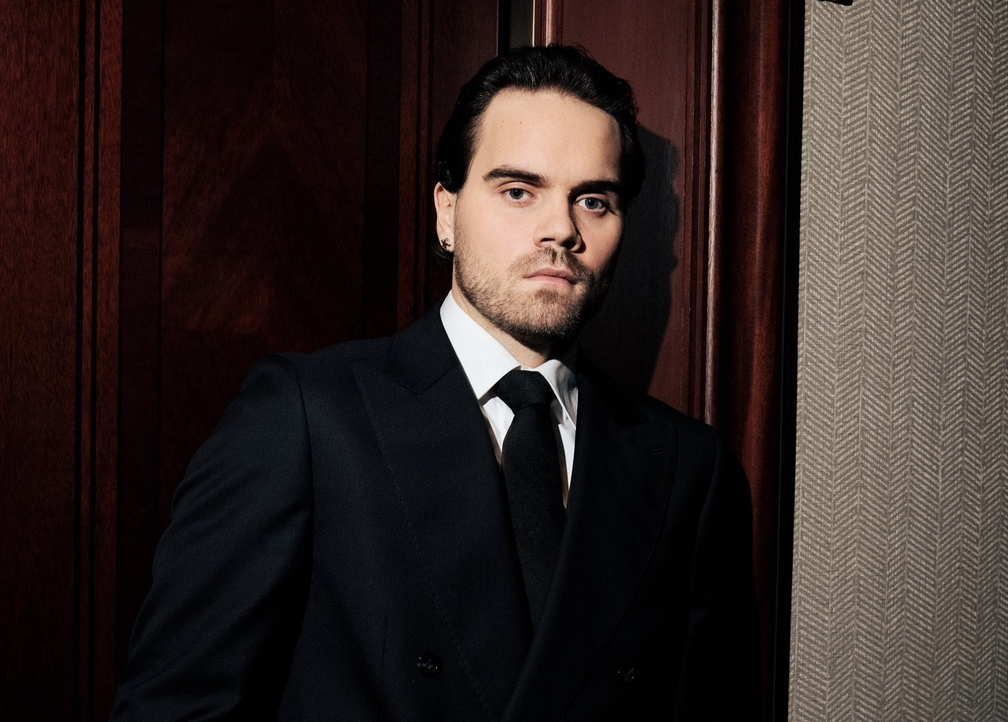
Lauri Haav is set to perform his largest concert to date at Nokia Arena in Tampere with two sold-out shows. The event includes a…

Isac Elliot returns to Nokia Arena with The Mansion, a large-scale show following his sold-out Stadin Yö concert. The performance will feature hits from…

Nyrkkitappelu is a punk rock band that has claimed the title of Finland’s biggest rock band since their first show. Their music features catchy…
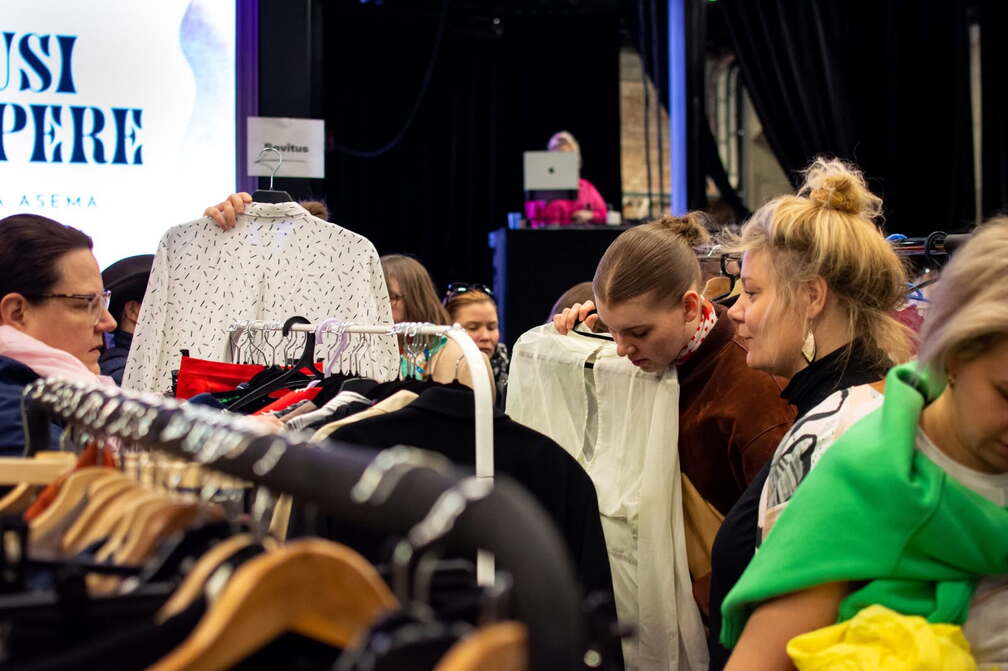
Tavara-asema Second Hand is a flea market event where you can find recycled high-quality clothes and vintage treasures. Both private individuals and businesses sell…
A modest scene at below-Helsinki prices, mostly in and around the centre. Live from Hostelworld.
June to August for the lakes. Winter for saunas and ice holes, which is a fair trade.
Average highs. Tampere is inland and runs colder than coastal Helsinki in winter — the lakes freeze hard enough to walk and ski on for several months.
Pick how you travel. Per person per night, in euros.
The food line assumes the weekday lunch buffet. A public sauna at €10 to €15 is the best-value thing in the city.
The ones we get asked most.

Compare Tampere hostels — live prices, real reviews and free cancellation on most bookings. Then meet the people already there in the app.

 Get the App.
 Get the App.