Vieux-Port
First-timersThe old harbour: restaurants, ferries to the islands, transport and most of the beds.

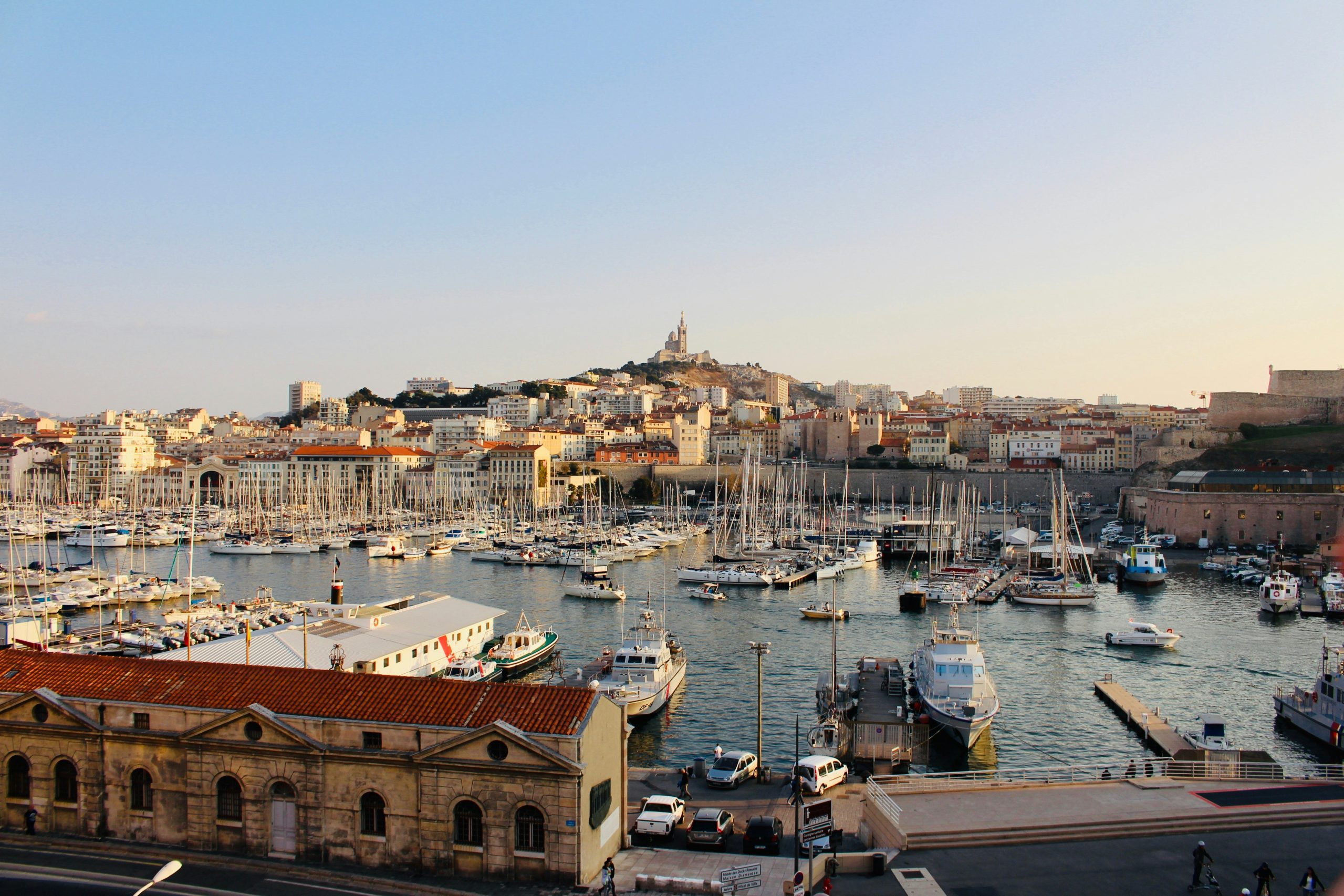
Rough, sunlit and Mediterranean rather than French: France's oldest city, its most mixed, and the best value on the south coast.
Greek sailors founded Marseille around 600 BC, which makes it the oldest city in France by a wide margin, and twenty-six centuries of Mediterranean traffic have left it looking outward rather than towards Paris.
It is a port city with a port city's character: loud, mixed, North African and Corsican and Comorian as much as French, with a reputation for crime that is largely about neighbourhoods visitors never go near.
The Vieux-Port is the centre of everything, with the hill and basilica of Notre-Dame de la Garde above it and the Panier — the oldest quarter, now full of murals and small shops — climbing north.
The calanques are the reason many people come: white limestone inlets with turquoise water, stretching twenty kilometres east towards Cassis, reachable on foot or by boat.
Two or three days, plus a day for the calanques.
A port at the centre, a hill above it, and beaches to the south.
The old harbour: restaurants, ferries to the islands, transport and most of the beds.
North of the port: narrow lanes, murals, small shops and the best atmosphere in the city.
East and uphill: the bar quarter, covered in street art, with the youngest crowd.
South: the city beaches, the Corbusier building and a calmer residential feel on the metro.
Orange labels are neighbourhoods, dots are the 7 top-rated hostels. Map © MapTiler © OpenStreetMap contributors.
Go to the calanques. The national park runs twenty kilometres east from the city: white limestone cliffs dropping into turquoise water, reachable by boat from the Vieux-Port, by bus and a walk from Luminy, or on foot from Callelongue. Sugiton and En-Vau are the famous ones. Access is restricted on high fire-risk days in summer and the restrictions are published each morning — check before you set out, because the closures are enforced.
Walk up to Notre-Dame de la Garde. The basilica sits on the highest point with the whole city, the port and the islands below it. Free, and a real climb, or bus 60.
MuCEM, the museum of Mediterranean civilisations, sits at the harbour mouth in a black concrete lattice connected to a seventeenth-century fort by a footbridge, about €11.
Take the boat to the Château d'If, the island prison of The Count of Monte Cristo, about €6 each way plus entry.
Then walk the Panier, which is free and is the oldest part of the city.
Notre-Dame de la Garde is free, and the walk up through the streets is part of it.
The Panier costs nothing and is the best wandering in the city — murals, washing lines, small squares and the Vieille Charité almshouse courtyard.
The calanques are free on foot. The walk from Luminy to Sugiton takes about an hour and a half each way, and Callelongue at the end of the bus line is the start of the coastal path.
The city beaches at Prado and the Plage des Catalans are free, with the Corniche walk running along the sea between them and the port.
Cours Julien is an open-air street art gallery that changes constantly, and the Vieux-Port fish market runs every morning.
North African food is the everyday strength here and the best value — couscous, tagine and merguez across the city at €10 to €16, and the Noailles market area is where to find it.
Bouillabaisse is the famous dish and a genuine one is expensive, €50 to €70 a head, because it needs several specific rock fish. Anything advertised at €20 is not it. Restaurants signed up to the bouillabaisse charter serve the real version.
Panisses — chickpea fritters — and a pastis at a port bar are the cheap local ritual.
A lunch formule runs €13 to €18, and the fish stalls on the Vieux-Port sell the morning's catch.
A beer is €4 to €6 and pastis about the same, and Cours Julien is cheaper than the port for both.
Cours Julien and the streets around Notre-Dame du Mont are the centre of it: bars covered in street art, a young mixed crowd, and prices well below the coast east of here.
The Vieux-Port has the terraces and the visitors, and costs more for less.
The Friche la Belle de Mai, a converted tobacco factory, holds concerts, a rooftop bar and a genuinely good programme.
A beer is €4 to €6 and cocktails €8 to €12.
Marseille goes out late and the summer nights run long, with much of it outdoors. The metro closes around 12.30am, later at weekends.
Metro, tram and bus run on one ticket at about €1.80, with day tickets available. Two metro lines cover most of what visitors need.
The centre is walkable but genuinely hilly, and the climb to Notre-Dame de la Garde is steep enough that bus 60 is a reasonable choice.
The airport is 25 minutes by shuttle bus for about €10.
TGV reaches Paris in three and a quarter hours at €40 to €110 depending on booking, Lyon in an hour forty, and Nice in two and a half.
For the calanques, bus 21 to Luminy or bus 20 to Callelongue are the walking approaches, and boats leave the Vieux-Port through the season.
The best value city on the French Mediterranean. Dorms are €20 to €35, a lunch formule €13 to €18, and a beer €4 to €6.
A day is €45 to €80.
Compare that with Nice two and a half hours east, where the same trip costs a third more, and the calanques are free where the Riviera beach clubs are not.
The spends worth making are MuCEM at about €11 and, if you want it, a proper bouillabaisse at €50 to €70.
Summer is peak and July and August push beds up sharply.
Marseille's reputation is largely about organised crime in the northern quartiers, which are residential areas well away from anywhere visitors go. The centre is ordinary.
What does affect visitors is bag snatching and phone theft, which is more common here than in most French cities — around the Vieux-Port, on the metro, at Saint-Charles station and on the beaches.
Do not leave anything on a beach towel while you swim.
The calanques are the real hazard. They are exposed limestone with no shade or water, temperatures exceed 35°C in summer, and paths run along cliff edges. Take more water than you think, wear proper shoes, and check the morning's fire-risk closures — the park closes access on high-risk days and the restrictions are enforced.
Emergency number is 112.
Calanques, a Roman city and Provence, all within ninety minutes.
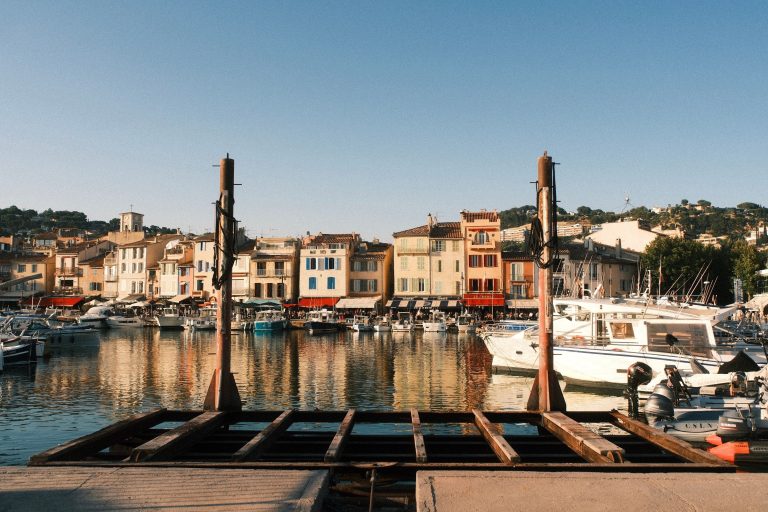
A fishing port at the eastern end of the calanques, with boat trips into the inlets and a vineyard behind it.
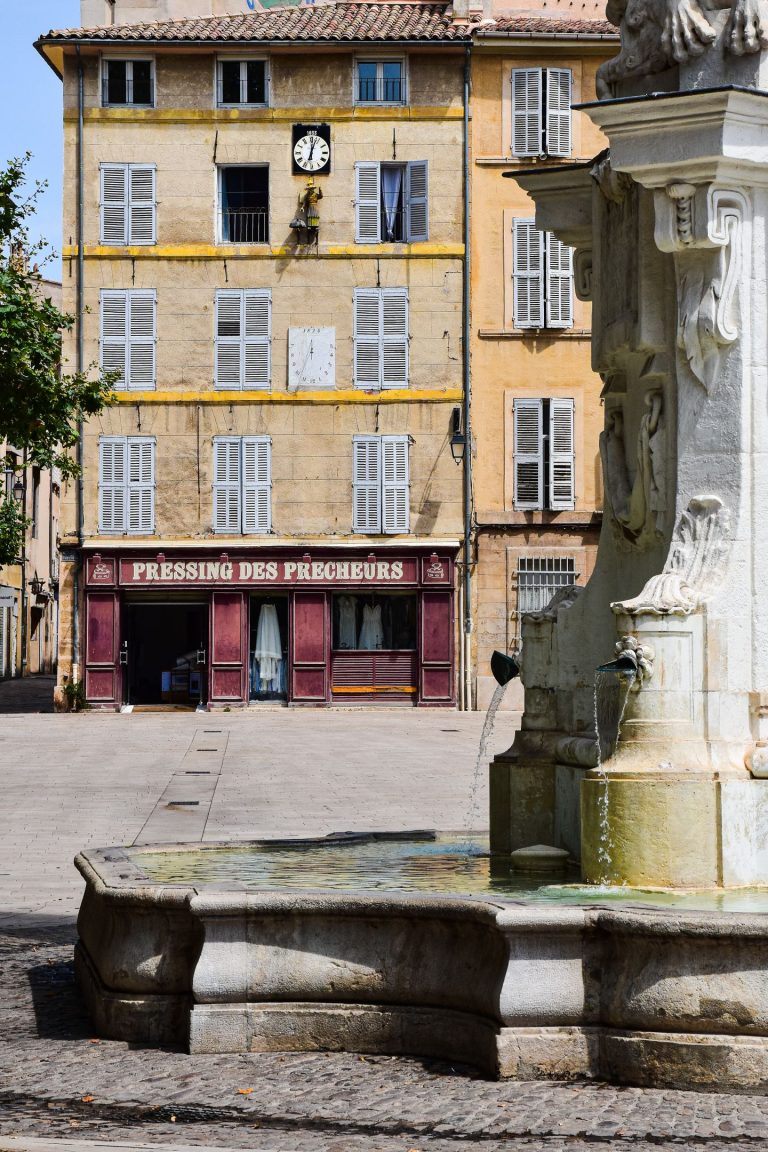
Fountains, plane trees, a market most mornings and Cézanne's studio. Wealthier and calmer than Marseille.
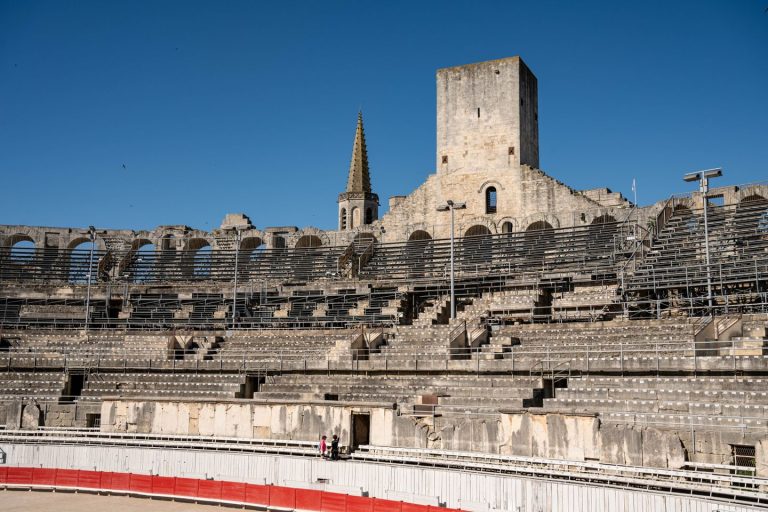
A Roman amphitheatre still in use, and the town where Van Gogh painted more than two hundred canvases.
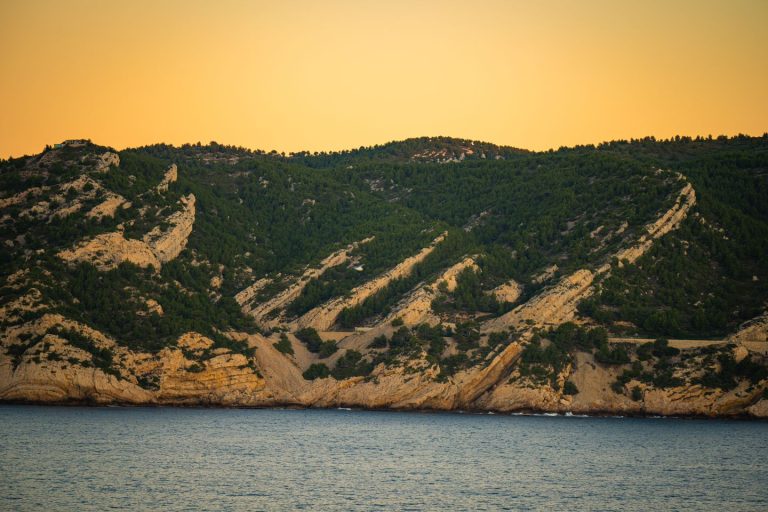
The walking route into Sugiton and Morgiou, free, and the cheapest way to see the park.
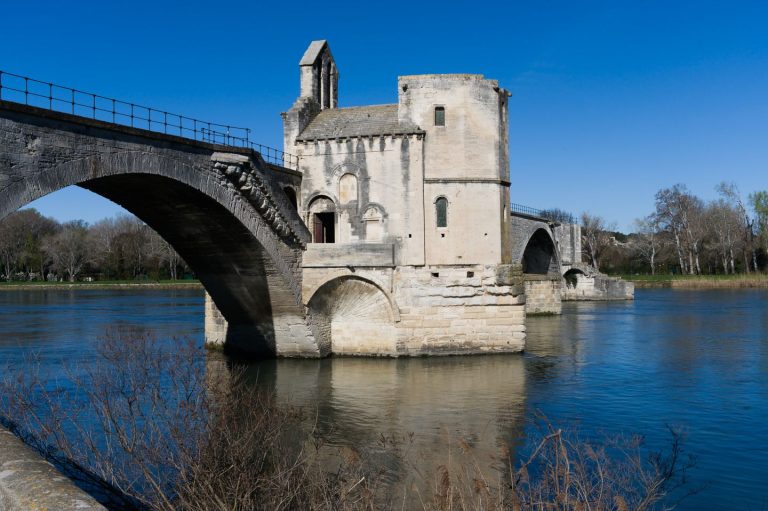
The papal palace, the broken bridge, and the gateway to the rest of Provence.
A clay figurine market at Christmas, and a summer festival calendar.
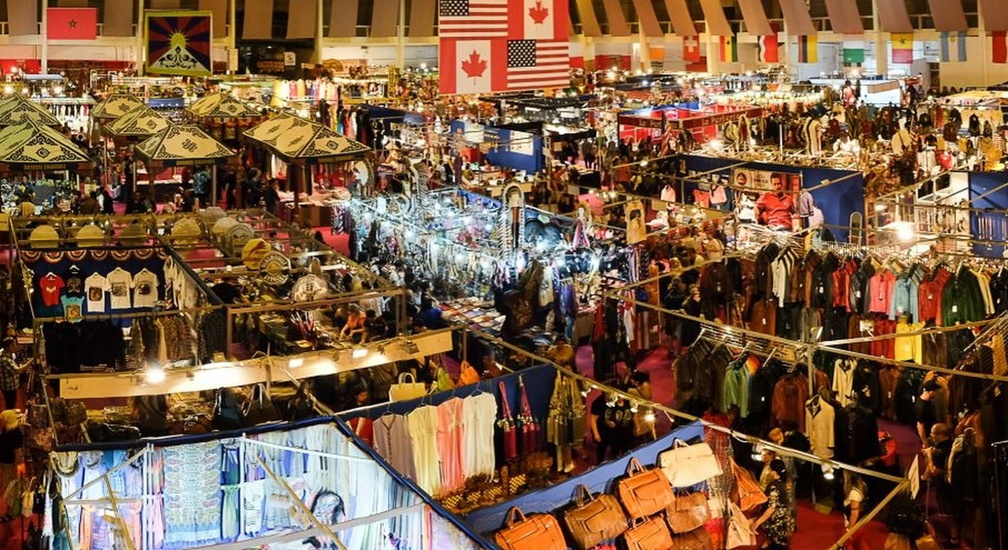 Staff pick
La Foire Internationale de Marseille is a vibrant annual event that draws in over 300,000 visitors from around the world. Featuring a diverse array…
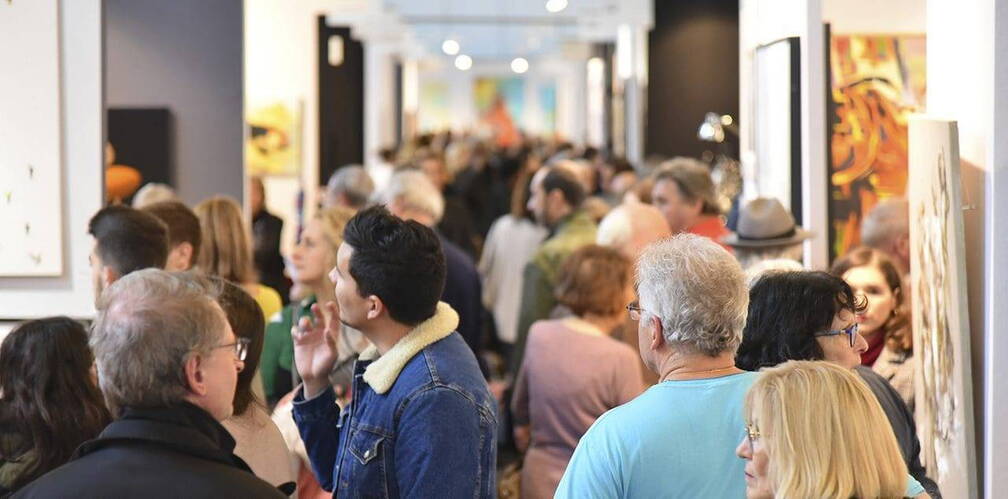 Staff pick
ART3F Marseille is a lively contemporary art fair held at Marseille Chanot, bringing together a diverse mix of galleries, painters, sculptors, photographers, and artists…
 Staff pick
Artemisia in Marseille, France, is a leading lifestyle and wellness expo dedicated to organic living, health, and sustainability. Hosted at Marseille Chanot, the event…
 Staff pick
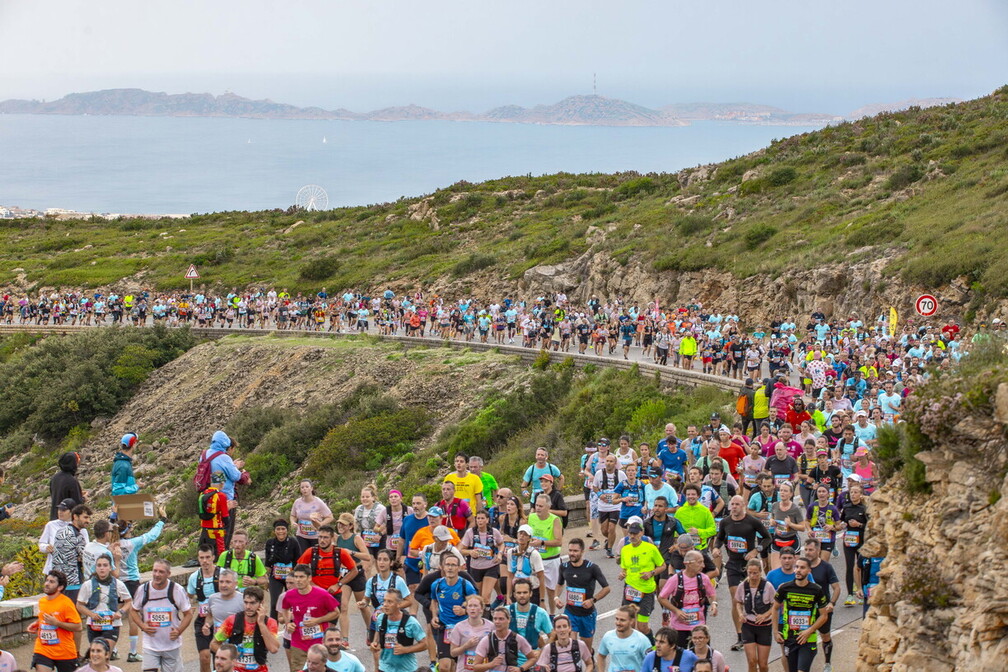
Marseille-Cassis: AG2R LA MONDIALE is a renowned 20-kilometer road race that draws over 20,000 runners from around the world each year. Known for its…
 Staff pick
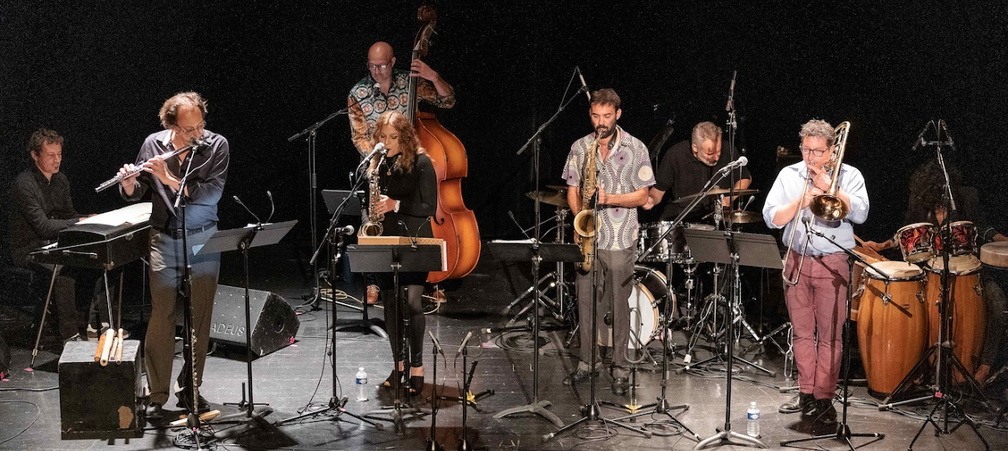
Jazz sur la Ville in Marseille, France, is a collaborative festival that unites a diverse network of cultural venues and organizations to celebrate jazz…
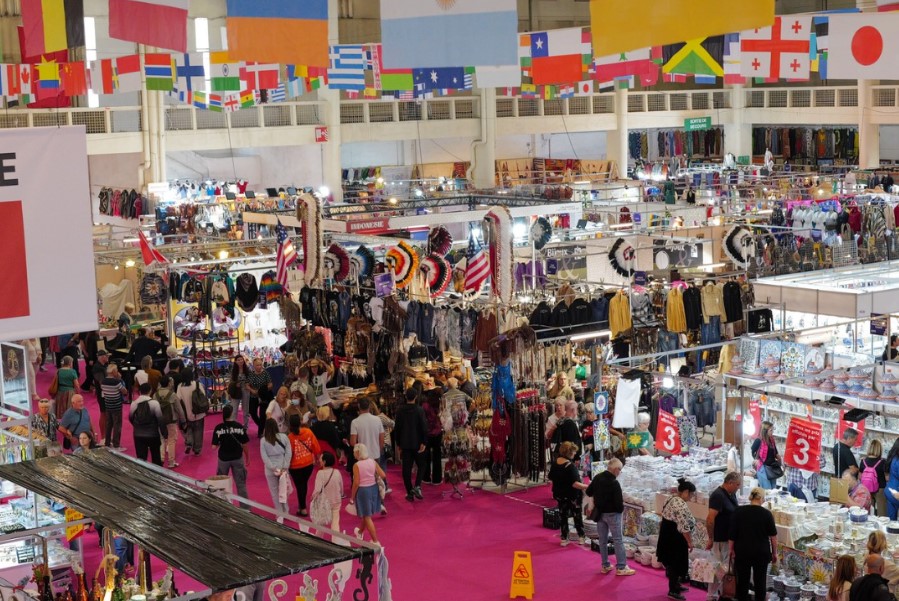
The Marseille International Fair 2026 is an annual trade fair held in Marseille, France. It features a wide range of sectors including gastronomy and…

Fiesta des Suds is a cultural festival held in Marseille that celebrates various music genres including electronic, rap, R&B, soul, world, and pop music.…
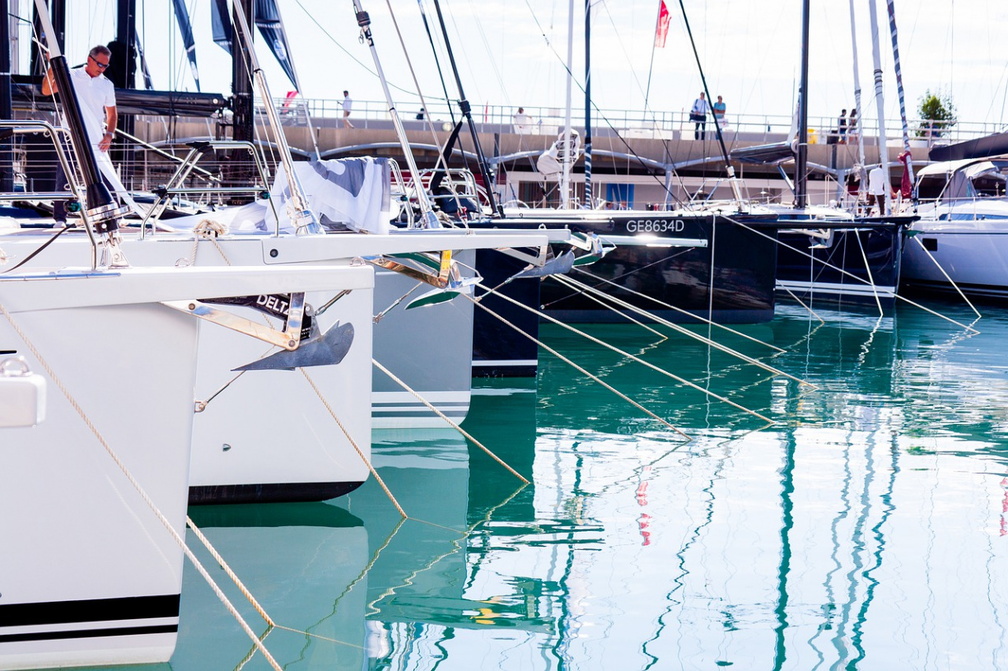
Marseille is launching a new annual event to celebrate its maritime heritage with a popular Sea Festival on October 17 and 18, 2026. The…
A good scene around the Vieux-Port and Cours Julien, at the best prices on the coast. Live from Hostelworld.
 Sustainable
 Sustainable
 Sustainable
May, June, September and October. July and August are hot, full and often closed in the calanques.
Average highs. The mistral, a cold northerly wind, blows hard for days at a time mostly in winter and spring — it clears the sky completely and makes the temperature feel several degrees lower.
Pick how you travel. Per person per night, in euros.
July and August run well above these. The calanques cost only a bus ticket, which is why the doing line can stay low.
The ones we get asked most.

Compare Marseille hostels — live prices, real reviews and free cancellation on most bookings. Then meet the people already there in the app.

 Get the App.
 Get the App.