Vieux-Lille
First-timersThe old town: gabled brick streets, the best restaurants, boutiques and estaminets. Handsome and pricey.

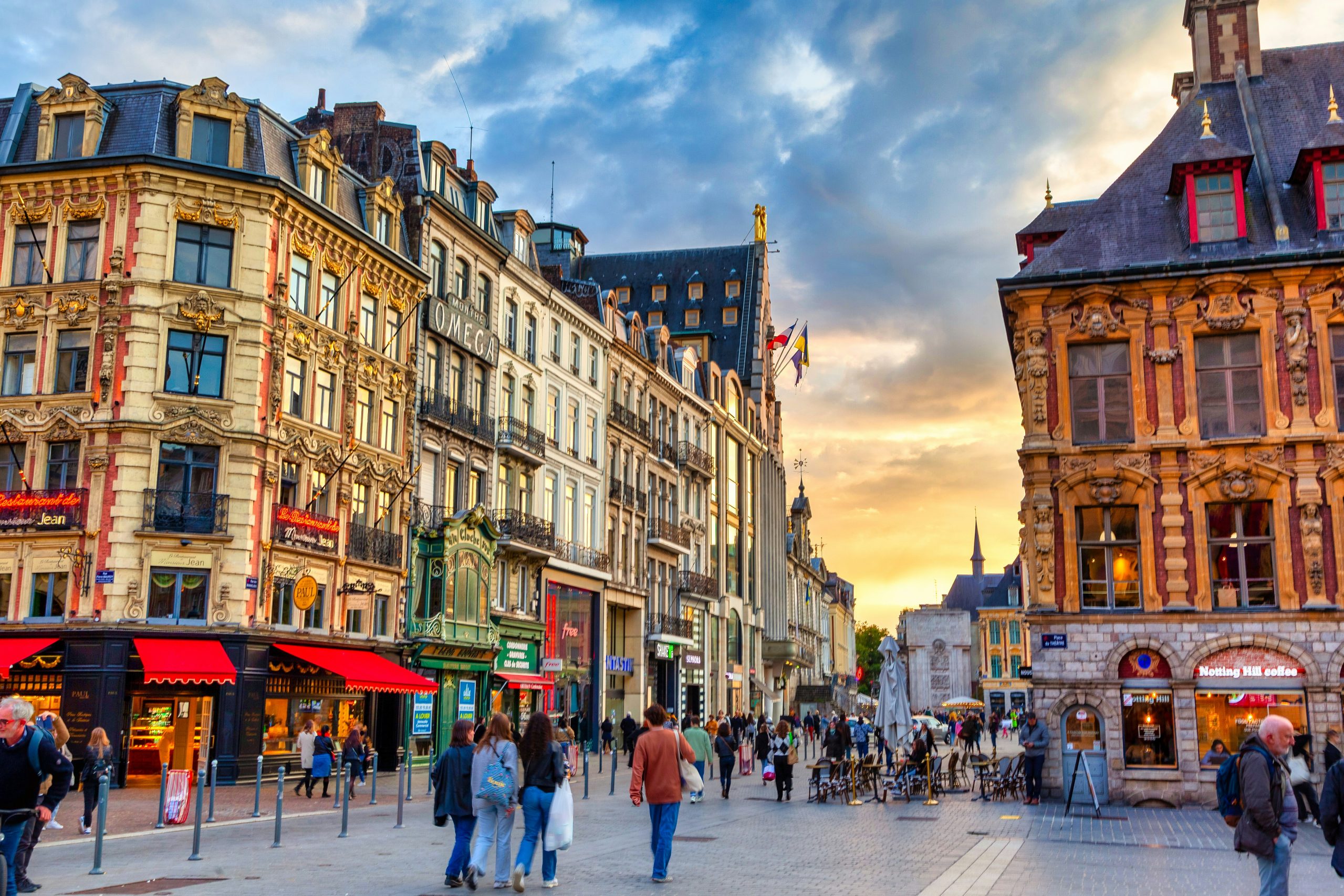
Flemish in feel and French by border: gabled brick houses, beer served in taverns rather than bars, and Europe's largest flea market once a year.
Lille was Flemish, then Spanish, then French from 1667, and the architecture never caught up with the politics. The Grand Place is ringed with Flemish Baroque gables, the Vieille Bourse is a seventeenth-century merchants' exchange built around a courtyard, and the whole old town is red and ochre brick rather than pale stone.
It drinks like Flanders too. The estaminet — a Flemish tavern serving beer, carbonnade and welsh — is the local institution, and the northern brewing tradition means proper beer lists in a country that mostly does not bother.
The Palais des Beaux-Arts is the second-largest fine art museum in France after the Louvre, which surprises people.
On the first weekend of September the whole city becomes the Braderie, Europe's largest flea market, with about two million visitors and mussel shells piled outside every restaurant.
Two days, and it is eighty minutes from London and an hour from Paris.
A compact brick centre between two stations, walkable throughout.
The old town: gabled brick streets, the best restaurants, boutiques and estaminets. Handsome and pricey.
Around the main square: the Vieille Bourse, both stations, shops and most of the beds.
South-west: a diverse working quarter with the city's best market and the cheapest food.
West near the citadel: student bars, a big park and cheaper rooms.
Orange labels are neighbourhoods, dots are the 5 top-rated hostels. Map © MapTiler © OpenStreetMap contributors.
The Palais des Beaux-Arts, about €7, is the second-largest fine art museum in France and holds Rubens, Goya, Delacroix and a set of eighteenth-century relief maps of fortified cities that are worth the ticket alone.
Walk Vieux-Lille. Flemish Baroque gables, brick and stone banding, and the Vieille Bourse — a merchants' exchange of 1653 built as twenty-four houses around a courtyard, now full of secondhand book stalls every afternoon. Free.
The Piscine at Roubaix, twenty minutes by metro and about €11, is an art deco swimming pool converted into a museum, with sculpture standing along the former bath. It is the best thing in the region.
The Citadelle, a Vauban star fort still in military use, sits in a large park that is free to walk.
Then get into an estaminet and order a carbonnade, which is beef slow-cooked in brown beer.
Vieux-Lille and the Grand Place cost nothing and are the point of the city.
The Vieille Bourse courtyard is free and holds secondhand book and record stalls most afternoons, plus chess players.
The Citadelle park is free and large, with the Vauban fortifications and a zoo that charges very little.
Wazemmes market on Sunday mornings is the biggest in the city and free to walk — produce, clothes, North African food and a genuine cross-section of Lille.
The Braderie on the first weekend of September is free to attend and turns the entire city into a flea market for about thirty-six hours.
Northern food, which means Flemish rather than French. Carbonnade flamande — beef braised in brown beer with gingerbread and mustard — is the dish, at €15 to €20.
Welsh is the other one: a slab of cheddar melted in beer over ham and bread, usually with chips, and it is as heavy as it sounds.
Moules-frites is the Braderie ritual, when restaurants compete to build the tallest pile of shells outside their door over the weekend.
Maroilles is the local cheese, washed-rind and genuinely pungent, and it turns up in tarts and sauces.
Beer is the drink — Ch'ti and the northern breweries, plus Belgian imports from across the border — at €4 to €6.50. A lunch formule is €13 to €18.
Student-heavy and beer-led. The Rue de Gand and Rue Royale in Vieux-Lille have the bars and the estaminets, and Rue Masséna near the university is the cheap student strip.
Beer is the point: proper Flemish and Belgian lists at €4 to €6.50, which is unusual in France and worth taking advantage of.
Cocktails are €8 to €12, and Vieux-Lille costs a euro or two more than Wazemmes or Vauban.
Term time from September to June is when the city is at full strength — there are around a hundred thousand students here.
The metro runs to about half past midnight, later at weekends.
Metro, tram and bus run on one ticket at about €1.80, with day tickets. The metro is fully automated and was among the first driverless systems anywhere.
The centre is walkable and the two stations are five minutes apart — Lille-Europe for Eurostar and TGV, Lille-Flandres for domestic and regional trains. Check which one your ticket says.
Eurostar reaches London in eighty minutes, Brussels is thirty-five minutes by train, and Paris an hour at €20 to €60.
That position makes Lille unusually good as a stop between three countries rather than a destination at the end of a line.
Roubaix and Tourcoing are on the metro, which is how you reach La Piscine.
Good value for northern Europe. Dorms are €20 to €35, a lunch formule €13 to €18, and a beer €4 to €6.50.
A day is €45 to €80.
Museums are cheap: the Palais des Beaux-Arts is about €7 and La Piscine about €11, both of which would cost double in Paris.
The Braderie weekend in early September is the exception — beds book out months ahead and prices rise sharply for two million visitors.
Being an hour from Paris and eighty minutes from London makes it a genuinely cheap add-on to a trip to either.
Lille is a safe city and the crime affecting visitors is petty theft.
Pickpocketing happens around both stations, on the metro and in the Wazemmes market crowds.
The area around Lille-Flandres and parts of Moulins are scruffier at night without being dangerous.
The Braderie is the one genuine crowd event: two million people over a weekend, streets closed, and dense enough that bags should be worn in front and groups should agree a meeting point rather than relying on phone signal, which struggles.
Welsh and carbonnade are heavy, and northern beers run stronger than they taste — Belgian imports across the border are frequently 8 or 9 per cent. Emergency number is 112.
Two countries and a mining basin, all within ninety minutes.
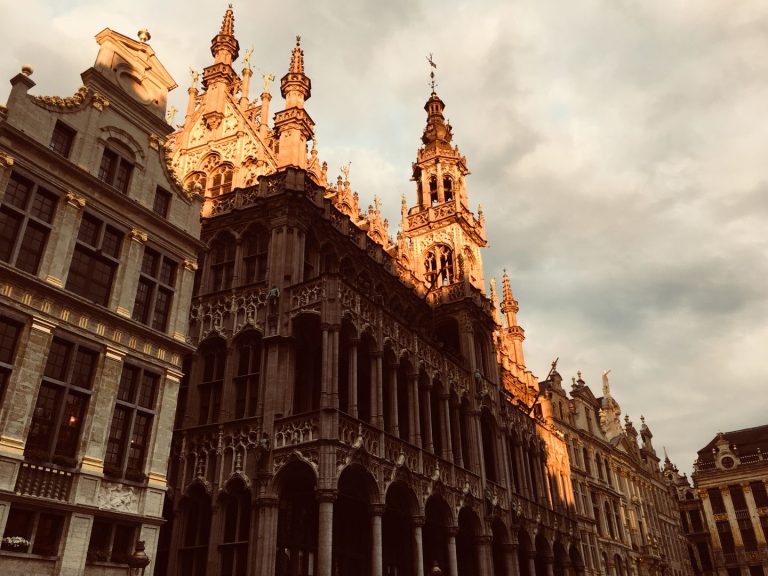
A different country for the afternoon: the Grand Place, art nouveau and better chips.
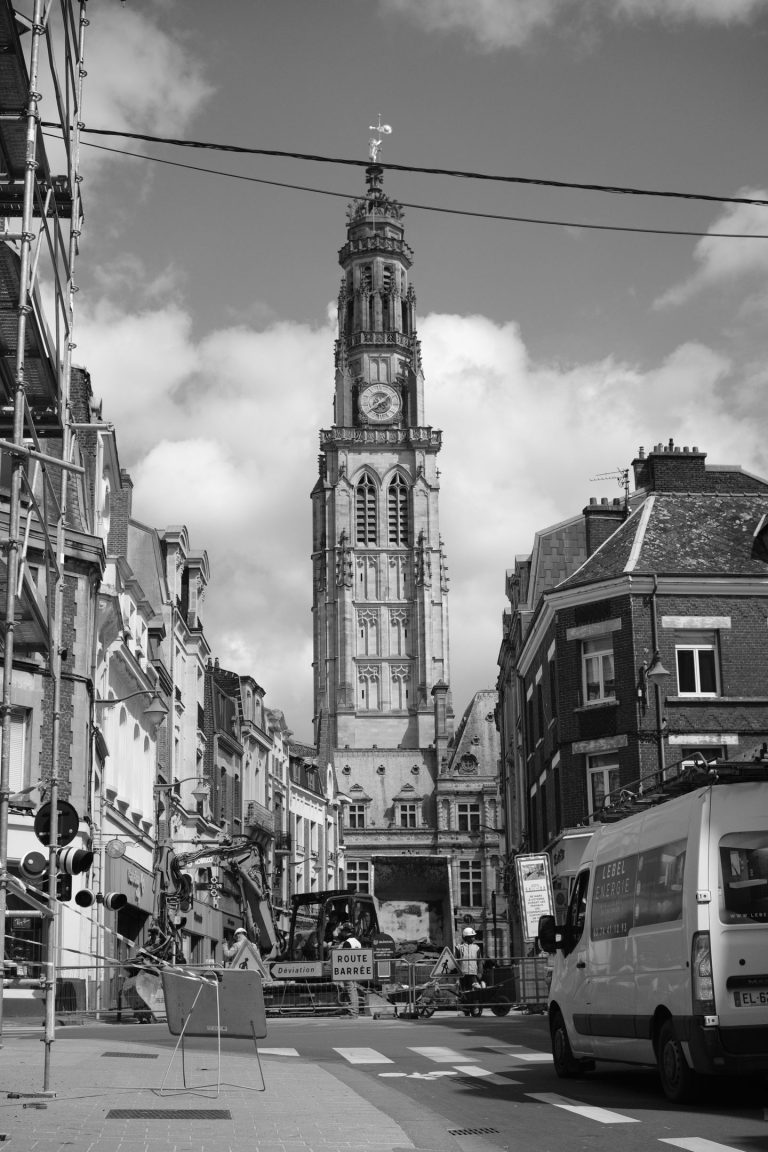
Two Flemish Baroque squares, tunnels under the city used in the First World War, and the Vimy Ridge memorial nearby.
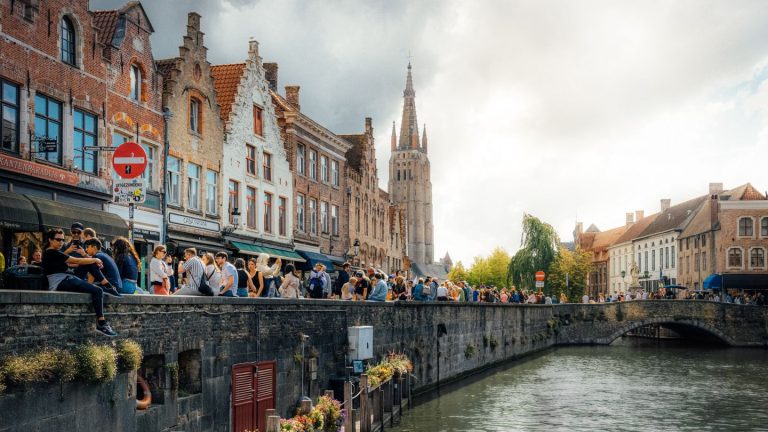
Medieval Flanders proper, and closer from here than from most of France.
Europe's largest flea market takes over the whole city in early September.
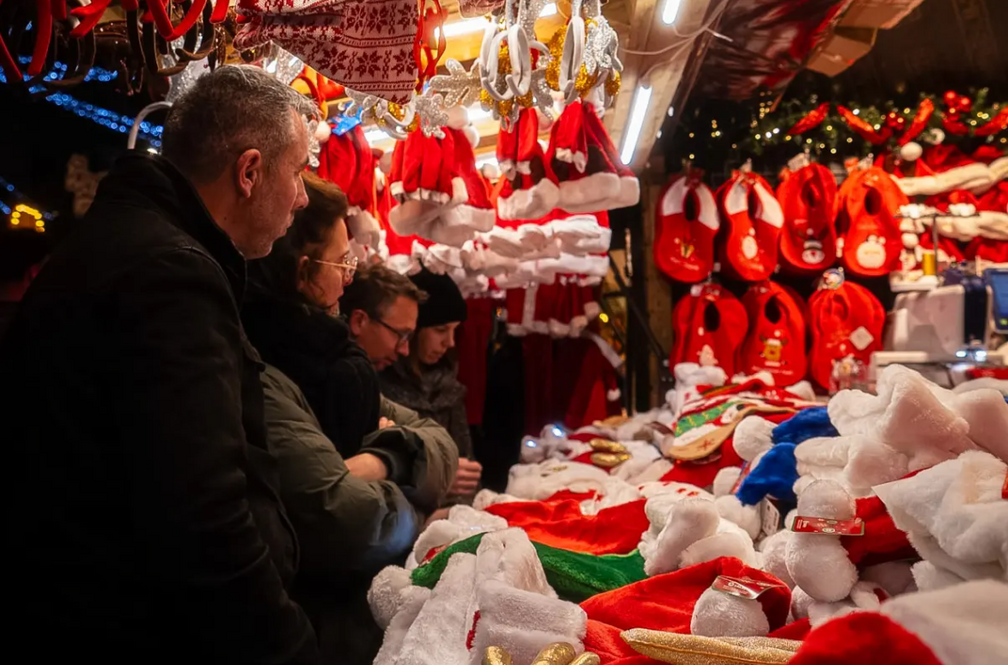 Staff pick
Each winter, Lille transforms into a festive wonderland as the Christmas Market fills the city center with sparkling lights, charming wooden chalets, and the…
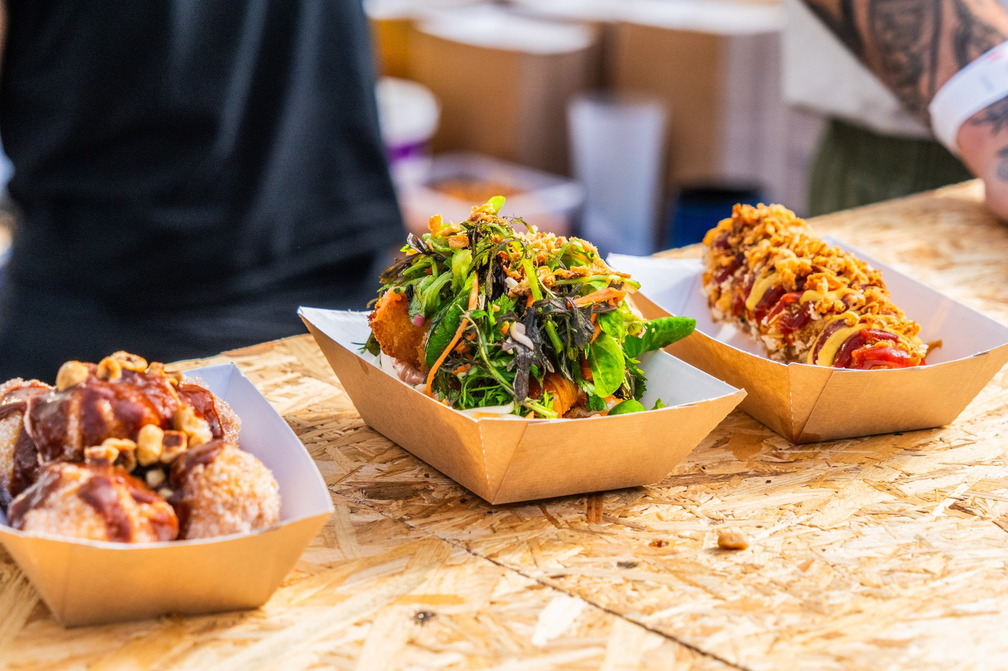 Staff pick
Discover a world of flavors at the Lille Street Food Festival, where food lovers gather to sample an array of creative street eats from…
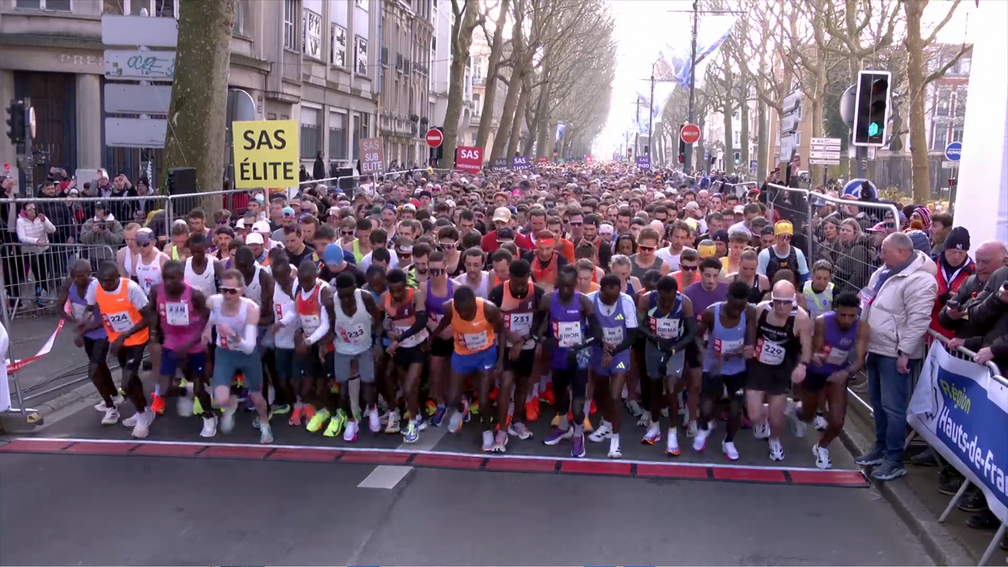 Staff pick
The Marathon International de Lille in Lille, France, is a celebrated road-running event that unites marathon, half-marathon, and 10 km races on the same…
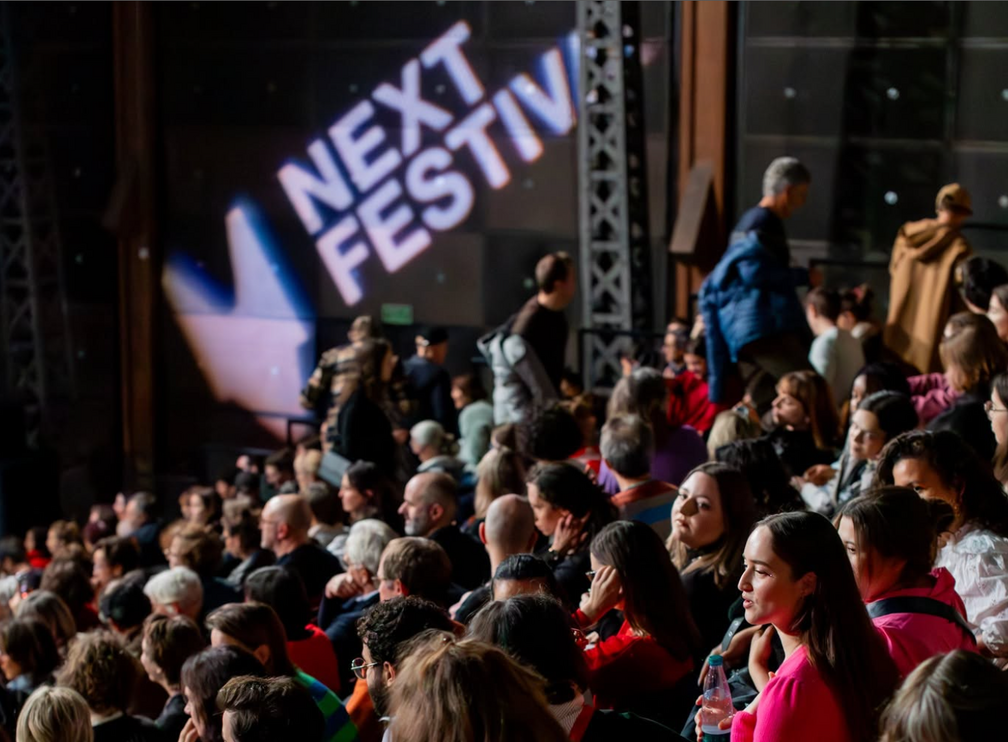 Staff pick
NEXT Arts Festival in Lille, France, is a renowned international event that brings together innovative theater, dance, and performance art from across Europe. Spanning…
 Staff pick
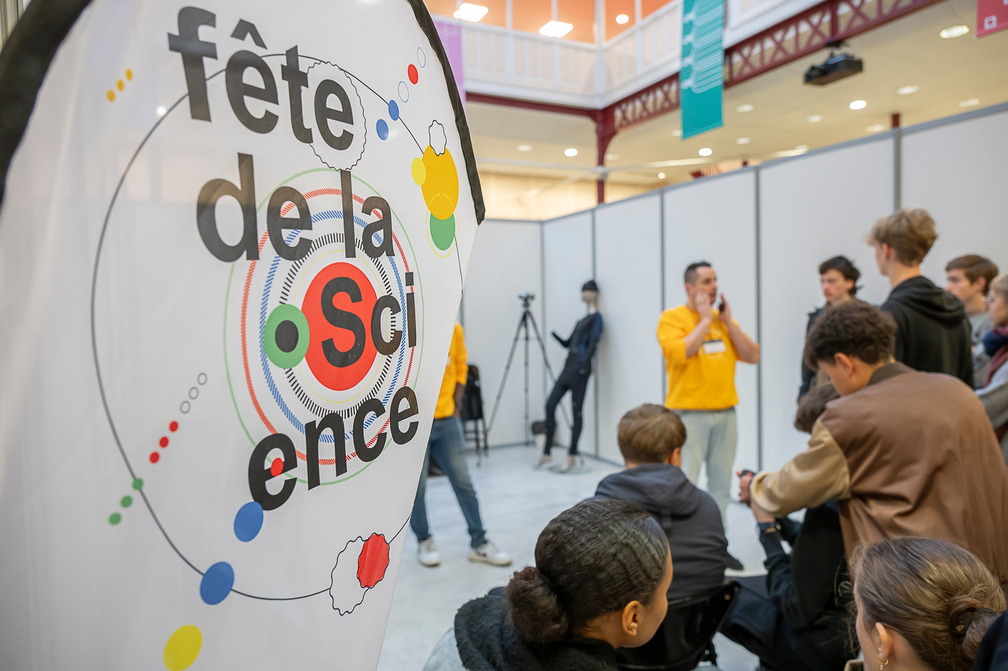
The University of Lille Science Festival offers a unique opportunity to explore the latest in scientific discovery through interactive workshops, engaging conferences, and open…
 Staff pick
Experience the excitement as Worlds Apart, the beloved pop group that defined the 90s, reunites for a special anniversary tour. Fans can look forward…
 Staff pick
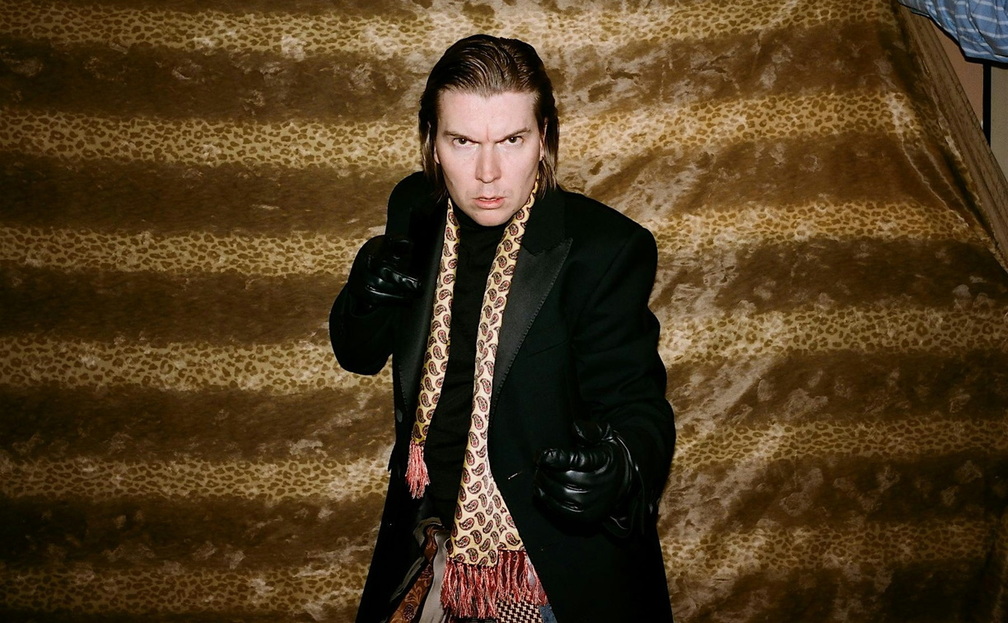
Experience the unique storytelling of Alex Cameron as he brings his sharp wit and modern crooner style to the stage. Known for his catchy…
 Staff pick
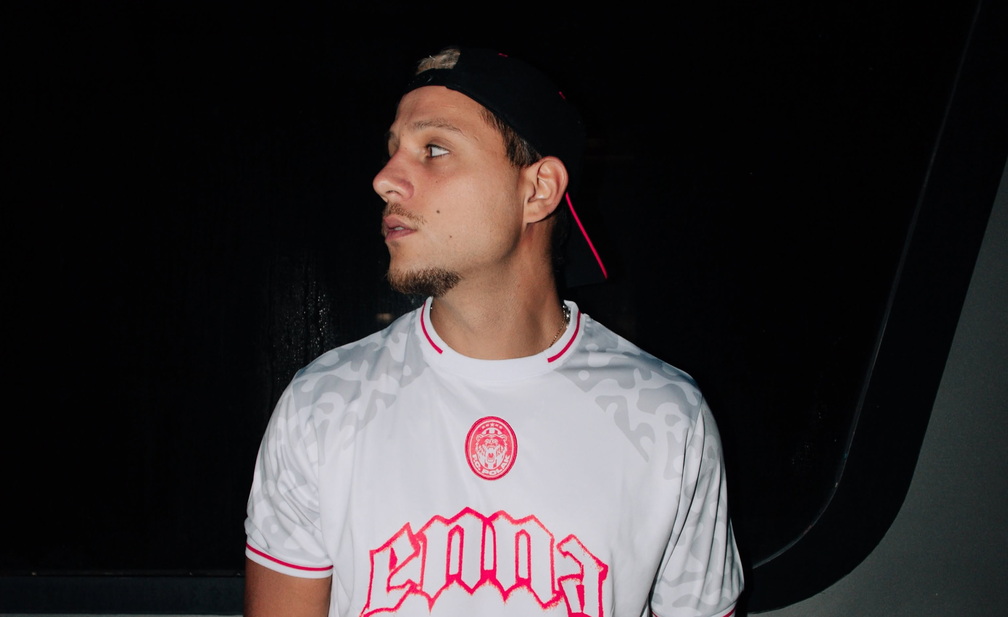
PLK, one of the most streamed French artists worldwide, brings his electrifying live show to Lille, delivering the energy and innovation that have made…
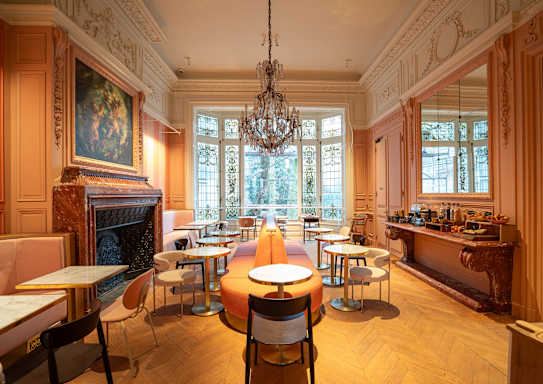
A modest scene near the centre and the stations, cheap except in Braderie week. Live from Hostelworld.
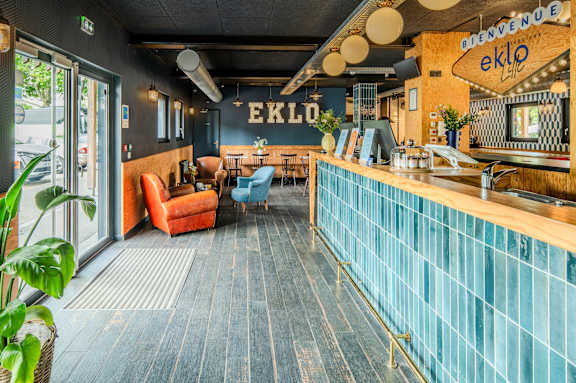
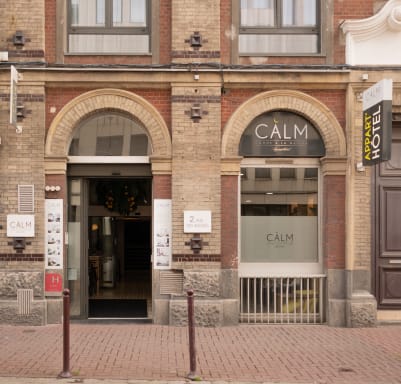
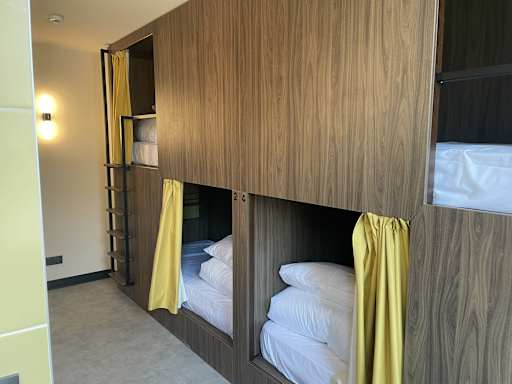 Sustainable
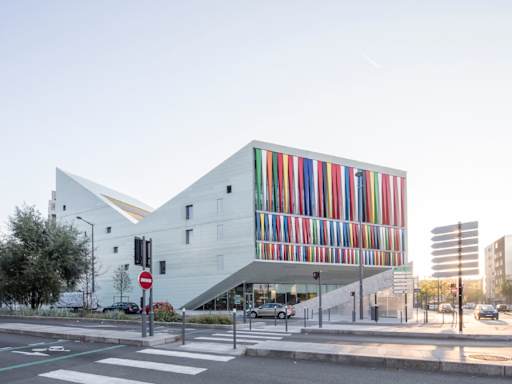 Sustainable
May, June and September. Early September is the Braderie, which is either the reason to come or the reason not to.
Average highs. Lille is the wettest and greyest of the major French cities, which is part of why so much of its life happens indoors in taverns.
Pick how you travel. Per person per night, in euros.
Braderie weekend runs well above these. The doing line is low because the museums here are unusually cheap.
The ones we get asked most.

Compare Lille hostels — live prices, real reviews and free cancellation on most bookings. Then meet the people already there in the app.

 Get the App.
 Get the App.