Centre
First-timersAround Amir Timur Square: metro stations, restaurants and bars on your doorstep.

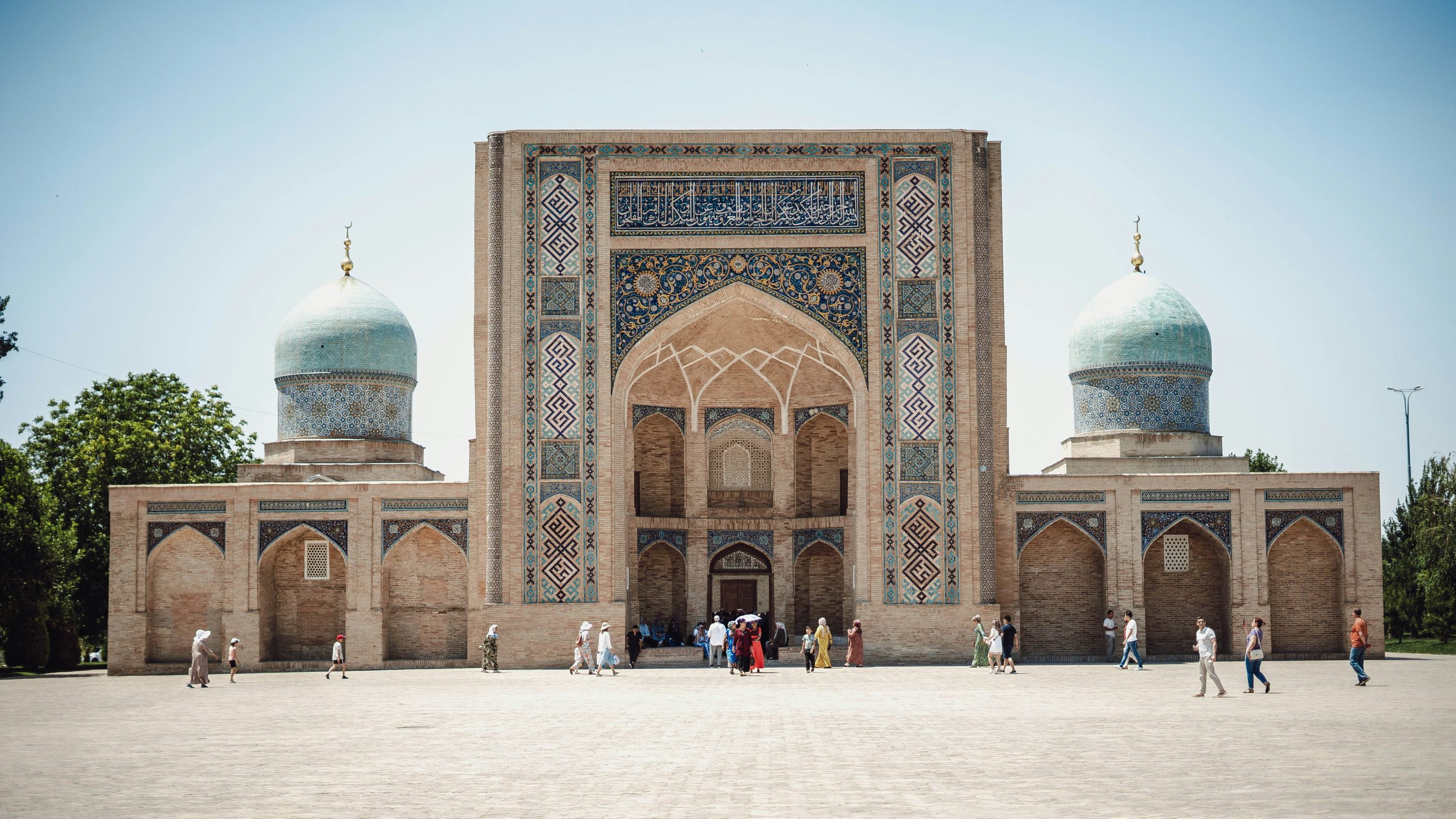
Central Asia's biggest city: metro stations like palaces, a vast domed bazaar, one of the oldest Qurans in the world, and the best plov in Uzbekistan cooked in giant cauldrons.
Tashkent is the largest city in Central Asia, with around three million people. An earthquake destroyed much of it in 1966, and it was rebuilt as a Soviet showpiece of wide avenues, fountains, parks and monumental buildings. Today it is modern, green and busy, with the best food, bars and cafes in the country.
Its metro stations are among the most beautiful in the world, decorated with chandeliers, marble and mosaics, and a ride costs less than 20 cents.
Most trips to Uzbekistan start here, and the high-speed trains to Samarkand, Bukhara and Khiva leave from here. Two days is right.
Stay in the centre, near Amir Timur Square.
Around Amir Timur Square: metro stations, restaurants and bars on your doorstep.
Orange labels are neighbourhoods, dots are the 12 top-rated hostels. Map data from OpenStreetMap contributors.
Ride the metro and get off at the best stations. Kosmonavtlar is a blue space-age hall with portraits of cosmonauts, and Alisher Navoi has domed ceilings in the style of a madrasa. A ride costs 1,700 som by bank card or transport card, or 3,000 in cash.
In the old town, wander Chorsu Bazaar, under its huge green dome, for spices, dried fruit, bread and fresh produce. Then walk to the Hazrati Imam (Khast Imam) complex, whose library holds the Uthman Quran, a seventh-century copy and one of the oldest in the world.
Eat plov at lunchtime at the Central Asian Plov Centre (Besh Qozon), where it is cooked in giant cauldrons and is usually gone by mid-afternoon.
See the carved plaster and woodwork of the Museum of Applied Arts, housed in a nineteenth-century diplomat's home, and walk from Amir Timur Square through the centre in the evening.
Chorsu Bazaar is free to wander and the best place to people-watch in the city. Come in the morning, when it is busiest.
The Hazrati Imam square, with its madrasa and mosques, is free to walk around, and so are the city's big parks and squares. Amir Timur Square and the fountains around Independence Square are at their best in the evening.
The metro isn't free, but at 1,700 som (about 12 cents) a ride by card, it is the cheapest sightseeing in Tashkent.
Plov, rice cooked with carrots, meat and chickpeas, is the national dish. Tashkent people eat it at lunchtime, and the best places sell out by mid-afternoon. Samsa, shashlik, lagman and round non bread are everywhere.
Chorsu Bazaar is the place for cheap street food, fresh bread and dried fruit. Tashkent also has the country's widest choice of restaurants, from Korean and Georgian to modern Uzbek.
A meal is €3 to €8 (about 40,000 to 110,000 som), and more in smart restaurants.
Tashkent has the best nightlife in Uzbekistan, and most of it is in the centre: craft beer bars, rooftop bars, cocktail places and a handful of clubs that run late at weekends.
Evenings start late, and summer nights are spent outdoors in the parks and on the terraces. A beer is €2 to €4, and more in hotel bars.
The airport is about 20 minutes from the centre. Use Yandex Go for taxis: it is cheap and saves haggling.
The metro covers most of the city. A ride costs 1,700 som with a bank card or ATTO transport card, or 3,000 in cash, and a rise in the card fare has been proposed, so check before you go.
Afrosiyob high-speed trains reach Samarkand in about two hours and Bukhara in about four. Since May 2026 the Jaloliddin Manguberdi high-speed train also reaches Khiva in about 7.5 hours, leaving on Tuesdays, Thursdays and Saturdays. Tickets go on sale 30 to 45 days ahead on the Uzbekistan Railways website or app, and they sell out.
Tashkent is cheap, though a little pricier than the Silk Road cities. Dorms start around €8 and a careful day costs €20 to €30.
The currency is the som (UZS): about 13,700 to the euro, paid in thick bundles of notes. Cards are widely accepted in Tashkent, more than anywhere else in the country, and ATMs are easy to find. Stock up on cash here before you head to the smaller cities.
Tashkent is very safe. Your accommodation registers you with the authorities; keep the registration slips, as they can be checked when you leave the country.
Traffic is the biggest hazard: cross at crossings or use the underpasses. Summer days often pass 35°C, so sightsee in the morning and evening.
Emergency: 102 police, 103 ambulance, 101 fire.
Mountains an hour or two away, and the Silk Road by fast train.
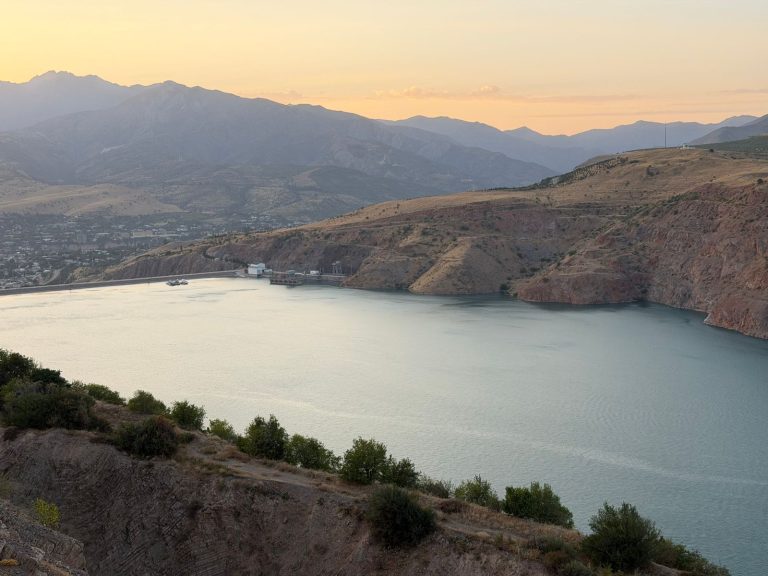
The western Tian Shan mountains and the turquoise Charvak reservoir: hiking in summer, skiing in winter, and the cable car at Amirsoy.
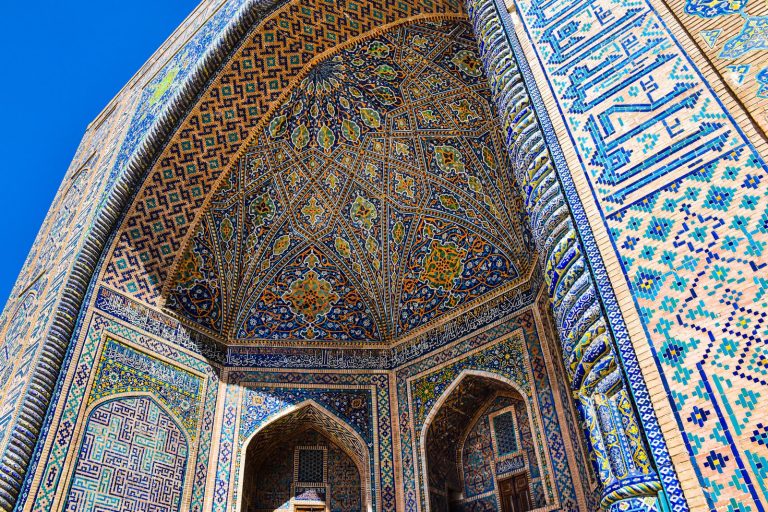
The Registan, Timur's tomb and Shah-i-Zinda. A long day trip, but it deserves two nights.
Navruz, the spring new year, is the biggest festival.
The spring new year.
Celebrations.
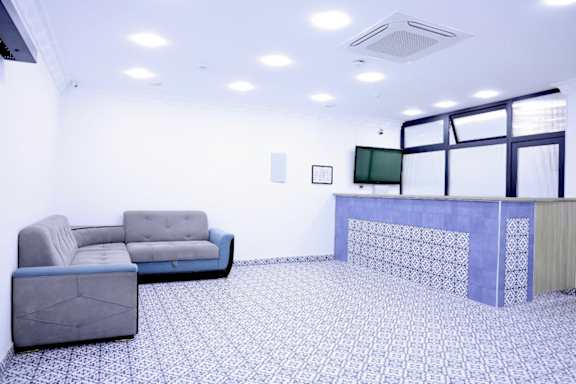
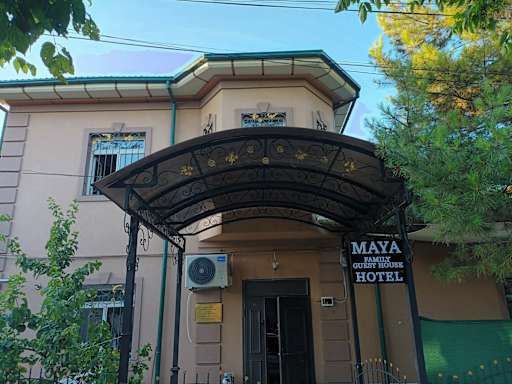
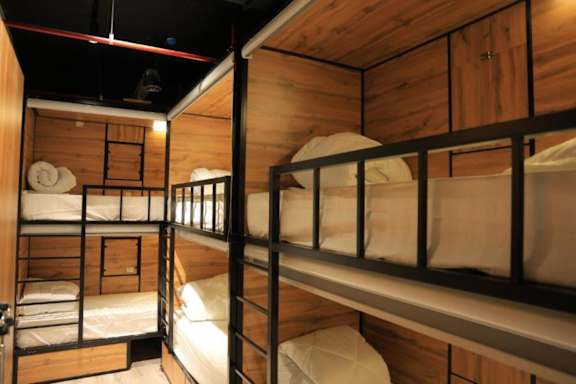
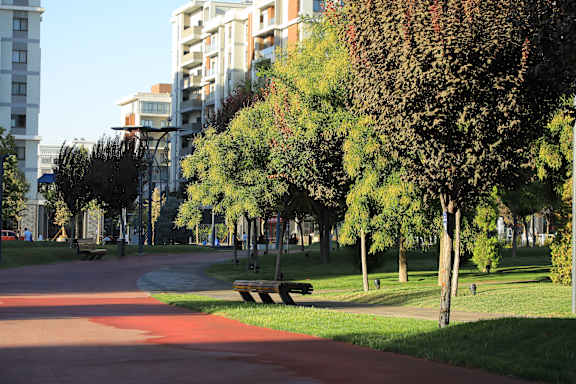
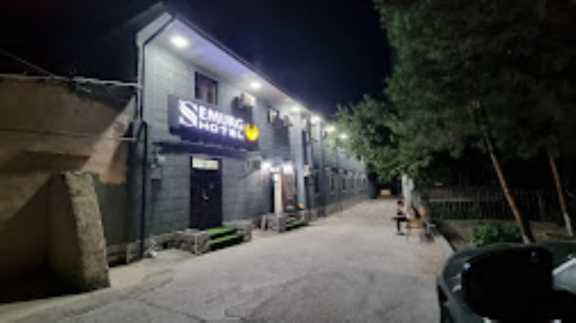
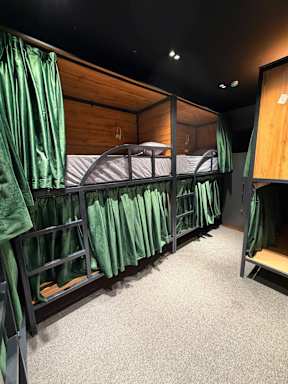
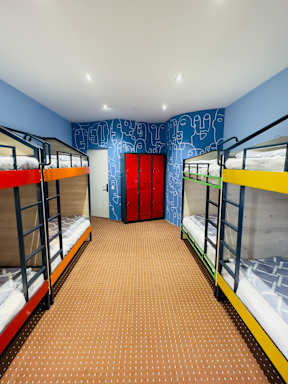
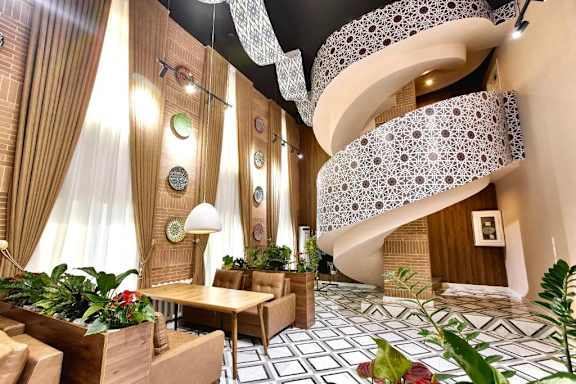
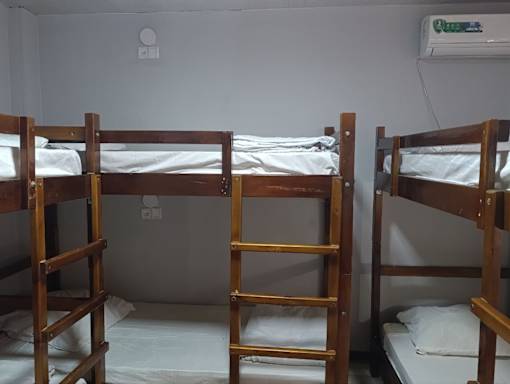
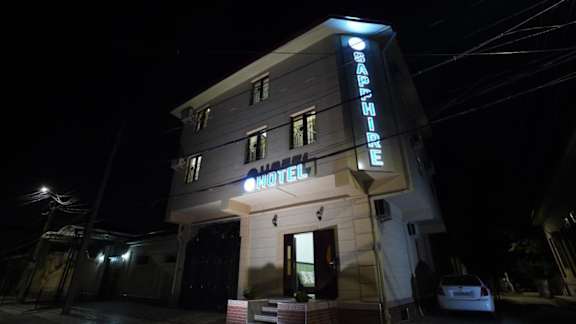
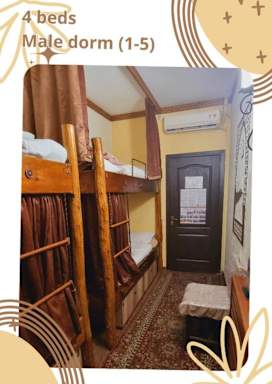
The top-rated places to stay in Tashkent right now, live from Hostelworld.
 Sustainable
 Sustainable
 Sustainable
 Sustainable
 Sustainable
 Sustainable
 Sustainable
Go in April and May or September and October. July and August often pass 35°C.
Average highs.
Pick how you travel. Per person per night, in euros.
Prices are in som locally; these are euro equivalents.
The ones we get asked most.

Compare Tashkent hostels — live prices, real reviews and free cancellation on most bookings. Then meet the people already there in the app.

 Get the App.
 Get the App.