Hwangnidan-gil
First-timersHanok-style cafés, bakeries and guesthouses right beside the Daereungwon tombs, a short walk or ride from most sights.

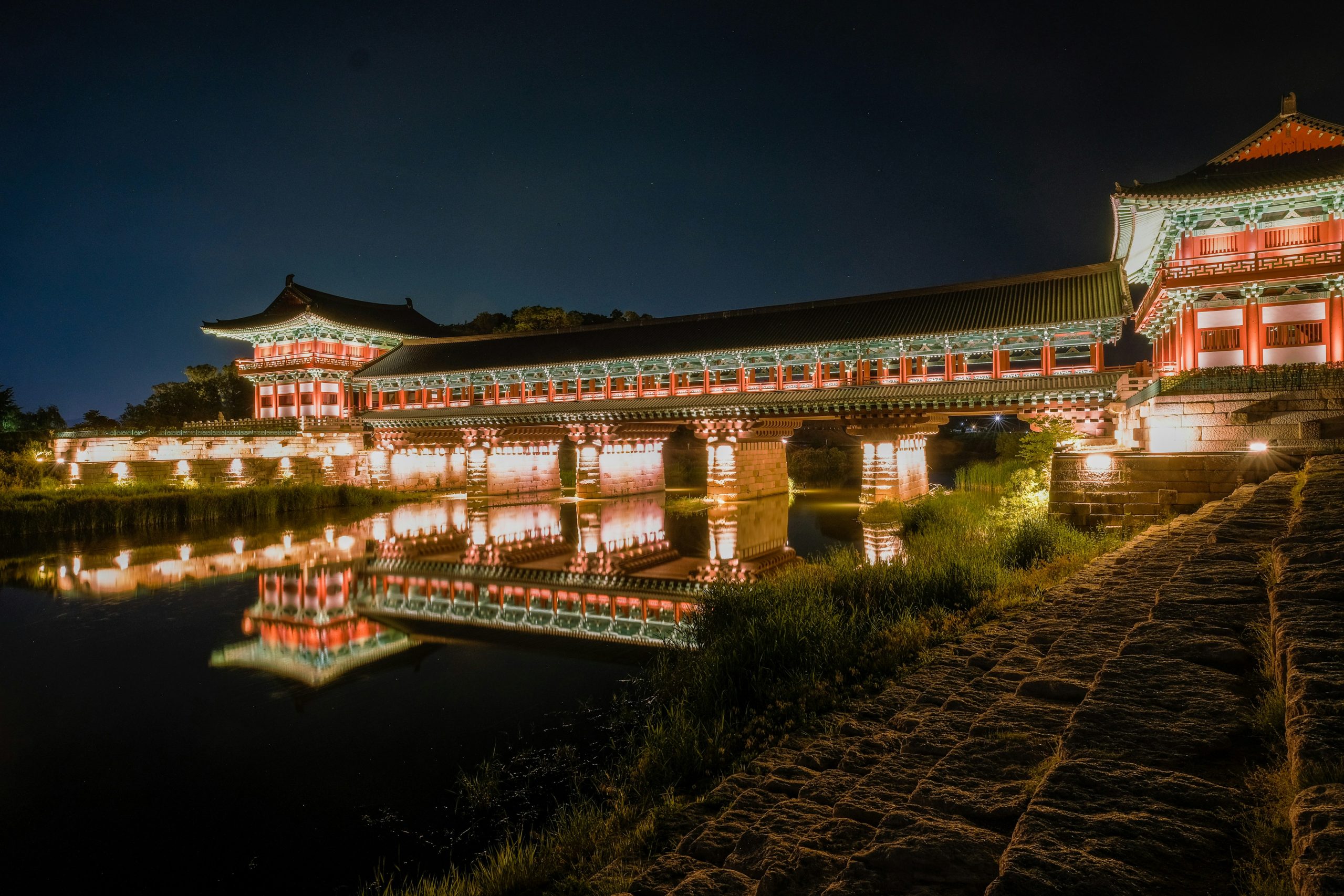
The capital of the Silla kingdom for a thousand years: grassy royal burial mounds in the middle of town, an ancient observatory, a palace pond lit at night, and Korea's most famous temple.
Gyeongju was the capital of the Silla kingdom for almost a thousand years, from 57 BCE to 935 CE, one of the longest-ruling dynasties in history. Its tombs, temples, palace sites and stone pagodas are packed so densely that it is called a museum without walls, and much of it is a UNESCO World Heritage Site.
It is a small, low-rise city, with grassy royal burial mounds rising between the houses and cafés. Most sights are flat and close together, so it is easy, and pleasant, to see by bicycle.
Two days is right: one in town among the tombs and the lit-up palace pond, and one for Bulguksa Temple and the Seokguram Grotto in the hills.
Stay near Hwangnidan-gil or the tomb park.
Hanok-style cafés, bakeries and guesthouses right beside the Daereungwon tombs, a short walk or ride from most sights.
Orange labels are neighbourhoods, dots are the 3 top-rated hostels. Map data from OpenStreetMap contributors.
Start at Daereungwon, a park of 23 grassy royal burial mounds in the middle of town. The park is free and open until 10pm. Step inside Cheonmachong (3,000 won), the only tomb you can enter, where a famous painting of a flying horse was found.
Walk on to Cheomseongdae, a seventh-century stone observatory, one of the oldest in Asia (free). Keep going to Donggung Palace and Wolji Pond (3,000 won), the remains of a Silla palace, and go after dark, when the pavilions are lit and reflected in the water.
Spend your second day in the hills. Take bus 10 or 11 (35 to 50 minutes) to Bulguksa, Korea's most famous temple, with stone terraces and pagodas from the eighth century. From there, take bus 12 or hike about an hour up to Seokguram Grotto, where a granite Buddha looks out towards the sea. Both are UNESCO-listed and both have been free since 2023.
The Gyeongju National Museum, with Silla gold crowns and the giant Emille Bell, is free too. Yangdong Folk Village (4,000 won), a living village of Joseon-era houses, makes a good half-day.
Gyeongju is one of the best-value cities in Korea, because many of its main sights are free. Bulguksa Temple and Seokguram Grotto stopped charging entry in 2023.
The Daereungwon tomb park, the Cheomseongdae observatory and the fields of wildflowers around it, and the Gyeongju National Museum all cost nothing.
Bomun Lake, lined with cherry trees, is free to walk or cycle around and is spectacular in early April.
Gyeongju bread (Hwangnam-ppang), a small round bun filled with sweet red bean paste, is the city's souvenir, about 1,400 won each and baked fresh along the main road. Chalboribbang, barley pancakes with bean filling, are the other snack.
Ssambap is the local meal: rice with a big basket of leaves for wrapping, plus a spread of side dishes. Hwangnidan-gil, next to the tombs, is full of cafés in hanok buildings, with fancy pastries and soufflés.
A meal is €6 to €12 (about 9,000 to 18,000 won), and there's no tipping.
Gyeongju is quiet at night. The evening plan is a walk through Daereungwon and Cheomseongdae, both open and lit until 10pm, and on to the reflections at Wolji Pond.
Hwangnidan-gil has a few bars and cafés that stay open later. A beer is €3 to €5.
KTX trains from Seoul reach Gyeongju Station, on the edge of town, in a little over two hours. Buses 60 and 61 take you into the centre in about 20 minutes. Intercity buses run to Busan in about an hour.
In town, rent a bicycle: the city bike scheme costs 1,000 won for 24 hours, and the old town is flat. For Bulguksa, take bus 10 or 11 (35 to 50 minutes), then bus 12 up to Seokguram.
Gyeongju is cheap for Korea. Dorms start around €15 and a careful day costs €30 to €45.
Entry fees are tiny or free. Bulguksa, Seokguram, Daereungwon and the National Museum cost nothing, and Cheonmachong and Wolji Pond are 3,000 won each.
The currency is the won (KRW): about 1,530 to the euro. Cards work almost everywhere and there's no tipping. A T-money card covers buses and convenience stores.
Gyeongju is very safe. If you are cycling, use the bike paths where you can and take care on the roads around Bomun Lake and Bulguksa, which are busy with tour buses at weekends.
Cover up a little and stay quiet inside temple halls, and don't take photos of the Buddha at Seokguram, as it isn't allowed.
Emergency: 112 police, 119 fire and ambulance. 1330 is the free tourist helpline, in English.
Korea's most famous temple in the hills above town, and the coast at Busan.
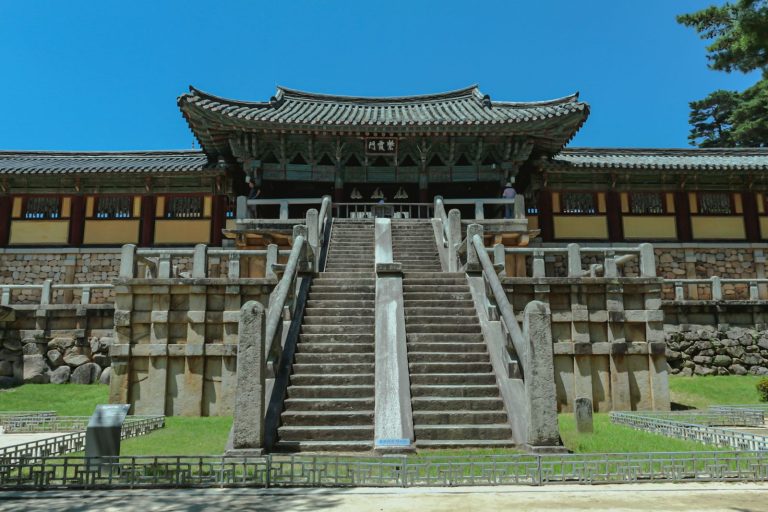
An eighth-century temple of stone terraces and pagodas, and a granite Buddha in a mountain grotto. Both UNESCO-listed and free.
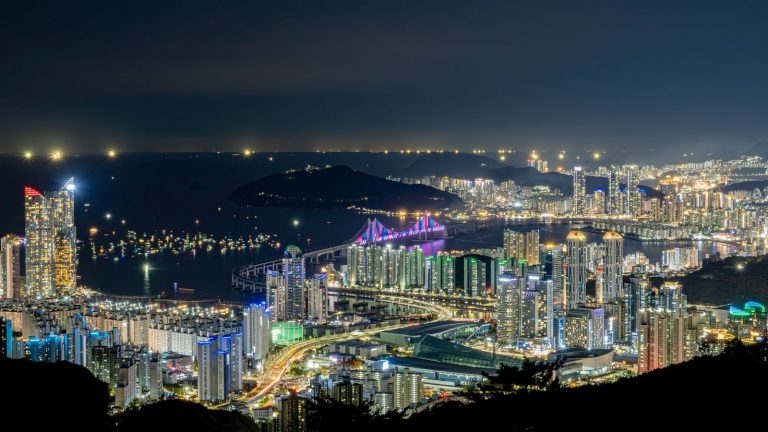
Beaches, fish markets, painted hillside villages and a temple on the rocks above the sea.
Cherry blossom around Bomun Lake is famous.
Blossom around the lake.
Historic parades.
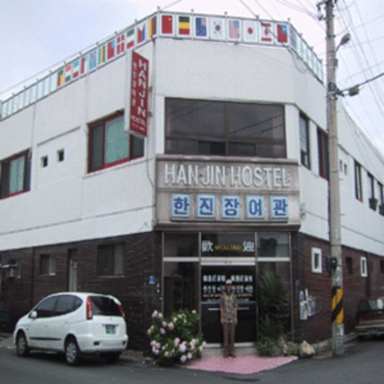
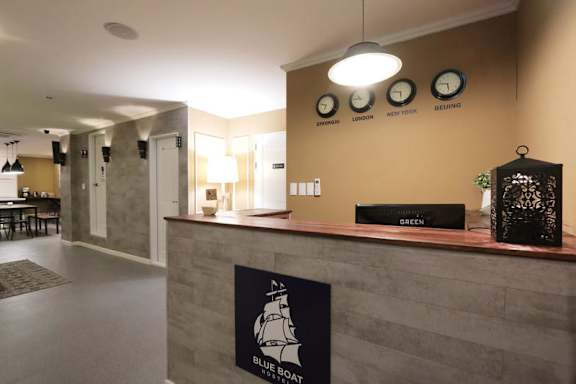
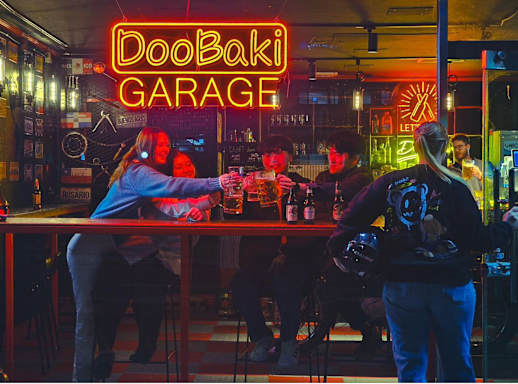
The top-rated places to stay in Gyeongju right now, live from Hostelworld.
Early April for cherry blossom around Bomun Lake and the tombs; late October and November for autumn colour at Bulguksa.
Average highs.
Pick how you travel. Per person per night, in euros.
Prices are in won locally; these are euro equivalents.
The ones we get asked most.

Compare Gyeongju hostels — live prices, real reviews and free cancellation on most bookings. Then meet the people already there in the app.

 Get the App.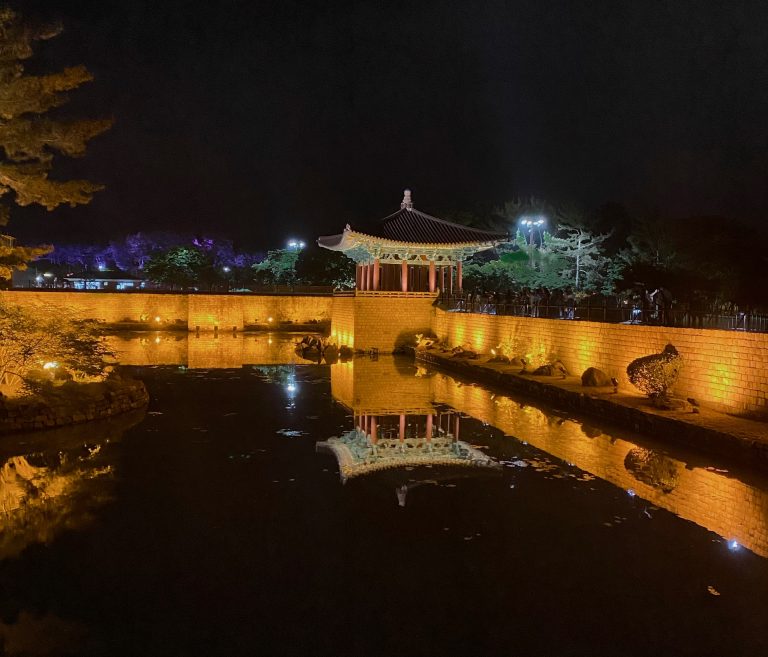
 Get the App.