Zona Velha
Atmosphere and nightlifeThe old town by the sea: painted doors, the market, most of the bars and the cable car station.

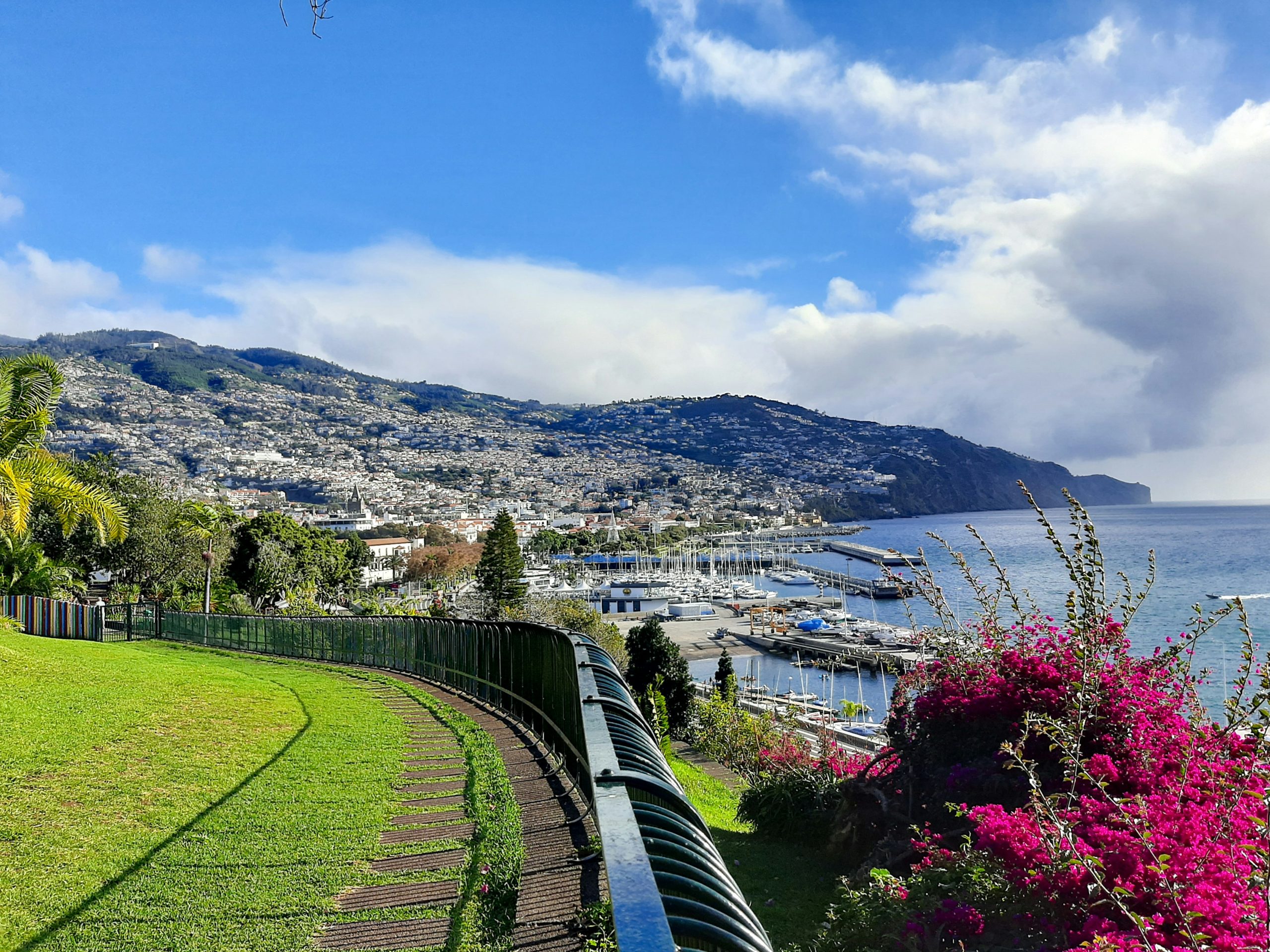
A city in an amphitheatre of mountains, with levada walks starting at the bus stop, a cable car to a village above it, and wicker toboggans steered by men in straw hats.
Funchal sits in a bowl of mountains on Madeira's south coast, with the old town at sea level and the suburbs climbing so steeply that a cable car is public transport.
Madeira is volcanic, subtropical and 500km from the African coast, which gives it a climate that barely moves: 18 to 25 degrees all year, and everything grows. The island's levadas — irrigation channels cut into the mountains from the sixteenth century onwards — run for over two thousand kilometres and double as the best walking network in Portugal.
Funchal itself takes two days. The island needs four or five, and most people who come for a weekend wish they had brought boots.
The city climbs, so the question is how much of it you want to walk up at the end of the night.
The old town by the sea: painted doors, the market, most of the bars and the cable car station.
Around the cathedral: flat, central, walkable to everything and close to the seafront promenade.
West along the promenade: lido pools, hotels, sunset bars and a flat walk into town.
Six hundred metres up, reached by cable car, with gardens, cooler air and the toboggan run down.
Orange labels are neighbourhoods, dots are the 4 top-rated hostels. Map © MapTiler © OpenStreetMap contributors.
Take the cable car to Monte, 600 metres above the city, for the gardens and the view. Coming down, the wicker toboggans — two men in straw hats and rubber-soled boots steering a basket sledge down two kilometres of public road — cost about €30 for two and are exactly as absurd as they sound.
The Mercado dos Lavradores is the city market: fruit you will not recognise, scabbardfish with teeth, and vendors who will cut you an expensive slice of something before you agree to buy it.
The old town's painted doors run along Rua de Santa Maria, a project that turned a decaying street into the busiest one in the city.
Levada walks start from bus routes all over the island, and the 25 Fontes and Levada do Caldeirão Verde are the classics.
The seafront promenade runs several kilometres west from the old town past the lido pools and costs nothing.
Rua de Santa Maria's painted doors, the cathedral, and the old town generally are free to walk.
The Santa Catarina park has the best free view over the harbour, and the levadas cost only the bus fare to reach them, plus a €3 trail fee that non-residents have paid on the official routes since 2025.
Swimming in the natural lava pools at Doca do Cavacas, west of the centre, is free, and the sea is swimmable most of the year.
Espetada is the Madeiran dish: beef rubbed with garlic and bay, skewered on a laurel stick and hung over the table to drip onto the bread below. It costs €14 to €20 and is meant to be shared.
Espada com banana — black scabbardfish with fried banana — sounds wrong and works, and the fish is caught at 800 metres and only exists here and in Japan.
Bolo do caco, a flat bread cooked on a stone and served with garlic butter, comes with everything and is worth ordering on its own.
Poncha is the drink: sugarcane spirit, honey and lemon, mixed with a wooden stick called a caralhinho, and considerably stronger than it tastes. Madeira wine is the other one, fortified and deliberately heated during production.
The Zona Velha is where it happens: Rua de Santa Maria and the streets off it are wall-to-wall bars, busy from about ten, with poncha as the standard order.
It is relaxed rather than raucous, and the crowd is a mix of locals, long-stay visitors and a much older demographic than mainland Portuguese cities.
Lido has sunset bars along the promenade, and a handful of clubs run late at weekends.
New Year in Funchal is a serious event — the harbour fireworks were once a world record holder and the island fills for it.
City buses are cheap and cover Funchal well, with a single fare around €1.95 and a day pass about €4.50. Long-distance buses reach most of the island from the centre, though services to the north are sparse and rarely convenient for a day return.
The cable car to Monte costs about €11 one way and €18 return, and functions as transport rather than just a ride.
A hire car is the sensible way to see the island: €30 to €50 a day, mountain roads with hairpins and tunnels, and parking in Funchal that is difficult and paid.
Taxis and Bolt work in the city. Levada walk transfers and guided walks are widely sold and useful where the start and end points differ.
Funchal is mid-priced by Portuguese standards: more than Braga, less than Lisbon. Dorms are €18 to €30, an espetada is €14 to €20 and shareable, and a poncha is €3 to €5.
A day is €45 to €65.
The fixed costs are the cable car at €18 return, the toboggan at €30 for two, and either a hire car at €30 to €50 a day or guided levada walks at €35 to €55. The walking itself is free, which is the point of the island.
Funchal is very safe and Madeira has among the lowest crime rates in Portugal.
The levadas are where people get hurt. Many run along unfenced drops, some go through unlit tunnels, and rockfalls close sections regularly. Check whether your route is open before setting out, carry a head torch for the tunnel walks, and do not attempt the exposed ones in rain or fog.
The sea has strong currents and Madeira's beaches are mostly pebble or rock with sudden shelves. The lido pools and lava pools are the safer swims.
Mountain weather changes fast and the north of the island can be in cloud while Funchal is in sun. Emergency number is 112.
The island is small and the north is a different climate entirely.
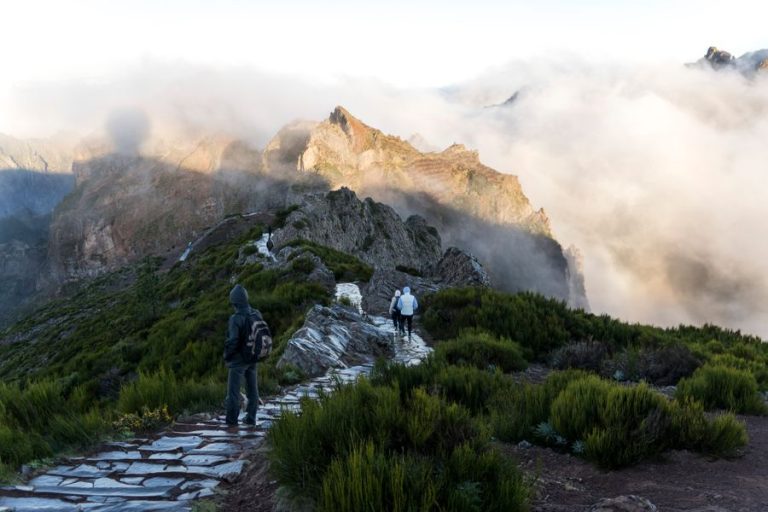
The ridge walk between the island's two highest peaks, through tunnels and along stairs cut into the rock. The best walk in Portugal, and exposed.
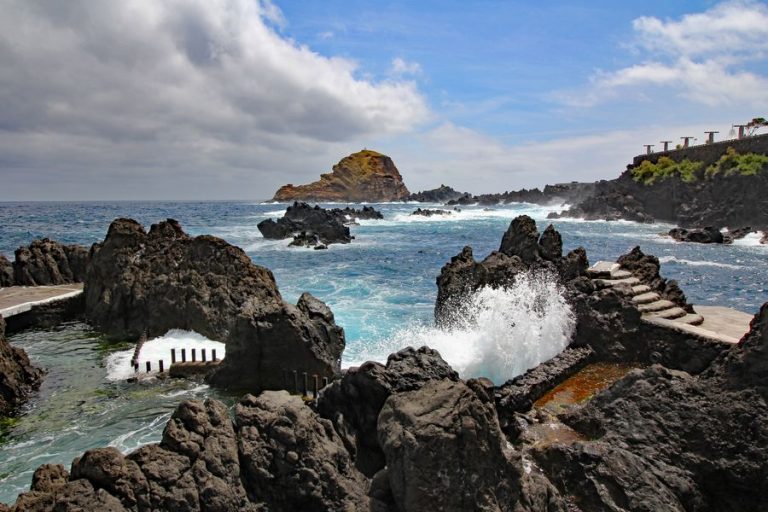
Natural volcanic swimming pools on the north-west coast, filled by the Atlantic and walled by lava.
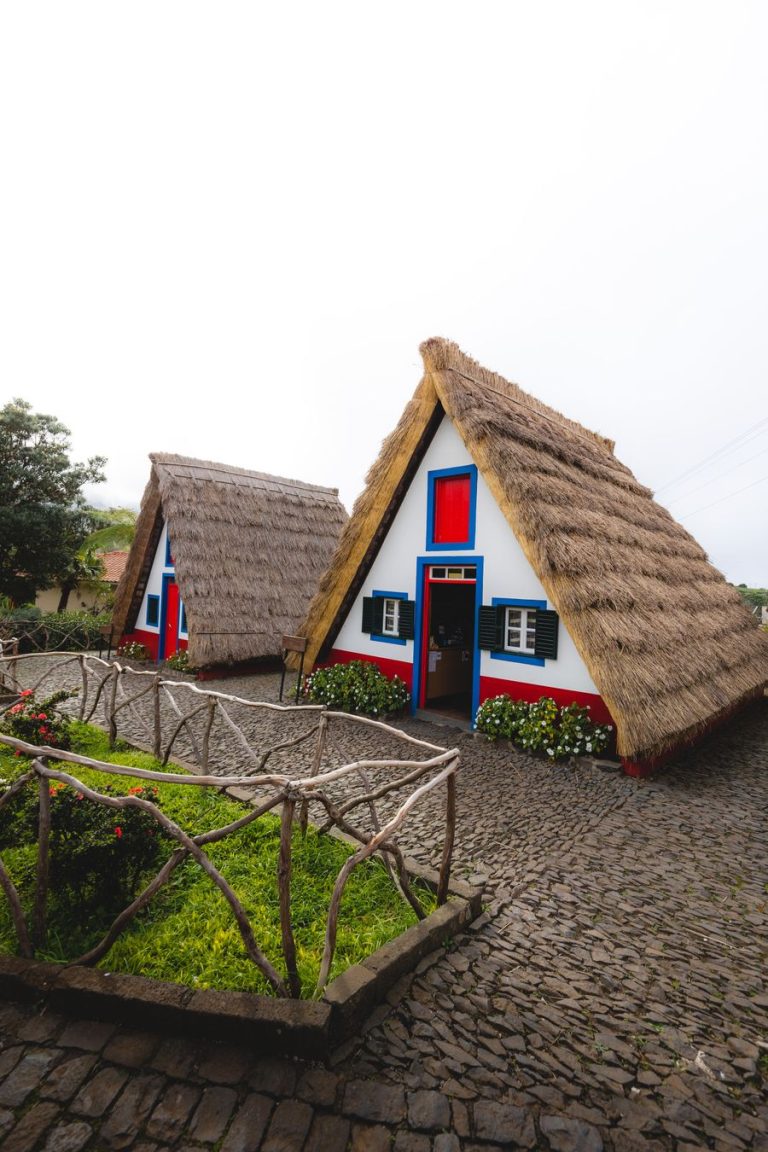
Triangular thatched houses on the north coast, and the trailhead for the Caldeirão Verde levada.
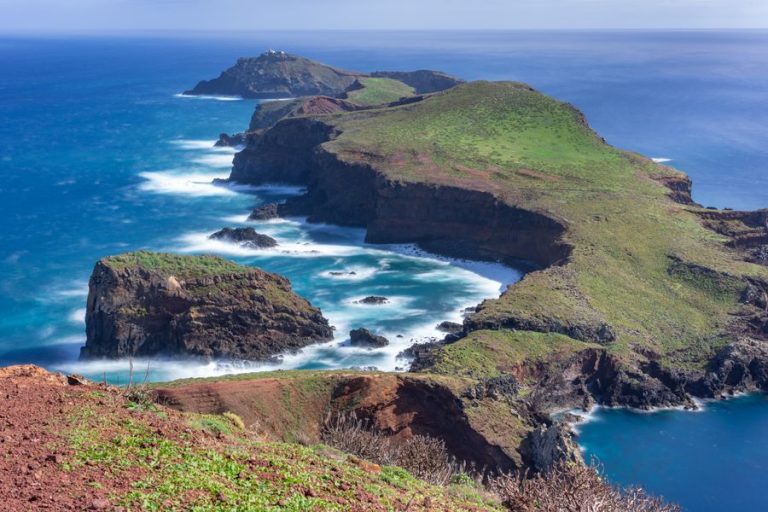
A bare volcanic peninsula with a coastal path, red cliffs and no shade at all.
Two of these fill every bed on the island.
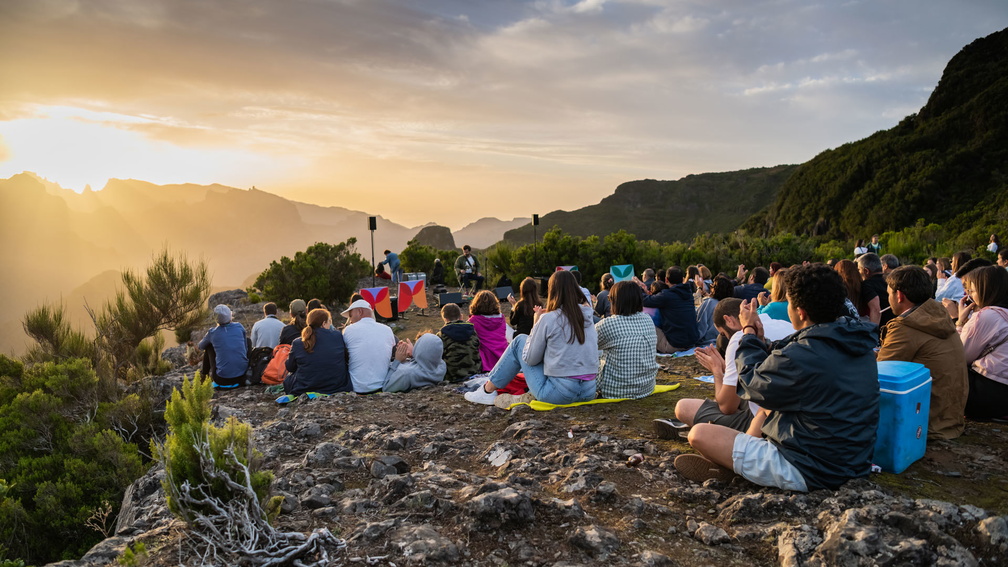 Staff pick
The Nature Festival in Madeira celebrates adventure, outdoor sports, and deep connection with the island’s dramatic landscapes, from mountains and valleys to open sea.…
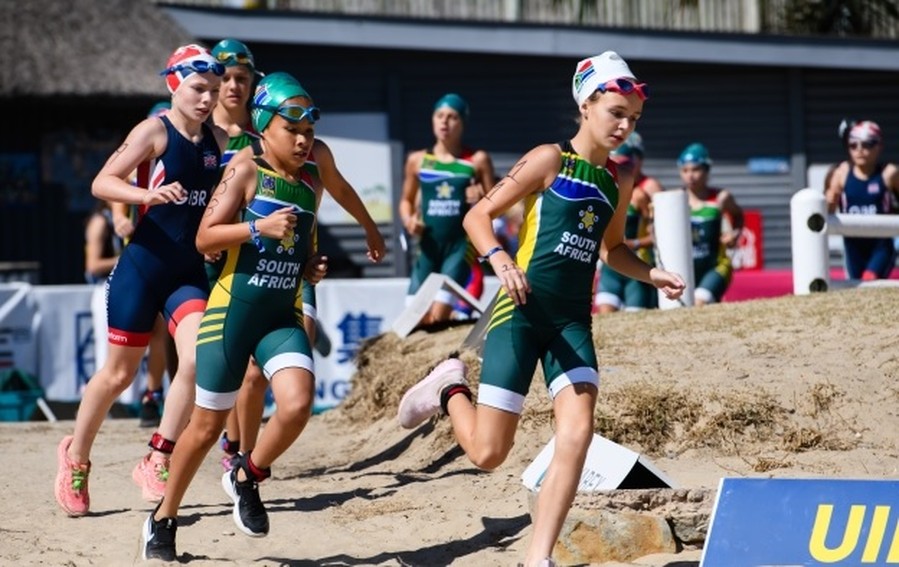 Staff pick
The UIPM Biathle/Triathle World Championships in Funchal, Portugal, gathers top athletes from around the globe for a thrilling showcase of endurance and skill. Participants…
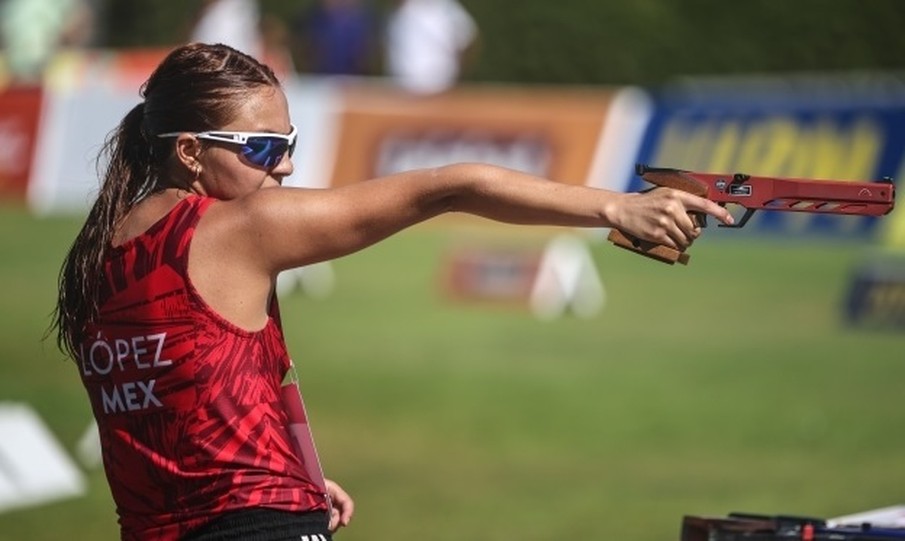 Staff pick
The UIPM Laser Run World Championships in Funchal, Portugal, brings together elite athletes and newcomers for an exciting competition that blends laser pistol shooting…
 Staff pick
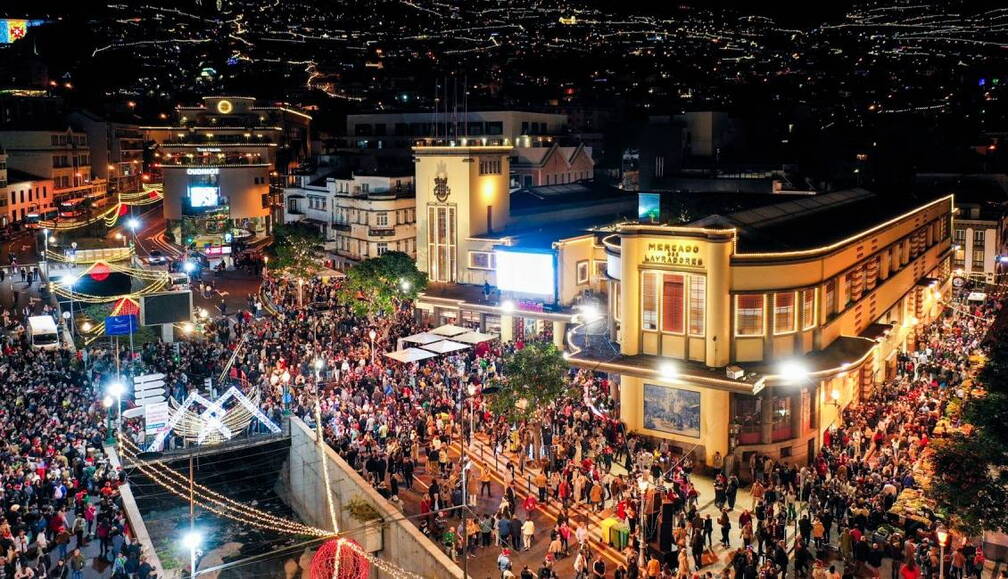
Night at the Farmers’ Market at Mercado dos Lavradores in Funchal, Portugal, is a beloved tradition where locals and visitors gather to celebrate Madeira’s…
 Staff pick
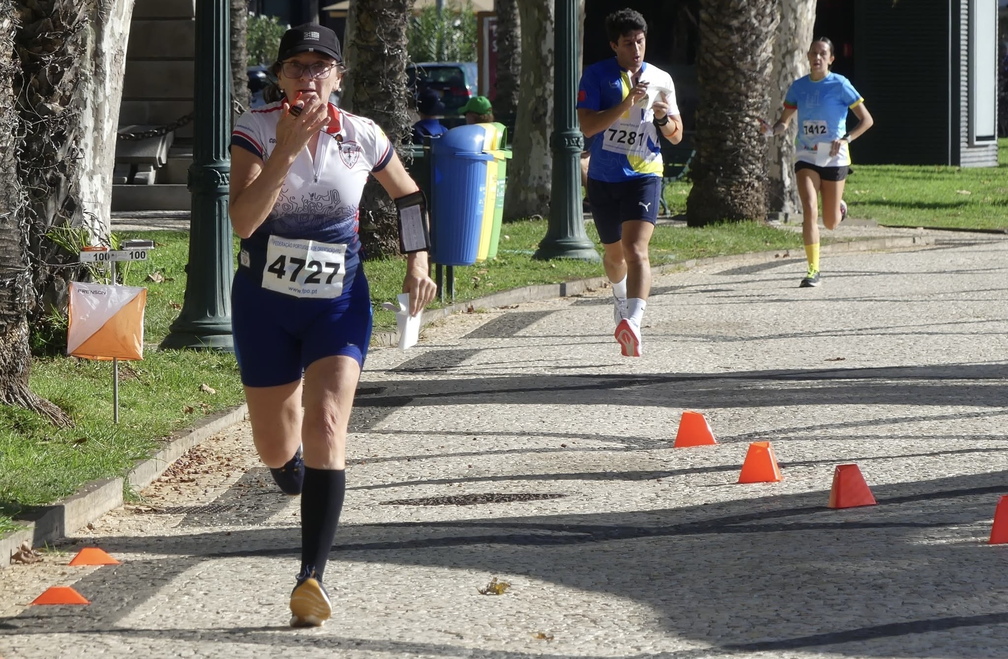
Funchal City Race in Downtown Funchal, Madeira Island, Portugal, invites participants to experience the excitement of urban orienteering as they navigate a course using…
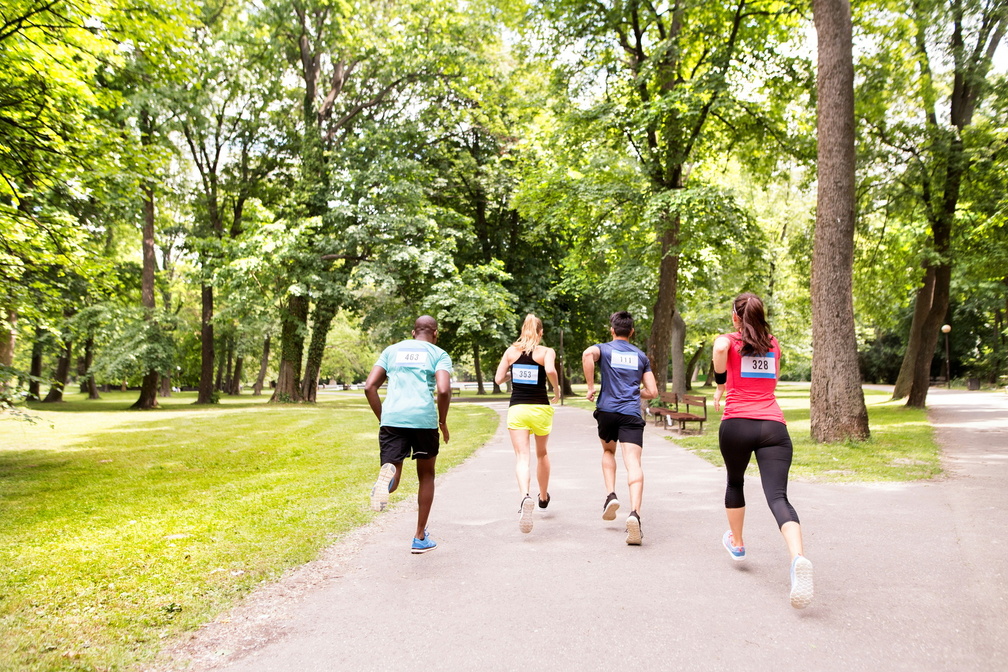
EcoTrail races allow participants to discover a city and its region while respecting the environment and raising awareness about each runner's impact on nature.…

The Madeira Ladies Open W50 Funchal returns in 2026 for its 7th edition from November 8 to 15 at the Quinta Magnólia tennis courts…
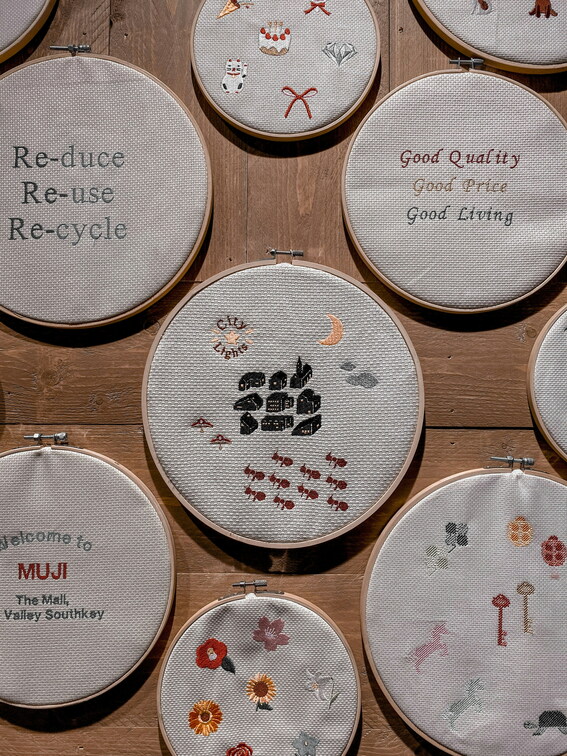
Madeira Embroidery has shaped the island's identity for generations, and this exhibition traces that legacy through intricate needlework that doubles as both art and…
A decent scene for an island city, concentrated in the old town and near the centre. Live from Hostelworld.
Madeira barely has seasons. The variables are rain in the north and how busy the island is.
Average highs for Funchal, which sits on the sheltered south coast. The north is considerably wetter and the mountains can be ten degrees cooler and in cloud while the city is in sun.
Pick how you travel. Per person per night, in euros.
A hire car at €30–50 a day sits in the transport line if you split it. Guided levada walks run €35–55 a person.
The ones we get asked most.

Compare Funchal hostels — live prices, real reviews and free cancellation on most bookings. Then meet the people already there in the app.

 Get the App.
 Get the App.