Centre
First-timersHotels close to Al Ain Oasis, the Palace Museum and Al Jahili Fort, all within a short taxi ride of each other.

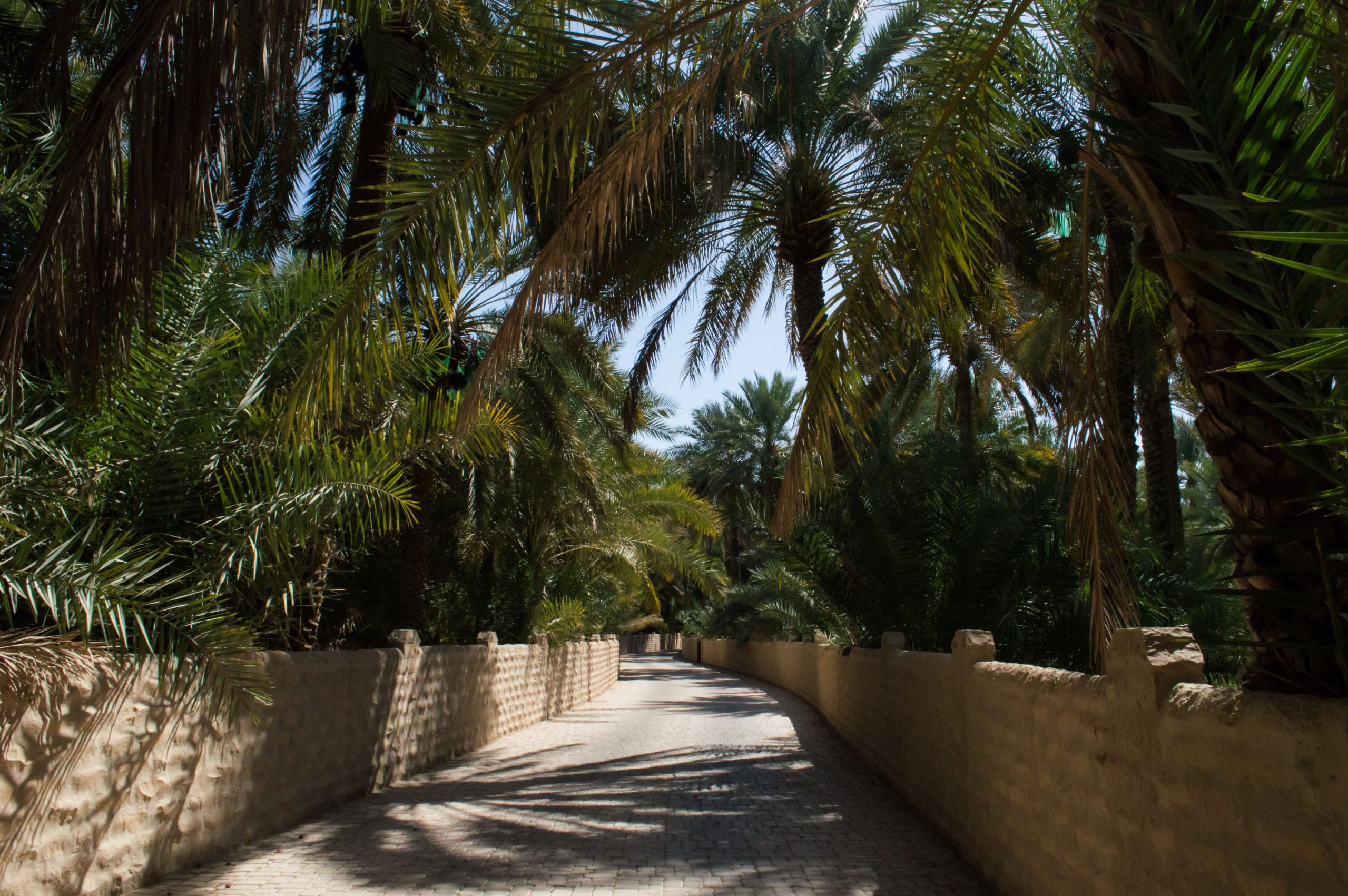
The garden city of the UAE, an inland oasis of date palms and ancient falaj water channels, with mud-brick forts, a camel market and a mountain road up Jebel Hafeet.
Al Ain is an oasis city in the east of Abu Dhabi emirate, on the border with Oman, and the birthplace of Sheikh Zayed, the UAE's founding president. People have farmed here for thousands of years, and its date-palm oases, watered by ancient falaj irrigation channels, and its Bronze Age tombs are a UNESCO World Heritage Site.
It is green, low-rise and relaxed, the opposite of Dubai's towers, and its nickname is the Garden City. Most of its best sights, from the oasis to the forts and the archaeological park, are free.
One or two days is right, with sunset from the top of Jebel Hafeet, the mountain on the edge of town.
Stay in the centre, near the oasis.
Hotels close to Al Ain Oasis, the Palace Museum and Al Jahili Fort, all within a short taxi ride of each other.
Map data from OpenStreetMap contributors.
Walk through Al Ain Oasis, a shady maze of more than 147,000 date palms with working falaj channels running between them. It's free, and cooler under the palms than in the streets outside.
Visit Al Jahili Fort, a late nineteenth-century fort with round towers and an exhibition on the explorer Wilfred Thesiger, and the Al Ain Palace Museum, the former family home of Sheikh Zayed. Qasr Al Muwaiji, another restored fort, is where the late President Sheikh Khalifa was born.
At Hili Archaeological Park, see the Hili Grand Tomb, a round stone tomb from around 2000 BCE. Go to the camel market early in the morning, when traders are busiest.
Drive up the winding road to the top of Jebel Hafeet, about 1,240 metres high, for sunset over the desert, then soak your feet in the hot springs at Green Mubazzarah park at the bottom.
Al Ain is one of the best-value places in the UAE because so much of it is free. Al Ain Oasis, Al Jahili Fort, Qasr Al Muwaiji, Hili Archaeological Park and the Al Qattara Arts Centre all have no entry fee.
The hot springs at Green Mubazzarah, at the foot of Jebel Hafeet, are free to soak your feet in, and the park is popular for picnics.
The camel market and the drive up Jebel Hafeet cost nothing either, though you need a car or a taxi to get there.
Al Ain is famous for its dates, grown in the oases; buy them fresh at the date market. Cheap Indian, Pakistani and Arab cafeterias serve biryani, shawarma and grills, and the city's malls have plenty of chains.
Try Emirati dishes such as machboos, spiced rice with meat, and harees, slow-cooked wheat and meat, especially during Ramadan.
A meal costs €4 to €10 (AED 15 to 40).
Al Ain is quiet and conservative at night. Alcohol is limited to a few licensed hotel bars.
Evenings are for the sunset on Jebel Hafeet, a walk in the parks, and late dinners when the heat drops.
Intercity buses reach Abu Dhabi and Dubai in about one and a half to two hours and are cheap. Etihad Rail doesn't serve Al Ain yet.
In town, taxis are cheap and easy. A car is best for Jebel Hafeet, the camel market and Green Mubazzarah, which are spread out on the edge of the city.
The Oman border is right next to the city, but crossing needs the right visa and documents, so check before you try.
Al Ain is cheaper than Dubai and Abu Dhabi. Budget rooms start around €30 and a careful day costs €40 to €60.
Most of the sights are free, so your main costs are your room, food and taxis.
The currency is the dirham (AED), pegged to the US dollar, at about 4.3 to the euro. Cards and phone payments work almost everywhere.
Al Ain is very safe and conservative. UAE law applies: drinking in public is illegal, drugs carry severe penalties (even traces in your blood), and swearing, rude gestures and photographing people without permission can lead to fines or arrest. Dress modestly, covering shoulders and knees.
Al Ain is one of the hottest places in the UAE, often near 45°C in summer. Visit the oasis and forts in the morning, and carry water.
Emergency: 999 police, 998 ambulance.
The mountain on the edge of town.
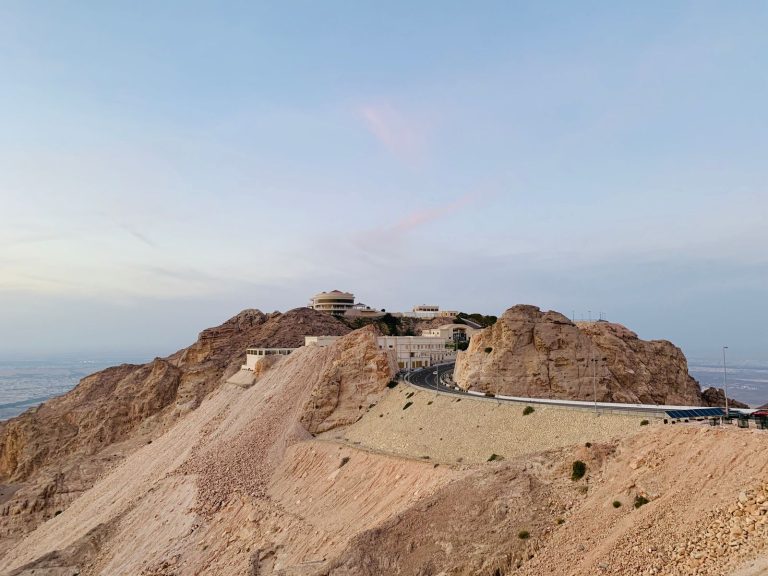
A 1,240-metre mountain on the Oman border, with a winding road to the top, sunset views over the desert and hot springs at its foot.
The date harvest fills the oasis in summer.
The harvest.
Best weather.
November to March, with warm days and cool nights. From May to September it is one of the hottest places in the country.
Average highs.
Pick how you travel. Per person per night, in euros.
Prices are in dirhams locally; these are euro equivalents.
The ones we get asked most.

Compare Al Ain hostels — live prices, real reviews and free cancellation on most bookings. Then meet the people already there in the app.

 Get the App.
 Get the App.