Dubai
93 hostels · dorms from €11
The Burj Khalifa, the old creek and souks, a beach strip and the food of two hundred nationalities.

A country that was mostly desert fifty years ago and now has the tallest building on earth. Dubai does the spectacle; the desert, the mountains and Abu Dhabi do the rest.
The UAE is seven emirates, and for most visitors it means Dubai, with Abu Dhabi an hour and a half down the road. Fifty years ago this was a pearl-diving and trading coast; now it has the world's tallest building, indoor ski slopes and an airport that connects almost everywhere.
Dubai splits into two experiences. There is the new city — Burj Khalifa, Marina, malls, beach clubs — and there is the old one around Deira and Bur Dubai, with gold and spice souks, wooden abra boats crossing the creek for a few cents, and the food of the roughly ninety per cent of residents who come from somewhere else. The second is cheaper and more interesting than the first.
Outside the cities, the desert starts immediately and the Hajar mountains in the east give you wadis, hiking and a much older version of the country. Most trips are three to five days; a week lets you add Abu Dhabi and the mountains.
Dubai and Abu Dhabi are ninety minutes apart, and the desert starts at the edge of both.
The Burj Khalifa, the old creek and souks, a beach strip and the food of two hundred nationalities.
The capital: the Sheikh Zayed Grand Mosque, the Louvre Abu Dhabi and a quieter feel than Dubai.
The northern emirate: the country's highest mountain, one of the longest zip lines in the world, and quieter beaches.
An oasis city inland with forts, a camel market and falaj irrigation channels that are UNESCO-listed.
The UAE does spectacle, desert and beaches, and it does them in winter rather than summer.
Three or four days, mostly in Dubai.
Desert, wadis and the Hajar mountains.
Warm sea from October to May, and free public beaches.
Two hundred nationalities, and the best of it is cheap.
Mosques, museums and the version of the country before oil.
Licensed venues only, and priced for expense accounts.
The Burj Khalifa observation decks are the obvious one and are cheaper booked online in advance, with sunset slots costing more. The fountain show at its base is free and runs every half hour in the evening.
Old Dubai is the better half. The abra boats crossing the creek cost around 25 cents, the gold and spice souks are on either side, and Al Fahidi's wind-tower houses show what the city looked like before 1970. The Dubai Frame and the Museum of the Future are the newer landmarks.
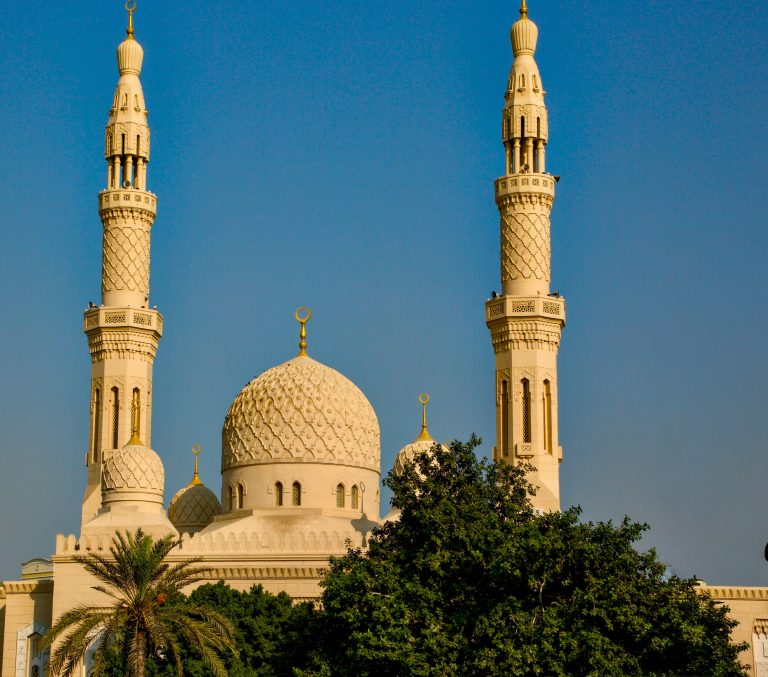
In Abu Dhabi, the Sheikh Zayed Grand Mosque is free to enter, genuinely extraordinary, and requires modest dress with abayas lent at the entrance. The Louvre Abu Dhabi is next on most lists.
Out of the cities, desert camps do dune driving, camel rides and dinner, Hatta has kayaking and mountain biking, and Jebel Jais has one of the world's longest zip lines.
Around ninety per cent of the population comes from somewhere else, and the food follows: South Indian, Pakistani, Filipino, Lebanese, Iranian and Egyptian cooking, most of it in cafeterias and cheap restaurants away from the tourist strips.
A shawarma is about a euro, a South Indian thali in Karama or Deira is €3 to €5, and a Lebanese mezze spread is €10 to €15 a head. That is a completely different economy to the hotel restaurants, where a main course can be €30 to €50.
Emirati food itself is harder to find and worth seeking out: machboos, harees and balaleet, served at a handful of dedicated restaurants and heritage cafés. Friday brunch is a national institution with a price tag to match.
Alcohol is legal for non-Muslims in licensed venues, which in practice means hotel bars, beach clubs and dedicated licensed restaurants. It is expensive — €10 to €16 for a beer, more for cocktails — and drinking in public or being drunk in public is illegal.
Dubai has an international club and beach club scene, particularly around the Marina and JBR, and the brunch culture on Fridays fills the gap between lunch and a night out.
Sharjah is entirely dry. During Ramadan, avoid eating, drinking or smoking in public during daylight hours out of respect; many restaurants stay open, but venues adjust their hours substantially and rules are strictest in Sharjah.
Dubai's metro is clean, cheap and covers most of what visitors want, using a Nol card bought at any station. Buses fill the gaps and the abra boats cross the creek for pennies.
Taxis are inexpensive by European standards and Careem and Uber both work. Between emirates, intercity buses run Dubai to Abu Dhabi in about ninety minutes for a few euros.
A hire car makes sense for the desert, Hatta and the mountains, and driving is straightforward on excellent roads, though speeds are high and camera enforcement is strict. Note that Dubai's metro does not run late on most nights, and that taxi queues at peak times can be long.
The UAE is as expensive as you let it be. Dorms start around €20, metro rides cost about a euro, a shawarma is €1 and public beaches are free — a careful day comes to €45 to €65.
The costs that break budgets are alcohol at €10 to €16 a drink, hotel dining, desert safaris at €50 to €90 and Burj Khalifa tickets. Two of those in a day doubles the total.
The dirham is pegged to the dollar, cards are accepted everywhere, and there is no tipping obligation beyond rounding up, though service charges appear on hotel bills.
The UAE has very low crime and is one of the safest places to walk around at night anywhere in this guide, including for women travelling alone.
The risk here is legal rather than criminal, and it applies to visitors exactly as it does to residents. Public drunkenness, public displays of affection, rude gestures and swearing — including online — are all offences that have resulted in arrests and deportations of tourists. Drug laws are among the strictest in the world, with trace quantities and some prescription medications treated seriously; check whether your medication is controlled before travelling.
Same-sex relationships are criminalised, and LGBTQ+ travellers should read current government advice before travelling. Unmarried couples sharing a room has been legal since reforms in 2020.
Summer heat is the other genuine hazard, with July and August reaching 45°C and high humidity on the coast.
Many nationalities, including the EU, UK, US, Canada and Australia, get a visa on arrival for 30 or 90 days depending on passport. Others need to apply in advance, often through an airline or hotel sponsor.
Passports need six months' validity from entry.
Beyond the paperwork, the laws are the thing to read before you travel. This is a conservative country with rules on public behaviour, dress in government buildings and malls, alcohol, and photography of people and military or government sites. They are enforced, including against tourists, and ignorance is not accepted as a defence.
November to March is the season, and it is not a close call. Summer here is genuinely dangerous heat rather than uncomfortable heat.
Average highs for Dubai. Summer combines 40°C with coastal humidity and is genuinely hazardous outdoors; Ramadan moves earlier by about eleven days each year and changes opening hours substantially.
Pick how you travel and how long for. Per night, for one person, in euro equivalents of dirhams.
Alcohol at €10–16 a drink and desert safaris at €50–90 sit outside these figures and are what push budgets up fastest here.
Ramadan changes how the country runs for a month, and it moves earlier each year.
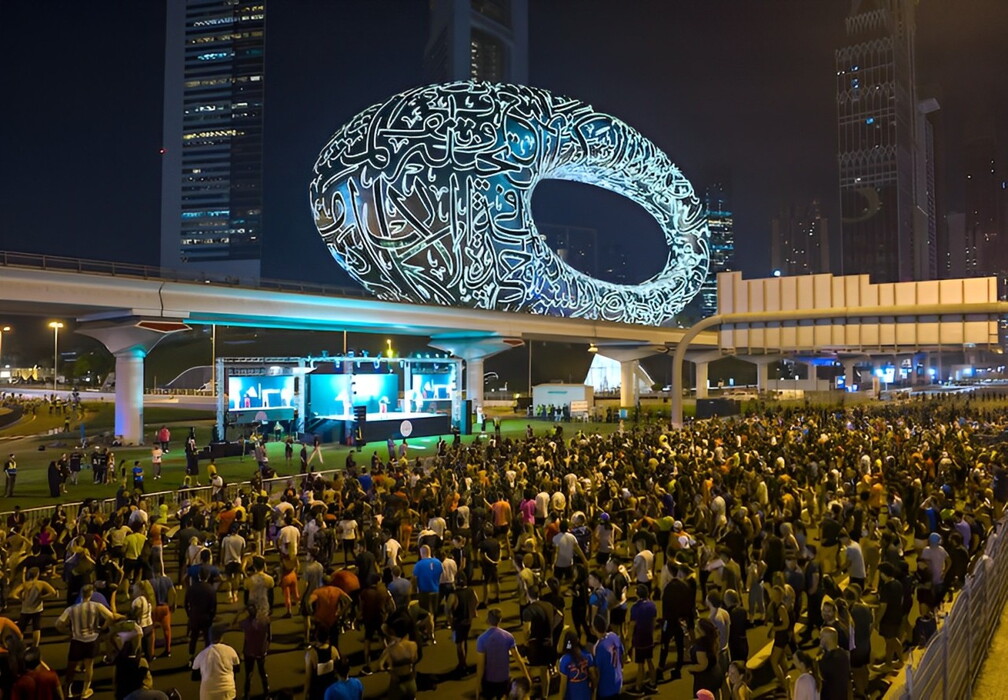 Staff pick
The Dubai Fitness Challenge transforms the city into an open-air gym, encouraging residents and visitors alike to embrace active lifestyles. For an entire month,…
 Staff pick
The Ultimate Fighting Championship (UFC) is the world’s leading mixed martial arts (MMA) organization, showcasing elite fighters across weight divisions in global events. Known…
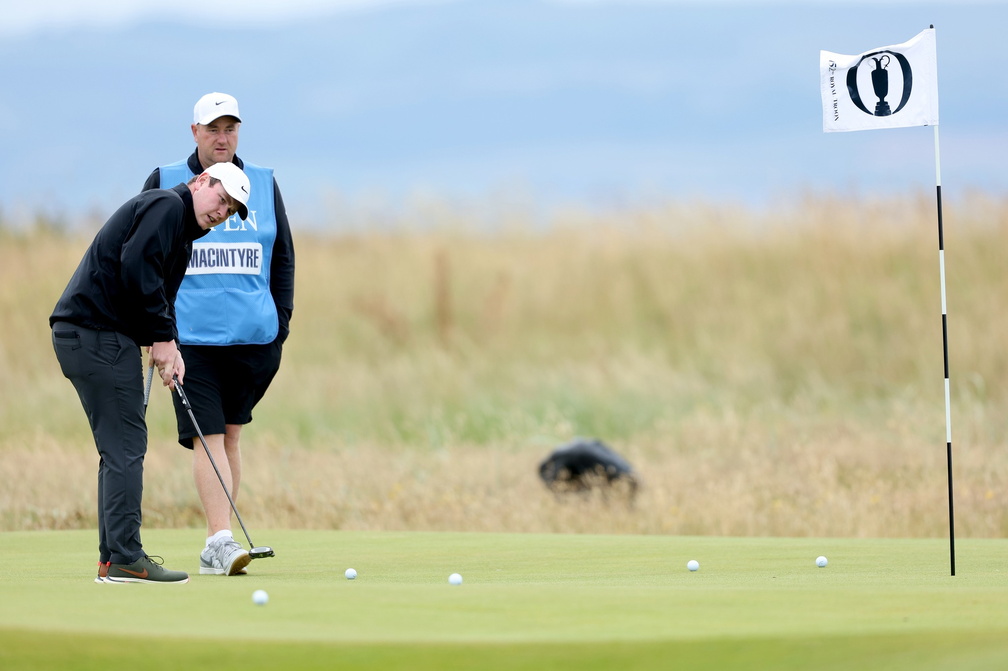 Staff pick
The DP World Tour Championship is a prestigious golf tournament held in Dubai, attracting top players from around the world. With an anticipated attendance…
 Staff pick
The Abu Dhabi Desert Challenge is a thrilling annual off-road motorsport event that attracts adrenaline junkies from around the world. With rugged desert terrain,…
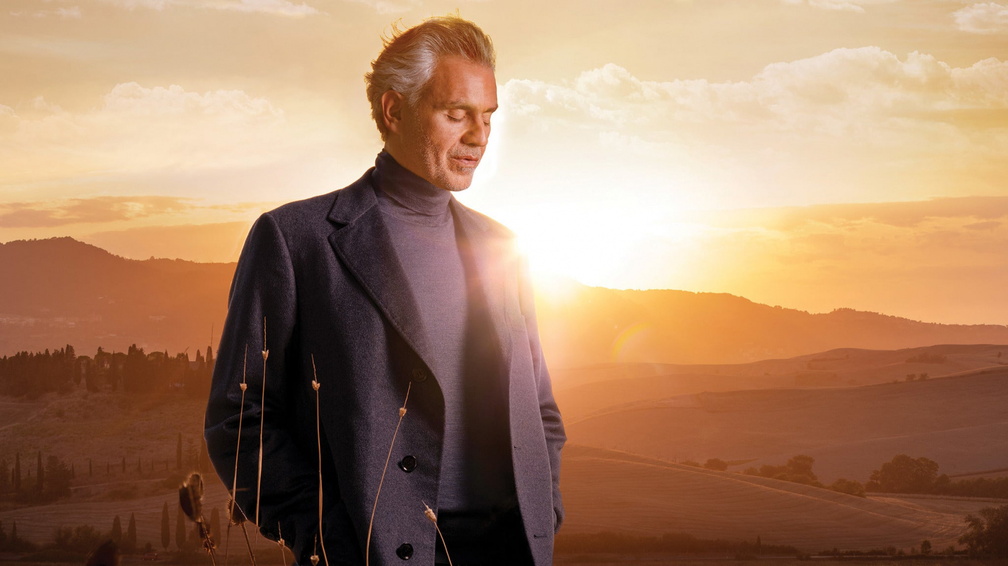 Staff pick
Andrea Bocelli has managed to bring classical music into the mainstream. With record sales of over 75 million, and "Romanza," the best-selling classical album…
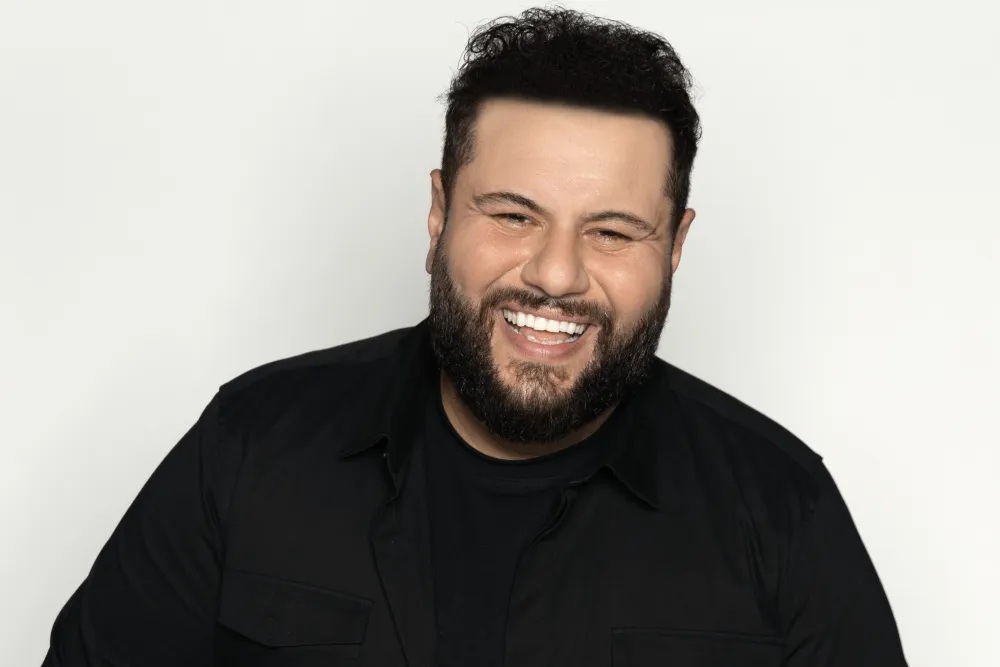 Staff pick
Mo Amer is a comedian known for blending personal experiences with global issues and cultural insight. His comedy is thoughtful, funny, and rooted in…
 Staff pick
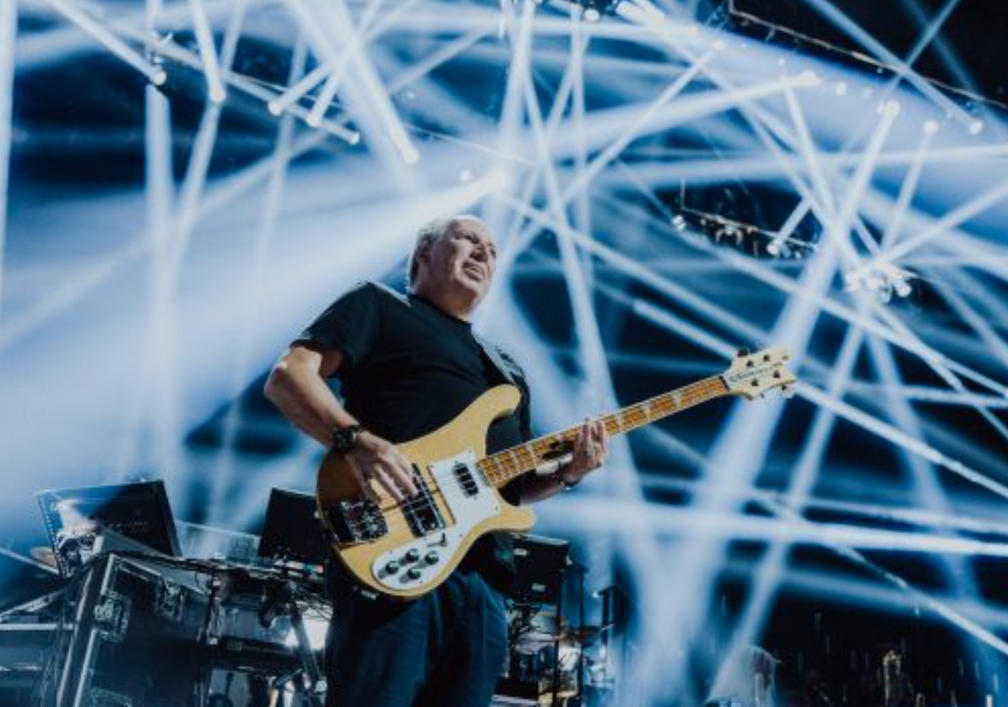
Witness the musical genius of Hans Zimmer in a spectacular live performance that showcases his most memorable compositions. From epic film scores to intimate…
 Staff pick
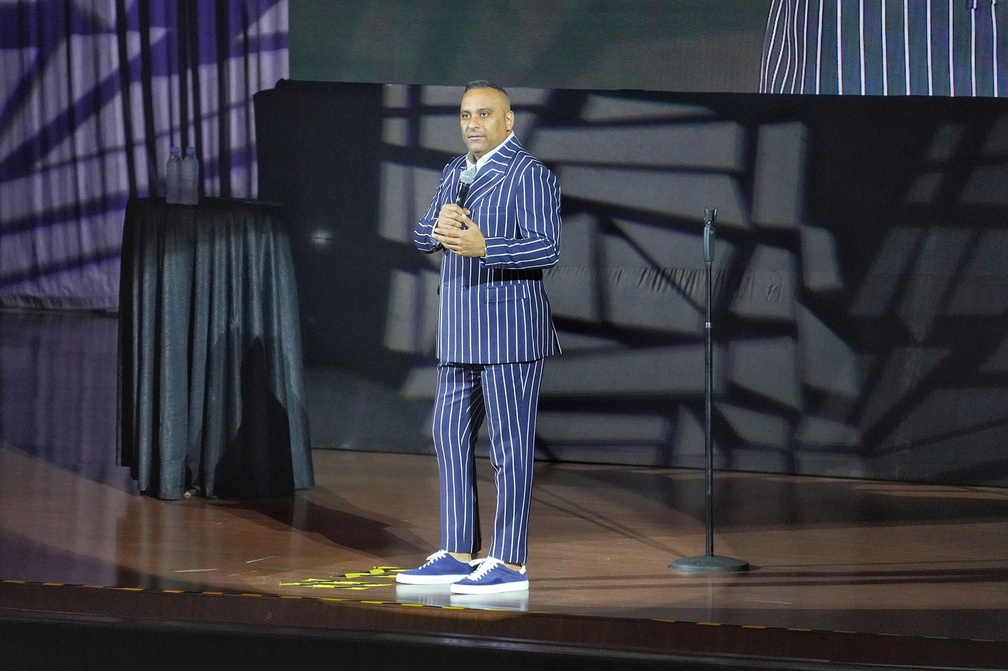
Russell Peters is a Canadian comedian renowned for his global comedy style, often drawing on cultural stereotypes and personal experiences. His high-energy stand-up performances…
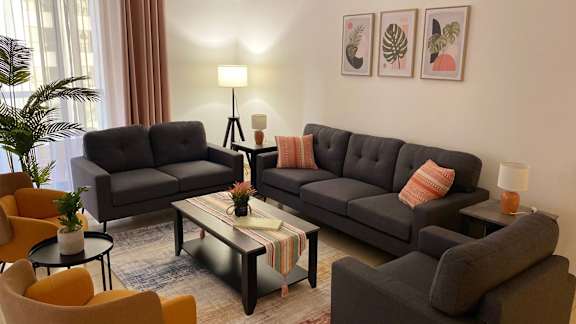
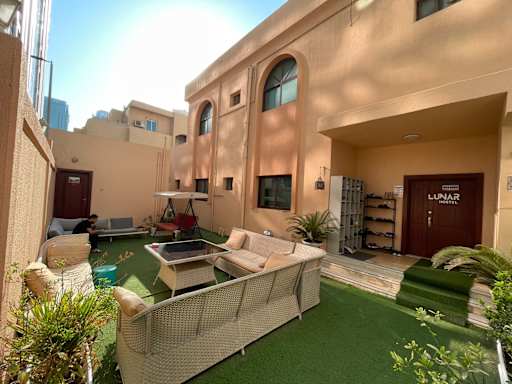
The highest-rated hostels in the country, live from Hostelworld. Almost all are in Dubai, with a handful in Abu Dhabi.

The ones we get asked most.

Compare hostels across the UAE — live prices, real reviews and free cancellation on most bookings. Then meet the people already there in the app.

 Get the App.
 Get the App.