Bikini beach
First-timersGuesthouses along and behind the bikini beach put you a minute from the sand, the cafés and the boats.

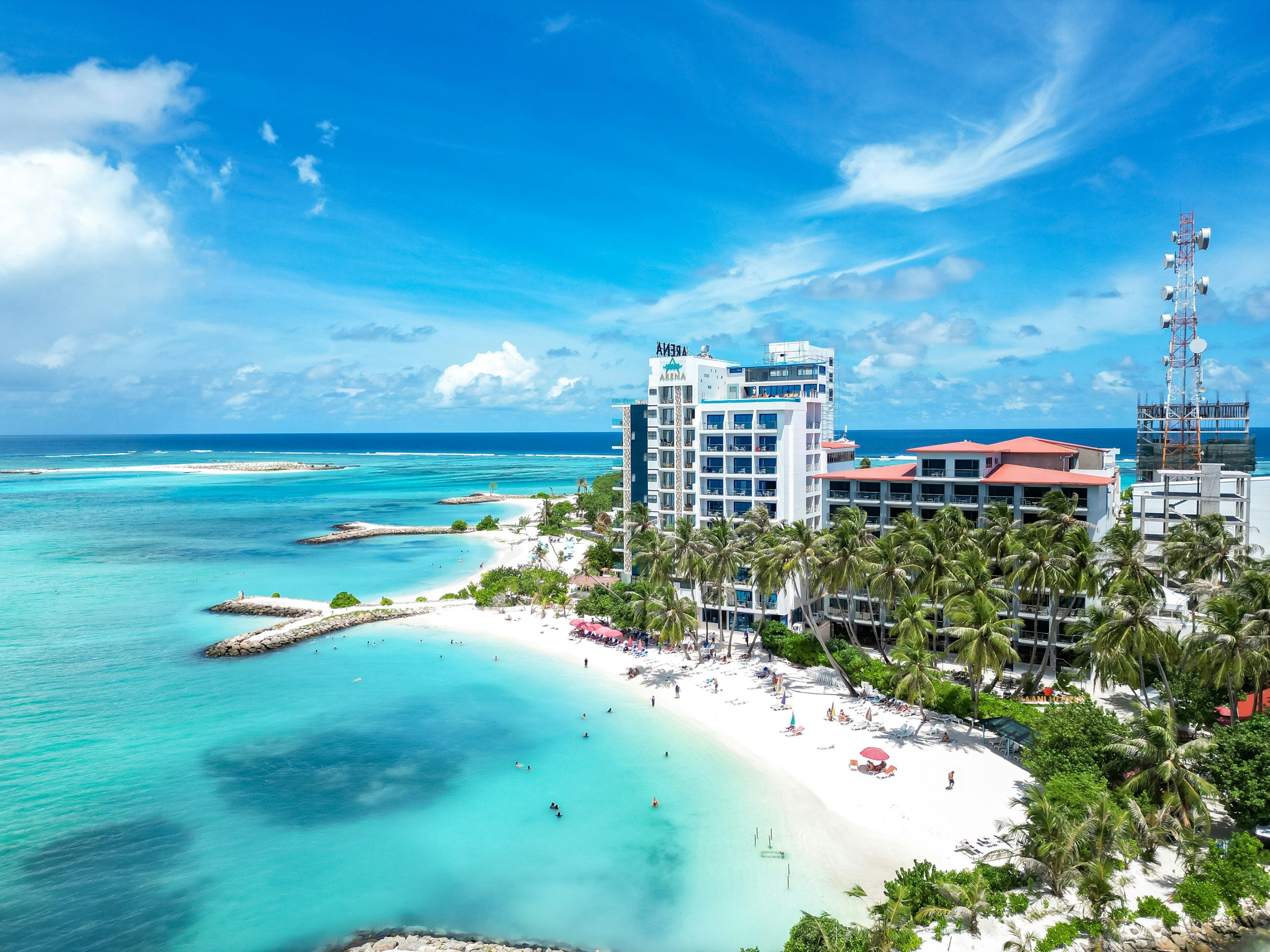
The biggest local-island scene in the Maldives: a bikini beach, floating bars offshore, dozens of guesthouses and boat trips every day to sandbanks, reefs and resort islands.
Maafushi is a local island in Kaafu Atoll, less than an hour by speedboat from Malé. It was one of the first islands to open guesthouses after the Maldives allowed tourists to stay on inhabited islands in 2009, and it now has more guesthouses than any other local island. That makes it the busiest, most sociable and cheapest way to see the Maldives without paying resort prices.
Life here is a mix of a working fishing village and a backpacker hub. Families live in the lanes behind the harbour, while travellers spend their days on the bikini beach and on boat trips, and their evenings on the floating bars moored offshore.
Three or four days is right: enough for a sandbank, a snorkelling trip, a day at a resort and a lazy day on the beach.
Stay near the bikini beach.
Guesthouses along and behind the bikini beach put you a minute from the sand, the cafés and the boats.
Orange labels are neighbourhoods, dots are the 1 top-rated hostels. Map data from OpenStreetMap contributors.
Spend your first day on the bikini beach, the island's designated swimwear area, with loungers, umbrellas and juice bars. Elsewhere on the island, cover your shoulders and knees.
Book a snorkelling trip in the harbour or through your guesthouse. Half-day trips cost $25 to $50 and usually combine two reef stops, where you can swim with turtles, nurse sharks and stingrays, with an hour on an empty sandbank.
Take a sunset dolphin trip ($20 to $35, about two hours); spinner dolphins are often seen. For a taste of resort life, a day pass to a nearby resort such as Fihalhohi or Adaaran Club Rannalhi costs $100 to $180 with lunch and transfers.
Divers can dive with PADI centres on the island for $50 to $70 a dive. Jet skis, parasailing and paddleboards are all on offer at the beach.
The bikini beach is free, and so is snorkelling off it, though there is more to see on the reefs further out.
Walk through the village in the late afternoon, when it comes alive with kids playing football and families sitting outside on joali, the Maldivian rope chairs. The harbour is where fishermen bring in the catch.
Sunsets from the beach are free every night. Sit by the water after dark too: when the plankton is there, it glows when the water moves.
Breakfast is mas huni: shredded tuna with coconut, onion and chilli, eaten with roshi flatbread. Most guesthouses include it.
For lunch and dinner, try garudhiya, a clear fish soup, and short eats (hedhikaa) such as fried fish cakes and samosa-like gulha, sold cheaply in the local cafés. Grilled reef fish is on every menu, and the beachfront restaurants also do pizza, pasta and burgers.
A meal costs €5 to €12. Many places add a 10% service charge and 17% tax, so check whether the menu prices include them.
Alcohol isn't allowed on local islands, so Maafushi's nightlife happens on the floating bars: converted safari boats moored a few minutes offshore. Guesthouses arrange the transfer, about $5 to $10 return, and drinks cost €8 to €12.
Back on the island, evenings are about the beach, the cafés along the seafront and fruit juices and shisha. It is the most social island in the Maldives for meeting other travellers.
Shared speedboats run from Malé and the airport several times a day, take 30 to 45 minutes and cost $25 to $35 per person. Most guesthouses book them for you and meet you at arrivals. A private speedboat costs $150 to $250 for the boat.
The public ferry is the cheapest option, at about $2 to $3. It leaves Malé's Villingili terminal once a day, around 3pm, takes 1.5 to 2 hours and doesn't run on Fridays. Check times on mtcc.mv before you travel.
On the island, everything is a few minutes' walk.
Maafushi is the cheapest way to see the Maldives. Guesthouse beds start around €30 and a careful day costs €60 to €90, with one trip.
Taxes add up. Most prices are quoted before 17% tourism tax, often a 10% service charge, and a $6 per person per night green tax at guesthouses, so a $50 room ends up nearer $70.
The rufiyaa (MVR) is the local currency, but prices are in US dollars and dollars are accepted everywhere. Maafushi has ATMs and most guesthouses and tour operators take cards; bring small dollar notes for tips and trips.
Maafushi is safe. It is a Muslim community: there's no alcohol on the island, and you should cover your shoulders and knees away from the bikini beach. During Ramadan, eat and drink discreetly in public during the day.
Currents on the outer reefs can be strong. Stay with your guide, wear a life jacket if you're not a confident swimmer, and don't touch turtles or coral. The sun is fierce, so use reef-safe sunscreen and a rash vest.
Emergency: 119 police, 102 ambulance.
Sandbanks, reefs, resorts and dolphins, all within an hour or so by boat.
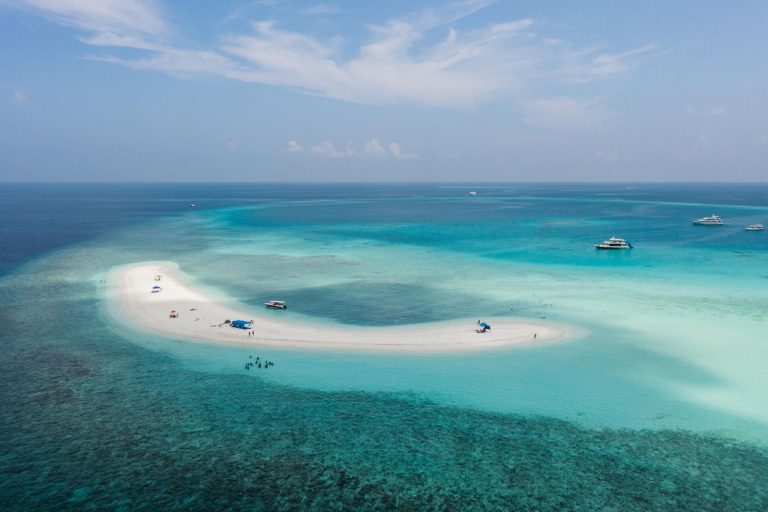
An empty strip of white sand in the middle of the lagoon, usually combined with two snorkelling stops. About $25 to $50.
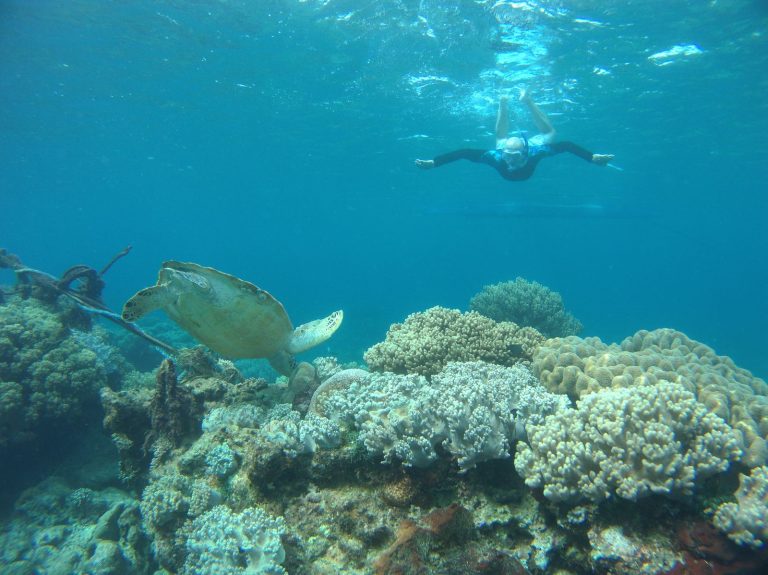
Reefs where green and hawksbill turtles feed, often with nurse sharks and stingrays nearby. Keep your distance and don't touch.
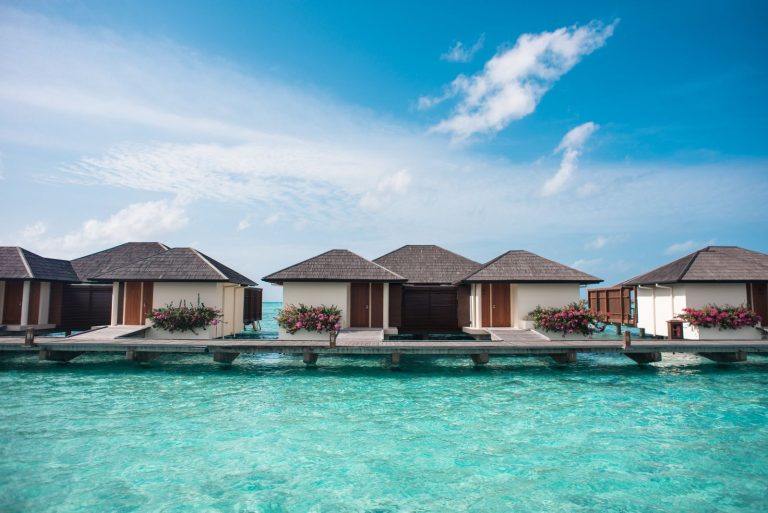
A day at a nearby resort such as Fihalhohi or Adaaran Club Rannalhi, with lunch and transfers, for $100 to $180.
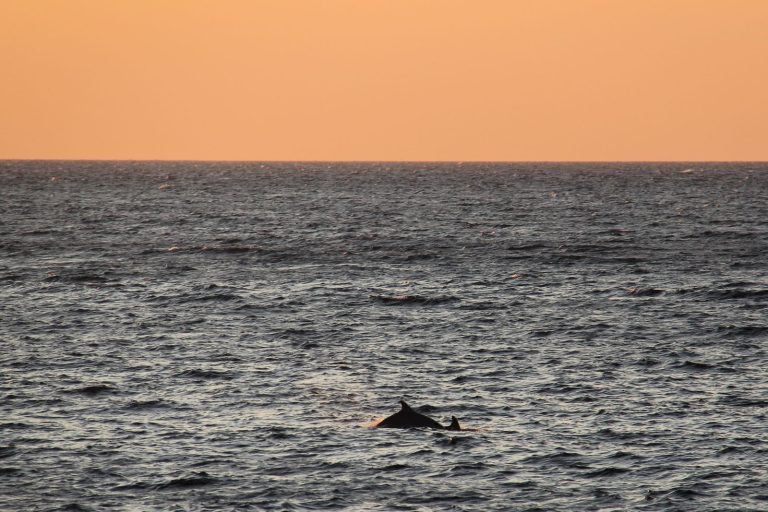
Spinner dolphins at dusk, for $20 to $35.
Ramadan changes the rhythm of the island.
Calm seas.
Quieter days.
The top-rated places to stay in Maafushi right now, live from Hostelworld.
December to April is the dry season, with calm seas and the clearest water. May to November is wetter and windier, but cheaper and quieter.
Average highs. Hot all year.
Pick how you travel. Per person per night, in euros.
Prices are euro equivalents. Excludes trips and taxes.
The ones we get asked most.

Compare Maafushi hostels — live prices, real reviews and free cancellation on most bookings. Then meet the people already there in the app.

 Get the App.
 Get the App.