Old centre
HistoryMagellan's Cross and the Basilica; quiet at night.

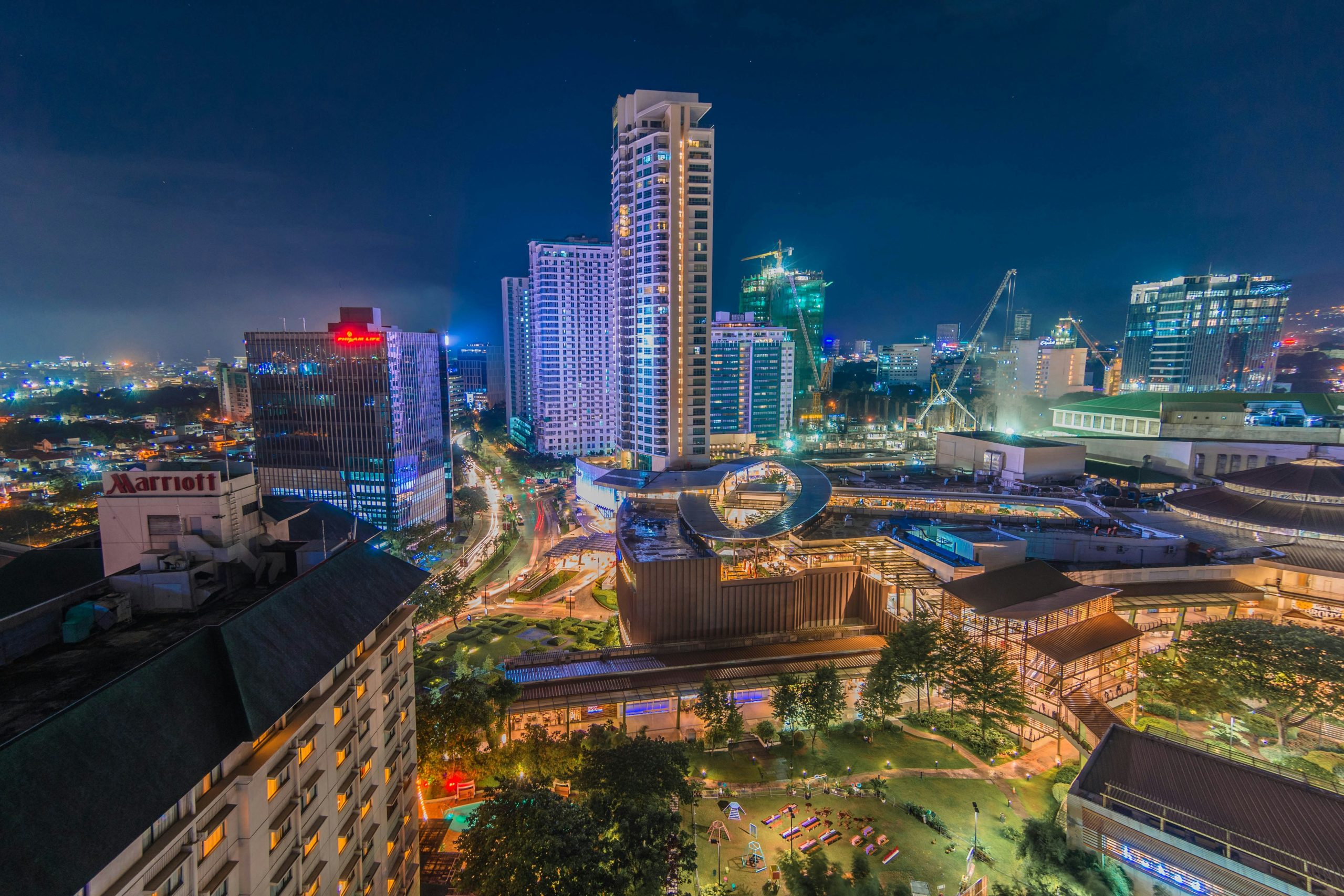
The Philippines' oldest city and second flight hub, where Magellan landed, with the best lechon in the country, the huge Sinulog festival, and whale sharks, waterfalls and dive islands around it.
Cebu is where the Spanish story of the Philippines began: Magellan arrived in 1521 and planted a cross that still stands, and the Basilica del Santo Niño holds the country's oldest religious image.
Today it is a busy city and the second flight hub, and the base for some of the best diving, beaches and waterfalls in the country.
One or two days in the city is right, before heading out to the islands.
The old centre, around Magellan's Cross and the Basilica, has the history but little else at night. IT Park and the area around Ayala Center have the restaurants, bars and newer hostels. Many travellers skip the city and head straight for Moalboal, Malapascua or Bohol.
Magellan's Cross and the Basilica; quiet at night.
Restaurants, bars and newer hostels.
Orange labels are neighbourhoods, dots are the 12 top-rated hostels. Map data from OpenStreetMap contributors.
Cebu is where Spain first arrived in the Philippines: Magellan landed in 1521 and planted a cross, now housed in a small chapel beside the Basilica del Santo Niño, the country's oldest church, which holds a statue of the infant Jesus given by Magellan. Fort San Pedro, nearby, is the oldest triangular bastion fort in the country.
Cebu claims the best lechon, whole roast pig with crackling skin, in the Philippines; try it at a lechon house.
For views, the Temple of Leah, a Roman-style temple in the hills built by a man for his late wife, and Tops Lookout look over the city at sunset.
Cebu is the gateway to the Visayas. Head south-west to Moalboal for the sardine run and Kawasan Falls, north to Malapascua for thresher shark dives at dawn, to Bantayan for white beaches, or by ferry to Bohol. At Oslob, whale-shark tours rely on feeding the sharks, which conservationists criticise.
Magellan's Cross and the Basilica del Santo Niño are free, and so is the old centre around Colon Street, the oldest street in the country.
Carbon Market, the city's biggest, is free to wander. Fort San Pedro charges a small fee.
Cebu's lechon is the city's pride, often eaten without sauce because the meat is seasoned inside with lemongrass and spices. Puso, rice cooked in woven coconut leaf pouches, is eaten with grilled meats at street stalls known as larsiahan.
Try sutukil, seafood chosen and cooked three ways, and dried mangoes, a Cebu speciality to take home.
A meal is €2 to €6.
IT Park and the area around Mango Avenue have bars and clubs, and Cebu's nightlife is lively at weekends.
Sinulog, on the third Sunday of January, is one of the biggest festivals in the country, with street dancing and parties across the city.
A San Miguel is €1 to €2.50.
Mactan-Cebu International Airport is on Mactan Island, thirty to sixty minutes from the city by Grab or taxi depending on traffic; it has international flights.
In the city, use Grab; jeepneys are cheap but confusing.
Ferries reach Bohol in about two hours from the city pier. Buses from the South Bus Terminal reach Moalboal in about three hours and Oslob in about three and a half; buses from the North Bus Terminal go to Maya for Malapascua and Hagnaya for Bantayan.
Cebu is cheap. Dorms start around €7 and a careful day is €18 to €30.
A bus to Moalboal is a few euros, a ferry to Bohol around €10 to €15, and lechon around €3 to €6 a plate.
The currency is the Philippine peso (PHP); prices here are euro equivalents, at roughly 65 pesos to the euro.
Cebu is safe with ordinary city care: watch for pickpockets around Carbon Market and on jeepneys, and use Grab at night.
Typhoons hit roughly from June to November and can cancel flights and ferries for days; build slack into island plans.
Emergency number is 911.
Sardines, thresher sharks, white beaches and the Chocolate Hills.
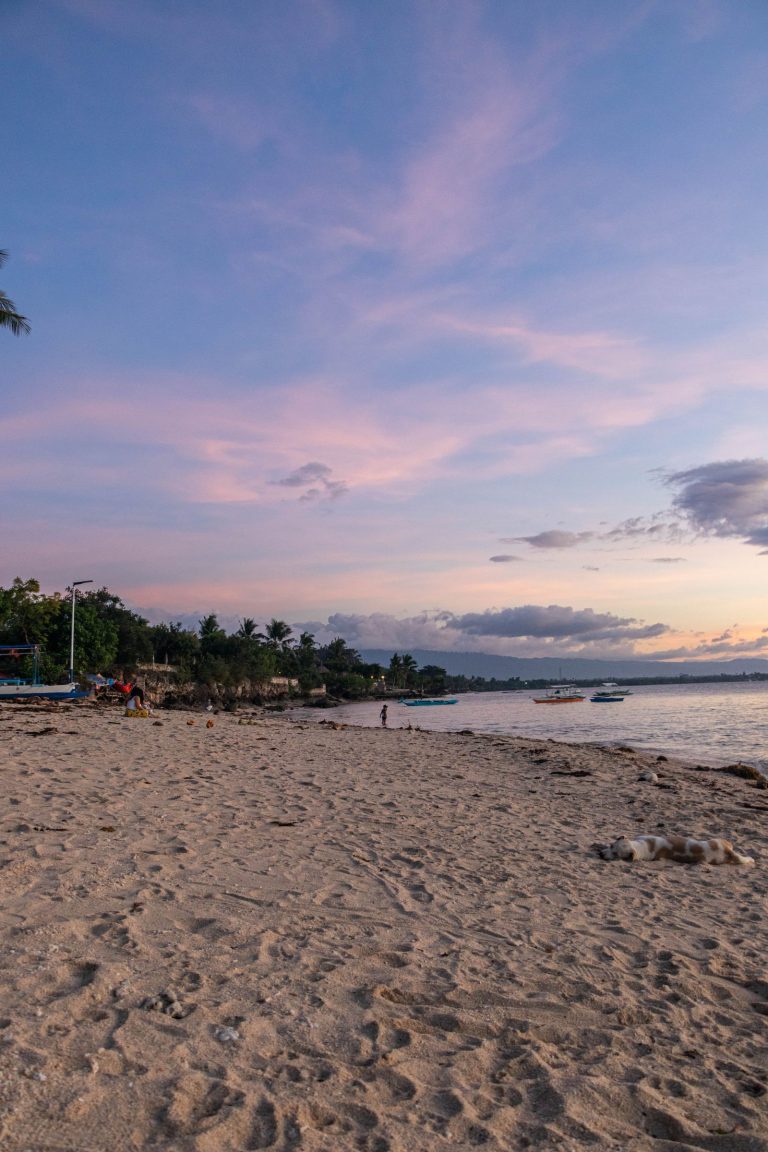
The sardine run and Kawasan Falls.
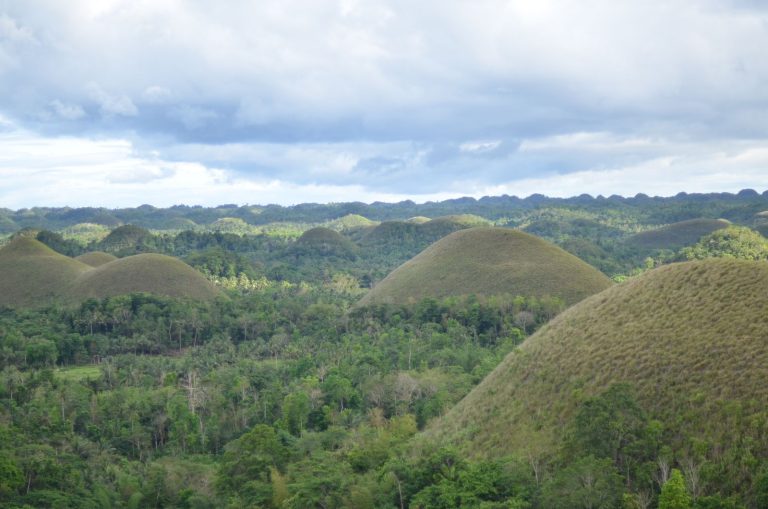
The Chocolate Hills and tarsiers.
Sinulog, in January, is one of the biggest festivals in Asia.
A huge street festival.
Processions.
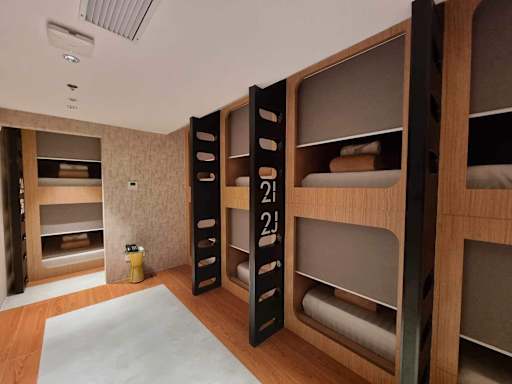
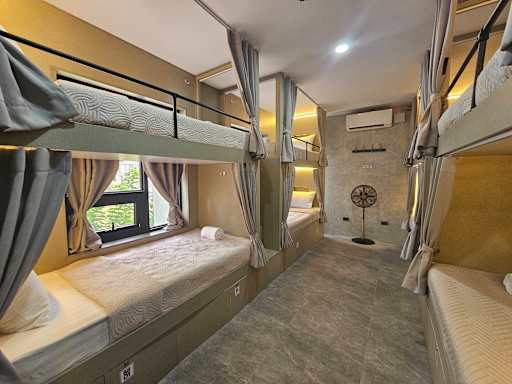
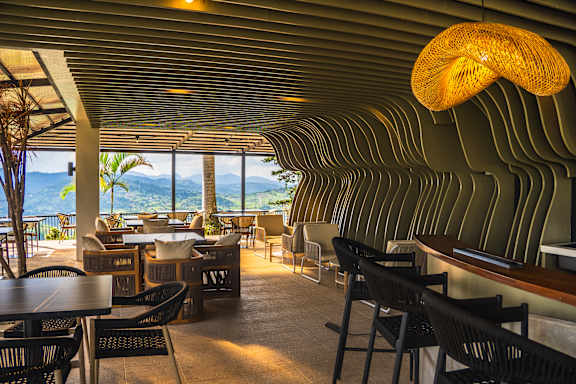
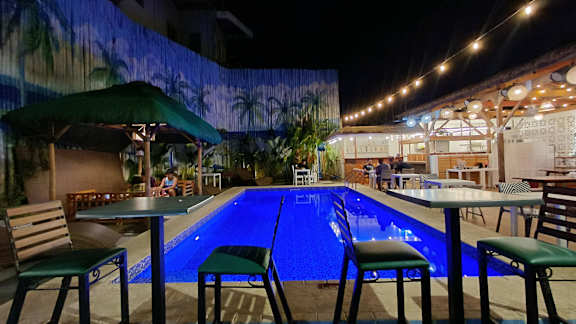
The top-rated places to stay in Cebu right now, live from Hostelworld.
 Sustainable
December to May is dry. January brings Sinulog.
Average highs.
Pick how you travel. Per person per night, in euros.
Prices are in pesos locally; these are euro equivalents.
The ones we get asked most.

Compare Cebu hostels — live prices, real reviews and free cancellation on most bookings. Then meet the people already there in the app.

 Get the App.
 Get the App.